
 Login
Login Register
 Submit a Paper
 Propose a Special lssue
 Open Access
ARTICLE
Design and Performance Evaluation of a Temporary Plugging and Filtration-Reducing System Utilizing Water-Soluble Polyester Particles for Unconsolidated Sandstone
1 School of Petroleum Engineering, China University of Petroleum (Beijing), Beijing, China
2 School of Petroleum Engineering CNOOC (China) Co., Ltd., Caofeidian Operation Company, Tianjin, China
* Corresponding Author: Xitang Lan. Email:
(This article belongs to the Special Issue: Ion- and Molecular-Imprinted Polymers: Design, Fabrication and Functional Applications)
Journal of Polymer Materials 2026, 43(3), 11 https://doi.org/10.32604/jpm.2026.086935
Received 08 June 2026; Accepted 29 July 2026; Issue published 24 September 2026
 View Full Text
 Download PDF
Abstract
Addressing challenges such as uncontrolled fracture propagation, significant fluid loss, and rapid post-fracturing conductivity deterioration in unconsolidated sandstone reservoirs, we developed a temporary plugging fracturing system utilizing water-soluble polyester particles. A comprehensive assessment was conducted on its particle size distribution, dissolution/swelling characteristics, suspension stability, degradation behavior, as well as its efficacy in temporary plugging and fluid loss reduction. The findings revealed that the system demonstrated high operational adaptability and temporal responsiveness. The particles maintained robust suspension stability during injection, with >80 mesh particles sustaining up to a 98% suspension rate after 30 min at a 0.6 wt% concentration. This stability enabled the formation of a bridge-fill-compaction structure at pore throats and fracture entrances, thereby achieving effective temporary plugging. Following this temporary plugging, fluid loss was markedly reduced by nearly 90% (decreasing from approximately 53 mL to 5–6 mL at 30 min), effectively preventing fluid intrusion and enhancing the sealing capacity in the near-wellbore region. Over time, the particles progressively softened, fragmented, and ultimately degraded, displaying a distinct pattern of rapid initial degradation followed by gradual degradation, achieving a 91% degradation rate at 6 h and near-complete degradation (98%) within 24 h. Our research indicates that this water-soluble polyester particle temporary plugging system effectively fulfills the temporary plugging requirements of “initial temporary plugging, subsequent diversion, and eventual degradation” in unconsolidated sandstone fracturing. It achieves a harmonious integration of short-term efficient temporary plugging with high degradation and minimal damage in the later stages, offering a theoretical foundation and technical support for optimizing fracturing techniques and selecting temporary plugging materials for unconsolidated sandstone reservoirs.Keywords
As a crucial alternative domain for the development of low-efficiency and difficult-to-produce reserves in China, unconsolidated sandstone reservoirs typically display characteristics including loose cementation, poor particle sorting, intricate pore structures, and pronounced heterogeneity. Under complex true triaxial stress conditions, these loosely cemented structures are highly susceptible to severe anisotropic failure and wellbore/fracture instability [1]. Throughout the fracturing treatment process, these reservoirs frequently confront challenges such as significant fluid leakage, uncontrolled fracture propagation, and compromised fracture wall integrity. The complexities of such massive fracture propagation and post-failure geological evolution in weakly consolidated media have been profoundly elucidated by recent advances in large deformation modeling, such as the material point method [2]. Furthermore, recent investigations into real-time formation responses explicitly demonstrate that the pronounced geological heterogeneity of these reservoirs often renders conventional static treatments ineffective, thereby highlighting an urgent necessity for highly adaptive operational systems during well interventions [3]. Consequently, the development of a temporary plugging fracturing system tailored for unconsolidated sandstone reservoirs, characterized by “effective temporary plugging-fracture diversion-controllable degradation-minimal residual damage,” represents a pivotal technical approach to augment treatment efficacy and development efficiency [4,5,6,7].
Temporary plugging fracturing technology alters the local stress distribution within the formation by creating temporary sealing zones in primary fractures, near the wellbore, or natural fractures. This process induces fracture redirection, multi-fracture extension, or balanced fluid influx among clusters, thereby expanding the stimulated reservoir volume and enhancing reservoir utilization efficiency [8,9,10]. In recent years, a wide array of temporary plugging materials, encompassing fibrous, particulate, flaky, composite, and biodegradable types, have been the subject of extensive research. Among these, particulate materials are most prevalent due to their ease of application, high adaptability, and cost-effectiveness [11,12,13]. Nevertheless, traditional inorganic or non-biodegradable particles frequently encounter challenges such as inadequate pressure-bearing capacity, flowback difficulties, residue retention, and reservoir contamination in unconsolidated sandstone formations, posing difficulties in achieving a balance between temporary plugging efficacy and subsequent damage mitigation [14,15,16]. Water-soluble polyester particles, as an innovative temporary plugging material that combines initial mechanical support with subsequent biodegradability, have attracted considerable attention in recent years. By adjusting molecular structure, crystallinity, particle size, and surface morphology, these materials facilitate the concurrent optimization of mechanical properties and hydrolysis rate. They offer benefits such as the initial formation of an effective temporary plugging layer, subsequent gradual degradation or dissolution, minimal residue, and low damage potential [17,18,19]. Compared to conventional temporary plugging agents, water-soluble polyester particles demonstrate superior adaptability in high-temperature/high-pressure and complex fluid environments, fulfilling the material requirements of “initial strengthening followed by weakening, initial plugging followed by opening” in the fracturing of unconsolidated sandstone formations [20,21,22].
Current research predominantly centers on the mechanical properties, degradation behavior, and assessment of sealing effectiveness of degradable temporary plugging materials. Certain scholars have delved deeper into examining the influence of particle size distribution, dosage concentration, fluid viscosity, temperature, and salinity on the temporary plugging pressure differential and diversion efficacy [23,24,25]. Nevertheless, with respect to unconsolidated sandstone reservoirs, a systematic comprehension of the coupling mechanism involving sealing, pressure-bearing, and degradation of water-soluble polyester particles within intricate pore throat configurations and high filtration environments remains elusive. Specifically, critical aspects such as the compatibility between particle size and fracture aperture, the bridging mechanisms among particles, the temporal evolution of temporary plugging strength across various formulation systems, and the post-degradation reservoir recovery capacity are still not fully understood [26,27,28]. Furthermore, prevailing evaluation methodologies predominantly emphasize individual pressure-bearing or dissolution capabilities, neglecting the establishment of a holistic characterization and evaluation framework encompassing material morphology, thermal stability, rheological compatibility, temporary plugging efficiency, and residue management [29,30].
Building upon this foundation, this paper addresses the central challenge in the fracturing modification process of unconsolidated sandstone by designing and establishing a water-soluble polyester particle temporary plugging fracturing system. It systematically evaluates key parameters including particle size distribution, dissolution and swelling characteristics, suspension properties, temporary plugging and filtration reduction capabilities, as well as self-degradation behavior. Through laboratory-based temporary plugging experiments, the study uncovers the synergistic mechanism of temporary plugging, diversion, and degradation within unconsolidated sandstone.
2.1 Temporary Plugging and Fracturing System Design
2.1.1 Experimental Reagents and Instruments
- (1)Experimental reagents: L-lactide (purity ≥ 99%), glycolide (purity ≥ 99%), polyethylene glycol (PEG, acting as a hydrophilic modifier to regulate water solubility and degradation rate), stannous octoate (Sn(Oct)2, serving as a catalyst), anhydrous ethanol, and deionized water.
- (2)Experimental instruments: thermostatic magnetic stirring bath with heat collection, three-necked flask equipped with a Teflon stirring paddle, vacuum pump, vacuum drying oven, micro twin-screw extruder, high-speed crusher for traditional Chinese medicine, standard test sieves (primarily utilizing 80-mesh and 100-mesh standard sieves to sieve and obtain particles within the target particle size range).
2.1.2 Molecular Structure Design
To fulfill the precision fracturing demands of offshore unconsolidated sandstone reservoirs under moderate to low temperatures (60–70°C), the molecular architecture of the temporary plugging agent is designed around a poly (lactide-co-glycolide)-polyethylene glycol-poly (lactide-co-glycolide) (PLGA-PEG-PLGA) triblock copolymer.
- (1)Adjustment of mechanical strength and pressure resistance (PLGA segment): The L-lactide (L-LA) units within the main chain, owing to their side methyl groups, introduce substantial steric hindrance, thereby endowing the material framework with adequate rigidity and mechanical strength. This ensures that the temporary plugging particles resist significant plastic deformation under fracture closure pressure.
- (2)Precise control of degradation rate (LA/GA ratio): The glycolide (GA) unit, devoid of pendant groups, facilitates easier water molecule penetration into the ester bond, leading to hydrolysis. By fine-tuning the molar ratio of LA to GA in the copolymer (ranging from 50:50 to 60:40), the bulk degradation threshold of the polyester can be precisely established at 60–70°C. Within this temperature bracket, the autocatalytic effect of hydrolysis becomes more pronounced, ensuring an accelerated degradation rate within 8–24 h post-fracturing.
- (3)Regulation of water solubility and swelling (PEG hydrophilic segment): Pure PLGA demonstrates pronounced hydrophobicity, resulting in sluggish water infiltration. Incorporating an appropriate quantity of polyethylene glycol (PEG) as a central, flexible hydrophilic segment not only enhances the overall water solubility of the material but also induces slight and controlled swelling of the particles within the fracturing fluid. Consequently, a dense, flexible filter cake forms on the fracture wall or within the pore throats, substantially augmenting the fluid loss control efficacy.
The preparation process employs a bulk ring-opening polymerization technique using a macromolecular initiator. By utilizing di-hydroxyl-terminated PEG as a macromolecular initiator, the ring-opening polymerization (ROP) proceeds simultaneously from both terminal hydroxyl groups. This classical ROP mechanism theoretically guarantees the formation of the A-B-A type PLGA-PEG-PLGA triblock architecture, avoiding the complexities of random block distributions. The specific experimental steps are as follows (in Fig. 1):
- (1)Raw material pretreatment and purification. Weigh a certain amount of L-lactide (L-LA) and glycolide (GA), place them separately in a vacuum drying oven, and dry under reduced pressure at 40°C for 24 h to completely remove trace amounts of moisture. Select polyethylene glycol (PEG) with a molecular weight of 2000–4000 as the macromolecular initiator, place it in a three-neck flask, and melt and dehydrate under vacuum at a constant temperature of 110°C in an oil bath for 2 h.
- (2)Synthesis of copolymer bulk. Under argon protection, dry L-LA and GA monomers were added to a three-neck flask containing PEG at a set molar ratio (50:50). Using a microsyringe, a toluene solution of Sn(Oct)2 at 0.1% of the total monomer mass was added dropwise as a catalyst. The reaction system underwent a “vacuum-argon filling” cycle three times to ensure it was in a water-free and oxygen-free state. The oil bath temperature was raised to 150°C, and after the reaction system had completely melted, magnetic stirring (200 rpm) was initiated. The reaction was maintained at a constant temperature for 8–10 h, during which the viscosity of the system gradually increased. When the stirrer became difficult to rotate and the viscosity no longer changed significantly, heating was stopped, and a light yellow, transparent crude polymer product was obtained.
- (3)Product purification. After the crude product cools down to room temperature, add an appropriate amount of dichloromethane to dissolve it completely, preparing a 10 wt% polymer solution. Under vigorous mechanical stirring, slowly add the solution dropwise to approximately 10 times its volume of ice-cold anhydrous ethanol for precipitation. Collect the precipitated white flocculent or blocky polymer through vacuum filtration, and wash it repeatedly three times to thoroughly remove unreacted monomers and oligomers. Place the purified polymer in a vacuum drying oven at 40°C and dry it until constant weight (approximately 48 h).
- (4)Granulation and screening. The dried polyester blocks are frozen and embrittled using liquid nitrogen, and then physically crushed in a high-speed crusher or micro-crusher. To meet the needs of pore throat sealing and temporary fracture sealing for loose sandstone fracturing, the crushed particles are strictly screened using a standard test sieve. The particle products in two ranges, 80–100 mesh (particle size distribution approximately 150–180 μm) and above 100 mesh (particle size distribution less than 150 μm), are collected and stored in sealed aluminum foil bags with desiccant to protect them from light, thus obtaining a water-soluble polyester particle temporary plugging agent.
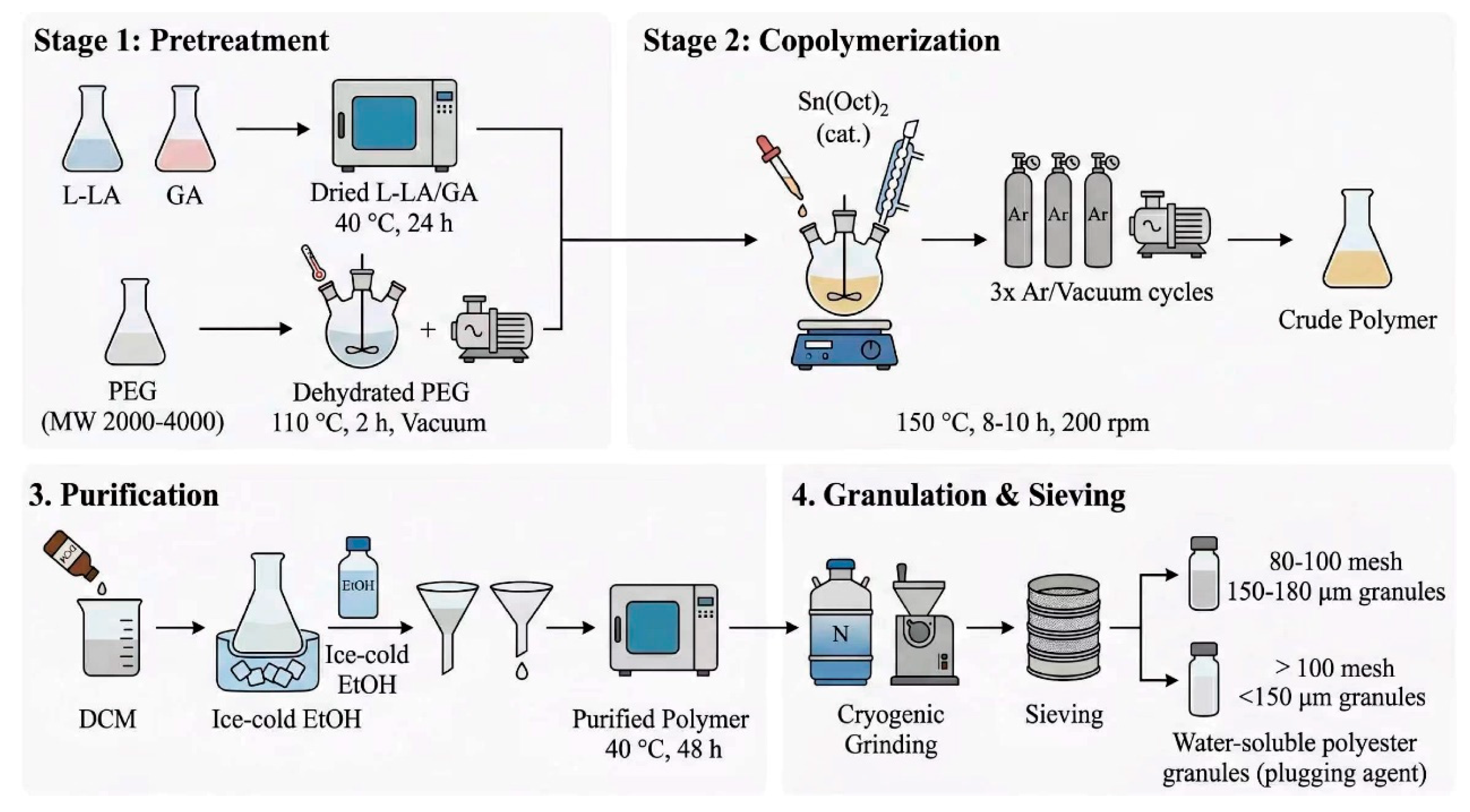
Figure 1: Preparation route.
2.2 Characterization and Evaluation Methods of Temporary Plugging System
While standard polymer characterizations such as Gel Permeation Chromatography (GPC) and Differential Scanning Calorimetry (DSC) provide fundamental molecular weight and thermal data, the synthesis route of PLGA-PEG-PLGA via ROP is chemically well-established. Therefore, to directly address the operational challenges in unconsolidated sandstone reservoirs, this study strategically prioritized macroscopic and engineering-scale evaluations. The physical state, temperature-specific degradation behavior, and structural integrity of the synthesized particles were primarily validated through application-specific tests, including dynamic dissolution, structural degradation at target reservoir temperatures (60°C), and dynamic filtration-reducing performance.
2.2.1 Nuclear Magnetic Resonance Analysis
The proton nuclear magnetic resonance (1H NMR) spectrum was acquired using a Bruker Avance III 500 Ultrashield Plus nuclear magnetic resonance spectrometer operating at 500 MHz. The copolymer sample was dissolved in deuterated chloroform (CDCl3) to form a 5 mg/mL solution for analysis. Tetramethylsilane (TMS) served as the internal standard, with chemical shifts (δ) reported in parts per million (ppm).
2.2.2 Dissolution and Swelling Experiments of the System
The experimental procedures for assessing the dissolution and swelling properties are outlined as follows: (1) Accurately weigh 2 g of temporary plugging agent particles, transfer them into a beaker, and subsequently add 100 mL of distilled water; (2) Immerse the beaker in a 60°C thermostatic water bath, with the immersion times set at 10 min, 30 min, 1 h, and 2 h, respectively; (3) After the predetermined time intervals, examine the swelling behavior of the temporary plugging agent, noting any occurrences of softening or thinning; (4) Following an 8-h drying period in a 40°C oven, measure the mass of the temporary plugging agent, denoted as m1, and compute the dissolution ratio ηs using the formula ηs = (2 − m1)/2. Regarding the modification requirements for the filtration control performance of Bohai loose sandstone, the criteria for determining the dissolution state are as follows: when 0.25 < ηs < 0.5, it indicates partial dissolution; when ηs > 0.5, it signifies extensive dissolution.
2.2.3 Evaluation of Degradation Performance of the System
The experimental procedure for evaluating the degradation performance of temporary plugging agents is outlined as follows: (1) Weigh low-temperature temporary plugging particles with a mass of mp and transfer them into a glass bottle. Choose distilled water as the solvent based on the type of temporary plugging agent, and prepare a solution with a mass concentration of 2.0%. Subsequently, place the glass bottle in a 60°C constant-temperature water bath for heating; (2) Observe and document the degradation process of the temporary plugging particles. During this observation period, weigh the filter paper and denote its mass as m0; (3) After a predetermined time interval, remove the glass bottle and filter the solution contained within using the filter paper; (4) Place the filter paper containing the residue in a 40°C vacuum oven for 8 h to dry completely to a constant weight, and record this total mass as m1; (5) Calculate the particle degradation rate (ηp) using Eq. (1): ηp = (mp − (m1 − m0))/mp(1) where ηp is the degradation rate of the temporary plugging particles, reported as a dimensionless fraction; mp is the initial mass of the particles (g); m0 is the initial mass of the dry filter paper (g); and m1 is the total combined mass of the dried filter paper and the residual undegraded particles (g).
2.2.4 Experimental Method for Suspension Performance of the System
The experimental procedures for utilizing the temporary plugging agent in low-viscosity fracturing fluid are outlined as follows: (1) Uniformly process the temporary plugging agent into particles within three size ranges: 30–50 mesh, 50–80 mesh, and 80–100 mesh, and then store them under sealed and dry conditions; (2) Accurately weigh a specific mass of hydroxypropyl guar gum powder to prepare uncrosslinked hydroxypropyl guar gum base fluids with concentrations of 0.2 wt%, 0.4 wt%, and 0.6 wt%, respectively. Subsequently, measure the viscosity of these base fluids at the aforementioned concentrations; (3) Incorporate temporary plugging agents of varying particle sizes into the guar gum base fluids of different concentrations, and continuously stir until the particles are thoroughly dispersed within the base fluid; (4) Allow the mixture to stand undisturbed for 30 min, and then observe the sedimentation behavior of the temporary plugging agent particles in the solution.
2.2.5 Experimental Method for Evaluating Fluid Loss Performance
By utilizing temporary plugging agents carried in fluid to displace loose sandstone artificial cores, the fluid loss volumes before and after temporary plugging were documented. The influence of various temporary plugging agent systems and particle sizes on the efficacy of fluid loss reduction was subsequently calculated. Employing CT scanning equipment, alterations in the pore throat structure of the cores pre- and post-temporary plugging were examined.
The experimental procedures are outlined as follows: (1) Dry the loose sandstone artificial core, perform CT scanning, and saturate it with a 2% KCl solution; (2) Position the core within the apparatus for evaluating the fluid loss performance of temporary plugging agents, and pump 0.2 wt% uncrosslinked guar gum fracturing fluid at a constant forward pressure of 0.4 MPa to displace the core for 30 min, while recording the initial fluid loss volume; (3) Displace the 2% KCl solution at a constant reverse pressure until pressure stabilization is achieved, and eliminate any residual guar gum solution from the core; (4) Pump 0.2 wt% uncrosslinked guar gum fracturing fluid containing the temporary plugging agent at a constant forward pressure of 0.4 MPa for 30 min, and record the secondary fluid loss volume; (5) Extract the core, conduct CT scanning on it, and analyze the mechanism underlying fluid loss reduction.
2.2.6 Experimental Evaluation of Temporary Plugging Strength
The experimental procedures are outlined as follows: (1) Position an artificial core atop the artificial loose sandstone, envelop it with a layer of thermoplastic tubing using a thermoplastic gun, then remove the artificial core. Subsequently, deposit a specific thickness of temporary plugging agent and compact it using the artificial core again; (2) Measure and record the pressure differential between the inlet and outlet under conditions of constant flow rate and confining pressure; (3) Vary the quantity of the temporary plugging agent (i.e., adjust its length), and repeat steps (1) and (2) to conduct plugging experiments with temporary plugging agents of varying lengths.
To ensure the reliability and reproducibility of the experimental data, all quantitative tests in this study—comprising the assessments of dissolution and swelling, degradation rate, suspension stability, fluid loss reduction, and temporary plugging strength—were performed in triplicate as independent replicates (n = 3). The quantitative results presented in this paper are expressed as the mean values of these independent measurements. The experimental variations between replicates were consistently within an acceptable error range, demonstrating the robust repeatability of the temporary plugging system’s performance.
3.1 Molecular Structure Characterization of Temporary Plugging System
Fig. 2 displays the proton nuclear magnetic resonance (1H NMR) spectrum of the amphiphilic triblock copolymer consisting of poly(lactide-co-glycolide) and polyethylene glycol. As can be seen from the figure, the resonance signals at chemical shifts δ = 5.22 ppm (1H, a) and 1.58 ppm (3H, b) correspond to the proton peaks of the methine and methyl groups, respectively, within the poly(lactide-co-glycolide) unit (-CH(CH3)-); the signal at δ = 4.47 ppm (2H, c) corresponds to the proton peak of the methylene group (-CH2-) in the poly(glycolide) unit; and the intense absorption peak at δ = 3.65 ppm (4H, d) corresponds to the proton peak of the methylene group (-OCH2CH2O-) in the polyethylene glycol (PEG) segment. Furthermore, by integrating the peak areas of the characteristic protons—the methine group of the lactide unit (at 5.22 ppm), the methylene group of the glycolide unit (at 4.47 ppm), and the methylene group of the PEG segment (at 3.65 ppm)—the actual composition of the copolymer was quantitatively determined. Based on the integration ratio, the actual molar ratio of LA to GA in the synthesized copolymer was calculated to be approximately 50.5:49.5, which demonstrates high fidelity to the initial feed ratio (50:50). Additionally, the mass fraction of the PEG segment was determined to be 9.6%. This quantitative NMR analysis, combined with the bidirectional growth mechanism of the macromolecular initiator, effectively confirms the successful synthesis of the designed PLGA-PEG-PLGA triblock structure.
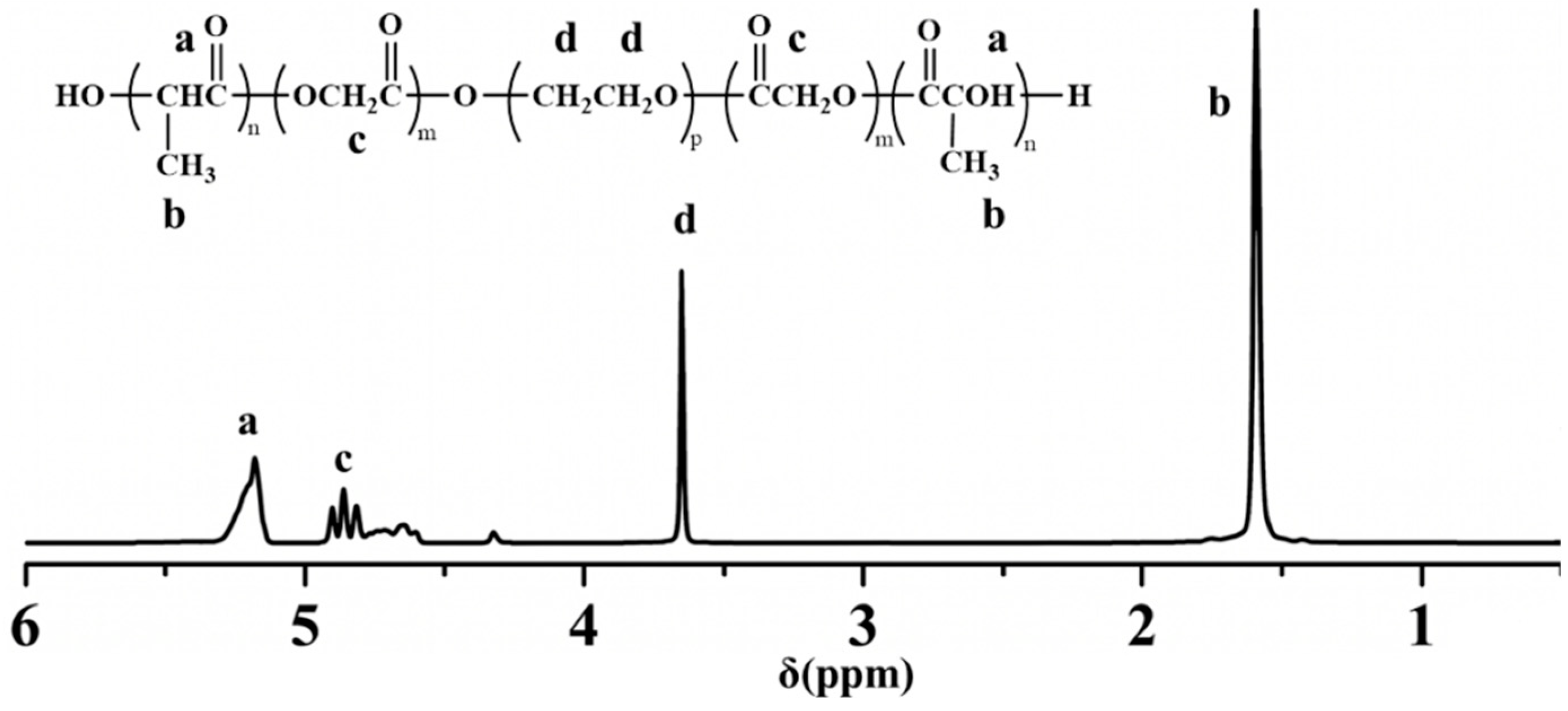
Figure 2: 1H NMR spectrum of PLGA-PEG-PLGA triblock copolymer.
3.2 Dissolution and Swelling Properties of Temporary Plugging System
The dissolution experiment process of the temporary plugging system is shown in Fig. 3.
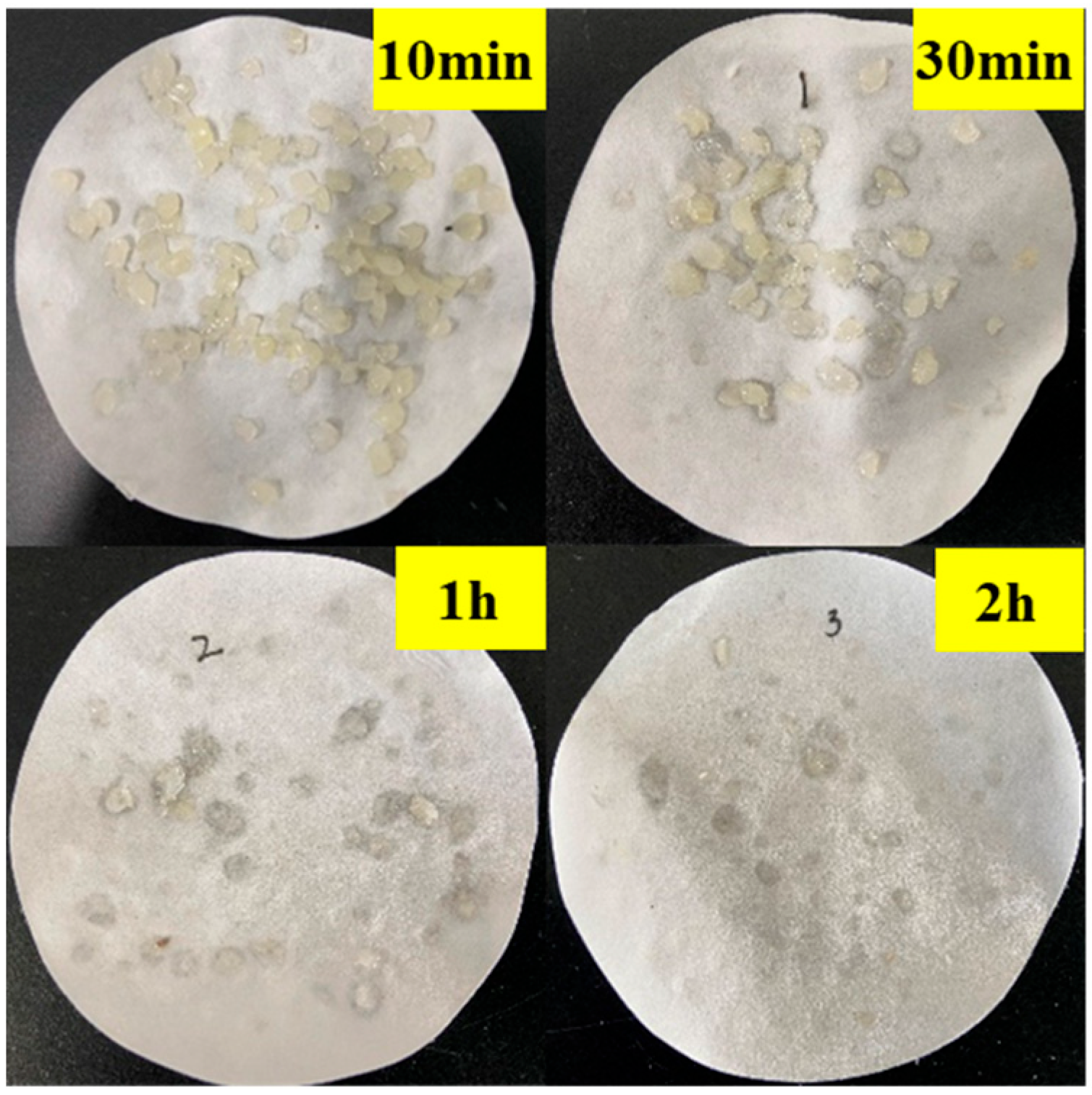
Figure 3: Dissolution process of particles in the temporary plugging system.
As illustrated in Fig. 3, the temporary plugging system demonstrates notable morphological alterations under varying dissolution durations, suggesting that the temporary plugging agent exhibits favorable time responsiveness and solubility characteristics. With the prolongation of dissolution time, the temporary plugging particles gradually transform from an intact state to one characterized by fragmentation, softening, dispersion, and ultimately, near-complete dissolution and disappearance, manifesting a distinct process of progressive dissolution and structural destabilization. When the dissolution time is extended to 30 min, there is a reduction in both the quantity and integrity of the particles, with some particle boundaries becoming indistinct and exhibiting signs of softening, deformation, and fragmentation. In comparison to the state at 10 min, the particle distribution becomes more dispersed, indicating that the temporary plugging agent has commenced significant dissolution or disintegration. After 2 h, only a sparse amount of fine particles or faint traces remain on the filter paper surface, with the majority of the temporary plugging agent having dissolved or dispersed; the most pronounced particle structure degradation occurs after 2 h, with the temporary plugging agent essentially completing its transition from solid particles to dissolved products.
To further substantiate these visual observations, the numerical dissolution ratios (ηs) were calculated based on the methodology outlined in Section 2.2.2. The quantitative results demonstrated dissolution ratios of approximately 0.14, 0.38, 0.68, and 0.89 at 10 min, 30 min, 1 h, and 2 h, respectively. These values precisely corroborate the visual transition from partial dissolution (0.25 < ηs < 0.5) at the 30-min mark to extensive dissolution (ηs > 0.5) in the later stages. It is worth noting that while initial particle swelling was visually evident, the simultaneous and rapid onset of surface softening and structural fragmentation at 60°C hindered the precise calculation of a reliable numerical swelling ratio. Overall, these quantitative and qualitative findings indicate that the temporary plugging system possesses excellent and highly controllable dissolution performance.
3.3 Degradation Performance Analysis of Temporary Plugging System
The experimental results of the degradation performance of the temporary plugging system are shown in Fig. 4.
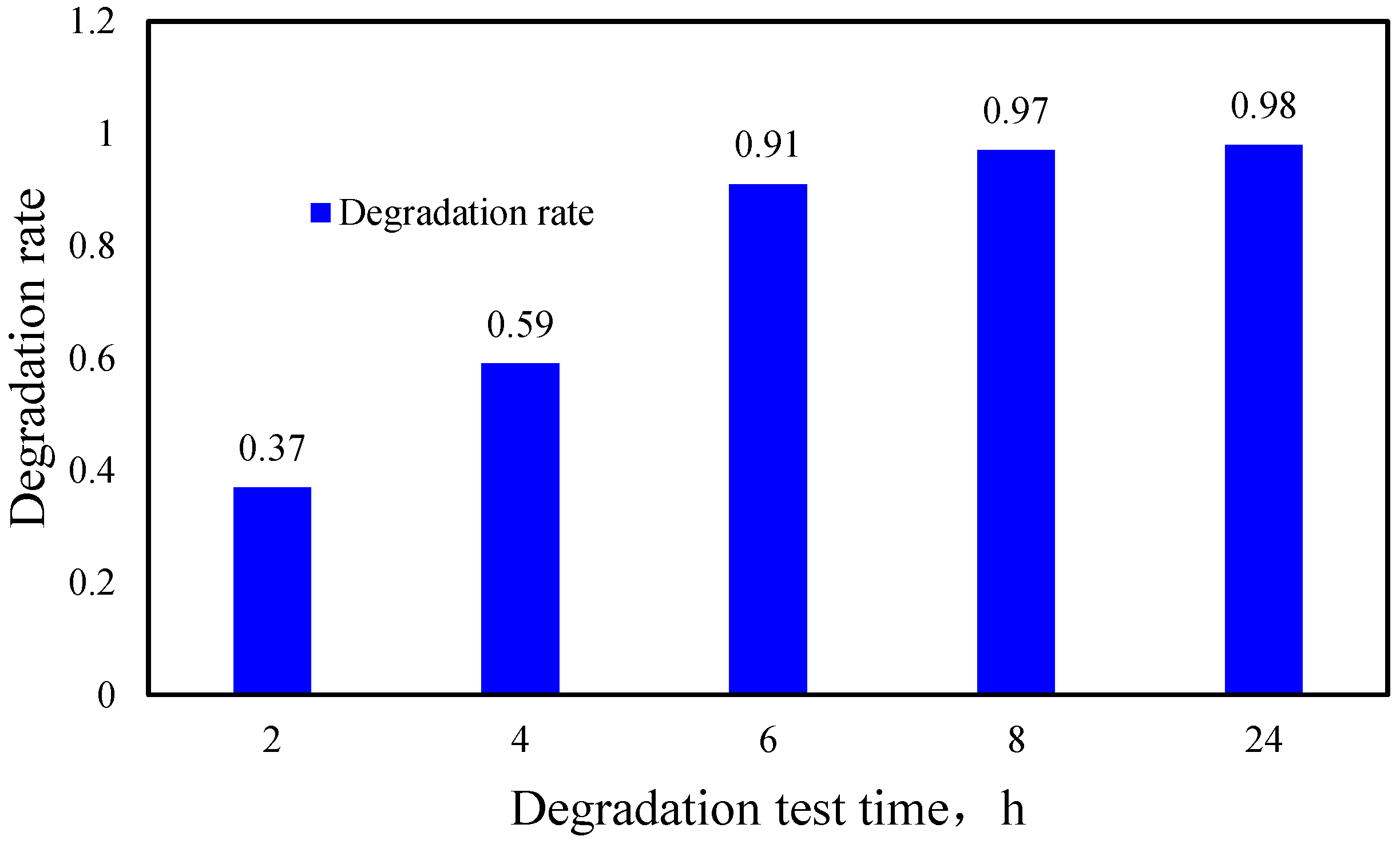
Figure 4: Test results of degradation performance of temporary plugging system (Each data point represents the average of three independent replicates).
Analyzing the trend of data changes, the degradation rate exhibited a rapid increase during the initial phase, particularly between the 2nd and 6th hours, where it surged from 0.37 to 0.91, suggesting significant structural disruption or mass loss in the sample at this early stage. Beyond the 6-h mark, although the degradation rate persisted in rising, the magnitude of increase diminished notably, stabilizing essentially after 8 h. This indicates that the degradable components within the system had approached complete reaction in the later stages, with the degradation rate of the residual portion becoming constrained. Upon extending the degradation time to 24 h, the degradation rate attained 0.98, signifying near-total degradation of the sample. This demonstrates the material’s excellent degradability, enabling it to undergo structural breakdown within a relatively short timeframe, thereby facilitating the swift removal of temporary blockages and restoration of seepage pathways subsequently, and meeting the engineering application requirements of “temporary blockage followed by rapid degradation”.
Furthermore, this exceptionally high degradation efficiency serves as a crucial quantitative indicator for post-treatment reservoir damage evaluation. Traditional non-degradable or partially degradable plugging agents often leave solid residues that permanently impair the pore structure, leading to poor permeability recovery. In contrast, the achieved 98% degradation rate signifies that nearly all the solid polyester particles are hydrolyzed into water-soluble lactic acid and glycolic acid monomers or low-molecular-weight oligomers within 24 h. From a material balance perspective, the near-zero solid residue ensures that the initially blocked pore throats and fracture conductivity are fully unblocked once the operation concludes. Therefore, this rapid and near-complete degradation behavior intrinsically guarantees minimal post-fracturing formation damage, providing robust assurance for high permeability recovery in practical unconsolidated sandstone applications.
3.4 Analysis of Suspension Performance of Temporary Plugging System
The experimental results of the suspension performance of the temporary plugging system are presented in Table 1. From the perspective of particle size variation, when the particle size transitions from the 30–50 mesh range to the >80 mesh range, the overall suspension performance is notably enhanced. Specifically, particles within the 30–50 mesh range demonstrate the most significant sedimentation under low-concentration conditions. At a concentration of 0.2 wt%, their suspension rate rapidly declines from an initial 100% to 12% within 30 min, indicating that particles of this size exhibit poor stability within the system and are prone to rapid sedimentation. In contrast, the suspension performance of particles within the 50–80 mesh range shows improvement; however, at 0.2 wt%, their suspension rate remains only 18% after 30 min, suggesting that particles of this size still face challenges in maintaining stable suspension over extended periods at low concentrations. Conversely, particles >80 mesh exhibit optimal suspension stability. Even at 0.2 wt%, their suspension rate can be maintained at 91% after 30 min, demonstrating that fine particles are less influenced by gravitational sedimentation within the system and are more likely to sustain a uniformly dispersed state. This indicates that smaller particle sizes correlate with better suspension stability, attributed to the lower sedimentation rate of fine particles and their increased constraint by fluid viscous drag and dispersion effects within the system, thereby retarding the aggregation and sedimentation process.
Table 1: Suspension performance of temporary plugging particles (Data represent the mean values of three independent experiments).
| Particle Size Range | Concentration (wt%) | Suspension Rate (%) | Conclusion | |||
|---|---|---|---|---|---|---|
| 0 min | 10 min | 20 min | 30 min | |||
| 30~50 mesh | 0.2 | 100 | 58 | 28 | 12 | Invalid suspension |
| 30~50 mesh | 0.4 | 100 | 92 | 84 | 73 | Effective suspension |
| 30~50 mesh | 0.6 | 100 | 97 | 95 | 92 | Effective suspension |
| 50~80 mesh | 0.2 | 100 | 70 | 38 | 18 | Invalid suspension |
| 50~80 mesh | 0.4 | 100 | 94 | 88 | 79 | Effective suspension |
| 50~80 mesh | 0.6 | 100 | 98 | 96 | 94 | Effective suspension |
| >80 mesh | 0.2 | 100 | 97 | 95 | 91 | Effective suspension |
| >80 mesh | 0.4 | 100 | 99 | 98 | 96 | Effective suspension |
| >80 mesh | 0.6 | 100 | 99 | 99 | 98 | Effective suspension |
Regarding concentration variation, as the concentration escalates from 0.2 wt% to 0.4 wt% and subsequently to 0.6 wt%, the suspension performance of particles across various sizes significantly improves. Taking particles within the 30–50 mesh range as an example, at 0.2 wt%, their suspension rate after 30 min is merely 12%; however, when the concentration increases to 0.4 wt%, the suspension rate rises to 73% after 30 min. Further elevation to 0.6 wt% results in a suspension rate of 92% after 30 min. Particles within the 50–80 mesh range exhibit a similar trend, with their suspension rate after 30 min being 18% at 0.2 wt%, but increasing to 79% and 94% at 0.4 wt% and 0.6 wt%, respectively. For particles >80 mesh, although their suspension properties are already favorable, their stability further enhances with increasing concentration, with suspension rates after 30 min reaching 91%, 96%, and 98%, respectively. It is evident that increasing the concentration contributes to enhancing the viscosity of the system and the interactions between particles, thereby decelerating the sedimentation rate and improving suspension stability. Particularly at higher concentrations, particles may form spatial support and network structures, significantly inhibiting particle sinking. Therefore, a combination of smaller particle sizes and an appropriate concentration of temporary plugging particles can balance suspension stability and subsequent plugging capability, rendering it a more suitable particle combination for field applications.
3.5 Evaluation of the Temporary Plugging and Filtration Reduction Effect of the Temporary Plugging System
The experimental results of filtration reduction using 80–100 mesh particles within a 0.2 wt% temporary plugging system are depicted in Fig. 5, while the comparative analysis of CT scans conducted before and after injection is presented in Fig. 6.
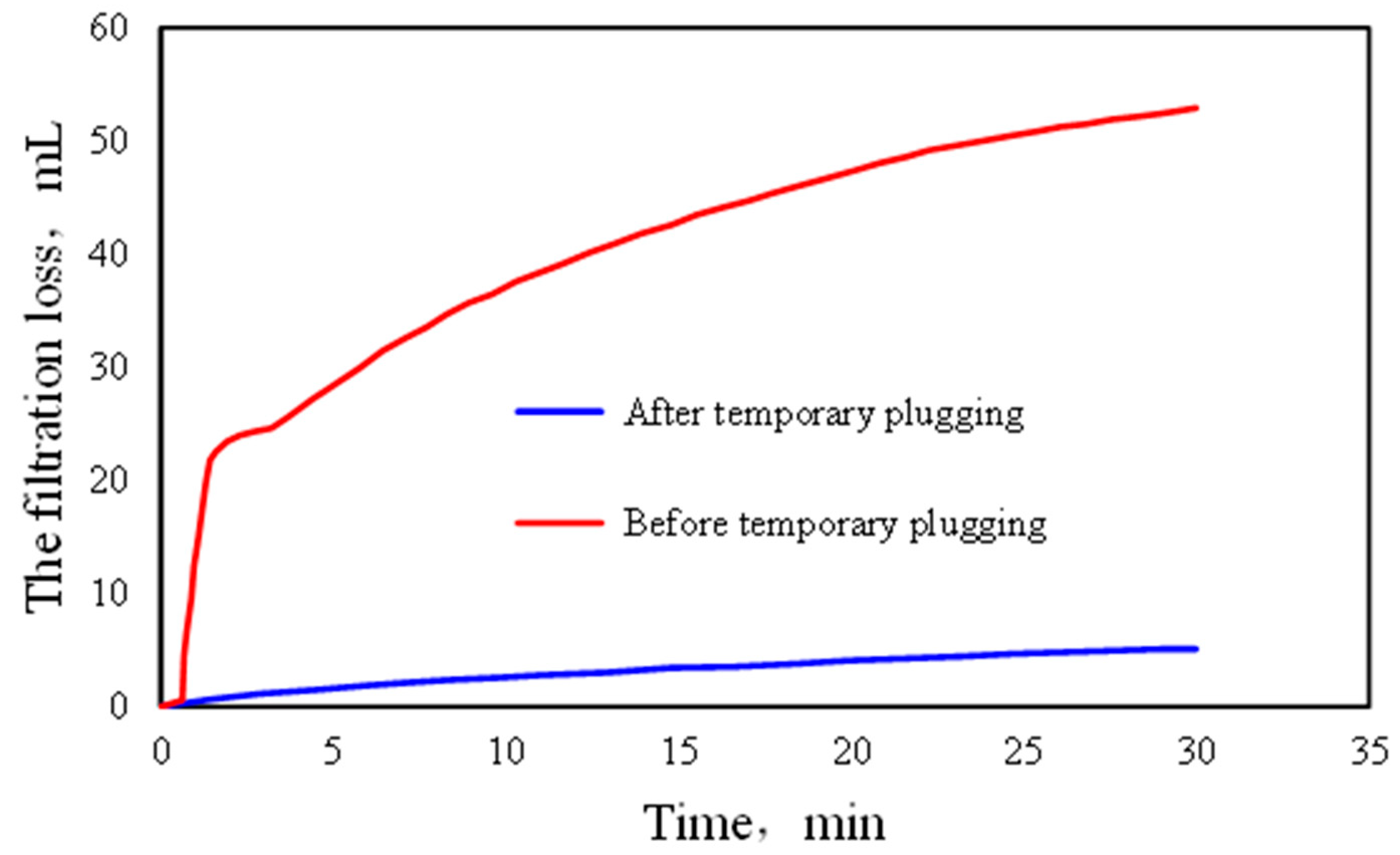
Figure 5: Fluid loss variation curve of the 80–100 mesh temporary plugging system (Curves illustrate the mean values obtained from triplicate tests).
As illustrated in the corrected Fig. 5, the fluid loss profile prior to the temporary plugging treatment exhibits a rapid and sustained increase over time, particularly during the initial phase. This trajectory indicates that the fracturing fluid can easily penetrate the unconsolidated sandstone core, resulting in a high cumulative filtration loss of approximately 53 mL at the 30-min mark. Conversely, following the introduction of the temporary plugging system, the rate of fluid loss is significantly curtailed. The filtration curve rapidly plateaus at a consistently low level, culminating in a total fluid loss of merely 5 to 6 mL over the same 30-min duration. This represents a substantial reduction of nearly 90% compared to the un-plugged scenario. These dynamic filtration results robustly demonstrate that the temporary plugging particles form an effective low-permeability barrier, successfully mitigating fluid invasion into the core matrix and drastically reducing both the filtration rate and the overall fluid loss volume.
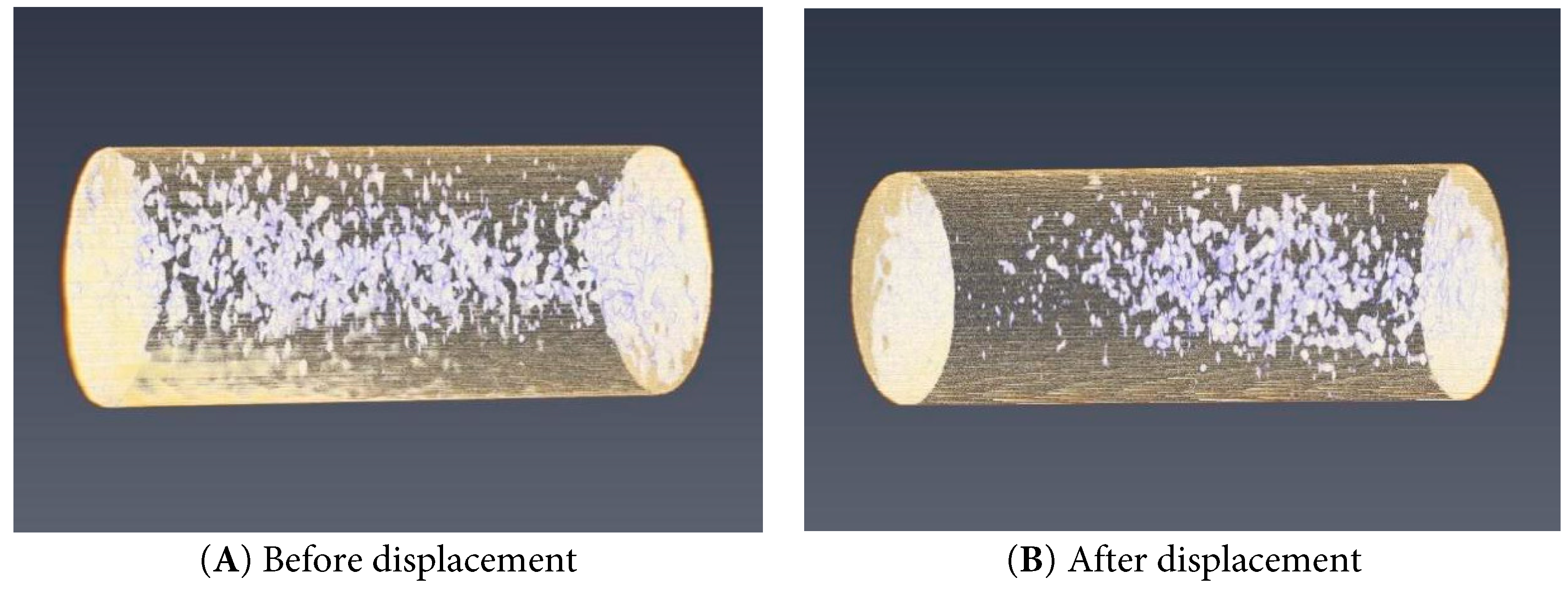
Figure 6: CT results before and after displacement with temporary plugging agent.
The 3D CT reconstructions (Fig. 6) serve as direct evidence for analyzing the pore structure evolution and the underlying plugging mechanism. Prior to the treatment, the unconsolidated artificial core exhibited a highly connected primary pore network with open throat configurations, allowing unimpeded fluid migration. Following the injection of the temporary plugging agent, a distinct morphological transformation occurred. A densely packed particle accumulation zone visibly manifested at the core entrance. Microscopically, this validates the proposed “bridge-fill-compaction” mechanism: larger particles initially bridge across the primary pore throats to form an external skeleton, while smaller particles subsequently infiltrate and compact within the inter-bridge voids under differential pressure. This hierarchical filling behavior rapidly constricts the effective pore volume and substantially diminishes the topological connectivity of the flow channels in the near-wellbore region, ultimately constructing a high-resistance gradient sealing layer.
3.6 Assessment of the Temporary Plugging Intensity within the Temporary Plugging System
The sealing pressure under different sealing lengths is shown in Table 2.
Table 2: Experimental pressure difference for different sealing lengths (Results are expressed as the average of three independent measurements).
| Plugging Agent Length (cm) | Experimental Pressure Difference (MPa) | Confining Pressure (MPa) |
|---|---|---|
| 0.005 mL/min | ||
| 0 | 4.400 | 20 |
| 0.5 | 4.404 | 20 |
| 1.0 | 4.411 | 20 |
| 1.5 | 4.418 | 20 |
| 2.0 | 4.422 | 20 |
As presented in Table 2, at an extremely low injection rate of 0.005 mL/min, the system immediately establishes a robust baseline pressure differential of approximately 4.4 MPa. When the length of the temporary plugging layer extends from 0 cm to 2.0 cm, the recorded pressure differential marginally increases from 4.400 MPa to 4.422 MPa. It is crucial to note that this minute increment of 0.022 MPa essentially falls within the standard margin of error for typical experimental pressure transducers.
Rather than indicating a significant length-dependency, these static, low-flow rate test results reveal a critical characteristic of the plugging mechanism: the primary flow resistance is generated instantaneously at the entrance or near-wellbore region. Because the fluid flow velocity is negligible, the additional frictional pressure drop contributed by a longer plugging matrix is physically minimal. Instead, the consistent generation of a 4.4 MPa pressure barrier across all tested lengths robustly demonstrates that the structural integrity of the temporary plugging system is fundamentally governed by the dense bridge-fill-compaction structure formed at the pore throat entrances, perfectly corroborating the CT scanning observations in Section 3.5. Consequently, this implies that a highly effective pressure-bearing seal can be reliably achieved without requiring an extensive accumulation length of the temporary plugging agent, thereby ensuring efficient fluid diversion during fracturing operations.
3.7 Comparative Analysis with Existing Temporary Plugging Systems
To comprehensively elucidate the practical advantages and specific application scope of the designed PLGA-PEG-PLGA temporary plugging system, its performance was benchmarked against similar particulate plugging agents recently reported in the literature.
- (1)Degradation Efficiency: Conventional polylactic acid (PLA) particles are widely used; however, they typically exhibit sluggish hydrolysis kinetics at moderate to low temperatures (<70°C), often requiring either elevated temperatures (>80°C) or strong alkaline environments to degrade completely within a short timeframe [16,22]. In contrast, by meticulously tuning the LA/GA ratio, our designed system achieves a highly accelerated autocatalytic hydrolysis, reaching a 98% degradation rate within 24 h at 60°C. This addresses the critical challenge of slow flowback and residue retention commonly associated with traditional polyester materials in low-temperature unconsolidated sandstone reservoirs.
- (2)Suspension and Fluid Loss Control: Traditional inorganic diverters (e.g., calcium carbonate particles) generally possess high densities, leading to rapid sedimentation and uneven plugging in low-viscosity carrying fluids. Furthermore, conventional rigid degradable particles frequently suffer from micro-annulus leakage due to an inability to deform. Our system overcomes these limitations. The >80 mesh particles herein maintained up to a 98% suspension rate in a 0.6 wt% guar gum base fluid. More importantly, the incorporation of the hydrophilic PEG segment induces controlled swelling, enabling the particles to form a dense, flexible filter cake that tightly conforms to the irregular pore throats of unconsolidated sandstone. This mechanism resulted in a remarkable ~90% reduction in fluid loss, a performance significantly superior to that of pure rigid PLA particles [23,27].
- (3)Pressure-bearing Capacity and Trade-offs: While our system demonstrates excellent temporal responsiveness and fluid loss control, it is essential to acknowledge its mechanical limits. The experimental pressure differential reached approximately 4.4 MPa for a 2.0 cm plugging length. This plugging strength is highly adequate for initiating fracture diversion in unconsolidated sandstone formations characterized by low to moderate breakdown pressures. However, compared to ultra-high-strength, non-degradable composite plugging agents or fiber-particle mixtures designed for deep shale fracturing (which can withstand >20 MPa) [8,29], the pressure-bearing capacity of our system is relatively lower. This is an inevitable and acceptable trade-off to ensure the material’s rapid fragmentation, complete biodegradability, and minimal post-fracturing reservoir damage.
- (1)A water-soluble polyester particle temporary plugging agent, with PLGA-PEG-PLGA triblock copolymer as its core, was designed and synthesized through a bulk ring-opening polymerization process employing a macromolecular initiator. This agent demonstrates outstanding properties, including temporary plugging and filtration reduction in the initial stage, followed by efficient degradation in the subsequent stage.
- (2)The suspension performance of the temporary plugging particles is co-influenced by particle size and concentration, with the general trend being that smaller particle sizes and higher concentrations result in superior suspension stability. The degradation rate follows a pattern of rapid initial degradation followed by a slower rate, nearing complete degradation within 24 h, suggesting that the system possesses robust time responsiveness and later-stage reversibility.
- (3)Through the temporary plugging mechanism, particles can bridge, fill, and compact at the pore throat entrance and in the vicinity of the wellbore, forming a relatively dense sealing layer that integrates surface sealing with internal filling gradients. This process diminishes pore connectivity and enhances local flow resistance. A notable reduction in filtration loss is observed post-temporary plugging, indicating the system’s efficacy in inhibiting fluid invasion, improving the sealing effect near the wellbore, and fulfilling the construction requirements of minimizing filtration loss and protecting the reservoir.
- (4)This temporary plugging system not only swiftly establishes effective sealing during the construction phase but also gradually loses its effectiveness in the later stages, thereby restoring the original efficient percolation pathways. This demonstrates its promising potential for application in temporary plugging fracturing modification projects in unconsolidated sandstone formations.
Acknowledgement:
Funding Statement: The authors received no specific funding for this study.
Author Contributions: Xitang Lan: conceptualization, investigation, data curation, formal analysis, writing—original draft, visualization. Guangqing Zhang: methodology, validation, writing—review & editing, supervision, project administration. Wei Liu: writing—original draft. All authors reviewed and approved the final version of the manuscript.
Availability of Data and Materials: The data that support the findings of this study are available from the Corresponding Author, Xitang Lan, upon reasonable request.
Ethics Approval: Not applicable.
Conflicts of Interest: The authors declare no conflicts of interest.
References
1. Zhou H , Liu Z , Shao J , Shen W , Hamdi E . Effects of stress direction and magnitude on strength and failure of weakly anisotropic sandstone under true triaxial compression. Rock Mech Rock Eng. 2026; 59( 3): 3213– 34. doi:10.1007/s00603-025-04982-y. [Google Scholar] [CrossRef]
2. Yan C , Chen Y , Chen T , Cheng Y , Yan X . Experimental study of hydraulic fracturing for unconsolidated reservoirs. Rock Mech Rock Eng. 2022; 55( 6): 3399– 424. doi:10.1007/s00603-022-02827-6. [Google Scholar] [CrossRef]
3. Lin H , Deng JG , Liu W , Xie T , Xu J , Liu HL . Numerical simulation of hydraulic fracture propagation in weakly consolidated sandstone reservoirs. J Cent South Univ. 2018; 25( 12): 2944– 52. doi:10.1007/s11771-018-3964-8. [Google Scholar] [CrossRef]
4. Guo J , Zhan L , Lu Q , Qi T , Liu Y , Wang X , et al. Plugging behaviors of temporary plugging particles in hydraulic fractures. Petrol Explor Dev. 2023; 50( 2): 464– 72. doi:10.1016/S1876-3804(23)60401-X. [Google Scholar] [CrossRef]
5. Li M , Guo J , Zhou F , Li M , Chen J , Liu H , et al. Experimental study on plugging behavior of degradable diverters in partially open fracture in temporary plugging and diverting fracturing. ACS Omega. 2023; 8( 15): 14066– 76. doi:10.1021/acsomega.3c00689. [Google Scholar] [CrossRef]
6. Wang F , Zhu H , Zhang W , Shi X , Wang L , Zhang Z , et al. Study on the water blocking capacity and influencing factors of hydrophobic gravel beds. ACS Omega. 2022; 7( 1): 1071– 81. doi:10.1021/acsomega.1c05665. [Google Scholar] [CrossRef]
7. Zhang H , Feng Y , Teng G , Ni J , She J . Effect of additives on properties of phase-change solidified plugging materials. Processes. 2025; 13( 7): 2160. doi:10.3390/pr13072160. [Google Scholar] [CrossRef]
8. Liu Y , Chen R , Liu J , Yu Y , Zhu K . Development and field application of strongly resilient temporary plugging diversion agent for fracturing. J Petrol Explor Prod Technol. 2024; 14( 7): 2073– 88. doi:10.1007/s13202-024-01814-7. [Google Scholar] [CrossRef]
9. Wei S , Zhang Y , Jin Y . Study on the mechanism of fracture propagation and deflection near wellbore in ultra-deep high stress difference reservoir. Petrol Sci Bull. 2024; 9( 6): 944– 59. [Google Scholar]
10. He D , Huang T , Mao J , Li D , Sun Y . Research and application of fracturing huff and puff technology in low permeability reservoirs. In: Proceedings of the APOGCE 2024; 2024 Oct 15–17; Perth, Australia. doi:10.2118/221308-ms. [Google Scholar] [CrossRef]
11. Wu G , Chen Z , Zhang A , Zhou J , Hou Y , Xie X , et al. Experimental studies on the performance evaluation of water-soluble polymers used as temporary plugging agents. Front Phys. 2023; 11: 1174268. doi:10.3389/fphy.2023.1174268. [Google Scholar] [CrossRef]
12. Wang Y , Fan Y , Wang X . Study on migration law of multiscale temporary plugging agent in rough fractures of shale oil reservoirs. Front Phys. 2023; 11: 1228006. doi:10.3389/fphy.2023.1228006. [Google Scholar] [CrossRef]
13. Wang B , Zhang G , Sun Z , Liu J , Ma Y , Zhou F . Plugging characteristics of self-degradable diverters within three-dimensional hydro-fractures: An experimental investigation. Phys Fluids. 2023; 35( 9): 093311. doi:10.1063/5.0168463. [Google Scholar] [CrossRef]
14. Zang X , Qiu Z , Jiang L , Zhong H , Zhao X , Guo P , et al. Unravelling fracture plugging behavior of granular temporary plugging agents for a sustainable geothermal development. Fuel. 2025; 387: 134351. doi:10.1016/j.fuel.2025.134351. [Google Scholar] [CrossRef]
15. Zhu B , Tang H , Wu Y , Chen G , Zhao F . Granular LCM migration and plugging behavior in shear-slip fractures. Part Sci Technol. 2023; 41( 6): 876– 95. doi:10.1080/02726351.2022.2158508. [Google Scholar] [CrossRef]
16. Yan X , Kang Y , Xu C , Xu F , Shang X , Bai Y , et al. Impact of friction coefficient on the mesoscale structure evolution under shearing of granular plugging zone. Powder Technol. 2021; 394: 133– 48. doi:10.1016/j.powtec.2021.08.005. [Google Scholar] [CrossRef]
17. Chen Z , Wu G , Zhou J , Ai C , Zhang A , Xie X , et al. Optimization of degradable temporary plugging material and experimental study on stability of temporary plugging layer. Front Phys. 2023; 11: 1167215. doi:10.3389/fphy.2023.1167215. [Google Scholar] [CrossRef]
18. Liu Z , Xu J , Peng W , Yu X , Chen J . The development and deployment of degradable temporary plugging material for ultra-deepwater wells. Processes. 2023; 11( 6): 1685. doi:10.3390/pr11061685. [Google Scholar] [CrossRef]
19. Li D , Li F , Liu J , Liu C , Su G , Yang H , et al. Synthesis and properties of PAM/PLA composite degradable particle temporary plugging agent. J Appl Polym Sci. 2022; 139( 48): e53216. doi:10.1002/app.53216. [Google Scholar] [CrossRef]
20. Zou C , Dai C , Liu Y , You Q , Ding F , Huang Y , et al. A novel self-degradable gel (SDG) as liquid temporary plugging agent for high-temperature reservoirs. J Mol Liq. 2023; 386: 122463. doi:10.1016/j.molliq.2023.122463. [Google Scholar] [CrossRef]
21. Liu S , Guo T , Rui Z , Ling K . Performance evaluation of degradable temporary plugging agent in laboratory experiment. J Energy Resour Technol. 2020; 142( 12): 123002. doi:10.1115/1.4047311. [Google Scholar] [CrossRef]
22. Bao D , Liu S , Zhang X , Li F , Wang J , Jia H , et al. Preparation and degradation performance study of P(AM/GG/PEGDA) nanocomposite self-degradation gel plugging material. Gels. 2023; 9( 9): 735. doi:10.3390/gels9090735. [Google Scholar] [CrossRef]
23. Li J , Xiong Y , Zhang Y , Lan K . A novel self-healing and degradable plugging material for high temperature gas well. J Mol Liq. 2023; 376: 121473. doi:10.1016/j.molliq.2023.121473. [Google Scholar] [CrossRef]
24. Yang F , Li F , Ji R , Yu X , Yang H , Su G . Self-degradable rubber plug for temporary plugging and its degradation mechanism. Gels. 2024; 10( 10): 615. doi:10.3390/gels10100615. [Google Scholar] [CrossRef]
25. Ji RJ , Yu XR , Xu ZX , Wang XQ , Tan JY , Han YQ , et al. Degradable PAM hydrogel mediated by hydroxy acids for temporary plugging. Petrol Sci. 2026; 23( 3): 1543– 52. doi:10.1016/j.petsci.2025.12.014. [Google Scholar] [CrossRef]
26. Yang C , Feng W , Zhou F . Formation of temporary plugging in acid-etched fracture with degradable diverters. J Petrol Sci Eng. 2020; 194: 107535. doi:10.1016/j.petrol.2020.107535. [Google Scholar] [CrossRef]
27. Wang K , Liu G , Guo Y , Yang H , Chen Z , Su G , et al. Preparation and properties of degradable hydrogels as a temporary plugging agent used for acidizing treatments to enhance oil recovery. Colloids Surf A Physicochem Eng Asp. 2022; 637: 128218. doi:10.1016/j.colsurfa.2021.128218. [Google Scholar] [CrossRef]
28. Gong W , Huang W , Liu J , Zhang J , Yv T , Jiang L , et al. Synthesis, characterization, and performance evaluation of starch-based degradable temporary plugging agent for environmentally friendly drilling fluid. Lithosphere. 2021; 2021( Special 1): 6679756. doi:10.2113/2021/6679756. [Google Scholar] [CrossRef]
29. Zhong Y , Zhang H , Feng Y , Li J , Yang Y , She J . A composite temporary plugging technology for hydraulic fracture diverting treatment in gas shales: Using degradable particle/powder gels (DPGs) and proppants as temporary plugging agents. J Petrol Sci Eng. 2022; 216: 110851. doi:10.1016/j.petrol.2022.110851. [Google Scholar] [CrossRef]
30. Zhao S , Zhu D , Bai B . Experimental study of degradable preformed particle gel (DPPG) as temporary plugging agent for carbonate reservoir matrix acidizing to improve oil recovery. J Petrol Sci Eng. 2021; 205: 108760. doi:10.1016/j.petrol.2021.108760. [Google Scholar] [CrossRef]
Cite This Article
 Copyright © 2026 The Author(s). Published by Tech Science Press.
This work is licensed under a Creative Commons Attribution 4.0 International License , which permits unrestricted use, distribution, and reproduction in any medium, provided the original work is properly cited.
 Downloads
 Citation Tools
