
 Login
Login Register
 Submit a Paper
 Propose a Special lssue
 Open Access
REVIEW
PGPR and PGPF in Horticultural Systems: Physiological Functions, Synergistic Mechanisms, and Precision Microbiome Management
College of Horticulture and Landscape Architecture, Yangzhou University, Yangzhou, China
* Corresponding Authors: Jun Tao. Email: ; Yuhan Tang. Email:
Phyton-International Journal of Experimental Botany 2026, 95(9), 5 https://doi.org/10.32604/phyton.2026.087467
Received 17 June 2026; Accepted 21 August 2026; Issue published 24 September 2026
 View Full Text
 Download PDF
Abstract
This review focuses on the synergistic roles of plant growth-promoting rhizobacteria (PGPR) and plant growth-promoting fungi (PGPF) in horticultural systems, highlighting their mechanisms from physiological functions to molecular regulation and community-level synergy. PGPR and PGPF enhance nutrient acquisition, modulate phytohormones, induce systemic resistance, and alleviate abiotic stresses through complementary pathways. At the molecular level, microbial signals trigger downstream signaling cascades, leading to transcriptional reprogramming and epigenetic priming for long-lasting stress memory. The coexistence of PGPR and PGPF can generate synergistic benefits that may outperform single strains under suitable host, microbial, and environmental conditions; however, challenges remain in strain antagonism, host genotype specificity, environmental dependence, formulation instability, and regulatory hurdles. This review provides a conceptual roadmap for precision microbiome management, shifting from empirical application toward predictive, mechanism-guided consortium design. Finally, leveraging advanced technologies (multi-omics, synthetic biology, and AI-driven modeling) together with the synergistic actions of PGPR and PGPF offers directions for achieving sustainable and climate-resilient horticulture.Keywords
Modern horticultural production, encompassing vegetables, fruits, and ornamental plants, plays a vital role in meeting the growing demand for high-yield, high-quality products and in generating substantial economic benefits. However, it also faces a dual pressure: the need to continuously improve yield and quality while simultaneously reducing environmental impact. Unlike field crops, horticultural systems are intensively managed and confined to limited land areas, making them exceptionally vulnerable to three interconnected challenges: soil degradation, biotic/abiotic stresses, and excessive chemical inputs. Soil degradation is a common phenomenon across various horticultural crops, including tomato, cucumber, strawberry, and melon. One of its main manifestations is continuous cropping obstacle, i.e., the decline in crop yield and quality resulting from monoculture. The underlying causes mainly include the imbalance of soil microbial communities (e.g., a reduction in beneficial bacteria and an accumulation of pathogens), as well as the accumulation of phenolic autotoxins. These two factors jointly affect plant growth through both direct and indirect mechanisms [1,2]. Biotic and abiotic stresses further exacerbate these issues. On one hand, greenhouse and plastic-shed systems impose additional soil constraints. High temperature, high humidity, and the lack of rainwater leaching accelerate acidification, secondary salinization, and nutrient imbalances, as documented in long-term protected cultivation studies [3]. On the other hand, climate change events such as extreme heat, drought, and the combined stress of both cause agricultural losses [4,5]. Horticulture relies heavily on synthetic fertilizers and pesticides to counteract soil degradation and stresses. However, this practice incurs severe environmental costs. For example, excessive nitrogen fertilizer application leads to low nitrogen use efficiency, nitrate leaching, and N2O emissions–problems that are particularly aggravated in intensive protected cultivation systems [6]. Given the limitations of traditional mitigation (chemical fumigation kills beneficial microbes non-selectively; rotation reduces income; grafting is labor-intensive), there is growing interest in PGPR and PGPF as eco-friendly alternatives. For instance, Bacillus subtilis C3 degrades phenolic autotoxins and inhibits Fusarium, breaking the continuous cropping cycle in melon [2]. Since horticultural systems are characterized by intensive cultivation, high inputs of chemical fertilizers, protected cultivation, perennial orchards, and continuous cropping systems [7], problems such as secondary salinization, soil acidification, rhizosphere degradation, and continuous cropping obstacles have become major constraints limiting sustainable horticultural production. However, these challenges also create favorable conditions for microbial inoculants. Specifically, the closed and stressed rhizosphere environment of horticultural crops not only enhances the benefits of improved nutrient acquisition and disease suppression, but also offers relatively stable niches for introduced PGPR and PGPF to colonize and function effectively [8].
Plant growth-promoting microorganisms (PGPM) are beneficial microbes applied as inoculants, primarily categorized into PGPR and PGPF based on ecological niches and functional traits. PGPR (a term introduced by Kloepper and Schroth [9] are rhizosphere-colonizing bacteria that enhance plant growth. They act via direct mechanisms (e.g., nitrogen fixation, phosphate solubilization, siderophore production, and phytohormone modulation) and indirect mechanisms (e.g., induced systemic resistance, pathogen suppression, and stress tolerance improvement) [10]. Sinorhizobium meliloti enhances nitrogen availability in alfalfa through symbiotic nitrogen fixation, thereby promoting plant growth and biomass accumulation [11]. Meanwhile, strains of Pseudomonas and Bacillus can solubilize insoluble phosphates in the soil, releasing soluble phosphorus for plant uptake, thus improving phosphorus use efficiency and promoting plant growth [12]. PGPF promote plant growth by enhancing nutrient uptake, secreting secondary metabolites, inducing systemic resistance, and directly antagonizing pathogens [13]. For instance, Talaromyces pinophilus M13 produces up to 73.6 μg·mL−1 of indole-3-acetic acid (IAA) and solubilizes substantial amounts of phosphorus, thereby promoting the growth of host plants [14]. In addition, PGPR exhibit strong metabolic diversity and signaling regulation capabilities, whereas PGPF excel in spatial occupation, long-term symbiosis, and mycoparasitism. Thus, although PGPR and PGPF differ in their mechanisms of action, they are complementary to each other [15]. Fungal hyphae can transport bacteria to nutrient-rich microenvironments, while bacterial biofilms can promote fungal colonization on roots [16]. These functional differences not only reflect the respective ecological adaptability of PGPR and PGPF but also constitute the underlying logic of their synergistic enhancement, thereby providing a theoretical basis for the subsequent construction of functional microbial consortia.
In horticultural systems, PGPR and PGPF can enhance vegetative growth, flowering, yield, and root development. For example, under reduced fertilization, PGPR inoculation increases lettuce biomass by 25% [17]; meanwhile, Trichoderma application accelerates blooming and raises flower bud counts in many ornamental species [18]. Co-inoculation of Bacillus velezensis and Pseudomonas fluorescens in continuously cropped degraded soil boosted strawberry vegetative biomass by up to 56.1% [19]. These cases demonstrate that microbial inoculants can effectively promote the growth of horticultural crops while reducing chemical inputs. Beyond growth promotion, these microorganisms act as system-level regulators by inducing systemic resistance and alleviating abiotic stress. Pseudomonas fluorescens activates defense enzymes (superoxide dismutase and catalase) to suppress Fusarium solani infection in cucumber [20], and Bacillus cereus enhances drought tolerance in walnut by activating antioxidant systems (superoxide dismutase, catalase) and reducing proline overaccumulation under drought [21]. For grapevine cell cultures, inoculation with endophytic fungi such as Didymella sp. boosted stilbene production by 2.6–16.3 times in grapevine cell cultures [22]. Therefore, both PGPR and PGPF play a dual role in promoting growth and protecting plants from stress. However, existing research has largely focused on the general mechanisms of PGPR and PGPF, lacking a systematic integration specifically tailored to horticultural systems. In particular, there is a need to associate the physiological functions, molecular regulatory networks, and synergistic effects of microbial consortia with the growth performance, product quality, and stress tolerance of horticultural crops. Therefore, it is urgent to establish a horticulture-oriented systematic framework that links microbial mechanisms of action to quantifiable agronomic indicators.
Although numerous reviews have addressed PGPR, PGPF, microbial inoculants, biofertilizers, and biological control agents, most remain focused on individual microbial groups or isolated functions such as nutrient acquisition, pathogen suppression, or stress tolerance. Limited attention has been given to integrating physiological functions with molecular regulatory networks, inter-microbial synergistic interactions, and their direct linkage to measurable horticultural outcomes. Moreover, horticultural production systems–characterized by intensive cultivation and stringent quality demands–require holistic microbiome approaches rather than single-purpose solutions. Yet few studies have explicitly addressed these processes within that context. In contrast, this review establishes a unified framework that links physiological functions, molecular regulatory mechanisms, and ecological interactions (between PGPR and PGPF) directly to horticultural performance. We integrate these components into a continuous mechanistic pathway. Finally, this review identifies key limitations in current microbial consortium construction and outlines future directions toward mechanism-guided design and precision microbiome management. Together, these efforts provide a conceptual foundation for sustainable horticultural production under climate change and resource constraints.
2 Physiological Functional Effects of PGPR and PGPF
Through multiple synergistic pathways, PGPR and PGPF enhance nutrient acquisition, growth, and stress tolerance, thereby improving resource allocation and environmental adaptation in plants.
2.1 Nutrient Acquisition Enhancement
Microbial inoculants can enhance nutrient acquisition efficiency in horticultural systems; however, PGPR and PGPF contribute through distinct but complementary mechanisms. Specifically, PGPR enhance plant nutrient uptake via biochemical transformations and root-associated traits—namely, biological nitrogen fixation, phosphate solubilization, siderophore production, and root architecture modulation. Biological nitrogen fixation (BNF) is a key mechanism through which certain PGPR enhance nitrogen availability, but its contribution varies fundamentally depending on the type of microbial-plant association. Among these, associative diazotrophs and indirect mechanisms are particularly relevant to horticultural systems. For example, Azospirillum brasilense is reported to supply nitrogen to tomato and pepper through associative fixation [23]. In addition, PGPR such as Pseudomonas and Bacillus enhance phosphorus availability through phosphate solubilization, increasing plant-available P even under reduced fertilization [24]. They also facilitate iron acquisition by producing siderophores that chelate Fe3+ and improve its bioavailability [25]. Beyond direct nutrient transformations, PGPR can also indirectly promote uptake by reshaping root architecture. For instance, Brevibacillus laterosporus stimulates lateral root proliferation in apple, thereby expanding root absorptive capacity under the tested conditions [26]. In contrast, PGPF contribute to nutrient acquisition primarily through organic matter decomposition, enzymatic degradation, and long-term rhizosphere resource mobilization. For example, strains such as Aspergillus niger and Penicillium chrysogenum exhibit multiple enzymatic activities—including cellulase and protease production—along with phosphate solubilization and nitrogen-related functions, underscoring their biofertilizer potential [27]. Moreover, PGPF such as Trichoderma spp. can mineralize insoluble soil nutrients into plant-available forms [13], thereby enhancing nutrient cycling efficiency within the rhizosphere. Overall, PGPR and PGPF employ complementary strategies to reshape soil-plant nutrient dynamics. PGPR primarily drive rapid biochemical mobilization of nutrients and enhance root uptake, whereas PGPF contribute to structural decomposition and sustained nutrient release. Together, these microbial groups form a self-reinforcing soil-microbe-plant continuum that maintains long-term nutrient availability and supports plant growth.
2.2 Growth and Developmental Promotion
Microbial inoculants can effectively promote growth and developmental processes in horticultural crops through both PGPR and PGPF specific mechanisms. Specifically, PGPR enhance plant growth mainly through phytohormone production, metabolic regulation, and root development modulation. Under vegetative growth conditions, PGPR inoculation increases photosynthetic biomass accumulation in lettuce [17]. Under water deficit conditions, Pseudomonas spp. enhance photosynthesis and upregulate stress-responsive genes, helping to maintain plant vigor [28]. In addition, PGPR regulate phytohormone balance through two main routes. They produce auxins such as IAA, which control cell elongation and root initiation [26], and they also modulate gibberellin and cytokinin pathways, affecting germination, growth, and senescence [29]. Moreover, many PGPR possess ACC deaminase activity, which alleviates stress-induced ethylene inhibition and thereby promotes plant growth under adverse conditions [30]. Furthermore, hydrolytic enzymes and other bioactive compounds secreted by PGPR can modulate root system architecture, leading to enhanced lateral root branching and root hair development [31]. In contrast, PGPF promote plant growth primarily through metabolite secretion, enzymatic activity, and long-term symbiotic interactions. For instance, Trichoderma spp. release bioactive metabolites, including volatile organic compounds (VOCs), auxins, and small peptides, which enhance root branching and nutrient uptake capacity [32]. In ornamental and horticultural crops, Trichoderma spp. have also been shown to improve flowering quality and increase flower bud numbers [18]. Although PGPR and PGPF employ different primary functional strategies, both ultimately regulate plant developmental processes. Specifically, PGPR drive rapid hormonal and physiological responses, whereas PGPF enhance rhizosphere structure and metabolism. Together, they synergistically improve plant growth, developmental stability, and reproductive performance.
2.3 Stress Tolerance Enhancement
Microbial inoculants are well documented to enhance plant tolerance to both biotic and abiotic stresses through distinct bacterial and fungal mechanisms. Specifically, PGPR enhance stress tolerance mainly through induced systemic resistance (ISR), antioxidant activation, and hormonal regulation [33,34], while also secreting antimicrobial metabolites such as volatile organic compounds that directly inhibit pathogen growth [35]. In addition, PGPR activate plant immune systems via induced systemic resistance (ISR), leading to the activation of defense enzymes and accumulation of pathogenesis-related (PR) proteins [33]. Furthermore, PGPR-triggered priming enables faster and stronger defense responses when plants encounter pathogen attack [34]. Under abiotic stress, PGPR enhance antioxidant enzyme activity and regulate osmolyte accumulation, thereby improving drought and salinity tolerance [36,37]. They also help maintain photosynthetic efficiency under extreme environmental stress [38,39]. In contrast, PGPF contribute to stress tolerance primarily through mycoparasitism, enzymatic degradation, and long-term rhizosphere occupation. For instance, Trichoderma and related fungi produce cell wall-degrading enzymes such as chitinases and glucanases that directly inhibit pathogen growth, and they also compete for nutrients through siderophore-mediated mechanisms, as reviewed by Benítez et al. [40]. Moreover, as summarized in recent reviews, PGPF can successfully colonize plant roots and alleviate multiple abiotic stress damages in crops [41]. Collectively, PGPR and PGPF operate through mechanistically distinct pathways. PGPR primarily activate rapid immune responses and physiological stress adjustments, whereas PGPF provide structural pathogen antagonism and long-term rhizosphere stability. Together, they form a complementary system that enhances overall plant stress tolerance.
3 Molecular Regulatory Networks of PGPR and PGPF
Molecular regulatory networks translate microbial signals into plant responses through a sequential cascade: microbial signal generation and plant perception, intracellular signal transduction, transcriptional reprogramming, epigenetic regulation and priming, and finally metabolic remodeling that leads to holistic outcomes. Following microbial colonization, plants sequentially perceive microbial-derived signals, activate intracellular signaling networks, reprogram transcriptional and epigenetic states, remodel metabolism, and ultimately translate these molecular responses into improved horticultural performance. To provide an integrated overview of these interconnected processes, the mechanistic framework is summarized in Fig. 1, while the individual signaling modules are discussed in Section 3.1, Section 3.2, Section 3.3, Section 3.4 and Section 3.5.
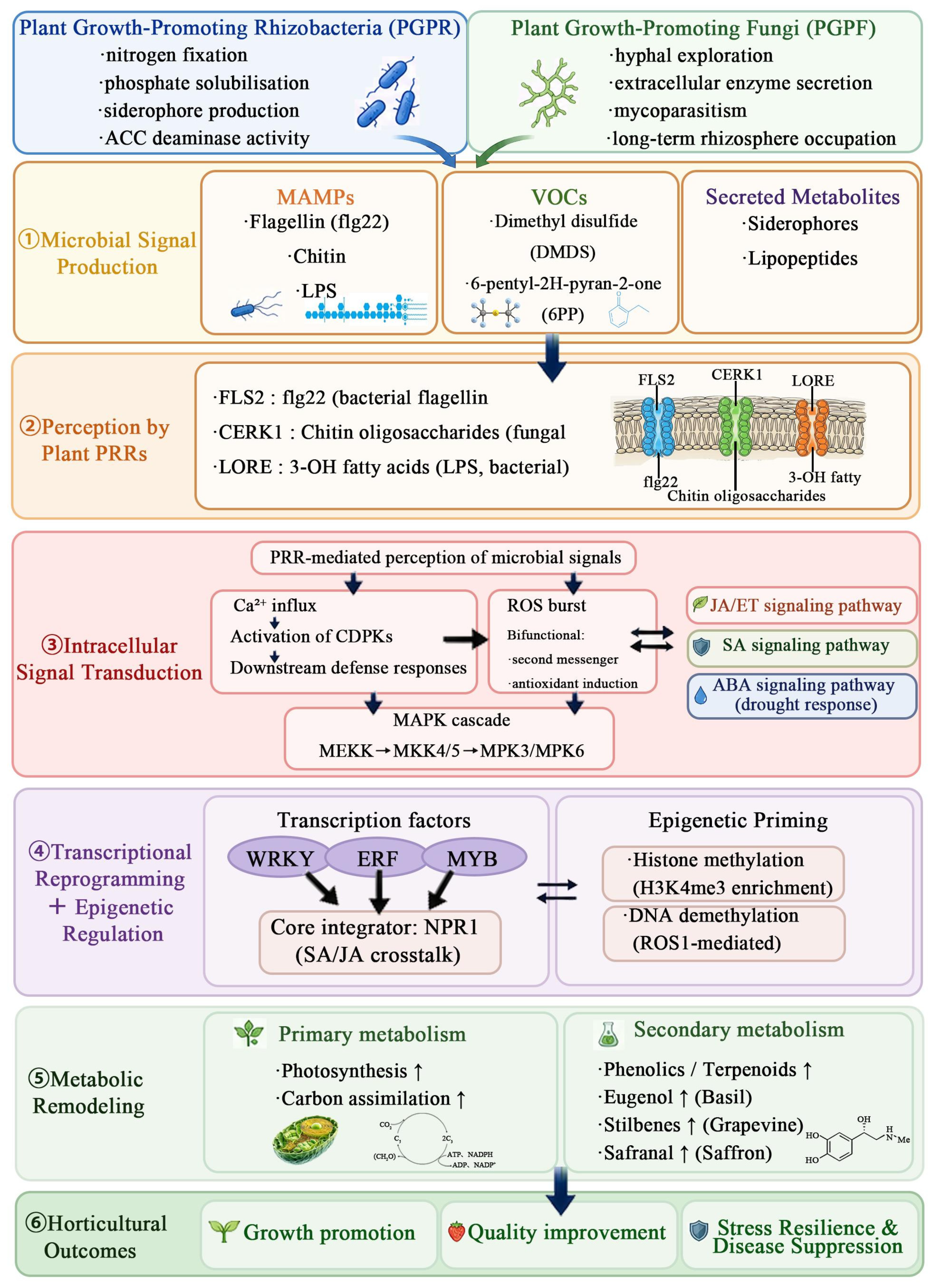
Figure 1: A mechanistic cascade model of PGPR- and PGPF-mediated regulation of horticultural crop growth.
3.1 Generation of Microbial Signals and Plant Perception
The beneficial effects of PGPR and PGPF originate from the diverse microbial signals they produce and the recognition of these signals by plant receptors. Based on their chemical properties and origins, microbial signals can be divided into three major categories. The first category comprises microbe-associated molecular patterns (MAMPs), such as bacterial flagellin, fungal chitin, and bacterial lipopolysaccharides. These are conserved structural molecules of microorganisms and can be recognized by plants even in the absence of living microbial cells [42]. The second category includes volatile organic compounds (VOCs), such as dimethyl disulfide released by Pantoea ananatis [43] and 6-pentyl-2H-pyran-2-one (6PP) produced by Trichoderma spp. [44]. The third category consists of secreted metabolites, including siderophores and lipopeptides (such as surfactin and iturin) [45]. Plants perceive microbial signals via pattern recognition receptors (PRRs), which are plasma membrane-localized receptor proteins. The major PRR families include leucine-rich repeat receptor-like kinases (LRR-RLKs) and lysin motif receptor-like kinases (LysM-RLKs) [46]. PRRs directly bind specific microbial signal molecules via their extracellular domains, thereby activating the intracellular kinase domains and initiating downstream signal transduction. For example, the FLS2 receptor in Arabidopsis was identified as a key component involved in the perception of bacterial flagellin [47]; the CERK1 receptor binds fungal chitin oligosaccharides [48]; and the LORE receptor perceives medium-chain 3-hydroxy fatty acids from bacterial lipopolysaccharides [49]. It is worth noting that the PRRs responsible for recognizing signals such as VOCs and siderophores have yet to be identified, and certain receptor-signal pairings remain incompletely understood. In horticultural systems, different microbial strains produce distinct combinations of signals, leading plants to activate different downstream signaling pathways via distinct sets of PRRs. For instance, transcriptomic analyses in tomato have shown that early responses to Pseudomonas and Trichoderma involve differential activation of distinct defense pathways [50]. Therefore, the combination of signals perceived by plants during the initial recognition phase determines the subsequent direction of their signaling network.
3.2 Intracellular Signal Transduction Pathways
Upon perception of microbial signals by plant pattern recognition receptors (PRRs), a multi-layered intracellular signaling network is activated. This network integrates calcium signaling, reactive oxygen species (ROS), mitogen-activated protein kinase (MAPK) cascades, and various phytohormones, collectively converting extracellular recognition into intracellular responses. First, microbial signals trigger a rapid influx of Ca2+ into the cytoplasm, activating calcium-dependent protein kinases (CDPKs), which in turn promote the activation of downstream defense mechanisms [51]. Meanwhile, ROS act as bifunctional signaling molecules. On the one hand, changes in ROS levels serve as second messengers to activate MAPK cascades and defense gene expression; on the other hand, ROS accumulation induced by microbial invasion directly enhances plant antioxidant defense capacity [52]. Furthermore, MAP kinases such as MPK3 and MPK6 act as central hubs in signal transduction, linking early perception signals to nuclear transcriptional reprogramming [53]. PGPR colonization has been shown to activate MPK3/MPK6 phosphorylation within minutes in Arabidopsis [54], and similar MPK3 activation has been observed in tomato upon microbial challenge [55]. In addition to these early signaling events, interactions among phytohormones constitute another important dimension of the signaling network. ISR is typically associated with the JA/ET signaling pathway, whereas systemic acquired resistance (SAR) depends on SA [56]. Single beneficial fungi such as Trichoderma simultaneously activate JA/ET and SA signaling cascades to broaden plant defense capacity [57]. NPR1 serves as a central integrator of the salicylic acid (SA) and jasmonic acid/ethylene (JA/ET) signaling pathways. In addition, NPR1-independent signaling pathways exist to enable fine-tuning of defense responses [58]. Under abiotic stress conditions, the abscisic acid (ABA) signaling pathway mediates stomatal closure and the accumulation of osmoprotective substances, as demonstrated in studies on Flavobacterium and Pseudomonas spp. [59,60]. Under water deficit conditions, Pseudomonas N5.12 upregulates the expression of the ABA biosynthesis gene NCED1 in tomato [28]. In summary, calcium signaling, ROS, MAPK cascades, and phytohormone signals such as SA, JA/ET, and ABA are interwoven to form an integrated signal transduction network that converts microbial recognition signals into targeted physiological responses.
3.3 Transcriptional Reprogramming and Key Regulatory Nodes
Upon completion of signal transduction, these signals converge at the nucleus, where they are coordinately regulated by transcription factor families and core integrators such as NPR1, triggering large-scale transcriptional reprogramming. On one hand, transcription factors such as WRKY, ERF, and MYB activate specific gene sets by integrating inputs from hormone signaling and MAPK cascades. In oilseed rape co-cultured with Trichoderma and Bacillus, the early expression of PDF1.2 and ERF2 reflects activation of the JA/ET signaling pathway [61]; whereas in cucumber, Bacillus subtilis upregulates the expression of auxin-responsive genes IAA4 and SAUR32, which is consistent with the growth-promoting phenotype [62]. In Arabidopsis, WRKY33 regulates the biosynthesis of camalexin upon pathogen infection [63]. On the other hand, NPR1 acts as a central defense integrator. As observed in onion, Penicillium induces an ISR response and upregulates PR1 defense genes in onion [64]; in Arabidopsis, Bacillus cereus similarly relies on NPR1 to activate JA/ET signaling-mediated ISR defense [65]. In addition to direct transcriptional activation, PGPR also help balance the trade-off between growth and defense. For example, under low water stress, inoculation with Pseudomonas, Sinorhizobium, and Acinetobacter increases the content of phenolic compounds in cucumber [66]. Under water deficit conditions, Pseudomonas spp. simultaneously enhance the expression of photosynthesis-related genes and stress-responsive genes [28]. Furthermore, a PGPR consortium consisting of Enterobacter, Pantoea, and Acinetobacter alleviates drought stress in mustard by increasing proline and soluble sugar accumulation and activating the antioxidant enzyme system [67]. Thus, the transcriptional reprogramming mediated by WRKY, ERF, MYB, and NPR1 achieves a dynamic balance between growth and defense functions.
3.4 Epigenetic Regulation and Priming
A notable feature of the response mechanisms induced by PGPR and PGPF is “priming”. This is a low-cost alert state that enables plants to mount faster and stronger responses under subsequent stress conditions [68]. Priming involves epigenetic modifications, which keep defense-related genes in a “standby” state without requiring continuous activation of defense mechanisms. Changes in histone acetylation, methylation, and DNA methylation are associated with this memory effect [69]. Taking histone methylation as an example, the accumulation of H3K4me3 (a histone methylation mark) at defense gene loci is closely linked to the maintenance of the primed state in plants, and this has also been observed in SA-responsive genes [70]. In addition to histone methylation, DNA demethylation also participates in priming. In Arabidopsis, PGPR treatment induces ROS1-mediated DNA demethylation, thereby relieving the silenced state of defense genes [71]. In tomato, active DNA demethylation mediates a mutualistic symbiotic relationship with Bacillus megaterium YC4 by regulating the level of inositol in root exudates [72]. This memory effect can last from days to weeks, endowing plants with long-term stress resistance. The “standby” state of priming not only depends on epigenetic modifications but also involves the accumulation of dormant signaling proteins (such as MAPKs) and the sensitization of key regulatory nodes. For instance, in Arabidopsis leaves, pretreatment with BTH does not trigger immediate MPK3 phosphorylation but elevates the pool of inactive MPK3 protein. After pathogen infection, MPK activation is accelerated and amplified compared with naive plants [73]. Importantly, priming differs from immediate transcriptional activation in that it does not require the continuous presence of microorganisms, thus offering an advantage in terms of energy conservation. In fruits and vegetables, induced resistance has been shown to provide effective postharvest disease control while avoiding the growth penalties often associated with constitutively activated defense responses [68,74]. Overall, epigenetic regulation and priming together constitute the lasting benefits conferred by PGPR and PGPF inoculation, enabling sustained stress tolerance without the need for continuous activation of energy-intensive defense pathways.
3.5 Metabolic Remodeling and System Outputs
Metabolomics serves as a functional bridge. It closely links molecular signaling events–from microbial signal perception to transcriptional and epigenetic regulation–with physiological outcomes, including enhanced nutrient uptake, growth promotion, and improved stress tolerance. Changes in transcriptomics and epigenetics trigger profound metabolic reprogramming, converting molecular signals into physiological responses at both the primary and secondary metabolic levels. At the primary metabolic level, PGPR and PGPF reshape carbon assimilation pathways. For instance, lettuce leaves inoculated with PGPR show increased palisade tissue content and enhanced photosynthetic efficiency, which is directly associated with the observed promotion of vegetative growth [17]. Under water deficit conditions, Pseudomonas spp. enhance photosynthesis and activate stress-related genes [28]. At the secondary metabolic level, these microorganisms activate the synthesis of phenolic compounds, terpenoids, and other defense-related substances. For example, PGPR increase the essential oil yield of oregano and shift the terpene composition toward thymol [75]. Bacillus amyloliquefaciens elevates the eugenol content and glandular trichome density in basil [76]. Pretreatment with elicitor products derived from endophytic Trichoderma sp. significantly can boost stilbene biosynthesis in Vitis amurensis cell suspension cultures [77]. Because many secondary metabolites possess antioxidant and antimicrobial properties, these changes not only improve product quality but also enhance plant adaptive capacity to stress. Thus, the metabolome serves as a functional bridge connecting molecular signaling events to systemic physiological benefits. Collectively, PGPR and PGPF induce holistic metabolic reprogramming, including the reallocation of carbon and nitrogen resources, activation of defensive secondary metabolism, and optimization of the balance between growth and defense. These constitute the molecular basis for the systemic benefits observed in horticultural systems, and this molecular framework directly lays the foundation for understanding the synergy between PGPR and PGPF.
4 Synergistic Interactions between PGPR and PGPF in Horticultural Systems
PGPR and PGPF do not act as independent factors; rather, they form synergistic consortia. Their niche complementarity and metabolic cross-feeding jointly bring significant benefits to plant growth and stress tolerance. However, the construction of stable consortia still faces challenges related to compatibility, environmental dependence, and formulation stability. A functional framework for understanding and applying the synergistic effects of PGPR and PGPF can be built around the ecological and functional basis of synergy, the evidence for performance enhancement in horticultural crops, and the bottlenecks limiting the establishment of stable consortia. In this review, “PGPR-PGPF synergy” refers to interactions where bacterial-fungal consortia perform better than the sum of individual inoculants. This enhanced performance arises from complementary physiological, metabolic, or ecological mechanisms. This definition distinguishes true synergistic interactions from simple co-inoculation, which refers only to the simultaneous application of multiple microorganisms, and from additive effects, where the combined response is consistent with the summed contributions of the individual strains. As illustrated in Fig. 2, these interactions involve multiple ecological and molecular mechanisms, including niche complementarity, hyphal highways, biofilm-mediated co-colonization, metabolic cross-feeding, VOC-mediated signaling, activation of silent biosynthetic gene clusters, immune modulation, and host-mediated feedback. These mechanisms form an integrated microbial network that links microbial cooperation to improved horticultural outcomes.
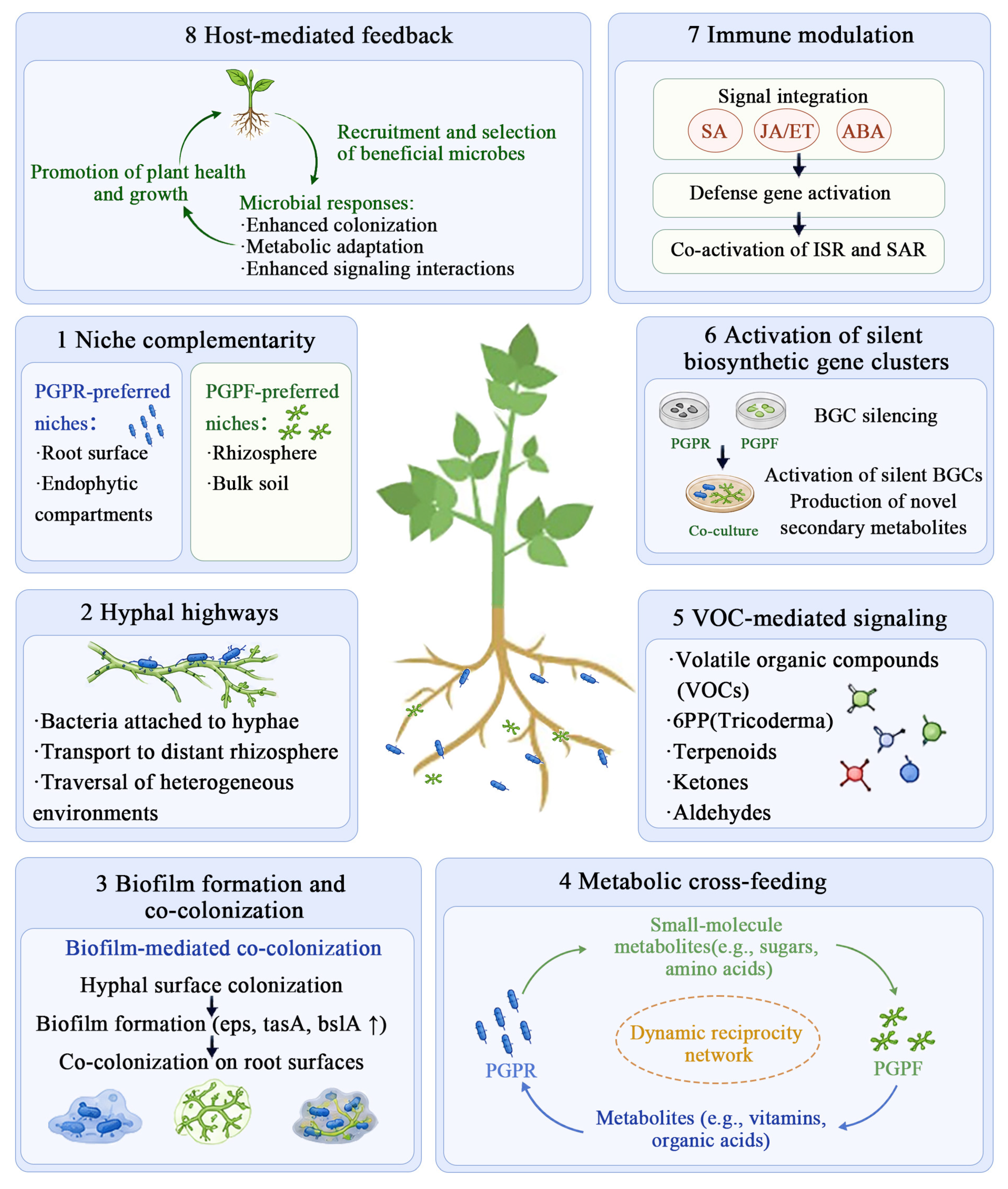
Figure 2: Ecological and molecular mechanisms underlying PGPR-PGPF synergy in horticultural systems.
4.1 Ecological and Functional Bases for PGPR-PGPF Synergy
In both natural and managed soils, PGPR and PGPF form synergistic networks through strategies such as optimized resource utilization, niche occupation, and microbial co-colonization. Spatial niche partitioning constitutes the basis of this network: PGPF predominantly colonize the rhizosphere and surface soil, where they exert mycoparasitic and saprophytic functions, excelling in root colonization and nutrient competition. In contrast, PGPR are capable of colonizing both the root surface mucilage layer and internal root endophytic compartments [78], thereby reducing direct competition and achieving functional complementarity. As observed in Pyrus calleryana rootstocks, co-inoculation of Trichoderma and Bacillus was reported to increase plant height, root length, and root biomass by up to 131%, 160%, and 165%, respectively, under pot conditions. The consortium achieved niche synergy through the former’s mycoparasitism and rhizosphere colonization combined with the latter’s rapid root surface occupation and secretion of growth-supporting compounds [79]. Co-inoculation of PGPR and PGPF enhances root adhesion capacity, biofilm formation, and microbial persistence. In tomato, Bacillus velezensis SQR9 colonizes the hyphal surface of Trichoderma guizhouense NJAU 4742 through its motility and upregulates biofilm-related genes such as eps, tasA, and bslA, thereby improving rhizosphere colonization ability [16]. Metabolic cross-feeding is another key driver: filamentous fungi and PGPR form self-reinforcing cycles through resource exchange. Fungi and rhizobacteria co-cultivation can trigger the production of unique secondary metabolites absent in monocultures, and the mixed culture extracts exhibit stronger antimicrobial activity than single strains [80]. Co-cultivation of Bacillus amyloliquefaciens and Trichoderma harzianum induces unique antifungal metabolites undetectable in axenic monocultures and exhibits stronger pathogen inhibitory activity against jasmine collar rot pathogen [81]. This synergistic effect also extends to host immunity: in tomato, inoculation with AM fungi or Trichoderma harzianum shifts the pathogen-induced JA defense toward a SA-associated state, characterized by increased SA accumulation, reduced JA levels, and activation of PAL and PPO [82]. Furthermore, microorganisms engage in chemical communication via volatile organic compounds and metabolites to regulate plant responses. For example, Trichoderma TRS25 in cucumber utilizes signals such as Z-3-hexenal to enhance systemic resistance, coordinately upregulating both SAR and ISR marker genes [83]. In brief, PGPR-PGPF synergy arises from niche complementarity, metabolic cross-feeding, signal exchange, and host-mediated feedback mechanisms. Together, these processes transform individual microbial activities into system-level functions, thereby enhancing plant growth, disease resistance, and stress tolerance, and providing a mechanistic basis for the construction of efficient microbial consortia.
4.2 Evidence of Synergistic Effects in Horticultural Crops
Building on the definition of synergy provided above, multiple empirical studies across different horticultural systems have demonstrated that microbial consortia generally outperform single-strain inoculants. For instance, in tomato, a consortium of two PGPR strains (Pantoea ananatis D1-28 and Bacillus aryabhattai LAD) was reported to enhance biofilm formation and rhizosphere colonization, increasing shoot fresh and dry weights by up to 186.4% and 278.6%, respectively, under the tested conditions [84]. Similarly, in chilli, co-inoculation of Azospirillum brasilense and Pseudomonas fluorescens with 75% recommended N and P was found to increase fruit yield by 12–15% under pot culture conditions, enabling a 25% reduction in fertilizer application [85]. Furthermore, in okra under drought stress, co-inoculation of AMF and PGPR under drought stress conditions increased shoot dry matter by 51%, root dry matter by 73%, and fruit yield by 113%, while reducing proline accumulation by 31% [86]. Unlike simple co-inoculation, the combined application of PGPR and PGPF leads to interactions that exceed the expected additive effects of individual inoculants, thereby giving rise to synergistic effects. For instance, in pear rootstocks, co-inoculation of Trichoderma harzianum NJAU4742 and Bacillus sp. increased seedling height by 131%, root length by 160%, and root biomass by 165%, with stronger growth responses than single inoculations and a shift in hormone balance (increased IAA/IP, reduced ABA) [79]. Similarly, in pepper, co-application of Bacillus subtilis and Trichoderma harzianum suppressed Phytophthora blight and improved yield in both greenhouse and field trials, consistently outperforming either agent alone [87]. Moreover, a comprehensive review on grapevine concluded that consortium applications of AMF, PGPR, and PGPF enhance drought and salinity tolerance through synergistic effects on nutrient uptake, photosynthesis, and antioxidant defense [38]. However, synergistic outcomes are not universal, and several studies have reported antagonistic or neutral interactions. In tomato challenged with Alternaria solani, triple co-inoculation of Funneliformis mosseae (AMF), Trichoderma viride, and Bacillus velezensis showed no significant disease suppression or growth improvement over the control and exhibited a negative mycorrhizal dependency (−6.7%), indicating competitive antagonism [88]. Similarly, the interaction between Bacillus velezensis and Trichoderma guizhouense was found to be mutually antagonistic on agar plates due to antifungal metabolites; however, when the fungus was pre-cultured, the bacterium could colonize the fungal hyphae via biofilm formation, suggesting that synergy depends on physical contact and environmental context [16]. In addition, in tomato under low salinity, co-inoculation of Bacillus subtilis and Funneliformis mosseae reduced shoot and root biomass accumulation compared with non-inoculated controls, indicating that co-inoculation does not always yield positive outcomes across all parameters [89]. Although many microbial consortia outperform individual inoculants under specific experimental conditions, synergistic performance is not universal and depends on strain compatibility, inoculation sequence, host genotype, native microbiome structure, and environmental context.
4.3 Constraints and Challenges in Constructing Stable Microbial Consortia
Although PGPR-PGPF consortia demonstrate great potential in horticultural systems, their practical application is still constrained by numerous factors that give rise to issues affecting the stability and scalability of microbial communities. These constraints operate across different scales, ranging from microbial strain compatibility and interspecies antagonism, to host genotype specificity, and further to environmental dependence, formulation stability, and regulatory barriers. At the internal microbial level, issues of compatibility and metabolic interference among microorganisms are particularly prominent, as beneficial strains may give rise to antagonistic effects, thereby destabilizing the consortium. For example, in the study by Braga et al. [90], co-application of Bacillus methylotrophicus (one of the Bacillus spp. tested) with Trichoderma asperellum resulted in a significant reduction in viable spore count, indicating a possible antagonistic interaction between these two strains. Even when individual strains perform well, their combined use may reduce overall efficacy due to competition or inhibition, leading to diminished performance. For instance, in cucumber (Cucumis sativus), researchers compared the antagonistic effects of Trichoderma harzianum and Bacillus subtilis applied singly or in combination against the damping-off pathogen Pythium spp. The results showed that the inhibition rate of B. subtilis alone was only 23%, that of T. harzianum alone reached 70%, but when the two were co-inoculated, the inhibition rate dropped to 32% [91]. These issues highlight the necessity of systematic compatibility screening for horticultural crops and indicate that constructing stable and reproducible microbial consortia with consistent performance poses significant difficulties. In addition to internal compatibility, host genotype specificity gives rise to further constraints on the application of this technology, as the same microbial consortium can produce markedly different effects even among varieties of the same crop species. This genotype-specific response has been validated in horticultural crops including tomato, cucumber, and broccoli. When the same PGPR strains were applied, significant growth promotion (p < 0.05) occurred only in certain varieties, whereas effects were weak or absent in others [92]. From an application perspective, the understanding of formulation technologies and mechanisms of action remains incomplete, which gives rise to challenges in practical deployment and consistent performance. At the environmental level, soil physicochemical properties, native microbial communities, and climatic conditions collectively determine the performance of inoculants. In protected systems such as greenhouses, high temperature, high humidity, and reduced natural leaching create stressful soil conditions–acidification, secondary salinization, and nutrient imbalance. These factors directly suppress the survival and activity of microbial inoculants [3,93]. More importantly, native microbial communities shaped by long-term continuous cropping often exhibit strong competitiveness. Long-term continuous celery cultivation in greenhouses restructured the native microbiome, substantially depleting competitively dominant Bacillus populations and severely limiting the rhizosphere colonization of exogenous beneficial strains [94]. Furthermore, the efficacy of PGPR and PGPF under combined abiotic stresses–such as drought with heat, or salinity with heavy metals–remains poorly characterized. Yet these combined stress scenarios are becoming increasingly common under climate change [4]. This adds considerable uncertainty to field performance predictions. At the formulation and application level, technical and economic obstacles remain substantial. Maintaining the viability and functional stability of multiple microorganisms simultaneously requires advanced carrier systems, encapsulation technologies, and optimized storage conditions. Although various carrier materials have been explored, including peat, alginate, biochar, and polymer matrices, each material involves trade-offs among cost, shelf life, ease of use, and compatibility with different microbial taxa [95]. For example, alginate encapsulation can improve root colonization, but it often involves complex preparation procedures and high production costs, limiting its scalability for low-profit horticultural crops [96]. Storage feasibility is another critical issue, as the shelf life of liquid formulations typically ranges from several months to one year, with a marked decline in viable cell counts under ambient temperature conditions [97]. This necessitates cold-chain logistics, which are often unavailable or economically unfeasible in many production regions. Furthermore, regulatory frameworks for microbial inoculants remain inconsistent across countries [98], with some nations requiring extensive ecological testing that may take 3–5 years and cost millions of dollars, creating prohibitive barriers for small and medium sized enterprises. These regulatory hurdles, coupled with high research and development costs and the lack of standardized quality control protocols, severely impede commercial progress. Crucially, these constraints rarely occur in isolation; rather, they are often intertwined and give rise to cascade failures. A formulation that performs well under greenhouse conditions may fail in field applications due to temperature fluctuations, microbiome competition, and other interacting factors. As demonstrated in a grapevine study, even when fungal root colonization was achieved, the growth benefits observed in the greenhouse following inoculation were not sustained under field conditions [99]. These limiting factors explain why many successful laboratory results fail to translate into field production. Therefore, future research must move beyond the isolated optimization of individual factors and adopt a integrative approach that simultaneously considers strain compatibility, host genotype, environmental conditions, and formulation technologies. Only through such integrated, multi-factor design can the gap between proof of concept and practical horticultural application be effectively bridged.
5 Application Scenarios of PGPR and PGPF in Horticultural Systems
In horticultural production, research on PGPR and PGPF has gradually shifted from mechanistic investigations toward practical implementation. Rather than functioning independently, microbial signaling pathways trigger coordinated developmental and metabolic reprogramming that is ultimately translated into agronomic improvements. As illustrated in Fig. 3, these responses connect molecular regulation with crop performance, linking microbial activities to seedling establishment, root system development, yield formation, quality enhancement, stress resilience, and disease suppression across diverse horticultural systems. Unlike field crops, horticultural systems face unique challenges, including continuous cropping obstacles, greenhouse-induced secondary salinization, and high consumer demands for flavor, appearance, and shelf life. These challenges create specific niches where PGPR and PGPF can be particularly effective. For growth promotion, root architecture modulation and photosynthetic enhancement have been demonstrated across multiple crops. In apple rootstock, Brevibacillus laterosporus was shown to increase lateral root proliferation by over 50% in apple rootstocks under controlled conditions [26]. In blueberry, PGPR treatment increased branch number, leaf number, chlorophyll content, and plant height, while also improving rhizospheric soil nutrient contents and modifying the microbial community structure [100]. Under PEG-simulated water stress, Pseudomonas sp. N5.12 alleviated oxidative injury in tomato seedlings by boosting photosynthetic pigments and osmoprotectant accumulation [28]. In lettuce, PGPR inoculation increased palisade parenchyma thickness and reduced airspace area, suggesting improved photosynthetic efficiency [17]. In commercial vegetable production, PGPR and PGPF are commonly applied through seedling substrate inoculation [101], root dipping before transplanting [102], or fertigation systems [24] to facilitate rapid root establishment and improve nutrient use efficiency. In terms of quality improvement, PGPR and PGPF can enhance fruit aroma intensity, phenolic compound content, and essential oil composition. Strawberry treated with a three-strain PGPR consortium showed increased total soluble solids (TSS) and elevated fruity esters such as methyl butanoate [103]. In grapevine leaves, pre-treatment with Trichoderma harzianum T39 established a priming state, leading to stronger upregulation of stilbene biosynthetic genes upon subsequent Plasmopara viticola infection [104]. Saffron co-inoculated with PGPR and AMF was reported to elevate safranal content by up to 96% and total phenolics by up to 19% in hydroponic systems [105]. In medicinal and aromatic crops, microbial inoculation has been increasingly incorporated into nursery production and greenhouse cultivation to improve secondary metabolite accumulation and product quality [106,107]. For stress resilience, documented gains include drought tolerance in walnut (maintained photosynthetic rate and relative water content) [21], clubroot suppression in broccoli [108], and white rot control in onion [64]. In grapevine, comprehensive reviews have summarized substantial evidence for enhanced drought-salinity tolerance through microbial inoculation [38]. Multi-strain consortia often outperform single inoculants: in tomato, Trichoderma virens combined with Bacillus velezensis achieved the lowest disease incidence [109]. However, successful field translation remains hindered by unpredictable colonization, strain compatibility, and environmental dependency. Under protected cultivation, microbial inoculants are increasingly used as components of integrated disease management programs and biological control strategies, reducing dependence on synthetic pesticides [110,111]. Thus, horticultural implementation requires context-driven optimization and rational design of stable, compatible consortia tailored to specific crop-environment combinations. Because evidence for PGPR-PGPF synergy in horticultural crops remains uneven, the following tables include PGPR-alone, PGPF-alone, PGPR-PGPF, PGPR-AMF, and broader microbial consortium examples; each entry should therefore be interpreted according to its inoculant category. Representative cases of PGPR and PGPF applications in horticultural systems, covering growth promotion, quality improvement, and stress resilience, are summarized in Table 1, Table 2 and Table 3.
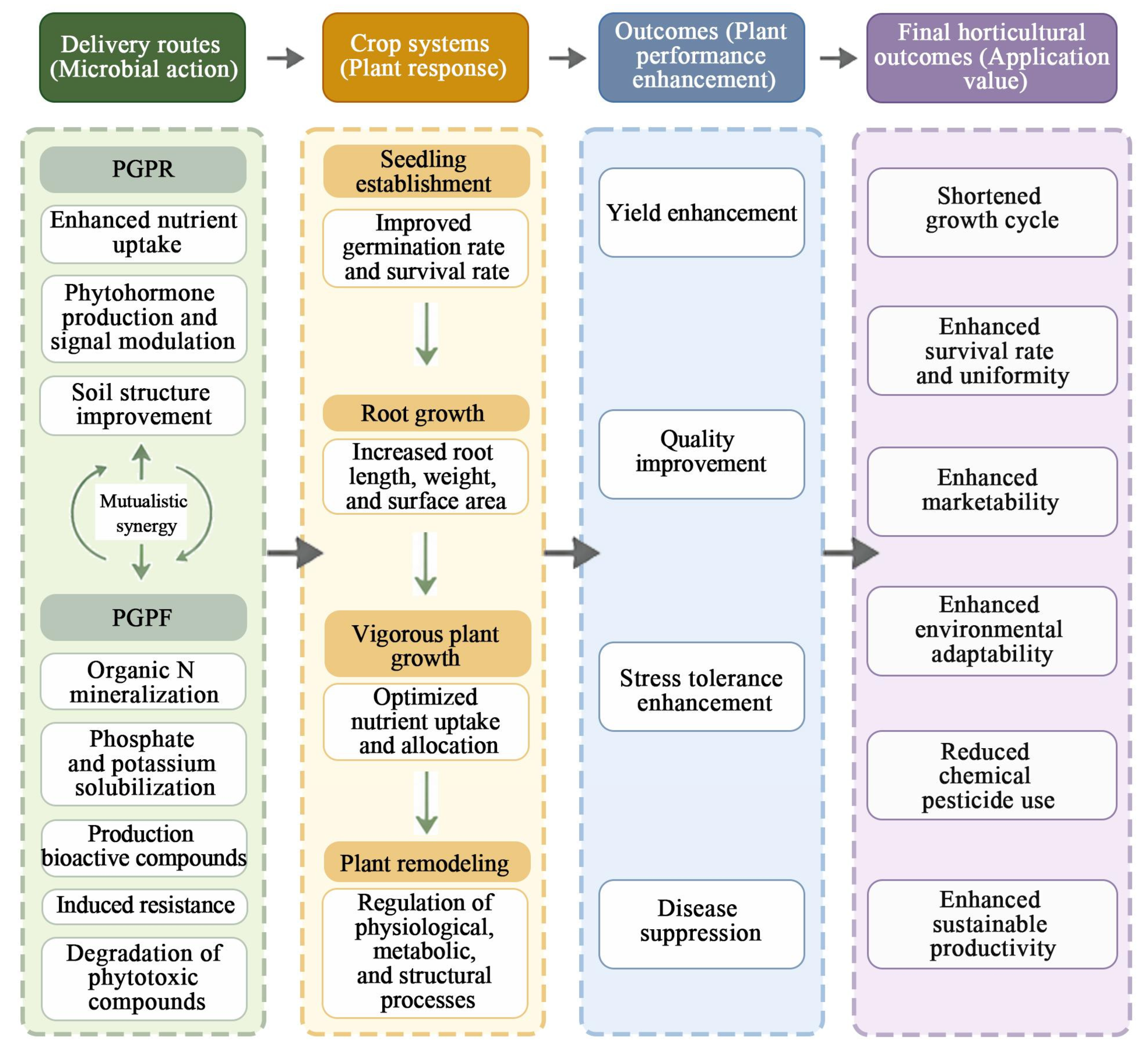
Figure 3: Mechanism framework of PGPR-PGPF synergistic regulation on horticultural crop growth and production.
Table 1: PGPR- and PGPF-mediated growth promotion in horticultural crops.
| Crop | Microbial Inoculant | Quantitative Effect | Main Mechanism | Reference |
|---|---|---|---|---|
| Tomato | Pantoea ananatis D1-28 Bacillus aryabhattai LAD (PGPR + PGPR) | Root dry weight ↑ 543.7% Shoot dry weight ↑ 278.6% (vs. control, 106 cfu·mL−1) | Biofilm formation IAA production | Wang et al. 2025 [84] |
| Tomato | PGPR-PGPF consortia (PGPR + PGPF) | Yield ↑ 156% (1292 vs. 504 g·m−2) P. absoluta damage ↓ 38.6% (34.3% vs. 55.9% infested leaves) (vs. control) | ISR activation Nutrient mobilization | Rizzo et al. 2026 [112] |
| Chilli | PGPR-PGPF consortia (PGPR + PGPF) | Yield and nutrient uptake enhanced (vs. single inoculants, in vivo) | Nutrient mobilization Synergistic interaction | Gehlot et al. 2026 [113] |
| Pear rootstock | Trichoderma harzianum NJAU4742 Bacillus sp. (PGPR + PGPF) | Seedling height ↑ 131% Root length ↑ 160% Root biomass ↑ 165% (20% BOF vs. control) | Metabolic cooperation Spatial niche differentiation | Li et al. 2026 [79] |
Table 2: PGPR- and PGPF-mediated quality improvement in horticultural crops.
| Crop | Microbial Inoculant | Quantitative Effect | Main Mechanism | Reference |
|---|---|---|---|---|
| Key lime | Trichoderma harzianum Bacillus thuringiensis (PGPR + PGPF) | Vitamin C ↑ 59.8% Total phenol ↑ 44.2% Total sugar ↑ 107.7% (T5 vs. control) | Nutrient mobilization Root development | Salem et al. 2024 [114] |
| Edible rose | Bacillus subtilis Trichoderma harzianum (PGPR + PGPF) | Total flavonoids ↑ 183.6% Total phenolics ↑ 204.34% (vs. control) | Nutrient mobilization; Metabolic reprogramming | Jiang et al. 2026 [115] |
| Strawberry | Bacillus subtilis Bacillus amyloliquefaciens Pseudomonas monteilii (PGPR + PGPR) | TSS (Brix) ↑ Fruit color darker (lightness and chroma ↓) (vs. control) | Nutrient mobilization Synergistic effect (promotes nitrogen-fixing bacteria) | Nam et al. 2023 [103] |
| Saffron | Rhizophagus intraradices Bacillus megaterium CB97032 Paenibacillus durus CB1806 (PGPR + AMF) | Safranal content up to 96% Total phenolic content ↑ 19% (vs. control) | Metabolic reprogramming Nutrient mobilization | Stelluti et al., 2023 [105] |
Table 3: PGPR- and PGPF-mediated stress resilience in horticultural crops.
| Crop | Microbial Inoculant | Quantitative Effect | Main Mechanism | Reference |
|---|---|---|---|---|
| Cucumber | Bacillus amyloliquefaciens Z2 Trichoderma harzianum T22 (PGPR + PGPF) | Disease index ↓ 51.5% Yield ↑ 21.02% (vs. control) | ISR activation; Nutrient mobilization | Luo et al. 2026 [116] |
| Chrysanthemum | Trichoderma complex Bacillus amyloliquefaciens (PGPR + PGPF) | CWR incidence ↓ 20% Defense enzyme activities ↑ (vs. pathogen-only control) | ISR activation; JA/ET signaling | Kuang et al. 2024 [117] |
| Oilseed rape | Trichoderma harzianum OMG16 Bacillus velezensis FZB42 (PGPR + PGPF) | Verticillium longisporum DNA in roots −~100-fold Defense genes (PDF1.2, ERF2, AOC3, VSP2) ↑ (vs. non-primed) | ISR activation; JA/ET signaling | Hafiz et al. 2022 [61] |
| Broccoli | Pseudomonas fluorescens Ps006 Bacillus velezensis Bs006 Lysinibacillus xylanilyticus Br042 (PGPR + PGPR) | Clubroot severity ↓ 69% (vs. non-treated control) | Synergistic interaction; Rhizosphere colonization | Moreno-Velandia et al. 2024 [108] |
6 Conclusion and Future Perspectives
The role of PGPR and PGPF in horticultural systems has transcended the traditional concept of mere growth promotion, forming a multi-scale regulatory network encompassing molecular, metabolic, and ecological levels. Mechanistically, they shape plant physiological traits through direct actions (nutrient transformation, phytohormone regulation, metabolite supply) and indirect actions (pathogen suppression, stress alleviation, induced systemic resistance). At the systems level, these processes are integrated within the plant-soil continuum. When operating synergistically as microbial consortia, metabolic complementarity, niche differentiation, and signal transduction synergies drive non-additive emergent properties that collectively optimize plant growth performance, quality, and stress tolerance. Therefore, microbial inoculation should no longer be regarded merely as an exogenous input but redefined as a potential intrinsic driver that regulates state transitions in the plant-soil system, shifting the research focus from “functional identification” to “systems-level regulation”.
Despite conceptual advances, several critical challenges remain. The causal relationships between specific microbial traits and distinct horticultural outcomes remain largely correlational, which limits our ability to predict community performance. Second, strain compatibility and community stability are currently determined through empirical screening rather than rational design, resulting in low success rates and poor field reproducibility. In addition, little is known about why the same consortium performs differently across environments, cultivars, and cropping systems. Addressing these gaps requires the strategic integration of emerging technologies in three interconnected areas. First, there is a need to move from correlational descriptions to causal mechanistic resolution through multi-omics and synthetic biology. Future research should no longer rely on descriptive community analysis but instead adopt integrated multi-omics approaches to dissect the functional contributions of individual consortium members and to identify the genetic determinants of key beneficial traits [118]. In addition, synthetic biology offers powerful tools for designing or optimizing microbial strains with enhanced characteristics, such as overproduction of specific phytohormones, targeted volatile organic compounds, or stress-tolerant biocontrol metabolites [119]. Second, there is a need to shift from empirical screening to AI-driven predictive consortium design. Conventional screening of individual strains and combinatorial testing are labor-intensive and offer low returns, and they often fail to capture emergent synergistic effects. The integration of machine learning and artificial intelligence with high-throughput experimental data provides a new paradigm. By training models on large-scale datasets, AI algorithms can predict optimal strain combinations, metabolic complementarity, and niche compatibility in silico prior to experimental validation [120]. Third, there is a need to transition from environmental adaptation strategies to context-aware response prediction through digital agriculture and field-scale modeling. The inconsistent field performance of microbial inoculants remains the greatest obstacle to their application. To address this challenge, multi-site, multi-season field trials should be integrated with real-time environmental monitoring (including soil sensors, weather stations, and drone-based imaging) to generate large-scale, standardized datasets that capture the interactions among inoculants, soil properties, cultivation practices, and climatic variables. These datasets can then be fed into predictive models to forecast inoculation outcomes under specific field conditions, thereby enabling growers to make informed decisions [121]. In summary, the future of PGPR and PGPF in horticultural research lies at the intersection of systems biology, synthetic biology, artificial intelligence, and digital agriculture. By embracing these technologies, the field can move beyond empirical screening and descriptive characterization toward predictive design, targeted optimization, and rational deployment of microbial consortia. This will not only enhance the reliability and reproducibility of microbial inoculants but also accelerate their commercialization and widespread adoption.
Acknowledgement:
Funding Statement: This work was supported by the Natural Science Foundation of China (32302586), the Modern Agricultural Key Technology Integration and Promotion Project of Jiangsu Province (JCTG [2025]13), and Subsidy Program for Improved Forest Tree Varieties (2025) of the Herbaceous Peony Germplasm Resource Repository of Yangzhou University.
Author Contributions: The authors confirm their contributions as follows: conceptualization, Yuhan Tang and Jun Tao; methodology, Yuhan Tang; writing—original draft preparation, Yumeng Zhao; writing—review and editing, Yumeng Zhao and Yuhan Tang; supervision, Yuhan Tang and Jun Tao. All authors reviewed and approved the final version of the manuscript.
Availability of Data and Materials: Data sharing not applicable to this article as no datasets were generated or analyzed during the current study.
Ethics Approval: Not applicable.
Conflicts of Interest: The authors declare no conflicts of interest.
References
1. Wang HW , Zhu YX , Xu M , Cai XY , Tian F . Co-application of spent mushroom substrate and PGPR alleviates tomato continuous cropping obstacle by regulating soil microbial properties. Rhizosphere. 2022; 23: 100563. doi:10.1016/j.rhisph.2022.100563. [Google Scholar] [CrossRef]
2. Ku Y , Li W , Mei X , Yang X , Cao C , Zhang H , et al. Biological control of melon continuous cropping obstacles: weakening the negative effects of the vicious cycle in continuous cropping soil. Microbiol Spectr. 2022; 10( 6): e0177622. doi:10.1128/spectrum.01776-22. [Google Scholar] [CrossRef]
3. Zhao Y , Mao X , Zhang M , Yang W , Di HJ , Ma L , et al. The application of Bacillus megaterium alters soil microbial community composition, bioavailability of soil phosphorus and potassium, and cucumber growth in the plastic shed system of North China. Agric Ecosyst Environ. 2021; 307: 107236. doi:10.1016/j.agee.2020.107236. [Google Scholar] [CrossRef]
4. Padilla Y , Fotopoulos V , Ntatsi G , Calatayud Á , Penella C , Sabatino L , et al. Strategies for enhancing resilience in horticultural crops against combined abiotic stresses. Physiol Plant. 2025; 177( 5): e70502. doi:10.1111/ppl.70502. [Google Scholar] [CrossRef]
5. Yeshiwas Y , Tadele E , Mohammed A , Hu X . Impacts of climate change on horticultural systems with focus on socio-economic implications, production and postharvest challenges, and adaptive pathways. Discover Environ. 2026; 4( 1): 55. doi:10.1007/s44274-026-00539-0. [Google Scholar] [CrossRef]
6. Tyagi J , Ahmad S , Malik M . Nitrogenous fertilizers: impact on environment sustainability, mitigation strategies, and challenges. Int J Environ Sci Technol. 2022; 19( 11): 11649– 72. doi:10.1007/s13762-022-04027-9. [Google Scholar] [CrossRef]
7. Dong JL , Xu YH , Quan Z , Yin YL , Zhao YY , Xu Q , et al. The obstacles and countermeasures of soil sustainability in protected horticulture in China. Acta Pedol Sin. 2024; 61( 6): 1467– 80. (In Chinese). doi:10.11766/trxb202311010449. [Google Scholar] [CrossRef]
8. Prasanna R , Kanchan A , Kaur S , Ramakrishnan B , Ranjan K , Singh MC , et al. Chrysanthemum growth gains from beneficial microbial interactions and fertility improvements in soil under protected cultivation. Hortic Plant J. 2016; 2( 4): 229– 39. doi:10.1016/j.hpj.2016.08.008. [Google Scholar] [CrossRef]
9. Kloepper JW , Schroth MN . Plant growth-promoting rhizobacteria on radishes. In: Proceedings of the 4th International Conference on Plant Pathogenic Bacteria; 1978 Aug 27–Sep 2; Angers, France. [Google Scholar]
10. Hashem A , Tabassum B , Fathi Abd Allah E . Bacillus subtilis: a plant-growth promoting rhizobacterium that also impacts biotic stress. Saudi J Biol Sci. 2019; 26( 6): 1291– 7. doi:10.1016/j.sjbs.2019.05.004. [Google Scholar] [CrossRef]
11. Liu R , Li C , Zhang Y , Liu C , Xue J , Zheng Y . Enhanced biological nitrogen fixation and nodulation in alfalfa through the synergistic interactions between Sinorhizobium meliloti and Priestia aryabhattai. World J Microbiol Biotechnol. 2025; 41( 6): 180. doi:10.1007/s11274-025-04394-8. [Google Scholar] [CrossRef]
12. Sharma L , Shukla SK , Jaiswal VP , Gaur A . Novel strains of Pseudomonas fluorescens and Bacillus cereus and their integrated use with inorganic fertilizers enhancing P availability, crop growth parameters, and sugarcane yield in subtropical India. Sugar Tech. 2023; 25( 6): 1467– 85. doi:10.1007/s12355-023-01299-4. [Google Scholar] [CrossRef]
13. Adedayo AA , Babalola OO . Fungi that promote plant growth in the rhizosphere boost crop growth. J Fungi. 2023; 9( 2): 239. doi:10.3390/jof9020239. [Google Scholar] [CrossRef]
14. Patel D , Patel A , Patel M , Goswami D . Talaromyces pinophilus strain M13: a portrayal of novel groundbreaking fungal strain for phytointensification. Environ Sci Pollut Res Int. 2021; 28( 7): 8758– 69. doi:10.1007/s11356-020-11152-w. [Google Scholar] [CrossRef]
15. Andreata MFL , Afonso L , Niekawa ETG , Salomão JM , Basso KR , Silva MCD , et al. Microbial fertilizers: a study on the current scenario of Brazilian inoculants and future perspectives. Plants. 2024; 13( 16): 2246. doi:10.3390/plants13162246. [Google Scholar] [CrossRef]
16. Xie J , Sun X , Xia Y , Tao L , Tan T , Zhang N , et al. Bridging the Gap: biofilm-mediated establishment of Bacillus velezensis on Trichoderma guizhouense mycelia. Biofilm. 2024; 8: 100239. doi:10.1016/j.bioflm.2024.100239. [Google Scholar] [CrossRef]
17. Abou Jaoudé R , Luziatelli F , Ficca AG , Ruzzi M . Effect of plant growth-promoting rhizobacteria synthetic consortium on growth, yield, and metabolic profile of lettuce (Lactuca sativa L.) grown under suboptimal nutrient regime. Horticulturae. 2025; 11( 1): 64. doi:10.3390/horticulturae11010064. [Google Scholar] [CrossRef]
18. Andrzejak R , Janowska B . Trichoderma spp. improves flowering, quality, and nutritional status of ornamental plants. Int J Mol Sci. 2022; 23( 24): 15662. doi:10.3390/ijms232415662. [Google Scholar] [CrossRef]
19. Wang Q , Chu C , Zhao Z , Wu S , Zhou D . Pseudomonas fluorescens enriched by Bacillus velezensis containing agricultural waste promotes strawberry growth by microbial interaction in plant rhizosphere. Land Degrad Dev. 2024; 35( 7): 2476– 88. doi:10.1002/ldr.5074. [Google Scholar] [CrossRef]
20. Mohammed HA , Hasan KU . Study of some antioxidant enzymes of Cucumber (Cucumis sativus L.) infected by Fusarium solani fungus with biological control by Pseudomonas fluorescens bacteria. Res J Pharm Biol Chem Sci. 2018; 9( 3): 1249– 57. [Google Scholar]
21. Liu F , Ma H , Liu B , Du Z , Ma B , Jing D . Effects of plant growth-promoting rhizobacteria on the physioecological characteristics and growth of walnut seedlings under drought stress. Agronomy. 2023; 13( 2): 290. doi:10.3390/agronomy13020290. [Google Scholar] [CrossRef]
22. Aleynova OA , Suprun AR , Nityagovsky NN , Dubrovina AS , Kiselev KV . The influence of the grapevine bacterial and fungal endophytes on biomass accumulation and stilbene production by the in vitro cultivated cells of Vitis amurensis rupr. Plants. 2021; 10( 7): 1276. doi:10.3390/plants10071276. [Google Scholar] [CrossRef]
23. Kim KY , Deka Boruah HP , Kim CW , Shagol CC , Sa TM . Isolation and evaluation of inoculation effect of Azospirillum sp. on growth, colonization and nutrient uptake of crops under green house condition. In: Proceedings of the 19th World Congress of Soil Science: Soil Solutions for a Changing World; 2010 Aug 1–6; Brisbane, Australia. [Google Scholar]
24. Ikiz B , Dasgan HY , Gruda NS . Utilizing the power of plant growth promoting rhizobacteria on reducing mineral fertilizer, improved yield, and nutritional quality of Batavia lettuce in a floating culture. Sci Rep. 2024; 14( 1): 1616. doi:10.1038/s41598-024-51818-w. [Google Scholar] [CrossRef]
25. Kaundal S , Rana N , Kumar Y , Alhewairini SS , Barasarathi J , Haron FF , et al. Biofilmed multifarious rhizobacterial isolates of tomato rhizosphere of North-Western Himalayas promote plant growth in tomato. Front Plant Sci. 2025; 16: 1610707. doi:10.3389/fpls.2025.1610707. [Google Scholar] [CrossRef]
26. Wang X , Zhang J , Wang X , An J , You C , Zhou B , et al. The growth-promoting mechanism of Brevibacillus laterosporus AMCC100017 on apple rootstock Malus robusta. Hortic Plant J. 2022; 8( 1): 22– 34. doi:10.1016/j.hpj.2021.11.005. [Google Scholar] [CrossRef]
27. David OM , Olawusi AC , Oluwole OA , Adeola PO , Odeyemi AT . Isolation, molecular characterization and application of Aspergillus niger and Penicillium chrysogenum with biofertilizer potentials to enhance rice growth. Trop J Nat Prod Res. 2023; 7( 4): 2790. doi:10.26538/tjnpr/v7i4.20. [Google Scholar] [CrossRef]
28. Lucas JA , Garcia-Villaraco A , Montero-Palmero MB , Montalban B , Ramos Solano B , Gutierrez-Mañero FJ . Physiological and genetic modifications induced by plant-growth-promoting rhizobacteria (PGPR) in tomato plants under moderate water stress. Biology. 2023; 12( 7): 901. doi:10.3390/biology12070901. [Google Scholar] [CrossRef]
29. Tsukanova KA , Сhеbоtаr VК , Meyer JJM , Bibikova TN . Effect of plant growth-promoting Rhizobacteria on plant hormone homeostasis. S Afr J Bot. 2017; 113: 91– 102. doi:10.1016/j.sajb.2017.07.007. [Google Scholar] [CrossRef]
30. Glick BR . Bacteria with ACC deaminase can promote plant growth and help to feed the world. Microbiol Res. 2014; 169( 1): 30– 9. doi:10.1016/j.micres.2013.09.009. [Google Scholar] [CrossRef]
31. Vacheron J , Desbrosses G , Bouffaud ML , Touraine B , Moënne-Loccoz Y , Muller D , et al. Plant growth-promoting rhizobacteria and root system functioning. Front Plant Sci. 2013; 4: 356. doi:10.3389/fpls.2013.00356. [Google Scholar] [CrossRef]
32. López-Bucio J , Pelagio-Flores R , Herrera-Estrella A . Trichoderma as biostimulant: exploiting the multilevel properties of a plant beneficial fungus. Sci Hortic. 2015; 196: 109– 23. doi:10.1016/j.scienta.2015.08.043. [Google Scholar] [CrossRef]
33. Meena M , Swapnil P , Divyanshu K , Kumar S , Harish , Tripathi YN , et al. PGPR-mediated induction of systemic resistance and physiochemical alterations in plants against the pathogens: current perspectives. J Basic Microbiol. 2020; 60( 10): 828– 61. doi:10.1002/jobm.202000370. [Google Scholar] [CrossRef]
34. Martinez-Medina A , Flors V , Heil M , Mauch-Mani B , Pieterse CMJ , Pozo MJ , et al. Recognizing plant defense priming. Trends Plant Sci. 2016; 21( 10): 818– 22. doi:10.1016/j.tplants.2016.07.009. [Google Scholar] [CrossRef]
35. Asmaa B , Merdia B , Kheira F , Rokaia BM , Chahrazade DN . Biological control of microbial pectinolytic plant pathogens causing soft rot of fruits and vegetables. J Basic Microbiol. 2024; 64( 12): e2400342. doi:10.1002/jobm.202400342. [Google Scholar] [CrossRef]
36. Al-Turki A , Murali M , Omar AF , Rehan M , Sayyed RZ . Recent advances in PGPR-mediated resilience toward interactive effects of drought and salt stress in plants. Front Microbiol. 2023; 14: 1214845. doi:10.3389/fmicb.2023.1214845. [Google Scholar] [CrossRef]
37. Patani A , Prajapati D , Ali D , Kalasariya H , Yadav VK , Tank J , et al. Evaluation of the growth-inducing efficacy of various Bacillus species on the salt-stressed tomato (Lycopersicon esculentum Mill.). Front Plant Sci. 2023; 14: 1168155. doi:10.3389/fpls.2023.1168155. [Google Scholar] [CrossRef]
38. Dagher D , Taskos D , Mourouzidou S , Monokrousos N . Microbial-enhanced abiotic stress tolerance in grapevines: molecular mechanisms and synergistic effects of arbuscular mycorrhizal fungi, plant growth-promoting rhizobacteria, and endophytes. Horticulturae. 2025; 11( 6): 592. doi:10.3390/horticulturae11060592. [Google Scholar] [CrossRef]
39. Li W , Song YL , Zhang YD , Guo SX . PGPR alleviated the negative effects of low temperature and low light stress on the growth and physiology of violet plants. Not Bot Horti Agrobot Cluj Napoca. 2024; 52( 3): 13273. doi:10.15835/nbha52313273. [Google Scholar] [CrossRef]
40. Benítez T , Rincón AM , Limón MC , Codón AC . Biocontrol mechanisms of Trichoderma strains. Int Microbiol. 2004; 7( 4): 249– 60. [Google Scholar]
41. Chouhan S , Singh N , Prakash A . Bioprospecting of plant growth-promoting fungi (PGPF) for remediating plant stress. In: Environmental sustainability and biotechnology: opportunities and challenges. Singapore: Springer Nature; 2025. p. 149– 62. doi:10.1007/978-981-96-9025-1_6. [Google Scholar] [CrossRef]
42. Newman MA , Sundelin T , Nielsen JT , Erbs G . MAMP (microbe-associated molecular pattern) triggered immunity in plants. Front Plant Sci. 2013; 4: 139. doi:10.3389/fpls.2013.00139. [Google Scholar] [CrossRef]
43. Zeng N , Gong H , Pang J , Wang D , Ran R , Li C , et al. Rooting for sustainability: Pantoea ananatis D1-28 volatiles boost tomato growth and rhizosphere microbial diversity. Chem Biol Technol Agric. 2025; 12( 1): 160. doi:10.1186/s40538-025-00882-z. [Google Scholar] [CrossRef]
44. Jin S , Alberti F . Advances in the discovery and study of Trichoderma natural products for biological control applications. Nat Prod Rep. 2025; 42( 8): 1367– 86. doi:10.1039/d5np00017c. [Google Scholar] [CrossRef]
45. Ortiz A , Vaca J , Sansinenea E , Argentel-Martínez L , Peñuelas-Rubio O , Kwon SM , et al. Bacillus subtilis species complex: secondary metabolites, genomic insights, and metabolite-driven strategies for sustainable agriculture. J Environ Chem Eng. 2026; 14( 1): 120631. doi:10.1016/j.jece.2025.120631. [Google Scholar] [CrossRef]
46. Boutrot F , Zipfel C . Function, discovery, and exploitation of plant pattern recognition receptors for broad-spectrum disease resistance. Annu Rev Phytopathol. 2017; 55: 257– 86. doi:10.1146/annurev-phyto-080614-120106. [Google Scholar] [CrossRef]
47. Gómez-Gómez L , Boller T . FLS2: an LRR receptor-like kinase involved in the perception of the bacterial elicitor flagellin in Arabidopsis. Mol Cell. 2000; 5( 6): 1003– 11. doi:10.1016/s1097-2765(00)80265-8. [Google Scholar] [CrossRef]
48. Petutschnig EK , Jones AM , Serazetdinova L , Lipka U , Lipka V . The lysin motif receptor-like kinase (LysM-RLK) CERK1 is a major chitin-binding protein in Arabidopsis thaliana and subject to chitin-induced phosphorylation. J Biol Chem. 2010; 285( 37): 28902– 11. doi:10.1074/jbc.M110.116657. [Google Scholar] [CrossRef]
49. Kutschera A , Dawid C , Gisch N , Schmid C , Raasch L , Gerster T , et al. Bacterial medium-chain 3-hydroxy fatty acid metabolites trigger immunity in Arabidopsis plants. Science. 2019; 364( 6436): 178– 81. doi:10.1126/science.aau1279. [Google Scholar] [CrossRef]
50. de Palma M , Scotti R , D’Agostino N , Zaccardelli M , Tucci M . Phyto-friendly soil bacteria and fungi provide beneficial outcomes in the host plant by differently modulating its responses through (In)direct mechanisms. Plants. 2022; 11( 20): 2672. doi:10.3390/plants11202672. [Google Scholar] [CrossRef]
51. Bredow M , Monaghan J . Regulation of plant immune signaling by calcium-dependent protein kinases. Mol Plant Microbe Interact. 2019; 32( 1): 6– 19. doi:10.1094/MPMI-09-18-0267-FI. [Google Scholar] [CrossRef]
52. Sood M . Reactive oxygen species (ROS): plant perspectives on oxidative signalling and biotic stress response. Discover Plants. 2025; 2( 1): 187. doi:10.1007/s44372-025-00275-4. [Google Scholar] [CrossRef]
53. Andreasson E , Ellis B . Convergence and specificity in the Arabidopsis MAPK nexus. Trends Plant Sci. 2010; 15( 2): 106– 13. doi:10.1016/j.tplants.2009.12.001. [Google Scholar] [CrossRef]
54. Wang S , Zheng Y , Gu C , He C , Yang M , Zhang X , et al. Bacillus cereus AR156 Activates Defense Responses to Pseudomonas syringae pv. tomato in Arabidopsis thaliana Similarly to flg22. Mol Plant Microbe Interact. 2018; 31( 3): 311– 22. doi:10.1094/MPMI-10-17-0240-R. [Google Scholar] [CrossRef]
55. Mayrose M , Bonshtien A , Sessa G . LeMPK3 is a mitogen-activated protein kinase with dual specificity induced during tomato defense and wounding responses. J Biol Chem. 2004; 279( 15): 14819– 27. doi:10.1074/jbc.M313388200. [Google Scholar] [CrossRef]
56. Salwan R , Sharma A , Kaur R , Sharma R , Sharma V . The riddles of Trichoderma induced plant immunity. Biol Control. 2022; 174: 105037. doi:10.1016/j.biocontrol.2022.105037. [Google Scholar] [CrossRef]
57. Charpe AM , Aglave B , Ghosh DK . Microbial-mediated induced resistance: interactive effects for improving crop health. Front Microbiol. 2025; 16: 1660944. doi:10.3389/fmicb.2025.1660944. [Google Scholar] [CrossRef]
58. Zavaliev R , Dong X . NPR1, a key immune regulator for plant survival under biotic and abiotic stresses. Mol Cell. 2024; 84( 1): 131– 41. doi:10.1016/j.molcel.2023.11.018. [Google Scholar] [CrossRef]
59. Kim H , Woo OG , Bin Kim J , Yoon SY , Kim JS , Sul WJ , et al. Flavobacterium sp. strain GJW24 ameliorates drought resistance in Arabidopsis and Brassica. Front Plant Sci. 2023; 14: 1257137. doi:10.3389/fpls.2023.1257137. [Google Scholar] [CrossRef]
60. Schillaci M , Zampieri E , Brunetti C , Gori A , Sillo F . Root transcriptomic provides insights on molecular mechanisms involved in the tolerance to water deficit in Pisum sativum inoculated with Pseudomonas sp. Planta. 2023; 259( 2): 33. doi:10.1007/s00425-023-04310-0. [Google Scholar] [CrossRef]
61. Hafiz FB , Moradtalab N , Goertz S , Rietz S , Dietel K , Rozhon W , et al. Synergistic effects of a root-endophytic Trichoderma fungus and Bacillus on early root colonization and defense activation against Verticillium longisporum in rapeseed. Mol Plant Microbe Interact. 2022; 35( 5): 380– 92. doi:10.1094/MPMI-11-21-0274-R. [Google Scholar] [CrossRef]
62. Samaras A , Kamou N , Tzelepis G , Karamanoli K , Menkissoglu-Spiroudi U , Karaoglanidis GS . Root transcriptional and metabolic dynamics induced by the plant growth promoting rhizobacterium (PGPR) Bacillus subtilis Mbi600 on cucumber plants. Plants. 2022; 11( 9): 1218. doi:10.3390/plants11091218. [Google Scholar] [CrossRef]
63. Mao G , Meng X , Liu Y , Zheng Z , Chen Z , Zhang S . Phosphorylation of a WRKY transcription factor by two pathogen-responsive MAPKs drives phytoalexin biosynthesis in Arabidopsis. Plant Cell. 2011; 23( 4): 1639– 53. doi:10.1105/tpc.111.084996. [Google Scholar] [CrossRef]
64. Elsharkawy MM , El-Khateeb NMM . Antifungal activity and resistance induction against Sclerotium cepivorum by plant growth-promoting fungi in onion plants. Egypt J Biol Pest Control. 2019; 29( 1): 68. doi:10.1186/s41938-019-0178-9. [Google Scholar] [CrossRef]
65. Nie P , Li X , Wang S , Guo J , Zhao H , Niu D . Induced systemic resistance against Botrytis cinerea by Bacillus cereus AR156 through a JA/ET- and NPR1-dependent signaling pathway and activates PAMP-triggered immunity in Arabidopsis. Front Plant Sci. 2017; 8: 238. doi:10.3389/fpls.2017.00238. [Google Scholar] [CrossRef]
66. Zapata-Sifuentes G , Fortis-Hernández M , Sáenz-Mata J , Silva-Martínez C , Lara-Capistran L , Preciado-Rangel P , et al. Effect of plant growth promoting rhizobacteria on the development and biochemical composition of cucumber under different substrate moisture levels. Microbiol Res. 2024; 15( 3): 1505– 15. doi:10.3390/microbiolres15030102. [Google Scholar] [CrossRef]
67. Sheoran AR , Lakra N , Saharan BS , Luhach A . PGPR-mediated drought tolerance in Brassica juncea by modulating morpho-physiological, biochemical, and antioxidant responses. J Plant Growth Regul. 2026; 45( 1): 576– 95. doi:10.1007/s00344-025-11887-1. [Google Scholar] [CrossRef]
68. Mauch-Mani B , Baccelli I , Luna E , Flors V . Defense priming: an adaptive part of induced resistance. Annu Rev Plant Biol. 2017; 68: 485– 512. doi:10.1146/annurev-arplant-042916-041132. [Google Scholar] [CrossRef]
69. Xie SS , Duan CG . Epigenetic regulation of plant immunity: from chromatin codes to plant disease resistance. aBIOTECH. 2023; 4( 2): 124– 39. doi:10.1007/s42994-023-00101-z. [Google Scholar] [CrossRef]
70. Jaskiewicz M , Conrath U , Peterhänsel C . Chromatin modification acts as a memory for systemic acquired resistance in the plant stress response. EMBO Rep. 2011; 12( 1): 50– 5. doi:10.1038/embor.2010.186. [Google Scholar] [CrossRef]
71. Unal D , Satimova S , Botirova D , Muhammad M , Egamberdieva D . PGPR-mediated plant immunity: from microbial recognition to epigenetic priming. Plants. 2026; 15( 9): 1368. doi:10.3390/plants15091368. [Google Scholar] [CrossRef]
72. Vílchez JI , Yang Y , He D , Zi H , Peng L , Lv S , et al. DNA demethylases are required for myo-inositol-mediated mutualism between plants and beneficial rhizobacteria. Nat Plants. 2020; 6( 8): 983– 95. doi:10.1038/s41477-020-0707-2. [Google Scholar] [CrossRef]
73. Beckers GJ , Jaskiewicz M , Liu Y , Underwood WR , He SY , Zhang S , et al. Mitogen-activated protein kinases 3 and 6 are required for full priming of stress responses in Arabidopsis thaliana. Plant Cell. 2009; 21( 3): 944– 53. doi:10.1105/tpc.108.062158. [Google Scholar] [CrossRef]
74. Romanazzi G , Sanzani SM , Bi Y , Tian S , Gutiérrez Martínez P , Alkan N . Induced resistance to control postharvest decay of fruit and vegetables. Postharvest Biol Technol. 2016; 122: 82– 94. doi:10.1016/j.postharvbio.2016.08.003. [Google Scholar] [CrossRef]
75. Çakmakçı R , Haliloglu K , Türkoğlu A , Özkan G , Kutlu M , Varmazyari A , et al. Effect of different plant growth-promoting rhizobacteria on biological soil properties, growth, yield and quality of oregano (Origanum onites L.). Agronomy. 2023; 13( 10): 2511. doi:10.3390/agronomy13102511. [Google Scholar] [CrossRef]
76. Palermo JS , Palermo TB , Cappellari LDR , Balcke GU , Banchio E . Enhanced biochemical and structural defense in PGPR-inoculated sweet basil under aphid herbivory. Plants. 2025; 15( 1): 15. doi:10.3390/plants15010015. [Google Scholar] [CrossRef]
77. Aleynova OA , Nityagovsky NN , Suprun AR , Kiselev KV . Enhancement of stilbene biosynthesis in grape-cell cultures by natural products based on endophytes of the wild grape species Vitis amurensis RUPR. Appl Biochem Microbiol. 2022; 58( 1): 45– 56. doi:10.1134/S0003683822010021. [Google Scholar] [CrossRef]
78. Hassan M , McInroy J , Kloepper J . The interactions of rhizodeposits with plant growth-promoting rhizobacteria in the rhizosphere: a review. Agriculture. 2019; 9( 7): 142. doi:10.3390/agriculture9070142. [Google Scholar] [CrossRef]
79. Li P , Shi Y , Zhao Y , Lu X , Duan J , Yang Q , et al. Trichoderma bio-organic fertilizer modulates the rhizosphere microbiome and Bacillus-assisted plant hormone regulation to promote pear rootstock growth. Microbiol Res. 2026; 304: 128400. doi:10.1016/j.micres.2025.128400. [Google Scholar] [CrossRef]
80. Octarya Z , Nugroho TT , Nurulita Y , Suraya N , Saryono S . Metabolomic profiling and antimicrobial investigation of Aspergillus fumigatus LBKURCC269 and Bacillus paramycoides LBKURCC218 co-culture. Narra J. 2025; 5( 2): e1647. doi:10.52225/narra.v5i2.1647. [Google Scholar] [CrossRef]
81. Arshath Khan A , Yesuraja I , Revathy N , Chandramani P , Merina P . Co-cultivation of Bacillus amyloliquefaciens and Trichoderma harzianum: synergistic effects on plant growth and biocontrol of jasmine collar rot. Plant Sci Today. 2024; 11( sp4): 1– 14. doi:10.14719/pst.5314. [Google Scholar] [CrossRef]
82. Zhang K , Wang H , Xie W , Niu T , Fu W , Zhang X , et al. Arbuscular mycorrhizal fungi and Trichoderma harzianum alter salicylic acid-jasmonic acid balance to suppress Fusarium wilt in tomato. Front Plant Sci. 2025; 16: 1714648. doi:10.3389/fpls.2025.1714648. [Google Scholar] [CrossRef]
83. Nawrocka J , Małolepsza U , Szymczak K , Szczech M . Involvement of metabolic components, volatile compounds, PR proteins, and mechanical strengthening in multilayer protection of cucumber plants against Rhizoctonia solani activated by Trichoderma atroviride TRS25. Protoplasma. 2018; 255( 1): 359– 73. doi:10.1007/s00709-017-1157-1. [Google Scholar] [CrossRef]
84. Wang D , Zeng N , Pang J , Li C , Zhang D , Ge J , et al. Synergistic interaction in mixed pant growth promoting rhizobacteria consortium enhances biofilm formation and rhizosphere colonization to promote tomato (Solanum lycopersicum) growth. Sci Hortic. 2025; 351: 114383. doi:10.1016/j.scienta.2025.114383. [Google Scholar] [CrossRef]
85. Mano B , Meignanamoorthi A , Kumar VM , Yogeshnathan S , Rohith R , Lokesh R . Synergistic effects of Azospirillum and Pseudomonas inoculation on growth and yield of chilli (Capsicum annuum L.). Asian J Soil Sci Plant Nutr. 2026; 12( 1): 74– 84. doi:10.9734/ajsspn/2026/v12i1637. [Google Scholar] [CrossRef]
86. Udpuay S , Ullah H , Himanshu SK , Tisarum R , Praseartkul P , Cha-um S , et al. Effects of microbial biofertilizer on growth, physio-biochemical traits, fruit yield, and water productivity of okra under drought stress. Biocatal Agric Biotechnol. 2024; 58: 103125. doi:10.1016/j.bcab.2024.103125. [Google Scholar] [CrossRef]
87. Xiao M , Liu X , Wang X , Lu W , Zhang T , Yang Y . Microbial inoculants drive disease suppression and rhizosphere modulation for effective management of pepper Phytophthora blight. Appl Soil Ecol. 2025; 208: 105971. doi:10.1016/j.apsoil.2025.105971. [Google Scholar] [CrossRef]
88. Boyno G , Demir S , Danesh YR . Effects of some biological agents on the growth and biochemical parameters of tomato plants infected with Alternaria solani (Ellis & Martin) Sorauer. Eur J Plant Pathol. 2022; 162( 1): 19– 29. doi:10.1007/s10658-021-02398-2. [Google Scholar] [CrossRef]
89. Zhou W , Zhang M , Tao K , Zhu X . Effects of arbuscular mycorrhizal fungi and plant growth-promoting rhizobacteria on growth and reactive oxygen metabolism of tomato fruits under low saline conditions. Biocell. 2022; 46( 12): 2575– 82. doi:10.32604/biocell.2022.021910. [Google Scholar] [CrossRef]
90. Braga AF , de Castro Santos L , da Silva Cunha Mendes SP , Pires FA , Geraldine AM , Ferreira WN Jr . Interaction between Trichoderma asperellum and Bacillus spp. in the biological control of disease in the soya bean. Rev Cienc Agron. 2025; 56: 1– 9. doi:10.5935/1806-6690.20250041. [Google Scholar] [CrossRef]
91. Maimanah M , Kusuma RR , Aini LQ . Virulency of Bacillus subtilis and Trichoderma harzianum against sprout disease Pythium spp. in cucumber plants. J Trop Plant Pro. 2021; 2( 2): 33– 40. doi:10.21776/ub.jtpp.2021.002.2.1. [Google Scholar] [CrossRef]
92. Arkhipov A , Shao Z , Muirhead SR , Harry MS , Batool M , Mirzaee H , et al. Microbe-friendly plants enable beneficial interactions with soil rhizosphere bacteria by lowering their defense responses. Plants. 2024; 13( 21): 3065. doi:10.3390/plants13213065. [Google Scholar] [CrossRef]
93. Romano-Rodríguez E , Martín-Peláez MR , Valle-Romero P , Redondo-Gómez S , Flores-Duarte NJ , Campuzano A , et al. Soil physicochemical traits and environmental context shape the efficacy of a halophyte-derived plant growth-promoting bacterial biofertilizer. J Agric Food Res. 2026; 26: 102671. doi:10.1016/j.jafr.2026.102671. [Google Scholar] [CrossRef]
94. Sui J , Wang N , Wang H , Li Y , Wang J , Duan M , et al. Soil-nutrient depletion and microbial community restructuring in continuous celery cropping: opposing responses of bacteria and fungi. Biology. 2026; 15( 10): 771. doi:10.3390/biology15100771. [Google Scholar] [CrossRef]
95. Shabir R , Li Y , Rashti MR , Esfandbod M , Megharaj M , Chen C . Alternative carrier materials for plant growth-promoting rhizobacteria: progress and perspectives. J Soils Sediments. 2026; 26( 2): 39. doi:10.1007/s11368-026-04232-w. [Google Scholar] [CrossRef]
96. Szopa D , Mielczarek M , Skrzypczak D , Izydorczyk G , Mikula K , Chojnacka K , et al. Encapsulation efficiency and survival of plant growth-promoting microorganisms in an alginate-based matrix—A systematic review and protocol for a practical approach. Ind Crops Prod. 2022; 181: 114846. doi:10.1016/j.indcrop.2022.114846. [Google Scholar] [CrossRef]
97. Marina TA , Maythsulene ISO , Valacia LS , Marta CCF , Amadou HB , Edemilson CC , et al. Shelf life enhancement of plant growth promoting rhizobacteria using a simple formulation screening method. Afr J Microbiol Res. 2018; 12( 5): 115– 26. doi:10.5897/ajmr2017.8787. [Google Scholar] [CrossRef]
98. Carrazco AM , Díaz-Rodríguez AM , Parra Cota FI , de los Santos Villalobos S . Legal framework for the development of microbial inoculants. In: New insights, trends, and challenges in the development and applications of microbial inoculants in agriculture. Amsterdam, The Netherlands: Elsevier; 2024. p. 143– 51. doi:10.1016/b978-0-443-18855-8.00014-x. [Google Scholar] [CrossRef]
99. Rosa D , Pogiatzis A , Bowen P , Kokkoris V , Richards A , Holland T , et al. Performance and establishment of a commercial mycorrhizal inoculant in viticulture. Agriculture. 2020; 10( 11): 539. doi:10.3390/agriculture10110539. [Google Scholar] [CrossRef]
100. Wang M , Yang X . Effects of plant growth-promoting rhizobacteria on blueberry growth and rhizosphere soil microenvironment. PeerJ. 2024; 12: e16992. doi:10.7717/peerj.16992. [Google Scholar] [CrossRef]
101. Yan Z , Reddy MS , Kloepper JW . Survival and colonization of rhizobacteria in a tomato transplant system. Can J Microbiol. 2003; 49( 6): 383– 9. doi:10.1139/w03-051. [Google Scholar] [CrossRef]
102. Tinna D , Garg N , Sharma S , Pandove G , Chawla N . Utilization of plant growth promoting rhizobacteria as root dipping of seedlings for improving bulb yield and curtailing mineral fertilizer use in onion under field conditions. Sci Hortic. 2020; 270: 109432. doi:10.1016/j.scienta.2020.109432. [Google Scholar] [CrossRef]
103. Nam JH , Thibodeau A , Qian YL , Qian MC , Park SH . Multidisciplinary evaluation of plant growth promoting rhizobacteria on soil microbiome and strawberry quality. AMB Express. 2023; 13( 1): 18. doi:10.1186/s13568-023-01524-z. [Google Scholar] [CrossRef]
104. Perazzolli M , Moretto M , Fontana P , Ferrarini A , Velasco R , Moser C , et al. Downy mildew resistance induced by Trichoderma harzianum T39 in susceptible grapevines partially mimics transcriptional changes of resistant genotypes. BMC Genom. 2012; 13: 660. doi:10.1186/1471-2164-13-660. [Google Scholar] [CrossRef]
105. Stelluti S , Caser M , Demasi S , Rodriguez Herrero E , García-González I , Lumini E , et al. Beneficial microorganisms: a sustainable horticultural solution to improve the quality of saffron in hydroponics. Sci Hortic. 2023; 319: 112155. doi:10.1016/j.scienta.2023.112155. [Google Scholar] [CrossRef]
106. Suriani NL , Ho TS , Alzahrani NS , Suprapta DN , Suarsana IN , Resiani NMD , et al. PGPR-mediated enhancement of growth, phytochemical diversity, and metabolites in black turmeric (Curcuma caesia Roxb). Front Microbiol. 2026; 17: 1787961. doi:10.3389/fmicb.2026.1787961. [Google Scholar] [CrossRef]
107. de Azevedo MML , de Oliveira JSF , Barata LM , Monteiro GGTN , Andrade EEA , Figueiredo PLB , et al. Arbuscular mycorrhizal fungi and plant growth-promoting rhizobacteria promoted changes in plant metabolism and the volatile profile of Piper callosum Ruiz & Pav. S Afr J Bot. 2024; 175: 56– 66. doi:10.1016/j.sajb.2024.10.012. [Google Scholar] [CrossRef]
108. Moreno-Velandia CA , Izquierdo-García LF , García-Arias FL , Patiño-Moscoso MA . Bacterial consortium based on Pseudomonas fluorescens, Lysinibacillus xylanilyticus and Bacillus velezensis reduces clubroot disease in broccoli. Eur J Plant Pathol. 2024; 169( 1): 171– 86. doi:10.1007/s10658-024-02817-0. [Google Scholar] [CrossRef]
109. Zhou Y , Yang L , Wang J , Guo L , Huang J . Synergistic effect between Trichoderma virens and Bacillus velezensis on the control of tomato bacterial wilt disease. Horticulturae. 2021; 7( 11): 439. doi:10.3390/horticulturae7110439. [Google Scholar] [CrossRef]
110. Al Raish SM , Sourani OM , Abu-Elsaoud AM . Plant growth-promoting microorganisms as biocontrol agents: mechanisms, challenges, and future prospects. Appl Microbiol. 2025; 5( 2): 44. doi:10.3390/applmicrobiol5020044. [Google Scholar] [CrossRef]
111. Gowda MT , Suresh Reddy Y , Patil J , Krishna H , Sellaperumal C , Manjunath M , et al. Biocontrol potential of Bacillus subtilis CRB7 for the management of root-knot nematode in tomato under protected cultivation. Arch Phytopathol Plant Prot. 2024; 57( 11–12): 800– 22. doi:10.1080/03235408.2024.2414474. [Google Scholar] [CrossRef]
112. Rizzo GF , Ciccarello L , Arena D , Catara V , Siscaro G , Gfeller V , et al. Microbial consortium can enhance plant growth, control leaf miners and parasitic root nematodes in tomato crops grown in Mediterranean greenhouse. Front Hortic. 2026; 4: 1679927. doi:10.3389/fhort.2025.1679927. [Google Scholar] [CrossRef]
113. Gehlot P , Yadav J , Jain T . Synergistic role of plant growth-promoting rhizobacteria and fungi in biofertilizer development for chilli (Capsicum annuum L.): mechanistic and functional insights. Front Plant Sci. 2026; 17: 1844723. doi:10.3389/fpls.2026.1844723. [Google Scholar] [CrossRef]
114. Salem A , Khandaker MM , Mahmud K , Alsufyani SJ , Majrashi AA , Rashid ZM , et al. Enhancing photosynthesis and root development for better fruit quality, aroma, and lessening of radioactive materials in key lime (Citrus aurantifolia) using Trichoderma harzianum and Bacillus thuringiensis. Plant Physiol Biochem. 2024; 206: 108295. doi:10.1016/j.plaphy.2023.108295. [Google Scholar] [CrossRef]
115. Jiang Z , Liu X , Wang X , Peng K , Jiang S , Hu L , et al. Evaluating the combined effects of Trichoderma harzianum, Bacillus subtilis, and chemical fertilization on soil fertility, yield, and quality of edible rose. Eur J Agron. 2026; 172: 127861. doi:10.1016/j.eja.2025.127861. [Google Scholar] [CrossRef]
116. Luo X , Ouyang J , Li J , Yu H , Guo S , Zeng X , et al. Combining Bacillus and Trichoderma in bio-organic fertilizers with reduced chemical fertilizer: an effective strategy against cucumber Fusarium wilt. Plants. 2026; 15( 5): 782. doi:10.3390/plants15050782. [Google Scholar] [CrossRef]
117. Kuang A , Fu X , Liu Z , Chen Q , Jin R , Mao H . Biocontrol effect of the complex inoculants of Trichoderma and Bacillus amyloliquefaciens on Chrysanthemum white rust. Biocatal Agric Biotechnol. 2024; 56: 103010. doi:10.1016/j.bcab.2023.103010. [Google Scholar] [CrossRef]
118. Kumar P , Patel M , Dwivedi P . Systems-level decoding of root-to-shoot microbiome dynamics via integrated multi-omics and network analysis. J Plant Growth Regul. 2026. doi:10.1007/s00344-026-12311-y. [Google Scholar] [CrossRef]
119. Zúñiga A , de la Fuente F , Federici F , Lionne C , Bônnet J , de Lorenzo V , et al. An engineered device for indoleacetic acid production under quorum sensing signals enables Cupriavidus pinatubonensis JMP134 to stimulate plant growth. ACS Synth Biol. 2018; 7( 6): 1519– 27. doi:10.1021/acssynbio.8b00002. [Google Scholar] [CrossRef]
120. Jiang X , Hou J , Zhang H , Guo J , Gu S , Vandeputte D , et al. eBiota: Designing microbial communities from large seed pools with desired function using rapid optimization and deep learning. Preprint. 2026. doi:10.64898/2026.03.29.714676. [Google Scholar] [CrossRef]
121. Lutz S , Bodenhausen N , Hess J , Valzano-Held A , Waelchli J , Deslandes-Hérold G , et al. Soil microbiome indicators can predict crop growth response to large-scale inoculation with arbuscular mycorrhizal fungi. Nat Microbiol. 2023; 8( 12): 2277– 89. doi:10.1038/s41564-023-01520-w. [Google Scholar] [CrossRef]
Cite This Article
 Copyright © 2026 The Author(s). Published by Tech Science Press.
This work is licensed under a Creative Commons Attribution 4.0 International License , which permits unrestricted use, distribution, and reproduction in any medium, provided the original work is properly cited.
 Downloads
 Citation Tools
