
 Login
Login Register
 Submit a Paper
 Propose a Special lssue
 Open Access
ARTICLE
Volatile Organic Compound Diversity across Banana Tissues and Ripening Stages Associated with Fruit Quality and Postharvest Utilization
1 Department of Plant Breeding and Genetics, Faculty of Agriculture and Environment, The Islamia University of Bahawalpur, Bahawalpur, Pakistan
2 Biotechnology and Germplasm Resources Institute, Yunnan Academy of Agricultural Sciences, Kunming, China
3 Honghe Linyuan Agricultural Technology Development Limited Company, Hekou, China
4 Hekou County Bureau of Agriculture, Rural Affairs, and Science and Technology, Hekou, China
* Corresponding Authors: Hafiz Ghulam Muhu Din Ahmed. Email: ; Jiazhen Yang. Email:
# These authors contributed equally to this work
Phyton-International Journal of Experimental Botany 2026, 95(9), 11 https://doi.org/10.32604/phyton.2026.088204
Received 30 June 2026; Accepted 18 August 2026; Issue published 24 September 2026
 View Full Text
 Download PDF
Abstract
Comprehensive volatile profiling of three banana varieties, Zhongjiao 8, Baodaojiao, and Jinyu 2203, was performed across multiple tissues and ripening stages, namely leaf vein (LV), leaf (L), unripe peel (UP), unripe fruit (UF), ripe peel (RP), and ripe fruit (RF), using (Headspace Solid-Phase Microextraction/Gas Chromatography-Mass Spectrometry) HS-SPME-GC–MS to characterize volatile organic compounds (VOCs) associated with aroma development, fruit quality, and post-harvest characteristics. Approximately 450 VOCs were retained after analytical filtering, with alcohols, esters, aldehydes, ketones, and terpenes representing the dominant chemical classes. Key tentatively identified volatile compounds, including 1-pentanol-3-methyl, (S)-(+)-3-methyl-1-pentanol, 1-hexanol, hexanal, propanoic acid pentyl ester, and butanoic acid pentyl ester, contributed to volatile differentiation among tissues and ripening stages. Descriptive statistical analysis confirmed variation in volatile profiles across vegetative and fruit tissues. Chemometric and multivariate analyses revealed tissue- and variety-dependent variation in volatile profiles. PCA explained 20.93% of total variance and revealed variation patterns among developmental stages, while RP and RF stages exhibited closer clustering, indicating convergent volatile profiles during fruit ripening. Non-metric multidimensional scaling (NMDS), hierarchical clustering, and heatmap visualization further confirmed tissue- and variety-specific volatile differentiation. Contour plots demonstrated higher total volatile concentrations in RP and RF tissues, whereas stacked bar analysis showed predominance of esters and alcohols in ripened tissues and comparatively higher aldehyde and ketone abundance in vegetative and unripe stages. These VOCs are associated with aroma characteristics, fruit quality, sensory attributes, and potential functional properties related to edible plant systems. Variety-specific trends indicated that ZJ8 maintained broader volatile continuity patterns across developmental stages, suggesting its potential for maintaining fruit quality and postharvest utilization. BDJ exhibited strong ripe-stage ester enrichment associated with intense fruity aroma characteristics, whereas JY2203 displayed precursor-rich volatile profiles linked with progressive aroma development and enhanced fresh-fruit quality attributes. These findings provide new insights into volatile diversity across banana tissues and ripening stages and highlight their relevance to fruit quality evaluation, postharvest utilization, and future horticultural improvement programs.Keywords
Supplementary Material
Supplementary Material FileBanana is one of the most important fruit crops in the world economically and has great nutritional value. It also plays a major role in human diets globally, especially in the Tropical and Sub-tropical regions of the World [1,2]. The popularity of bananas is not only based on their high levels of carbohydrates, vitamins, and minerals but also upon its unique aroma and flavor, which also affect consumer choices, field acceptability, and industrial use [3,4]. The aroma of fruits is regulated by a complex interaction of volatile organic compounds (VOCs), formed through many intertwined metabolic pathways, throughout the process of tissue differentiation, fruit growth, and fruit maturation [5,6]. Lipid oxidation, amino acid breakdown, carotenoid splitting, and secondary metabolism create a variety of chemical molecules such as esters, alcohols, aldehydes, ketones, acids, and terpenes that are collectively labelled as volatile compounds [7,8].
Bananas are climacteric fruits that undergo distinct physiological and biochemical modifications during their ripening process, characterized by the following criteria: increased respiration, production of ethylene, hydrolysis of starch, accumulation of sugars, transformation of pigments, and reworking of the cell wall [9,10]. A significant change occurs in the volatile biosynthesis and the aroma profile of fruit during the maturation process; therefore, these coordinated metabolic transitions will affect the volatile profile during fruit ripening [6,7]. The sweet-fruity ripe-banana aroma is primarily produced from esters, while aldehydes and alcohols produce a green, grassy, and fresh taste associated with immature tissues [5]. A dynamic equilibrium between these volatile groups indicates how metabolic events progress through both the development of fruit and how fruits behave after harvest [11].
Recent improvements in food metabolomics and analytical chemistry have enhanced the characterization of fruit aroma compounds using gas chromatography-mass spectrometry (GC-MS)-based systems [12]. The Headspace Solid-Phase Microextraction-Gas Chromatography-Mass Spectrometry (HS-SPME/GC-MS) is a highly reliable and frequently utilized technique available for volatile compound profiling due to high sensitivity, solventless extraction, and low-abundance aromatic compound detection capabilities [1,7]. The generation of volatile datasets through GC-MS often creates large, chemically complex datasets which require sophisticated statistical analysis and chemometric tools to allow adequate biological interpretations of such data. Thus, multivariate analysis methods such as principal component analysis (PCA), hierarchical clustering analysis (HCA), heatmap visualization, and non-metric multidimensional scaling (NMDS) are increasingly being utilized in metabolic relationships/associations (classifying samples into groups) and describing aroma profiles based on tissue or genotype of horticultural crops. These complementary analyses enable visualization of sample relationships, compound clustering, and overall metabolic variation [5].
Although there is growing interest in the chemistry of banana aroma, most previous studies have concentrated on either ripe banana pulp tissue or the physiology of bananas after harvest. Relatively little research has examined the interrelationships among banana vegetative tissues (such as leaf and leaf veins), banana peel tissue, bananas developing at immature stages of development (for example, unripe fruit), and genetically different varieties of bananas [8,13,14]. In addition, there is still a lack of research to conduct on volatile metabolism in tissues associated with leaves and during transitional stages of ripening. However, this information will be important since each type of tissue has a different physiological function and a very different metabolic environment to potentially influence how volatiles are biosynthesized and their eventual levels within each tissue type [6,15].
Numerous volatile compounds found in bananas have not only sensory importance but also functional and industrial relevance due to their potential antioxidant properties, ability to enhance natural flavors, use for food processing, and support in the development of products intended for consumers [8]. Comprehensive characterization of the relationship between tissue types and development stages with respect to volatile dynamics is required to gain insight into the understanding of banana aroma metabolism, as well as to support future research in the areas of food chemistry (i.e., quality enhancement) and flavour-based cultivar selection [3,16]. In this respect, the integration of chemometrics along with gas chromatogr GC–MS) using an integrated database represents a strong foundation for furthering our understanding of the complexity of banana volatile metabolism and aroma differentiation within specific tissue types.
2.1 Plant Materials and Sample Collection
Three distinct banana varieties were sampled to characterize their volatile compound profiles across different tissues and developmental stages, representing diverse genetic backgrounds in this study. Jinyu 2203 (JY2203) was bred by the Guangxi Academy of Agricultural Sciences and introduced for cultivation in Hekou County, China. Zhongjiao 8 (ZJ8) was bred by the Guangdong Academy of Agricultural Sciences and subsequently introduced for cultivation in Hekou County, China. Baodaojiao (BDJ) was jointly selected and introduced by the Chinese Academy of Tropical Agricultural Sciences and Guangxi Agricultural College for cultivation in Hekou County, China. The JY2203, the Musa nana (or Musa ABB Pisang Awak) banana variety, is a hybrid banana with a firm texture and a moderate level of sweetness. The ZJ8 and BDJ banana belongs to the Musa acuminata (AAA genome), which corresponds to types of Xiangyajiao bananas that have softer flesh and higher sweetness levels. Six sample groups were created based on tissue, with varieties consisting of leaf veins (LV), leaves (L), unripe peel (UP), unripe fruit (UF), ripe peel (RP), and ripe fruit (RF) at various growth stages. The fruit developmental stages were categorized as unripe and ripe based on external maturity characteristics at the time of sampling. The unripe fruits exhibited a green peel appearance, whereas the ripe fruits exhibited a yellow peel appearance with some black spots. These stages represented early fruit development and advanced ripening stages, respectively. Each sample type was examined in triplicate, resulting in a total of 54 samples (3 varieties × 6 sample types × 3 replications). All samples had been freshly collected and promptly processed for volatile extraction to minimize potential changes in volatile composition caused by evaporation or degradation before GC–MS analysis.
2.2 Extraction of Volatile Compounds
The extraction of the volatile compounds was performed using headspace solid-phase microextraction (HS-SPME); this is a common and acceptable way to extract volatile organic compounds from food matrices and is a solvent-free procedure. Approximately 10 g of fresh sample material was accurately weighed with an electronic balance (JE2002, Shanghai Shangpu Instrument Equipment Co., Ltd.) and transferred into a sealed headspace flask. The sample was heated at 60°C for 5 min, after which Stableflex SPME fiber (Shanghai Anpu Experimental Technology Co., Ltd.) was inserted through a sealed membrane to collect volatile compounds from the sample via static headspace extraction at 60°C for 15 min. HS-SPME techniques have been used widely in banana aroma analysis for their high sensitivity and low sample disturbance, allowing for efficient isolation of low-concentration volatile compounds.
GC-MS analysis of the material was conducted at the Biotechnology and Germplasm Resources Institute, Yunnan Academy of Agricultural Sciences, Kunming, China. Chromatographic separation was achieved using a DB-WAX capillary column (30 m × 0.25 mm; 0.25 μm film thickness) with high-purity helium (99.99%) used as the carrier gas at a constant flow rate of approximately 0.8–1.0 mL/min. The oven temperature ramp started at 40°C, was held for 3–5 min, and increased gradually at a heating rate of 3–5°C/min to the final temperature of 230°C, held for 5–10 min. The injector temperature was maintained between 240–250°C. Detection was made through mass spectrometry in electron ionization (EI) mode using 70 eV electron beam, with a m/z 30–550 scan mass range. Volatile compounds were tentatively identified based on comparison of mass spectra generated from GC–MS analysis with the NIST Mass Spectral Library database. Library matching similarity index (SI) values were considered during compound annotation, and compounds with SI values above 80 were accepted as tentative identifications. Absolute concentrations (μg/g) obtained from the GC–MS output were used for comparative analysis among tissues, developmental stages, and cultivars. The same data processing procedure (following Section 2.4) was consistently applied to all samples to ensure comparability of volatile profiles across the dataset.
2.4 Data Preprocessing and Selection of Volatile Compounds
Duplicates and siloxanes were removed from the raw datasets; therefore, the raw dataset contained many low abundance/high volatility compounds that had to be filtered out, resulting in approximately 450 reliable compounds. To identify the major common compound of each variety and tissue, a mean concentration was used.
2.5 Statistical Analysis and Visualization
To measure and assess variability among all volatile compounds, descriptive statistics (means ± standard deviations) were determined using R software (v4.3.2) based on tissues, developmental stages, and varieties of samples [17]. Data processing and visualization were performed using R packages including ggplot2, dplyr, tidyr, vegan, and pheatmap. The relative contribution of chemical class types (alcohols, aldehydes, esters, ketones, terpenes) was displayed graphically via stacked bar plots. Multivariate statistical analyses (PCA, NMDS, hierarchical clustering, and heat maps) were conducted on the filtered dataset of major volatile compounds to examine the chemical class differences related to tissues, stages, and varieties [18,19]. PCA allows for visualization of the relationships among samples, NMDS captures nonlinear differences between samples, and clustering with heatmaps identifies volatile groups that are readily distinct from one another [20,21]. Contour plots were generated last to depict the distribution and intensity of volatiles across tissues and stages, with color gradients reflecting total concentrations, supporting comprehensive evaluation of aroma profiles [19].
3.1 Comparative Profiling of Major Volatile Compounds across Tissues and Developmental Stages
3.1.1 Leaf Vein (LV) Volatile Flavor Compounds
The volatile composition of LV tissues is characterized by the presence of aldehydes, esters, and alcohols (Table S1). The compound that has the highest average concentration in ZJ8 is 9-henicosanal (9.375 ± 1.219), while the second most abundant compound in JY2203 is carbonic acid, ethyl-, methyl ester (8.883 ± 1.155). In addition to these specific levels of 2-hexenal, tetradecanal, and nonanal were among the most common aldehyde compounds detected in LV tissues during this study. Alcohol-related compounds also contributed markedly to the LV volatile profiling. Compounds 2,2-difluoroethanol, TBDMS derivatives, (7S,8S)-cis-syn-trans-tricyclo[7.3.0.0(2,6)]dodecane-7,8-diol, and 1-hexanol were recognized primarily in JY2203 and BDJ varieties.
Many ester compounds have been detected within LV tissue: D:A-friedo-2,3-secooleanane-2,3-dioic acid dimethyl ester; phosphorous acid tris(decyl) ester; and tricyclo[6.3.1.0(2,5)]dodecan-1-ol acetate were most abundant in the BDJ. Ketone compounds involving 5-hydroxy-7-methoxy-6-methylflavone, 1-(cyclododec-1-en-1-yl)ethenone (1.802 ± 0.144), and (2S,3S,6S)-6-isopropyl-3-methyl-2-(prop-1-en-2-yl)-3-vinylcyclohexanone (1.782 ± 0.214) were also classified among LV samples, representing the presence of diverse secondary metabolite-related volatile compounds in LV tissues [22,23]. Ketones only terpene found in the BDJ was α-pinene.
3.1.2 Leaf (L) Volatile Flavor Compounds
The leaf (L) tissues were characterized by a higher abundance of alcohol- and aldehyde-derived volatiles, indicating the presence of volatile compounds commonly associated with green tissue characteristics (Table S1). The most abundant volatile compounds from JY2203 are alcohol-derived volatiles like 1-penten-3-ol, 1-dodecanol, 1-undecanol, and 1-decanol. The majority of detected ester compounds, including 2-hexenoic acid methyl ester and its (E) isomer, occurred in BDJ, while 2-thiopheneacetic acid, 3-tetradecyl ester was detected in ZJ8. The Leaf tissues showed the detection of ketones, specifically including (3-amino-4,6-dimethylthieno[2,3-b]pyridin-2-yl)(phenyl) Methanone and (+)-2-bornanone. In addition, BDJ and ZJ8 contain α-pinene, suggesting the presence of terpene-related volatile characteristics in these tissues.
3.1.3 Unripe Peel (UP) Volatile Flavor Compounds
Unripe peel (UP) exhibited a volatile profile dominated by aldehydes and alcohols during the early stages of fruit development; most of these volatiles reflect the occurrence of active protective and stress-related metabolism (Table S1). The compound that had the highest mean concentration was nonanal (6.004 ± 0.621), followed by 1-hexanol (4.506 ± 0.496), which was consistently found in all three varieties of banana.
Unripe banana peel (UP) samples contained many alcohol-coupled volatiles, such as 1,10-decanediol, (6Z)-nonen-1-ol, 1-pentanol, 4-methyl, and cyclohexanol. BDJ and JY2203 contained higher levels of ester compounds, such as 2-thiopheneacetic acid, 3-tetradecyl ester; cyclopropanecarboxylic acid pentadecyl ester; methacrylic acid tetradecyl ester; ethyl 4-benzoyl-3,5-dimethylbenzoate. Among UP tissues, we also observed the presence of ketone compounds, amyl cyclopentenone, and 3-pentanone, which may indicate a release of oxidatively metabolized materials.
3.1.4 Unripe Fruit (UF) Volatile Flavor Compounds
The phase of unripe fruit (UF) or pulp showed a higher abundance of alcohol-related volatile compounds, indicating differences in volatile composition during early fruit development (Table S1). For example, in JY2203, a mean concentration of 1-pentanol, 3-methyl-compound, while in JY2203 it was (S)-(+)-3-methyl-1-pentanol, and 1-decanol were identified in BDJ as the highest mean concentration of these three compounds. The representation of aldehyde compounds in this study consisted of primarily isothiocyanatoacetaldehyde dimethyl acetal (16.864 ± 1.349) and nonanal, which occurred predominantly in BDJ and ZJ8.
Alcoholic compounds like 1-Nonanol, Citronellol, 3-Hexen-1-ol, 1-Hexanol, 5-Methyl, and 1-Heptanol added to the volatile diversity of UF. Among the UF samples there were Esters detected including E-11-tetradecen-1-ol trifluoroacetate, cyclopropanecarboxylic acid nonyl ester, and cyclopropanecarboxylic acid pentadecyl ester, which were not found in leaf and peel tissues.
3.1.5 Ripe Peel (RP) Volatile Flavor Compounds
The compound with the highest average concentration based on BDJ and ZJ8 was propanoic acid, 2-methyl-, pentyl ester (13.514 ± 1.892), while at least 3-methyl-1-butanol acetate was consistently detected in all 3 varieties. Among RP tissues, a variety of butanoic and propanoic acid esters such as butanoic acid butyl ester, acetic acid hexyl ester, butanoic acid, 3-methyl-, 3-methylbutyl ester, and propanoic acid, 2-methyl-, 3-methylbutyl ester, were detected in higher concentrations. The volatile diversity in RP tissues was also characterized by other compounds, including 2-pentanol acetate, 2-heptanol acetate, butanoic acid heptyl ester, and butanoic acid pentyl ester. All four of these esters are regularly recognized for their association with fruity and floral aroma characteristics reported in previous studies. However, the only alcohol-derived aroma that was detected at a relatively higher concentration was ethanol (5.318 ± 0.425) for all the tested varieties.
3.1.6 Ripe Fruit (RF) Volatile Flavor Compounds
Among all stages of development, the RF (ripe fruit) or pulp stage showed the most diverse volatile composition due to the accumulation of esters, along with certain alcohols and aldehydes (Table S1). Compared to unripe fruit tissues, the RF ones had a higher abundance of aroma-associated volatile compounds, particularly esters, which are commonly related to sweet and ripe fruit aroma characteristics [5,8]. The most abundant compounds detected was 1-hexanol (18.230 ± 2.734) in ZJ8, followed by 1-butanol, 3-methyl-, acetate (14.078 ± 0.985) across BDJ and JY2203, and butanoic acid pentyl ester (13.256 ± 1.458) in ZJ8. Ester compounds dominated RF tissues to a great extent, included pentanoic acid pentyl ester, propanoic acid, 2-methyl-, pentyl ester, propanoic acid, 2-methyl-, 3-methylbutyl ester, butanoic acid butyl ester, butanoic acid, 3-methyl-, 3-methylbutyl ester. Aldehyde compounds like benzaldehyde, 2-hexenal, and hexanal have also been found in RF tissues. While in earlier stages these aldehydes were associated mostly with green and defensive aromas, it is possible that their appearance in ripe fruit adds to aroma balance and depth of flavour, acting in concert with the more numerous ester compounds and alcohol compounds (1-pentanol and 1-hexanol), which were also detected at relatively higher concentrations in RF tissues, contributing to the overall volatile profile during ripening. Acetic acid hexyl ester, butanoic acid, 2-methylcyclohexyl ester, and acetic acid butyl ester further contributed to the diverse volatile composition in the ripe pulp tissues.
3.2 Variety-Wise Distribution of Major Volatile Compounds
BDJ was distinctly ester-based in volatile composition, and particularly at ripe peel (RP) and ripe fruit (RF) stages, a higher abundance of ester-related volatile compounds was associated with ripening-related aroma characteristics (Table S2). A representative compound was 1-butanol, 3-methyl-, acetate, found mostly in the RP and RF tissues. This ester is associated with sweet banana-like and fruity aroma notes, is a part of the major desirable ripe banana flavour. BDJ also had relatively high concentrations of volatiles associated with alcohol during the UF stage, such as 1-decanol (17.758 ± 2.486), 1-nonanol (10.579 ± 1.481), and 1-hexanol (5.416 ± 0.542). The presence of these volatile compounds in immature tissues suggests that aroma-associated volatile components were already detectable before ripening completion. Accumulation of aldehydes in BDJ was mainly represented by isothiocyanatoacetaldehyde dimethyl acetal (16.864 ± 1.012) during the UF stage. A characteristic of BDJ is the greater diversity of butanoic and propanoic acid esters detected in RP and RF stages, including propanoic acid, 2-methyl-, pentyl ester (11.695 ± 1.053), acetic acid hexyl ester (7.607 ± 0.913), butanoic acid butyl ester (5.856 ± 0.020), and butanoic acid, 3-hexenyl ester (Z/E forms).
ZJ8 was comparatively more balanced yet showed a diverse volatile profile with the strong accumulations of alcohols and ripening associated esters across development (Table S2). Unlike BDJ, where ester values per development were predominantly at RP/RF, ZJ8 retained volatile compounds across vegetative, immature, and ripe tissues. Among the identified compounds, 1-butanol (29.514 ± 2.951) was present in the highest mean concentrations and was found primarily in leaf (L) tissues. The high content of this alcohol in vegetative tissues may reflect the presence of abundant alcohol-related volatile compounds in vegetative tissues in ZJ8. Ripe-stage tissues from ZJ8 were characterized by higher concentrations of esters, especially butanoic acid pentyl ester, propanoic acid, 2-methyl-, 3-methylbutyl ester, and propanoic acid, 2-methyl-, pentyl ester (more strongly detected in RP and RF stages). Compounds associated with alcohol such as (R)-(-)-(Z)-14-methyl-8-hexadecen-1-ol, 1-hexanol, and 1-hexanol, 5-methyl also persisted throughout UF and RF. Other aldehydes such as henicosanal (7.637 ± 1.069) and 2-hexenal (6.036 ± 0.362) were also found to be present in the LV, L, RP, and RF, suggesting that ZJ8 maintains aldehyde-related volatile characteristics across developmental stages. These may contribute to the overall volatile profile together with ester-related compounds.
JY2203 produced a very dynamic volatile profile with high levels of alcohols in the immature fruit and high levels of esters (Table S2) at the ripe stages. The major compound in JY2203 was 1-pentanol, 3-methyl- (46.487 ± 5.114), followed by (S)-(+)-3-methyl-1-pentanol (18.945 ± 1.137), both mainly detected in UF. Such alcohol-rich immature tissues of climacteric fruits are commonly associated changes in ester-related volatile composition during later ripening stages. Among ripening associated compounds, pentanoic acid pentyl ester was the most abundant ester in RF tissues, followed by butanoic acid, 3-methyl-, 3-methylbutyl ester. JY2203 showed higher levels of ester-related volatile compounds during ripe stages, which are commonly associated with ripe fruit aroma characteristics.
Detection of 1-butanol, 3-methyl-, acetate and several butanoic- and propanoic-acid esters across RP and RF stages indicated the presence of diverse ripening-associated volatile compounds. In contrast to BDJ and ZJ8, JY2203 also had a noticeable accumulation of 3-hexenal in leaf tissues and benzaldehyde during RF. Possibly, the continued presence of benzaldehyde in ripe tissues provides an almond-like sweetness and greater flavor depth. Likewise, citronellol was detected during UF and may provide floral and citrus-like notes, contributing additional sensory complexity to this variety. Ethanol was detected in all organs/tissues and development stages from L, UF, RP, and RF, suggesting the consistent presence of ethanol-related volatile compounds across developmental stages.
3.3 Overall Volatile Profiling across Banana Varieties and Tissues
The integrated profiling of volatiles confirmed substantial differences across both banana varieties and ripening stages, with appreciable contributions from alcohols, esters and aldehydes broadly representing the major classes of aroma chemicals across the dataset (Table 1). These findings aligned with previous stage-wise and variety-wise comparisons, which suggested that UF tissues preferentially accumulate alcohol-associated precursor compounds, whilst RP and RF stages are notably enriched in fruity ester volatiles associated with the volatile characteristics associated with ripening-related aroma development.
JY2203 presented the most intense alcohol-associated volatile profile due to the higher concentrations of 1-pentanol, 3-methyl (46.487 ± 4.184) and (S)-(+)-3-methyl-1-pentanol (18.945 ± 2.842) during the UF stage. These are important volatile compounds associated with aroma-related characteristics, alongside the occurrence of benzaldehyde (9.904 ± 1.387) detected during RF that may increase almond-like sweetness and flavor depth. Several alcohol and aldehyde associative volatiles identified in JY2203 have also been reported to have antioxidant and antimicrobial bearing, and thus may have contribution to fruit quality and edible value [3,24].
BDJ showed greater ripe-stage ester specialization, indicated by propanoic acid, 2-methyl-, pentyl ester, butanoic acid pentyl ester, and 1-butanol, 3-methyl-, acetate accumulation during the RP and RF stages [25]. All four are associated with banana-like, sweet, and tropical fruity aroma. These compounds have previously been reported as aroma-associated volatiles in ripe fruits. On the other hand, ZJ8 showed a more continuous profile of volatiles that were found in vegetative tissues into fruit. These included 1-butanol, 1-hexanol, 2-hexenal, henicosanal, as well as various butanoic- and propanoic-acid esters spread across LV, L, UP, UF, RP, and RF stages. The presence of green aldehydes in combination with fresh alcohols and fruity esters suggests the presence of a diverse volatile profile combining compounds associated with vegetative and ripe fruit characteristics. Aldehydes such as 2-hexenal and henicosanal may also contribute to volatile characteristics associated with freshness-related aroma profiles.
Table 1: Overall profiling of major flavor volatile compounds based on mean concentration using GC–MS analysis.
| Compounds | CC | MC ± SD | RT | Varieties | TDS |
|---|---|---|---|---|---|
| 1-Pentanol, 3-Methyl- | Alcohol | 46.487 ± 4.184 | 8.671 | JY2203 | UF |
| 1-Butanol | Alcohol | 29.514 ± 4.132 | 6.914 | ZJ8 | L |
| (S)-(+)-3-Methyl-1-Pentanol | Alcohol | 18.945 ± 2.842 | 9.768 | JY2203 | UF |
| Isothiocyanatoacetaldehyde Dimethyl Acetal | Aldehyde | 16.864 ± 2.024 | 6.011 | BDJ | UF |
| Propanoic Acid, 2-Methyl-, Pentyl Ester | Ester | 11.781 ± 1.296 | 9.355 | BDJ; ZJ8 | RP; RF |
| Butanoic Acid, Pentyl Ester | Ester | 11.262 ± 0.901 | 8.846 | BDJ; ZJ8 | RP; RF |
| 1-Butanol, 3-Methyl-, Acetate | Ester | 11.126 ± 1.113 | 7.419 | BDJ; JY2203; ZJ8 | RP; RF |
| 1-Nonanol | Alcohol | 10.579 ± 1.058 | 16.095 | BDJ | UF |
| Benzaldehyde | Aldehyde | 9.904 ± 1.387 | 10.648 | JY2203 | RF |
| 1-Pentanol | Alcohol | 9.42 ± 0.754 | 5.806 | JY2203 | RF |
| 1-Decanol | Alcohol | 9.271 ± 1.298 | 13.994 | BDJ; JY2203 | UF; L |
| E-11-Tetradecen-1-Ol Trifluoroacetate | Ester | 9.116 ± 0.821 | 21.441 | ZJ8 | UF |
| Carbonic Acid, Ethyl-, Methyl Ester | Ester | 8.883 ± 1.244 | 4.967 | JY2203 | LV |
| 3-Hexenal | Aldehyde | 7.877 ± 0.866 | 5.402 | JY2203; ZJ8 | L; UP |
| 1-Hexanol | Alcohol | 7.808 ± 0.937 | 7.849 | BDJ; JY2203; ZJ8 | LV;UP; UF; RF |
3.4 Distribution Pattern of Volatile Compound Classes across Banana Tissues and Developmental Stages
The classes of volatile compounds exhibited tissue- and genotype-dependent variation in volatile composition across banana varieties (Fig. 1). Alcohols and esters were the predominant volatile groups across developmental stages, while aldehydes, ketones, and terpenes appeared to show more stage-specific accumulation. This class-level organization of chemical variation was consistent with that seen in compound-level profiling, confirming that volatile composition in bananas is strongly influenced by varietal background and developmental stage, as mentioned in Fig. 1.
Vegetative tissues (LV, L) were primarily marked by aldehyde- and alcohol-associated volatile profiles (notably in JY2203 and ZJ8). These compounds are generally related to lipid oxidation modes and incipient defensive metabolic activity regarding actively growing tissues. A clear metabolic shift occurred with greater accumulation of esters at UF, RP, and RF stages, particularly in BDJ and ZJ8, suggestive of activation of the esterification pathways linked to ripening that are involved in generating the volatiles associated with fruit maturation. Within the varieties, ZJ8 tissues exhibited the broadest cross-stage continuity of volatile classes, with balanced contributions from alcohols, esters, and aldehydes across stages, suggesting maintaining metabolic flexibility and sustained biosynthesis of volatiles from vegetative to ripe. BDJ tissues projected stronger ester representations during RP and RF, showing a concentrated ripe-fruit metabolic profile consistent with more strongly expressed ripe-fruit aromas during tasting and postharvest uses. Instead, JY2203 tissues exhibited stronger alcohol-dominance in UF tissues, indicating a higher contribution of alcohol-related volatile compounds during early fruit development and dynamic changes in volatile profiles across developmental stages.
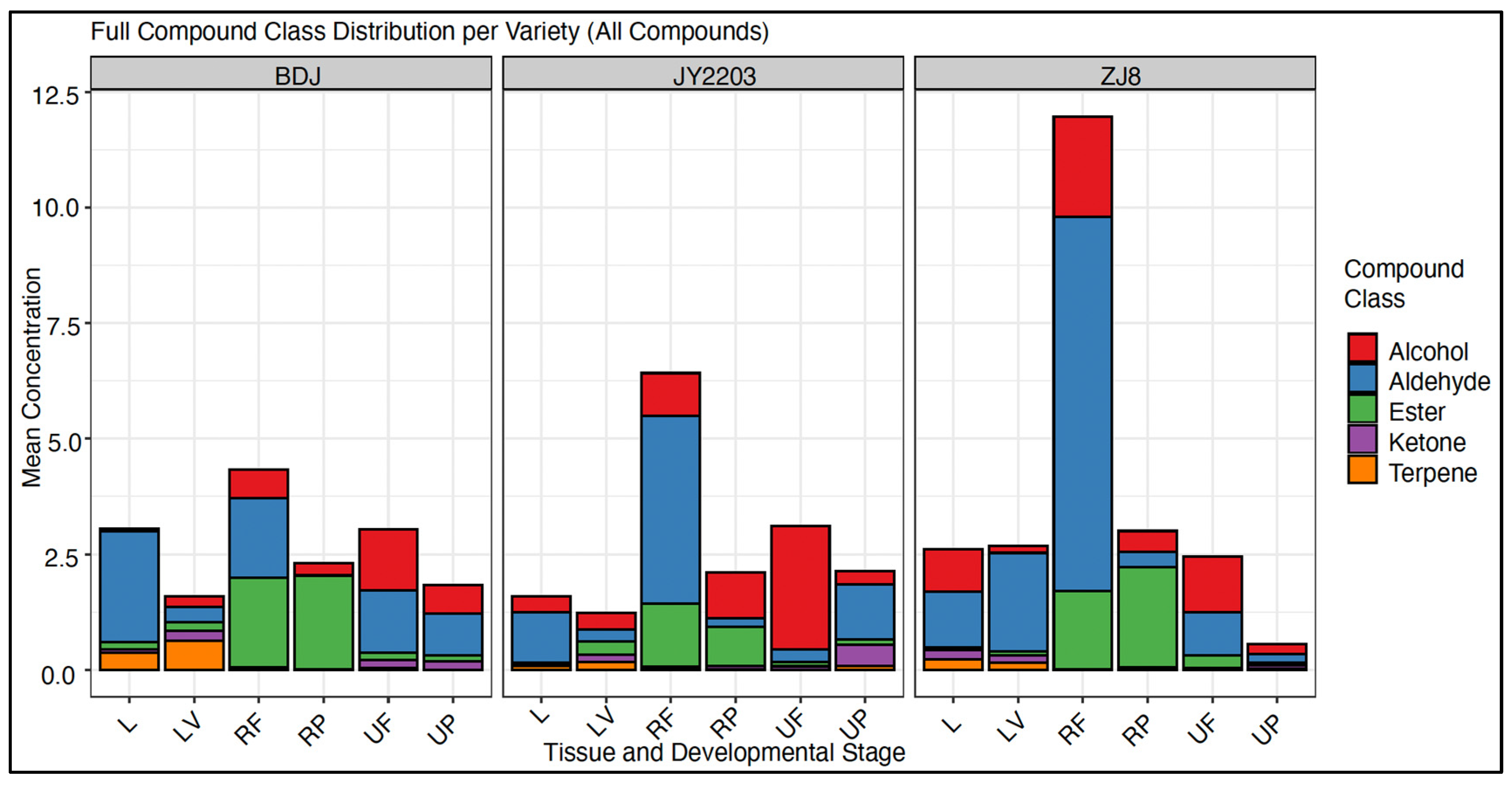
Figure 1: Distribution of major volatile compound classes across tissues and developmental stages of banana varieties based on GC–MS analysis.
3.5 Hierarchical Clustering and Similarity Analysis of Volatile Compounds
Hierarchical clustering analysis consistently demonstrated strong tissue- and developmental stage-dependent organization of the volatile profiles across varieties (Fig. 2 and Fig. 3). RP and RF samples formed closely associated clusters enriched with ester-related volatile compounds, while LV and L tissues clustered separately, revealed by their higher abundance of aldehydes, alcohols, and vegetative-associated volatile compounds.
UF tissues clustered together with particularly high enrichment of precursor associated alcohols such as 1-pentanol, 3-methyl-, 1-decanol, and other long-chain alcohol derivatives relative to other fruit tissues. The relative abundance of 1-pentanol, 3-methyl- suggests that immature pulp tissues may act as a tissue with higher levels of this alcohol-related volatile compound before ripening-associated changes in volatile composition. UP tissues exhibited moderate clustering and relative accumulation of aldehydes, alcohols, and precursor esters, which likely indicate differences in volatile composition between vegetative tissues and ripening fruit stages. For RP and RF, we observed strong co-clustering of several ester compounds, including butanoic acid pentyl ester, propanoic acid, and a range of acetate esters, which reflects the higher representation of ester-related volatile compounds during ripening stages. The similarity heatmap (Fig. 3) further supported this, indicating a stronger metabolic proximity amongst samples of RP and RF across varieties, whilst LV and L tissues remained relatively distanced from ripening-relevant clusters. These clustering patterns indicate similarities in volatile composition among samples rather than direct evidence of metabolic processes. By evaluating the varieties, ZJ8 was wider in terms of clustering continuity across development stages, indicating a greater volatile metabolic coherence through development into ripening. BDJ was more strongly clustered with the ester-rich RP and RF clusters, suggesting specialized ripe-fruit metabolic activity, whilst JY2203 remained more closely coupled with the alcohol-rich UF-linked volatile profile.
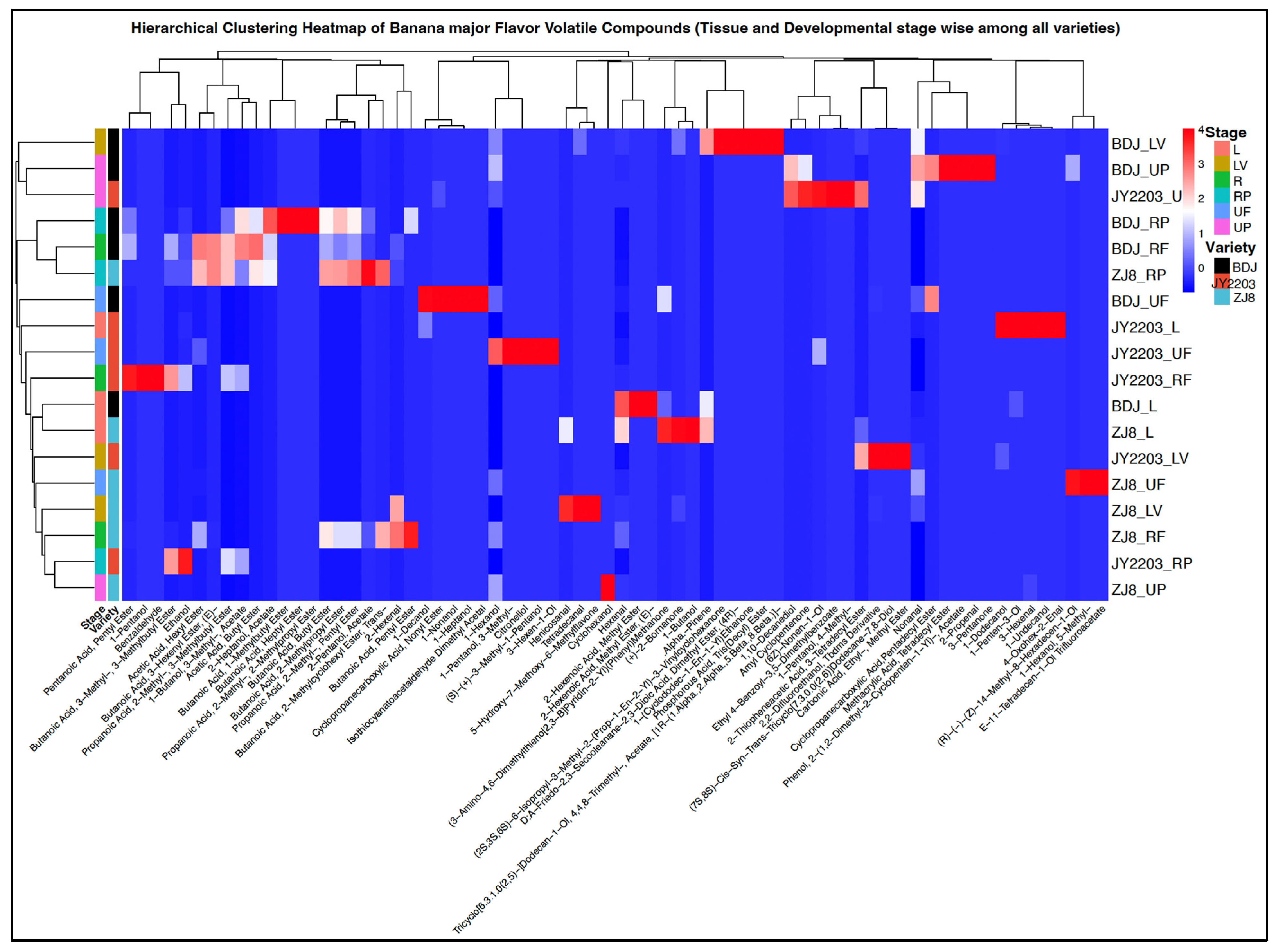
Figure 2: Hierarchical clustering heatmap of major flavor-related volatile compounds across tissues and developmental stages of banana varieties based on GC–MS analysis.
3.6 Shared Volatile Compounds across Tissues and Developmental Stages
The UpSet plot (Fig. 4) showed the number of shared and unique volatile compounds found across banana tissues and developmental stages, as determined from the GC–MS data from the three varieties. Of an overall total of ~450, the most were found in Leaf Veins (LV, 405 compounds), followed by Unripe Peel (UP, 375 compounds), Unripe Fruit (UF, 369 compounds), Ripe Peel (RP, 293 compounds), Ripe Fruit (RF, 259 compounds), and Leaf (L, 345 compounds). High percentages of common volatiles were observed through many of the stages analyzed, suggesting conservation of biochemical pathways responsible for the characteristic banana aroma. For example, 1-Hexanol, 1-Pentanol and 1-Butanol were present in the vegetative, mature and ripe fruit tissues. These volatiles affect aroma and flavour balance.
In contrast, there were 221 unique in LV, considered to represent metabolites more characteristic of vegetative tissues. Some esters and alcohols unique to UP and UF were implicated in unripe fruit aroma and also predicted to have functional bioactivity. Stage-specific patterns were also apparent in overlapping compounds: peel and pulp tissues shared esters (Propanoic Acid, 2-Methyl-, Pentyl Ester; Butanoic Acid, Pentyl Ester) associated with sweet and fruity notes that consumers appreciate.
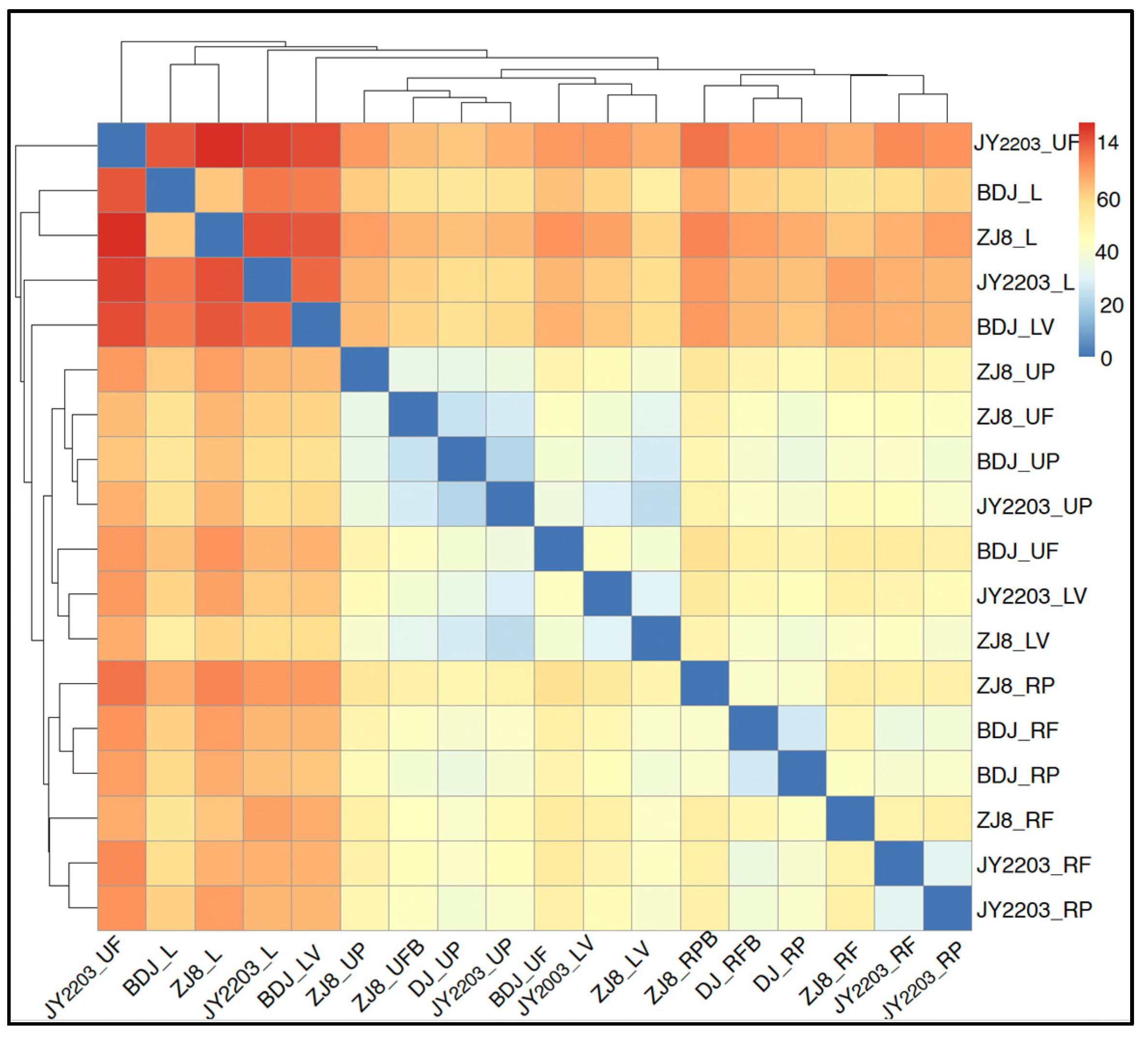
Figure 3: Hierarchical heatmap showing similarity relationships among banana tissues and developmental stages based on GC–MS-derived volatile compound profiles. The color scale represents similarity values derived from volatile composition, where higher values indicate greater similarity among samples and lower values indicate greater differences in volatile profiles. The dendrograms represent hierarchical clustering relationships among samples.
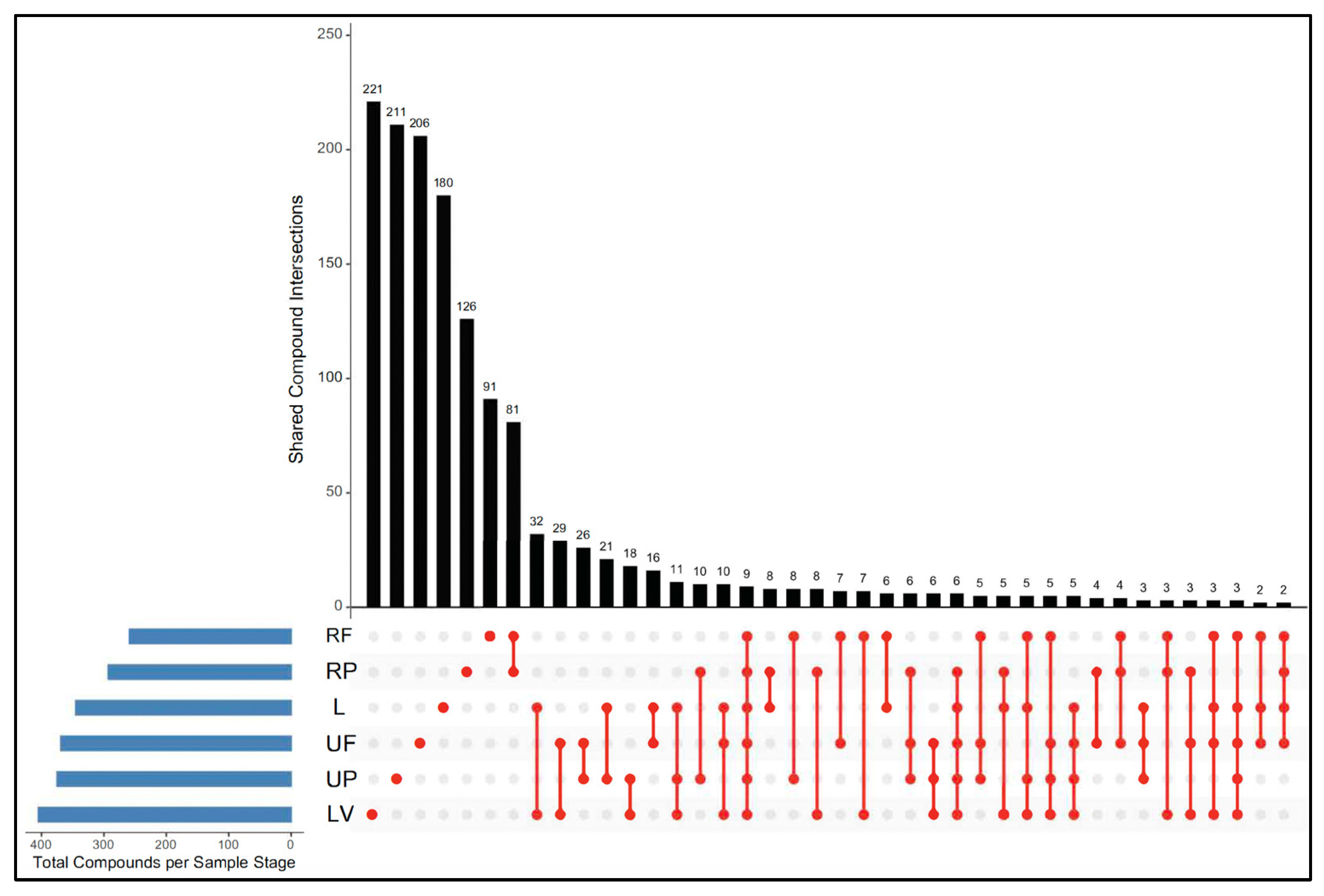
Figure 4: UpSet plot showing shared and unique volatile compounds across banana tissues and developmental stages. The black bars represent the number of volatile compounds shared among different tissue/stage combinations. Red dots indicate the tissue or developmental stages included in each intersection, and red vertical lines connect the dots to illustrate the combinations of tissues/stages contributing to shared volatile compounds. The horizontal bars on the left represent the total number of detected volatile compounds in each tissue or developmental stage.
3.7 Multivariate Analysis of Volatile Compound Variation
3.7.1 Principal Component Analysis (PCA)
The PCA score plot (Fig. 5) revealed tissue- and developmental stage-related variation patterns of the volatile profiles of the three banana varieties, with the first two PCAs (PC1, 10.97%; PC2, 9.96%) explaining 20.93% of the total variation. Varietal-specific stage-differentiation was identified, where ZJ8_UF separated along the positive PC1, which indicated differences in volatile composition during early fruit development. BDJ_UP and ZJ8_L were positioned in negative PC2 regions that relate to the immature/vegetative tissue-specific volatile profiles. Ripe samples (BDJ_RF, JY2203_RF and ZJ8_RP) grouped very closely together in the upper PC2 region, indicative of similarity in volatile profiles during ripening. Among the varieties, ZJ8 has variation between each stage, particularly from vegetative to ripe tissue stages, indicating greater variation in volatile profiles across developmental stages. JY2203 sits quite closely between UF and RF samples, suggesting an intermediate volatile profile between unripe and ripe stages, while BDJ is closer to the intermediate group, suggesting differences in volatile distribution patterns during development.
3.7.2 Non Metric-Multi Dimensional Scaling (NMDS)
NMDS plot (Fig. 6) corroborated tissue- and stage-dependent volatile variation patterns, with samples on the right of NMDS1 clustering closely together and particularly RF and RP tissues grouping together, indicating that volatile profiles at the ripe stage across varieties are similar. This might reflect the tendency of aroma volatiles to show similar distribution patterns during advanced ripening stages. Vegetative tissues (L and LV) were predominantly placed on the left and generally in the lower region on NMDS. ZJ8_RF was positioned in the extreme positive NMDS1 region, with a distinct volatile profile compared with other samples. BDJ_UP resided in the lower negative NMDS2 region, retaining volatiles typical of immature peel tissues. The separation of UF and UP samples far from RP and RF stages highlights differences between immature and ripe tissue volatile profiles. Ripe stage samples, including BDJ_RF, JY2203_RF, and ZJ8_RP, were closely grouped, suggesting similarity in aroma-associated volatile profiles among these samples.
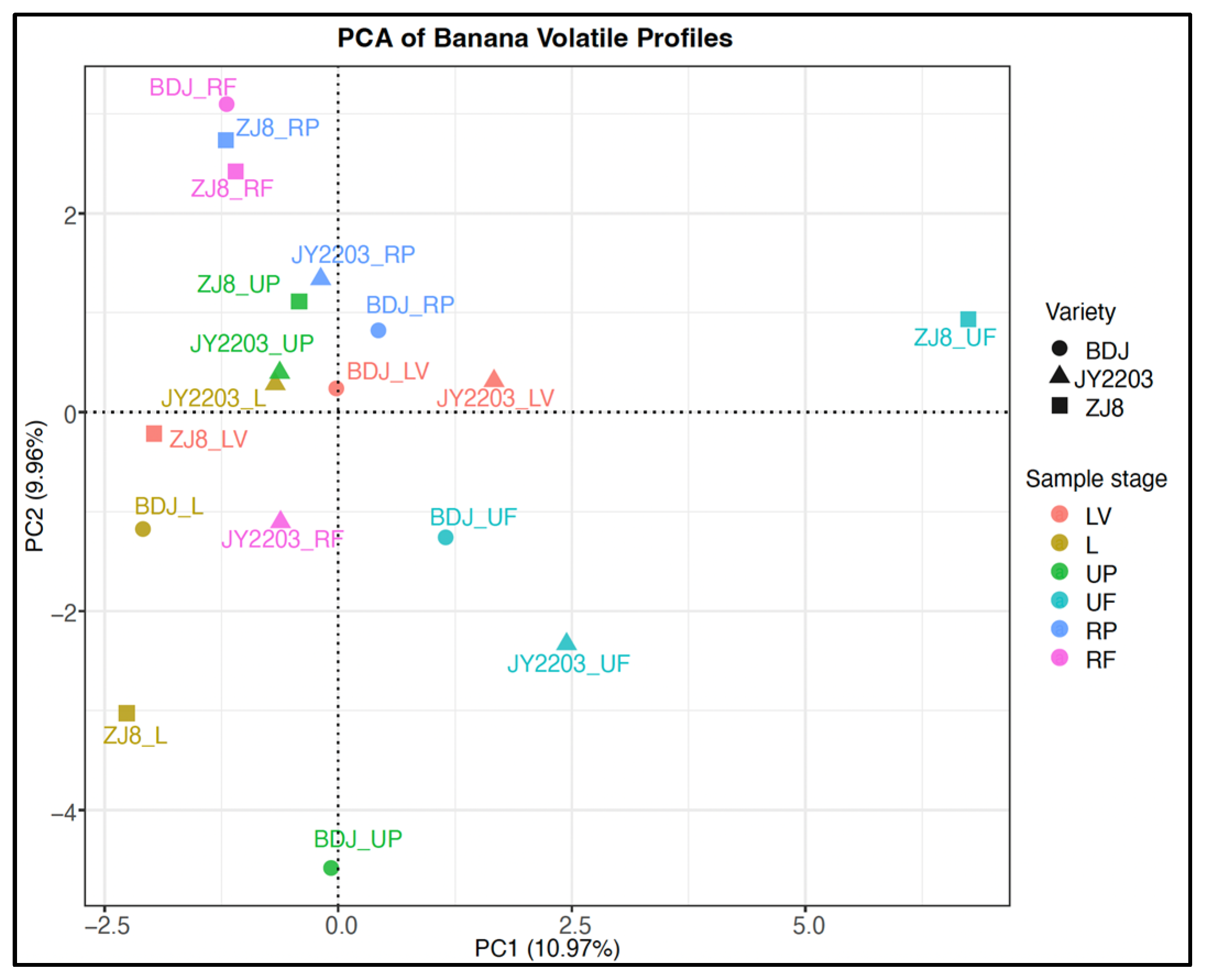
Figure 5: Principal component analysis (PCA) score plot showing variation among banana tissues and developmental stages based on GC–MS volatile compound profiles.
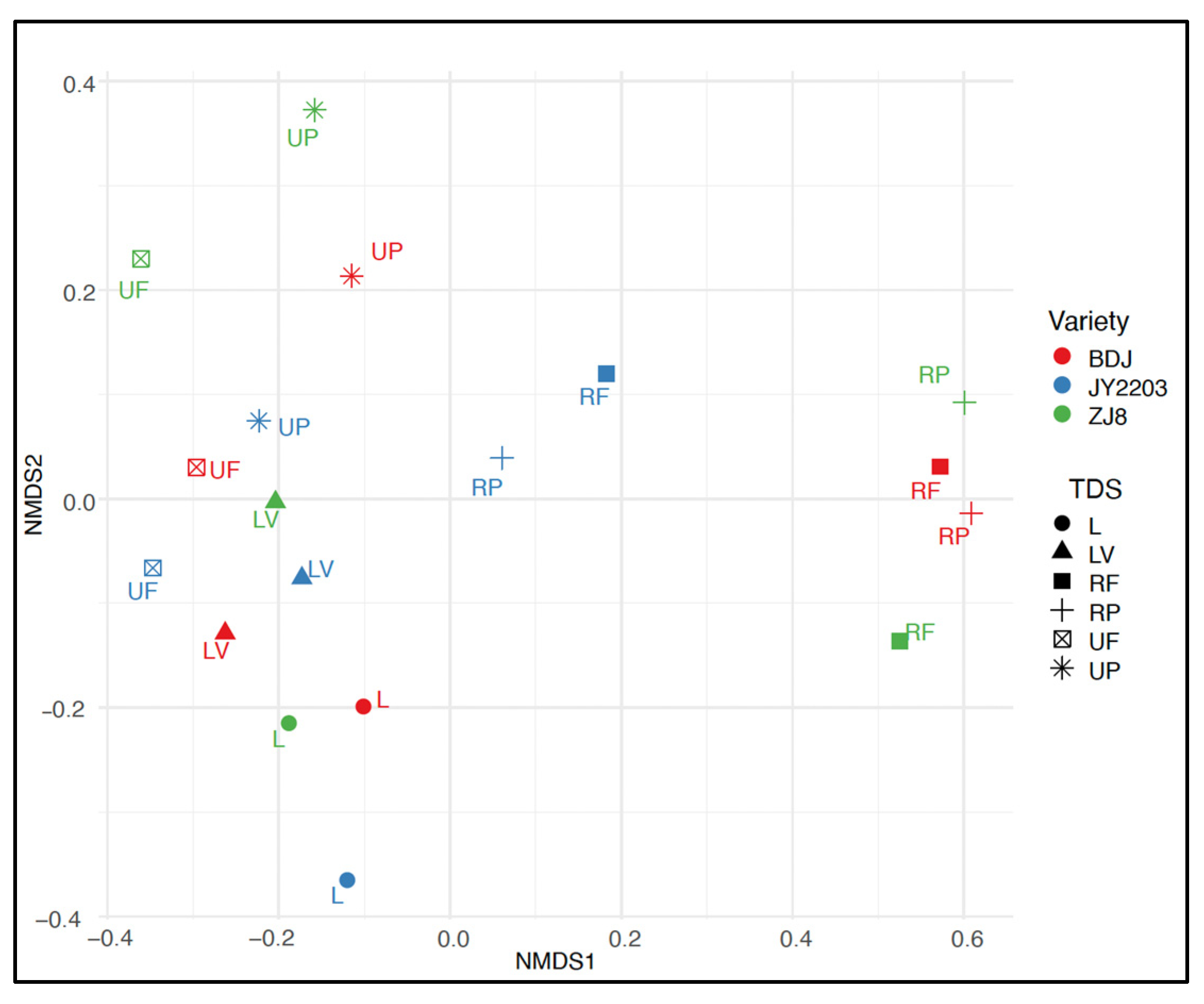
Figure 6: Non-metric multidimensional scaling (NMDS) plot showing clustering relationships among banana tissues and developmental stages based on volatile compound profiles obtained through GC–MS analysis.
3.8 Contour Plot Analysis of Volatile Compound Distribution
Fig. 7 shows the distribution of volatile compound concentrations within the tissues of the banana fruit and across developmental stages (color intensity reflects the total volatiles concentration (0–240 μg/g). More intense colors (yellow–light green) were observed within ripe fruit (RF) and ripe peel (RP) indicating highest accumulation of volatiles associated with aroma. BDJ developed consistently balanced flavors in RP and RF, a relatively consistent volatile distribution pattern during ripening. ZJ8 had the most distinct ripe-stage volatile profile with peak concentrations in RP and RF tissues, reflecting higher representation of ester- and alcohol-related volatile compounds. JY2203 exhibited gradual changes in volatile profiles in unripe fruit (UF) and unripe peel (UP), reflecting more gradual changes across the ripening spectrum. Chemical class: stage-specific patterns were revealed, with aldehydes (hexanal, nonanal.) predominantly found in vegetative (L, LV) and early fruit stages; alcohols (1-pentanol, 1-hexanol) accumulated in unripe and ripe fruit; esters (propanoic acid pentyl ester, butanoic acid pentyl ester) having greater levels in RP and RF where they represented major aroma-associated volatile compounds; ketones and terpenes were moderately distributed throughout stages where they represented additional volatile classes within the overall profiles. The gradients provided further evidence of tissue- and stage-dependent variation: vegetative tissues (L, LV) had lower volatile contents with distinctive chemical signatures than the fruit tissues (UF, UP, RP, RF), which had higher volatiles and showed greater similarity in volatile profiles during ripening across varieties.
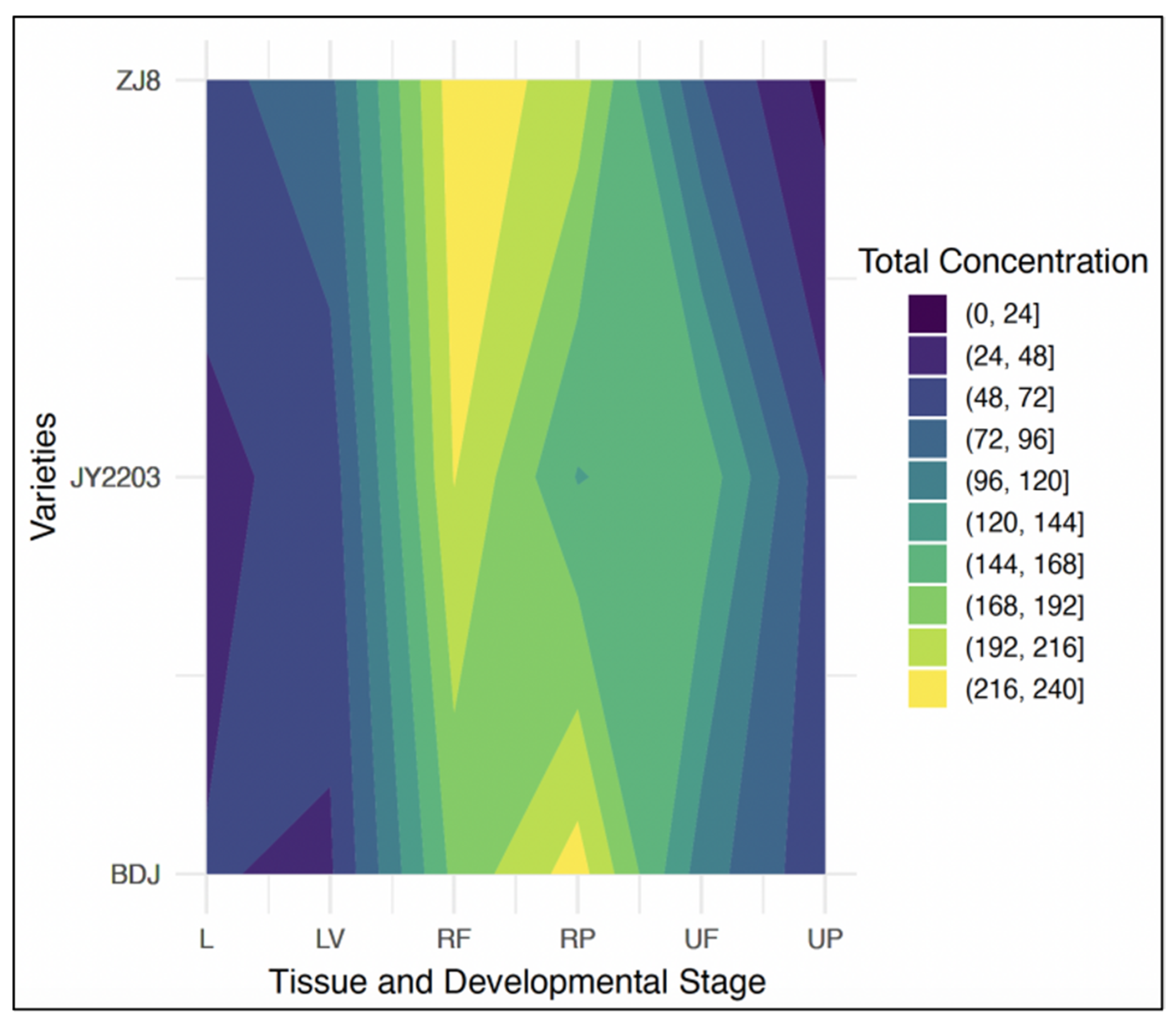
Figure 7: Contour plot showing the distribution pattern of volatile compound concentrations across banana tissues and developmental stages based on GC–MS analysis.
4.1 Tissue-Specific Volatile Composition
Aldehydes are typically described as having a fresh green smell and as acting as oxidative agents in lipid oxidation pathways, as well as being produced from vegetative tissues during plant defense. In addition to these specific levels, 2-hexenal, tetradecanal, and nonanal were among the most common of the aldehyde compounds found in LV tissues in this study. Moreover, in edible plant systems, aldehydes are also known to impart aromas to foods and may exhibit antimicrobial and antioxidant properties [2,22,26]. Volatiles derived from alcohols make important contributions to the herbaceous odour characteristics and often represent the intermediate products of aroma biosynthesis during the maturation of fruit. Similar findings were reported previously regarding accumulated levels of alcohol in immature tissues as compared to ester-rich aroma profile development during banana fruit ripening [2,6].
Esters are well known to impart fruit and sweet odour attributes; hence, they represent important aroma-associated volatile compounds in climacteric fruits during ripening. Accordingly, the presence of esters indicates the presence of ester-related volatile compounds before and during fruit ripening [27,28]. However, the amount of α-pinene relative to the other volatiles that were detected was relatively low compared to aldehyde- and alcohol-based volatiles observed in this experiment [27,29]. The identified compounds in leaf (L) of banana were generally associated with green and herbaceous volatile characteristics reported in edible plant tissues [30,31].
The most abundant compounds from the JY2203 banana variety are alcohol-derived volatiles at the leaf stage in this study. These compounds contribute to herbaceous aroma and fatty aroma characteristics and are often precursors for the biosynthesis of esters during fruit ripening. Previous metabolomics studies have measured similar elevated accumulations of alcohol in immature banana tissues prior to the production of fruity aromas dominated by esters [6,7]. Leaf tissues showed the detection of ketones, which indicates metabolically active secondary metabolic processes occurring within the Leaf tissue. In addition, BDJ and ZJ8 contain α-pinene. Terpene types are associated with woody and/or resinous odor characteristics [2,26,32,33].
4.2 Developmental Stage Transitions
The presence of aldehydes has long been associated with fresh green fragrances and also with lipid oxidation; therefore, aldehydes could provide antimicrobial protection and oxidative stability to immature fruit tissue [34]. The detection of the relatively high abundance of these chemicals in UP tissues implies the existence of an active biochemical defense system before the ripening stage [32,35]. However, the accumulation of alcohols in unripe banana peel is less likely associated with the accumulation of alcohols in leaf tissue (their accumulation is likely to be primarily via tissue-specific differences in volatile composition) and the formation of early aroma precursors associated with fruit maturity. Collectively, these volatiles likely provide the characteristic odor notes of immaturity (fatty, waxy, and herbaceous) found in unripe banana peels [7,35,36].
Accumulation of esters during the UP period may represent a gradual activation of volatile biosynthetic pathways that are associated with the onset of ripening, before the development of strong fruit odours typically observed in ripe tissues [37,38]. These compounds provide key flavours during the transition from immature to mature fruit and could contribute positively to overall sensory quality during late stages of ripening [7,39,40]. The presence of ketone compounds in the UP stage may indicate a release of oxidatively metabolized materials and be part of the sweet and fruity smell to add complexity to the aroma during early stages of fruit development, as previously reported [32,41]. In terms of comparison with UP tissues for Aldehydes compounds within previously sampled stages (UF), there was evidence of more compound types that are closer than others to sweet-green and mildly fruity aroma development. Previous metabolomic research has shown that aldehyde compounds are also essential intermediates in establishing aroma profiles of ripe banana fruit before ester production [5,8].
4.3 Ripening-Associated Aroma Development
Bananas in the RP (ripe peel) stage have a higher concentration of esters than in previous stages (vegetative or immature), indicating an enhancement of the aroma-related compounds associated with the maturation process. This change is clearly reflected by the higher abundance in the levels of fruity and sweet-smelling volatiles for bananas at the RP stage compared to other stages. This indicates that ester biosynthesis is very active during peel maturation, and contributes substantially to developing typical banana aromas [1].
The present study has demonstrated that during the earliest developmental stages of the fruit (i.e., immature and green), the ester compounds were much lower in concentration compared to the ripe peel. This finding adds additional evidence for the ongoing transition of the volatile compounds from green/herbaceous towards sweet/fruity/consumer-preferred aroma profiles [35,42]. Thus, the current results indicate that the peel tissues contribute to aroma production during the ripening process; however, the peel has not only been used as a protective barrier but also as a part of the aroma structure in the ripening process information found earlier indicates that only alcohols and aldehydes were the primary sources of aroma production during earlier stages [35,43,44,45]. In the present study, the consistent presence of these esters across Varieties suggests a core contribution to the aroma complexity of ripe banana. As reported in previous ripe aroma studies, these esters are associated with fruity, candy sweet and tropical flavours and considered to be good biochemical markers of banana ripening and the development of edible quality [1,6]. Benzaldehyde (sweet almond aroma) is particularly valued for its positive contribution to the overall fruit character, while in ripe fruit it adds to aroma balance and depth of flavour, acting in concert with the more numerous ester compounds [3,8]. Overall, the RF stage showed the highest extent of the metabolic complexity associated with aroma development, thereby further underscoring its importance as a determinant of the final flavour quality of the banana and its edible sensory attributes [1,46].
4.4 Variety-Specific Volatile Composition
The pronounced accumulation of esters in the Banana during late stages of ripening indicates that BDJ has relatively high aroma intensity and composite sensory acceptability over the varieties with delayed ester biosynthesis [7,47]. This slower transition in BDJ, compared with the faster progression from alcohol-dominated tissues of the UF to the ester-dominated RP and RF stages, points towards a synchronized activity for the biosynthesis of ripening-associated volatiles [8,42]. Similar patterns have been noted in immature banana tissues showing high abundance of aldehyde-associated volatile compounds prior to becoming enriched in esters during ripening [3,15,41]. The enrichment of ripening-associated esters (butanoic acid butyl ester and butanoic acid, 3-hexenyl ester) showed that BDJ is a flavour plus variety with strong fruity aroma complexity and very high shelf life and suitability for fresh consumption and flavour winning banana products because of its ripe-stage aroma well biosynthesis capacity [5,46].
In climacteric fruits, early-stage accumulation of alcohols is often correlated with the generation of precursors for aroma biosynthesis that develops later and may result in flavor complexity during ripening [1,41,48,49]. Different from BDJ, where the alcohol-associated composition shifted to less “alcoholic” after the initiation of ripening, ZJ8 evidently retained much of this alcohol-associated volatile profile throughout its entirety and may contribute to a more complex aroma background through its ability to maintain fresh-green and fruity characters in parallel [7,15]. The high accumulation of such alcohols indicates that JY2203 maintains a relatively strong pool of volatile precursors during the early stages of pulp development [15,46,50,51]. The volatiles in JY2203 suggested a flavour enhanced variety with strong precursor metabolism and an active ripening-associated ester biosynthesis, likely desirable in the context of fresh eating and flavour friendly banana processing applications [8,9]. Compared to BDJ and ZJ8, this was the clearest change from precursor-associated alcohol metabolism in the UF tissues towards flavour-associated ester production in the RP and RF stages, indicative of progressive changes in aroma-associated volatile composition during fruit development [8,24].
4.5 Overall Volatile Composition and Chemical Class Distribution
In JY2203, the presence of alcohols, aldehydes, and ester derivatives at both the UF and RF suggests a dynamic aroma-transition pattern in volatile composition from immature to ripe fruit development. Thus, since flavorful fresh eating is an important consideration in this variety, its complex aroma layering and strong fruity taste sense potential should make it a suitable candidate for the purpose [7,52]. Their repeated detection across ripening stages can indicate continuing ester biosynthesis and high intensity in BDJ. Indeed, UF-related compounds such as isothiocyanatoacetaldehyde dimethyl acetal and 1-nonanol suggest that precursor-associated volatile compounds were present before full ripening. Overall, the volatiles of BDJ appear to support its potential utility for flavour driven products and process applications where ripe-fruit aroma is key [1,15]. Rather than the specialized ripening dynamics seen with BDJ, ZJ8 had a relatively stable profile across development [10,46].
Current results suggested that JY2203 was comparatively preferable for complex flavour transition and precursor-rich aroma metabolism, BDJ for intense ripe-fruit ester aroma and flavour-processing potential, and ZJ8 for stable and smooth volatile diversity across developmental stages. Regarding the latter, ketones and terpenes remained minor components in most vegetative stages, subscribing to a limited role in dominant aroma formation at early developmental stages [15,52]. Similarly, other transitions associated with ripening have been attributed to networks of coordinated amino acids and fatty acid degradation pathways that gave rise to volatility and flavor retention [5].
This expression pattern suggests a transition of tissue-associated volatile composition towards ripening-associated aroma specialization as fruit matures [9,13]. UF tissues sat at an intermediate space between vegetative tissues and ripe, indicating a transitional point for volatile profiles throughout development [46]. Similar clustering patterns have been observed in climacteric fruits. Clustering of volatiles was shown to reorganize throughout ripening, as fatty acids and amino acids are concurrently degraded in maturation processes, of which the volatiles are derivatives [3,13]. The hierarchical intersection was dynamic (several alcohols and esters were retained from vegetative to fruit tissues), again reflecting conserved contributions to flavour development, yet potentially also relevant to biological properties reported for some volatile compounds in previous studies [3,9,13,46].
4.6 Multivariate Analysis of Volatile Profiles
The distinctions between fruit and vegetative tissue groups identified using clustering analysis reflect the distinct volatile profiles of these groups [13,53]. Moreover, the UF, RP, and RF samples were more dispersed than the vegetative tissue types in terms of their volatile profile variation associated with different developmental stages [9,15].
These observations indicate that ZJ8 may be suitable for a broader ripe-stage volatile profile, while JY2203 may be conducive to consistent flavors at varying ripeness stages. PCA revealed stage- and variety-related variation patterns in volatile profiles; however, the first two principal components explained 20.93% of the total variance, indicating that additional dimensions contributed to the observed variation. Therefore, PCA interpretation was considered together with other multivariate analyses to provide a more comprehensive assessment of tissue- and variety-dependent volatile differences [3,5,8,53].
We also noted variety specific patterns in NMDS clustering analysis. ZJ8 appeared dispersed across the NMDS axes, indicating greater variation in volatile profiles across developmental stages. The BDJ tissues clustered tightly, which suggests that the process of stagewise transition is stable, whilst JY2203 appeared to be intermediate, meaning that the fruit was heading towards mellow but was not quite ripe [2,53,54]. The relative closeness of RP and RF in comparison to vegetative tissues confirms ripening similarity in aroma-associated volatile profiles, whilst the leaf tissues appear to be retaining specialized volatiles [1,55,56]. NMDS therefore acts as a useful complement to PCA in its ability to provide additional visualization and interpretation of stage-, tissue-, and variety-specific volatile patterns and thus aids in variety choice to achieve aroma optimization of banana [15,46,57].
The contour plot supports the evidence for stage- and variety-specific volatile accumulation (in line with PCA, NMDS, and previous table-based findings), and acts as a way to highlight selection criteria [1,5,15]. ZJ8 showed higher volatile variation during ripe-fruit development, BDJ exhibited relatively consistent volatile patterns across development, and JY2203 showed gradual changes in volatile profiles during ripening [8]. The contour plot representation affords us a view of both the abundance and qualitative distribution of volatiles, demonstrating the transient nature of the contribution from each chemical class to tissue- and stage-specific total volatile profiles [1,9,46,58].
The present study provides further insight into the complexity of banana volatile development by demonstrating that volatile composition is shaped by the combined effects of tissue type, developmental stage, and genetic background. Earlier studies have indicated that the esters are mainly responsible for the aroma of ripe bananas, whereas the alcohols and aldehydes are essential volatile groups that are relevant to early fruit development and production of precursors for the aroma [5,31,43]. Our findings are consistent with earlier studies since we have observed the switch in volatile profiles of the vegetative and immature tissues from those associated with alcohols and aldehydes to those dominant in esters in the ripe peels and ripe fruits. Nonetheless, by comparing different tissues at several developmental stages, the present study advances the existing knowledge by discovering that the variability of volatile compounds goes beyond ripe fruits and encompasses the process of banana development [12,16,32].
The observed variety-specific volatile patterns further highlight the role of genetic background in shaping banana aroma-related characteristics. The ester-rich profile of BDJ, the continuous volatile distribution of ZJ8, and the precursor-associated profile of JY2203 demonstrate different developmental strategies of volatile accumulation among varieties. From a practical perspective, these findings provide valuable information for understanding quality-related volatile traits and may support future applications in banana quality evaluation, postharvest management, and selection of varieties with desirable volatile characteristics [15,34,44]. The integration of GC–MS profiling with chemometric approaches therefore represents a useful strategy for comprehensive assessment of banana volatile diversity.
This study has methodological limitations that should be considered when interpreting the findings. Three biological replicates were analyzed for each experimental group, and the data are reported as mean ± standard deviation. However, inferential statistical testing was not performed; therefore, the observed differences in volatile abundance among varieties, tissues, and developmental stages represent descriptive comparative patterns and should not be interpreted as statistically confirmed differences. Furthermore, internal standard normalization was not applied during GC–MS analysis. Consequently, the GC–MS-derived concentration values are suitable for within-dataset comparative profiling but should not be interpreted as fully validated absolute quantitative measurements. These limitations do not invalidate the observed multivariate distribution patterns, but they restrict the strength of compound-level quantitative comparisons. Future studies incorporating internal standard normalization and inferential statistical validation are required to confirm the reported quantitative trends.
The present study provides a comprehensive GC–MS-based characterization of volatile profiles across banana tissues and developmental stages in three genetically distinct varieties: ZJ8, BDJ, and JY2203. By integrating vegetative, immature, and ripe fruit tissues, this study provides a comprehensive view of developmental changes in banana volatile composition beyond the commonly studied ripe fruit stage. Following data preprocessing and filtering, approximately 450 reliable volatile compounds were retained, revealing substantial tissue-, stage-, and variety-dependent variation in volatile composition. Alcohols, esters, aldehydes, ketones, and terpenes represented the dominant chemical classes, with clear shifts in volatile composition observed during fruit maturation and ripening. Key volatile metabolites, including 1-pentanol-3-methyl, (S)-(+)-3-methyl-1-pentanol, 1-hexanol, hexanal, propanoic acid pentyl ester, and butanoic acid pentyl ester, contributed to volatile profile differentiation among tissues and developmental stages. Chemometric analyses, including PCA, NMDS, hierarchical clustering, and heatmap visualization, demonstrated variation patterns between vegetative and fruit tissues, while ripe peel (RP) and ripe fruit (RF) showed greater similarity in aroma-associated volatile profiles. The integrated chemometric approach revealed tissue-specific and variety-dependent patterns of volatile accumulation during banana development. Among the evaluated varieties, ZJ8 exhibited broader volatile continuity across developmental stages, supporting its potential for balanced flavor retention and postharvest applications. BDJ showed strong ripe-stage ester enrichment associated with a characteristic ester-rich ripe-stage volatile profile. In contrast, JY2203 displayed precursor-rich volatile profiles and dynamic aroma transitions, highlighting its distinct developmental pattern of volatile accumulation. These findings provide valuable insights into genotype-dependent volatile characteristics and demonstrate that the integration of GC–MS profiling with chemometric approaches offers a robust framework for understanding banana volatile diversity, supporting fruit quality evaluation, postharvest utilization, and aroma-oriented variety selection.
Acknowledgement:
Funding Statement: Rural Revitalization Science and Technology Special Program—Yunnan Provincial Science and Technology Commissioner Program (No. 300; No. 766; No. 767), Flavoromics and Chemometric Characterization of Aroma Associated Volatile Metabolism Across Tissues and Banana Ripening Using GC-MS. This work was supported by the Major Science and Technology Special Program of Yunnan Province: Research and Integrated Application of Green Prevention and Control Technology for Banana Fusarium Wilt (Grant No. 202602AE090058).
Author Contributions: Hafiz Ghulam Muhu Din Ahmed: Conceptualization, Resources, Data curation, Writing—original draft, Writing—review & editing, Visualization. Wei He: Data curation, Resources, Investigation, Writing—review & editing. Fenglan Yang: Visualization, Resources, Data curation, Writing—review & editing. Xiaomeng Yang: Conceptualization, Methodology, Software, Validation. Li-E Yang: Visualization, Resources, Software, Writing—review & editing. Yawen Zeng: Conceptualization, Data curation, Project administration, Funding acquisition, Validation, Software, Formal analysis. Jiazhen Yang Conceptualization, Writing—review & editing, Data curation, Supervision, Visualization, Methodology, Validation, Funding acquisition. All authors reviewed and approved the final version of the manuscript.
Availability of Data and Materials: Data available within the article or its Supplementary Materials.
Ethics Approval: Not applicable.
Conflicts of Interest: The authors declare no conflicts of interest.
Supplementary Materials: The supplementary material is available online at https://www.techscience.com/doi/10.32604/phyton.2026.088204/s1.
References
1. Mukherjee S , Pal A , Mitra A . An insight into fruit aroma volatilome during postharvest maturation in two popular Musa cultivars of tropics. J Sci Food Agric. 2022; 102( 10): 4276– 86. doi:10.1002/jsfa.11779. [Google Scholar] [CrossRef]
2. Zhang Q , Ding Y , Tan L , Xu Z , Zhang C , Lv D . Analysis of aroma characteristics and differences among three disease-resistant banana varieties based on electronic nose and HS-SPME-GC–MS. Eur Food Res Technol. 2024; 250( 2): 593– 602. doi:10.1007/s00217-023-04412-9. [Google Scholar] [CrossRef]
3. El-Naby SKMA , Edris AE . Characterization of the chemical composition of the volatile aroma compounds of Egyptian banana belonging to the “Maghrabi”cultivar by GC-MS. Food Sci Eng. 2025: 219– 25. doi:10.37256/fse.6220256751. [Google Scholar] [CrossRef]
4. Dagnew A , Assefa W , Kebede G , Ayele L , Mulualem T , Mensa A , et al. Evaluation of banana (Musa spp.) cultivars for growth, yield, and fruit quality. Ethiop J Agric Sci. 2021; 31( 3): 1– 25. [Google Scholar]
5. Tallapally M , Sadiq AS , Mehtab V , Chilakala S , Vemula M , Chenna S , et al. GC-MS based targeted metabolomics approach for studying the variations of phenolic metabolites in artificially ripened banana fruits. LWT. 2020; 130: 109622. doi:10.1016/j.lwt.2020.109622. [Google Scholar] [CrossRef]
6. Han H , Blank I , Duan Y , Xu K , Guo Z , Liu S , et al. From molecule identification to sensory prediction: approaches, applications, and perspectives of sensomics and flavoromics in volatile flavor compound research. J Agric Food Chem. 2026; 74( 4): 3316– 31. doi:10.1021/acs.jafc.5c13311. [Google Scholar] [CrossRef]
7. Suresh Kumar P , Shuprajhaa T , Subramaniyan P , Mohanasundaram A , Shiva KN , Mayilvaganan M , et al. Ripening dependent changes in skin color, physicochemical attributes, in-vitro glycemic response and volatile profiling of banana varieties. Food Biosci. 2023; 56: 103274. doi:10.1016/j.fbio.2023.103274. [Google Scholar] [CrossRef]
8. Laryea D , Pinsirodom P , Suwapanich R , Arsa S , Sirison J . Physicochemical, antioxidant changes and volatile compounds of ‘Kluai Namwa’ and ‘Kluai Leb Mue Nang’ banana fruits during ripening. Food Res. 2025; 9( 5): 8. doi:10.26656/fr.2017.9(5).138. [Google Scholar] [CrossRef]
9. Xiao Z , Chen H , Niu Y , Zhu J . Characterization of the aroma-active compounds in banana (Musa AAA Red green) and their contributions to the enhancement of sweetness perception. J Agric Food Chem. 2021; 69( 50): 15301– 13. doi:10.1021/acs.jafc.1c06434. [Google Scholar] [CrossRef]
10. Novianti C , Sari LDN , Nugrahapraja H , Suhandono S , Dwivany FM , Putri SP , et al. Metabolic profiling reveals distinctive ripening dynamics in ethylene-treated Musa balbisiana cv. ‘Pisang Klutuk Wulung’ compared to commercial Cavendish banana. J Biosci Bioeng. 2025; 139( 4): 302– 10. doi:10.1016/j.jbiosc.2025.01.001. [Google Scholar] [CrossRef]
11. Huang PH , Cheng YT , Lu WC , Chiang PY , Yeh JL , Wang CR , et al. Changes in nutrient content and physicochemical properties of Cavendish bananas var. Pei Chiao during ripening. Horticulturae. 2024; 10( 4): 384. doi:10.3390/horticulturae10040384. [Google Scholar] [CrossRef]
12. ElShamey E , Yang J , Jiang J , Pu X , Xia L , Yang LE , et al. GC-MS analysis of volatile differences in rice and Qingke noodles formulated with functional root plant flours. Molecules. 2026; 31( 8): 1348. doi:10.3390/molecules31081348. [Google Scholar] [CrossRef]
13. Jha SK , Zhang J , Hayashi K , Liu C . Identification of discriminating chemical compounds in banana species and their odor characterization using GC-MS, statistical, and clustering analysis. J Food Sci Technol. 2022; 59( 1): 402– 8. doi:10.1007/s13197-021-05298-9. [Google Scholar] [CrossRef]
14. Sidhu JS , Zafar TA . Chemical composition and nutritional profile of raw and processed banana products. In: Handbook of banana production, postharvest science, processing technology, and nutrition. Hoboken, NJ, USA: John Wiley & Sons, Inc.; 2020. p. 207– 26. doi:10.1002/9781119528265.ch11. [Google Scholar] [CrossRef]
15. Zhu X , Li Q , Li J , Luo J , Chen W , Li X . Comparative study of volatile compounds in the fruit of two banana cultivars at different ripening stages. Molecules. 2018; 23( 10): 2456. doi:10.3390/molecules23102456. [Google Scholar] [CrossRef]
16. Bhuiyan F , Campos NA , Swennen R , Carpentier S . Characterizing fruit ripening in plantain and Cavendish bananas: a proteomics approach. J Proteom. 2020; 214: 103632. doi:10.1016/j.jprot.2019.103632. [Google Scholar] [CrossRef]
17. RCoreTeam . R: A language and environment for statistical computing. Vienna, Austria: R Foundation for Statistical Computing; 2024. doi:10.32614/R.MANUALS. [Google Scholar] [CrossRef]
18. Borg I , Groenen PJF , Mair P . Applied multidimensional scaling and unfolding. Berlin/Heidelberg, Germany: Springer; 2018. doi:10.1007/978-3-319-73471-2. [Google Scholar] [CrossRef]
19. Wickham H . Data analysis. ggplot2: Elegant graphics for data analysis. Berlin/Heidelberg, Germany: Springer; 2016. p. 189– 201. doi:10.1007/978-0-387-98141-3. [Google Scholar] [CrossRef]
20. Kruskal JB . Nonmetric multidimensional scaling: a numerical method. Psychometrika. 1964; 29( 2): 115– 29. doi:10.1007/BF02289694. [Google Scholar] [CrossRef]
21. Wilkinson L , Friendly M . The history of the cluster heat map. Am Stat. 2009; 63( 2): 179– 84. doi:10.1198/tas.2009.0033. [Google Scholar] [CrossRef]
22. Karki E . Effect of Siris (Delonix regia) and Asuro (Adhatoda vasica) leaves on the ripening of banana [ dissertation]. Sunsari, Nepal: Tribhuvan University; 2024. [Google Scholar]
23. Afzal MF , Khalid W , Akram S , Khalid MA , Zubair M , Kauser S , et al. Bioactive profile and functional food applications of banana in food sectors and health: a review. Int J Food Prop. 2022; 25( 1): 2286– 300. doi:10.1080/10942912.2022.2130940. [Google Scholar] [CrossRef]
24. Waghmare JS , Kurhade AH . GC-MS analysis of bioactive components from banana peel (Musa sapientum peel). Eur J Exp Biol. 2014; 4( 5): 10– 5. [Google Scholar]
25. Selli S , Gubbuk H , Kafkas E , Gunes E . Comparison of aroma compounds in Dwarf Cavendish banana (Musa spp. AAA) grown from open-field and protected cultivation area. Sci Hortic. 2012; 141: 76– 82. doi:10.1016/j.scienta.2012.04.008. [Google Scholar] [CrossRef]
26. Mohanty S , Suravajhala P , Surabhi GK . Spatiotemporal proteome expression during banana fruit development and ripening: elucidation of molecular insights. J App Biol Biotech. 2025; 13( 2): 122– 35. doi:10.7324/jabb.2025.199158. [Google Scholar] [CrossRef]
27. Kumari P , Gaur SS , Tiwari RK . Banana and its by-products: a comprehensive review on its nutritional composition and pharmacological benefits. eFood. 2023; 4( 5): e110. doi:10.1002/EFD2.110. [Google Scholar] [CrossRef]
28. Nizioł J , Misiorek M , Krupa Z , Ruman T . Infrared laser-based selected reaction monitoring mass spectrometry imaging of banana (Musa spp.) tissue—new method for detection and spatial localization of metabolites in food. Food Anal Meth. 2024; 17( 2): 236– 50. doi:10.1007/s12161-023-02561-x. [Google Scholar] [CrossRef]
29. Ratnayake W , Bellgard SE , Wang H , Murthy V . Electronic nose and GC-MS analysis to detect mango twig tip dieback in mango (Mangifera indica) and Panama disease (TR4) in banana (Musa acuminata). Chemosensors. 2024; 12( 7): 117. doi:10.3390/chemosensors12070117. [Google Scholar] [CrossRef]
30. Ha TD , Cao TH , Le VN , Tran YDT , Hoang HY . Valorization of banana leaf (Musa spp. var. Cavendish): a comprehensive study of bioactive compounds and biological activities. Biocatal Agric Biotechnol. 2025; 70: 103877. doi:10.1016/j.bcab.2025.103877. [Google Scholar] [CrossRef]
31. Zhang CL , Gu YG , Wang H , Gong D , Li X , Zhou L , et al. Emission of volatile organic compounds during aerobic decomposition of banana peel. Waste Manag. 2021; 130: 74– 81. doi:10.1016/j.wasman.2021.05.020. [Google Scholar] [CrossRef]
32. Chowdhury S , Aich B , Chowdhury A , Ahmad M . Exploring the nutritional, phytochemical, and antibacterial properties of green banana pulp and peel: a comparative analysis. Health Dyn. 2025; 2( 12): 480– 9. doi:10.33846/hd21202. [Google Scholar] [CrossRef]
33. Allenspach M , Steuer C . α-pinene: a never-ending story. Phytochemistry. 2021; 190: 112857. doi:10.1016/j.phytochem.2021.112857. [Google Scholar] [CrossRef]
34. Rawat N , Das S , Wani AW , Javeed K , Qureshi SN , Zarina . Antioxidant potential and bioactive compounds in banana peel: a review. Int J Res Agron. 2024; 7( 7): 7– 16. doi:10.33545/2618060x.2024.v7.i7sa.968. [Google Scholar] [CrossRef]
35. Narwal P , Kapoor B , Negi NP . Decoding the chemical repertoire, antimicrobial synergy, and antioxidant mastery of banana pulp and peel extracts. J Plant Biochem Biotechnol. 2024; 33( 3): 436– 46. doi:10.1007/s13562-024-00898-w. [Google Scholar] [CrossRef]
36. Song Z , Qin J , Yao Y , Lai X , Zheng W , Chen W , et al. A transcriptomic analysis unravels key factors in the regulation of stay-green disorder in peel of banana fruit (Fenjiao) caused by treatment with 1-MCP. Postharvest Biol Technol. 2020; 168: 111290. doi:10.1016/j.postharvbio.2020.111290. [Google Scholar] [CrossRef]
37. Kumar PS , Thayumanavan S , Pushpavalli S , Saraswathi MS , Backiyarani S , Mohanasundaram A , et al. Comparing physico-chemical characteristics, antioxidant properties, glycemic response, and volatile profiles of eleven banana varieties. Int J Food Sci Technol. 2023; 58( 6): 2893– 908. doi:10.1111/ijfs.16392. [Google Scholar] [CrossRef]
38. Chen L , Li D , Hao D , Ma X , Song S , Rong Y . Study on chemical compositions, sensory properties, and volatile compounds of banana wine. J Food Process Preserv. 2020; 44( 12): e14924. doi:10.1111/jfpp.14924. [Google Scholar] [CrossRef]
39. Hinge VR , Shaikh IM , Chavhan RL , Deshmukh AS , Shelake RM , Ghuge SA , et al. Assessment of genetic diversity and volatile content of commercially grown banana (Musa spp.) cultivars. Sci Rep. 2022; 12( 1): 7979. doi:10.1038/s41598-022-11992-1. [Google Scholar] [CrossRef]
40. Chen J , Li Y , Li F , Yuan D . Physiological, metabolome, and transcriptome analysis revealed the effect of ethyl 3-amino-3-thioxopropanoate on the browning of fresh-cut banana during storage. Postharvest Biol Technol. 2024; 218: 113176. doi:10.1016/j.postharvbio.2024.113176. [Google Scholar] [CrossRef]
41. Aurore G , Ginies C , Ganou-parfait B , Renard CMGC , Fahrasmane L . Comparative study of free and glycoconjugated volatile compounds of three banana cultivars from French West Indies: Cavendish, Frayssinette and Plantain. Food Chem. 2011; 129( 1): 28– 34. doi:10.1016/j.foodchem.2011.01.104. [Google Scholar] [CrossRef]
42. Ji L , Srzednicki G . Extraction of aromatic compounds from banana peels. In: Proceedings of the II Southeast Asia Symposium on Quality Management in Postharvest Systems; 2013 Dec 4–6; Vientiane, Laos. doi:10.17660/ActaHortic.2015.1088.99. [Google Scholar] [CrossRef]
43. Zaini NSM , Yaacob JS , Gengatharan A , Dahlal NM , Azman EM , Mohsin AZ , et al. Banana waste and its circularity potential: a sustainable source of alternative foods, bioactive compounds, and food technological applications. Sci Agric. 2025; 82: e20250029. doi:10.1590/1678-992x-2025-0029. [Google Scholar] [CrossRef]
44. Zou F , Tan C , Zhang B , Wu W , Shang N . The valorization of banana by-products: nutritional composition, bioactivities, applications, and future development. Foods. 2022; 11( 20): 3170. doi:10.3390/foods11203170. [Google Scholar] [CrossRef]
45. Mondal A , Banerjee S , Bose S , Das PP , Sandberg EN , Atanasov AG , et al. Cancer preventive and therapeutic potential of banana and its bioactive constituents: a systematic, comprehensive, and mechanistic review. Front Oncol. 2021; 11: 697143. doi:10.3389/fonc.2021.697143. [Google Scholar] [CrossRef]
46. Thangadurai D , Pattabhiramaiah M , Sangeetha J , Neglur SB , Islam S , Hospet R , et al. Sensory evaluation and flavoromic analysis of fruit components. In: Algal metabolites: biotechnological, commercial, and industrial applications. Boca Raton, FL, USA: CRC Press; 2023. p. 196– 211. doi:10.1201/9781003268758-13. [Google Scholar] [CrossRef]
47. Likittrakulwong W , Chanburee S , Kitpot T , Ninjiaranai P , Pongpamorn P . Phytochemical properties, in vitro antimicrobial, and bioactive compounds of banana peel extractions using GC-MS. Nat Life Sci Commun. 2023; 22( 2): e2023021. doi:10.12982/nlsc.2023.021. [Google Scholar] [CrossRef]
48. Cevallos-Cevallos JM , Jines C , Maridueña-Zavala MG , Molina-Miranda MJ , Ochoa DE , Flores-Cedeno JA . GC-MS metabolite profiling for specific detection of dwarf somaclonal variation in banana plants. Appl Plant Sci. 2018; 6( 11): e01194. doi:10.1002/aps3.1194. [Google Scholar] [CrossRef]
49. Fahim M , Ibrahim M , Zahiruddin S , Parveen R , Khan W , Ahmad S , et al. TLC-bioautography identification and GC-MS analysis of antimicrobial and antioxidant active compounds in Musa × paradisiaca L. fruit pulp essential oil. Phytochem Anal. 2019; 30( 3): 332– 45. doi:10.1002/pca.2816. [Google Scholar] [CrossRef]
50. Choudhury DK , Barman T , Rajbongshi J . Qualitative phytochemical screening and GC-MS analysis of Musa sapientum spadix. J Pharmacogn Phytochem. 2019; 8( 1): 2456– 60. [Google Scholar]
51. Jaleel W , Li Q , Shi Q , Qi G , Latif M , Ali S , et al. Using GCMS to find out the volatile components in the aroma of three different commercial fruits in China. J Anim Plant Sci. 2021; 31( 1): 166– 74. doi:10.36899/JAPS.2021.1.0204. [Google Scholar] [CrossRef]
52. Ueda Y , Zhao W , Ihara H , Imahori Y , Tsantili E , Wendakoon SK , et al. Functional characteristics of aldehyde dehydrogenase and its involvement in aromatic volatile biosynthesis in postharvest banana ripening. Foods. 2022; 11( 3): 347. doi:10.3390/foods11030347. [Google Scholar] [CrossRef]
53. Togami S , Oishi T , Furuno M , Fukusaki E . Non-destructive prediction of banana ripeness using GC-MS-based volatile organic compounds profiling and orthogonal partial-least squares regression models. J Biosci Bioeng. 2026; 141( 5): 350– 6. doi:10.1016/j.jbiosc.2026.01.006. [Google Scholar] [CrossRef]
54. Watharkar RB , Pu Y , Ismail BB , Srivastava B , Srivastav PP , Liu D . Change in physicochemical characteristics and volatile compounds during different stage of banana (Musa nana Lour vs. Dwarf Cavendish) ripening. J Food Meas Charact. 2020; 14( 4): 2040– 50. doi:10.1007/s11694-020-00450-z. [Google Scholar] [CrossRef]
55. Bhatta RC , Bhatta LD , Risal A , Shrestha A , Upadhyay R . Impact of various ripening agents on shelf life and quality of banana (Musa acuminata cv. Williams Hybrid) in tropical Nepal. Turk J Agric Food Sci Technol. 2025; 13( 10): 2950– 8. doi:10.24925/turjaf.v13i10.2140-2148.7868. [Google Scholar] [CrossRef]
56. Ahire TR , Thasale RR , Das A , Kulkarni NP , Vyas DM , Perumal S . Multivariate optimization and validation of 200 pesticide residues in the banana matrix by GC-MS/MS. Anal Methods. 2024; 16( 26): 4268– 84. doi:10.1039/d4ay00703d. [Google Scholar] [CrossRef]
57. Zhang J , Jha SK , Liu C , Hayashi K . Tracing of chemical components of odor in peels and flesh from ripe banana on a daily basis using GC-MS characterization and statistical analysis for quality monitoring during storage. Food Anal Meth. 2019; 12( 4): 947– 55. doi:10.1007/s12161-019-01435-5. [Google Scholar] [CrossRef]
58. Dou T , Hu C , Zhao S , Gao H , He W , Deng G , et al. RNA-seq reveals the effect of ethylene on the volatile organic components (VOCs) of Cavendish banana at different post-harvesting stages. J Plant Growth Regul. 2022; 41( 7): 3061– 74. doi:10.1007/s00344-021-10496-y. [Google Scholar] [CrossRef]
Cite This Article
 Copyright © 2026 The Author(s). Published by Tech Science Press.
This work is licensed under a Creative Commons Attribution 4.0 International License , which permits unrestricted use, distribution, and reproduction in any medium, provided the original work is properly cited.
 Downloads
 Citation Tools
