
 Login
Login Register
 Submit a Paper
 Propose a Special lssue
 Open Access
ARTICLE

The Relationship between Parenting Stress and Parenting Burnout in Parents of Children with Autism: The Chain Mediating Role of Social Support and Coping Strategies
1 School of Nursing, Wuhan University, Wuhan, 430071, China
2 China Aerospace Science & Industry Corporation 731 Hospital, Beijing, 100074, China
3 Pediatric Department, Zhongnan Hospital of Wuhan University, Wuhan, 430071, China
* Corresponding Author: Jun Zhang. Email:
# Jun Zhang and Li Wang are co-first authors
(This article belongs to the Special Issue: Mental Health Promotion and Psychosocial Support in Vulnerable Populations: Challenges, Strategies and Interventions)
International Journal of Mental Health Promotion 2025, 27(3), 287-302. https://doi.org/10.32604/ijmhp.2025.060064
Received 23 October 2024; Accepted 13 February 2025; Issue published 31 March 2025
 View Full Text
 Download PDF
Abstract
Background: Parents of children with autism are susceptible to parenting burnout due to tremendous parenting burden and parenting challenges. Parenting burnout has a detrimental effect on both children with autism and their parents. However, the underlying mechanisms that lead to parenting burnout remain unclear. This study aimed to investigate the relationship between parenting stress and parenting burnout, along with the serial mediation effect of social support and coping strategies in the context of families with autistic children. Methods: We conducted a cross-sectional study in 231 parents of autistic children in four autism facilities located in central Hubei province. Data were collected through the Parental Stress Index, Social Support Rating Scale, Simplified Coping Strategies Questionnaire, and Caregiver Burnout Assessment Questionnaire. Results: Parenting stress and burnout status were: 72.3% of parents reported high-stress levels, 16.9% experienced risks for parenting burnout, and 19.9% were currently experiencing burnout. Both social support and coping strategies played partial mediating roles in the relationship between parental stress and burnout, forming a serial mediation effect. Conclusion: Parenting stress is a risk factor for parenting burnout. Social support and coping strategies play a chain mediating role between parenting stress and parenting burnout, which may act as the underlying mechanisms. The study offers insights into potential intervention points for reducing parenting burnout. Future efforts are needed to devote to parenting stress, social support and coping strategy to enhance the psychological well-being of parents with autistic children.Keywords
According to the most recent WHO report, about 1 in every 100 children worldwide is diagnosed with Autism Spectrum Disorder (ASD) [1]. However, the prevalence rate of ASD varies widely across different countries. The Blue Book of the Child Developmental Disabilities Rehabilitation Industry in China (2021) reports over 10 million ASD individuals in China, with a yearly increase of about 200,000.
Among them, nearly 3 million are children between the ages of 0–14. The CDC in the US reported that the prevalence of ASD among 8-year-old children has reached 1 in 36 [2]. This indicates that a significant number of parents are facing the challenges of raising autistic children.
Parenting burnout refers to the state of mental and emotional exhaustion, fatigue and powerlessness due to prolonged stress and burden of parenting [3]. Research indicates that parents of children with special needs are more prone to experiencing parenting burnout compared to those of typically developing children [4]. Previous study results have suggested significant correlations between parenting burnout and depressive symptoms, as well as conflicts within couples [5]. Longitudinal studies have demonstrated that parenting burnout can lead to thoughts of escape, neglect of the child, and even parental violence [6]. Currently, the factors and the underlying mechanisms contributing to parenting burnout in parents of children with ASD remain unclear.
1.1 The Relationship between Parenting Stress and Parenting Burnout
Parenting stress refers to the adverse physical and psychological responses experienced by parents as they navigate the challenges of raising children [7]. Children with ASD often require lifelong care and support, as they may not reach a level of independent living [8]. Parents of children with ASD face numerous parenting difficulties including providing care, acting as behavioral support specialists, and caring for their other able-bodied siblings [8]. These responsibilities contribute to significant emotional and parenting stress [9]. Without effective coping, prolonged exposure to such stress can lead to the development of parenting burnout [9]. Parent burnout refers to a state of physical and emotional exhaustion, depression, and loss of patience and motivation that parents may experience while caring for a child with ASD.
The risk-resource balance model suggests that the equilibrium between resources and risk factors faced by parents of children with ASD may be related to various factors, such as social support, personal coping skills, and socioeconomical status [10]. The model was proposed by psychologists Marie Mikolajczak and Isabelle Roskam, mainly to explain the formation mechanism of parental burnout and the balance between the stress (risk) faced by parents in the parenting process and the coping resources they have [3]. Parents may be more susceptible to experience parenting burnout if they lack essential resources, such as adequate social support, financial stability, and sufficient coping mechanisms. In China, families of children with ASD are eligible for financial assistance ranging from RMB 12,000 to 24,000 per year, along with a corresponding living allowance [11]. However, for families of children with ASD requiring long-term rehabilitation, these subsidies are insufficient [12]. Furthermore, children with ASD and their parents frequently encounter social discrimination or unfair treatment [13]. Consequently, parents of children with ASD are more likely to endure significant levels of parenting stress, and prolonged exposure to this stress can contribute to the development of parenting burnout.
While the association between parenting stress and parenting burnout has been established, the specific underlying mechanisms remain unclear [14]. Thus, It is crucial to deeply understand the current state of parenting stress and parenting burnout in parents of ASD children, and to clarify the underlying mechanisms.
We aimed to investigate some of the mechanisms and pathways contributing to parenting burnout in parents of children with ASD. The findings have the potential to enhance guidance for preventing and intervening in parenting burnout among parents of children with ASD.
The research questions included:
1. What is the current status of parenting stress and parenting burnout among the parents of children with ASD?
2. Are there any significant associations among parenting stress, social support, coping strategies and parenting burnout?
3. Is social support partially mediating the relationship between parenting stress and parenting burnout?
4. Is coping strategies partially mediating the relationship between parenting stress and parenting burnout?
5. Will social support and coping strategies act as the serial or chain mediators between parenting stress and parenting burnout?
The proposed conceptual model is illustrated in Fig. 1.
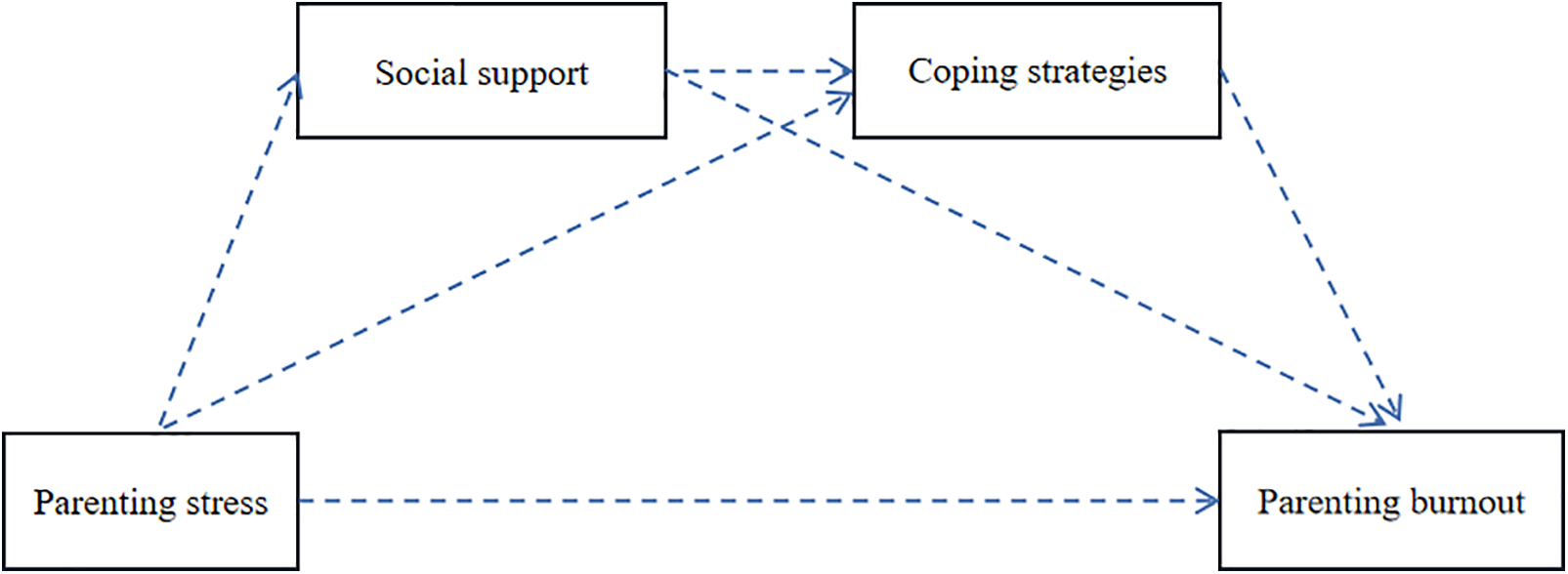
Figure 1: Hypothetical model of the interrelationship between parenting stress, parenting burnout, social support and coping strategies
This was a cross-sectional study. The study followed the STROBE guidelines [15]. This study adopted a cross-sectional design to reveal the current status of parenting stress and burnout among parents of children with autism, as well as the relationship between the two. The advantage of cross-sectional design lies in its ability to efficiently capture the covariate patterns of variables at specific time points, providing a reference for understanding the unique challenges faced by families with autism and laying the foundation for further in-depth research and intervention strategies.
2.2 Research Participants and Settings
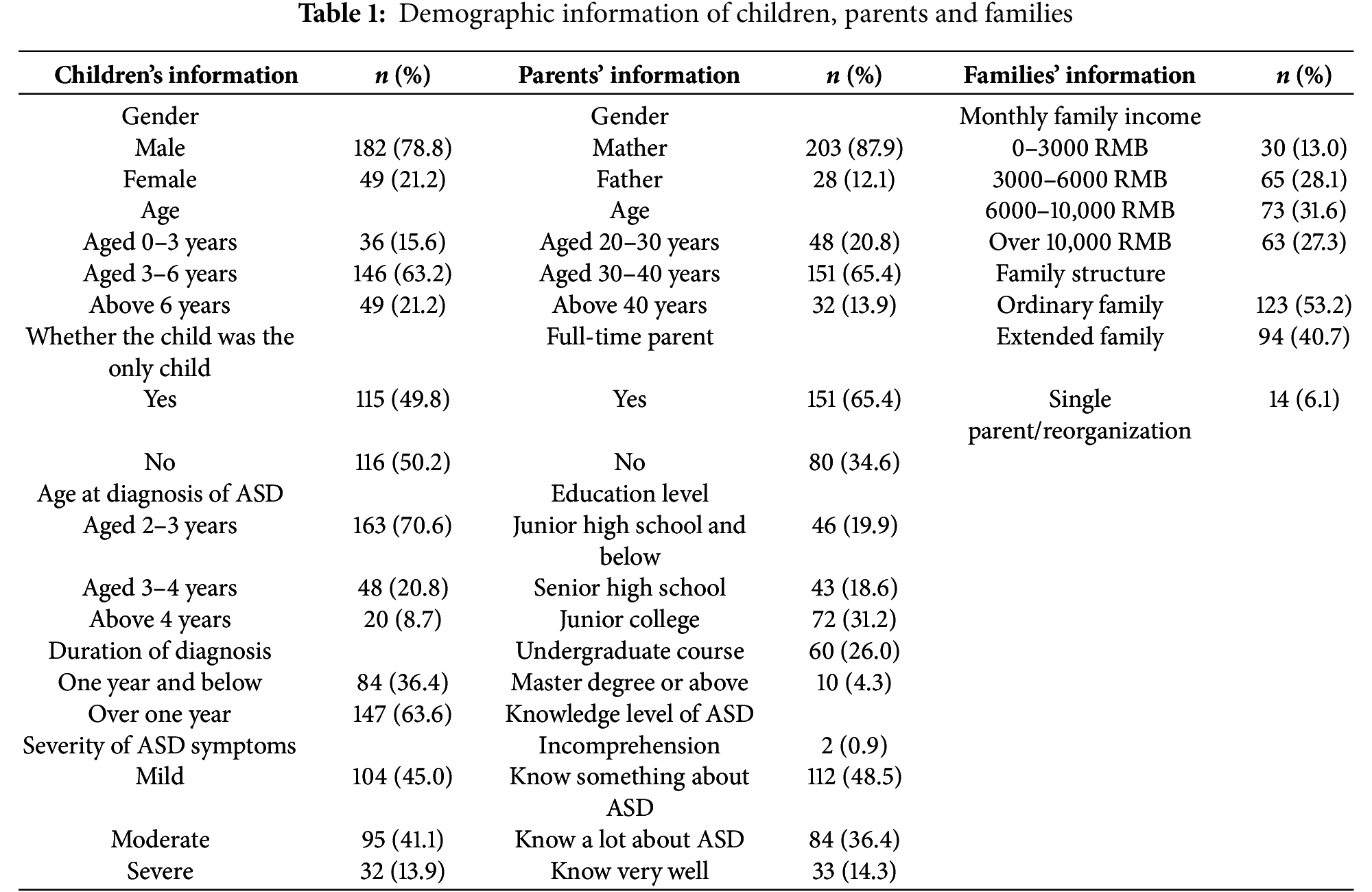
Parents of children with ASD (N = 231) were recruited using convenience sampling from four hospitals/autism rehabilitation centers in Hubei province, central part of China between May 2021 to March 2022. The inclusion criteria were (a) Children younger than 12 years old, (b) The child met the diagnostic criteria for ASD, and (c) Parents of autistic children ≥ 18 years old and had basic literacy and communication skills. The exclusion criteria included (a) Children with other major diseases, such as heart failure, and (b) The parents had a history of major physical or mental illness. The sample size of the cross-sectional study was at least 5~10 times the number of study variables [16]. There were 25 study variables involved in this study. Considering the 20% of invalid questionnaires, the sample was at least 157 participants, and 231 participants were included in this study. The sample characteristics are specified in Table 1.
The studies involving human participants were reviewed and approved by the Ethics Committee of Wuhan University in compliance with the Declaration of Helsinki (IRB number: WHU-LFMD-IRB2023036). Before data collection, the investigators informed the participants of the research goal and process and attained informed consent. All participants signed the informed consent in this study. The investigators emphasized that the participants were able to withdraw from the study at any time without any consequences. All research data were stored with protected password to prevent unauthorized access.
2.4.1 General Information Questionnaire
It was designed by the research team on the basis of literature review [8,17–19] and mainly included: (1) information of children with ASD included age, gender, whether the child was the only child, age at diagnosis of ASD, duration of diagnosis, and severity of ASD symptoms; (2) general information of parents included gender, age, education level, full-time parent, and knowledge level of ASD; (3) general information of family such as monthly family income, and family structure.
2.4.2 Parenting Stress Index-Short Form
The Parenting Stress Index-Short Form (PSI-SF) was used to measure parenting stress [7]. The scale consists of 3 dimensions including parenting stress, parent-child interaction dysfunction, and difficult child, with 12 items per dimension and a total 36 items. Each item was rated on a 6-point Likert scale, with scores ranging from strongly agree to strongly disagree on a scale of 1 to 5, with higher score indicating greater parenting stress. The Cronbach’s alpha was 0.950 in this study. Normal level: The percentile is between 16 and 74. Critical high level: percentiles between 75 and 84. high level: percentile between 85 and 89. Very high level: percentile at 90 or above.
2.4.3 Social Support Rating Scale
The 10-item scale was used to measure the degree of social support of parents, which consists of 3 dimensions including objective social support, subjective social support, and utilization of social support, with a total of 10 items [20]. A higher score indicates a higher level of social support. The Cronbach’s alpha was 0.812 in this study.
2.4.4 Simplified Coping Strategies Questionnaire
The questionnaire was used to assess the characteristics of parents’ coping strategies in the face of frustration [21]. The questionnaire consists of two dimensions including positive coping strategies and negative coping strategies with 20 items. Each item is rated on a four-point Likert scale from “not taken” to “often taken”, with scores ranging from 0 to 3 accordingly. The higher the score, the more likely the coping strategies are to be used by the individual. The Cronbach’s alpha was 0.810 in this study.
2.4.5 Parental Burnout Assessment Questionnaire
The Chinese version of Parental Burnout Assessment questionnaire, which was modified from the original Parental Burnout Assessment (PBA) by Roskam et al., was used to measure parenting burnout [22]. The 23-item scale consists of four dimensions including exhaustion of parenting role, self-contrast with previous parenting role, boredom of parenting role, and emotional detachment from children. Each item is rated on a Likert 7-point scale, with “0” indicating “complete non-conformity” and “6” indicating “complete conformity”. The higher the score, the higher the level of parenting burnout. A score of ≥53 indicates a risk for parenting burnout, and a score of >86 indicates a definitive parenting burnout. The Cronbach’s alpha was 0.977 in this study.
Researchers conducted face-to-face communication with parents of children with ASD at four hospitals or rehabilitation centers from May 2021 to March 2022 (N = 231). Prior to distributing the questionnaires, researchers thoroughly explained the study’s objectives to the parents, ensuring them that all gathered information would be used exclusively for this research. The questionnaire was collected on the spot by the researchers. The entire process lasted approximately 15 to 20 min.
Descriptive statistical analysis was conducted to examine the current level of parenting burnout, parenting stress, social support, and coping strategies. The non-parametric Mann-Whitney U and Kruskal-Wallis H tests were utilized to identify any significant differences in parenting burnout scores among various characteristics of participant groups. Spearman and Pearson correlation analyses were performed to investigate the relationships between parenting stress, parenting burnout, social support, and coping strategies.
The Model 4 of Process plug-in in SPSS Statistics 27.0 was used. It tested the mediating roles of social support and coping strategies between parenting stress and burnout; Chain mediation effect analysis was conducted through Model 6 of the Process plugin, setting parenting burnout as the dependent variable, parenting stress as the independent variable, social support and coping patterns successively set as the intermediary variables. The chain mediation effect was tested after controlling for the effects of covariates, by using the Bootstrap method. If the Bootstrap 95% confidence interval does not include 0, it represents a significant mediation effect.
3.1 The Characteristics of Participating Parents and Children with ASD
A total of 231 parents of ASD children were included in the study, whose ages ranged from 22 to 48 years, the related characteristics were shown in Table 1.
3.2 Current Status of Parenting Stress and Parenting Burnout
Table 2 showed that 72.3% of parents of children with ASD had high levels of parenting stress and 36.8% of parents of children with ASD were at risk of parenting burnout or experiencing parenting burnout.
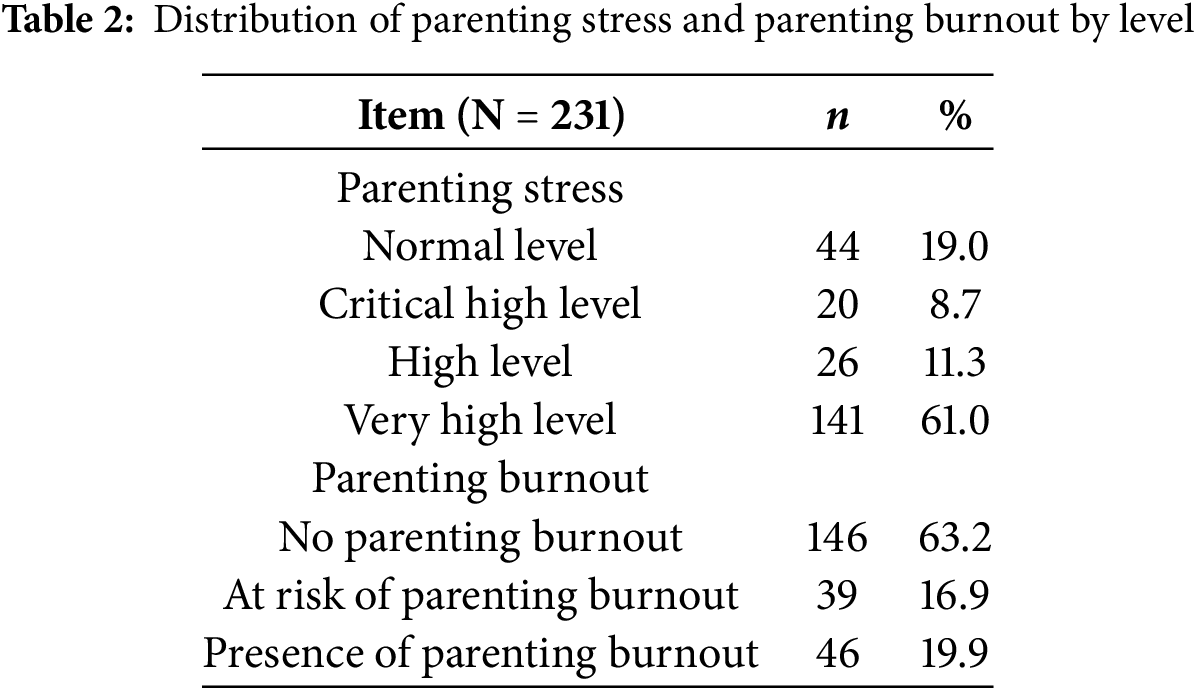
The results of this study showed that the mean parenting stress score was 106.65 ± 24.14; the score of parenting burnout ranged from 0–138, and the median score was 36.00.
3.3 Univariate Analysis on the Influencing Factors of Parenting Burnout
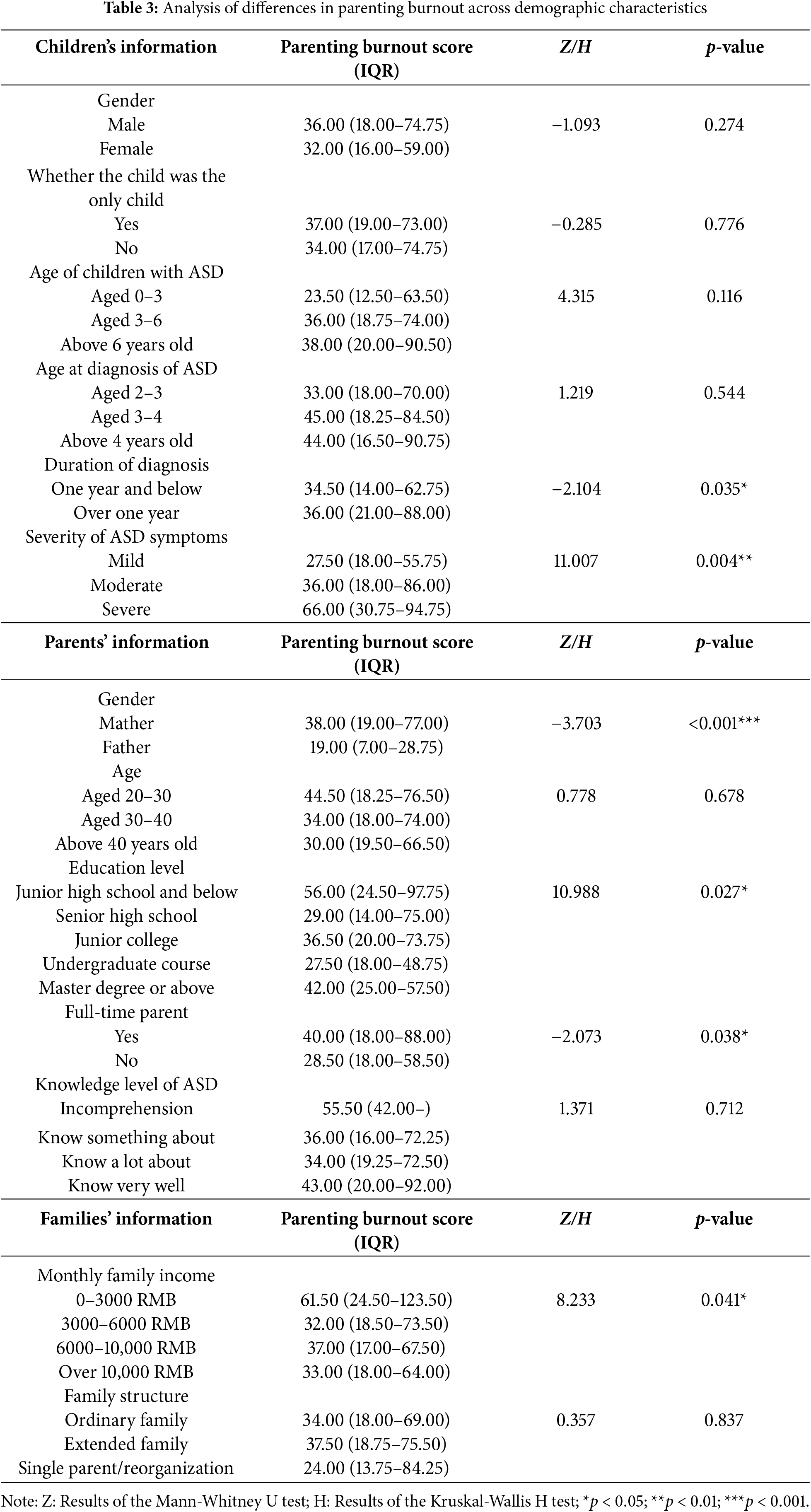
The results of univariate analysis (Table 3) showed that the parenting burnout were significantly affected by duration of diagnosis (H = 11.007, p = 0.004), children’s severity of ASD symptoms (Z = −2.104, p = 0.035), parental gender (Z = −2.104, p < 0.001), education level (H = 10.988, p = 0.027), full-time parent (Z = −2.073, p = 0.038), and monthly family income (H = 8.233, p = 0.041).
3.4 The Correlations among Parenting Stress, Parenting Burnout, Social Support and Coping Strategies
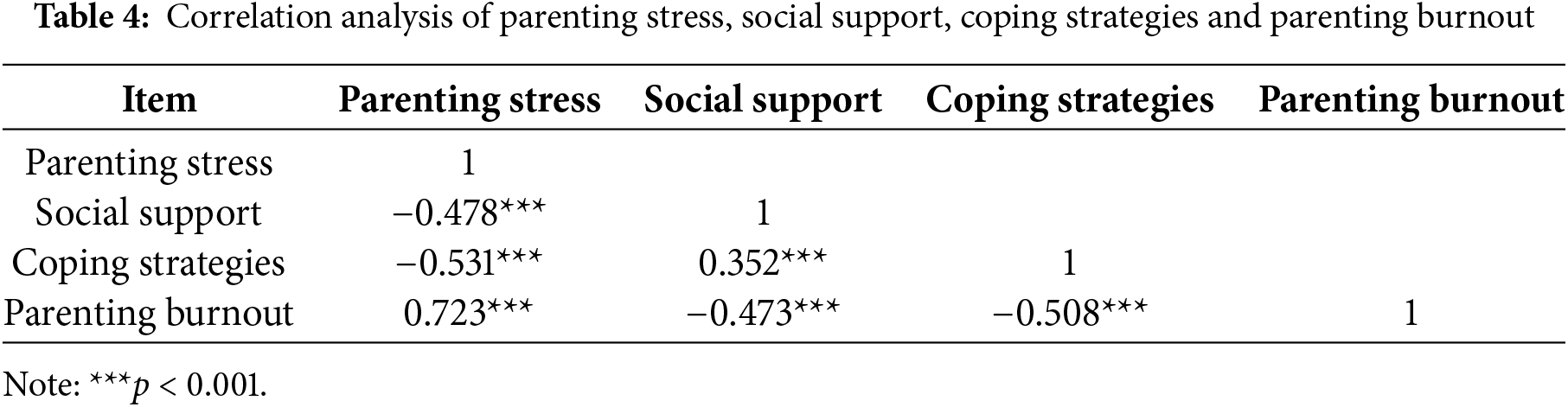
Table 4 showed that parenting burnout had a high positive association with parenting stress (r = 0.723, p < 0.001). Parenting burnout was both negatively and moderately correlated with social support (r = −0.473, p < 0.001) and coping strategies (r = −0.508, p < 0.001). Parenting stress was negatively and moderately correlated with social support (r = −0.478, p < 0.001) and coping strategies (r = −0.531, p < 0.001).
3.5 The Chain Mediating Effects of Social Support and Coping Strategies in the Relationship between Parenting Stress and Parenting Burnout
3.5.1 Social Support Mediating the Association between Parenting Stress and Parenting Burnout
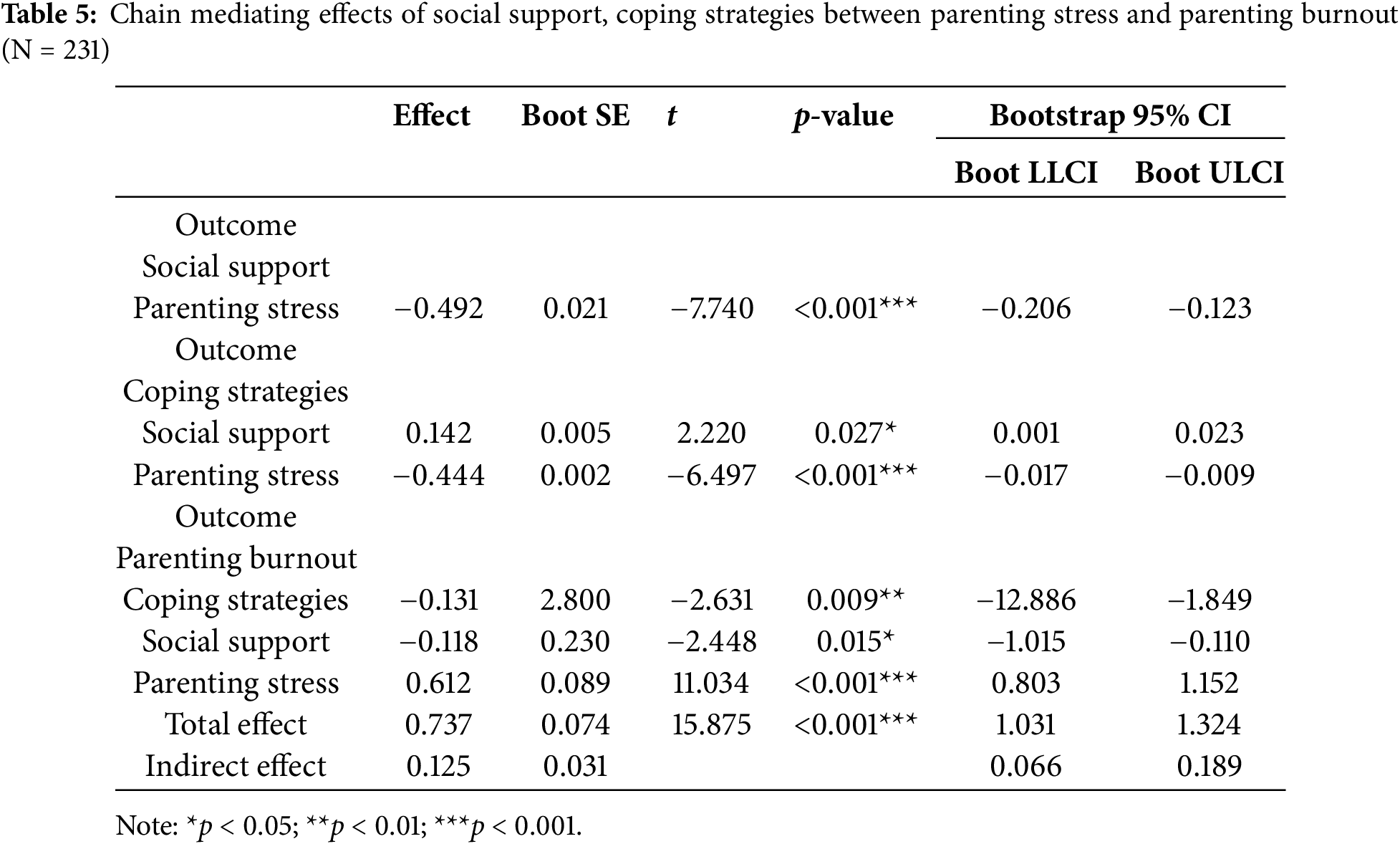
The mediation model was constructed with parenting burnout as the dependent variable, parenting stress as the predictor variable, and social support as the mediator variable. The model controlled for children’s severity of ASD symptoms, duration of diagnosis, parental gender, education level, full-time parent, and monthly family income. The results indicated that, after adding social support, the direct effect of parenting stress on parenting burnout was 0.670 (95% CI: 0.908 to 1.232; p < 0.001) and the indirect effect was 0.067 (95% CI: 0.020 to 0.124). This implies that social support mediates the relationship between parenting stress and parenting burnout, explaining 9.10% of the variance. For more details, refer to Table 5.
3.5.2 Coping Strategies Mediating the Association between Parenting Stress and Parenting Burnout
The model was constructed with parenting burnout as the dependent variable, parenting stress as the predictor variable, and coping strategies holding as the mediating variable. In the analysis, we controlled for children’s severity of ASD symptoms, duration of diagnosis, parental gender, education level, full-time parent, and monthly family income. The results showed that after adding coping strategies, the direct effect of parenting stress on parenting burnout was 0.660 (95% CI: 0.890 to 1.220; p < 0.001), and the indirect effect was 0.077 (95% CI: 0.031 to 0.127), that is, coping strategies has mediating effect between parenting stress and parenting burnout, accounting for 10.45%. See Table 5 for details.
3.5.3 Social Support Mediating the Association between Parenting Stress and Coping Strategies
The model was constructed with coping strategies as the dependent variable, parenting stress as the predictor variable, and social support as the mediating variable. The analysis controlled for parental education level (H = 2.888, p = 0.023), knowledge level of ASD (H = 3.797, p = 0.025) and monthly family income (H = 3.189, p = 0.011). The results revealed that, after incorporating social support, the direct effect of parenting stress on coping strategies was −0.432 (95% CI: −0.016 to −0.009; p < 0.001). This indicates that social support mediates the relationship between parenting stress and coping strategies, explaining 13.92% of the variance. See Table 5 for details.
3.5.4 Coping Strategies Mediating the Association between Social Support and Parenting Burnout
The model was constructed with parenting burnout as the dependent variable, social support as the predictor variable, and coping strategies as the mediating variable. The analysis controlled for children’s severity of ASD symptoms, duration of diagnosis, parental gender, education level, full-time parent, and monthly family income. The results revealed that, after incorporating coping strategies, the direct effect of social support on parenting burnout was −0.308 (95% CI: −1.996 to −0.945; p < 0.001). This implies that coping strategies mediates the relationship between social support and parenting burnout, explaining 27.60% of the variance. See Table 5 for details.
3.5.5 Social Support and Coping Strategies Sequentially Mediating the Association between Parenting Stress and Parenting Burnout
The model examined the relationship between parenting burnout and its predictors and mediators. Parenting burnout was the dependent variable, while parenting stress was the predictor variable, and social support and coping strategies were the mediating variables. The analysis controlled for children’s severity of ASD symptoms, duration of diagnosis, parental gender, education level, full-time parent, and monthly family income. The effects were tested using PROCESS macros (Model 6).
The results revealed that, after adding social support and coping style, the direct effect of parenting stress on parenting burnout was 0.612 (95% CI: 0.803 to 1.152; p < 0.001), that is, social support and coping styles have a chain mediation effect between parenting stress and parenting burnout, and the effect proportion was 1.22%. Specifically, the effect of the pathway “parenting stress-social support-parenting burnout” was 0.058 (95% CI: 0.010 to 0.113), indicating the existence of a mediating effect of social support. The effect of the path “parenting stress-coping strategies-parenting burnout” was 0.058 (95% CI: 0.019 to 0.102), indicating the existence of a mediating effect of coping strategies. The effect of the path “parenting stress-social support-coping strategies-parenting burnout” was 0.009 (95% CI: 0.001 to 0.023), indicating the existence of a chain mediation effect of social support and coping strategies. See Tables 5 and 6 and Fig. 2 for details.
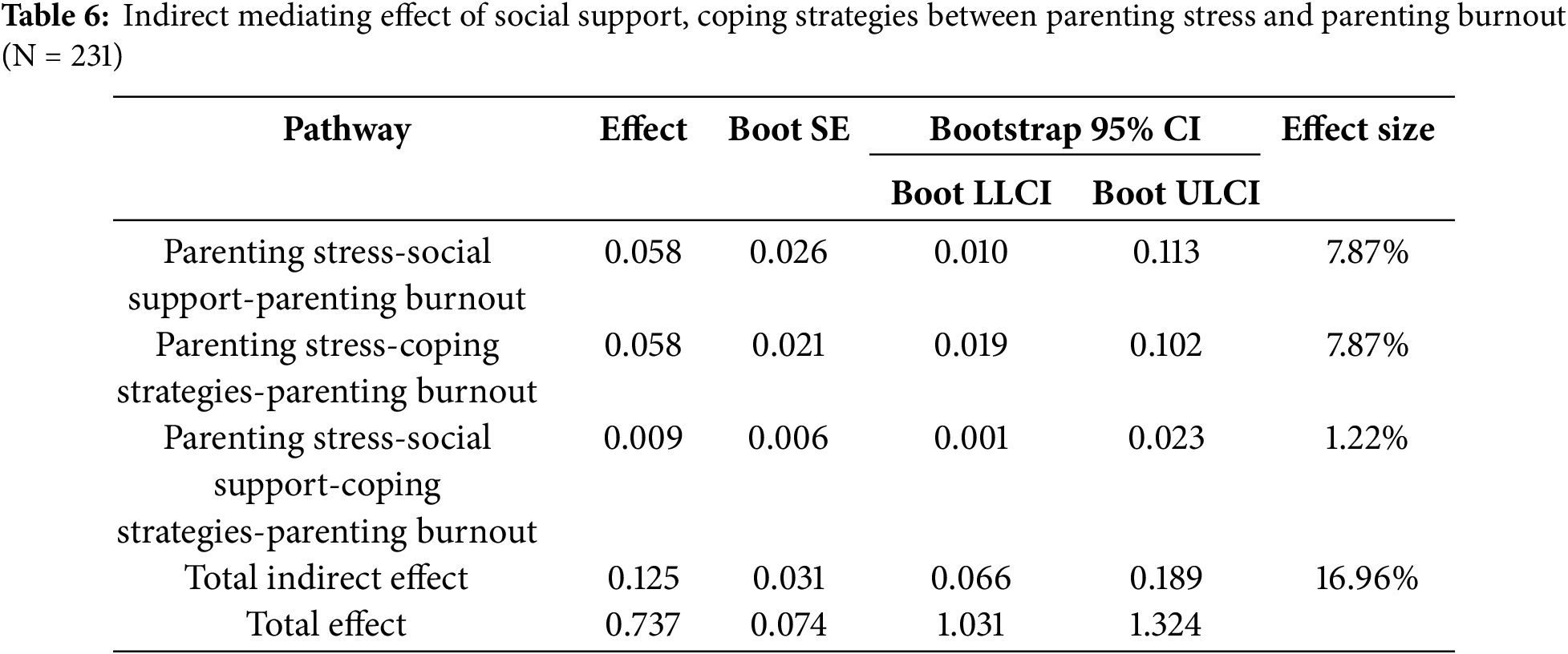
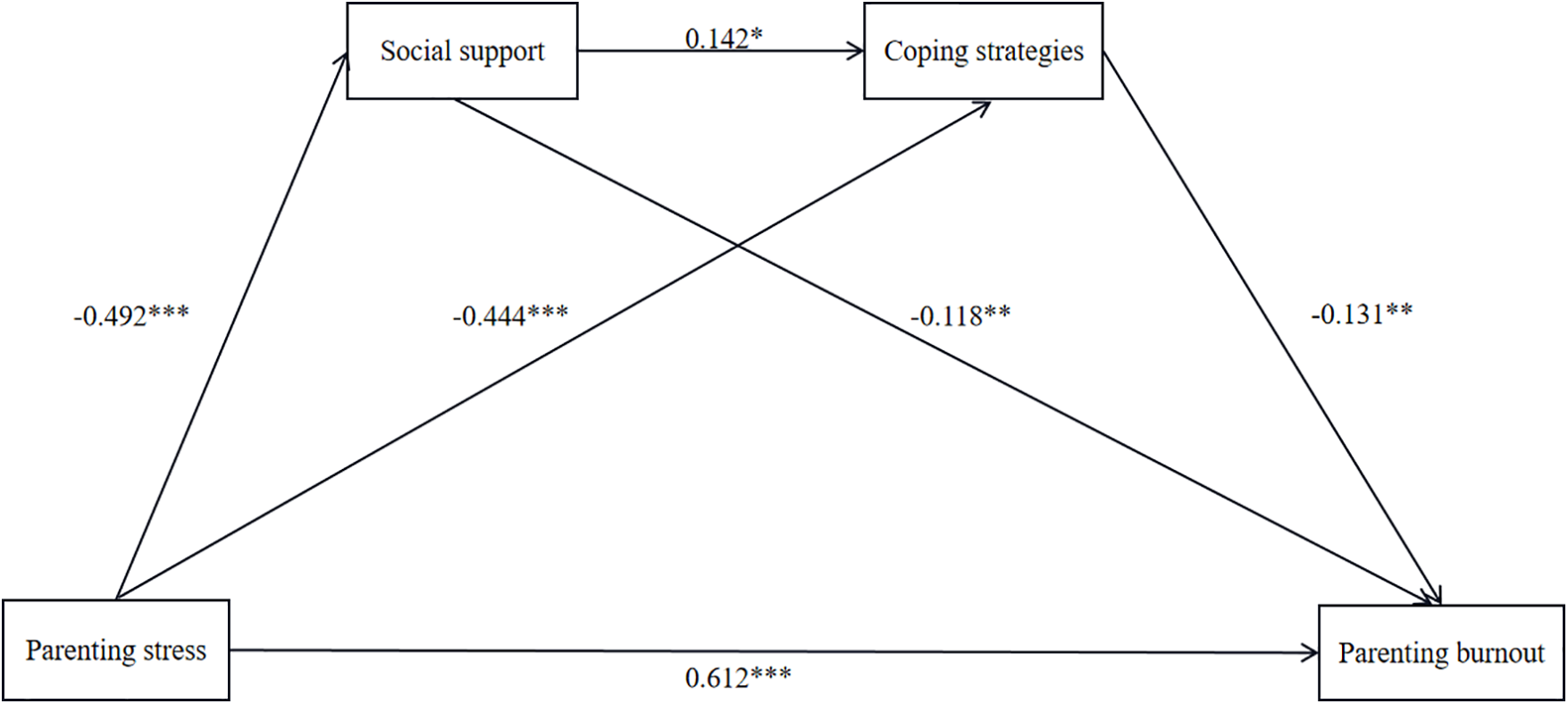
Figure 2: A schematic diagram of the chain mediation effect of social support and coping strategies between parenting stress and parenting burnout. *p < 0.05; **p < 0.01; ***p < 0.001
4.1 The Current Status of Parenting Burnout
The findings of the study revealed that 19.9% of parents of children diagnosed with ASD experienced parenting burnout. The prevalence of parenting burnout among parents of children with ASD in our study was much higher compared to previous study reports on general children. A cross-sectional study on 700 parents of young children reported a prevalence of parenting burnout at 8.1% [23]. A Belgian survey involving 1723 participants found an 8.8% prevalence of parenting burnout [24], while a Japanese study reported a prevalence of 4.2% [25]. Previous research has shown that the reported prevalence of parenting burnout varies across countries and regions. For instance, a survey encompassing 42 countries indicated that the prevalence of parenting burnout ranged from 0% in Turkey to 8.4% in the United States [26]. These discrepancies may be attributed to sociocultural backgrounds, varying parenting philosophies, levels of economic development, as well as the presence of health insurance and social security systems [27].
The elevated prevalence of parenting burnout observed among children with ASD in our study emphasizes the pressing issues that remain in the parenting of children with ASD in the study context. Research has shown that families of children with autism experience greater stress and psychological distress than families of children with developmental delays or other types of special needs [4]. This may be related to behavioral problems in children with autism, emotional reactions in parents, and impaired family functioning. It highlights the need for concerted efforts to enhance the quality of life for both children and parents affected by ASD.
4.2 The Relationship between Parenting Stress and Parenting Burnout
Limited empirical studies have examined the association between parenting stress and parenting burnout among parents of children with ASD. The current study provides evidence that parenting stress serves as a risk factor for parenting burnout, which aligns with previous research findings [28]. Parental care plays a critical role in child development; however, parents often face obstacles and challenges along the way, leading to negative emotions such as confusion, frustration, and exhaustion [29]. These emotional burdens are related to parenting stress. Failure to effectively cope with and alleviate parenting stress can result in long-term exposure to stress, eventually leading to the emergence of parenting burnout [30]. Therefore, it is of utmost importance to mitigate parenting stress and enhance the quality of parenting practices.
4.3 The Mediating Role of Social Support in the Relationship between Parenting Stress and Parenting Burnout
The results of the pathway analysis revealed that social support plays a mediating role in the relationship between parenting stress and parenting burnout. While the mitigating effect of social support on parenting burnout was relatively modest, it remained a significant mediating factor. This may be related to the influence of social support on various aspects of parenting, including emotional well-being, practical assistance, and access to information and resources [31]. Furthermore, these findings are consistent with the “risk-resource balance theory”, which posits that social support acts as a protective resource in parenting. Parenting burnout is less likely to occur when there is a balanced interplay between risk and protective factors in the parenting process [32]. These results hold significant implications for the prevention and intervention of family-related parenting stress and parenting burnout, underscoring the importance of social support as a key target for reducing parenting stress and preventing parenting burnout.
4.4 The Mediating Role of Coping Strategies in the Relationship between Parenting Stress and Parenting Burnout
The results of the pathway analysis revealed that coping strategies played a partial mediating role in the relationship between parenting stress and parenting burnout. Parents of children with ASD may encounter physical and psychological challenges when confronted with substantial parenting stress, which can hinder their ability to effectively cope with such stress and consequently elevate the risk of parenting burnout. Therefore, coping strategies can serve as a valuable resource in this scenario, enabling parents to better manage parenting stress and thus mitigating or delaying the onset of parenting burnout.
4.5 The Chain Mediating Role of Social Support and Coping Strategies between Parenting Stress and Parenting Burnout
The results of the pathway analysis revealed that social support and coping strategies played a serial mediating role in the relationship between parenting stress and parenting burnout. Specifically, parenting stress was associated with coping strategies through impacting social support, which further had an impact on parenting burnout. This pathway exhibited a significant chain mediating effect, indicating that social support and coping strategies contribute to mitigating the effects of parenting stress on parenting burnout. These findings aligned with previous cross-sectional studies investigating parents of children with special needs [33]. Furthermore, other studies have demonstrated the impact of coping strategies on parenting burnout [34] and the mediating role of coping strategies in the relationship between social support and individual psychological well-being [35–37]. The risk and resource balance theory also supports the chain mediating mechanism of social support and coping strategies in the pathway from parenting stress to parenting burnout. According to this theory, social support and coping strategies play important roles in reducing the impact of parenting stress on parenting burnout [32]. The findings of this study indicate that parenting stress is not directly linked with parenting burnout, but more likely through the intermediate effects of both social support and coping strategies. When the parents cannot alleviate parenting stress, we can intervene to reduce the negative effect of parenting stress on parenting burnout.
There are limitations in this study. First, the use of convenience sampling method and selection of parents from specific autism rehabilitation institutions in Hubei Province limits the representativeness of the study population. Consequently, the results may not fully reflect the situation of parenting burnout and its influencing factors among parents of children with ASD in other regions of the study country. Second, although the sample size is reliable, it remains relatively small. Additionally, only a few psychosocial factors were considered, which may not encompass all factors influencing parenting burnout in this population. Third, while this study used a cross-sectional design to validate the model, it has limitations in determining causal relationships between variables and parenting burnout. Future studies should consider longitudinal and qualitative approaches to further verify the causal relationships between these variables.
This study provides valuable information on potential interventions to reduce parenting burnout. First, parenting stress as a risk factor for parenting burnout requires attention. Services such as temporary care, assessment services, and support groups may help release parenting stress, increase knowledge of the illness, and reduce perceived discrimination [38]. Some group counseling based on positive thinking has been found to be an effective way to reduce parenting stress in parents of children with autism, and guided and unguided group interventions can help reduce parenting burnout [38]. Second, as a mediator of parenting stress for parenting burnout, there is an urgent need to improve social support and coping strategies of parents of autistic children. Relevant organizations can develop appropriate family counselling services to alleviate the pressure faced by parents in the process of childcare [39]. Parental burnout is closely related to social support. Therefore, the government may consider providing paid parental leave and care allowance for families with autistic children to reduce the risk of parental burnout. These measures can help parents to better balance work and family responsibilities and reduce the financial burden and stress of the family. Additionally, professionals should help parents to be able to manage the routine care of children with autism and solve problems at home [40].
This study indicates that parents of children with autism generally face significant parenting stress, while social support and coping strategies play crucial roles in alleviating this stress and preventing parenting burnout. The findings emphasize the necessity of enhancing parental social support and improving coping strategies, providing an important theoretical basis for future intervention measures.
Parents of children with ASD likely experience significant parenting stress, and social support and coping strategies play crucial roles in alleviating the stress and preventing parenting burnout. Our research has demonstrated that the level of social support parents received and their chosen coping strategies not only directly impact the occurrence of parenting burnout, but also indirectly influence the relationship between parenting stress and burnout through a chain-mediation effect.
Acknowledgement: Acknowledgement is made to all parents of children with autism who participated in this study.
Funding Statement: This work was supported by the Humanities and Social Sciences Research Planning Fund of Chinese Ministry of Education (22YJAZH150).
Author Contributions: Jun Zhang and Li Wang should be considered joint first author. Jun Zhang: Conception, study design, data analysis, data interpretation, editing & revising. Li Wang: Data acquisition, data analysis, and data interpretation, drafting, editing and revising. Shan Liu: Methods, data acquisition, drafting, revising. Yurong Yang: Methods, data acquisition, drafting, revising. Jingyi Fan: Data acquisition, editing and revising. Yijia Zhang: Editing and revising. All authors reviewed the results and approved the final version of the manuscript.
Availability of Data and Materials: The data that support the findings of this study are available on request from the corresponding author. The data are not publicly available due to privacy or ethical restrictions.
Ethics Approval: The studies involving human participants were reviewed and approved by the Ethics Committee of Wuhan University in compliance with the Declaration of Helsinki (IRB number: WHU-LFMD-IRB2023036). Before data collection, the investigators informed the participants of the research goal and process and attained informed consent. All participants signed the informed consent in this study.
Conflicts of Interest: The authors declare no conflicts of interest to report regarding the present study.
References
1. Zeidan J, Fombonne E, Scorah J, Ibrahim A, Durkin MS, Saxena S, et al. Global prevalence of autism: a systematic review update. Autism Res. 2022;15(5):778–90. doi:10.1002/aur.2696. [Google Scholar] [PubMed] [CrossRef]
2. Maenner MJ, Warren Z, Williams AR, Amoakohene E, Bakian AV, Bilder DA, et al. Prevalence and characteristics of autism spectrum disorder among children aged 8 years—autism and developmental disabilities monitoring network, 11 sites, United States. 2020. MMWR-Morbid Mortal W 2023;72(2):1–14. doi:10.15585/mmwr.ss7202a1. [Google Scholar] [PubMed] [CrossRef]
3. Mikolajczak M, Gross JJ, Roskam I. Parental burnout: what is it, and why does it matter? Clin Psychol Sci. 2019;7(6):1319–29. doi:10.1177/2167702619858430. [Google Scholar] [CrossRef]
4. Findling Y, Itzhaki M, Barnoy S. Parental burnout-a model of risk factors and protective resources among mothers of children with/without special needs. Eur J Investig Health Psychol Educ. 2024 Nov 11;14(11):2883–900. doi:10.3390/ejihpe14110189. [Google Scholar] [PubMed] [CrossRef]
5. Mikolajczak M, Gross JJ, Roskam I. Beyond job burnout: parental burnout! Trends Cogn Sci. 2021;25(5):333–6. doi:10.1016/j.tics.2021.01.012. [Google Scholar] [PubMed] [CrossRef]
6. Mrosková S, Reľovská M, Schlosserová A. Burnout in parents of sick children and its risk factors: a literature review. Cent Eur J Nurs Midw. 2020;11(4):196–206. doi:10.15452/cejnm.2020.11.0015. [Google Scholar] [CrossRef]
7. Solis ML, Abidin RR. The Spanish version parenting stress index: a psychometric study. J Clin Child Psychol. 1991;20(4):372–8. doi:10.1207/s15374424jccp2004_5. [Google Scholar] [CrossRef]
8. Kütük MÖ, Tufan AE, Kılıçaslan F, Güler G, Çelik F, Altıntaş E, et al. High depression symptoms and burnout levels among parents of children with autism spectrum disorders: a multi-center, cross-sectional, case-control study. J Autism Dev Disord. 2021;51(11):4086–99. doi:10.1007/s10803-021-04874-4. [Google Scholar] [PubMed] [CrossRef]
9. Ping Y, Wang W, Li Y, Li Y. Fathers’ parenting stress, parenting styles and children’s problem behavior: the mediating role of parental burnout. Curr Psychol. 2023;42(29):25683–95. doi:10.1007/s12144-022-03667-x. [Google Scholar] [CrossRef]
10. Hobfoll SE. Conservation of resources: a new attempt at conceptualizing stress. Am Psychol. 1989;44(3):513–24. doi:10.1037/0003-066X.44.3.513. [Google Scholar] [PubMed] [CrossRef]
11. Clark E, Zhou Z, Du L. Autism in China: progress and challenges in addressing the needs of children and families. Int J Sch Educ Psychol. 2019;7(2):135–46. doi:10.1080/21683603.2019.1570885. [Google Scholar] [CrossRef]
12. Lu M, Yang G, Skora E, Wang G, Cai Y, Sun Q, et al. Self-esteem, social support, and life satisfaction in Chinese parents of children with autism spectrum disorder. Res Autism Spectr Disord. 2015;17(7B):70–7. doi:10.1016/j.rasd.2015.05.003. [Google Scholar] [CrossRef]
13. Hayes SA, Watson SL. Relations between parenting stress, parenting style, and child executive functioning for children with ADHD or autism. The impact of parenting stress: a meta-analysis of studies comparing the experience of parenting stress in parents of children with and without autism spectrum disorder. J Autism Dev Disord. 2013;43(3):629–42. [Google Scholar] [PubMed]
14. Ren X, Cai Y, Wang J, Chen O. A systematic review of parental burnout and related factors among parents. BMC Public Health. 2024;24(1):376. doi:10.1186/s12889-024-17829-y. [Google Scholar] [PubMed] [CrossRef]
15. Cuschieri S. The STROBE guidelines. Saudi J Anaesth. 2019;13(5):31. doi:10.4103/sja.sja_543_18. [Google Scholar] [PubMed] [CrossRef]
16. Ni P, Chen JL, Liu N. Sample size estimation for quantitative studies in nursing research. Chin J Nurs. 2010;4:378–80 (In Chinese). [Google Scholar]
17. Paisley CA. Parental burnout in mother and fathers of children with and without autism spectrum disorder during the COVID-19 pandemic. Tuscaloosa, AL, USA: The University of Alabama; 2022. 157 p. [Google Scholar]
18. Kaba D, Hasanlı J, Efe A, Yavuz-Çolak M, Akın-Sarı B. Predictors of burnout and distress in parents of children with autism spectrum disorder during COVID-19 home confinement. Child Health Care. 2023;52(4):409–29. doi:10.1080/02739615.2022.2119974. [Google Scholar] [CrossRef]
19. Ardıç A, Olçay S. Investigation of the relationship between the burnout level of parents of children with autism spectrum disorder (ASD) and ASD symptom level and family needs by regression analysis. Ted Eğİtİm Ve BİLİM. 2020;46(206):459–71. doi:10.15390/EB.2020.8980. [Google Scholar] [CrossRef]
20. Xiao SY. Theoretical basis and research applications of the Social Support Rating Scale (SSRS). J Clin Psychiat. 1994;2:98–100 (In Chinese). [Google Scholar]
21. Xie YN. A preliminary study on the reliability and validity of the simple coping style scale. Chin J Clin Psych. 1988;6:114–5 (In Chinese). [Google Scholar]
22. Roskam I, Brianda ME, Mikolajczak M. A step forward in the conceptualization and measurement of parental burnout: the parental burnout assessment (PBA). Front Psychol. 2018;9:758. doi:10.3389/fpsyg.2018.00758. [Google Scholar] [PubMed] [CrossRef]
23. Zhang JR, Jin XY, Lou JM. A study on the relationship between parent nurturing burnout and children’s personality. J Huzhou Univ. 2021;43(12):50–5 (In Chinese). [Google Scholar]
24. Roskam I, Raes ME, Mikolajczak M. Exhausted parents: development and preliminary validation of the parental burnout inventory. Front Psychol. 2017;8:163. doi:10.3389/fpsyg.2017.00163. [Google Scholar] [PubMed] [CrossRef]
25. Kawamoto T, Furutani K, Alimardani M. Preliminary validation of Japanese version of the parental burnout inventory and its relationship with perfectionism. Front Psychol. 2018;9:970. doi:10.3389/fpsyg.2018.00970. [Google Scholar] [PubMed] [CrossRef]
26. Roskam I, Aguiar J, Akgun E, Arikan G, Artavia M, Avalosse H, et al. Parental burnout around the globe: a 42-country study. Affec Sci. 2021;2(1):58–79. doi:10.1007/s42761-020-00028-4. [Google Scholar] [PubMed] [CrossRef]
27. Lin GX, Mikolajczak M, Keller H, Akgun E, Arikan G, Aunola K, et al. Parenting culture(sideal-parent beliefs across 37 countries. J Cross Cult Psychol. 2023;54(1):4–24. doi:10.1177/00220221221123043. [Google Scholar] [CrossRef]
28. Lindahl Norberg A, Mellgren K, Winiarski J, Forinder U. Relationship between problems related to child late effects and parent burnout after pediatric hematopoietic stem cell transplantation. Pediatr Transplant. 2014;18(3):302–9. doi:10.1111/petr.12228. [Google Scholar] [PubMed] [CrossRef]
29. Hutchison L, Feder M, Abar B, Winsler A. Relations between parenting stress, parenting style, and child executive functioning for children with ADHD or autism. J Child Fam Stud. 2016;25(12):3644–56. doi:10.1007/s10826-016-0518-2. [Google Scholar] [CrossRef]
30. Jones L, Totsika V, Hastings RP, Petalas MA. Gender differences when parenting children with autism spectrum disorders: a multilevel modeling approach. J Autism Dev Disord. 2013;43(9):2090–8. doi:10.1007/s10803-012-1756-9. [Google Scholar] [PubMed] [CrossRef]
31. Vaydich JL, Cheung RYM. Parental burnout during the second year of the COVID-19 pandemic: exploring the role of parenting stressors and coparenting support. Fam J Alex Va. 2023;31(3):432–42. doi:10.1177/10664807221123556. [Google Scholar] [PubMed] [CrossRef]
32. Mikolajczak M, Roskam I. A theoretical and clinical framework for parental burnout: the balance between risks and resources (BR2). Front Psychol. 2018;9:886. doi:10.3389/fpsyg.2018.00886. [Google Scholar] [PubMed] [CrossRef]
33. Xu J, Tang J. Social support as a mediator between anxiety and quality of sleep among Chinese parents of special children. Front Psychol. 2023;14:1077596. doi:10.3389/fpsyg.2023.1077596. [Google Scholar] [PubMed] [CrossRef]
34. Lebert-Charron A, Dorard G, Boujut E, Wendland J. Maternal burnout syndrome: contextual and psychological associated factors. Front Psychol. 2018;9:885. doi:10.3389/fpsyg.2018.00885. [Google Scholar] [PubMed] [CrossRef]
35. Chen J, Liu Y, Cai QQ, Liu YM, Wang T, Zhang K, et al. Type D personality parents of children with leukemia tend to experience anxiety: the mediating effects of social support and coping style. Medicine. 2015;94(10):e627. doi:10.1097/MD.0000000000000627. [Google Scholar] [CrossRef]
36. Williams L, Wingate A. Type D personality, physical symptoms and subjective stress: the mediating effects of coping and social support. Psychol Health. 2012;27(9):1075–85. doi:10.1080/08870446.2012.667098. [Google Scholar] [PubMed] [CrossRef]
37. Wang YN, Lin QH, Meng D, Wang J, Xu HP, Wei WH, et al. Relationship between mindfulness and affiliate stigma in parents of children with autism spectrum disorder in China: the mediating role of coping styles. Asian Nurs Res. 2024;18(2):89–96. doi:10.1016/j.anr.2024.03.001. [Google Scholar] [PubMed] [CrossRef]
38. Jones L, Gold E, Totsika V, Hastings RP, Jones M, Griffiths A, et al. A mindfulness parent well-being course: evaluation of outcomes for parents of children with autism and related disabilities recruited through special schools. Eur J Spec Needs Educ. 2018;33(1):16–30. doi:10.1080/08856257.2017.1297571. [Google Scholar] [CrossRef]
39. Brianda ME, Roskam I, Gross JJ, Franssen A, Kapala F, Gérard F, et al. Treating parental burnout: impact of two treatment modalities on burnout symptoms, emotions, hair Cortisol, and parental neglect and violence. Psychother Psychosom. 2020;89(5):330–2. doi:10.1159/000506354. [Google Scholar] [PubMed] [CrossRef]
40. Drogomyretska K, Fox R, Colbert D. Brief report: stress and perceived social support in parents of children with ASD. J Autism Dev Disord. 2020;50(11):4176–82. doi:10.1007/s10803-020-04455-x. [Google Scholar] [PubMed] [CrossRef]
Cite This Article
 Copyright © 2025 The Author(s). Published by Tech Science Press.
This work is licensed under a Creative Commons Attribution 4.0 International License , which permits unrestricted use, distribution, and reproduction in any medium, provided the original work is properly cited.
 Downloads
 Citation Tools
