
 Login
Login Register
 Submit a Paper
 Propose a Special lssue
 Open Access
REVIEW
Autonomous Cyber-Physical Energy Systems: Self-Optimizing Integration of Solar–Wind Hybrids, Storage, and Electric Vehicles in AI-Driven Smart Grids
1 Energy Cluster, University of Petroleum and Energy Studies, Dehradun, India
2 Department of Science and Engineering, DIICSU (Dundee International Institute of Central South University), Changsha, China
3 Department of Electrical and Electronics Engineering, SRM Institute of Science and Technology, Kattankulathur, India
4 Department of Electrical Engineering, UPL University of Sustainable Technology, Ankleshwar, India
5 Faculty of Engineering & Science, University of Agder, Kristiansand, Norway
* Corresponding Author: Mohan Kolhe. Email:
(This article belongs to the Special Issue: Advances in Grid Integration and Electrical Engineering of Wind Energy Systems: Innovations, Challenges, and Applications)
Energy Engineering 2026, 123(11), 14 https://doi.org/10.32604/ee.2026.083539
Received 06 April 2026; Accepted 11 June 2026; Issue published 24 September 2026
 View Full Text
 Download PDF
Abstract
The study examines the developmental stages of autonomous cyber-physical energy systems (CPES), concentrating on intelligent autonomous grids that incorporate self-stabilizing solar-wind hybrid generation, battery storage, electric vehicles, and AI-driven control mechanisms. A systematic critical review with some features of systematic reviews was carried out at this time. This research offers a thorough examination of the current literature concerning CPES architecture, integrated hybrid renewable and storage systems with electric vehicles, artificial neural networks employed for forecasting and control, digital twin technology, cybersecurity, and procurement trading in prominent indices. This organization employs a relative analysis coding framework that subdivides the study into system layers, optimization scenarios, uncertainty management strategies, implementation techniques, and validation contexts. The study demonstrates that genuine system autonomy is unattainable if isolated component optimization is regarded as the ultimate objective. It has a lot of parts, such as physical infrastructure, sensing and communication networks, predictive analytics and controls, resilience frameworks, and governance structures. HRES-EVS systems are very flexible and can pay off in the long run, but they are hard to use because of unclear policies, inconsistent compatibility with other systems, vulnerability to cyber and physical threats, and a lack of real-world experience that may come from not enough testing. Digital twins, edge computing, the Internet of Things (IoT), and artificial intelligence (AI) are all important parts of a flexible closed-loop intelligence system. The paper presents a cohesive conceptual framework that redefines CPES autonomy as an emergent, multi-faceted characteristic of smart energy ecosystems and suggests a future research agenda for the advancement of a resilient, carbon-conscious, decentralized, and governance-integrated Smart Grid.Keywords
1 Introduction: Transition toward Autonomous Energy Intelligence
Electric power systems have changed so much that the old ways of updating the grid can’t handle the new networks of energy. For decades, power grids were built to allow for centralized generation, one-way electrical flows, and demand patterns that were easy to guess. These designs worked well for systems where big hydroelectric and thermal plants sent electricity to passive users through networks that sent and received electricity in a cascade [1]. This picture has changed a lot because there are more renewable energy sources, distributed generation, electric vehicles, and digitally networked control devices. Smart grids are the modern evolution of previous systems that were historically bigger and better [2]. These infrastructures are more and more interdependent, more data-dependent, and in perpetual change. Business forms in the field of energy will be transformed into self-sufficient robotized cyber-physical bundles for harmonizing and jointly changing the power age, consumption, management, optimization structures alongside the hardware-software interaction context while managing security concerns. This transition is increasingly supported by weather-dependent RES technologies such as wind parks and household rooftop solar systems [3]. These resources are essential for decarbonization and the transition to renewable energy, but their multiple integrations into the grid make it unstable and unpredictable. Solar electricity generation depends on sunlight intensity, time of day, and cloud cover. On the other hand, wind farms are affected by meteorological variations, which makes their evaluation more difficult [4]. Hybrid solar-wind systems usually have higher supply complementarity, i.e., the benefits of one resource can compensate for disadvantages in the other in order to reduce mutual dependence between them. In the absence of intelligent coordination within the networks, active and reactive hybrid resources are actively disruptive in establishing a supply-demand equilibrium over electrical networks [5]. It helps residents in the area to keep surplus resources or get rid of them if they are no longer needed. This methodology allows to include additional renewable resources into an optimal decision-making problem with real-time sensing, prediction and control. The introduction of two-way power flows and electric mobility means a more complex system than energy balance. Distributed energy resources such as rooftop PV, neighborhood storage, and community microgrids are turning passive distribution networks into active ones, where power can be traded between residents and the grid. The case of electric vehicles (EVs) is more complex. So, plug in an EV to charge up, and the rest of the household supply becomes fast-acting dynamic demand. The latter is particularly pertinent if you are at least half adept in the art of charging or understanding its modalities. A large and widely used storage system that holds a lot of information, which can be instrumental in addressing on-demand charging, EV-grid transactions or local load balancing [6,7]. Electric vehicles are an important part of future energy systems because they can do two things at once. They are not only different agents with resources that are linked to the economic units they own, but they are also part of a whole energy ecosystem. We can only reach this goal if we can combine the charging habits, battery levels of electric vehicles, mobility needs, and grid limitations all at the same time [8]. In these new situations, energy storage technologies are very important because they keep supply and demand in balance when things change. When there are so many unknowns, it’s important to think about how much renewable energy is available and needed at those places, as well as the health of the batteries and the quality of the electrical supply. For example, wind-current oscillations or new maximum consumption [9]. In other words, smart grids should always be able to run by themselves. Everything needs to be watched, predicted, optimized, and controlled in a tight feedback loop. Advanced power systems can find problems with the system on their own, change how they work when the market changes, when there is a problem with the system, or when there is no known fix, and then reset themselves. That could be better than depending only on centralized dispatch and random attendance. When looked at from a bigger picture, autonomous cyber-physical energy systems are a clear part of the changes in operations. On the other hand, autonomous CPESs can be seen as a new kind of hybrid-pf energy network that keeps an integrated system of physical power assets, communication infrastructures, data-processing capabilities, and intelligent control techniques to achieve self-perception, self-awareness (cognition), self-learning (or adaptability), self-decision-making, and self-reconfiguration with little help from people [10]. The word “cyber-physical” is important because it means that the electrical and mechanical parts of today’s energy systems can be understood or controlled. These systems are characterized by ubiquitous data streams, communication protocols, embedded intelligence, software-defined controls and interoperability. Such systems do not need to limit operational self-organizing behavior to a single optimization algorithm or complex edge hardware. Physical infrastructure and cyber intelligence are interdependent at every level of the system. Enablers are not new, they enable technology [11]. The transition from smart grids to autonomous cyber-physical energy systems should be regarded as a technological evolution, but mainly it is a paradigm shift in the way that power systems are operated. Smart grids mainly enhance observability, two-way communication and automated responses. However, generally depend on centralized coordination, defined control policies and the optimization of individual subsystems taken in isolation. Autonomous CPES further extends this model to enable continuous self-perception, predictive evaluation, self-learning, autonomous decision-making and self-reconfiguration of interconnected energy assets. These systems are integrated adaptive ecosystems where solar-wind hybrid generation, stationary storage, electric vehicle fleets, sensors, communication networks, artificial intelligence models and market platforms, incorporated with cyber-resilience mechanisms, work together as an ecosystem rather than as a matrix of standalone technological components. The key is to make people realize their close connection with innovations. We are now using technologies such as artificial intelligence structures, Internet of Things architecture (IoT), edge computing, and digital twins. These should not be felt as isolated entities, but must be seen as elements of an integrated operating ecology that very much operates and flows together. These AI algorithms can be used to do a number of things, such as predict the future or find trends and outliers. IoT architecture enables devices to continuously communicate with each other and monitor distant objects. Minimize Latency: Edge computing enables a low-latency response to physical components and solves the centralization problem by keeping the decision-making process near the generation point (physical device) [12]. Digital twins allow building virtual counterparts of real systems and analyze various scenarios, while enhancing operational performance over time. The integration of these technologies leads to the development of energy systems capable of addressing issues and working across networks, renewable energy production, storage and mobility, to improve the efficiency of each element. Renewable energy integration, electric vehicle charging and the role of AI in control, battery management and cybersecurity are typically reviewed as separate research fields. This kind of thinking hides the truth that we will need to work together much more in the future to become energy independent. A grid that is optimized for charging but doesn’t take into account the cyber risk can’t be called autonomous. Likewise, a process that predicts renewable output can’t be called autonomous unless it makes models from storage behavior and control flexibility. The more difficult problem is figuring out how to create a complete cyber-physical view of natural and engineered systems that shows how physical assets, intelligence layers, uncertainty modeling, control mechanisms, and governance structures all work together as a self-optimizing whole. This overview is based on the idea that smart grids won’t give people real freedom just by using technology. Real self-optimization happens when the physical infrastructure and intelligence layers, uncertainty modeling, control mechanisms, and governance frameworks are all designed to work together as parts of an autonomous cyber-physical energy system that limit and support each other [13–15]. The novelty of this study lies in redefining autonomous CPES as an ecosystem-level capability rather than as the automation of individual energy components. Existing studies commonly examine renewable forecasting, battery scheduling, EV charging, AI optimization, cybersecurity, digital twins, or market participation as separate research streams. In contrast, this study integrates these domains into a unified cyber-physical architecture where autonomy emerges through continuous interaction among physical assets, sensing systems, AI-driven analytics, digital twin representations, distributed control, secure communication, and governance structures.
2 Review of the Literature and Evidence Architecture
2.1 Review Design and Methodological Approach
It is a systematic critical synthesis, integrating a small number of research streams into an analytic framework. This work does not follow merely descriptive or bibliometric approaches but rather focuses on comparative analysis, conceptual integration and gap identification. Discussions of larger technology issues are not particularly fruitful [16]. The aim is to provide a common semantics for the interaction of technoeconomic physical infrastructure, intelligence layers, and operational layers within AI-enabled smart grid systems. The sources of data include journal papers and conference proceedings in the areas of energy systems, power engineering, artificial intelligence and cyber-physical systems. The window is short, primarily concentrated on the progress of the last few years around things such as AI-driven grid-intelligent technologies, adoption of electric vehicles and growth of digital infrastructure. However, it cites earlier studies in support of its claims where appropriate [17]. This review adopts a systematic critical synthesis approach, rather than a bibliometric or narrative analysis. Studies were classified according to system layer, methodological approach, optimization objective, uncertainty treatment, validation method, and implementation context. This coding strategy allowed the review to identify gaps in existing component-level studies and to develop a system-level interpretation of CPES autonomy.
2.2 Thematic Structuring of Literature
This paper also aims to make the analysis easier to read by putting all of the studies that were looked at into groups of related themes that all deal with the framework of autonomously operating CPES. The second is research on solar-wind hybrid systems, their complementarity, variability, and the challenges of integration. The third group is systems for storing energy and smart batteries. It goes into more detail about how they help stabilize the generation of renewable energy that happens at different times and make it possible to distribute energy at different times. Cluster four looks into EVs and the planning of V2G systems that see EVs as flexible loads or distributed storage technology [18]. The fifth group is all about using AI for prediction, optimization, and control, which are the analytical parts of autonomous operation. The sixth group is about cybersecurity and resilience, which means finding weaknesses in and ways to protect grids that are becoming more and more digital. The seventh group includes digital twins, IoT, and edge-enabled technologies that let you monitor things in real time and make decisions that change based on what you see. So, the eighth theme in this group has to do with technological solutions and the bigger picture of how these kinds of solutions work in the market, how they are regulated, and how long they will last. This kind of thematic organization puts the study topic in context, which means that no research stream is looked at in isolation, but as part of a bigger, more connected framework [19].
2.3 Inclusion and Selection Criteria
We use strict standards to choose our material so that it is of high quality and useful. First, research is sorted by the quality of the journal it was published in and how much it affects academia. People read more articles that are published in high-quality, peer-reviewed journals. Second, look for well-designed studies like case studies, systems built from scratch, or system-wide operations. This review article looks at a small number of studies to see if different systems, like renewable energy, storage, EVs and control systems, can work together as one unit and what benefits that would bring. Shows how popular, important, and up-to-date a topic is. At this point, it is growing well, but it needs a strong base. We tried to add a lot of new research, but there are still big gaps in the literature review, both by topic and by time [20].
2.4 Analytical Coding Framework
Every article that is included is coded the same way, which makes it possible to compare investigations. The introduction talks about the system layer, which is what we start the conversation with. It separates things like the internet, control systems, and other market activities from physical infrastructure. The second dimension has to do with the possible goals of the optimization. These goals could be to cut costs, make things last longer, cut down on emissions, or find a balance between the environmental and sustainability paradigms. This can be deterministic, stochastic, strong, or likely. AI or computational solution, whether it uses machine learning, deep learning, reinforcement learning, or a mix of these methods. You need to have validation tools ready so that you can do hardware-in-the-loop (HIL) testing, simulation studies, and finally real-world deployments. Using complicated coding systems to encode the data may make it easier to do more systematic evaluations of evidence and indirect comparisons through meta-analyses or expert consensus procedures [21,22].
2.5 Comparative and Integrative Perspective
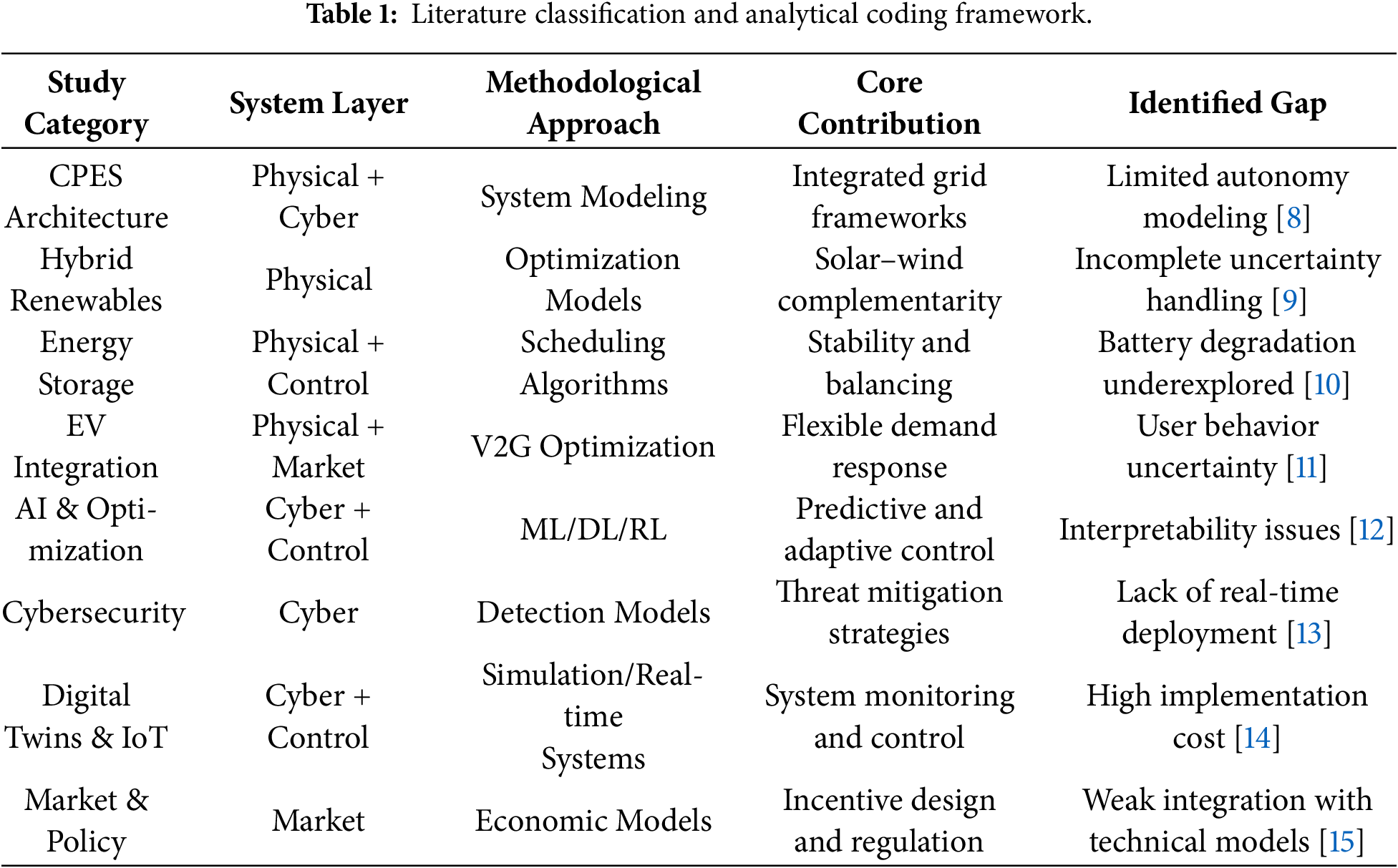
This review is different because it puts together and compares different research instead of just listing the best things from each one. Additionally, it pertains to the efficacy of certain models in contrast to others, and whether this is suitable for addressing broader challenges such as uncertainty, coordination issues, scalability, or resilience. This explains some of the more important structural gaps that stand out. This is especially true since more and more current research is still being done in isolated silos in many areas of technology. Table 1 presents the classification of literature and the analytical coding framework used in this study [23,24].
3 Theoretical and Conceptual Foundations of Autonomous CPES
3.1 Defining Cyber-Physical Energy Systems
Cyber-physical energy systems (CPES) are changing the way modern power networks are built and work. The electrical systems in physical spaces are closely linked to networks for communication, computation, and control. Traditional grids use centralized, electromechanical systems that make it hard for people to control resources from many places. On the other hand, CPES uses a cyber-physical integrated feedback loop that lets physical processes and digital intelligence work together without any problems. Sensors all over the grid gather real-time information about problems with the system, generation, load, and voltage. People use computers to read and make decisions about this data after it has been sent over communication networks. These decisions are then made by automated control systems, which link cybernetic and physical space in a closed loop. The system can change quickly, work with a certain level of predictability, and stay very observable because electrical parts are very close to each other and work with a digital ecosystem [25].
3.2 Evolution from Digitized Grids to Autonomous CPES
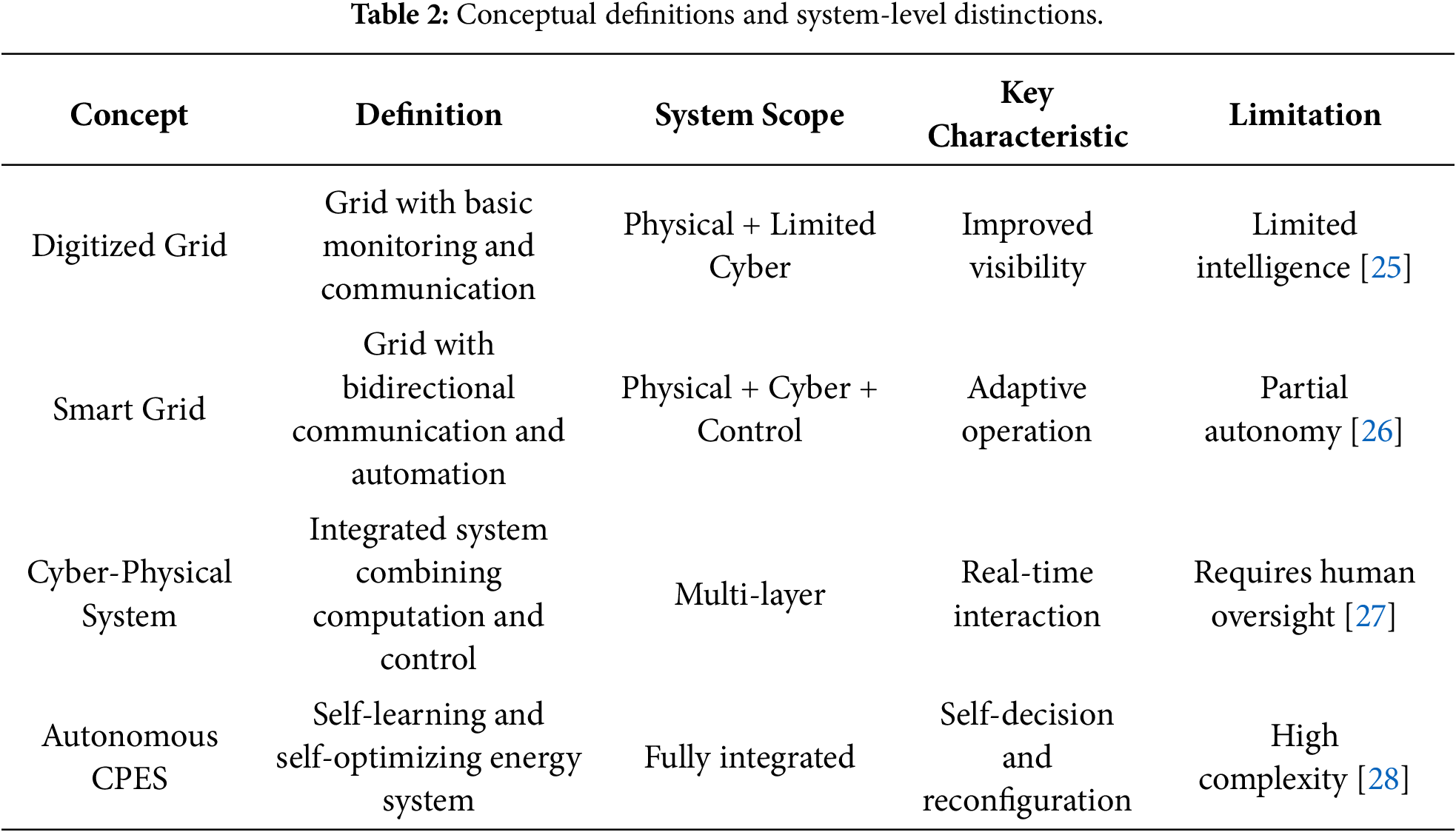
The grid has changed into autonomous CPES in the diagrams of the phases. Adding monitoring and communication technology to digital grids is the first step to making them easier to see and run more efficiently. These technologies mostly stay inactive and don’t have proactive intelligence. Smart grids are the next step in development. This is accomplished via bidirectional communication, distributed energy resources, and automated control systems. Smart grids make it easier to react and adapt, but they usually rely on static control logic and a centralized coordination platform. The idea behind these cyber-physical systems goes beyond this by looking at computing, communication, and control as part of a single study of how physical and computational elements interact in real time. But people may still need to make decisions about these kinds of systems. The last step in development is autonomous CPES, which means that systems can learn and change based on how they interact with the world around them. Fig. 1 shows that this history shows that autonomy is not just a small improvement to existing capabilities; it is a whole new way of operating and thinking for a system [26].
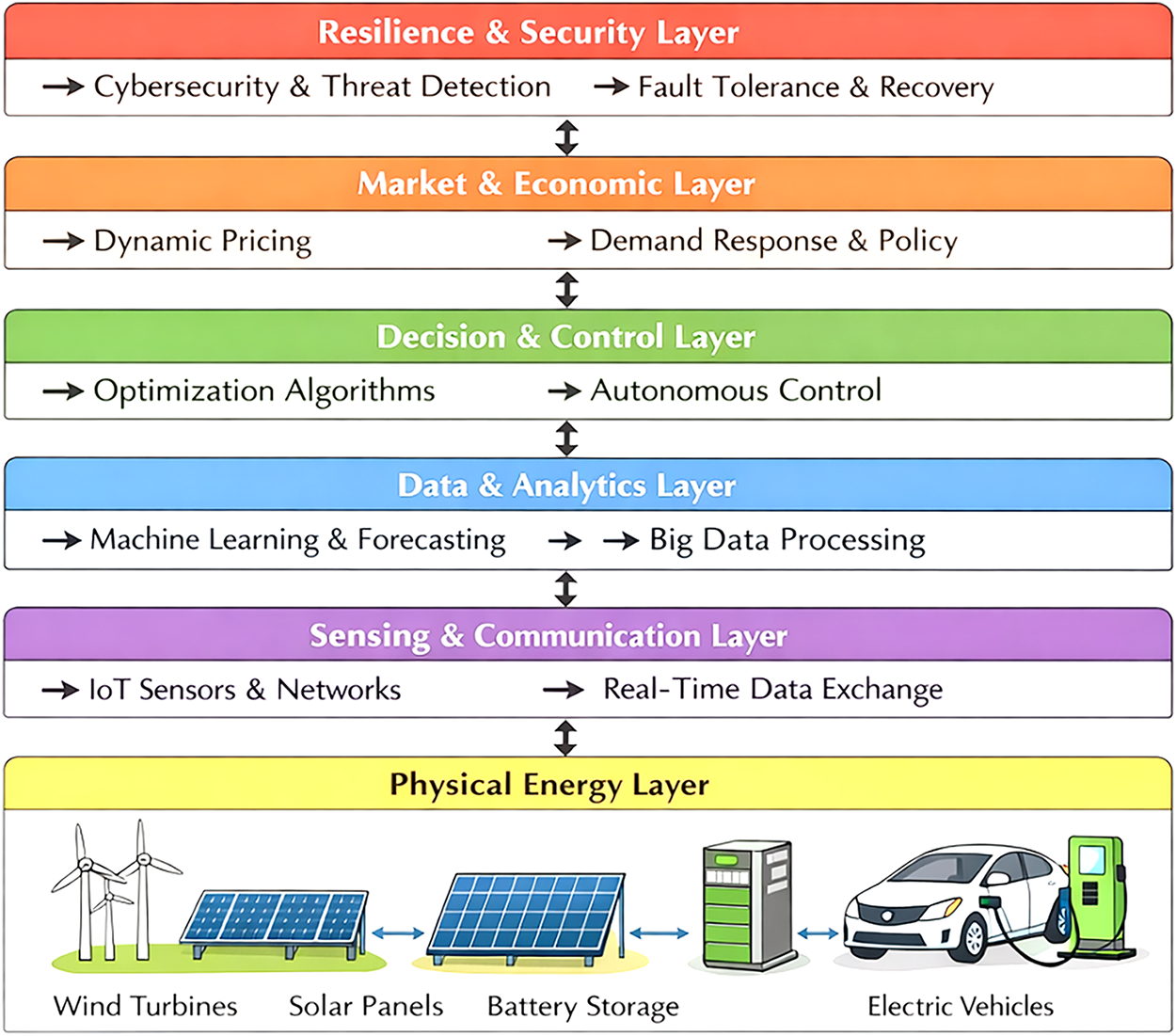
Figure 1: Layered architecture of autonomous cyber-physical energy systems.
3.3 Multi-Layer Theoretical Framework of Autonomous CPES
So, autonomous CPES should be seen as systems with many levels, each of which has its own set of functions that are linked to each other. The topological physical energy layer has things like load components, storage systems, transmission networks, and generating units. The sensing and communication layer also lets assets that are far apart send and receive data in real time. The information is processed by the data and analytics layer. It uses advanced computer methods like machine learning and mathematical modeling to predict how the system will work and come up with new ideas. The decision and control layer uses these insights to start optimization algorithms and control systems that make it possible to coordinate dispatch, load balancing, and charging. The market layer takes care of economic behaviors (like pricing systems) and has people who are involved (like aggregators, consumers, etc.). Keeping the whole system safe from cyberthreats, failures, and operational problems. In a self-SCPS, the physical parts, the data that moves through these assets, the intelligence, and the event/command governance are all parts of the system that are evolving together. They interact with each other through feedback loops and dependencies. At the ontological level, the different parts in these layers work together—see Fig. 1 [27,28]. Digital twin modeling enhances the theoretical framework of autonomous CPES by enabling the representation, monitoring, simulation and optimization of all physical energy assets with continuously updated virtual models. Under a CPES paradigm, digital twins could be solar photovoltaic systems, wind turbines, battery packs, electric vehicle fleets, grid nodes and converters, and the required communication infrastructure. These digital twins can be integrated with real-time data streams from the IoT to allow operators and autonomous control algorithms to explore operational scenarios before making decisions on the physical grid. Digital twins are thus exploited as tools for visualization and dynamic cyber-physical coordination systems for prediction, fault detection, adaptive control and life-cycle optimization. The Digital Twin Continuum (DTC) provides a holistic framework to optimize the cyber-physical infrastructure of autonomous CPES instead of treating it as disconnected digital representations. For the second item, digital twins can be at the component level, e.g., solar modules, wind turbines, battery packs, inverters, electric vehicle chargers and smart meters. These component twins can be assembled into more holistic digital twins of asset classes such as: (solar farm, wind farm, battery energy storage system, electric vehicle charging station, local microgrid, etc.) at the asset level. The digital twin provides a system-level representation of distribution feeders’ substations, grid, and power-flow constraints on nodes at the system level. Besides those, at the ecosystem level, some aggregators, virtual power plants, market signals, demand response systems, and cybersecurity frameworks may also be part of the system. This continuum allows virtual testing of operational decisions prior to physical implementation and thus predictive control, fault detection, resilience assessment and lifecycle optimization. With CPES, the digital twins are not just visualizations of the CPES but rather synchronized decision support ecosystems that integrate physical assets with edge intelligence, cloud analytics and market coordination.
3.4 Systems Theory and Distributed Intelligence Perspective
Using the systems theory approach, which is based on interconnectivity, feedback loops, and emergent behavior, to look at CPES as a whole. If one part of these systems changes, it could affect the whole network, which could make the system less useful overall. This viewpoint is significantly more pertinent for grids utilizing renewable energy, as variations in output concurrently affect storage, demand, and the market. The first benefit of distributed intelligence is that each node can make its own decisions instead of relying on a central source. Decentralized intelligence makes large, complicated energy systems more scalable, responsive, and robust by using multi-agent systems and edge computing. It also includes adaptive intelligence for network-connected devices like inverters, storage subsystems, and chargers [29,30].
3.5 Dimensions of Autonomy in CPES
Cyber-physical energy systems are not just missing some basic automation tools; they are also guided on their own. Dynamic perception autonomy is the ability of a system to use dynamic sensing to constantly watch and understand how it is working. Predictive autonomy means being able to guess things like changes in demand, the generation of renewable energy, and system contingencies. This shows that humans can control the system and that autonomy lets it choose, change its behavior, and change some operational parameters. One important result of market-response autonomy is that systems can quickly respond to price signals, demand-response programs, and economic incentives. In this way, Resilience Autonomy makes sure that you can find, deal with, and get over problems, whether they are caused by a cyber attack or a physical failure. These three traits show that a CPES can work on its own while still being safe, reliable, and efficient [31].
3.6 Complexity of Solar–Wind–Storage–EV Integration
There are a lot of choices, but the most complicated examples of CPES are probably solar and wind energy generation systems, battery storage technologies, and electric vehicles. There are three things that are changing quickly in this situation: how we make energy, how we get around in our environment, and the traits of data-driven management. Over time, storage technologies keep getting more diverse. For this to happen, everyone needs to keep sharing data, using predictive modeling, and adaptive control systems. As links between domains get stronger and systems that look like old worlds start to go away, these domains grow into bigger controllers. This means that kids should be able to do some things on their own and have raemenshi look after them [32].
3.7 Autonomy as an Emergent System Property
A primary conclusion from the conceptual analysis is that autonomy cannot be ascribed to a singular program, device, or control mechanism. Instead, it is an emergent property of the whole system; an abstraction that comes from the interaction between physical infrastructure, communication networks, data manipulation and regulatory systems on one side and governance structure on the other. No AI model, no matter how good it is, can work on its own. Contrary to the common belief, CPES autonomy is a policy design at the system level, not just an action taken by its independent parts. This viewpoint establishes the theoretical foundation for the ensuing sections that analyze the convergence of design, uncertainty modeling, and AI-driven control in facilitating self-optimizing energy systems. Table 2 presents the conceptual distinctions between digitized grids, smart grids, cyber-physical systems, and autonomous CPES [33].
The new autonomous CPES framework is a complete advancement of traditional smart grid and cyber-physical system architectures by integrating operational logic that consolidates renewable generation, storage, EV flexibility, AI-powered prediction, distributed control, digital twin synchronization (DTS), cybersecurity mechanisms and market participation capabilities into one. Smart grid architectures include many aspects of monitoring, automation and bidirectional communication. Many cyber-physical models are mainly concerned with real-time cyber-physical interactions between the physical and computational layers. Autonomy is a system-level capability that emerges from continuous dynamic interactions among physical assets, data streams, AI models, edge intelligence, digital twin representations, and governance practices. This proposed approach towards autonomy. Innovation means moving the analytical horizon from optimizing a single component to self-optimizing the forecast, control, resilience and market in a coordinated ecosystem.
4 Physical System Architecture: Integration of Hybrid Renewable, Storage, and Electric Vehicles
4.1 Solar–Wind Hybrid Systems: Complementarity and Residual Variability
Solar-wind hybrid energy systems are an important part of modern smart grids because they use resources in a way that works together. Solar energy production usually happens in a daily cycle, with the most energy being made around noon and very little being made at night. Wind energy generation, on the other hand, tends to peak at night or in the evening, depending on the wind conditions in the area. This kind of complementary nature can lower the overall power output, which can even mean less short-term movement and more use of bulk renewable energy. There is still constant residual variability, though, even with this complementarity. The solution is to use more methods to fix this issue, which is not enough. This means that hybrid systems need smart coordination tools that can hold forecasts and change as the needs change. The way a system is built has a lot to do with how well it can adapt to and use renewable energy in the grid [34].
4.2 Integration Architectures: AC-Coupled, DC-Coupled, and Hybrid Systems
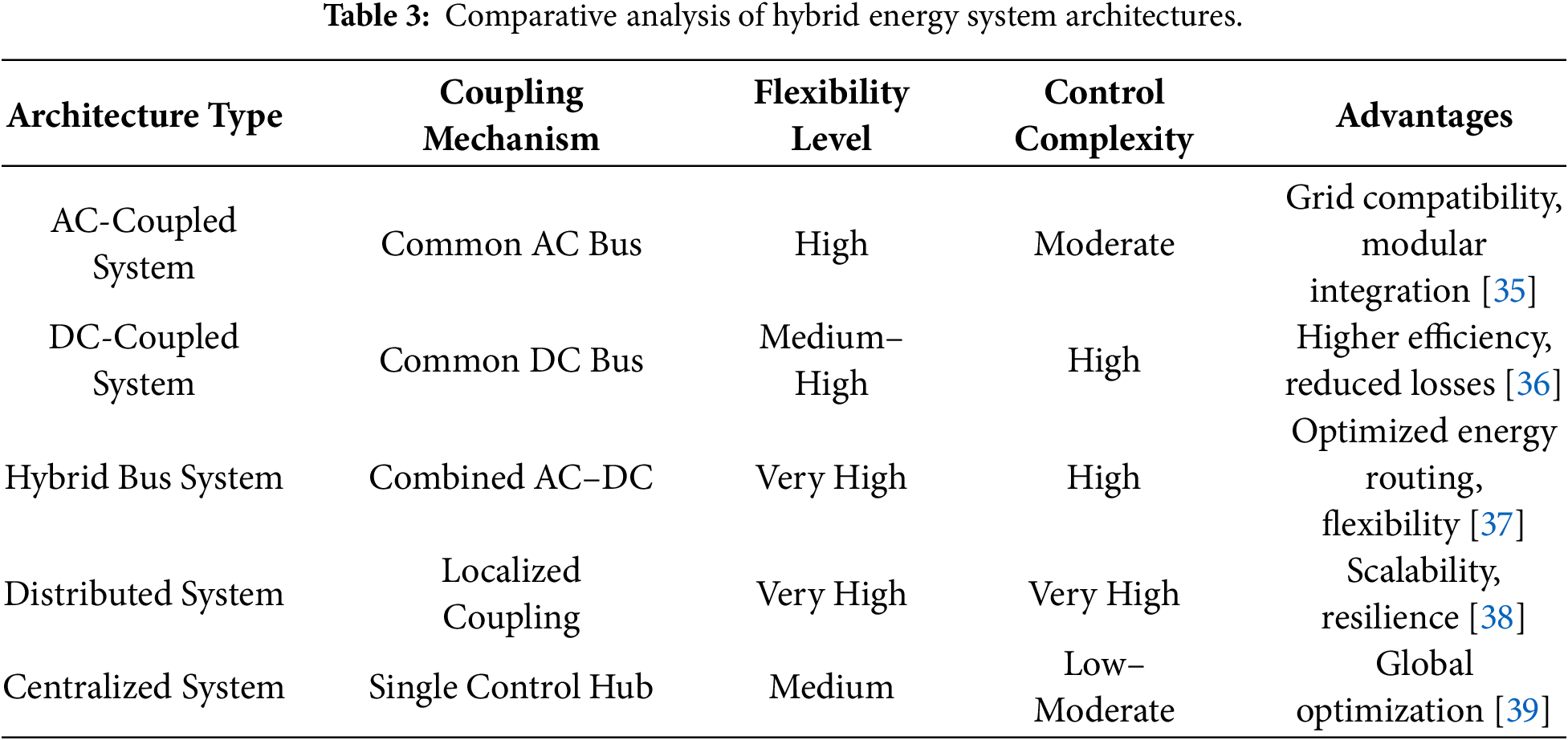
Different kinds of buildings can use solar panels, wind turbines, energy storage systems, and electric vehicles (EVs). The transmissibility of each configuration will lead to a distinct set of operational characteristics. Power electronic converters connect all of the producing and storing units in AC-coupled systems to one AC bus. This system is very adaptable because it works with today’s grid. That being said, this method relies heavily on conversion operations, which can make it less efficient as a whole. In contrast, DC-coupled systems connect the storage and renewable energy source directly to an AC bus. It helps the system run better and cuts down on losses. Solar systems and battery storage need to change the direct current (DC) that they send out. Because there is no natural current zero-crossing, it is harder to find faults in DC systems, which makes them harder to manage and protect. The goal of hybrid bus design, which includes both AC and DC sub-systems, is to get the best of both worlds. This article shows you how to connect more than one wind turbine or grid connection on the AC side and more than one battery and solar panel on the DC side. It makes it much easier to route energy, it cuts down on conversion losses, and it gives you the best choices for how to use that energy. Table 3 shows the main performance and control features of different designs, broken down by segment [35,36].
4.3 Role of Battery Energy Storage Systems in Grid Stabilization
To get the most out of hybrid renewable systems, you need BESS. They usually work as a buffer between changing demand and changing generation. When renewable energy makes up a larger part of total power output than there is demand, batteries store the extra electricity. When demand goes down, the batteries send the extra power back to the grid. This keeps the supply steady. BESS can help control voltage and frequency better by using inverter-based control to quickly provide reactive power support. They need to be built into systems that use a lot of renewable energy because they can quickly change how much power they put out. Batteries help the transmission and distribution system by lowering demand during peak loading times. They also act as backup capacity, which lets system operators deal with unexpected events and keep the system working. Storage systems aren’t very useful on their own, so to be useful for cross-operations at the enterprise level, they should be combined with other systems. To get the most out of renewable energy and electric vehicle loads, they need to be synced correctly so that they work well and last longer [37].
4.4 Electric Vehicles as Flexible and Grid-Interactive Assets
Electricity adds value to the design of energy systems by working as a load and distributed storage system. The length of time it takes to charge an electric vehicle (EV) and when it can be charged can be changed based on changes in the grid, the availability of renewable energy, and price signals. This means they can change. This makes it possible to use demand-side management methods that match generation with consumption. At the same time, EVs can be used as distributed storage devices that use bidirectional energy exchange methods like vehicle-to-grid (V2G). So, electric cars might do the opposite: when there is a lot of demand or in an emergency, they could send power back into the grid and work like a battery on wheels. To help with frequency, local balancing, and other things, EVs could be connected to the grid. This group includes questions about how pain users act, the lack of charging stations, and the difficulties in getting EVs to talk to the grid. Collective drive control methods are often the best way to get the best performance with stability [38–41].
4.5 Control Paradigms in Hybrid Energy Architectures
The control architecture used has a big effect on how well hybrid energy systems work. In a traditional centralized control system, one unit makes all the decisions based on data from the whole system. Hierarchical control schemes break down decision-making into different levels in a connected system. It ensures that there is central governance and lets people do what they want in their area. This lets you scale out and use other methods to handle resources that are spread out. In a decentralized control problem, each agent or piece has to make its own decisions based on limited information and rules for how to work together. They may be stronger and faster, but a lot of math is needed to keep the system running. People who own electric cars and other things can trade energy directly with each other or build local virtual power plants in peer-to-peer energy markets [42].
4.6 Interoperability, Converter Coordination, and Infrastructure Constraints
One of the most important but also hardest parts of making a hybrid energy system is making sure that all of its parts work together. This includes renewable generators, storage devices, EV chargers, and grid interfaces. Different technologies can only connect through standardized application programming interfaces and data exchange protocols. Coordinating the governance of things constitutes one of the most complex challenges. This means that a number of power electronic interfaces need to work together at a high level of quality without breaking the rules for dynamic stability or proportional efficiency. All of these things can make power quality even worse, which can lead to harmonic distortion and problems with control. Integration is harder because of problems with infrastructure, such as limited global grid capacity, old distribution networks, and a lack of charging stations. To deal with them, you have to be proactive, and money should be made available early enough so that hybrid systems can be used by a lot of people.
4.7 Architectural Implications for System Performance
The random physical structure of a hybrid renewable-storage-EV system is a key factor in how well it works. This comes from being able to control power flows and coordinate the parts that make it up. Observability is closely related to how easy it is to get real-time data from sensors or monitoring devices and how good that data is. Scalability means the ability of a system to add more resources without performance degradation. For example, new renewable energy sources and electric vehicle fleets can be added. The ability of the system to cope with and recover from malfunctions (malfunction resilience) and cyber-physical disturbances (cyber-physical disturbance resilience) is resilience [11]. Components of the storage architecture of the facility in Fig. 2. It demonstrates the interconnectedness of solar and wind power, battery storage, electric vehicle systems and grid interfaces in a smart-grid-based facility [42]. The hardware design of solar-wind-battery-EV architectures is embedded within a wider cyber-physical control ecosystem. But we cannot be autonomous only through physical integration, we need sensing and communication, then interoperability standards, AI-based decision-making (machine learning and deep learning), real time feedback. A next-generation CPES architecture needs to have tight coupling between the physical assets and their digital twin representations, edge controllers, cloud analytics for real-time data mining and predictive maintenance, secure data exchange protocols from IT/OT integration concerns (security and interoperability) with adaptive market processes such as demand bidding, price discovery, including contracts. This multi-layer link enables the system to develop from static energy management to dynamic self-optimization. Extend the proposed CPES architecture into a cloud-edge-device continuum. More precisely, in this architecture, device-level controllers like smart inverters, battery management systems (BMSs), electric vehicle chargers, sensors and protective relays are capable of executing local operations in milliseconds. Edge-enabled, near real-time optimization, localized forecasting, electric vehicle coordination and repair at the microgrid, substation, charging hubs or local energy management systems in seconds. More specifically, cloud systems have been developed to address computationally imposed requirements (long-term forecasting, digital twin orchestration together with many market optimization-based frameworks and federated learning and heavy large-scale resilience analytics). This architecture generally decreases latency, dependence on centralized control, improves data privacy and allows scalable coordination of renewable generation, storage, electric vehicles and grid operations. Hence, autonomy in CPES should be considered as a single intelligence continuum where the online operational decisions are executed near the physical assets and the strategic optimization is performed in the cloud.
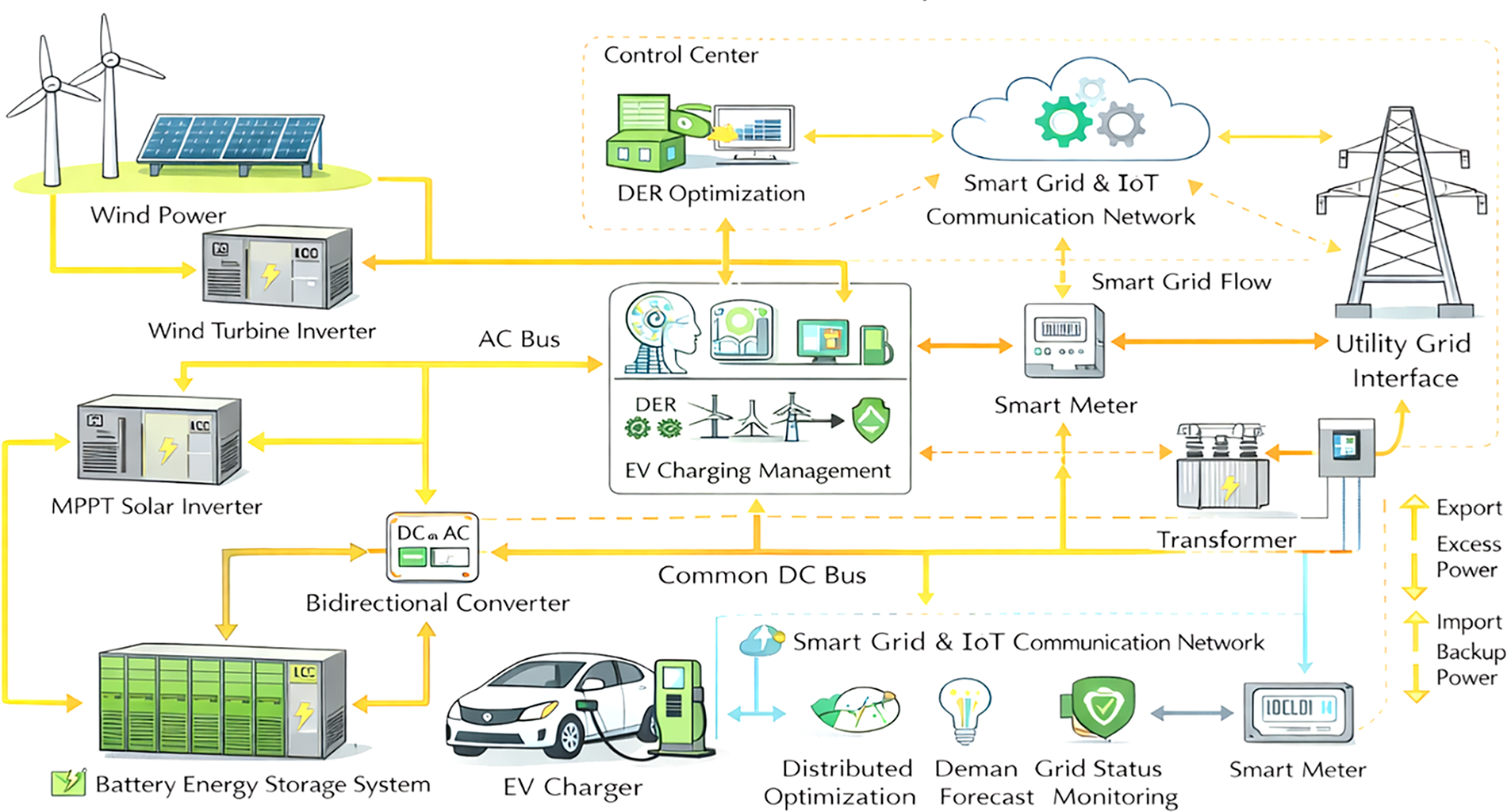
Figure 2: Integrated physical architecture of solar–wind–battery–EV smart grid.
5 Modeling Uncertainty in Multiple Dimensions and Renewable Variability
5.1 Sources of Uncertainty in Autonomous CPES
Switching to energy systems that are mostly based on renewable sources adds a lot of uncertainty that has a big effect on planning and running the system in real time. In contrast to traditional power systems, where generation and demand were fairly predictable, autonomous cyber-physical energy systems must always work in random conditions. Solar irradiance, which changes with the weather, the amount of water vapor in the air, and the time of year, is the biggest source of uncertainty. In addition to the uncertainty on the generation side, changes in load make the system harder to run. Patterns of demand (behavioral, economic, and environmental) are always changing. The adoption of electric vehicles (EVs) makes EV mobility patterns more complicated because the demand for charging is based on travel behavior, which is influenced by arrival and departure times as well as user preferences. These patterns are very random, which makes it hard to model them correctly [43]. Also, how users act affects both energy use and participation in demand response programs, which makes things more unpredictable than deterministic models can show. Another source of uncertainty is battery degradation, which means that the performance and lifespan of the storage system change over time depending on how it is used and the weather. Third, because cyber-physical systems interact with each other over a network, things like latency, data loss, and network failures will make it much harder to trust the exchange of information and control decisions. The different types of uncertainty listed above all contribute to the operational complexity of CPES. Table 4 shows how these uncertainties can be grouped by their source, modeling method, and effect on the system [44].
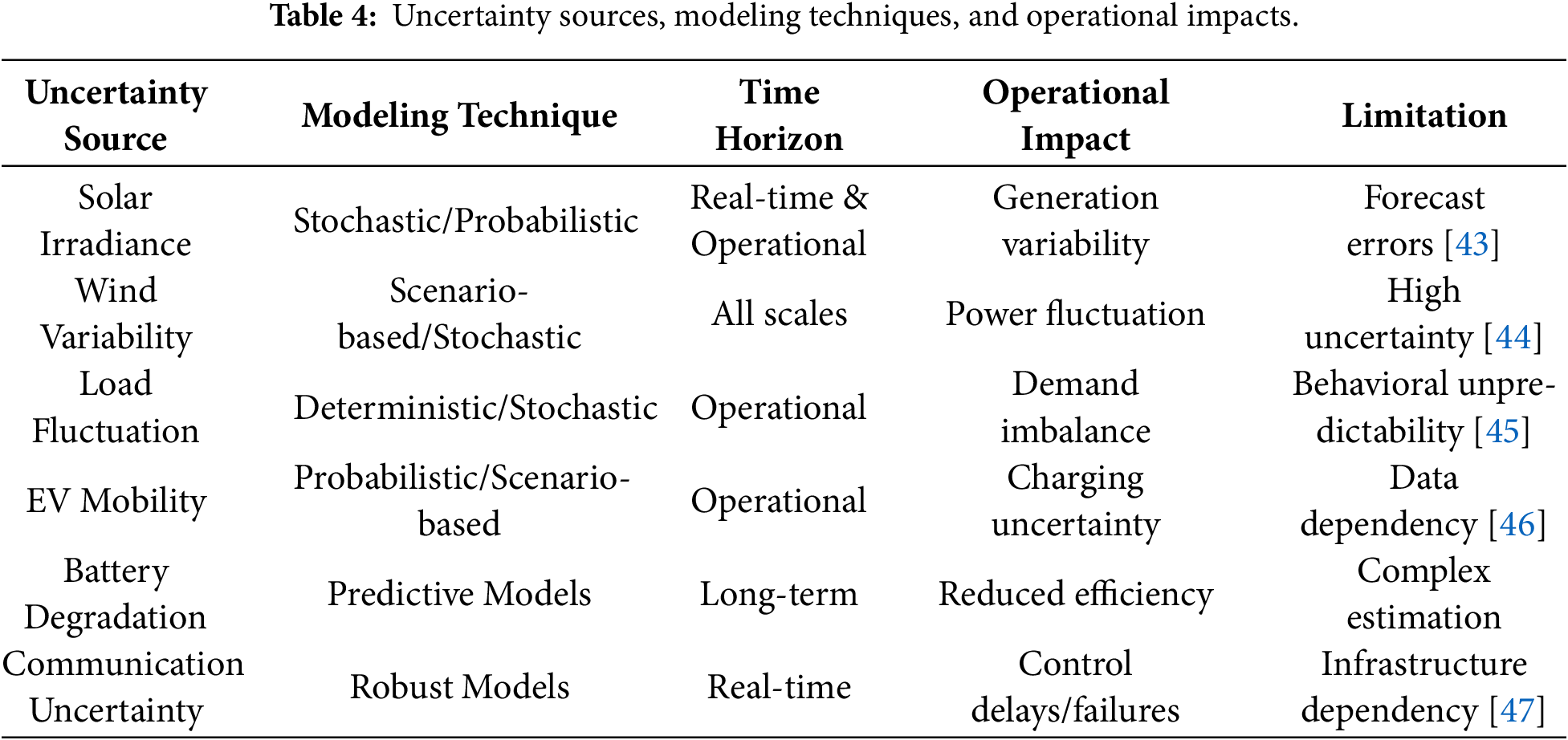
5.2 Modeling Approaches for Uncertainty Representation
A lot of different modeling strategies have been made to deal with the natural variability of renewable integrated systems. Each one has its own set of assumptions and functions. Deterministic models use fixed values for inputs and conditional probabilities to show system variables. This makes them easy to use and quick to compute, but they can’t show how things change in the real world. So, they can’t be used as much in places that change quickly. Stochastic modeling approaches use probabilistic distributions to show uncertain variables in a way that makes system analysis more realistic. These models can account for variability in renewable generation, demand, and EV behavior; however, they are often computationally intensive and rely on accurate statistical data [45]. Robust optimization methods deal with the worst-case scenario to make sure that a system is reliable even when there is uncertainty, even if there aren’t any accurate likelihood distributions. The most common outcomes are that the methods make systems stronger, but they might also make them more careful and slow down their operations. Probabilistic models link relationships via a stochastic framework of constraints. Its scenario-based methods do this by looking at many different ways the system could change in the future. This lets people in charge of making decisions look at how well the system works in a lot of different situations. This method works well when the scenarios chosen are very similar to what happens in real life. Table 4 shows how each strategy works over time, along with the pros and cons of each one [46]. In autonomous CPES, uncertainty modeling should not be limited to renewable generation. It must simultaneously capture solar irradiance variability, wind speed fluctuation, load uncertainty, EV mobility behavior, battery degradation, electricity price volatility, communication delay, and cyber-physical disturbance. These uncertainties affect different decision layers and time scales. Real-time uncertainty influences voltage, frequency, and protection decisions; operational uncertainty affects dispatch, storage scheduling, and EV charging; long-term uncertainty affects investment, infrastructure planning, and policy design. Therefore, future CPES models should combine stochastic, robust, scenario-based, and learning-based methods to support reliable decision-making under multiple uncertainty conditions.
5.3 Multi-Timescale Nature of Uncertainty
A significant aspect of ambiguity in CPES is its manifestation across various temporal scales. Uncertainties in real time at the micro, minute, and second levels have had an impact on the stability of voltage and frequency, as well as the balance of power in real time. The production and use of renewable energy are changing quickly, and these changes need to be handled efficiently to keep the system running. At the operational level (hours to days), uncertainty makes unit commitment, energy dispatch, and coordinating EV charging more difficult. Uncertainty is a factor in decisions about investments in infrastructure, expanding physical capacity, and making policies during the planning process (the long run). Fig. 3 shows how layers of uncertainty over time affect many levels of control and decision-making. A summary of the various categories of temporal uncertainty. This approach shows that there is a need for a unified modeling method that may include co-processed multiple time scales [47].
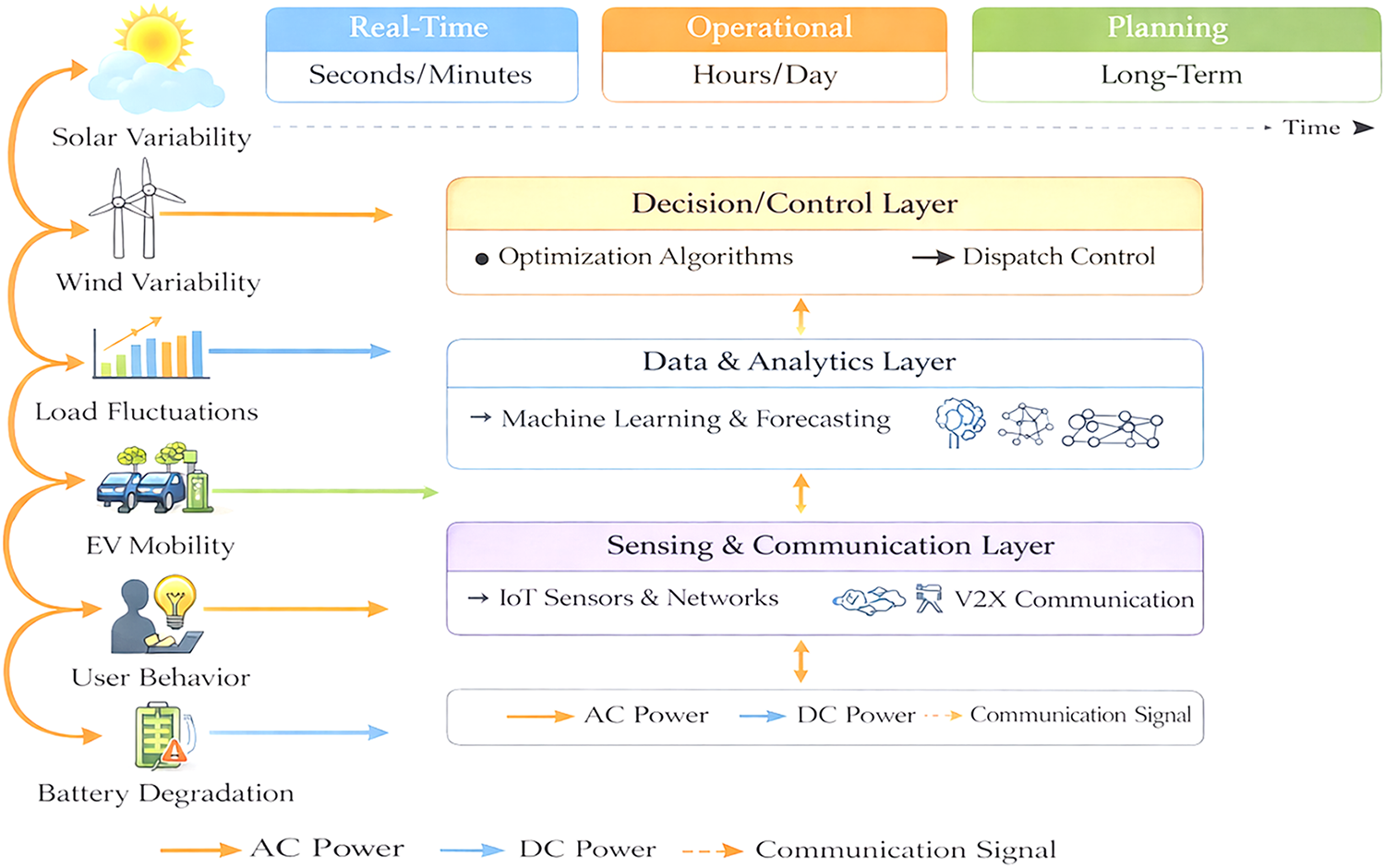
Figure 3: Multi-timescale uncertainty framework in cyber-physical energy systems (CPES).
5.4 EV Mobility as a New Stochastic Dimension
Electric vehicles add a new, random layer to CPES that wasn’t there in older power systems. We see that EVs can only charge or discharge if there are other customers nearby, and the range of services they can offer depends a lot on how many people want them. Because of this movement, the space and time continuum changes, making it hard to figure out where energy is needed or where it comes from. Charging EVs in many different ways, and their choices are greatly affected by their own preferences, the number of charging stations, and the prices. We need more advanced modeling methods to look at how these factors affect transportation and energy systems over a longer period of time [48–51].
6 AI-Driven Forecasting, Optimization, and Autonomous Control
6.1 Role of AI in Autonomous Cyber-Physical Energy Systems
Autonomous cyber-physical energy systems are advanced, self-driving cyber-physical energy systems that use AI as their main analytical engine. It lets all levels of the grid make decisions based on data and predictions. AI-driven frameworks learn from the past by including system dynamics and agent choices in their models. This is different from traditional rule-based control systems, which are often fragile and need a lot of human effort to design, analyze, optimize, and maintain over long periods of time to keep up with quickly changing system conditions while processing a lot of different types of data (like sensor data during operation). In CPES, AI accomplishes integrated forecasting, optimization, and control within a closed-loop system that connects sensing, prediction, and action. Fig. 4 shows how all of these steps are connected in terms of how information flows. In contrast, a smart grid looks like an infrastructure that gets better on its own. It uses multiple predictive models to make control decisions based on a past feedback loop that gives it enough data to analyze in the best way [52]. AI is the decision-making and analytical engine of autonomous CPES. It goes beyond simple prediction. It enables an intelligence loop that includes data gathering, pre-processing, forecasting (prediction), optimization (plan/solution generation and simulation/verification), physical control execution and feedback learning. First, the edge and cloud analytics engines process real-time sensor data from renewable generators, batteries, electric vehicle chargers, smart meters and grid nodes. The forecasting algorithms process the renewable generation, load demand/response, electric vehicle and charging station behaviors, price signals and possible disturbances. These predictions are then transformed into operational decisions via optimization algorithms. Examples include when to dispatch storage, when to charge electric vehicles, whether/how much demand response is needed, and grid support orders. The main application is Control systems such as model predictive control, reinforcement learning and multi-agent coordination. These choices constantly improve the system based on the input from the physical layer.
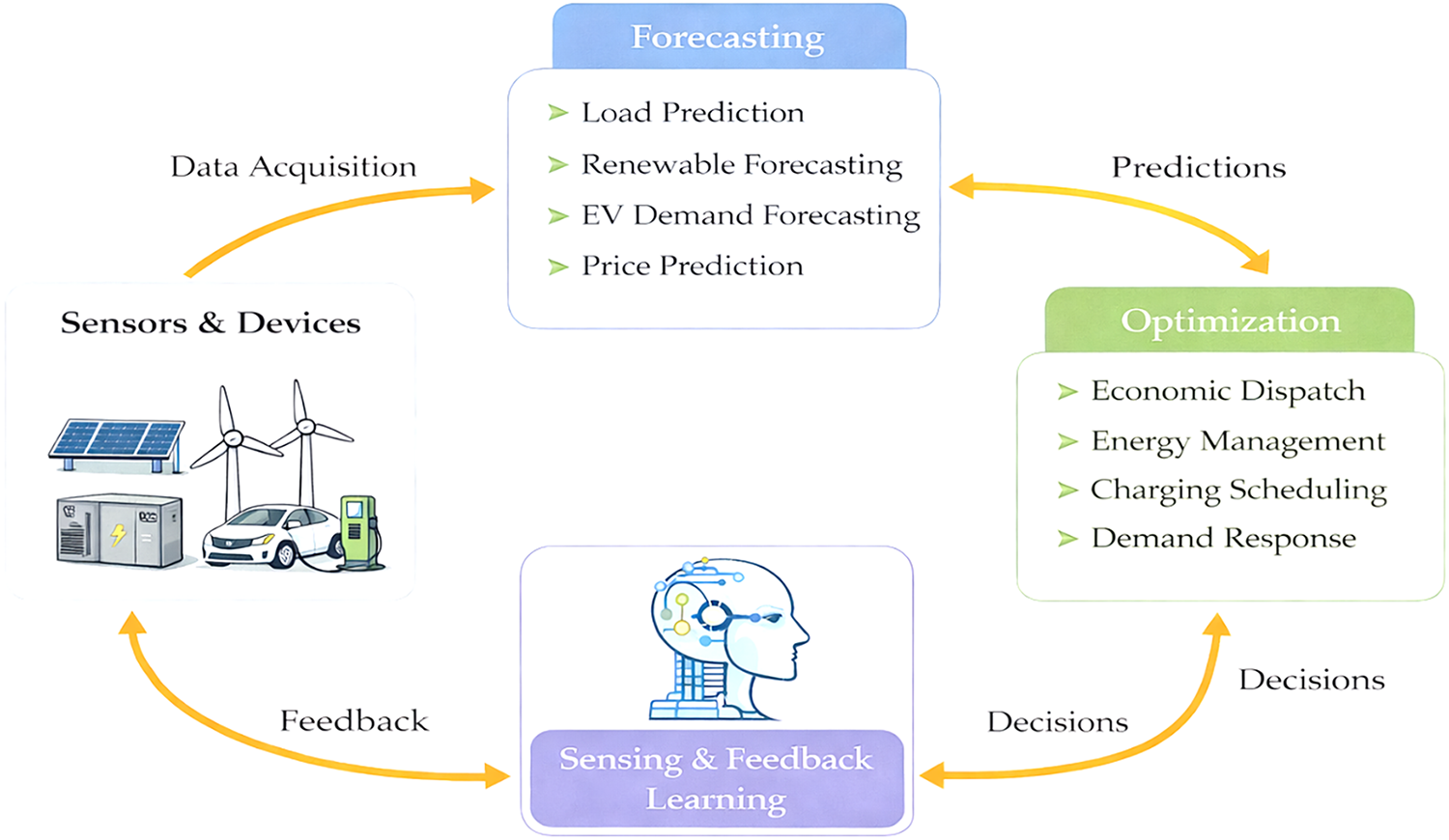
Figure 4: Closed-loop AI-based autonomous control framework in cyber-physical energy systems (CPES).
6.2 AI-Based Forecasting in Smart Grids
Forecasting is a key part of autonomous operation because it gives decision-makers predictive information. Load prediction models use past data on power use, weather, and how people behave over time to guess how much power will be needed in the future. On the other hand, accurate load forecasting makes scheduling easier and lessens uncertainty in operations. Computer science is very sensitive to the discovery of large-scale statistical models that use weather data to predict how much solar and wind energy will be made. Because renewables are inherently unpredictable, accurate estimates must be made to keep the supply and demand in balance [53]. There are a lot of things that make it harder to guess how many people will want EVs, like how they will get around, what kind of charging infrastructure they want, and how easy it will be to get to. Deep learning, and more specifically, reinforcement learning techniques have made it possible to capture these complicated nonlinear dynamics. Price forecasting is an important use, especially in places where power markets are not regulated and the price of electricity changes often. Market participants can act in an economically efficient way in energy markets if they can accurately predict prices. In CPES, these functions for making predictions are called prediction layers, and they work with the optimization and control processes [54].
6.3 Optimization in AI-Driven Energy Management
Optimization techniques change predictions into decisions that can be taken. Using autonomous CPES, we can solve the static optimization problem of economic dispatch to find the best way to distribute generating resources so that costs are kept to a minimum while still meeting demand and operating requirements. AI-driven optimization algorithms make it easier to change dispatch decisions when things change. Renewable energy production, storage, and electric vehicles (EVs) are all examples of distributed energy resources that energy management systems (EMS) control. These kinds of systems are meant to match supply with demand, make the most of renewable energy, and keep the grid stable. One big optimization problem comes up when scheduling electric vehicle charging because it has to take into account both the needs of customers and the capabilities of the grid and the availability of renewable resources. Researchers are also working on AI-powered dynamic scheduling systems that will make sure that the demand for charging matches the system’s status. Demand Response (DR) is a program that lets people with different power needs change how much power they use based on price signals or the needs of the grid. AI-enabled demand response is changing how energy is used in smart buildings and campuses. This is the first step toward a system that is more flexible and less busy at peak times. There are a number of optimization processes that make up the dependability process and the global economy [55].
6.4 Control Frameworks for Autonomous Operation
Model Predictive Control (MPC) changes parameters based on new data that comes from watching how things change when the next input situation is better. This makes the whole system better. Event-based controls let an inverter, storage unit, or electric vehicle charging station work on its own while still being part of a connected system that makes sure energy is used efficiently. It makes systems more stable and able to grow. The CPES models come into play because connecting EVs adds a new layer to typical power systems. The user’s movement makes it charge and discharge faster on the other side. This type of independence makes it harder to manage energy and grid demand because it changes the time and place. People will charge their electric cars based on the choices they make, the prices they see, and how widely charging stations are set up. Because it changes so much, it’s hard to say for sure. Because all mobility activities are linked to energy use, it will be very hard to do an impact analysis because the whole transportation system has to be modeled. Fig. 4 illustrates the closed-loop integration of forecasting, optimization, and control in autonomous CPES [56].
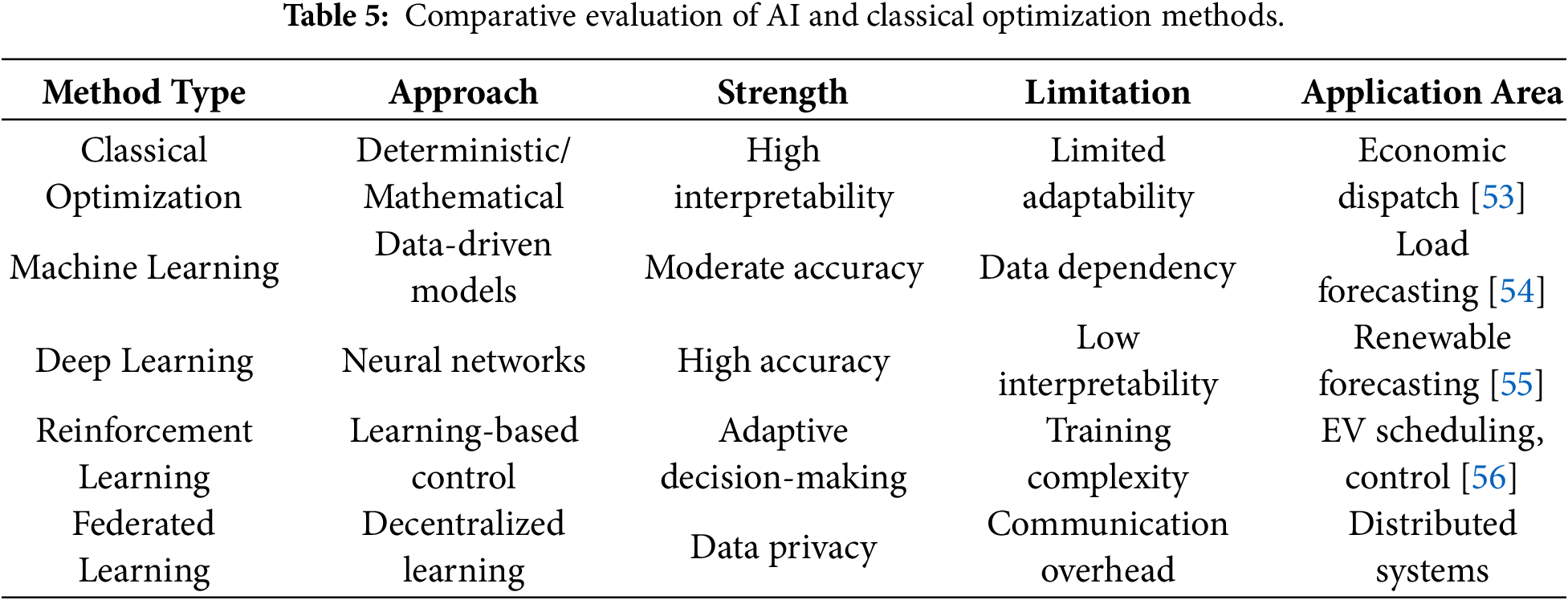
The idea behind multi-agent systems (MAS) is to model distributed control, where each part of the system acts as an intelligent unit that can talk to other units. It also requires decisions to be made together and coordination across the network that benefits everyone. Reinforcement learning (RL) provides a feedback-based control framework in which intelligent agents acquire the optimal policy through interaction with the environment. Since this has to do with reinforcement learning, the deep net might also help in places that are very different from each other and are usually representative. A lot of current systems have this kind of thing. Fig. 4 shows this closed-loop system, which has connections between the prediction, optimization, and control levels. Table 5 compares AI-based and classical optimization methods used in CPES [57].
6.5 Comparative Analysis of AI Techniques
There are four main types of AI techniques used in the different CPES schemes: machine learning (ML), deep learning (DL), reinforcement learning (RL), and federated learning (FL). Some of the most common ways to make predictions and classifications are regression and decision tree models because they are easy to use. When there are a lot of high-dimensional datasets, deep learning methods like neural networks and convolutional models work best. But they need a lot of computer power. Reinforcement Learning is a way to make time-based evaluations that is based on evolution. It tells you what to do by letting you try different things and see what works best. The second point helps people feel better about data privacy because federated learning lets the model learn without sharing raw data. Fig. 5 shows how major AI technologies could be used in smart grids. Table 5 shows that they are different in general [58].
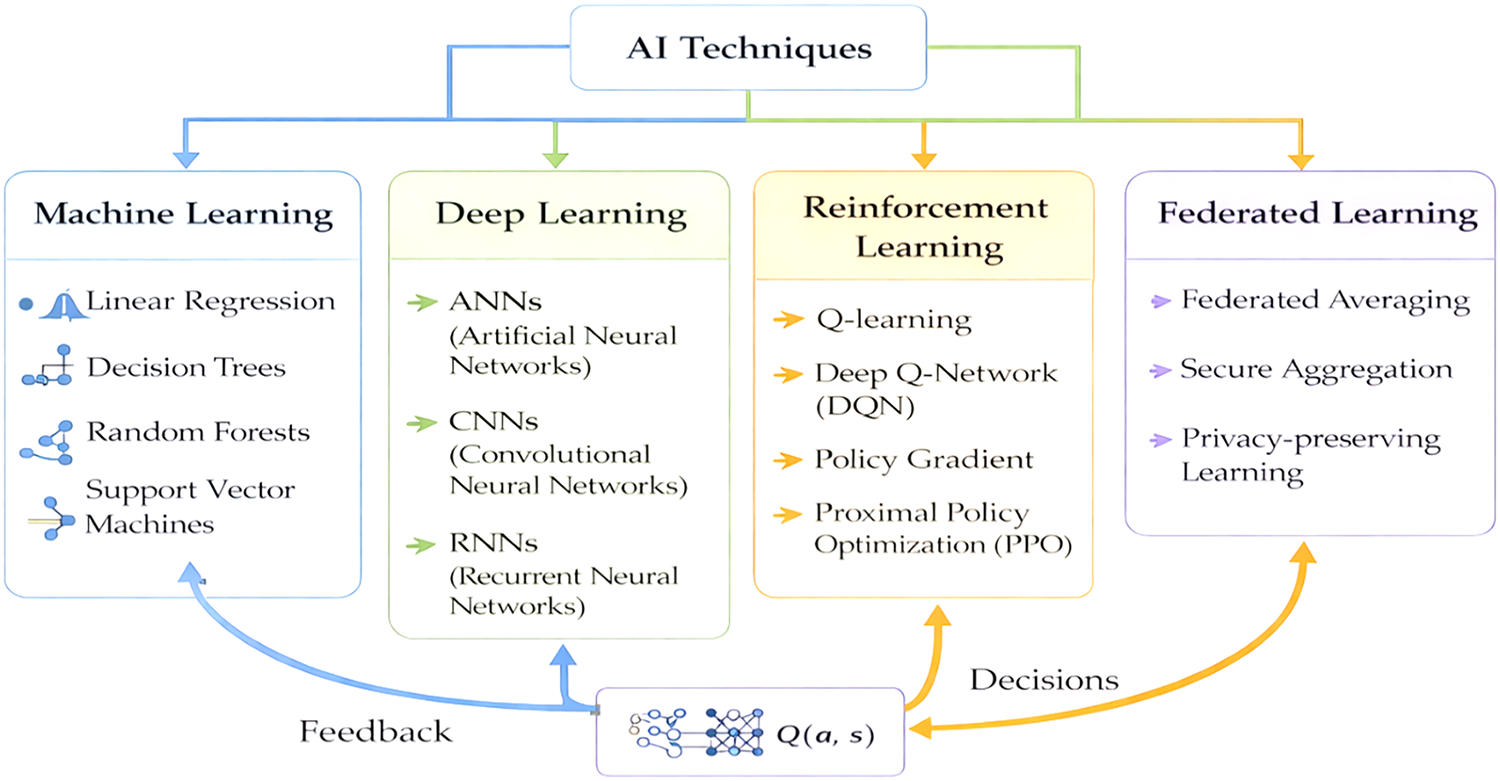
Figure 5: Taxonomy of artificial intelligence techniques in smart grid optimization.
6.6 Trade-Offs in AI-Based Energy Systems
LLMs, on the other hand, learn from a much wider range of datasets and need hundreds to thousands more computing resources than what is needed for training and inference. It’s good that you’re open to changing some terms, but you should also think about other things. A stiff model can quickly adapt to its surroundings, but it is harder to control and quickly overfits when things change suddenly. When someone uses a generative or discriminative tool, the balance between performance and limited resources comes into play. We need systems that can use both types of algorithms for this reason. Edge AI, Cloud Platforms, and Digital Twins are new technologies that make new things possible [59]. Autonomous CPES requires cross-layer synchronization of the physical, communication, computation, control and market layers. Physical synchronization ensures that data from distributed energy resources, batteries, electric vehicle chargers, substations and smart meters are time-synchronized. It enables trustworthy and low-latency transmission of operational data from one point to another over IoT networks, edge devices, and standardized protocols through communication synchronization. Computational synchronization integrates data-driven predictive models with optimization engines and digital twins that preserve choices based on consistent system states. Control synchronization ensures that the output of each inverter (e.g., battery discharging, electric vehicle charging schedules, processor instructions in demand response) is constrained in voltage and frequency. Market synchronization links technical decisions of agents and markets with dynamic pricing, peer-to-peer trading, aggregator functionality and grid-support incentives. Autonomous decisions can be out of sync, delayed or even technically contradictory without cross-layer synchronization. Thus, distributed intelligence of the CPES needs synchronized data flow, interoperable communication protocols and coordinated decision-making on all levels.
6.7 Enabling Technologies: Edge AI, Cloud Platforms, and Digital Twins
Digital ecosystems are very important for AI-powered CPES to work. As we get closer to the edge, Edge AI can learn and work on its own. This is why it makes responses faster and communication cheaper. Cloud systems let you scale your solutions by giving you a place to store data and train models, as well as optimizing them across platforms. A digital twin is a computer model of a physical structure that works with the real system. This lets you watch, test, and make the system better in real time. Digital twins (DT) use real-time data and predictive algorithms to help people understand the current situation and make decisions ahead of time. When used together, these technologies make energy systems that are self-controlled and flexible and don’t need people to work. The digital backbone of autonomous CPES consists of edge AI, cloud platforms and digital twin technologies. Edge AI helps to make rapid local decisions on physical assets in the area, such as inverters, EV chargers, battery systems and smart meters. It decreases latency, restricts communication traffic and enhances real-time response in the event of disruptions. Cloud systems offer a lot of storage, model training, long-term optimization and coordination across the entire system. Digital twins act as the middleware to connect these two layers by building virtual replicas of physical energy assets and continuously updating them with data streams from IoT sensors. The Digital Twin Continuum is especially relevant to CPES, as the dynamic and synchronized operation of autonomous consisting grid functioning will require synchronization distributed across multiple levels, from device-level control to localized microgrid management, regional energy optimization, and cloud-based planning. Asset twins can represent photovoltaic cells, wind turbines, converters, batteries, and electric vehicle chargers at the lower level of abstraction. At the mid-level, we see digital twins of microgrids, charging stations and distribution feeders. For example, at a more sophisticated level, network twins might be used to model agrivoltaics in specific regions and their corresponding market systems. Such a hierarchical digital twin framework can simulate disruptions, evaluate control actions and predict asset degradation caused by several operational events such as cybersecurity incidents and coordination of renewable-storage-EV before decisions are executed in physical grids [60,61].
6.8 Limitations and Challenges of AI Integration
AI could have a big effect on CPES, but there are also problems with using this new technology. Bad predictions and decisions can happen if the training data isn’t a good sample of the real world. The problem with AI systems cannot be trusted because explainable AI isn’t good enough. Cybersecurity flaws may be even more concerning because AI systems could be open to attacks from enemies and changes to data. Also, a lot of the work in this area depends on simulation-based validation instead of giving real-world applications real-world data [62].
7 Coordinated Storage–EV Intelligence and Flexibility Management
7.1 EV–Grid Integration Paradigms
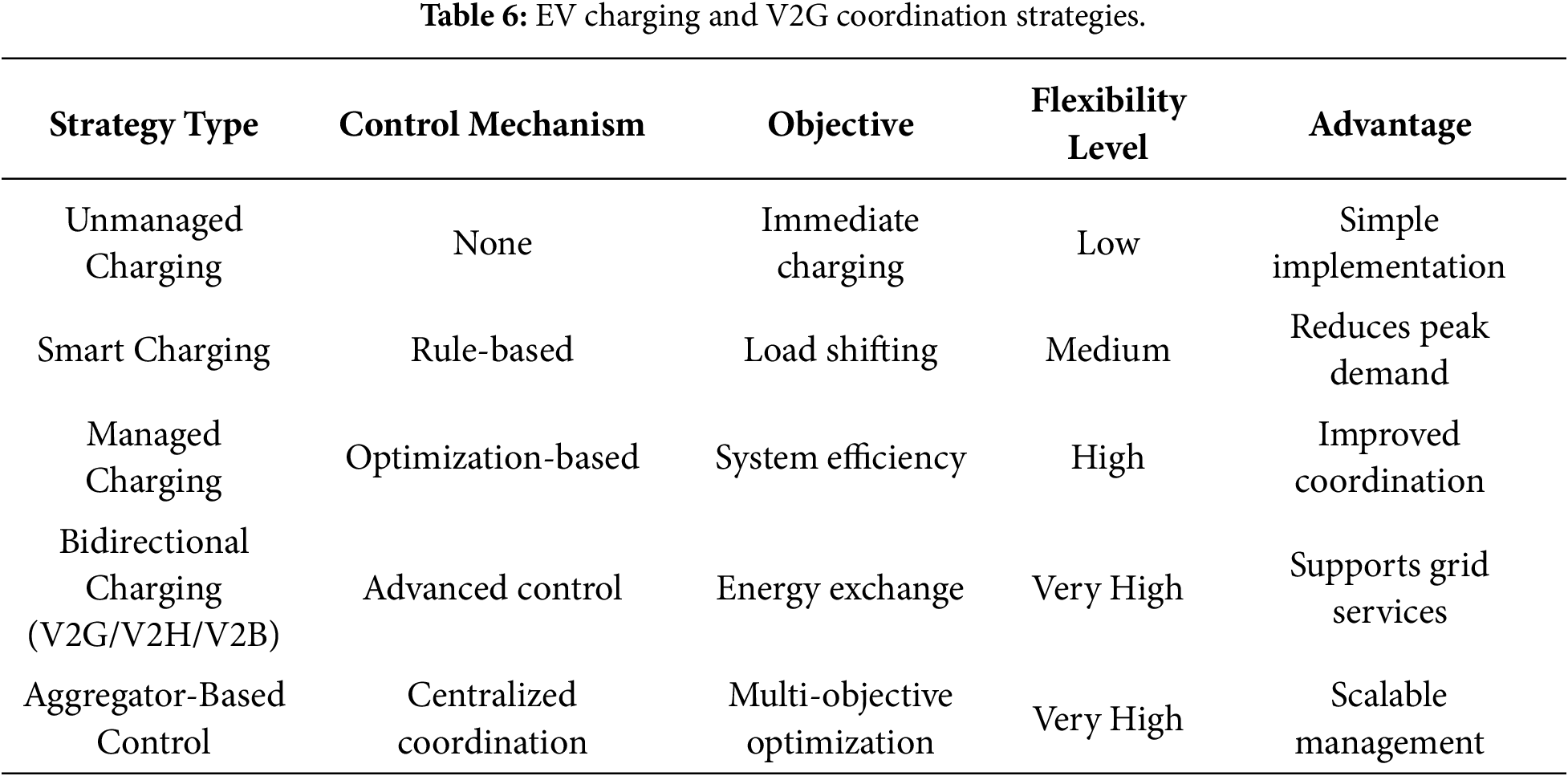
As electric cars have become more common, people who use developing power systems have gone from being simple energy consumers to active players. The effects of electric vehicles on the grid and the effects of the grid on electric vehicles depend on how well their activities are coordinated. Charging an electric vehicle without any management is the most basic way to do it. This means that the car will start charging right away, no matter how well the system works. This job isn’t very hard, but it can put a lot of stress on the grid. Smart charging lets electric cars charge in different ways. For instance, they can charge based on things that can be seen, like how much grid power is used or a type of time-of-use rate. It’s much better for base load power to stay the same and utilities to handle peak demand. Using a centralized or decentralized optimization algorithm within an integrated network, you can manage charging schedules for multiple EVs This lets the system use energy from sources that are good for the environment. With bidirectional charging, electric cars can send or get power from the grid. Electric vehicles (EVs) can and should work as distributed energy resources in a number of ways, such as vehicle-to-grid (V2G), vehicle-to-home (V2H), and vehicle-to-building (V2B). Putting these ideas together makes the grid stronger and more adaptable [63].
7.2 Role of EV Aggregators and Decentralized Coordination
It’s getting harder to guess how many electric cars are still on the road as each one gets more popular. Yes, fleets are a big part of what EV aggregators do. Their goal is to make it easier for electric car fleets to charge and discharge so that they can better serve the grid. Aggregators get data from every EV and then try to make sense of it using optimization algorithms. They also use a coordination control method to make sure that both the user needs and the system needs are met. This means that systems that use distributed energy need to use decentralized coordinating strategies. For these solutions to work, people in the area need to make choices, and EVs, storage facilities, and grid pieces need to work together directly. When multi-agent systems and blockchain-based platforms are used, they use collaborative protocols to make sure that people can talk to and work with each other safely. A hybrid approach like this one is a mix of centralized aggregation and dispersed intelligence. This will be very important for the flexible, scalable, and resilient integration of electric cars into modern power and energy critical networks [64].
7.3 Interaction between Stationary and Mobile Storage Systems
One of the most important things that CPES does to support flexibility is to connect stationary battery energy storage systems (BESS) to mobility electric vehicle (EV) storage. So, storage gives you a more stable set of traits from one source, while EVs give you different states by using the stored potential over time. You might also want to use both types of storage to make the system more flexible. This makes sense because other flexible resources need different times to work. For example, BESS may provide a very fast and energy-efficient service, while EVs can help balance energy needs over time by charging and discharging directly. This kind of interaction doesn’t need a regular connection to work and uses less sustainable energy. They can be used again and again in different places and on different computers, but you need really complicated management systems to keep both permanent storage and portable data at the same time because the two types of storage have different rules about when they can be accessed, how much space they take up in terms of speed and distance, and how you access them. Fig. 6 shows these interactions in a more relaxed way. It explains how using BESS and running EV fleets on integrated grid infrastructure can make places more adaptable [65].
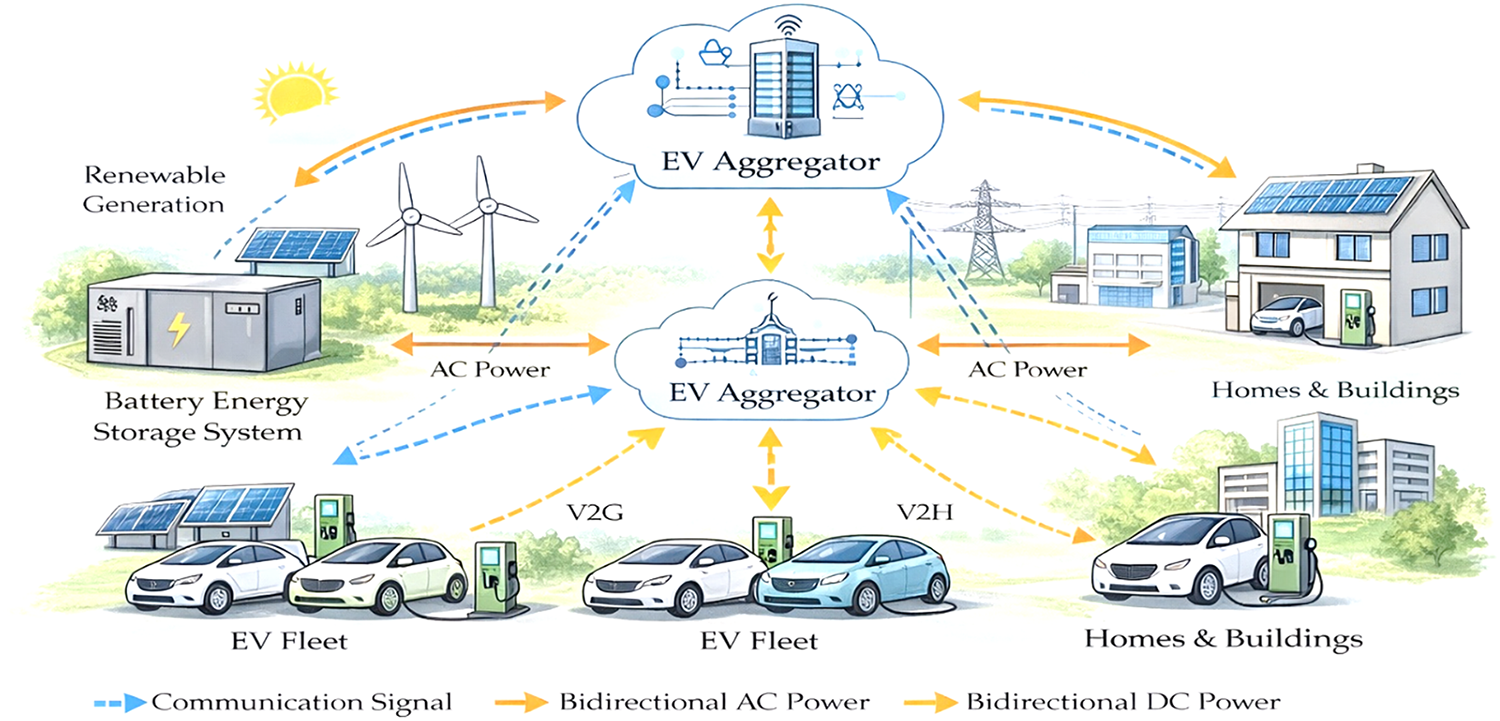
Figure 6: Coordinated BESS–EV flexibility ecosystem in autonomous cyber-physical energy systems (CPES).
7.4 Objectives of Coordinated Flexibility Management
Putting these files together makes the grid better and easier to change. Peak shaving (to move demand away from times when it is highest) and coordinated charging and discharging (to relieve the network) are two of the main goals. The second will focus on getting the most out of renewable energy by focusing on storage and not cutting back on solar and wind energy that is too much. These make energy use more efficient and cut down on carbon emissions. Another important goal is to keep the grid stable. Coordinated storage and electric vehicle systems can help with this by providing extra services like frequency control and voltage support. This lowers costs by lowering the price of buying energy, cutting down on peak demand billing, and allowing peer-to-peer (P2P) trading. These goals are all related to each other and are all key performance indicators. Because this kind of approach would mean picking between a lot of goals, optimization methods either have to take into account a lot of goals or not make any choices at all [66–68].
7.5 Challenges in Coordinated Storage–EV Systems
Coordinated storage-EV systems have a lot of problems, but they also have a lot of potential. One of the main problems is that people use EVs in ways that are hard to predict. This helps us figure out how easy it will be for that person to get an EV and how they like to charge it (but we can’t predict it accurately). Battery degradation is another important factor, especially after bidirectional charging, which can make the battery last less long. Because of this, decisions about how to improve performance should take into account the possible long-term effects on the sustainability of assets. Fig. 6 illustrates the coordinated interaction between stationary battery storage and electric vehicle systems for flexibility management. The performance of a system is affected by how long it takes to send and receive messages and how reliable they are. If data isn’t sent on time or at all, it could cause communication problems and bad decisions. The second thing you need is a strong and clear communication backbone that keeps your business running smoothly in real time. These problems require advanced modeling and strong optimization and communication frameworks to be tackled well. Table 6 currently summarizes different charging and V2G coordination techniques for the EVs in terms of control strategies and flexibility options [69,70]. A key requirement for coordinating storage–EV systems is to establish secure and scalable control mechanisms that can handle the unpredictable behaviour of users without compromising the stability of the grid. This results in the improvisation of AI-based scheduling frameworks, privacy-preserving data interchange, reliable authentication mechanisms, and incentive-compatible market regulations to support electric vehicle aggregators. In decentralized V2G systems, each EV can be considered a mobile energy asset. However, uncontrolled bidirectional power exchange leads to problems in voltage instability, congestion issues, cybersecurity issues or battery degradation. User choice modeling, limits on battery health and capacities of local grids and secure communication protocols are therefore critical for effective coordination models going forward.
8 Cyber-Physical Security, Fault Tolerance, and Resilience
8.1 Expanding Attack Surface in Autonomous CPES
From a technical standpoint, contemporary power systems must become progressively digital and decentralized, rendering energy infrastructures in cyber-physical domains significantly more susceptible to attacks. Cyber-physical energy systems (CPES) are systems made up of different parts of the physical grid, communication networks, embedded intelligence, and distributed control. This means that there are many ways that threats can happen. One of the main goals of these cyberattacks would be to get into and control the SCADA systems that keep an eye on and manage the whole grid. SCADA has been hacked, but a compromised system can change states, control operations, and cause a lot of problems. Charging infrastructure is under pressure as more drivers switch to electric vehicles [70,71]. All manufacturers are also more likely to connect public and private charging stations to a communication network. This makes them easier to hack, which could change how they charge or cause problems with the grid. Cyber-Physical systems use communication networks to let sensors, controllers, and operators share data in real time. The system might not be able to see what’s really there and make the right choice if these networks are hacked or go down. Also, distributed controllers, such as inverters, storage management systems, and local energy management units, are examples of control areas that can be decentralized without permission or change. Fig. 7 clearly shows these cyber-physical risks by showing how different vulnerability targets (cyber, physical, or both) interact with each other at different levels (system components) [72].
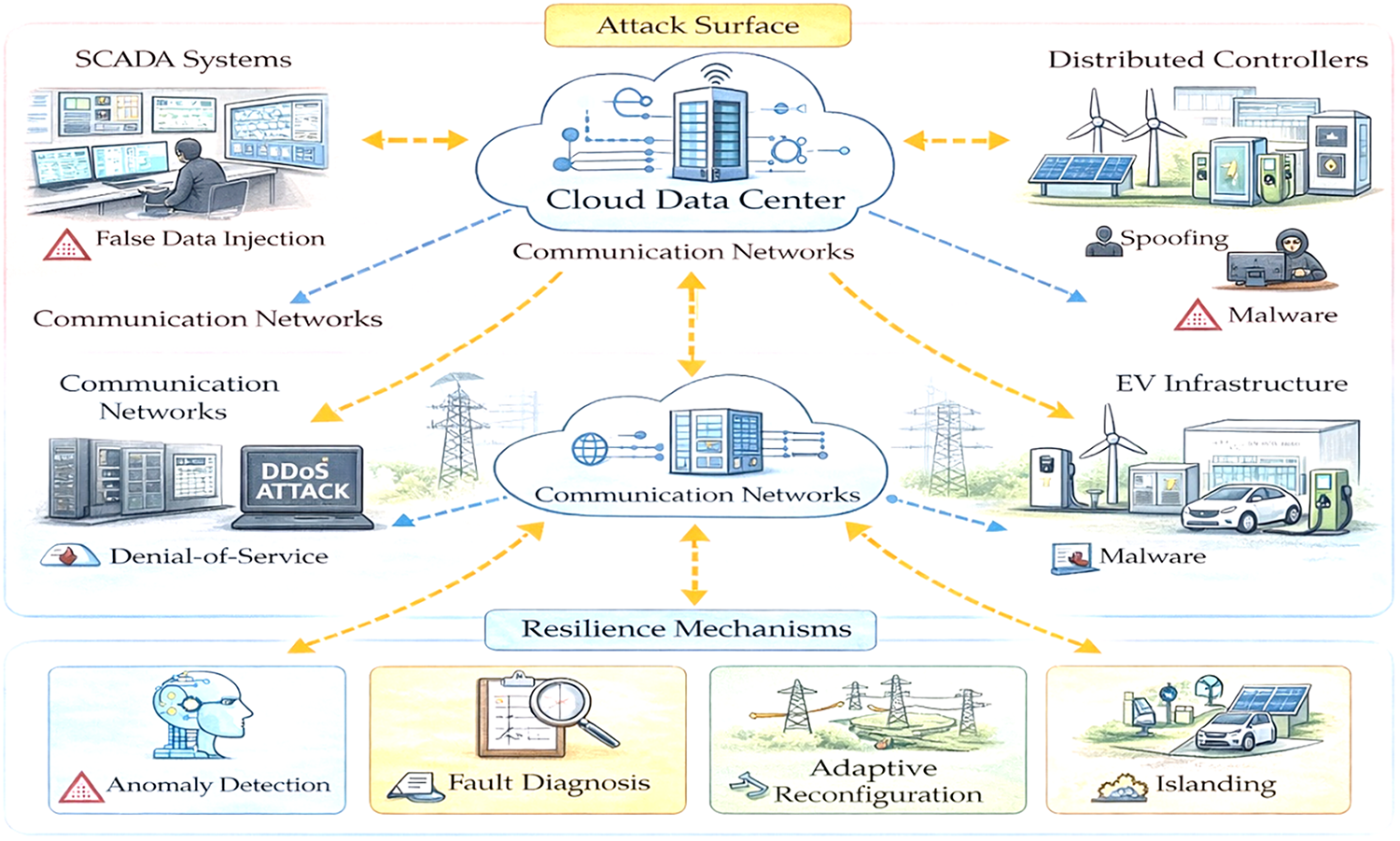
Figure 7: Cyber-physical threat and resilience framework in autonomous smart grids (CPES).
8.2 Classification of Cyber-Physical Attack Types
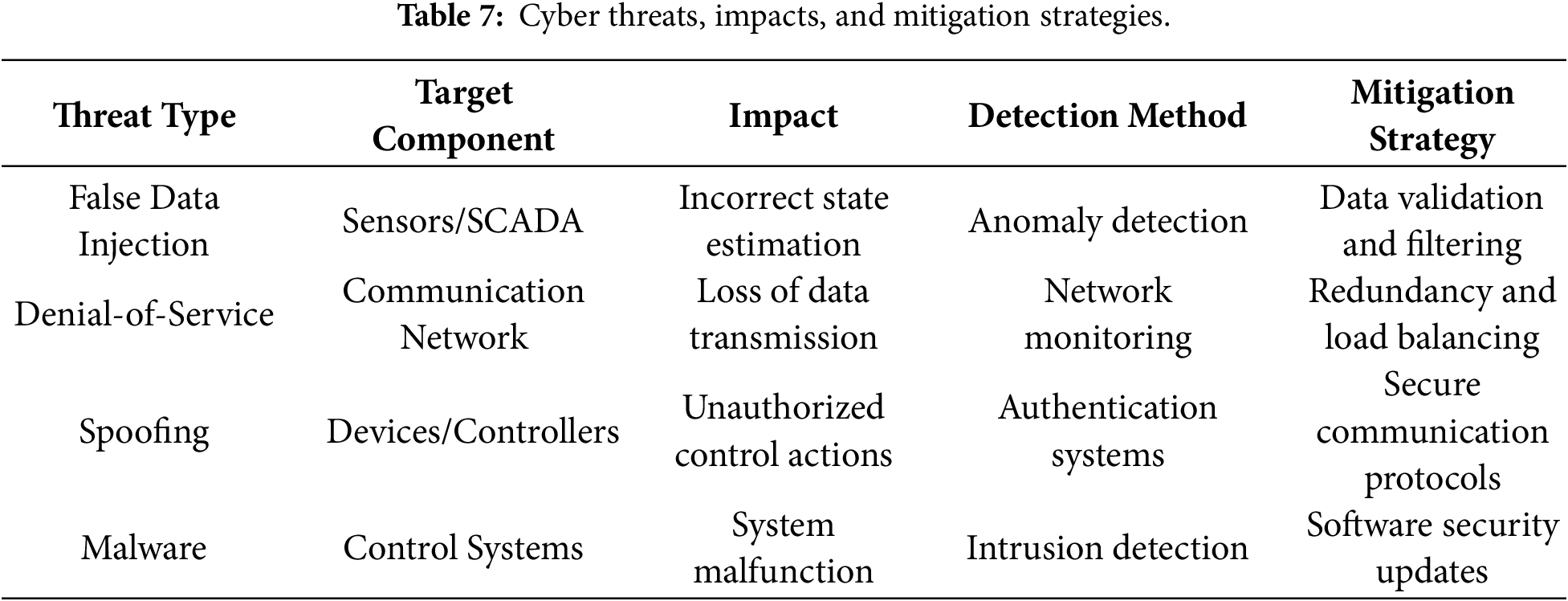
Cyber-physical attacks on energy systems can be categorized based on their methodologies and the effects on the attack’s target. In a false data injection attack, hackers read sensor data and/or the protocol instructions that these systems use to communicate with each other. This is not like other kinds of attacks on information security. They use this to trick a system operator or an automatic control system. People may think the situation is worse than it is because of these attacks, which can lead them to make bad or reckless choices about how to deal with it. These happen when someone tries to block or flood communication channels, which stops important information from getting through. That could make it harder to stay up to date and ask for steps to be taken to help keep things under control. An attacker can use spoofing attacks to pretend to be a real system device or user and send harmful commands or steal sensitive information. These kinds of hacks use software like control algorithms and communication protocols to try to take over systems. It can cause the system to stop working or break down. Risk factors in CPES are still linked to different types of attacks. It necessitates the integration of cyber and physical security into a cohesive framework [73].
8.3 Resilience Mechanisms and Fault Tolerance Strategies
Closed Network Security keeps cyber-physical threats and attacks at bay. The CPES requires certain security measures. Anomaly detection algorithms use machine learning and statistical methods to find strange patterns that could mean a threat or attack is happening inside a system. These technologies help find and fix problems or threats before they become a problem. Fault-finding tools check to see if a problem is caused by a cyber attack or a physical breakdown. Adaptive reconfiguration lets the system change its architecture or replace operating settings on the fly, in response to an event in the environment. This lets the system make changes while it is running. Interventions are actions that fix broken parts or variables in a system so that it can keep working. For example, how we give out power. Isolation techniques let one part of the grid be insulated and work on its own if there are big problems. This technology can make enough power to run both loads. These strategies work together to make CPES stronger against cyber-physical events and help it respond to and recover from them [74].
8.4 Cybersecurity vs. Operational Resilience
Many people use the terms “cybersecurity” and “operational resilience” to mean the same thing, but they don’t mean the same thing. Keeping parts of a computer system safe from cyberattacks that would let people in without permission is the most important part of cybersecurity. It protects itself with things like encryption, authentication, and protection against invasion. Operational resilience, on the other hand, is the ability of a system to keep working or protect against loss when systems fail or people make mistakes, no matter what the cause. Things in the real world and computers can both break down. A safe system that turns off when our model breaks and then turns back on when it works. This type of distinction is crucial for enhancing the generalizability of interventions for prevention and rehabilitation. Table 7 summarizes various cyber threats, their impacts, and corresponding mitigation strategies in CPES [75].
8.5 Role of Artificial Intelligence in Security and Resilience
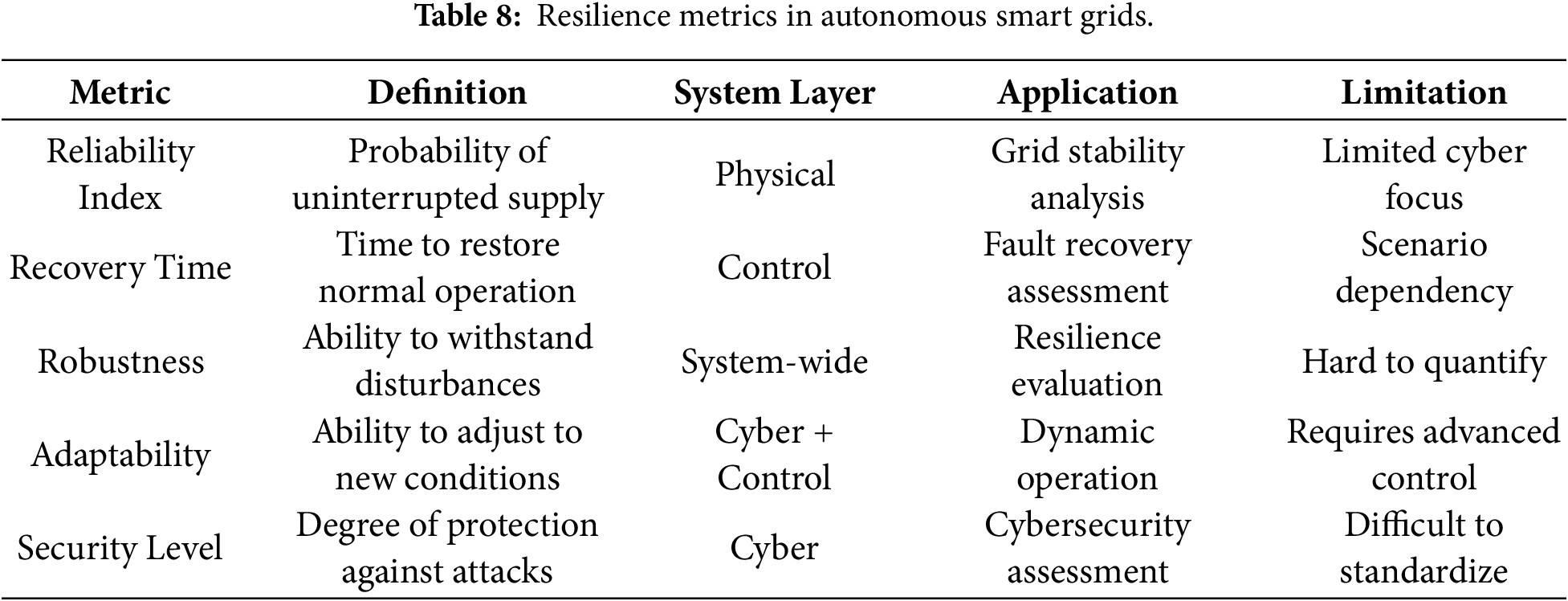
AI can make CPES safer and more reliable in two ways. AI methods, on the other hand, can be pretty good at finding different types of attacks, such as intrusion detection, attack finding, and predictive models for future failures. You can find patterns in large amounts of data by training machine learning algorithms on sequences of data. These patterns may help you come up with ways to stop future breaches, hacks, or system failures that could put your data at risk. It makes it easier and faster to find. But AI systems aren’t safe right away. An attack, whether friendly or not, changes the data that a model uses to make a prediction or do something wrong. It’s hard to blame the person, even if they didn’t commit fraud (which is still possible), because people who don’t know anything about AI models can’t understand or copy them. One would think that this should make people less likely to trust computers to make decisions for them. AI can be a good or bad guy. As technology gets better, we need platforms that are safe and simple to use to make the system more reliable and lower the risk. The evaluation of system resilience across different layers is summarized in Table 8 [76–79].
9 Economics, Market Design, Governance, and Sustainability
9.1 Value Creation in Autonomous Cyber-Physical Energy Systems
Autonomous cyber-physical energy systems (CPESs) have the potential to change how technical management works and make the most money in the next generation of power markets. The concept of energy arbitrage is a lucrative opportunity for both battery stacking systems as well as electronic vehicle fleets. When power is cheap, they store energy; when power is expensive, they release it. Storing energy for a short time makes the system work better and costs less. By taking part in the CPES, an auxiliary service market lets distributed resources offer support like voltage support, frequency regulation, or reserve capacity. Battery storage and fleets of electric vehicles are great at providing these services because they can respond quickly. But another way to make money is through flexibility markets. These markets will let distributed energy resources (DERs), like electric vehicles (EVs) and storage devices, offer flexible capacity as the grid needs it. Decentralized engagement enables system adaptability and improves the incorporation of renewable resources. Fig. 8 shows how value streams depend on each other, which shows that all parts of the system need to work together in a way that is consistent with system performance. 8, which includes economic flows, control systems, and the behavior of stakeholders under the supervision of collaborative autonomous CPES [80].
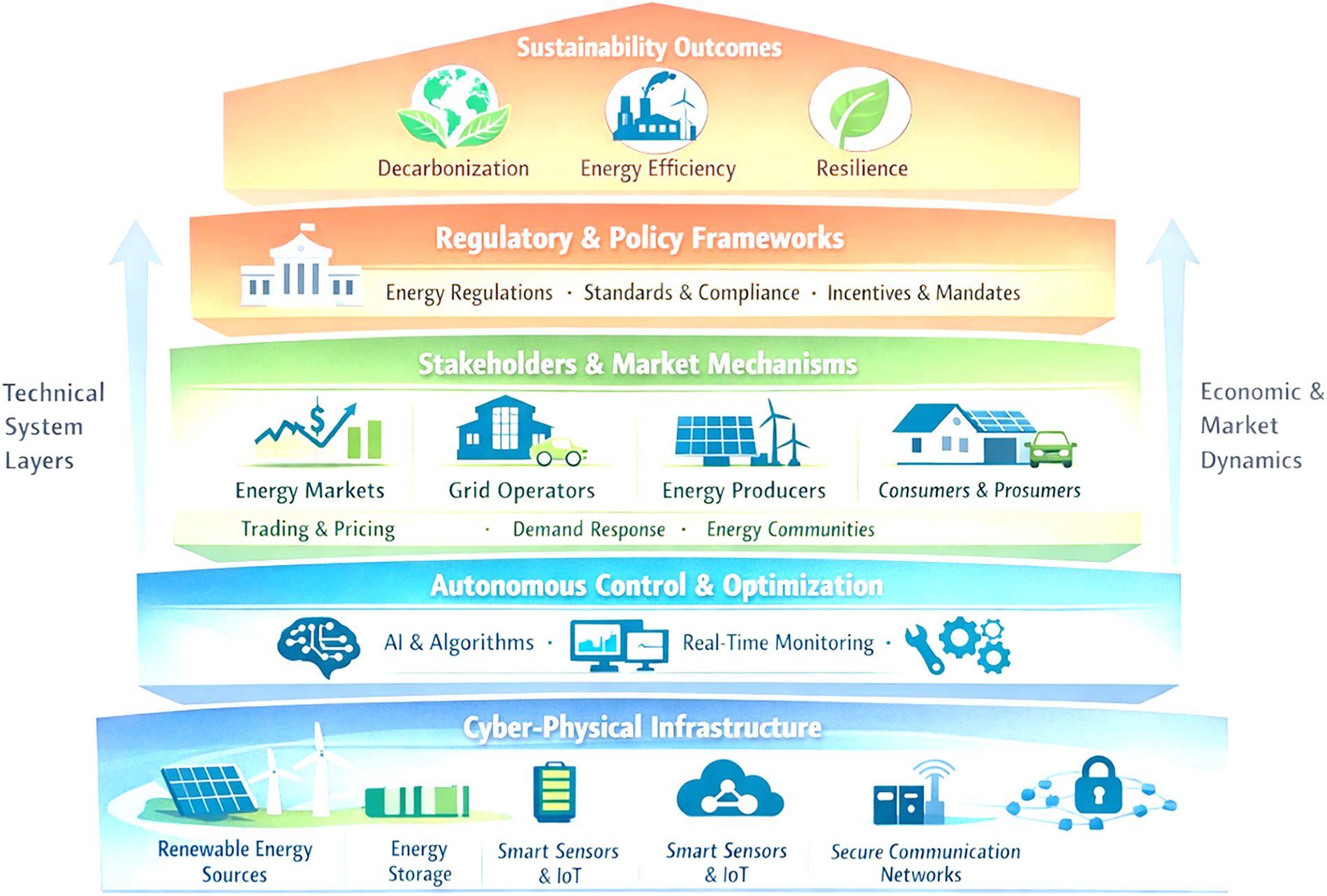
Figure 8: Economic and governance framework for autonomous cyber-physical energy systems (CPES).
9.2 Cost Structures and Economic Constraints
Autonomous CPES is very interesting because of its benefits, but it is also very expensive, which makes it hard for this kind of solution to spread and grow. To make all of these systems work, we will need to spend money on the infrastructure needed for renewable energy generation, storage, charging networks for electric vehicles, and communication technology. The first costs can be high, especially in places where there isn’t already any infrastructure. One reason these costs are going up is because of something called storage degradation, which means that performance gets worse over time and in bad weather. Charge-discharge cycles can cause storage devices to stop working. So, they cost more for grid services. To get better data and run computational processes, existing datasets need more money. People will pay a lot more for digital goods because AI makes hard tasks a lot easier. You need to think about the economic side of cybersecurity because CPES needs to be safe from attacks. In the end, this means you will need to spend money on better technology and safe ways to talk to each other. The system needs to spend more money on operations in order to produce outputs that are valid, accurate, and can be verified [81–83].
9.3 Stakeholder Coordination and Market Participation
Self-bootstrapping CPES will happen as long as a large number of people are willing to work together. Transmission and distribution system operators keep the grid running smoothly and make sure that dispersed resources are used properly. An EV aggregator is a business that owns and runs a fleet of electric vehicles. They work together to offer grid services and take part in electricity markets. They are very important for making electric vehicles work well and grow. In this context, citizens and businesses with distributed energy resources (DERs), like homeowners and businesses that can make and store renewable energy, make it easier to provide system flexibility services and match local energy use. They provide services to the markets and programs that respond to demand, which make the whole system work better. People need to communicate well, follow the same general rules, and be motivated by incentives that align their own interests with the good of society in order for collaboration to work [84].
9.4 Regulatory and Governance Challenges
Challenges in the regulation and management of autonomous, sustainable commercial economic systems. One major challenge to establishing V2G ties within these frameworks is bringing them into new markets. Current regulatory frameworks do not adequately define the roles, responsibilities and remuneration of EV owners and aggregators. Interoperability standards ensure that different components of a system, including renewable generators, storage systems, and electric vehicle charging infrastructure, can work together. System integration is complex, yet it lacks proven standards, so when individual components try to work together, they fail. Data governance is an important aspect, as CPES require massive data to substantiate their decisions. Data Privacy, Security & Ownership Rights—These are keys to ensuring trust among all stakeholders, which promotes user engagement. A summary of regulatory incentives and considerations for implementing CPES deployment is shown in Table 9. It identifies the key economic, policy and sustainability issues [85–88]. Governance frameworks for autonomous CPES should address not only economic incentives but also data ownership, algorithmic accountability, cybersecurity responsibility, interoperability standards, and consumer protection. EV owners, aggregators, distribution operators, renewable generators, storage providers, and market regulators must operate under clearly defined rules. Without transparent governance, decentralized energy markets may suffer from unfair participation, privacy violations, cyber risk, and unclear liability during system failures. Therefore, CPES governance should combine technical standards, cybersecurity compliance, data-sharing protocols, market rules, and resilience obligations [89].
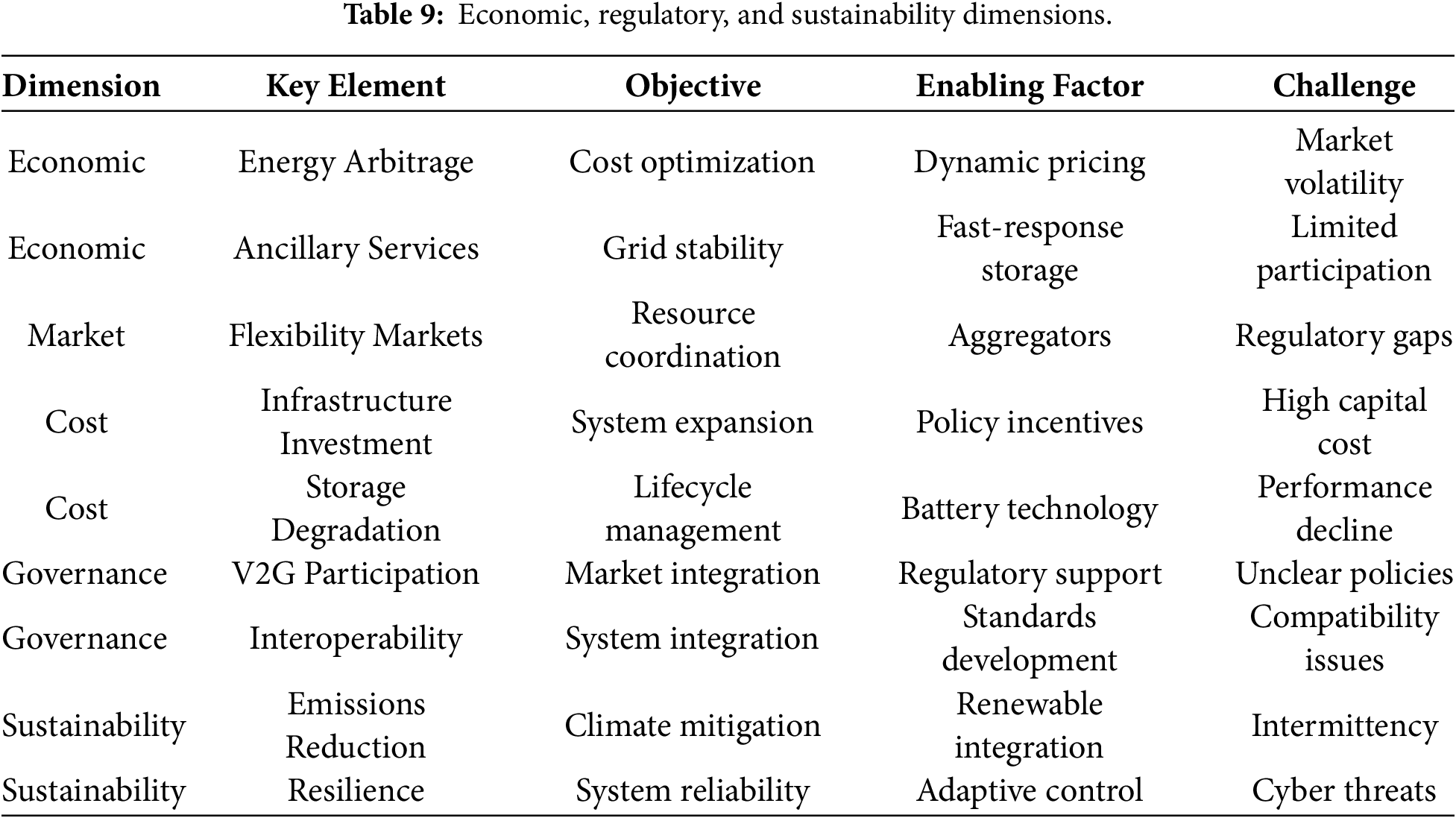
9.5 Sustainability Outcomes and System Impact
Autonomous CPES also helps achieve better sustainability goals by switching to renewable energy sources and slowing down climate change. One of the best things about this change is that it would cut down on pollution. This is mostly based on the idea of reducing dependency on fossil fuels and utilizing more renewable energy. They let architecture and renewables work together by letting them use variable energy whenever it is available. This has fewer limits at this point and works better with the whole system. One of the best things about being autonomous is that these systems are naturally stronger because they can still work even when they aren’t working perfectly. And this makes the energy infrastructure stronger and better able to handle problems. CPES have a positive effect on society in terms of sustainability as well as lowering costs.
10 Integrated Synthesis and Future Research Agenda
10.1 From Isolated Optimization to System-Level Autonomy
The earlier parts of this paper showed that the energy systems would change from independent optimization problems to fully autonomous CPES—cyber-physical energy systems. Researchers have historically focused their efforts on discrete functional components of wealth creation, such as predicting renewable energy generation, managing batteries, and charging electric vehicles. But these models don’t usually talk about how different parts of a system work together. Rather, further research into this type of planning should focus on optimization across system levels, where generation, storage, mobility and control mechanisms are all designed to plan and optimize within a unified framework. One of the most important things about this change is making sure that renewable energy sources, battery storage systems, and fleets of electric cars can all work as well as possible. Integrated models may better show how different things connect over time, like where energy goes, how time is flexible, and how random events happen, than looking at them separately. By optimally balancing renewable resources, this strategy makes the system as a whole less important.
10.2 Distributed and Edge Intelligence in CPES
As CPES expands and becomes more intricate, the transition from centralized management of supervisory control systems to decentralized (edge-based) intelligence becomes essential. The next-generation systems will use the technology to make decisions on their own. This will include things like inverters, EV chargers, and storage systems. Cloud systems let you analyze huge amounts of data at the same time, while Edge computing gives you real-time analytics and faster connection speeds. We will build hybrid architectures and distributed intelligence (edge computing, IoT) that are more centrally controlled. This would make the system more flexible and able to grow. This includes systems with federated learning and multiple agents.
10.3 Real-World Validation and Testbed Development
One of the biggest problems with modern research is that it relies too much on simulations and tests that don’t always lead to real-world use. Validation of these results may transpire via exploratory investigations, pilot initiatives, or independent reviews, in conjunction with continuous testbed operations employing digital twins for data verification. This lets us test the system in real-world situations with users from different backgrounds and situations that aren’t clear. We are working on controlled testbeds and benchmarking strategies to find the best ways to make this go faster. Future implementation may use MATLAB/Simulink, Python-based optimization, GridLAB-D, OpenDSS, OPAL-RT, RTDS, or digital twin platforms for simulation and real-time testing. Hardware-in-the-loop validation can connect simulated grid models with physical controllers, inverters, battery management systems, and EV charging controllers. This would allow the proposed framework to be tested under renewable variability, EV mobility uncertainty, cyberattack events, communication delays, and changing market prices. Such validation can help demonstrate the practical feasibility of autonomous CPES beyond theoretical modeling.
10.4 Making Carbon and Resilience Better
Future grid designs should focus on resilience and sustainability because energy systems will be more complicated and connected. The current methods for measuring economic performance are no longer effective. They will use optimization that takes into account intelligence and resilience to solve life-threatening problems, such as cyber-attacks, hardware failures, and interruptions. When making decisions, estimates should be used to figure out how much carbon is in the air. This will help the environment. This add-on lets you connect directly to our goals, energy, and weather.
10.5 Resilience-Aware and Carbon-Aware Optimization
Another important topic is figuring out how to connect technical domain models to different parts of laws and institutions. Autonomous CPES have advantages in a socio-economic environment that is changing or fluctuating. The performance of the system is affected by market dynamics, rules, and the actions of stakeholders. Engineers, economists, and political scientists work together to find solutions that are both technically sound and politically smart. In addition to compatible interfaces for industries, it will be necessary to create market-based tools that protect flexible services and meet data governance and cybersecurity rules. If this framework is an intermediate study, then a scenario-based validation should be compared to make the article more practically valid. Possible assessments: Traditional Smart grid vs. Digital twin smart grid comprising digitization of smart grids & Autonomous CPES as proposed above evaluate those scenarios in terms of renewable energy use, electric vehicle charging flexibility, response time, forecasting accuracy or ability to recover from cyber threat events and extent of self-configuration. The legacy smart grid paradigm is characterized by mostly centralized and reactive control decisions for coordination. For example, an integrated digital twin enables the enhancement of system observability and predictive analysis with a physical boundary that facilitates a sustainable smart grid, although control autonomy might be subject to limitations in the same context. The proposed autonomous CPES employs a closed-loop system relying on digital twins, edge intelligence, AI forecasting, storage scheduling, EV coordination and advanced cybersecurity protocols. Such comparative validation could demonstrate how the proposed framework improves operational responsiveness, renewable integration, distributed decision-making and resilience of decentralized energy ecosystems.
This study explores an emerging paradigm of autonomous cyber-physical energy systems, merging solar-wind hybrid generation, battery energy storage, electric vehicles, artificial intelligence (AI), digital twins, cybersecurity and governance in smart grids. In the paper, it is argued that autonomy in CPES should not be thought of as a characteristic of a unique algorithm, device or control layer. Autonomy is a result of the combined interplay of physical, sensing, communication and data-driven resources, adaptive control and cyber-resilience mechanisms, market processes and regulatory oversight. In this respect, the research advances to establish a holistic conceptual framework beyond the optimization of renewables separately (e.g., power generation, storage, or vehicle charging). To achieve their technical targets, self-optimizing CPES needs closed-loop forecasting, multi-timescale uncertainty modeling, edge/cloud intelligence with digital twin orchestration involving coordinated storage–EV flexibility, a resilient V2G interface, and resilience-aware market involvement. Electric vehicles, aggregators, smart contracts and grid-edge controllers are enabling real-time energy transactions, and cybersecurity and post-quantum readiness need to be foundational design features of decentralized energy systems. The scope of the research is conceptual and review-oriented. Future studies will require validation of the proposed architecture with digital twin testbeds, hardware-in-the-loop simulation, empirical EV charging data, renewable generation data streams, battery degradation models and cyber-attack scenarios. In this context, comparative benchmarking against traditional smart grids, AI-only control models, blockchain trading platforms, and digital twin architectures. Delayed and automated CPES may offer a potential pathway to resilient, low-carbon, secure and self-optimizing energy ecosystems, but their eventual realisation requires technical demonstration, interoperability standards, cybersecurity readiness, economic viability and adaptive governance.
Acknowledgement: Not applicable.
Funding Statement: The authors received no specific funding for this study.
Author Contributions: The authors confirm contribution to the paper as follows: Conceptualization: Jalpa Thakkar and Mohan Kolhe; Methodology: Sidhharth Shankar Mishra and Deva Brinda Deepak; Investigation: Sidhharth Shankar Mishra and Mohan Kolhe; Formal analysis: Sidhharth Shankar Mishra and S. Vidyasagar; Resources: Jalpa Thakkar and Mohan Kolhe; Data curation: Sidhharth Shankar Mishra and Deva Brinda Deepak; Writing—original draft preparation: Sidhharth Shankar Mishra; Writing—review and editing: Jalpa Thakkar, S. Vidyasagar and Mohan Kolhe; Visualization: Deva Brinda Deepak; Supervision: Jalpa Thakkar and Mohan Kolhe; Project administration: Jalpa Thakkar. All authors reviewed and approved the final version of the manuscript.
Availability of Data and Materials: The data supporting the findings of this study are available from the corresponding author upon reasonable request.
Ethics Approval: Not applicable.
Conflicts of Interest: Given his role as an Editorial Board Member of this journal, Mohan Kolhe had no involvement in the peer review or editorial handling of this article and had no access to information regarding its peer review. Full responsibility for the editorial process for this article was delegated to another journal editor. The authors declare no conflicts of interest.
References
1. Oladigbolu J, Bakare MS, Motlagh SG, Mujeeb A, Li L. A review on transport and power systems planning-operation integrating electric vehicles, energy storage, and other distributed energy resources. J Energy Storage. 2025;135:118419. doi:10.1016/j.est.2025.118419. [Google Scholar] [CrossRef]
2. Jiang L, Chen X, Li Q. Evolution of smart grid cybersecurity: toward a systematic framework for collaborative and sustainable development. J Urban Plan. 2025;97(4):102081. doi:10.1016/j.jup.2025.102081. [Google Scholar] [CrossRef]
3. Naith QH, Almalki FA. Energy-efficient machine learning paradigms for holistic power quality reinforcement in IoT-enabled smart grid environments. Sustain Comput Inform Syst. 2026;50(3):101332. doi:10.1016/j.suscom.2026.101332. [Google Scholar] [CrossRef]
4. Chen C. Demand response: an enabling technology to achieve energy efficiency in a smart grid. In: Smart grid handbook. Amsterdam, The Netherlands: Elsevier; 2018. p. 143–71. doi:10.1016/b978-0-12-803128-5.00004-0. [Google Scholar] [CrossRef]
5. Shamkhi A, Jasim BH, Alhasnawi BN, Jasim AM, Soběslav V, Bureš V. A centralized control architecture of a hybrid photovoltaic, wind turbine, and battery autonomous microgrid with a support diesel generator. Energy Convers Manag X. 2025;28(3):101387. doi:10.1016/j.ecmx.2025.101387. [Google Scholar] [CrossRef]
6. Mohd Azmi KH, Mohamed Radzi NA, Azhar NA, Samidi FS, Zulkifli IT, Zainal AM. Active electric distribution network: applications, challenges, and opportunities. IEEE Access. 2022;10(11):134655–89. doi:10.1109/ACCESS.2022.3229328. [Google Scholar] [CrossRef]
7. Deng J, Cao Y, Mi Y, Jiang W. A coordinated power control strategy for adaptive operation and performance enhancement in hybrid AC/DC microgrid. Electr Power Syst Res. 2026;252(2):112440. doi:10.1016/j.epsr.2025.112440. [Google Scholar] [CrossRef]
8. Massano M, Domingo CM, Macii E, Patti E, Bottaccioli L. A scalable and flexible solution to evaluate the effects of the integration of photovoltaic distributed generation systems within the electrical grid. Sustain Energy Grids Netw. 2025;43(2):101732. doi:10.1016/j.segan.2025.101732. [Google Scholar] [CrossRef]
9. Reiszadeh M, Narimani H, Fazel MS. Improving convergence properties of autonomous demand side management algorithms. Int J Electr Power Energy Syst. 2023;146(4):108764. doi:10.1016/j.ijepes.2022.108764. [Google Scholar] [CrossRef]
10. Zuo K, Wu L. A review of decentralized and distributed control approaches for islanded microgrids: novel designs, current trends, and emerging challenges. Electr J. 2022;35(5):107138. doi:10.1016/j.tej.2022.107138. [Google Scholar] [CrossRef]
11. Abdelmalak M, Venkataramanan V, Macwan R. A survey of cyber-physical power system modeling methods for future energy systems. IEEE Access. 2022;10(12):99875–96. doi:10.1109/ACCESS.2022.3206830. [Google Scholar] [CrossRef]
12. Feng C, Wang Y, Chen Q, Ding Y, Strbac G, Kang C. Smart grid encounters edge computing: opportunities and applications. Adv Appl Energy. 2021;1(4):100006. doi:10.1016/j.adapen.2020.100006. [Google Scholar] [CrossRef]
13. National Institute of Standards and Technology. Framework for cyber-physical systems: overview. Vol. 1. Gaithersburg, MD, USA: NIST; 2017. doi:10.6028/NIST.SP.1500-201. [Google Scholar] [CrossRef]
14. Radtke J, Canzler W. Editorial: energy transitions in times of crisis: a social science perspective: special issue on governance, justice, energy security, and decentralization in Europe’s energy transitions. Renew Sustain Energy Rev. 2026;230:116717. doi:10.1016/j.rser.2026.116717. [Google Scholar] [CrossRef]
15. Afrin S, Al Muttaki MR, Anil AIA, Hasan S. AI-powered cybersecurity for smart grid communication: a systematic review of intrusion detection and threat mitigation systems. Energy Convers Manag X. 2026;29:101416. doi:10.1016/j.ecmx.2025.101416. [Google Scholar] [CrossRef]
16. Snyder H. Literature review as a research methodology: an overview and guidelines. J Bus Res. 2019;104(5):333–9. doi:10.1016/j.jbusres.2019.07.039. [Google Scholar] [CrossRef]
17. Xiao Y, Watson M. Guidance on conducting a systematic literature review. J Plan Educ Res. 2019;39(1):93–112. doi:10.1177/0739456X17723971. [Google Scholar] [CrossRef]
18. Mwasilu F, Justo JJ, Kim EK, Do TD, Jung JW. Electric vehicles and smart grid interaction: a review on vehicle to grid and renewable energy sources integration. Renew Sustain Energy Rev. 2014;34(3):501–16. doi:10.1016/j.rser.2014.03.031. [Google Scholar] [CrossRef]
19. Ethirajan V, Mangaiyarkarasi SP. An in-depth survey of latest progress in smart grids: paving the way for a sustainable future through renewable energy resources. J Electr Syst Inf Technol. 2025;12(1):9. doi:10.1186/s43067-025-00195-z. [Google Scholar] [CrossRef]
20. Page MJ, McKenzie JE, Bossuyt PM, Boutron I, Hoffmann TC, Mulrow CD, et al. The PRISMA, 2020 statement: an updated guideline for reporting systematic reviews. BMJ. 2021;372:n71. doi:10.1136/bmj.n71. [Google Scholar] [CrossRef]
21. Higgins JPT, Thomas J, Chandler J, Cumpston M, Li T, Page MJ, et al. Cochrane handbook for systematic reviews of interventions. 2nd ed. Chichester, UK: Wiley-Blackwell; 2019. doi:10.1002/9781119536604. [Google Scholar] [CrossRef]
22. Liu J, Liu Y, Shen Q, Li K, Chen Y. A hybrid artificial intelligence and deep learning architecture for accurate renewable energy forecasting: comprehensive case studies on wind and PV power. Sustain Energy Technol Assess. 2026;85(18):104812. doi:10.1016/j.seta.2025.104812. [Google Scholar] [CrossRef]
23. Tranfield D, Denyer D, Smart P. Towards a methodology for developing evidence-informed management knowledge by means of systematic review. Br J Manag. 2003;14(3):207–22. doi:10.1111/1467-8551.00375. [Google Scholar] [CrossRef]
24. Cirrincione G, Di Silvestre M, Musca R, Naeem Z, Sanseverino ER, Sciumè G, et al. A review of multimodal large language models for smart grids management and control. Sustain Energy Grids Netw. 2026;46(49):102207. doi:10.1016/j.segan.2026.102207. [Google Scholar] [CrossRef]
25. Hasan MK, Hasan MM, Awouda AE, Mokhtar UA, Islam S, Elshafie H, et al. Smart grid cyber-physical systems: components, vulnerabilities, mitigations, opportunities, and conceptual framework. Energy Rep. 2026;15(10):109255. doi:10.1016/j.egyr.2026.109255. [Google Scholar] [CrossRef]
26. Sheta AN, Sedhom BE, Eladl AA, Bureš V, El-Afifi MI. Cybersecurity challenges in integrated energy systems with cyber-physical integration: a review. Energy Strategy Rev. 2026;64:102159. doi:10.1016/j.esr.2026.102159. [Google Scholar] [CrossRef]
27. Ma G, Wang H, Xia M, Bevrani H, Chen Z, Yang J. A cyber-physical framework for estimating inertia distribution in power systems. Int J Electr Power Energy Syst. 2026;175(1):111578. doi:10.1016/j.ijepes.2026.111578. [Google Scholar] [CrossRef]
28. Liu Q, Li X, Tan KH, Ah KH. A review of AIoT-enabled cyber-physical systems in building energy management: towards intelligent operation. Appl Energy. 2026;409(15):127482. doi:10.1016/j.apenergy.2026.127482. [Google Scholar] [CrossRef]
29. Li Y, He S, Li Y, Shi Y, Zeng Z. Federated multiagent deep reinforcement learning approach via physics-informed reward for multimicrogrid energy management. IEEE Trans Neural Netw Learn Syst. 2024;35(5):5902–14. doi:10.1109/TNNLS.2022.3232630. [Google Scholar] [CrossRef]
30. Jain DK, Neelakandan S, Veeramani T, Bhatia S, Memon FH. Design of fuzzy logic based energy management and traffic predictive model for cyber physical systems. Comput Electr Eng. 2022;102(1):108135. doi:10.1016/j.compeleceng.2022.108135. [Google Scholar] [CrossRef]
31. Ghanbari-Ghalehjoughi M, Taghizad-Tavana K, Nojavan S. Resilient operation of the renewable energy and battery energy storages based smart distribution grid considering physical-cyber-attacks. J Energy Storage. 2023;62(1):106950. doi:10.1016/j.est.2023.106950. [Google Scholar] [CrossRef]
32. Li ZL, Li P, Xia J, Yuan ZP. Cyber-physical-social system scheduling for multi-energy microgrids with distribution network coordination. Int J Electr Power Energy Syst. 2023;149(1):109054. doi:10.1016/j.ijepes.2023.109054. [Google Scholar] [CrossRef]
33. Guan X, Sun X, Cao X, Zhai Q, Jia QS, Xu Z, et al. Cyber-physical energy system for the energy revolution: a comprehensive solution for system design and operation. Cyber-Phys Energy Syst. 2025;1(1):3–13. doi:10.1016/j.cpes.2025.09.003. [Google Scholar] [CrossRef]
34. Weschenfelder F, Leite GNP, Costa ACA, Vilela OC, Ribeiro CM, Ochoa AAV, et al. A review on the complementarity between grid-connected solar and wind power systems. J Clean Prod. 2020;257:120617. doi:10.1016/j.jclepro.2020.120617. [Google Scholar] [CrossRef]
35. Dahane AS, Sharma RB. Hybrid AC-DC microgrid coordinated control strategies: a systematic review and future prospect. Renew Energy Focus. 2024;49(2):100553. doi:10.1016/j.ref.2024.100553. [Google Scholar] [CrossRef]
36. Sudiarto B, Jufri FH, Angkasa FF, Widyanto AN, Hudaya C, Husnayain F, et al. Battery technology for utility-scale battery energy storage system applications: a comparative review. J Energy Storage. 2026;149(334):120211. doi:10.1016/j.est.2025.120211. [Google Scholar] [CrossRef]
37. Solat A, Gharehpetian GB, Naderi MS, Anvari-Moghaddam A. A novel consensus-based control method for SoC balancing of distributed energy storage systems in isolated AC microgrids. Int J Electr Power Energy Syst. 2026;176(8):111692. doi:10.1016/j.ijepes.2026.111692. [Google Scholar] [CrossRef]
38. Cao Y, Zhang Y, Cao M. Exploring the influence of socio-demographic characteristics on the intention to share private electric vehicle chargers. Travel Behav Soc. 2025;41(5):101084. doi:10.1016/j.tbs.2025.101084. [Google Scholar] [CrossRef]
39. Pandit D, Bera A, Nguyen T, Byrne RH, Chalamala B, Pierre JW, et al. Frequency support from electric vehicles for advancing renewable energy integration. IEEE Trans Power Syst. 2025;40(1):636–49. doi:10.1109/TPWRS.2024.3391211. [Google Scholar] [CrossRef]
40. Wang J, Wang Z, Yang B, Liu F, Wei W, Guan X. V2G for frequency regulation service: a Stackelberg game approach considering endogenous uncertainties. IEEE Trans Transp Electrif. 2024;11(1):463–75. doi:10.1109/TTE.2024.3392496. [Google Scholar] [CrossRef]
41. Wang J, Li F, Fang X, Wang W, Cui H, Zhang Q, et al. Electric vehicles charging time constrained deliverable provision of secondary frequency regulation. IEEE Trans Smart Grid. 2024;15(4):3892–903. doi:10.1109/TSG.2024.3356948. [Google Scholar] [CrossRef]
42. Zhang C, Yi X, Liao Q. Demand-side management for smart homes with battery energy storage systems and electric vehicles integration under day-ahead pricing. J Energy Storage. 2026;160:121782. doi:10.1016/j.est.2026.121782. [Google Scholar] [CrossRef]
43. Wang Z, Hu X, Zhao J, Liu F, Si L. Robust optimization of electric bus charging-operation scheduling considering charging discrepancy. Sustain Energy Grids Netw. 2026;45(1):102084. doi:10.1016/j.segan.2025.102084. [Google Scholar] [CrossRef]
44. Chen R, Hobbs BF, Lu Z, Qiao Y, Shi R. Cost-effective and reliable power system transitions under deep uncertainty: a multi-scenario multi-objective robust decision making framework. Int J Electr Power Energy Syst. 2026;177(8):111766. doi:10.1016/j.ijepes.2026.111766. [Google Scholar] [CrossRef]
45. Zhang Y, Wang X, Nie G, He C, Yang Y, He M, et al. Robust dispatch of multi-electrolyzer systems for renewable energy hydrogen production under wind forecast uncertainty. Appl Energy. 2026;409:127483. doi:10.1016/j.apenergy.2026.127483. [Google Scholar] [CrossRef]
46. Olauson J, Viotti O, Huss J. The HEFTCom2024 winning model: a stacked CatBoost approach for probabilistic wind and solar power forecasting. Int J Forecast. 2026;42(3):724–35. doi:10.1016/j.ijforecast.2026.02.005. [Google Scholar] [CrossRef]
47. Zheng Y, Luo S, Hu W, Zhang Z, Huang Q, Chen Z, et al. Construction of uncertainty models for renewable energy systems on multiple time scales. In: Proceedings of the 2022 IEEE 6th Conference on Energy Internet and Energy System Integration (EI2); 2022 Nov 11–13; Chengdu, China. p. 561–7. doi:10.1109/EI256261.2022.10116873. [Google Scholar] [CrossRef]
48. Liu YS, Tayarani M, Gao HO. An activity-based travel and charging behavior model for simulating battery electric vehicle charging demand. Energy. 2022;258(6288):124938. doi:10.1016/j.energy.2022.124938. [Google Scholar] [CrossRef]
49. Zhao Z, Yu B, Wu Y, Fu J, Dai Y, Wang P, et al. Dynamic energy storage pricing for virtual power plants via bilevel game optimization under multiple uncertainties. J Energy Storage. 2026;154(2):121259. doi:10.1016/j.est.2026.121259. [Google Scholar] [CrossRef]
50. Guo W, Xiao Y, Cheng S, Lu H. Scenario-based robust optimization for large-scale traffic networks. Expert Syst Appl. 2026;319(5):132086. doi:10.1016/j.eswa.2026.132086. [Google Scholar] [CrossRef]
51. Wang S, Li Y, Shao C, Wang P, Wang A, Zhuge C. An adaptive spatio-temporal graph recurrent network for short-term electric vehicle charging demand prediction. Appl Energy. 2025;383:125320. doi:10.1016/j.apenergy.2025.125320. [Google Scholar] [CrossRef]
52. Li Y, Ding Y, He S, Hu F, Duan J, Wen G, et al. Artificial intelligence-based methods for renewable power system operation. Nat Rev Electr Eng. 2024;1(3):163–79. doi:10.1038/s44287-024-00018-9. [Google Scholar] [CrossRef]
53. Benitez IB, Singh JG. A comprehensive review of machine learning applications in forecasting solar PV and wind turbine power output. J Electr Syst Inf Technol. 2025;12(1):54. doi:10.1186/s43067-025-00239-4. [Google Scholar] [CrossRef]
54. Joobeni AY, Naghavi M, Ahmadi A, Dashti R. A constrained-optimization ensemble of deep learning models for sector-specific electric load forecasting. Results Eng. 2026;30(3):110298. doi:10.1016/j.rineng.2026.110298. [Google Scholar] [CrossRef]
55. Zohaib A, Akram F, Khalid S, Nawaz H, Rehman MU. Hybrid deep learning based load forecasting and AI-driven energy management for grid-connected multi-microgrids. Comput Electr Eng. 2026;131(3):110915. doi:10.1016/j.compeleceng.2025.110915. [Google Scholar] [CrossRef]
56. Hajialigol P, Papadopoulos P, Moazami A, Aghaei M. A hierarchical energy management system for a cluster of buildings: reinforcement learning and model predictive control (RL-MPC) approach. Energy Build. 2026;353(9):116879. doi:10.1016/j.enbuild.2025.116879. [Google Scholar] [CrossRef]
57. Du Y, Li F. Intelligent multi-microgrid energy management based on deep neural network and model-free reinforcement learning. IEEE Trans Smart Grid. 2020;11(2):1066–76. doi:10.1109/TSG.2019.2930299. [Google Scholar] [CrossRef]
58. Sanchez J, Cai J. Building demand response control through constrained reinforcement learning with linear policies. Appl Energy. 2025;398(6):126404. doi:10.1016/j.apenergy.2025.126404. [Google Scholar] [CrossRef]
59. Ardebili AA, Zappatore M, Ramadan AIHA, Longo A, Ficarella A. Digital twins of smart energy systems: a systematic literature review on enablers, design, management and computational challenges. Energy Inform. 2024;7(1):94. doi:10.1186/s42162-024-00385-5. [Google Scholar] [CrossRef]
60. Minerva R, Lee GM, Crespi N. Digital twin in the IoT context: a survey on technical features, scenarios, and architectural models. Proc IEEE. 2020;108(10):1785–824. doi:10.1109/JPROC.2020.2998530. [Google Scholar] [CrossRef]
61. Tao F, Xiao B, Qi Q, Cheng J, Ji P. Digital twin modeling. J Manuf Syst. 2022;64(4):372–89. doi:10.1016/j.jmsy.2022.06.015. [Google Scholar] [CrossRef]
62. Ramos D, Faria P, Vale Z. Linking short-term electricity demand forecasting and explainable AI: a review for building energy applications. Appl Energy. 2026;412(8):127658. doi:10.1016/j.apenergy.2026.127658. [Google Scholar] [CrossRef]
63. Ahmed A, Shuvo AA, Shah R, Islam MR. Impact of EV charging scheduling and demand side management on overall load profile: an Australian case study. Electr Power Syst Res. 2026;257(1):112948. doi:10.1016/j.epsr.2026.112948. [Google Scholar] [CrossRef]
64. de Graaf JA, Stok FM, de Wit JBF, Bal M. Understanding behavioral factors influencing EV smart charging: a mixed-method study of citizens’ capabilities, opportunities, and motivations. Energy Policy. 2026;210(6):115060. doi:10.1016/j.enpol.2025.115060. [Google Scholar] [CrossRef]
65. Ullah Z, Kotb KM, Elkadeem MR, Yan L, Khan T, Qazi HS, et al. Integrating electric vehicles and renewable energy in modern power systems: a review of EV charging station design, control strategies, and emerging trends. Ain Shams Eng J. 2025;16(10):103592. doi:10.1016/j.asej.2025.103592. [Google Scholar] [CrossRef]
66. Radha Krishnan TR, Satpathy PR, Ramachandaramurthy VK, Dollah Z, Pulenthirarasa S, Ramasamy A. Optimizing vehicle-to-grid systems: smart integration of shared autonomous and conventional electric vehicles. ETransportation. 2025;24(1):100401. doi:10.1016/j.etran.2025.100401. [Google Scholar] [CrossRef]
67. İnci M, Savrun MM, Çelik Ö. Integrating electric vehicles as virtual power plants: a comprehensive review on vehicle-to-grid (V2G) concepts, interface topologies, marketing and future prospects. J Energy Storage. 2022;55(1):105579. doi:10.1016/j.est.2022.105579. [Google Scholar] [CrossRef]
68. Qian K, Fachrizal R, Munkhammar J, Ebel T, Adam R. Large-scale EV charging scheduling considering on-site PV generation by combining an aggregated model and sorting-based methods. Sustain Cities Soc. 2024;107(6):105453. doi:10.1016/j.scs.2024.105453. [Google Scholar] [CrossRef]
69. Ghatak SR, Tripathy S, Bhende CN, Nandi S, Sannigrahi S, Acharjee P. Collaborative planning and scheduling framework of EV charging infrastructure with Vehicle-to-Grid facility in a renewable integrated smart grid. Comput Electr Eng. 2026;130(1):110911. doi:10.1016/j.compeleceng.2025.110911. [Google Scholar] [CrossRef]
70. Ronanki D, Karneddi H. Electric vehicle charging infrastructure: review, cyber security considerations, potential impacts, countermeasures, and future trends. IEEE J Emerg Sel Top Power Electron. 2024;12(1):242–56. doi:10.1109/JESTPE.2023.3336997. [Google Scholar] [CrossRef]
71. Mohanty PK, Jena P, Padhy NP. A federated transformer-based framework for uncertainty-aware and privacy-preserving EV scheduling with digital twin reinforcement learning. Electr Power Syst Res. 2026;258(1):113021. doi:10.1016/j.epsr.2026.113021. [Google Scholar] [CrossRef]
72. Manias DM, Saber AM, Radaideh MI, Gaber AT, Maniatakos M, Zeineldin HH, et al. Trends in smart grid cyber-physical security: components, threats, and solutions. IEEE Access. 2024;12:161329–56. doi:10.1109/ACCESS.2024.3477714. [Google Scholar] [CrossRef]
73. Abbasi AR, Mohammadi M. Engineering a resilient smart grid: practical defense mechanisms and deployable framework against evolving cyber-threats. Results Eng. 2026;30(4):109893. doi:10.1016/j.rineng.2026.109893. [Google Scholar] [CrossRef]
74. Azimi Z, Afshar A. CIL: cyber security index level of cyber-physical systems: a robust stochastic game approach using MITRE ATT&CK framework. Syst Control Lett. 2025;204(7):106207. doi:10.1016/j.sysconle.2025.106207. [Google Scholar] [CrossRef]
75. Ahmad HB, Gao H, Latif N. Graph intelligence for IoT and CPS security: from connectivity patterns to cyber-physical reasoning. Comput Sci Rev. 2026;61(14s):100978. doi:10.1016/j.cosrev.2026.100978. [Google Scholar] [CrossRef]
76. Alhasnawi BN, Sadeq AM, Homod RZ, Hussain FFK, Soběslav V, Bureš V. An extensive examination of cyberattacks, cybersecurity, and energy management in smart grid, including new advancements and machine learning. Energy Convers Manag X. 2026;29(15):101471. doi:10.1016/j.ecmx.2025.101471. [Google Scholar] [CrossRef]
77. Khalaf M, Ayad A, Tushar MHK, Kassouf M, Kundur D. A survey on cyber-physical security of active distribution networks in smart grids. IEEE Access. 2024;12(1):29414–44. doi:10.1109/ACCESS.2024.3364362. [Google Scholar] [CrossRef]
78. Sakhnini J, Karimipour H, Dehghantanha A, Parizi RM, Srivastava G. Security aspects of Internet of Things aided smart grids: a bibliometric survey. Internet Things. 2021;14(4):100111. doi:10.1016/j.iot.2019.100111. [Google Scholar] [CrossRef]
79. Alanazi M, Mahmood A, Chowdhury MJM. SCADA vulnerabilities and attacks: a review of the state-of-the-art and open issues. Comput Secur. 2023;125(2):103028. doi:10.1016/j.cose.2022.103028. [Google Scholar] [CrossRef]
80. Singh A, Sampath LPMI, Nguyen DH, Gooi HB, Nguyen HD. A multi-agent framework for P2P energy trading with EV aggregators supporting V2X services. IEEE Trans Veh Technol. 2024;73(12):18548–59. doi:10.1109/TVT.2024.3450879. [Google Scholar] [CrossRef]
81. Cepeda V, Pérez JF. Deep-learning-based optimal auction design in electricity markets. Energy Econ. 2026;155(3):109176. doi:10.1016/j.eneco.2026.109176. [Google Scholar] [CrossRef]
82. Christine AF, Hakam DF, Nainggolan YA, Wiryono SK, Hakam LI. Environmental, social, and governance (ESG) impact on corporate financial strategy of energy and utilities companies worldwide. Energy Strategy Rev. 2025;62(11):101916. doi:10.1016/j.esr.2025.101916. [Google Scholar] [CrossRef]
83. Li E, Zhang H, Zhang J, Gao M, Wang Z, Xu C, et al. Blockchain-based green power trading strategy for park energy Internet. Energy Rep. 2026;15:109271. doi:10.1016/j.egyr.2026.109271. [Google Scholar] [CrossRef]
84. Chen C, Bose S, Mount TD, Tong L. Wholesale market participation of DERAs: DSO-DERA-ISO coordination. IEEE Trans Power Syst. 2024;39(5):6605–14. doi:10.1109/TPWRS.2024.3352003. [Google Scholar] [CrossRef]
85. Tansuchat R, Yosthongngam S. Promoting green economic growth: the role of renewable energy, energy efficiency, environmental regulation, and governance in the G7 countries. Energy Rep. 2026;15(1):108918. doi:10.1016/j.egyr.2025.12.055. [Google Scholar] [CrossRef]
86. Kuziboev B, Radulescu M, Çatık AN, Makhmudov S, Balli E, Allayarov S. Fighting against energy consumption risk by diversifying energy sources. Energy Rep. 2026;15(1):108911. doi:10.1016/j.egyr.2025.12.048. [Google Scholar] [CrossRef]
87. Safari A, Ismael D, Safari M, Freihaut J. From comparison to integration: building energy simulation tool variability and the case for intelligent retrofit workflows. Energy Rep. 2026;15(7–8):108880. doi:10.1016/j.egyr.2025.12.017. [Google Scholar] [CrossRef]
88. Wu C, Mohsenian-Rad H, Huang J. Vehicle-to-aggregator interaction game. IEEE Trans Smart Grid. 2012;3(1):434–42. doi:10.1109/TSG.2011.2166414. [Google Scholar] [CrossRef]
89. Kashyap S, Schwinger W, Grünberger S, Schaffer C, Hartner G. Energy data governance fragmentation in Europe: Challenges, models, and pathways to integration. In: Proceedings of the 2025 21st International Conference on the European Energy Market (EEM); 2025 May 27–29; Lisbon, Portugal. New York, NY, USA: IEEE; 2025. p. 1–6. doi:10.1109/EEM64765.2025.11050331. [Google Scholar] [CrossRef]
Cite This Article
 Copyright © 2026 The Author(s). Published by Tech Science Press.
This work is licensed under a Creative Commons Attribution 4.0 International License , which permits unrestricted use, distribution, and reproduction in any medium, provided the original work is properly cited.
 Downloads
 Citation Tools
