
 Login
Login Register
 Submit a Paper
 Propose a Special lssue
 Open Access
REVIEW

The Hydrogen Paradigm and Global Hydrogen Transition—Environmental Challenges and Strategic Steps towards a Sustainable Energy System
1 Department of Physical Planning, Varazdin County, Varazdin, Croatia
2 Plinacro, Ltd., Gas Tansmission System Operator, Savska Cesta 88a, Zagreb, Croatia
3 Faculty of Traffic and Transport Sciences, University of Zagreb, Zagreb, Croatia
* Corresponding Author: Predrag Brlek. Email:
Energy Engineering 2026, 123(3), 1 https://doi.org/10.32604/ee.2026.075211
Received 27 October 2025; Accepted 16 January 2026; Issue published 27 February 2026
 View Full Text
 Download PDF
Abstract
Discussions about the future of energy sources and environmental sustainability are becoming critical on a global scale. The energy sector plays a central role in the economy, as the availability and cost of energy influence the competitiveness of economies, while the level of energy consumption impacts the standard of living for individuals. This paper aims to examine environmental challenges and steps for a sustainable transition towards a hydrogen economy, focusing on its potential as an alternative to fossil fuels and the importance of developing the hydrogen paradigm. The research methodology is based on a combination of qualitative and quantitative methods, including an analysis of global and regional trends in the energy transition, the impact of various forms of hydrogen production (green, blue, gray hydrogen) on greenhouse gas emissions, and a comparison of existing policies and strategies in different countries transitioning to a sustainable hydrogen economy. Research results show that green hydrogen, produced via electrolysis using renewable energy sources, holds the greatest potential for reducing greenhouse gas emissions, while gray and blue hydrogen can serve as transitional options. The development of the hydrogen paradigm, rooted in innovative technologies, renewable energy sources, and international cooperation, is crucial for decarbonization and the creation of a sustainable global economy, despite challenges such as high costs and the need for global coordination. The hydrogen paradigm is becoming a cornerstone of these efforts, laying the foundation for a long-term, sustainable global economy. Currently, over 180 hydrogen transport projects, 60 distribution projects, 80 storage projects, 30 terminal and port projects, and more than 220 hydrogen production projects are under development worldwide. The global momentum of the hydrogen transition helps mitigate climate change and build a sustainable future.Keywords
Hydrogen is often seen as a ‘clean’ energy source, but its production and distribution can result in greenhouse gas emissions, especially if conventional methods using fossil fuels are employed. Moreover, the sustainability of the hydrogen transition requires advanced technologies to produce hydrogen without greenhouse gas emissions. Hydrogen produced from renewable energy sources or through water electrolysis could be a key step towards a more environmentally friendly hydrogen future. Therefore, it is crucial to understand how the hydrogen transition might impact ecosystems and climate change [1].
The infrastructure required for the hydrogen transition has certain ecological implications. For example, the construction and maintenance of hydrogen storage facilities, transport, distribution systems, and other infrastructural elements require significant resources and can impact the environment. Thus, careful planning and ecological assessments of planned infrastructure projects are necessary. Integrating renewable energy sources and circular economy principles, as demonstrated by utilizing the exergy from underground gas storage for hydrogen production via electrolysis, offers a promising approach to the hydrogen transition [2]. In this context, technological challenges also lie in integrating hydrogen infrastructure with existing energy systems. When discussing the hydrogen economy, the primary focus is on low-carbon hydrogen production in large quantities and its application in two major sectors: transportation and energy. For example, hydrogen can serve as an energy storage medium, enabling the storage of surplus energy from renewable sources for use when needed. This solution helps stabilize energy grids and facilitates the transition to renewable energy sources. The production and storage of hydrogen require advanced technologies, and there are also concerns regarding safety and infrastructure. Understanding the ecological and technical challenges of the hydrogen transition therefore requires a systematic evaluation of innovative solutions that enable efficient and low-emission hydrogen deployment. However, realizing this concept requires collaboration between industry, governments, and the scientific community to overcome challenges. The transition towards low-carbon energy systems therefore depends on coordinated action across technological, regulatory and institutional domains. Achieving sustainability with acceptable costs and guaranteed supply security will be a challenging task that requires a combination of policies, involves numerous stakeholders, and faces a range of trade-offs.
Despite a growing number of studies devoted to the European Union’s hydrogen strategies, most of the available literature remains predominantly descriptive and fails to link strategic objectives with quantitative techno-economic analyses. In particular, there is a lack of studies that integrate sensitivity analysis of key technical parameters with assessments of resource requirements (electricity, water, land area), which represents a significant methodological gap in relation to the ambitions of the REPowerEU and Fit-for-55 packages. This paper addresses precisely this gap by connecting the strategic context with numerically grounded calculations, thereby contributing to a better understanding of the feasibility, constraints, and actual variations in the costs and emissions of hydrogen.
2 EU Goals in Increasing Demand for Green Hydrogen
In European energy planning, hydrogen is increasingly emerging as a strategic element for long-term emission reduction and the decarbonisation of sectors in which alternative solutions are limited. The growing demand for green hydrogen is therefore not an isolated initiative but part of a broader effort to make the energy system more resilient, technologically competitive, and less vulnerable to disruptions in the supply of fossil fuels. Emphasising these objectives stems from the need for the EU to simultaneously strengthen its industrial transition, increase the share of renewable sources in total energy consumption, and secure infrastructure capable of supporting new flows of energy and goods. In this sense, understanding Europe’s hydrogen-related objectives requires drawing on theoretical concepts of sustainability and technological development, which explain how the Union’s ambitions fit within the broader framework of climate and energy policy.
Theoretical Framework of the Hydrogen Transition in the Context of Sustainability
The analytical approach applied in this study is based on an interdisciplinary theoretical framework that encompasses the concepts of sustainable energy transitions, technological innovation systems (TIS), and the energy trilemma. In contemporary literature, hydrogen is increasingly viewed as a systemic energy vector, whose role is not assessed in isolation but through the interrelation of technological parameters, resource availability, and infrastructural constraints. Such an approach aligns with recent studies that emphasise the necessity of integrating renewable energy sources, grid flexibility, and seasonal storage into a unified transition framework [1,2]. In assessing the sustainability of hydrogen, three complementary aspects are essential:
• Security of supply and the ability to ensure reliable integration into the existing and future energy system,
• Environmental impact and the overall decarbonisation potential in relation to the EU’s climate-neutrality strategies,
• Economic viability, including market dynamics, technology costs, and regulatory incentives.
By integrating these theoretical elements, it becomes possible to systematically evaluate the role of hydrogen within the broader framework of the European Green Deal and related climate initiatives. At the same time, this theoretical foundation enables a clearer understanding of how strategic documents such as REPowerEU and other European guidelines—shape the pace and direction of the hydrogen transition in the Member States [3].
The European Union has recognized the need for action in environmental protection and has adopted a series of policies and measures. According to the latest report from the European Commission, the EU has made significant progress in reducing greenhouse gas emissions, increasing the share of renewable energy sources, and improving energy efficiency. For example, the REPowerEU plan [3], presented by the European Commission in May 2022 as a response to Europe’s need to free itself from dependence on Russian fossil fuel supplies following the onset of the invasion of Ukraine, highlighted the fact that green hydrogen is crucial for addressing the climate crisis in the EU. The plan is based on four key pillars: reducing dependence on Russian fossil fuels and diversifying energy supply sources, improving energy savings and energy efficiency, increasing the share of clean energy in the energy mix, and securing financing for new energy infrastructure. According to REPowerEU, the target for green hydrogen demand will be significantly increased compared to the previous Fit-for-55 initiative, aiming for 20 million tons by 2030. Fit-for-55 itself is an initiative and plan of the European Union aimed at reducing greenhouse gas emissions and achieving ambitious goals in the field of climate policy, as part of the broader European Green Deal.
It is expected that this ambitious target will be achieved by producing 10 million tons of domestic hydrogen and 10 million tons of hydrogen from imports. To quantify the scope of these objectives, the study includes a calculation of the resources required for hydrogen production. Based on standard technical parameters of electrolysis, producing 1 kg of green hydrogen requires approximately 50–55 kWh of electricity, 9–12 L of demineralised water, and about 5–7 m2 of equivalent solar-panel surface area under average European insolation conditions. In the context of the planned production of 10 million tonnes of green hydrogen, this corresponds to a need for roughly 520 TWh of electricity, 90–120 million m3 of water, and between 70,000 and 90,000 km2 of equivalent solar surface area (or a proportional combination of solar and wind power). These calculations provide a clear picture of the resource intensity of the planned transition and thereby enable a better understanding of the energy, spatial, and infrastructural challenges associated with achieving the 2030 targets. Setting a target of 20 million tons of hydrogen demand in the EU by 2030, compared to the current global capacity of green hydrogen at 71 kilotons, requires an impressive increase in production capacity by approximately 280 times the current global levels. This clearly indicates the scale and ambition of the transition to hydrogen as a key low-emission energy carrier in the fight against climate change. Fig. 1 presents the global capacity of green hydrogen by region, illustrating the notable increase in production volumes between 2016 and 2022.
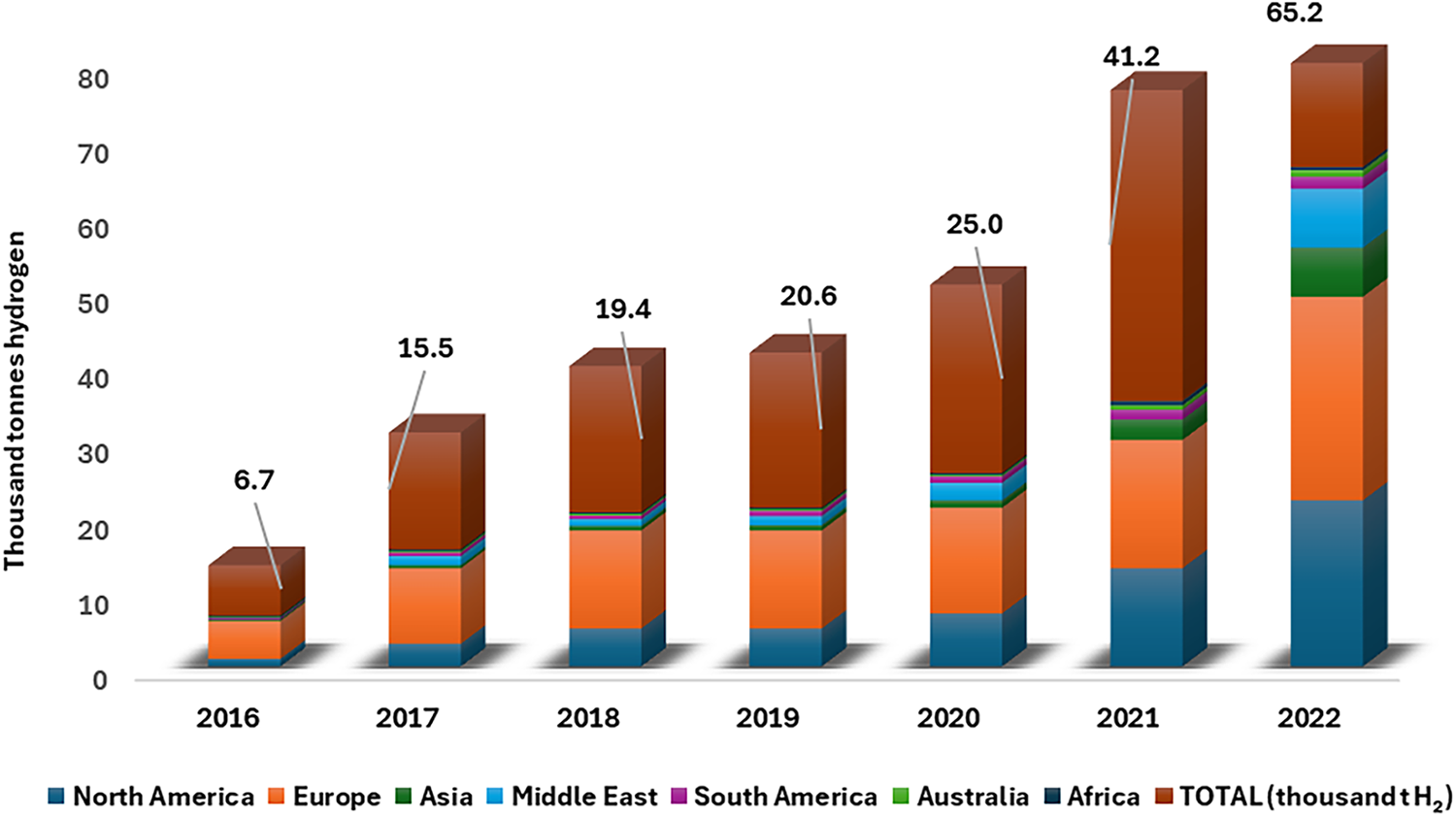
Figure 1: Global capacity of green hydrogen by region [4].
This evolving context highlights the ambitious projections outlined in Fig. 2, which summarizes the announced clean hydrogen production capacity by region expected by 2030. The data demonstrate a substantial increase in renewable hydrogen capacity worldwide, reflecting the ambition for a large-scale transition to low-emission hydrogen. The table underlines both the magnitude and geographic scope of this energy shift, signaling a slow but steady move toward cleaner hydrogen production technologies. At the same time, blue hydrogen continues to hold a significant position in the current energy landscape.
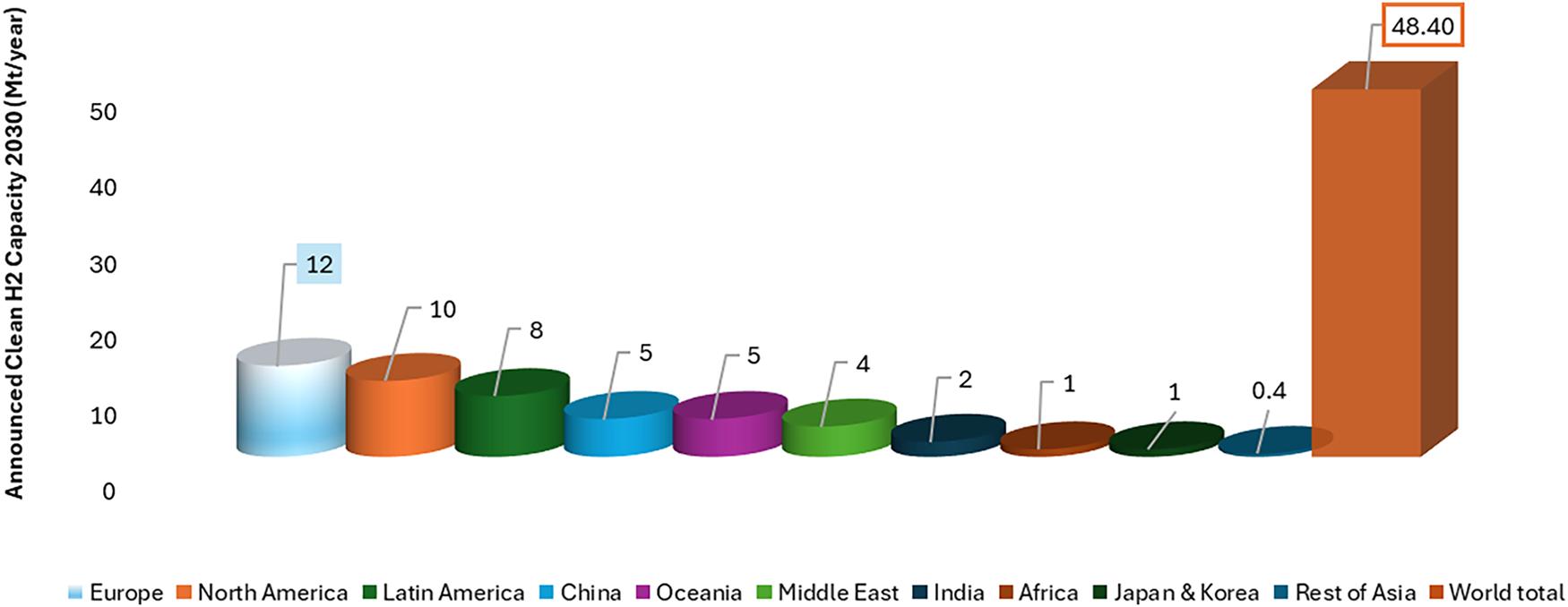
Figure 2: Announced global clean hydrogen production capacity by region in 2030 [1,5].
Despite this growth, it is important to point out that most hydrogen produced worldwide currently comes from natural gas using conventional processes. Blue hydrogen, which is generated from natural gas with carbon capture and storage, continues to hold a much larger share of the market compared to green hydrogen (Fig. 3). This highlights the ongoing reliance on fossil-based hydrogen and the need to expand renewable hydrogen technologies in the coming years. This is mainly due to favorable economics and the already established supply chain The competitiveness of blue hydrogen faced challenges due to the elevated prices of natural gas in 2022.
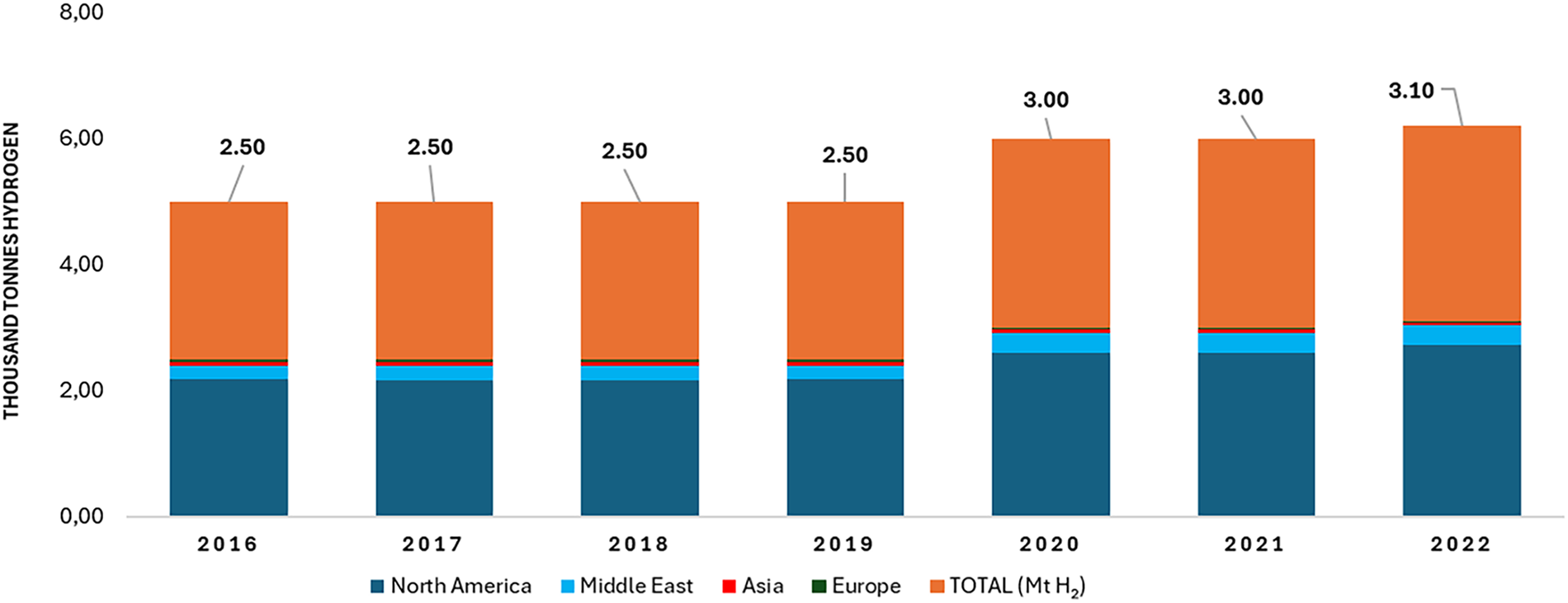
Figure 3: Global installed capacity of blue hydrogen by region [4].
However, it remains an attractive option for producing low-carbon hydrogen and is competitive when compared to green hydrogen. According to an analysis conducted by Bloomberg NEF [6] in 2023, blue hydrogen projects funded in 2023 are, on average, 59% cheaper to produce than green hydrogen. During the first half of 2023, a total of approximately 1.4 million tons of annual capacity for blue hydrogen projects was announced, which, if realized, would result in a 45% increase in total capacity compared to 2022. Most of the blue hydrogen capacity is concentrated in the United States and Canada, with shares of 49.7% and 24.6% in the total annual production of blue hydrogen. In the U.S., the Inflation Reduction Act (IRA) of 2022 encourages the reduction of greenhouse gas emissions through tax incentives, which enhances the competitiveness of all hydrogen production methods especially for hydrogen derived from renewable sources or nuclear energy and potentially makes green hydrogen cheaper than blue or gray hydrogen, as shown by recent analyses [7,8].
Although environmental concerns were not a political priority at the beginning of European integration, environmental protection issues became an integral part of European policies after the Lisbon Treaty came into force. The Lisbon Treaty, which entered into force in 2009, is a key treaty of the European Union that brought significant institutional changes. It increased the role of the European Parliament, improved foreign policy coordination, introduced stronger mechanisms for a common security and defense policy, and enhanced the powers of national parliaments. By replacing the European Constitution, the Lisbon Treaty strengthened the EU’s ability to address the challenges of the modern world, including the growing importance of environmental protection within its policy framework. From all the strategic documents, many of which are addressed in the European Green Deal, the EU is determined to implement the green transition and aims to become the first climate-neutral region by 2050.
However, achieving this goal will not be easy and will require radical transformations of the European economy and society. Analyzing the EU’s energy policy through the framework of the energy trilemma highlights the Union’s commitment to a holistic, integrated approach. By addressing climate change, biodiversity, circular economy principles, and social justice alongside energy security, availability, and sustainability, the EU sets a comprehensive path toward a fair and sustainable future [9]. Achieving such a balance requires adjustments that consider different factors, including geographic characteristics, financial resources, availability of resources, geopolitical factors, and the interests of various stakeholders (Fig. 4). Aligning technological, economic, and ecological aspects towards achieving a sustainable and clean energy future requires an integrated approach and careful planning. To achieve this balance, it is important to promote the development of renewable energy sources, improve energy efficiency, and develop energy storage technologies.
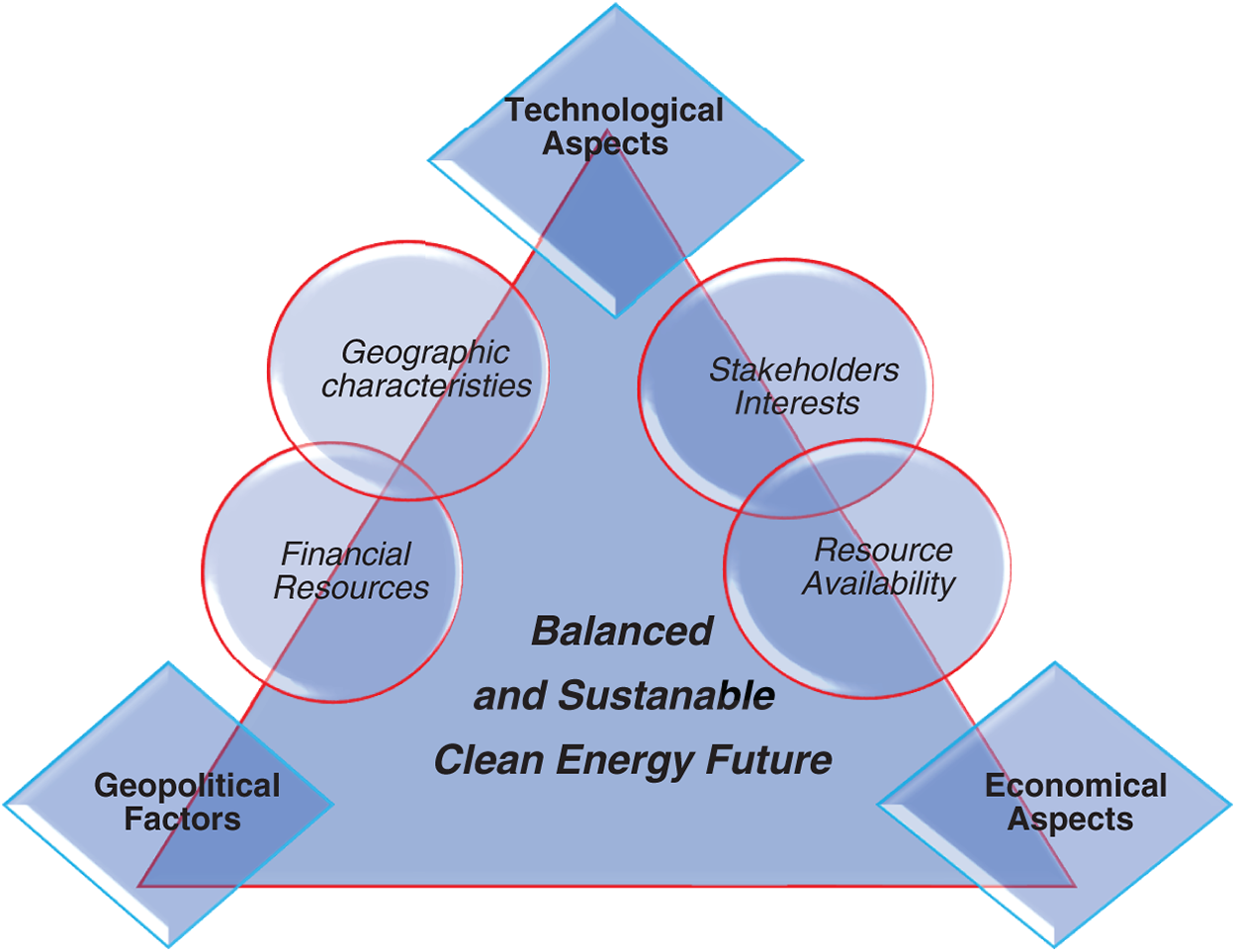
Figure 4: Synergy of technological, economic, and geopolitical factors for a sustainable energy future.
3 Hydrogen as an Alternative to Fossil Fuels in Industry—The Challenge of a Sustainable Energy Future
Today’s trends are characterized by the rapid development of cities and a significant increase in population, but these trends also bring negative consequences for the environment. The imbalance between economic expansion and environmental conditions creates limitations for further economic growth and development. Overexploitation of natural resources and environmental pollution pose serious challenges and these challenges highlight the need for more efficient and less carbon intensive energy systems. CO2 is one of the main greenhouse gases that cause global warming and climate change. The increase in atmospheric CO2 concentration is primarily anthropogenic and the main human activities that produce this gas, i.e., the main anthropogenic sources of CO2 emissions, are well documented in the literature and are strongly linked to energy consumption and fossil fuel combustion [10].
• Burning of Fossil Fuels—The highest levels of burning are found in industry, energy, and transportation. According to the Intergovernmental Panel on Climate Change (IPCC), burning fossil fuels is responsible for approximately 65% of total CO2 emissions [11].
• Burning of Fossil Fuel Derivatives (gasoline, coke, heating oil, city gas)—This is prevalent in transportation, heating systems, and some industries. Fossil fuel derivatives are products derived from the processing of fossil fuels. They also emit CO2 when burned. According to the IPCC, the burning of fossil fuel derivatives is responsible for around 18% of total CO2 emissions [10].
• Agriculture and Forestry (livestock, synthetic fertilizers in agriculture, deforestation, and burning of forests). Agriculture and forestry are sectors that can have a dual impact on CO2 emissions. On the one hand, they can be sources of CO2 emissions when intensive farming methods are used, which require high energy and fertilizer consumption. On the other hand, they can act as CO2 sinks when natural ecosystems that absorb CO2 from the atmosphere, such as forests and grasslands, are maintained. According to the IPCC, agriculture and forestry are responsible for approximately 17% of total CO2 emissions [11].
In this context, hydrogen stands out as a potentital low-carbon energy carrier, achieved through electrolysis or reforming renewable energy sources such as solar energy and wind. Hydrogen produced in this way does not produce CO2 emissions, making it an environmentally friendly alternative to fossil fuels. Special attention is given to the industry, which has a significant share in greenhouse gas emissions. Hydrogen offers the possibility of replacing fossil fuels in industrial processes. Beyond emission reduction, hydrogen may contribute to industrial innovation and diversification of energy supply.
However, some challenges need to be addressed. One of them is the development of infrastructure for hydrogen production, distribution, and storage. Technological progress plays a key role in improving the efficiency and competitiveness of hydrogen production. The international community has recognized the importance of hydrogen as a means of reducing global emissions. In this regard, there are many initiatives and projects that promote the use of hydrogen in industry at the regional and global levels.
For example, the EU has adopted a hydrogen strategy aimed at developing an integrated hydrogen market in Europe by 2050, with an emphasis on green hydrogen; the International Energy Agency (IEA) published the Hydrogen Future Report, which highlights the opportunities and barriers for the expansion of hydrogen in the energy sector and provides recommendations for policies and international cooperation; the International Partnership for Hydrogen and Fuel Cells in the Economy (IPHE) is an organization bringing together 19 countries and the European Commission to accelerate the deployment of hydrogen and fuel cells in the economy and facilitate the exchange of information and experiences.
Additionally, many countries have already launched initiatives and policies to promote the use of hydrogen in industry and other sectors. The use of hydrogen in industry offers a range of significant benefits that contribute to the sustainability and efficiency of production processes. Hydrogen is very practical for storage and transport, which allows flexibility in its use as a fuel. It can be stored in tanks or converted into a liquid state, which facilitates its distribution and application during production phases. This aspect is of utmost importance for industry as it enables a fast and reliable energy supply whenever needed, without significant logistical challenges [12]. Under certain conditions, hydrogen may reduce exposure to volatility in fossil fuel markets, particularly produced from renewable energy sources. The prices of renewable energy sources are becoming more competitive, and the use of hydrogen as an alternative fuel ensures a more stable energy supply, without exposure to fluctuations in oil and gas prices. The reduction in energy and operational costs, combined with flexibility in use, provides industries with competitive advantages. Although the use of hydrogen in industry has many benefits, it also faces challenges that hinder its wider adoption:
• One of the main challenges is the need to develop infrastructure that supports the production, distribution, and storage of hydrogen. To enable wider use of hydrogen as an alternative fuel, it is necessary to build and optimize the infrastructure that will ensure a reliable and accessible hydrogen supply. This includes building hydrogen production plants from renewable energy sources, developing a hydrogen transport and storage network, and establishing refueling stations for vehicles that use hydrogen as fuel. Developing this infrastructure requires collaboration between industry, governments, and investors to ensure adequate financing and support.
• The second challenge is related to the research and development of new technologies that will enable greater efficiency and competitiveness of hydrogen as a fuel. Although it is already used in some industrial processes, continued investment in research and development is necessary to improve existing technologies and develop new innovative approaches. This includes the development of new catalysts and electrochemistry for the electrolysis process, improving hydrogen storage technologies, and optimizing systems for hydrogen use across various industries.
Additionally, it is necessary to address the safety aspects associated with the use of hydrogen as a fuel. Hydrogen is highly flammable and requires special safety measures to ensure its safe use and transport. Investments in research on safety protocols and technologies are crucial to minimize risks and ensure that hydrogen use is safe and reliable. Investments in research and infrastructure are key to overcoming current challenges and enabling widespread adoption of hydrogen as a key component for industry sustainability and environmental protection. To achieve a sustainable energy future and expand the use of hydrogen in industry, it is also important to create incentive policies and regulations that will support the adoption of hydrogen in industry. Governments need to design policies and legislation that facilitate investments in hydrogen technology, reduce administrative barriers, and provide necessary incentives for companies that choose to transition to hydrogen use. Introducing tax benefits, subsidies, or other forms of support can encourage the industry to recognize the advantages of hydrogen as an alternative fuel. Fortunately, more and more governments worldwide are recognizing the potential of hydrogen and investing in the development of this technology. Countries across Europe, Asia, and North America have already launched ambitious projects and programs aimed at promoting hydrogen use in industry. Such collaboration between governments and industry is extremely important. It is undeniable that the development of the hydrogen economy is still in its early stages and requires innovative approaches from governments, regulators, and investors to create robust and financially sustainable projects. This process has certain parallels with the early stages of other industries, such as the liquefied natural gas (LNG) industry in the 1970s, where the first “pioneering projects” had to learn through practice. However, once a functional model was developed, others were able to join and implement more quickly. Therefore, this pioneering effort and the creation of viable business models are crucial for the successful development of the hydrogen economy in the future.
4 Methodology for Analyzing Sustainable Energy Transition
This study analyzed key aspects of the development and use of renewable energy sources (RES), energy efficiency, and energy storage technologies. Emphasis was placed on identifying methods to reduce the carbon footprint, stabilize energy supply, and enhance the reliability of renewable sources through technological innovations. The methodological approach involved reviewing EU strategic documents and policies, including the new Strategic Agenda for 2019–2024, with a focus on climate neutrality and the implementation of the European Green Deal (EGD). A combination of qualitative and quantitative analyses enabled an assessment of the impact of political support, financial incentives, and the empowerment of local communities on the transition to low-carbon energy. The methodology also included guidelines for the development and implementation of sustainable technologies, as well as an evaluation of the impact of research and development on the production, distribution, and application of clean energy. The main objectives of the European Green Deal (EGD) are:
• Achieving climate neutrality by 2050: The EU aims to reduce its greenhouse gas emissions by at least 55% by 2030 compared to 1990 levels and become the first climate-neutral continent by 2050.
• Protecting the environment and biodiversity: This involves preserving and restoring natural ecosystems, halting biodiversity loss, reducing air, water, and soil pollution, and ensuring healthy and safe food for all.
• Promoting a fair and inclusive transition: The EU seeks to support social justice and equality, ensure access to clean energy and mobility, encourage green skills and employment, mitigate the adverse effects of climate change on the most vulnerable groups and regions, and foster global cooperation and partnerships [13–15].
In addition to the European Green Deal (EGD), adopted in 2019 as the overarching strategy for achieving climate neutrality by 2050, the European Union will heavily rely on five additional action plans: An Economy that Works for People, Stronger Europe in the World, A Europe Fit for the Digital Age, Promoting Our European Way of Life, A New Push for European Democracy. Furthermore, the EGD is the EU’s strongest tool to achieve the 17 Sustainable Development Goals (SDGs) outlined in the UN’s 2030 Agenda for Sustainable Development. These goals address various aspects of sustainable development, such as poverty, hunger, health, education, equality, clean energy, climate, peace, and justice. The EGD also serves as the strategic framework through which the EU assumes its commitments under the Paris Agreement on Climate Change, adopted during the 21st session of the Conference of the Parties (COP21) to the United Nations Framework Convention on Climate Change (UNFCCC) in Paris in 2015.
Key Goals of the EGD:
• Limit the increase in global average temperature to well below 2°C compared to pre-industrial levels, and strive to limit the increase to 1.5°C.
• Enhance the ability to adapt to the adverse effects of climate change.
• Provide financing, technology, and capacity-building support to developing countries to help them achieve their Nationally Determined Contributions (NDCs) for climate change mitigation and adaptation.
To achieve climate neutrality by 2050, it is crucial to decarbonize the energy sector, which currently accounts for approximately 70% of greenhouse gas emissions in the EU. Despite the fact that the EU reduced its greenhouse gas emissions by 23% in 1990 while simultaneously achieving a 61% economic growth, reaching climate neutrality requires further emission reductions of at least 55% by 2030. Emission reduction is embedded in all policies within the European Green Deal, and the European Climate Law adopted in 2021 will accelerate the transition toward a low-carbon economy. This policy direction increasingly emphasizes circular economy principles and resource efficiency within energy systems. The implementation of the European Green Deal is also a top priority for the Republic of Croatia, which has developed and adopted the National Development Strategy of the Republic of Croatia until 2030 (hereinafter: NDS 2030) for this purpose. The NDS 2030 represents the highest-ranking and most comprehensive act of national strategic planning. In line with the NDS, development visions will be achieved through the synergistic action of integrated plans, implementation policies, and measures within four development directions:
1. Encouraging competitiveness and innovation in the economy and society
2. Recovery and strengthening resilience to crises
3. Green and digital transition
4. Balanced regional development
For the priority area Energy Self-Sufficiency and Transition to Clean Energy, the implementation priorities are:
• Promoting energy transition and renewable energy sources
• Promoting advanced biofuels, electricity, and hydrogen from renewable energy sources
• Increasing energy self-sufficiency and efficiency, and transitioning to clean energy
• Introducing advanced digitalized energy systems
• Energy networks and storage
• Decarbonization, removal, storage, and recovery of carbon dioxide
• Research, development, and application of new technologies
• Investments in clean technologies related to hydrogen
• Energy refurbishment of buildings and combating energy poverty
The Directive 2014/94/EU of the European Parliament and Council on the establishment of infrastructure for alternative fuels sets out a common framework of measures for the establishment of alternative fuels infrastructure in the Union. Its goal is to reduce dependency on oil and mitigate the negative environmental impact of transport. The directive also establishes minimum requirements for the development of infrastructure for alternative fuels, including electric vehicle charging stations and refueling stations for natural gas (CNG and LNG) and hydrogen. According to Directive 2014/94, “alternative fuels” are fuels or energy sources that serve, at least partially, as substitutes for fossil fuels in the energy supply for transport and have the potential to contribute to the decarbonization of the transport system and improve the environmental efficiency of the transport sector. Among these alternative fuels are: electricity, hydrogen, biofuels as defined in Directive 2009/28/EC, including synthetic and paraffinic fuels, natural gas (including biogas), compressed natural gas (CNG), liquefied petroleum gas (LPG), and liquefied natural gas (LNG). The hydrogen transition has significant environmental aspects that play a crucial role in achieving a sustainable and clean energy future. In Fig. 5, six key ecological aspects of the hydrogen transition are presented.
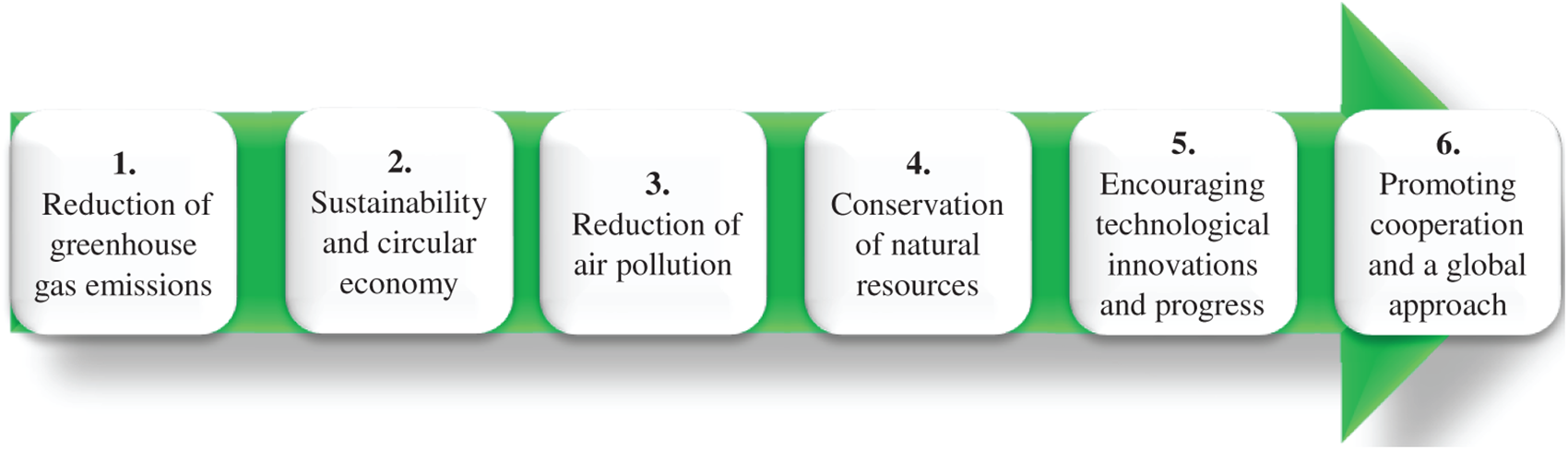
Figure 5: Six key ecological aspects of the hydrogen transition.
Quantitative Framework and Hydrogen Production Calculation
The quantitative part of the analysis is based on a standardized methodological framework that allows for the assessment of energy requirements, production costs, and associated greenhouse gas emissions across different technological variants of hydrogen production. The aim of this approach is to harmonize estimates based on available international sources and to enable comparability of results within clearly defined system boundaries [16,17]. This approach allows secondary data sources to be transformed into a consistent and reproducible model, which is essential for evaluating the technical and economic sustainability of hydrogen within the energy system. In this context, the system boundaries include all steps relevant to hydrogen production and initial distribution:
1. Electricity generation (from renewable sources or conventional systems, depending on the scenario).
2. Water electrolysis, including energy losses and electrical conversion efficiencies, as reported in the literature on PEM and alkaline electrolyzers [16,18].
3. Hydrogen compression to operating pressures of 30–70 bar, reflecting common requirements for industrial applications and short-term distribution [19].
4. Hydrogen transport over distances up to 200 km, accounting for the energy intensity and losses characteristic of short distribution chains [20].
5. Auxiliary systems, such as cooling circuits, water demineralization, and control equipment.
This scope allows for the assessment of emissions and costs within a clearly defined “cradle-to-gate” model in accordance with ISO 14040 and ISO 14044 standards [21,22]. Emissions or costs associated with end-use are not addressed in this analysis, as the focus is on production and the early stages of the supply chain.
Energy Requirements of the Process
The energy requirements of the electrolyzers are based on technical specifications from sources [16,18], which indicate that the minimum energy needed to produce 1 kg of H2 is approximately 50 kWh (LHV). Due to systemic losses, the total consumption ranges from 50 to 83 kWh/kg H2. The applied equation is:
where η ranges between 0.60 and 0.70 according to literature on electrolysis [17].
Calculation of Unit Production Cost (LCOH)
The Levelized Cost of Hydrogen (LCOH) is calculated using expressions that include the price of electricity, capital costs of the electrolyzer, maintenance costs, and operational expenses:
where:
Cel-average electricity price in €/MWh,
O&M-annual operational costs,
CAPEXann-annualized capital cost (calculated over a lifetime of 12–20 years),
mH2-mass of hydrogen produced.
The calculations include:
• electricity prices based on market values reported in publications such as BloombergNEF [6],
• electrolyzer capital costs scaled according to reference models from reports by the Fraunhofer Institute for Solar Energy Systems [6,23,24],
• operational costs (O&M) according to standardized values from [1,16,17].
In the presented scenarios, we use a range of input values that reflect the market conditions of European energy systems as well as globally relevant data from international agency reports.
Calculation of CO2 Emissions
Emissions associated with hydrogen production are calculated using emission factors for electricity according to [25], applying life cycle assessment standards [21,25,26]. The basic equation is:
Emissions associated with electrolytic hydrogen production are determined based on the emission factor of the electricity used in the process, where EFel is the emission factor expressed in kg CO2/kWh and represents the carbon intensity of the regional electricity mix. This approach enables a realistic assessment of the emission profiles of the three dominant hydrogen categories green, blue, and grey and provides a clear picture of their sensitivity to changes in input parameters.
Required Resources: Water, Energy, and Land
The amount of water needed to produce 1 kg of hydrogen is 9–12 L, according to analyses from organizations such as IRENA and industrial technical reports [15,22]. The required surface area of solar modules is calculated based on specific energy production under average Central European insolation conditions, with approximately 5–7 m2 of solar panels needed to produce 1 kg of H2.
Rationalization of the Methodological Approach
The selected model allows for a consistent assessment of different hydrogen production scenarios, with an emphasis on identifying the parameters that predominantly affect the sustainability of the technology. In line with the approach used in energy policy studies [25,26], results are not interpreted as absolute values but as comparative indicators between technological options. The sensitivity analysis presented in Section 5.1 builds on this framework and quantifies the responsiveness of the results to fluctuations in input parameters.
Selection of Parameters and Data Sources
The calculations use parameters from reliable sources (IEA, BloombergNEF, European Commission, and specialized technical literature), standardized to ensure mutual comparability of values. All parameters used are presented in summary tables in Section 5 for maximum transparency.
Rationalization of the Methodological Approach
This quantitative framework provides the basis for evaluating different hydrogen production scenarios, including the sensitivity analysis presented in Section 5.1. It should be emphasized that the focus is not on absolute values but on relative differences between technologies and on the key factors that determine the sustainability, emissions, and competitiveness of hydrogen as an energy carrier. In this context, sensitivity analysis is an integral part of the methodological framework developed in this study, as it enables quantitative assessment of relative differences between scenarios and confirms that input parameters were used in accordance with standardized, technically validated data sources.
The methodological framework described above provides a structured basis for evaluating hydrogen production pathways with respect to energy requirements, costs and associated greenhouse gas emissions. By applying consistent boundaries and standardized input parameters, the approach enables a transparent comaprison between green, blue and grey hydrogen technologies. The following section presents the results derived from this framework, including a comparative assessment of production costs and emissions, as well as a sensitivity analysis of key technical and economic parameters.
Note: In the final manuscript, digital tools were used for language checking and terminological consistency. These tools were not used in the development of the methodology, calculation execution, analytical data processing, or interpretation of results.
5 Results of the Hydrogen Transition
The combination of qualitative and quantitative methods, including the analysis of global and regional trends in the energy transition based on data from international organizations such as the International Energy Agency (IEA) and the United Nations (UN), allows for a better understanding of the impact of different hydrogen production forms (green, blue, gray hydrogen) on greenhouse gas emissions. Additionally, the comparison of existing policies and strategies of various countries in the transition process towards a sustainable hydrogen economy, along with the technical and financial requirements for implementing hydrogen technologies, demonstrates that the use of hydrogen, particularly green hydrogen, brings numerous positive effects on the environment, economy, and society. Key results of the hydrogen transition include reduction of greenhouse gas emissions.
The use of green hydrogen can significantly reduce greenhouse gas emissions and help combat climate change. Hydrogen production from diverse renewable sources has the potential to reduce carbon dioxide emissions significantly, offering a promising pathway to achieve low-carbon energy systems and mitigate climate change effectively [27]. Some of the key methods include:
• Transition to renewable energy sources,
• Increase in energy efficiency by improving energy efficiency in industry, transportation, construction, and other sectors (this can significantly reduce energy consumption and greenhouse gas emissions),
• Electrification and decarbonization of sectors through the application of renewable energy as a source of electricity, which has significant potential to reduce greenhouse gas emissions, especially in the areas of transportation, industry, and heating,
• Sustainable agriculture, which plays a key role in reducing overall greenhouse gas emissions by adapting agricultural methods to reduce methane and nitrous oxide emissions from livestock and agricultural practices,
• Investing in clean technologies, such as advanced carbon capture and storage (CCS) technologies and carbon capture and utilization (CCU), which can significantly contribute to reducing greenhouse gas emissions from existing sources. In this context, it is necessary to significantly increase the adoption and development of CCUS technology given the current levels, as CCUS is a key component of natural gas (and energy) decarbonization, integrated as a key assumption in decarbonization scenarios [2,28].
The use of natural gas with CCUS represents an extremely attractive way of decarbonizing consumption, especially in sectors where alternatives are limited, such as cement, steel, glass, hydrogen, refining, and gas processing. A key incentive for increasing CCUS technology adoption is policy support, through investment incentives or tax reliefs. In the future, significant growth is expected in total CCUS capacity (including operational, those with final investment decisions (FID), and pre-FID), growing from 40 MTPA in 2022 to 528 MTPA by 2030. This growth is primarily driven by activity in the industrial sector, which is expected to account for 65% of CCUS capacity by 2030. It is also expected that CCUS projects in the energy sector will significantly increase, with capacity growing from 1.6 MTPA in 2022 to 146.5 MTPA by 2030, driving projects related to coal and gas, with planned capture capacity of 78.7 MTPA and 70.9 MTPA, respectively [4]. Beyond technology choice, policy instruments (e.g., incentives, standards and targeted regulation) influence deployment rates and the resulting emission outcomes across hydrogen pathways.
Building on these key measures, it is important to consider the specific environmental and economic impacts of different hydrogen production pathways. The following data on greenhouse gas emissions and production costs provide a clearer picture of the trade-offs between green, blue, and grey hydrogen. Understanding these differences is essential for assessing their roles in driving the transition to a low-carbon energy system. Current data on hydrogen production demonstrate significant differences in greenhouse gas emissions and production costs across hydrogen types. Green hydrogen, produced via renewable-powered electrolysis, boasts zero direct emissions but carries a higher production cost ranging from $4.5 to $12 per kilogram. Blue hydrogen, derived from natural gas with carbon capture and storage (CCS), exhibits moderate emissions between 1.8 and 4.7 kg CO2/kg H2 and costs ranging similarly from $1.8 to $4.7 per kg. Grey hydrogen, produced from natural gas without CCS, remains the most carbon-intensive, with emissions between 9.0 and 13.9 kg CO2 per kilogram and the lowest production cost of $0.98 to $2.93 per kilogram (Table 1).
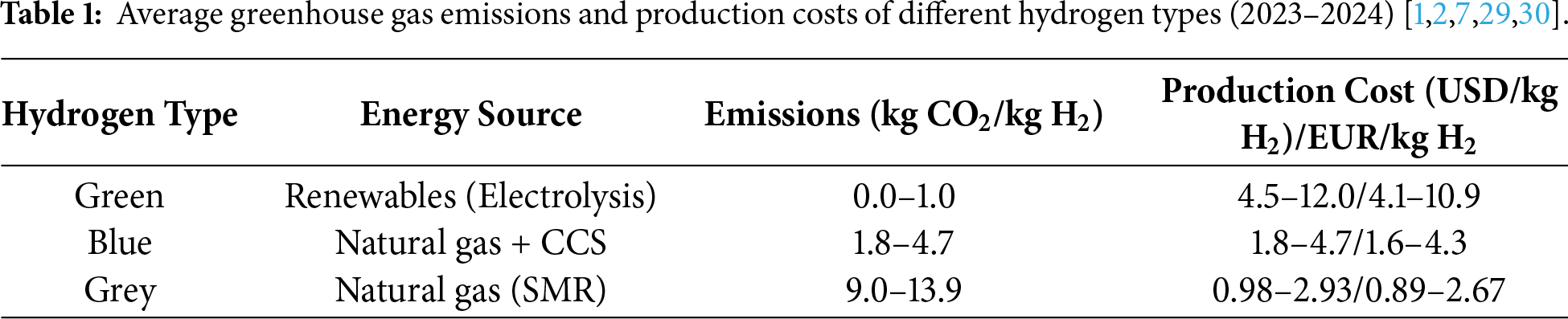
These variations highlight the trade-offs between economic competitiveness and environmental sustainability, underscoring the importance of policy support and technological advancements, particularly in CCS scale-up and renewable energy deployment, to facilitate the transition towards low-carbon hydrogen production. European Commission estimates indicate that replacing one-quarter of industrial natural gas consumption with green hydrogen could reduce CO2 emissions by about 42.5 Mt annually, roughly 9% of the EU’s total industrial emissions in 2023. Full integration of hydrogen into steel and cement production would deliver an additional reduction of 85–90 Mt CO2 per year.
Reducing greenhouse gas emissions remains a central goal of the hydrogen transition, with green energy and innovative production technologies paving the way for a cleaner and more sustainable future. These measures not only support climate objectives but also lay the foundation for ongoing industrial transformation.
To assess the reliability of the obtained results and identify the parameters that most strongly influence the cost and emission profile of hydrogen, a sensitivity analysis was conducted based on ranges of input values defined in relevant technical literature and reports from international institutions. These include publications [16,17], emission factor analyses from the European Environment Agency [26], and systematic life cycle assessment studies on hydrogen [22,26].
The analysis covers five key variables: electricity price, electrolyzer efficiency, CO2 capture rates for blue hydrogen, methane leakage in gas supply chains, and hydrogen transport distances.
Electricity Price
The electricity price is the most important single factor determining the economic profile of green hydrogen. The analyzed range of 20–80 €/MWh, based on cost estimates in IRENA reports and BloombergNEF market analyses [1,8], shows that the LCOH increases from approximately 2.1 €/kg to over 5 €/kg. These results confirm that hydrogen production costs are highly sensitive to the market dynamics of electricity prices, consistent with findings from previous economic studies [24].
Electrolyzer Efficiency
Electrolyzer efficiency (60%–75%) directly affects the required electricity input per kilogram of hydrogen produced. Technical parameters described in reviews of electrolysis technologies [18–23] indicate that increasing efficiency from 60% to 75% can reduce the LCOH by 18%–24%, with a proportional decrease in associated CO2 emissions. This sensitivity highlights the importance of technological progress in electrolyzer systems.
CO2 Capture Rate for Blue Hydrogen
The emission profile of blue hydrogen strongly depends on the performance of carbon capture and storage (CCS) systems. According to ranges from recent analyses [19,27], increasing the capture rate from 60% to 95% reduces emissions from approximately 4.5–5.0 kg CO2/kg H2 to around 2–2.5 kg CO2/kg H2. These results confirm that blue hydrogen achieves significant emission reductions only with highly efficient CCS systems.
Methane Leakage
Methane, a gas with a very high global warming potential, strongly influences the emission factor of hydrogen produced from natural gas. Life cycle analyses [25,26] show that increasing leakage rates in gas infrastructure from 0.2% to 2% can raise the overall carbon footprint of blue hydrogen by 30%–45%. This result underscores the importance of gas infrastructure management, leak detection, and methane handling standards.
Transport Distances
The impact of hydrogen transport on total costs and emissions depends on distance and the technological configuration of the transport system. According to NREL infrastructure analyses [20], increasing transport distances from 50 to 200 km raises costs by approximately 0.15–0.22 €/kg H2, while the emission contribution remains moderate relative to the energy required for production itself, though it is significant in detailed LCA assessments.
The sensitivity analysis confirms that the economic competitiveness of green hydrogen is highly sensitive to variations in electricity price and electrolyzer conversion efficiency, with any reduction in specific electricity consumption directly resulting in lower LCOH values. This underscores that further technological advancements in electrolyzer design, reductions in ohmic losses, and optimization of operating conditions play a crucial role in scaling production to market-viable levels.
The emission profile of blue hydrogen shows high sensitivity to the performance of carbon capture and storage (CCS) systems and to the level of methane leakage along the natural gas supply chain. The results clearly indicate that nominal capture rates declared in technical specifications do not necessarily guarantee low emissions if the natural gas infrastructure does not meet strict standards for controlling fugitive emissions. The sizing and reliability of compression, transport, and storage systems also become key factors in the overall emissions balance.
The findings suggest that reducing the carbon footprint of hydrogen is not solely a function of the production technology itself, but rather the result of interactions among technological parameters, regulatory mechanisms, and operational conditions in real-world systems. Therefore, effective decarbonization of the hydrogen value chain requires an integrated approach, including the development of highly efficient electrolyzers, consistent monitoring of CCS system performance, strict methane management protocols, and technologically standardized infrastructure for transport and distribution. Ultimately, technically and regulatorily aligned conditions are a necessary prerequisite for hydrogen to effectively fulfill its role as a stable, scalable, and operationally reliable energy carrier in low-carbon energy systems.
The sensitivity analysis reveals clear policy implications. The strong dependence of green hydrogen costs on electricity prices highlights the importance of policies that ensure access to low-cost renewable electricity, including renewable capacity expansion and long-term power purchase agreements. The sensitivity to electrolyzer efficiency underscores the role of targeted research, development, and innovation support, while results for blue hydrogen indicate that strict regulatory standards for CCS performance and methane leakage are essential to achieve meaningful emission reductions. Finally, the non-negligible effect of transport distances suggest that infrastructure planning and spatial coordination should complement hydrogen production policies.
5.2 Environmental and Social Aspects of the Hydrogen Transition
Reducing greenhouse gas emissions remains a central goal of the hydrogen transition, with green energy and innovative production technologies paving the way toward a cleaner and more sustainable future. These measures not only support climate objectives but also lay the foundation for ongoing industrial transformation.
Sustainability and circular economy
Hydrogen can serve as a key element in the circular economy as it can be produced from renewable energy sources and used as fuel for various sectors, including industry, transportation, and heating. Circular-economy principles may influence hydrogen value chains through resource efficiency, waste reduction, and integration with renewable electricity systems. Producing green hydrogen from renewable sources has minimal or no greenhouse gas emissions. In fact, green hydrogen production can reduce CO2 emissions by 92%–100% on average compared to grey hydrogen. Moreover, further emission reductions and efficiency gains of 10%–15% can be achieved by integrating industrial waste heat recovery into the process. Concepts that can contribute to the hydrogen transition include:
• Reduction of greenhouse gas emissions. Circular economy and sustainability play a key role in reducing greenhouse gas emissions in the hydrogen transition, meaning that by optimizing resources, reducing waste, and using renewable energy sources in hydrogen production, the goal of achieving climate neutrality and reducing negative ecological impacts will be achieved.
• Use of renewable energy sources. The production of green hydrogen, which is obtained from renewable energy sources, has minimal or no impact on greenhouse gas emissions, contributing to the achievement of a clean and sustainable energy future.
• Reduction of resource consumption with an emphasis on recycling and reusing materials.
• Technological innovations foster the development of innovative technologies for hydrogen production, storage, and utilization.
• Sustainable mobility promotes and supports the circular economy, including the use of hydrogen as a fuel for vehicles. The use of hydrogen in transportation can reduce greenhouse gas emissions and contribute to cleaner and greener mobility.
Sustainability and circular economy principles play a vital role in shaping hydrogen production and use, promoting efficient resource use and waste reduction. This can create synergies between environmental performance and resource efficiency, depending on system design and local conditions.
Reduction of air pollution
The use of hydrogen as a fuel for vehicles and industrial processes can reduce emissions of pollutants such as nitrogen oxides and particulates, which improves air quality and reduces harmful impacts on the environment and human health. Reduction of air pollution is one of the key positive impacts of using hydrogen as a fuel for vehicles and industrial processes.
The hydrogen transition has the potential to significantly reduce air pollution in several ways:
• Electric vehicles that use hydrogen as an energy source produce only water and heat as by-products, meaning they do not emit harmful substances that contribute to air pollution. This approach to electromobility allows for a reduction in the negative impact on the environment and an improvement in air quality, thus contributing to a sustainable and clean energy future.
• Hydrogen for industrial processes can significantly reduce emissions of pollutants in industry. Fossil fuels are often used in industry, contributing to harmful gas and particulate emissions. The transition to using hydrogen as an alternative fuel in industrial processes has the potential to positively impact the environment and help reduce negative effects on air quality.
• Replacing fossil fuels with hydrogen in power plants and other energy facilities can contribute to reducing air pollution. Hydrogen-based energy production does not produce CO2 emissions or other harmful gases that are common with fossil fuels, providing a cleaner and more environmentally friendly energy source [31].
• Clean hydrogen production from renewable energy sources such as solar or wind energy (green hydrogen) plays a key role in achieving a sustainable and clean energy future. When hydrogen is produced this way, the production process does not generate greenhouse gas emissions or pollutants [1,32]. Moreover, deploying fuel cell buses in public transport can reduce NOx emissions by around 95%, while virtually eliminating particulate matter emissions, making public transport significantly cleaner and more sustainable.
The adoption of hydrogen in transportation and industry significantly lowers harmful emissions that degrade air quality and public health. This advantage strongly supports continued investment in hydrogen infrastructure and technology as part of broader environmental and health protection strategies.
Conservation of natural resources
The hydrogen transition can reduce the need for fossil fuels such as oil and gas, contributing to the conservation of natural resources and reducing the exploitation of natural habitats. Fossil fuels are the primary energy sources traditionally used in various sectors, such as industry, transportation, and energy plants. However, their use has negative environmental consequences as greenhouse gases and other harmful substances are released during their extraction and combustion. Hydrogen can substitute fossil fuels in specific applications, subject to production pathway constraints. When hydrogen is used to replace fossil fuels in industry, transportation, and energy facilities, the need for the exploitation of fossil resources is reduced. Increasing the use of renewable energy sources, particularly through the production of green hydrogen, can reduce dependence on fossil resources and contribute to the conservation of natural resources. Strategic management of hydrogen as an energy vector has the potential to reshape energy systems, facilitate the transition to sustainability, and reduce environmental impacts associated with fossil fuel dependence [32–34].
Since renewable energy sources are used to produce green hydrogen, it does not rely on the exploitation of fossil fuels. Green hydrogen production based on renewable resources not only enables the decarbonisation of hard-to-abate sectors but can also be coupled with resource recovery and the valorisation of by-products and waste streams, aligning with sustainable development principles [33]. The use of green hydrogen in various sectors, such as industry, transportation, and energy plants, can replace fossil fuels that have been the dominant sources of energy so far. Green hydrogen provides a clean and versatile energy carrier that can decarbonize multiple sectors, supporting the transition towards a more sustainable energy system. Promoting the efficient use of hydrogen in industrial processes, transportation, and energy facilities enables the maximum utilization of this resource, reducing the need for additional production and saving natural resources. Furthermore, hydrogen production processes can be combined with the valorization of waste and by products, allowing the use of resources that would otherwise be discarded, thus reducing the need for new raw materials. Replacing fossil fuels with hydrogen reduces pressure on natural resources and ecosystems, making the long-term preservation of resources achievable. A sustainable energy system based on renewables is crucial for ensuring energy stability and security in the future. If the EU achieves the target of producing and importing 20 Mt of green hydrogen by 2030, natural gas consumption could be reduced by about 50 billion m3 per year nearly 14% of current consumption.
Encouraging innovation and technological advancement
• Encouraging innovation and technological advancement in the context of the hydrogen transition means fostering the development of new technologies and advanced solutions that will enable more efficient, economical, and environmentally friendly production, storage, distribution, and use of hydrogen as a clean energy source. Through innovation and technological progress, existing hydrogen production methods, such as water electrolysis and steam methane reforming, can be improved to become more efficient and less energy-intensive. Furthermore, entirely new hydrogen production methods that could be even more environmentally friendly can be explored and developed.
• Technological progress in the hydrogen sector encompasses the development of new storage methods and the expansion of infrastructure for hydrogen distribution and use across various sectors, such as industry, transportation, and power generation. Fostering innovation in the hydrogen transition also involves supporting research and development of advanced materials, components, and systems to enhance the efficiency and reliability of hydrogen technologies. This includes breakthroughs in electrolyzers, fuel cells, storage solutions, and other technological innovations. All these advancements are essential for building a sustainable and clean energy future based on hydrogen as a renewable energy carrier. However, a key challenge remains: green hydrogen, produced from renewable sources, is currently about two to three times more expensive than blue hydrogen. The primary reason for this high cost is the price of electricity, which in some locations can make up more than 70% of the total production cost. Therefore, ensuring access to affordable renewable electricity is crucial for improving the competitiveness of green hydrogen, alongside reducing capital investment costs for electrolyzers. Between 2014 and 2024, electrolyzer costs fell by approximately 60%–65%. A further reduction of around 40% is expected by 2030, potentially lowering the cost of green hydrogen to €1.5–2.0 per kg in areas with favorable renewable energy conditions. As carbon pricing rises and renewable energy becomes more competitive, the economic viability of grey hydrogen continues to decline, further emphasizing the importance of innovation and cost reduction in the hydrogen sector [2,7,29].
Technological innovation and the development of more efficient hydrogen production, storage, and distribution solutions are key drivers for its wider adoption. Ongoing progress and cost reductions are necessary for green hydrogen to become competitive and play a pivotal role in the global energy transition.
Encouraging collaboration and a global approach
International cooperation and knowledge sharing are essential to the success of the hydrogen economy, as global challenges require coordinated and joint efforts. Through partnerships and collaborative initiatives, barriers can be overcome more swiftly, ensuring the sustainable deployment of hydrogen technologies worldwide.
• Encouraging collaboration and global action in the context of the hydrogen transition means promoting international cooperation among countries, industrial sectors, and organizations to jointly work on the development and application of hydrogen-related technologies. Collaboration in this context involves sharing knowledge, experiences, and best practices among different stakeholders to accelerate the development of hydrogen technologies and ensure their wider application. This includes the exchange of technological solutions, research results, and information on successful projects to reduce costs, improve efficiency, and increase the scalability of hydrogen systems.
• A global approach means viewing the hydrogen transition as a global challenge that requires coordinated efforts at the international level. This involves aligning policies and strategies among countries to set common goals and standards related to hydrogen. Through encouraging collaboration, numerous benefits can be achieved in the hydrogen transition, such as faster progress in the development of hydrogen technologies and cost reduction.
It is undeniable that the development of the hydrogen economy is still in its early stages and requires innovative approaches from governments, regulators, and investors to create robust and financially sustainable projects. It is clear that green hydrogen is still far from large-scale implementation and requires robust and innovative policy mixes, demand-side regulation, and significant financial support to effectively bridge the cost and investment gap. This process has certain parallels with the early stages of development in other industries, such as the liquefied natural gas industry in the 1970s, where the first ‘pioneer projects’ had to learn from practice. Hydrogen, as an energy carrier, is gaining increasing attention globally; however, the large-scale deployment of hydrogen technologies relies heavily on innovative policies, strategic investments, and international cooperation to overcome technical and financial challenges and establish a robust market framework [35]. Once initial functional models were established, subsequent projects were able to build on these early experiences, greatly accelerating the adoption and scaling of hydrogen technologies. The effective completion of pilot and demonstration projects fosters an iterative learning process that helps lower risks and optimize costs over time. This enables the development of scalable and commercially viable business models, which are essential to gaining the confidence of investors and encouraging wider commercialization. Additionally, this pioneering phase is crucial in influencing policy development, market design, and infrastructure investments that support the sustainable expansion of the hydrogen economy. In essence, creating profitable and replicable business models remains fundamental to unleashing hydrogen’s full potential as a key pillar in the transition to a low-carbon global energy system [36,37]. Energy security and natural resources are closely interconnected issues affecting both developed and developing countries [37,38]. There is a persistent need for reliable and affordable energy to satisfy global demand. However, the utilization of natural resources for energy production raises concerns about resource depletion, while shortages and scarcity can adversely impact economic growth and sustainable development [38–40]. The unique characteristics of hydrogen, including its high flammability and rapid diffusivity, require stringent safety measures across the entire hydrogen value chain from production and storage to transport and end-use. Implementing robust safety protocols, employing advanced detection and monitoring technologies, and adopting comprehensive risk management strategies are essential for minimizing hazards and ensuring safe operation. Given that the global population is expected to reach 9.9 billion by 2050 and rapid industrialization is projected to increase energy demand by nearly 50%, hydrogen (H2) emerges as a promising clean energy carrier. Its integration into renewable energy systems and potential for clean combustion make it a key player in reducing greenhouse gas emissions.
Underground hydrogen storage (UHS) enables long-term, large-scale balancing of hydrogen supply and demand, which is crucial for seasonal and variable renewable energy sources. Recent research on H2 retention mechanisms, interactions with geological formations, and the influence of key parameters such as temperature and pressure is essential for improving storage safety and efficiency. Interdisciplinary studies employing both experimental and computational approaches support the development of robust UHS technologies, facilitating the successful integration of hydrogen into the global energy infrastructure and advancing the transition toward a sustainable energy system [30].
The results presented in this study are subject to several limitations. The quantative analysis relies on secondary data sources and literature-based assumptions for technical parameters, electricy prices and emission factors, which may vary across regions and over time. While standardized system boundaries were applied to ensure comparability, real-world deployment conditions may introduce additional variability related to infrastructure availability, regulatory framewoeks and operational practices. Furthermore, the analysis focuses on production and early supply-chain stages, and therefore does not capture potential uncertainties associated with end-use applications or long-term market dynamics.
The results of the conducted analyses confirm that the techno-economic profile of hydrogen cannot be evaluated in isolation from the broader system in which technologies are developed, integrated, and operated. In this context, this study addresses a clearly identified gap in the literature by linking the European Union’s strategic objectives with quantitative parameters that directly determine the cost and carbon footprint of green and blue hydrogen. While most previous studies remain at the level of policy overviews, an analytical approach has been applied here, incorporating systematically defined system boundaries, transparent input parameters, and sensitivity to key technological and infrastructural variables. The sensitivity analysis demonstrated that the production costs of green hydrogen are most sensitive to electricity prices and electrolyzer efficiency. Any reduction in specific electricity consumption proportionally lowers the overall production cost, highlighting the importance of technological advancements in electrolyzer design and optimization of operating conditions. Simultaneously, the emission profile of blue hydrogen is conditioned by the actual performance of carbon capture and storage (CCS) systems and the level of methane fugitive emissions in natural gas supply chains. This confirms that the low-carbon character of hydrogen is not an inherent property of a particular technology, but rather the result of effective management across the entire value chain. By additionally quantifying the required amounts of energy, water, and land to achieve the REPowerEU targets, this study concretizes the infrastructural scale of the planned demand increase. Estimated requirements of approximately 520 TWh of electricity and over 90 million cubic meters of water per year clearly point to the need for parallel development of the power grid, water supply systems, and large-scale renewable energy parks. This level of spatial and infrastructural demand represents one of the key challenges in achieving the 2030 targets. A systematic assessment of market and regulatory conditions indicates that the large cost gap between green and grey hydrogen remains a limiting factor for scaling. Although certain regions, such as China and India, are already approaching cost competitiveness, market risks and uncertain investment returns continue to hinder accelerated development. This confirms that achieving market maturity will require stable incentive mechanisms, long-term investment signals, and harmonized regulations for hydrogen carbon footprint certification. A combined view of the technical, economic, and regulatory findings points to several clear conclusions:
(a) The reduction of production costs will primarily depend on the expansion of renewable energy capacities and the development of highly efficient electrolyzers.
(b) A low-carbon profile for blue hydrogen can be achieved only through strict control of carbon capture and monitoring of fugitive emissions.
(c) Infrastructure for transport, storage, and distribution is as important as the production technology itself.
(d) International cooperation—particularly in standardization, certification, and the exchange of technical solutions—remains a key prerequisite for the stable development of the hydrogen economy.
The specific contribution of this study lies in integrating the EU strategic framework with a quantitative model for assessing technical, resource, and emission parameters, enabling a balanced and transparent evaluation of the feasibility of future scenarios. The results obtained can serve as an analytical basis for designing more effective incentive mechanisms, guiding industrial investments, and planning infrastructure projects associated with the development of the hydrogen economy.
Acknowledgement: Not applicable.
Funding Statement: The authors received no specific funding.
Author Contributions: The authors confirm contribution to the paper as follows: Conceptualization, Melita Srpak and Darko Pavlovic; methodology, Melita Srpak, Darko Pavlovic and Predrag Brlek; investigation, Melita Srpak and Darko Pavlovic; resources, Predrag Brlek and Nikola Kozul; writing—original draft preparation, Melita Srpak; writing—review and editing, Predrag Brlek; visualization, Predrag Brlek and Nikola Kozul. All authors reviewed and approved the final version of the manuscript.
Availability of Data and Materials: The authors confirm that the data supporting the findings of this study are available within the article.
Ethics Approval: Not applicable.
Conflicts of Interest: The authors declare no conflicts of interest.
Statement on the Use of Digital Tools: In the final stage of manuscript preparation, the authors used digital tools solely for language editing and verification of terminological consistency. These tools were not used in the development of the analytical part of the study, methodology design, calculations, or interpretation of results.
References
1. Pavlović D, Srpak M, Klopotan I. Energetska tranzicija—vodikova paradigma (energy transition—the hydrogen paradigm). Čakovec, Croatia: Polytechnic Međimurje; 2024. (In Croatian). [Google Scholar]
2. Zelenika I, Novak Mavar K, Medved I, Pavlović D. Sustainable energy solutions: utilising UGS for hydrogen production by electrolysis. Appl Sci. 2024;14(15):6434. doi:10.3390/app14156434. [Google Scholar] [CrossRef]
3. European Commission. REPower the EU by engaging with energy partners in a changing world [Internet]. Brussels, Belgium: European Commission; 2022 [cited 2025 Aug 31]. Available from: https://ec.europa.eu/energy/topics/energy-strategy/repower-eu_en. [Google Scholar]
4. International Energy Agency (IEA). Gas market report, Q2 2025 [Internet]. [cited 2026 Jan 15]. Available from: https://iea.blob.core.windows.net/assets/91739d87-1613-4840-927a-79448067f067/GasMarketReport,Q2-2025.pdf. [Google Scholar]
5. Hydrogen Council; McKinsey & Company. Hydrogen insights: september 2024 [Internet]. 2024 [cited 2026 Jan 15]. Available from: https://hydrogencouncil.com/wp-content/uploads/2024/09/Hydrogen-Insights-2024.pdf. [Google Scholar]
6. BloombergNEF. 2023 hydrogen levelized cost update: green beats gray [Internet]. New York, NY, USA: BloombergNEF; 2023 [cited 2025 Aug 16]. Available from: https://about.bnef.com/blog/2023-hydrogen-levelized-cost-update-green-beats-gray/. [Google Scholar]
7. Hydrogen Council. Hydrogen insights 2023 [Internet]. Brussels, Belgium: Hydrogen Council; 2023 [cited 2025 Aug 16]. Available from: https://hydrogencouncil.com/en/hydrogen-insights-2023/. [Google Scholar]
8. European Commission. Towards a fair and sustainable Europe 2050: social and economic choices in sustainability transitions (EUR 31545 EN) [Internet]. Brussels, Belgium: European Commission; 2023 [cited 2025 Aug 16]. Available from: https://ec.europa.eu/environment/integration/research/newsalert/pdf/towards_fair_sustainable_europe_2050_622.pdf. [Google Scholar]
9. Banovac E. Measuring concentration in the energy markets. NAFTA. 2005;56(6):249–56. [Google Scholar]
10. Intergovernmental Panel on Climate Change. Sixth assessment report—summary for policymakers [Internet]. Geneva, Switzerland: IPCC; 2021 [cited 2025 Aug 16]. Available from: https://www.ipcc.ch/assessment-report/ar6/. [Google Scholar]
11. International Energy Agency. The future of hydrogen: seizing today’s opportunities. Paris, France: OECD; 2019. doi:10.1787/1e0514c4-en. [Google Scholar] [CrossRef]
12. International Renewable Energy Agency. Hydrogen from renewable power: technology outlook for the energy transition. Abu Dhabi, United Arab Emirates: IRENA; 2018. [Google Scholar]
13. REN21. Renewables 2019 global status report. Paris, France: REN21; 2019. [Google Scholar]
14. International Maritime Organization. A pathway to decarbonise the shipping sector by 2050. London, UK: IMO; 2021. [Google Scholar]
15. Chu Y, Zhou K, Hu R, Yang Z. Diversified hydrogen production methods can reduce carbon dioxide emissions and energy consumption across Chinese cities. Commun Earth Environ. 2025;6(1):471. doi:10.1038/s43247-025-02452-5. [Google Scholar] [CrossRef]
16. International Renewable Energy Agency (IRENA). Green hydrogen: a guide to policy making. Abu Dhabi, United Arab Emirates: IRENA; 2020. [Google Scholar]
17. International Energy Agency (IEA). The future of hydrogen: report prepared by the IEA for the G20, Japan. Paris, France: IEA; 2019. [Google Scholar]
18. Buttler A, Spliethoff H. Current status of water electrolysis for energy storage, grid balancing and sector coupling via power-to-gas and power-to-liquids: a review. Renew Sustain Energy Rev. 2018;82(3):2440–54. doi:10.1016/j.rser.2017.09.003. [Google Scholar] [CrossRef]
19. Hydrogen Council. Path to hydrogen competitiveness: a cost perspective. Brussels, Belgium: Hydrogen Council; 2020. [Google Scholar]
20. Melaina MW, Steward D, Penev M. Hydrogen infrastructure market readiness: opportunities and potential for near-term cost reductions. Golden, CO, USA: National Renewable Energy Laboratory; 2012. NREL/TP-5600-55961. [Google Scholar]
21. ISO 14040:2006. Environmental management–life cycle assessment–principles and framework. Geneva, Switzerland: International Organization for Standardization; 2006. [Google Scholar]
22. Ajeeb W, Costa Neto R, Baptista P. Life cycle assessment of green hydrogen production through electrolysis: a literature review. Sustain Energy Technol Assess. 2024;69(12):103923. doi:10.1016/j.seta.2024.103923. [Google Scholar] [CrossRef]
23. Smolinka T, Ojong ET, Garche J. Hydrogen production from renewable energies—electrolyzer technologies. In: Electrochemical energy storage for renewable sources and grid balancing. Amsterdam, The Netherlands: Elsevier; 2015. p. 103–28. doi:10.1016/b978-0-444-62616-5.00008-5. [Google Scholar] [CrossRef]
24. Glenk G, Reichelstein S. Economics of converting renewable power to hydrogen. Nat Energy. 2019;4(3):216–22. doi:10.1038/s41560-019-0326-1. [Google Scholar] [CrossRef]
25. European Environment Agency. Greenhouse gas emission intensity of electricity generation in Europe. Copenhagen, Denmark: EEA; 2022. [Google Scholar]
26. Bhandari R, Trudewind CA, Zapp P. Life cycle assessment of hydrogen production via electrolysis—a review. J Clean Prod. 2014;85:151–63. doi:10.1016/j.jclepro.2013.07.048. [Google Scholar] [CrossRef]
27. Ueckerdt F, Bauer C, Dirnaichner A, Everall J, Sacchi R, Luderer G. Potential and risks of hydrogen-based e-fuels in climate change mitigation. Nat Clim Change. 2021;11(5):384–93. doi:10.1038/s41558-021-01032-7. [Google Scholar] [CrossRef]
28. Hydrogen Safety Journal. Various articles on hydrogen safety [Internet]. 2025 [cited 2025 Aug 16]. Available from: https://hysafejournal.org. [Google Scholar]
29. The Inflation Reduction Act, 2022—a step change for the hydrogen market [Internet]. 2022 [cited 2025 Aug 16]. Available from: https://www.ey.com/en_us/services/tax/inflation-reduction-act-of-2022-incentivizes-renewable-energy-ev-technology. [Google Scholar]
30. Patel GH, Havukainen J, Horttanainen M, Soukka R, Tuomaala M. Climate change performance of hydrogen production based on life cycle assessment. Green Chem. 2024;26(2):1182–98. doi:10.1039/D3GC02410E. [Google Scholar] [CrossRef]
31. Ali M, Isah A, Yekeen N, Hassanpouryouzband A, Sarmadivaleh M, Okoroafor ER, et al. Recent progress in underground hydrogen storage. Energy Environ Sci. 2025;18(12):5740–810. doi:10.1039/D4EE04564E. [Google Scholar] [CrossRef]
32. Zelenika I, Pavlovic D, Rajic P, Srpak M. Hydrogen underground storage as a critical factor in the energy transition period. Teh Vjesn. 2021;28(5):1480–7. doi:10.17559/TV-20200605130232. [Google Scholar] [CrossRef]
33. Segovia-Hernández JG, Hernández S, Cossío-Vargas E, Juarez-García M, Sánchez-Ramírez E. Green hydrogen production for sustainable development: a critical examination of barriers and strategic opportunities. RSC Sustain. 2025;3(1):134–57. doi:10.1039/d4su00630e. [Google Scholar] [CrossRef]
34. Caldeira R, Infante-Moro A. Strategic hydrogen management: driving a sustainable energy future. Front Energy Res. 2025;13:1540396. doi:10.3389/fenrg.2025.1540396. [Google Scholar] [CrossRef]
35. Lebrouhi BE, Djoupo JJ, Lamrani B, Benabdelaziz K, Kousksou T. Global hydrogen development—a technological and geopolitical overview. Int J Hydrogen Energy. 2022;47(11):7016–48. doi:10.1016/j.ijhydene.2021.12.097. [Google Scholar] [CrossRef]
36. Griffiths S, Sovacool BK, Kim J, Bazilian M, Matisoff DC, Agcayazi B, et al. Industrial decarbonization via hydrogen: a critical and systematic review of developments, socio-technical systems and policy options. Energy Res Soc Sci. 2021;79(1):102212. doi:10.1016/j.erss.2021.102212. [Google Scholar] [CrossRef]
37. Taghizadeh-Hesary F, Chang Y, Yoshino N, Morgan PJ. Energy insecurity, renewable energy and economic growth. Singapore Econ Rev. 2021;66(2):313–22. doi:10.1142/s0217590821020021. [Google Scholar] [CrossRef]
38. Vakulchuk R, Overland I, Scholten D. Renewable energy and geopolitics: a review. Renew Sustain Energy Rev. 2020;122(1):109547. doi:10.1016/j.rser.2019.109547. [Google Scholar] [CrossRef]
39. Odenweller A, Ueckerdt F. The green hydrogen ambition and implementation gap. Nat Energy. 2025;10(1):110–23. doi:10.1038/s41560-024-01684-7. [Google Scholar] [CrossRef]
40. Albalawi F. Hydrogen energy review: challenges, innovations, and pathways to a sustainable future. Int J Recent Eng Sci. 2025;12(2):79–91. doi:10.14445/23497157/ijres-v12i2p109. [Google Scholar] [CrossRef]
Cite This Article
 Copyright © 2026 The Author(s). Published by Tech Science Press.
This work is licensed under a Creative Commons Attribution 4.0 International License , which permits unrestricted use, distribution, and reproduction in any medium, provided the original work is properly cited.
 Downloads
 Citation Tools
