
 Login
Login Register
 Submit a Paper
 Propose a Special lssue
 Open Access
ARTICLE
A Brand-New Concept of PVC-Migration Resistant Plasticizer—Dioctyl Oligobutylene Terephthalate (DOOBT)
1 Institute of Chemical Industry of Forest Products, CAF, Nanjing, China
2 Key Lab. of Biomass Energy and Material, Nanjing, China
3 Key Lab. of Chemical Engineering of Forest Products, National Forestry and Grassland Administration, Nanjing, China
4 National Engineering Research Center of Low-Carbon Processing and Utilization of Forest Biomass, Nanjing, China
5 Jiangsu Co-Innovation Center of Efficient Processing and Utilization of Forest Resources, Nanjing, China
* Corresponding Author: Ke Li. Email:
(This article belongs to the Special Issue: Advances in Polymer Materials: Multifunctional Design and Sustainable Applications)
Journal of Polymer Materials 2026, 43(3), 9 https://doi.org/10.32604/jpm.2026.084082
Received 16 April 2026; Accepted 24 July 2026; Issue published 24 September 2026
 View Full Text
 Download PDF
Abstract
A novel plasticiser, Dioctyl Oligobutylene Terephthalate (DOOBT), was synthesised via esterification using p-Phthalic acid, 1,4-Butanediol, and 2-Ethyl-1-hexanol. Subsequently, polyvinyl chloride (PVC) films plasticised with DOOBT were prepared for characterisation. The chemical structure and properties of DOOBT and the resulting PVC films were analysed using Fourier Transform Infrared Spectroscopy (FT-IR), gel permeation chromatography (GPC), thermogravimetry (TG), Differential Scanning Calorimetry (DSC), scanning electron microscope (SEM) and a universal testing machine. The results showed that DOOBT is a polyester compound with an extremely low polymerisation degree. The glass transition temperature (Tg) of DOOBT-plasticized PVC products decreased significantly from 82.13°C to 23.95°C. More importantly, DOOBT exhibited superior anti-migration and anti-volatilisation properties compared to the conventional plasticiser dioctyl terephthalate (DOTP). Specifically, the migration rate of DOOBT from PVC into ethanol was 37% lower than that of DOTP, and its migration rate into soybean oil was only 84% of DOTP’s. Furthermore, the volatilisation rate of DOOBT-plasticized PVC was merely 41% of that of the DOTP-plasticized counterpart. These findings comprehensively demonstrate the excellent plasticising efficacy and outstanding migration resistance of DOOBT. A theoretical explanation for its dual functionality is provided, offering a solid foundation for the development of high-performance, environmentally friendly plasticisers with permanent anti-migration properties.Keywords
Plasticizers, also known as plasticisers, have long been one of the most widely used high-molecular processing additives globally, and are extensively applied in products such as floors, tablecloths, cables, toys, medical supplies, building materials and food packaging [1]. Especially in the processing of hard plastic products like polyvinyl chloride (PVC) [2], their addition can even reach about 50% of the product’s weight [3]. However, the commonly used conventional plasticizers, the phthalate esters (Dioctyl-Phthalate (DOP), etc. accounting for approximately 80% of the market share) are highly prone to leaching out from PVC [4,5], affecting the environment and ecology [6], even through water [7] and food [8], they can harm human health [9], especially that of children [10]. Not only do they cause damage to the peripheral nervous system [11,12], have embryotoxicity [13,14] and teratogenicity [15], but also interfere with the secretion of hormones in the body [16,17], leading to cancer and promoting the proliferation of cancer cells [17,18]. Therefore, researchers have developed various environmentally friendly plasticizers, such as C-(22)-Triesters of Tricarboxylic Acid [19], epoxidized cardanol esters [20], methyl eleostearate [21], and other biobased plasticizers [22,23]. However, these so-called environmentally friendly plasticizers may also have the potential to interfere with endocrine functions [24]. So researchers also synthesized polymer-based plasticizers with anti-migration properties, such as low-molecular-weight biobased polyester rubber [25], Branching Structured Poly (vinyl chloride-co-hydroxyethyl acrylate)-g-polycaprolactone [26], and other migration-resistant polymeric plasticizer for poly (vinyl chloride) [27].
However, plasticizers and migration are like the fish and the bear’s paw—they cannot both be obtained. Low-molecular-weight plasticizers have excellent plasticity, but they are highly prone to migration. The high-molecular-weight plasticizers are resistant to migration, but their plasticity is not satisfactory. So, is it possible to achieve both at the same time? This has been a problem that has plagued the industry for decades. See Fig. 1. Take polybutylene terephthalate (PBT) as an example. Firstly, the molecular weight of PBT is generally above 10,000 [28], while the molecular weight of polyester polyols is between 1000 and 3000 [29]. For polyester-based plasticizers, their molecular weight cannot be too high, but they often reach or even exceed the molecular weight level of polyester polyols, usually ranging from 1000 to 8000 [1,29]. The high molecular weight makes the plasticizer difficult to migrate, and such plasticizers are called permanent plasticizers [3,30]. But this makes the plasticizer products have relatively high viscosity and poor plasticizing performance, often requiring them to be compounded with traditional plasticizers and to be added after the traditional plasticizers have performed plasticizing, causing many inconveniences in processing and not completely replacing conventional plasticizers. However, due to the high molecular weight having the property of resistance to migration, and its synthesis process being similar to that of polyester polyols, it is difficult to obtain low polymers with excellent plasticizing performance. So, molecules with a molecular weight ranging from DOP to 1000 should possess not only excellent anti-migration properties but also superior plasticization properties, and this range falls within the unexplored area of research. It is a completely new research field. Therefore, this article involves replacing phthalic acid with p-Phthalic acid and replacing other alcohols with 1,4-Butanediol, which can be derived from biological fermentation. It first innovates the process, studies and synthesizes a “Dioctyl Oligoester Terephthalate” plasticizer—Dioctyl Oligobutylene Terephthalate (DOOBT), with a molecular weight of only about 1000.
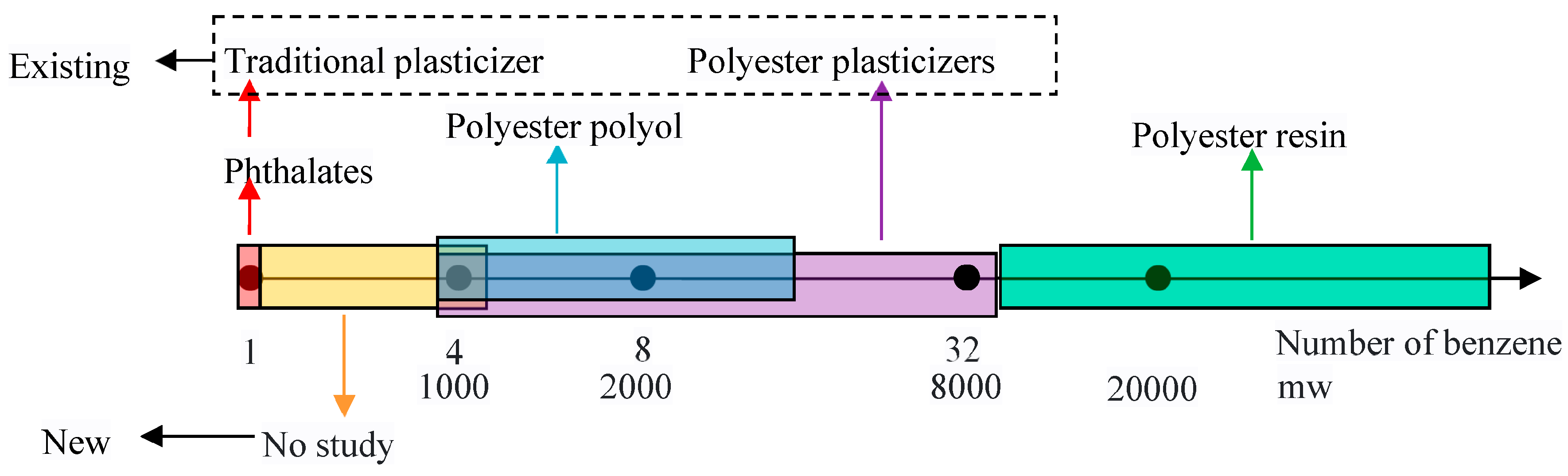
Figure 1: Unstudied segments of oligomeric molecules.
Subsequently, its plasticizing performance was systematically investigated and compared with that of DOP and DOTP, verifying its excellent plasticizing effect and superior migration resistance. The underlying mechanism was also elucidated in detail.
The low-polyester plasticizer studied in this article is a new type of plasticizer product with a molecular weight lying between that of single aromatic ring plasticizers (such as DOP, DOTP, etc.) and polyester-based plasticizers. Its molecular weight is usually greater than 400 and can reach up to around 1000. As shown in Fig. 1, this special structure can bring many benefits. For instance, in the industry, it fills the gap for this type of product; in application, such plasticizers often have better plasticizing performance than polyester-based plasticizers (Requires blending and use together) and better anti-migration properties than phthalate-based plasticizers. This provides an important reference for the development and innovation of anti-migration plasticizers.
p-Phthalic acid (PTA, 99%); 1,4-Butanediol (BDO, AR, 98%); 2-Ethyl-1-hexanol (98%); Dioctyl terephthalate (DOTP, 98%); Titanium butoxide (RG, 98%), they all purchased from Shanghai Macklin Biochemical Co., Ltd. (Shanghai, China); Polyvinyl chloride (PVC, DG-1000I), TianJin Dagu Chemical Co., Ltd. (Tianjin, China); fatty acid calcium (Ca 6.6%~7.4%) and fatty acid zinc (Zn 10%~12%), they were purchased from Shanghai Aladdin Biochemical Technology Co., Ltd. (shanghai, China).
2.2.1 Preparation of Dioctyl Oligobutylene Terephthalate (DOOBT)
Add 50 g PTA, 13.6 g BDO and 47 g 2-Ethyl-1-hexanol in a 250-cc round-bottomed, three-necked flask provided with a mechanical stirrer, oil-water separator, reflux condenser and thermometer, then stir and heat to 160°C, add Titanium butoxide 0.1 g. Then gradually heat up to over 240°C, stop stirring when no water is flowing out. After cooling to room temperature, the device was changed to a distillation setup and excess alcohols were removed by distillation using a vacuum oil ring pump (Nanjing, China) at 180°C under −0.09 MPa. The residue is DOOBT. The reaction equation can be found in Fig. 2.
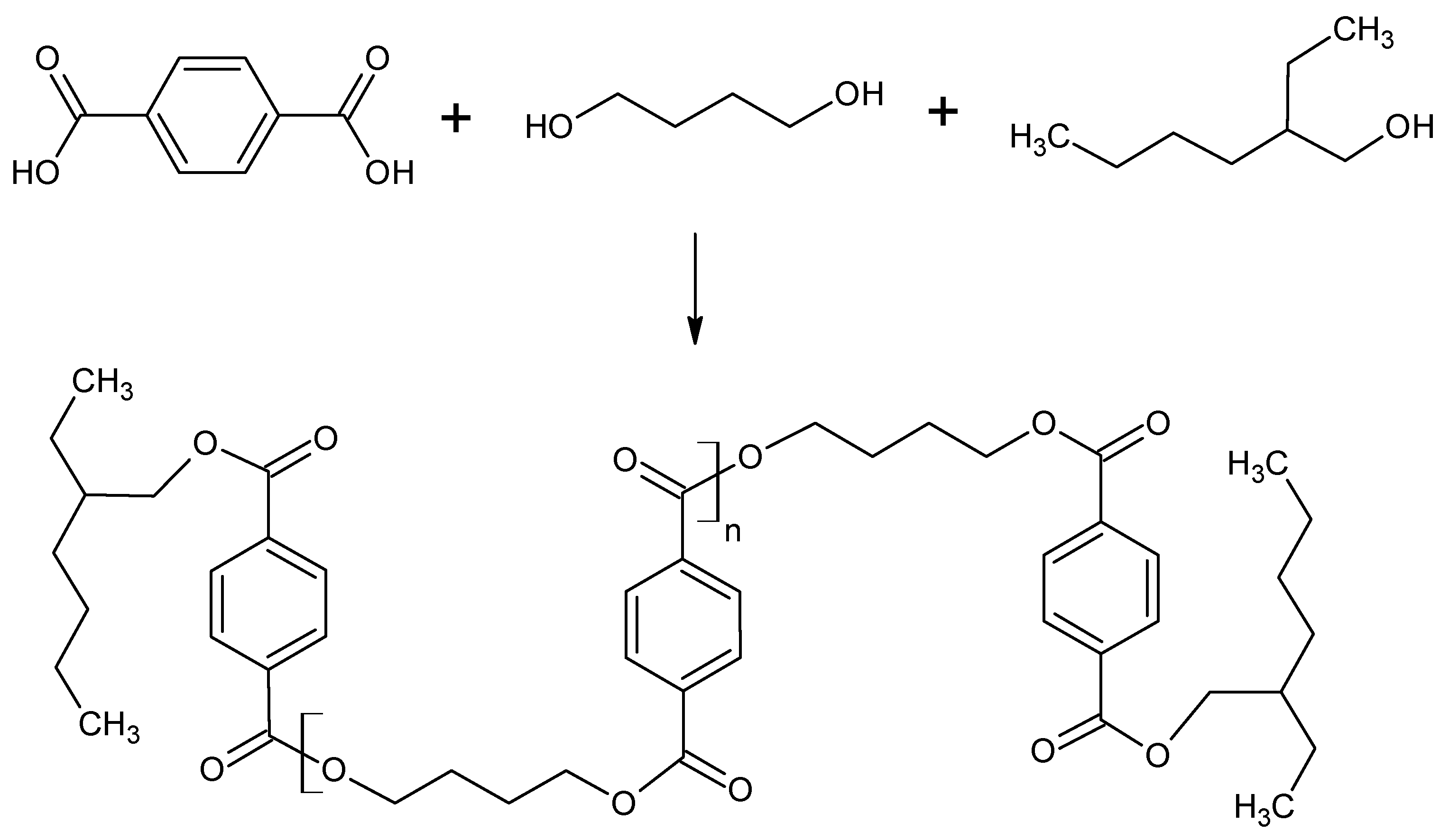
Figure 2: The synthesis equation of DOOBT.
2.2.2 Preparation of Plasticized PVC Test Specimens
Flexible PVC films were prepared according to a formulation ratio of PVC resin:plasticizer:stearic acid salt = 100:40:6 (by weight). The raw materials were first dry-blended in a high-speed mixer for 2 min. Subsequently, the pre-mixed compound was processed using a twin-roll open mill at 165°C. The roller gap was maintained at 2 mm, and the mixture was homogenized for 3–8 min using the triangular bag folding method to ensure thorough mixing and plasticization. The processed sheet was then hot-pressed at 165°C to obtain uniform PVC films with a thickness of approximately 0.4 mm. Finally, dumbbell-shaped specimens (see Fig. 3) were die-cut from the films for subsequent mechanical property testing.
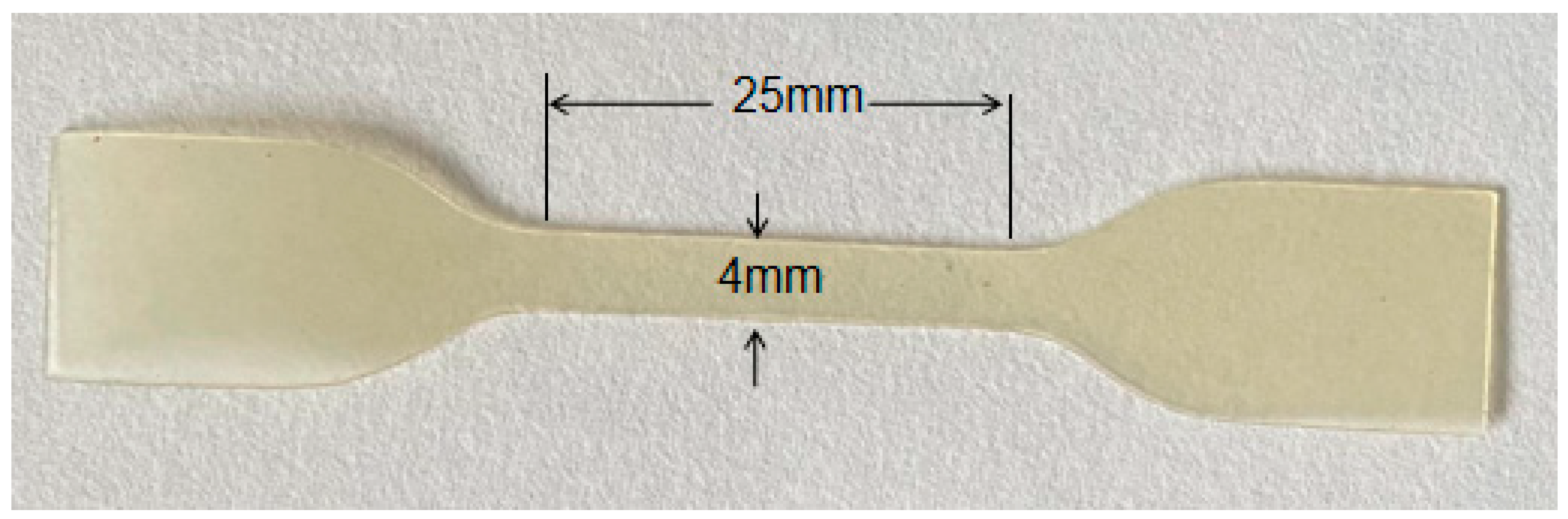
Figure 3: Style and size of dumbbell-shaped samples.
The DOOBT was analyzed using the Infra-Red Spectrometer (iS50, Thermo Nicolet Corporation, USA). The scanning range was 4000–400 cm−1.
The molecular weight distribution of DOOBT was analyzed by gel chromatography (Waters1515, Waters Corporation, USA).
Thermal properties of these plasticizers were analysed by a Thermogravimetric Analyzer (TG209F1, NETZSCH-Gerätebau GmbH, Germany). Thermo gravimetric (TG) and differential thermogravimetric (DTG) curves were recorded with this apparatus by use of an aluminium crucible with a cover punch. The weight of the analytical sample was within the range 3.5–5.0 mg. The samples were heated in a static nitrogen atmosphere within the range from 40°C to 600°C, and the heating rate was 10°C/min.
The Tg of the samples were determined using the Diamond differential scanning calorimeter. (DSC 8000, PerkinElmer Instruments Co., Ltd., USA).
2.3.5 Tensile Performance Test
The tensile properties of the plasticized PVC film were tested using the Microcomputer-controlled electronic universal testing machine (LD24.304, Lishi (Shanghai) Instruments Co., Ltd., China). The sensor capacity was 10 kN, the test speed was 50 mm/min, and the test temperature was 23°C. The test data were the average values of 5 parallel samples.
2.3.6 Analysis of Migration Tolerance
The migration resistance of PVC films was tested according to the ASTM D 1239—1998 [31] method. The sample size was 50 mm × 50 mm. The soaking solutions used were distilled water, 10% ethanol and soybean oil. The PVC films were immersed in different soaking solutions for 24 h. After the soaking process, they were cleaned, dried, and placed in a vacuum oven at 30°C for 24 h. The mass changes of the PVC films before and after soaking were recorded, and the mass loss rate was calculated according to Eq. (1).
In the equation: η—Mass loss rate, %; m1—Sample mass before soaking, g; m2—Sample mass after soaking, g.
The volatility of PVC films was tested according to the standard ISO 176:2005. The sample size was 50 mm × 50 mm, samples were covered with activated carbon and placed in a constant-temperature drying oven at 70°C for 24 h. After the process is completed, the sample is cooled to room temperature, the activated carbon is wiped off, and then cleaned with ethanol and dried. Finally, it is placed in a vacuum drying oven at 30°C for 24 h. The change in the mass of the PVC film before and after the process is recorded, and the mass loss rate is calculated according to Eq. (1).
The microscopic structure of the fracture surface of PVC after tensile testing was studied by scanning electron microscopy (SEM).
The structure of the synthesized DOOBT was analyzed by infrared spectroscopy. The specific spectrogram can be found in Fig. 4.
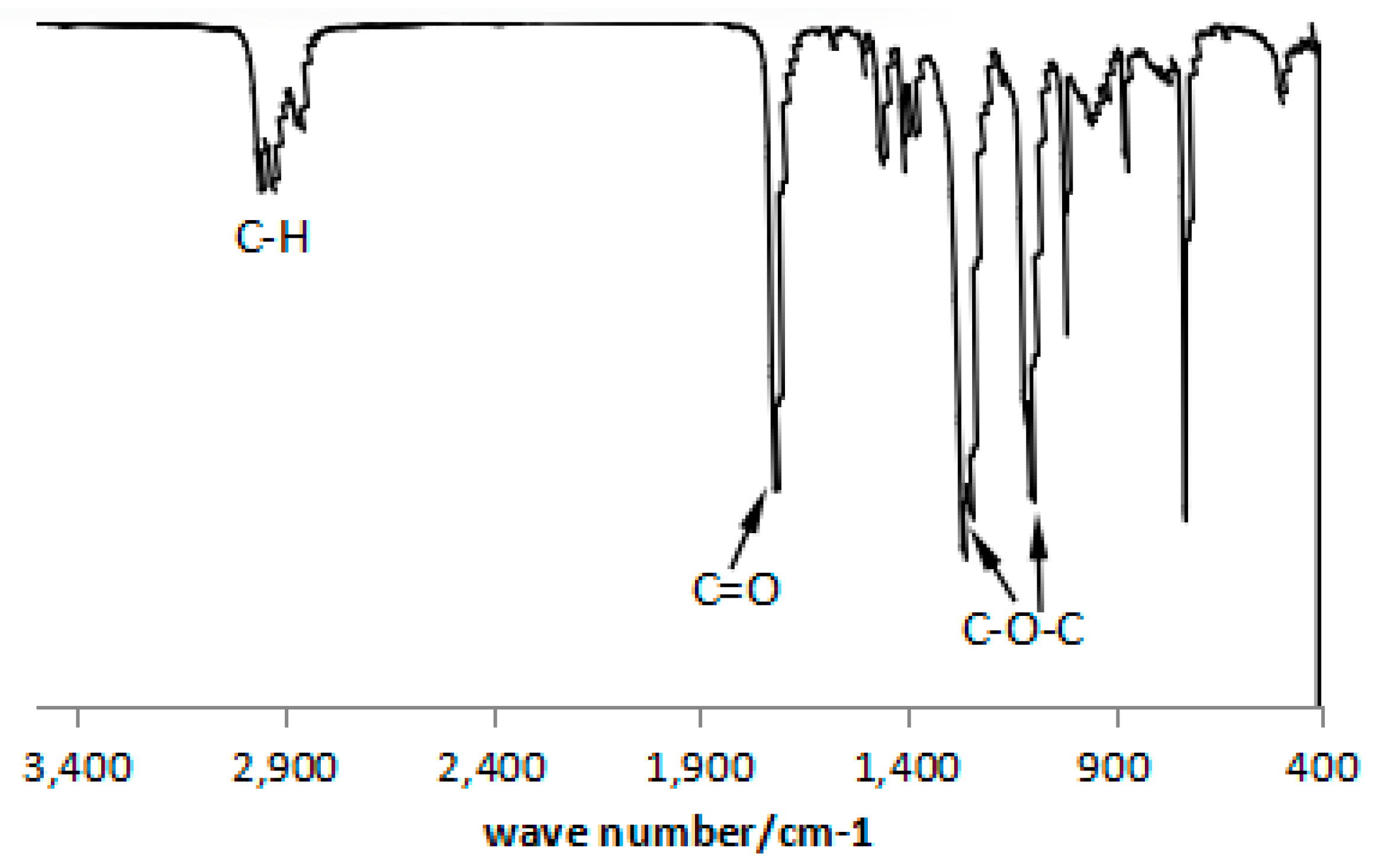
Figure 4: FTIR spectra of DOOBT.
As can be seen from Fig. 4, a distinct double bond stretching vibration peak of C=O was observed at 1722 cm−1, while asymmetric stretching vibration peaks of C-O-C were observed at 1267 cm−1 and 1105 cm−1. Moreover, in the spectrum, there was no OH stretching vibration peak of terephthalic acid in the range of 3335–2500 cm−1. This clearly indicates that terephthalic acid has completely transformed into DOOBT.
The main characteristic that distinguishes DOOBT from DOTP and polymers is its low degree of polymerization. Therefore, accurately determining its molecular weight distribution is of crucial importance. Therefore, we conducted gel chromatography analysis on DOOBT. The details can be found in Fig. 5.
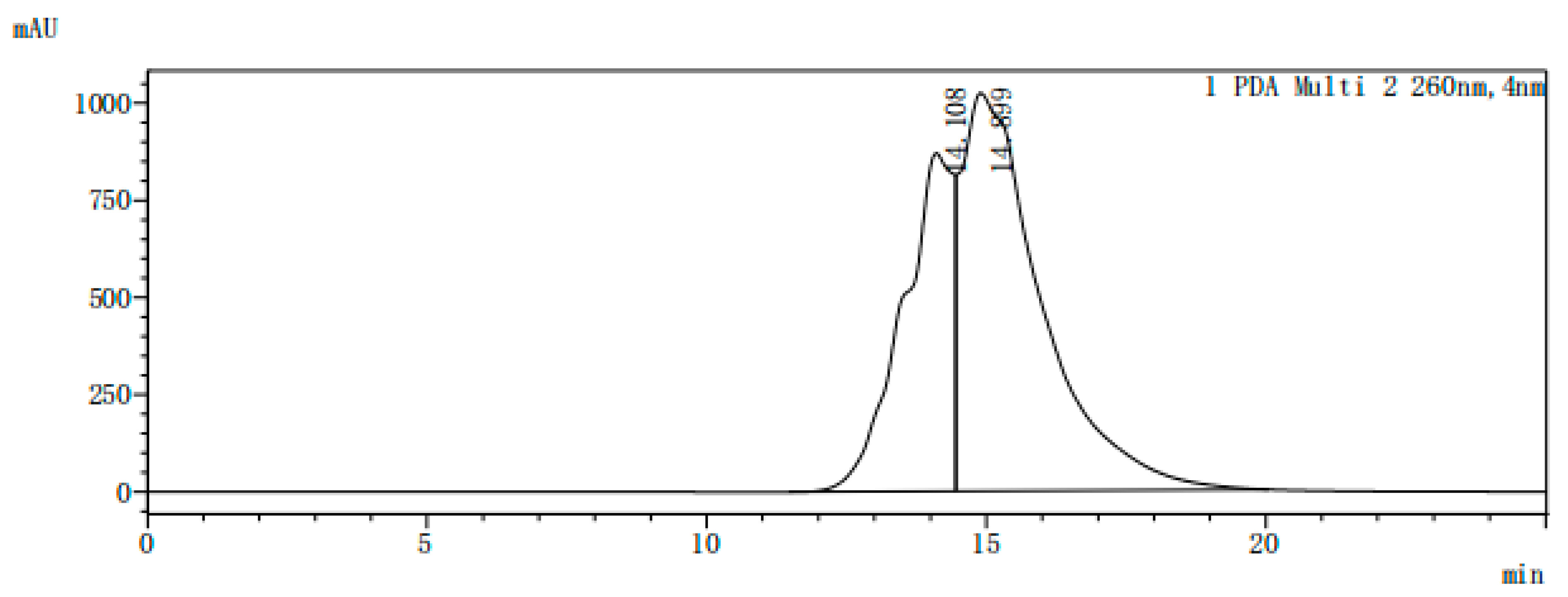
Figure 5: Gel chromatography of DOOBT.
In Fig. 5, two peaks are observed. The peak at 14.108 min accounts for only 35% and has a molecular weight of 1210; the peak at 14.899 min accounts for as much as 65% and has a molecular weight of 743. It landed precisely around 1000, and the majority of them were below 1000. This indicates that the synthesis of DOOBT was very successful.
To further determine the composition and thermal stability of DOOBT, we conducted thermogravimetric analysis on it simultaneously with DOTP. The specific results are shown in Fig. 6.
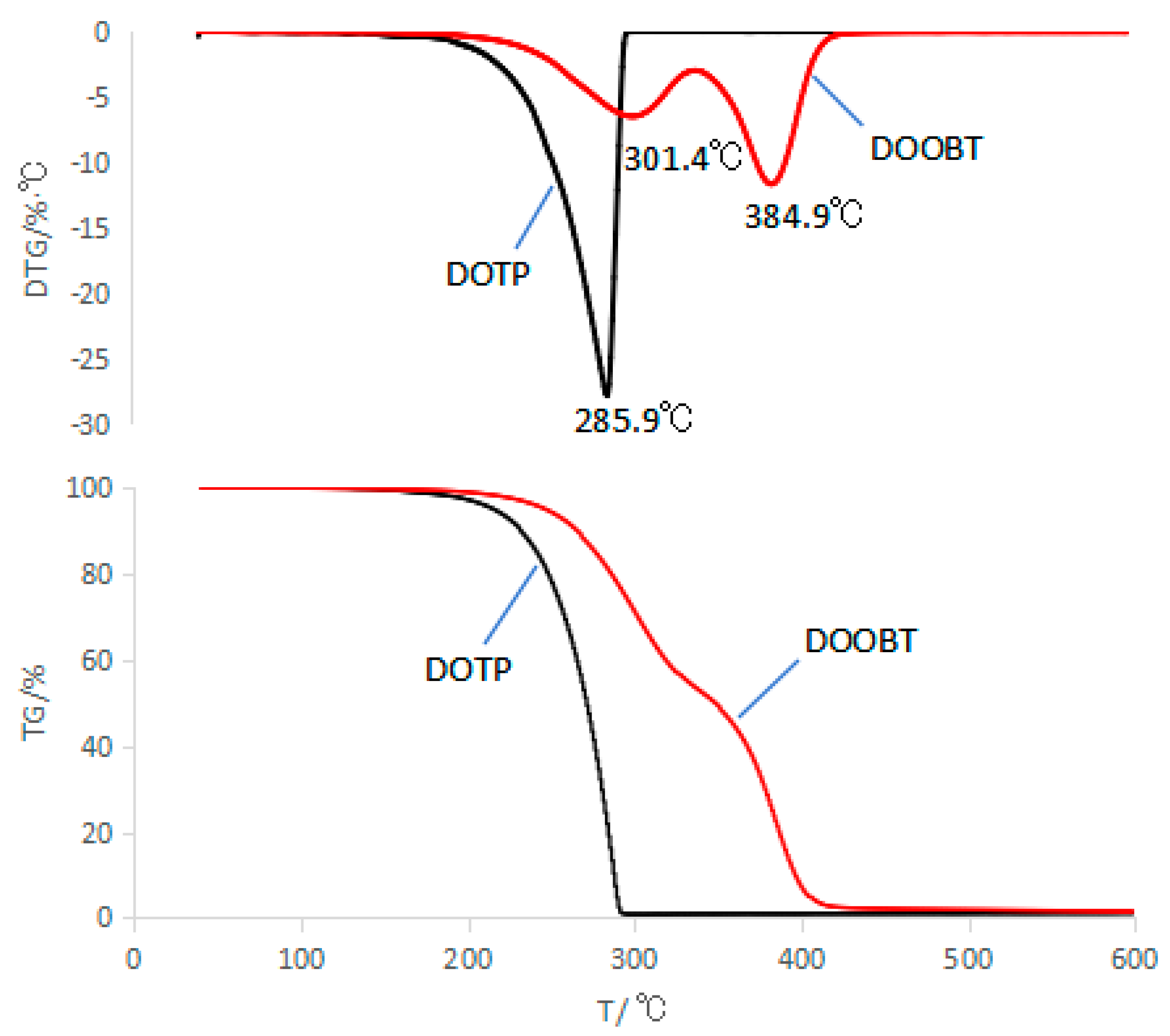
Figure 6: TG and DTG curves of DOTP and DOOBT.
It can be seen from Fig. 6 that the TG curve of DOOBT lags behind that of DOTP significantly and has more than one weight loss step. This fully demonstrates that DOOBT has better thermal stability than DOTP and that its composition is not a single compound (This is in perfect agreement with the analysis results of GPC). Looking at the DTG spectrum, DOOBT shows two peaks at 301.4°C and 384.9°C, respectively, both of which are significantly higher than the 285.9°C of DOTP. This once again indicates that DOOBT has better thermal stability and volatility resistance, and also confirms that DOOBT is indeed a low-molecular-weight oligomer with a higher molecular weight than DOTP. Additionally, the residue of DOOBT is 1.57%, which is also significantly higher than the 1.13% of DOTP, further confirming this point. Furthermore, DOOBT is not a solid, which indicates that it is not a polymer, and its molecular weight lies between that of DOTP and polyester. This is precisely the substance we need to synthesize.
In order to determine the plasticizing performance of DOOBT and the glass transition temperature of the PVC plasticized by it, we conducted DSC analysis on the PVC products that were plasticized by DOOBT and compared them with pure PVC. The specific results are shown in Fig. 7.
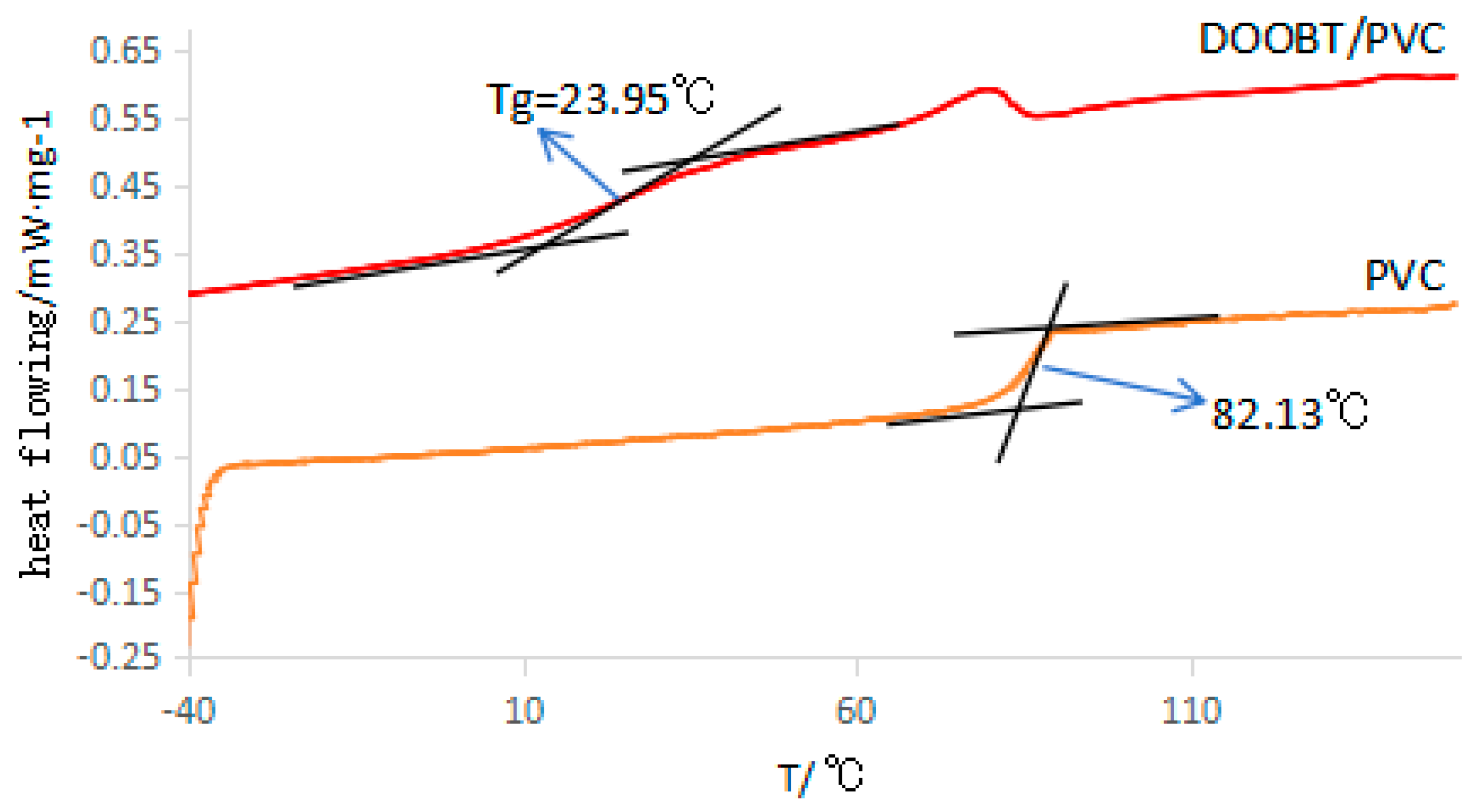
Figure 7: DSC curves of glass transition of PVC and plasticized PVC.
As can be seen from Fig. 7, the Tg of PVC plasticized by DOOBT is 23.95°C, Like other polyester plasticizers, they are all higher than that of PVC plasticized by DOP (−10°C), but it’s significantly better than that of polyester-based plasticizers (Difficult to be molded and shaped). While that of pure PVC is 82.13°C, reduced by 58 degrees Celsius, it is significantly better than that of polyester-based plasticizers. This indicates that DOOBT has a good plasticizing effect on PVC.
3.5 Mechanical Properties and SEM
To further determine the mechanical properties of the DOOBT-plasticized PVC synthesized, tensile tests were conducted on the plasticized PVC films. The specific stress-strain curves are shown in Fig. 8.
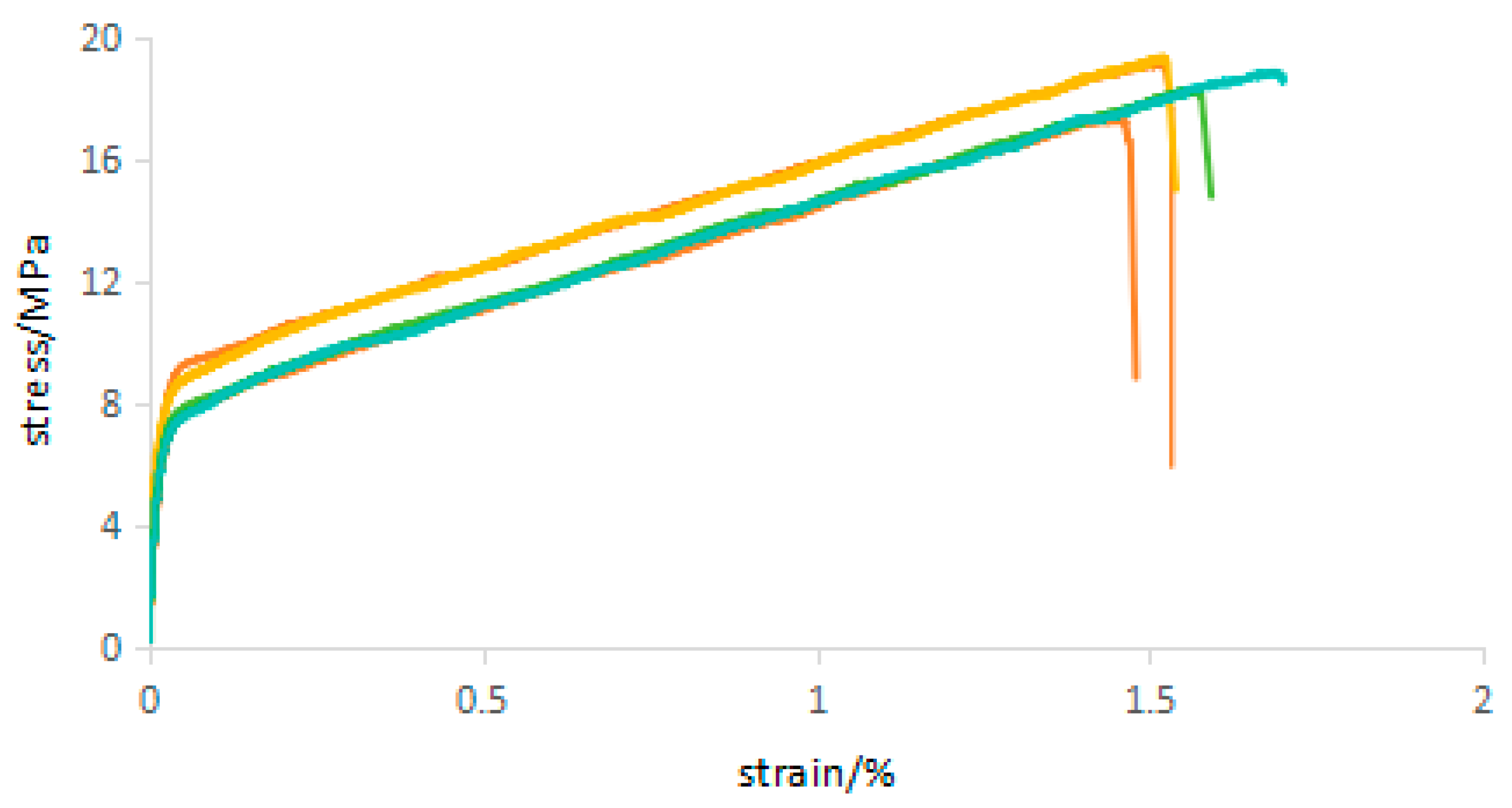
Figure 8: Stress-strain diagram.
From the stress-strain curve graph, it can be seen that the curves of the five samples are almost the same, indicating that the PVC products are uniformly mixed and DOOBT has good plasticizing performance. Additionally, the tensile strength of the samples is 18.63 MPa, the elongation at break is 155% (not as good as 327.58% for DOP), and the tensile elastic modulus is 635 MPa (average value). This fully demonstrates that the PVC plasticized by DOOBT has good plasticization performance and mechanical properties. Its plasticity is significantly superior to that of polyester-based plasticizers. Its performance lies between that of polyester and DOP, providing a better option for plastic processing. Furthermore, we also conducted SEM analysis on the cross-sectional morphology of the samples, and details can be found in Fig. 9.
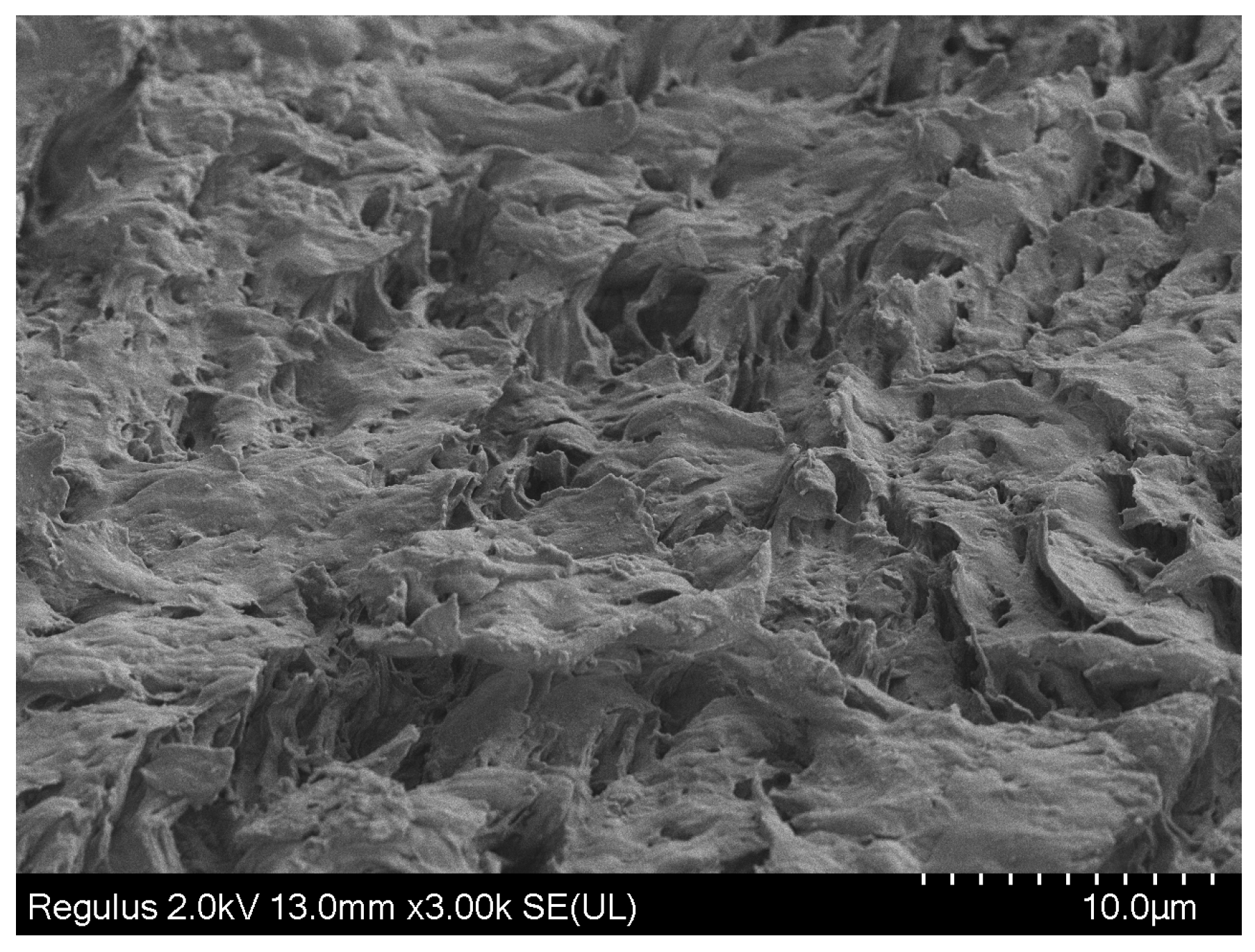
Figure 9: SEM photo of the fracture surface of PVC film.
In Fig. 9, there is no obvious cracking in the PVC cross-section. Instead, there is a clear wire-like texture with uniform distribution, which fully demonstrates that DOOBT has good compatibility with PVC and has already entered the PVC chain segments, achieving a good plasticizing effect.
For PVC films plasticized with different plasticizers, the extraction resistance properties in aqueous solution, ethanol solvent and soybean oil were systematically characterized, while their volatility performance was also evaluated in parallel. All the test results are shown in Table 1.
Table 1: Test results of extraction and volatility of plasticized PVC films.
| Solution/Weight Loss/% | Water | 10% Ethanol | Soybean Oil | Volatility |
|---|---|---|---|---|
| DOOBT/PVC | 0.06 | 0.05 | 0.11 | 0.35 |
| DOTP/PVC | 0.04 | 0.08 | 0.70 | 0.86 |
| DOP/PVC | 0.04 | -* | 1.04 | 5.54 |
As shown in Table 1, the migration behavior of DOP-plasticized PVC is markedly inferior to that of its DOTP-plasticized counterpart. Notably, the DOP-plasticized PVC exhibited weight gain in ethanol, suggesting high solubility and a propensity for substantial long-term leaching. In contrast, DOOBT-plasticized PVC demonstrated significantly enhanced stability. While its migration in water was comparable to that of the DOTP-based sample, DOOBT achieved a 37% reduction in migration into ethanol and an 84% reduction in migration into soybean oil. Furthermore, the volatilization resistance of DOOBT was notably superior. The volatilization rate of DOOBT-plasticized PVC was measured to be only 41% of that observed for the DOTP-plasticized control. These results comprehensively demonstrate that DOOBT imparts excellent solvent migration resistance and anti-volatilization properties to PVC. The data confirm that DOOBT is a high-performance anti-migration plasticizer. More importantly, this finding validates the initial hypothesis: properly designed polyester-based plasticizers can indeed reconcile effective plasticization with permanent migration resistance, bridging a key performance gap in conventional plasticizer technology.
Research shows that DOOBT not only has excellent plasticizing performance but also possesses exceptionally outstanding anti-migration properties. Then, why do oligomeric esters like DOOBT have both plasticizing and anti-migration properties? To explain this phenomenon, this study analyzed its mechanism, as detailed in Fig. 10.
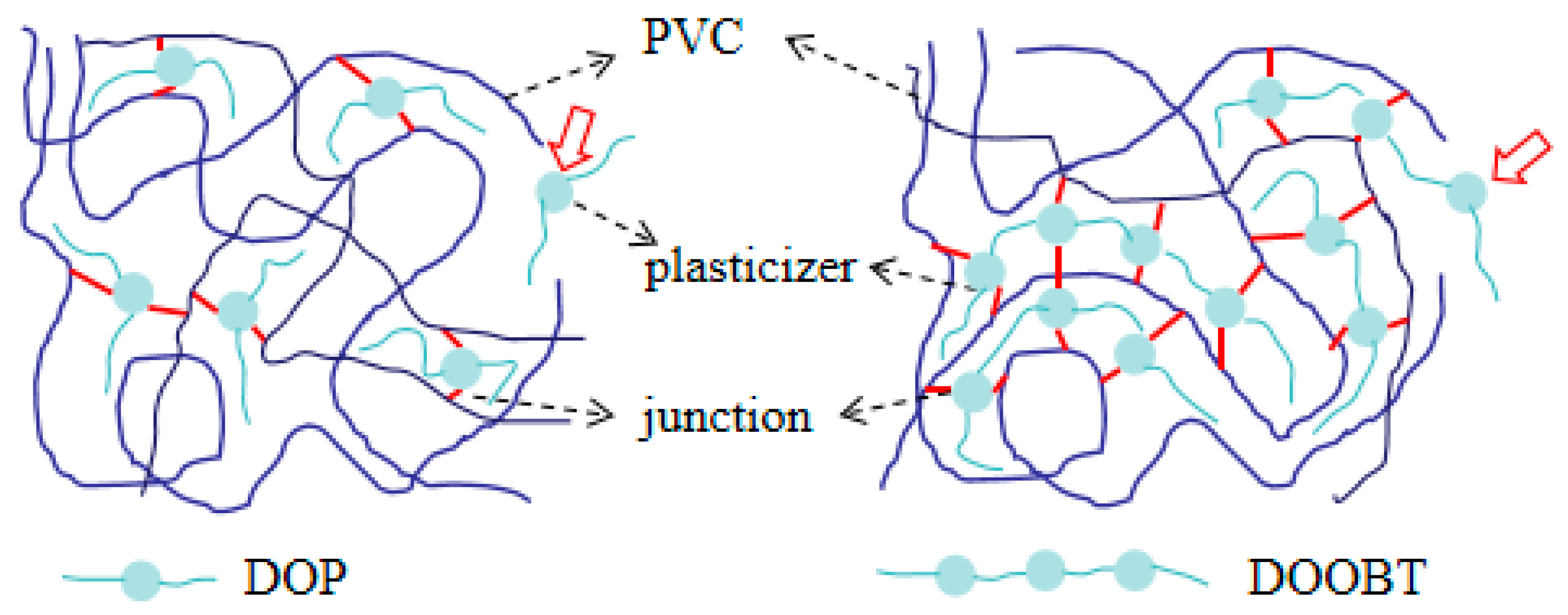
Figure 10: Plasticizing model of PVC by DOOBT.
Firstly, DOOBT, as a low-polymerization-degree polyester, shares key structural motifs (benzene rings, alkyl chains, and ester groups) with conventional plasticizers like DOP. This structural similarity ensures that its compatibility with PVC is comparable to that of DOP, providing a fundamental basis for effective plasticization.
Secondly, although DOOBT possesses a certain degree of polymerization, its oligomeric chain length is significantly shorter than that of typical polymers. This structural feature endows it with excellent fluidity and processing characteristics similar to small-molecule plasticizers, thereby avoiding the severe loss of plasticizing efficiency commonly observed in high-molecular-weight polymeric plasticizers.
Most importantly, this precisely controlled, extremely low degree of polymerization is the key to its dual functionality. It enables DOOBT to achieve a remarkable balance between effective plasticization and permanent anti-migration properties. As illustrated in Fig. 10 (indicated by the hollow arrow), the proposed migration mechanism is as follows: For small-molecule plasticizers like DOP, once the intermolecular forces (e.g., dipole-dipole interactions) with the PVC matrix are weakened or disrupted by a solvent, DOP molecules can readily migrate out. In contrast, DOOBT’s oligomeric structure provides multiple anchoring points to the PVC chains. Even if one end of the DOOBT molecule is solvated, the remaining segments remain firmly associated with the PVC matrix, effectively "locking" the plasticizer within the polymer network. Macroscopically, this translates into the observed significantly enhanced resistance to migration and extraction.
The excellent plasticizing performance and superior migration resistance of DOOBT can be attributed to its unique molecular structure, which bridges the gap between small-molecule and polymeric plasticizers.
In this study, a novel plasticiser, namely Dioctyl Oligobutylene Terephthalate (DOOBT), was synthesised using p-Phthalic acid, 1,4-Butanediol, and 2-Ethyl-1-hexanol as raw materials, which integrates both favorable plasticising performance and outstanding migration resistance. The as-synthesised DOOBT was blended with polyvinyl chloride (PVC) and stearate salts to prepare composite films. Characterisations via Fourier-transform infrared spectroscopy (FT-IR), gel chromatography (GPC) and thermogravimetric analysis (TGA) verified that DOOBT is a polyester compound with an extremely low degree of polymerisation. Subsequent differential scanning calorimetry (DSC) and tensile mechanical tests demonstrated that DOOBT exhibits excellent plasticssing efficiency. Solvent migration tests and volatilisation tests further confirmed the exceptional anti-migration performance of DOOBT as a plasticiser. A theoretical mechanism accounting for the simultaneous realisation of plasticising effect and anti-migration property was proposed, which provides a fundamental theoretical support for the development of eco-friendly anti-migration plasticisers. Currently, the practical applications of monoester and high-molecular-weight polyester plasticisers have proven their stable reliability, while the only limitation of DOOBT lies in its unique paste-like fluid state, which is neither a typical solid nor a free-flowing liquid. Therefore, follow-up research will be further intensified to achieve the targeted synthesis of a liquid low-polymerised polyester anti-migration plasticiser at an early stage.
Acknowledgement:
Funding Statement: This research was funded by the National Key Research and Development Program of China (grant number 2024YFB4205900) and Natural Science Foundation of Jiangsu Province (SBK20260201559).
Author Contributions: The authors confirm contribution to the paper as follows: Conceptualization and methodology, Ke Li; validation, Jie Chen; investigation, Ke Li; resources, Xiaoan Nie; data curation, Ke Li; writing—original draft preparation, Ke Li; writing—review and editing, Ke Li; funding acquisition, Ke Li. All authors reviewed and approved the final version of the manuscript.
Availability of Data and Materials: Data openly available in a public repository.
Ethics Approval: Not applicable.
Conflicts of Interest: The authors declare no conflicts of interest.
References
1. Kumar S . Recent developments of biobased plasticizers and their effect on mechanical and thermal properties of poly (vinyl chloride): A review. Ind Eng Chem Res. 2019; 58( 27): 11659– 72. doi:10.1021/acs.iecr.9b02080. [Google Scholar] [CrossRef]
2. Tullo AH . Plasticizer makers wanta piece of the phthalates pie. Chem Eng News. 2015; 93( 25): 16– 8. [Google Scholar]
3. Ma Y , Liao S , Li Q , Guan Q , Jia P , Zhou Y . Physical and chemical modifications of poly (vinyl chloride) materials to prevent plasticizer migration—Still on the run. React Funct Polym. 2020; 147: 104458. doi:10.1016/j.reactfunctpolym.2019.104458. [Google Scholar] [CrossRef]
4. Ambrogi V , Brostow W , Carfagna C , Pannico M , Persico P . Plasticizer migration from cross-linked flexible PVC: Effects on tribology and hardness. Polym Eng Sci. 2012; 52( 1): 211– 7. doi:10.1002/pen.22070. [Google Scholar] [CrossRef]
5. Al Salloum H , Saunier J , Tfayli A , Yagoubi N . Studying DEHP migration in plasticized PVC used for blood bags by coupling Raman confocal microscopy to UV spectroscopy. Mater Sci Eng C. 2016; 61: 56– 62. doi:10.1016/j.msec.2015.12.008. [Google Scholar] [CrossRef]
6. Tao Y , Yi X , Gu Y , Yang R , Li Z , Guo X , et al. Neurotoxicity of dibutyl phthalate in zebrafish larvae: Decreased energy acquisition by neurons. Food Chem Toxicol. 2024; 188: 114666. doi:10.1016/j.fct.2024.114666. [Google Scholar] [CrossRef]
7. Alatriste-Mondragon F , Gavala H , Iranpour R , Stenstrom MK , Ahring BK . Biodegradation and toxicity of phthalate esters during the anaerobic digestion of wastewater sludge. Proc Water Environ Fed. 2001; 2001( 13): 902– 20. doi:10.2175/193864701790864052. [Google Scholar] [CrossRef]
8. Bansal OP . A review on plasticizers in water and food and their impact on human health. IOSR J Environ Sci Toxicol Food Technol. 2024; 18( 11): 27– 37. doi:10.9790/2402-1811022737. [Google Scholar] [CrossRef]
9. Tickner JA , Schettler T , Guidotti T , McCally M , Rossi M . Health risks posed by use of Di-2-ethylhexyl phthalate (DEHP) in PVC medical devices: A critical review. Am J Ind Med. 2001; 39( 1): 100– 11. doi:10.1002/1097-0274(200101)39:1<100::aid-ajim10>3.0.co;2-q. [Google Scholar] [CrossRef]
10. Park Y , Kim E , Jung J , Jo AR , Joung SB , Jeon H , et al. Elevated exposure to phthalates and non-phthalate plasticizers among urban and rural Egyptian children: Biomonitoring and health risk assessment. Environ Res. 2025; 285( Pt 3): 122489. doi:10.1016/j.envres.2025.122489. [Google Scholar] [CrossRef]
11. Maric B , Schuster S , Machnik P . Exposure to phthalate plasticizer compromises normal brain function in an adult vertebrate. Ecotoxicol Environ Saf. 2024; 286: 117187. doi:10.1016/j.ecoenv.2024.117187. [Google Scholar] [CrossRef]
12. Nahla E , Arya P , Maneesha P , Chitra KC . Exposure to the plasticizer dibutyl phthalate causes oxidative stress and neurotoxicity in brain tissue. Environ Sci Pollut Res. 2024; 31( 14): 21399– 414. doi:10.1007/s11356-024-32604-7. [Google Scholar] [CrossRef]
13. Liu JC , Lai FN , Li L , Sun XF , Cheng SF , Ge W , et al. Di (2-ethylhexyl) phthalate exposure impairs meiotic progression and DNA damage repair in fetal mouse oocytes in vitro. Cell Death Dis. 2017; 8( 8): e2966. doi:10.1038/cddis.2017.350. [Google Scholar] [CrossRef]
14. Lu Z , Zhang C , Han C , An Q , Cheng Y , Chen Y , et al. Plasticizer bis(2-ethylhexyl) phthalate causes meiosis defects and decreases fertilization ability of mouse oocytes in vivo. J Agric Food Chem. 2019; 67( 12): 3459– 68. doi:10.1021/acs.jafc.9b00121. [Google Scholar] [CrossRef]
15. Swan SH . Prenatal phthalate exposure and anogenital distance in male infants. Environ Health Perspect. 2006; 114( 2): A88– 9. doi:10.1289/ehp.114-a88b. [Google Scholar] [CrossRef]
16. Tuculina M , Perlea P , Gheorghiță M , Cumpătă C , Dascălu I , Turcu A , et al. Diabetes mellitus: Plasticizers and nanomaterials acting as endocrine-disrupting chemicals (review). Exp Ther Med. 2022; 23( 4): 288. doi:10.3892/etm.2022.11217. [Google Scholar] [CrossRef]
17. Pereira LC , de Souza AO , Bernardes MFF , Pazin M , Tasso MJ , Pereira PH , et al. A perspective on the potential risks of emerging contaminants to human and environmental health. Environ Sci Pollut Res. 2015; 22( 18): 13800– 23. doi:10.1007/s11356-015-4896-6. [Google Scholar] [CrossRef]
18. Li JH , Ko YC . Plasticizer incident and its health effects in Taiwan. Kaohsiung J Med Sci. 2012; 28( 7): S17– 21. doi:10.1016/j.kjms.2012.05.005. [Google Scholar] [CrossRef]
19. Li K , Nie X , Jiang J . Plasticizing effect of C-(22)-triesters of tricarboxylic acid on polyvinyl chloride films. J Biobased Mat Bioenergy. 2019; 13( 1): 53– 61. doi:10.1166/jbmb.2019.1821. [Google Scholar] [CrossRef]
20. Yang Y , Zhang C , Han Y , Weng Y . Plasticizing and thermal stabilizing effect of bio-based epoxidized cardanol esters on PVC. Polym Adv Technol. 2023; 34( 1): 181– 94. doi:10.1002/pat.5876. [Google Scholar] [CrossRef]
21. Feng Y , Chu Z , Man L , Hu Y , Zhang C , Yuan T , et al. Fishbone-like polymer from green cationic polymerization of methyl eleostearate as biobased nontoxic PVC plasticizer. ACS Sustain Chem Eng. 2019; 7( 23): 18976– 84. doi:10.1021/acssuschemeng.9b04394. [Google Scholar] [CrossRef]
22. Sun S , Weng Y , Zhang C . Recent advancements in bio-based plasticizers for polylactic acid (PLA): A review. Polym Test. 2024; 140: 108603. doi:10.1016/j.polymertesting.2024.108603. [Google Scholar] [CrossRef]
23. Benaniba MT , Massardier-Nageotte V . Evaluation effects of biobased plasticizer on the thermal, mechanical, dynamical mechanical properties, and permanence of plasticized PVC. J Appl Polym Sci. 2010; 118( 6): 3499– 508. doi:10.1002/app.32713. [Google Scholar] [CrossRef]
24. Yu J , Zou H , Zhang T , Zhang J . Nuclear receptors-mediated endocrine disrupting effects of non-phthalate plasticizers: A review. J Agric Food Chem. 2023; 71( 45): 16902– 18. doi:10.1021/acs.jafc.3c04060. [Google Scholar] [CrossRef]
25. Zhang Q , Sun J , Yao Z , Ding X , Wang Z , Zhang L . Synthesis and performance evaluation of low-molecular-weight biobased polyester rubber as a novel eco-friendly polymeric plasticizer for polyvinyl chloride. Front Mater. 2024; 11: 1406469. doi:10.3389/fmats.2024.1406469. [Google Scholar] [CrossRef]
26. Wu Y , Fan L , Chen Y , Zhang X , Chen D , Yang W . Branching structured poly(vinyl chloride-co-hydroxyethyl acrylate)-g-polycaprolactone as nonmigratory polymeric plasticizers and compatibilizers in flexible PVC. ACS Appl Polym Mater. 2025; 7( 2): 1039– 51. doi:10.1021/acsapm.4c03603. [Google Scholar] [CrossRef]
27. Lindström A , Hakkarainen M . Migration resistant polymeric plasticizer for poly(vinyl chloride). J Appl Polym Sci. 2007; 104( 4): 2458– 67. doi:10.1002/app.24777. [Google Scholar] [CrossRef]
28. Wu H , Gao J , Gu X , Chang C , Xu H , Feng L . Effect of relative molecular mass on rheological behavior of polybutylene terephthalat. China Synth Fiber Ind. 2025; 48( 4): 46– 52. (In Chinese). [Google Scholar]
29. Lang K , Sánchez-Leija RJ , Gross RA , Linhardt RJ . Review on the impact of polyols on the properties of bio-based polyesters. Polymers. 2020; 12( 12): 2969. doi:10.3390/polym12122969. [Google Scholar] [CrossRef]
30. Zhang X , Li Z , Wang J , Han S , Gao C . The newest research progresses of polyester plasticizer for PVC. J Petrochem Univ. 2016; 29( 4): 13– 7. (In Chinese). doi:10.3969/j.issn.1006-396X.2016.04.003. [Google Scholar] [CrossRef]
31. ASTM D1239-98(2006)e1. Standard test method for resistance of plastic films to extraction by chemicals. West Conshohocken, PA, USA: ASTM International; 1998. doi:10.1520/D1239-98R06E01. [Google Scholar] [CrossRef]
Cite This Article
 Copyright © 2026 The Author(s). Published by Tech Science Press.
This work is licensed under a Creative Commons Attribution 4.0 International License , which permits unrestricted use, distribution, and reproduction in any medium, provided the original work is properly cited.
 Downloads
 Citation Tools
