
 Login
Login Register
 Submit a Paper
 Propose a Special lssue
 Open Access
ARTICLE
Construction of a Yeast cDNA Library from Chinese Cabbage and Identification of Upstream Regulators of the Key Tip-Burn Resistance Gene BrWRKY25
1 School of Horticulture and Landscape Architecture, Henan Institute of Science and Technology, Xinxiang, China
2 Henan Engineering Research Center of the Development and Utilization of Characteristic Horticultural Plants, Xinxiang, China
3 School of Plant Protection and Environment/School of Bee Science, Henan Institute of Science and Technology, Xinxiang, China
* Corresponding Authors: Changwei Shen. Email: ; Jingping Yuan. Email:
# These authors contributed equally to this study
Phyton-International Journal of Experimental Botany 2026, 95(9), 8 https://doi.org/10.32604/phyton.2026.085158
Received 06 May 2026; Accepted 18 August 2026; Issue published 24 September 2026
 View Full Text
 Download PDF
Abstract
Tip-burn in Chinese cabbage (Brassica rapa L. ssp. pekinensis) is a calcium-deficiency-induced physiological disorder, and BrWRKY25 functions as a negative regulator of tip-burn resistance. To elucidate the regulatory mechanisms underlying BrWRKY25-mediated tip-burn resistance, we constructed a yeast cDNA library from Chinese cabbage subjected to calcium-deficient treatment to identify its key upstream transcription factors. The constructed yeast cDNA library exhibited a titer of 9.5 × 10⁶ colony forming unit (CFU)·mL−1 and an average insert size exceeding 1000 bp, meeting the quality criteria for downstream applications. Using the 1044-bp promoter of BrWRKY25 as bait, we screened several transcription factors, including zinc finger proteins, heat shock proteins, and ion transport proteins. Furthermore, conserved domain analysis of two zinc finger protein transcription factors, BrZFP4 (Bra039750) and BrZFP19 (Bra033588), revealed that BrZFP4 contains a conserved C2H2 zinc finger domain, while BrZFP19 contains two conserved B-box zinc finger domains. Yeast one-hybrid assays and dual-luciferase reporter gene assays demonstrated that both BrZFP4 and BrZFP19 directly bind to the BrWRKY25 promoter and activate its transcription. These findings suggest that the BrZFP4/19–BrWRKY25 regulatory module plays a pivotal role in tip-burn resistance, offering a theoretical framework for understanding the molecular mechanisms governing BrWRKY25-mediated resistance in Chinese cabbage.Keywords
Supplementary Material
Supplementary Material FileChinese cabbage (Brassica rapa L. ssp. pekinensis) is one of the most economically important leafy vegetables in China. Tip-burn, a physiological disorder, severely affects its yield and quality [1]. The incidence rate typically ranges from 10% to 30%, and can exceed 80% in severe cases, causing significant economic losses for growers, with a trend of increasing severity [2]. Tip-burn primarily affects heading leaf vegetables, such as Brassica rapa L. ssp. pekinensis, Brassica oleracea var. capitata, Brassica oleracea var. botrytis, and Lactuca sativa var. capitata [3,4]. It is mainly caused by uneven calcium distribution or insufficient calcium uptake within the plant, and environmental stresses like drought and high temperature can exacerbate the condition [1].
Research on tip-burn in Chinese cabbage has largely focused on calcium ion absorption and transport-related proteins, such as calreticulin BrCRT2, Ca2+/H+ exchangers BrCAX1-1 and BrCAX1-2 [2,5,6]. A few studies have also indicated the close association of calcium signaling pathway proteins with tip-burn resistance [7]. The calcium signaling pathway primarily involves proteins like CNGCs, CaMs/CMLs, and CDPKs [8]. Using extreme tip-burn-resistant and tip-burn-sensitive inbred lines for resequencing analysis, researchers found that mutations in CNGCs are closely linked to tip-burn susceptibility in Chinese cabbage [9]. CNGCs in many species have been demonstrated to transport Ca2+ and play crucial roles in plant calcium signaling [7,10,11]. Transcriptome (RNA-seq) analysis of inner leaves from the sister inbred lines ‘J39290’ (tolerant) and ‘J95822’ (sensitive) identified 22 calcium signaling pathway genes associated with tip-burn resistance, encoding CDPK and CML proteins [12]. Further integrated analysis of transcriptomic differences between calcium-deficient and control-treated leaves validated that multiple calcium signaling pathway genes (CaBPs and CMLs) respond significantly to calcium deficiency and are closely related to tip-burn resistance [13]. Functional analysis of a key candidate gene, BrCML5, and its interaction network suggested that in ‘J39290’, the BrCML5 protein might enhance tip-burn resistance by affecting calcium distribution in leaves, potentially acting through CDPK1/2 [14]. These findings collectively indicate that Chinese cabbage can enhance tip-burn resistance by improving the defense system mediated by the calcium signaling pathway.
Our previous study identified BrWRKY25 as a key regulator of tip-burn resistance, however, the upstream molecular regulators controlling its expression remain largely unknown. Zinc finger proteins (ZFPs) constitute one of the largest and most functionally diverse superfamilies of transcriptional regulators in eukaryotes, extensively involved in processes such as gene expression regulation, epigenetic modulation and RNA metabolism [15]. In plants, ZFPs play critical roles in responses to stresses like drought, salt, cold, and heat [16], yet their function in calcium deficiency-induced tip-burn has not been reported.
Yeast library screening is a fundamental approach for deciphering protein-protein interactions and transcriptional regulatory networks. In particular, cDNA libraries constructed using the Gateway® recombination cloning system are extensively utilized in plant molecular biology owing to their high efficiency and cloning fidelity [17]. This technology utilizes λ phage site-specific recombination (BP/LR reactions) to achieve seamless transfer of DNA fragments between different vectors, avoiding issues like fragment loss and reading frame shifts associated with traditional restriction-ligation methods [18]. In studies on plant stress-induced disease resistance mechanisms, constructing full-length cDNA libraries via Gateway technology preserves the open reading frames of stress-responsive genes, significantly improving library coverage [19]. Therefore, this study first cloned the promoter sequence of the BrWRKY25 gene and analyzed its cis-acting elements. Subsequently, a bait vector containing the BrWRKY25 promoter and a yeast cDNA library from calcium-deficient-treated Chinese cabbage were constructed. Yeast library screening was then employed to identify potential upstream transcription factors of BrWRKY25, with candidate interactions validated using yeast one-hybrid assays. These results provide an important theoretical foundation for further elucidating the molecular mechanism of BrWRKY25-mediated tip-burn resistance in Chinese cabbage and offer potential genetic resources for breeding new varieties with enhanced tip-burn resistance.
2.1 Plant Material Treatment and Sampling
The tip-burn-susceptible Chinese cabbage variety ‘HK8’ with a two-week-old seedling age was used as plant material. The seeds were obtained from a cabbage cultivar developed by the Chinese Cabbage Research Group at Henan Institute of Science and Technology. The plants were first subjected to low-calcium (10 μM) treatment. On the fourth day post-treatment, roots and leaves were collected. The samples were mixed, immediately flash-frozen in liquid nitrogen, and stored at −80°C for subsequent use.
2.2 Construction of a Yeast One-Hybrid cDNA Library for Chinese Cabbage
To construct the yeast cDNA library, total RNA was extracted from the roots and leaves of the low-calcium-treated Chinese cabbage using the CTAB method [20]. The purity and integrity of the RNA were assessed using a NanoDrop 2000C spectrophotometer [21]. mRNA was isolated and purified using the Dynabeads™ mRNA purification kit (Thermo Fisher Scientific, Shanghai, China). The Gateway™ BP-LR recombination system [22] was employed. The cDNA was first inserted into the entry vector pDONR222 to generate a primary library using the standard CloneMiner™ II protocol, and then subsequently recombined into the destination vector pGADT7-GW using the LR reaction to construct the secondary (nuclear) yeast cDNA library. To determine the library titer, 10 μL of the primary bacterial culture was diluted 1000-fold, and 50 μL of the dilution was spread on LB plates containing kanamycin. After incubation at 37°C for one day, the colonies were counted. The library titer (CFU·mL−1) was calculated as: (number of colonies/50 μL) × 103 × 103 μL. The total library capacity (CFU) was determined by multiplying the titer (CFU·mL−1) by the total volume of the library culture (mL). The average insert size was confirmed by colony PCR.
2.3 Cloning, Analysis, and Bait Vector Construction of the BrWRKY25 Promoter
The promoter sequence of the BrWRKY25 gene was PCR-amplified using genomic DNA from the leaves of the tip-burn-susceptible ‘HK8’ as a template. Primers were designed specifically based on the promoter sequence obtained from the Chinese cabbage genome database (http://brassicadb.cn/#/) (Table S1). The amplified product was ligated into the pDONR222 vector and transformed into E. coli DH5α competent cells. Positive single colonies were selected by colony PCR and sent to Sangon Biotech (Shanghai) for sequencing. The cis-acting elements within the BrWRKY25 promoter region were predicted and analyzed using the PlantCARE online database (http://bioinformatics.psb.ugent.be/webtools/plantcare/html/) [23]. Subsequently, the BrWRKY25 promoter fragment was cloned into the pAbAi vector using a seamless cloning method [24], and the recombinant bait vector was named pAbAi-BrWRKY25.
2.4 Transformation of the Bait Vector into the Yeast Strain and Auto-Activation Test
The bait vector pAbAi-proBrWRKY25 and the positive control plasmid p53-AbAi were linearized by digestion with the restriction enzyme BstB I. The digestion reaction was performed at 65°C for 1 h. After digestion, the linearized DNA fragments were recovered using 1% agarose gel electrophoresis. The linearized plasmids were then transformed into the yeast competent cells Y1HGold. After incubation at 30°C for 3–5 days, regular white single colonies were picked for positive identification of recombinant yeast strains via PCR. The PCR reaction program was as follows: pre-denaturation at 98°C for 15 min; 35 cycles of denaturation at 95°C for 15 s, annealing at 55°C for 30 s, and extension at 72°C for 1 min 30 s; final extension at 72°C for 5 min; and hold at 4°C. The PCR products were analyzed by 1% agarose gel electrophoresis. Primers used for the positive control and bait recombinant strains are listed in Table S1. Finally, serial dilutions of the transformed yeast cultures were plated on SD/-Ura plates containing a gradient of Aureobasidin A (AbA) concentrations (0, 50, 100, 150, 200, 500, 800, 1000 ng/mL) to test for auto-activation. The plates were incubated at 30°C for 3–5 days. The minimum concentration of AbA that completely inhibited the growth of the bait-reporter yeast strain was determined and designated as AbA*.
After determining the minimal inhibitory concentration of AbA (AbA), competent cells of the yeast strain Y1HGold containing the bait plasmid [pAbAi-proBrWRKY25] were prepared. The Chinese cabbage yeast nuclear library plasmids were transformed into these competent cells. The transformation mixture was spread on SD/-Leu plates supplemented with AbA. The plates were incubated at 30°C for 3–5 days, and colony growth was observed.
2.6 Identification of Positive Yeast Clones and Sequence Alignment
All large, plump colonies from the SD/-Leu+AbA* screening plates were picked. The cells were resuspended in physiological saline and re-streaked onto SD/-Ura-Leu+AbA* plates for a secondary screen, followed by incubation at 30°C for 3–5 days. Colony PCR was performed on positive clones from the secondary screen, and the amplification products were electrophoresed. The target DNA bands were gel-purified and sent for sequencing. The obtained sequences were compared against the Chinese cabbage CDS database (http://brassicadb.cn/#/) to identify the corresponding prey protein information.
To validate the interaction between the candidate prey proteins and the BrWRKY25 promoter, the prey plasmids (AD fusion vectors) were co-transformed into the Y1HGold yeast strain harboring the bait plasmid pAbAi-proBrWRKY25. Positive co-transformants were selected. The positive yeast clones were diluted with sterile water to an OD600 of 0.6. Equal volumes of the diluted cultures were spotted onto SD/-Leu plates (control, no selection) and SD/-Leu+AbA* plates (selection). The plates were incubated at 30°C for 3–5 days, and the growth of yeast colonies was photographed and observed.
2.8 Dual-luciferase Reporter Assay
To analyze the transcriptional activation activity of BrZFP4/19 on the BrWRKY25 promoter, the promoter sequence of BrWRKY25 was cloned into the pGreenII 0800-LUC vector to construct the recombinant plasmid proBrWRKY25: LUC. The coding sequences (CDS) of BrZFP4 or BrZFP19 were cloned into the effector vector pRI101. The recombinant reporter plasmid and the effector plasmid were co-transformed into the leaves of Nicotiana benthamiana via Agrobacterium-mediated infiltration. At 50 h post-infiltration, leaf tissues from the infiltrated sites were harvested for luminescence detection using the Dual-Luciferase® Reporter Assay System (Promega, Madison, WI, USA). Three biological replicates were performed for each experiment.
2.9 Prediction of Conserved Domains and Phylogenetic Analysis of BrZFP4/19
To analyze the sequences of the key upstream transcription factors BrZFP4 and BrZFP19, the open reading frames (ORFs) of these genes were cloned. The predicted amino acid sequences were analyzed for conserved domains using the online SMART program (http://smart.embl-heidelberg.de/) [25]. The phylogenetic relationship between BrZFP4/19 proteins and ZFP proteins from other species was constructed using MEGA 5.0 software [26]. All Arabidopsis thaliana AtZFP proteins were retrieved from the NCBI database (https://www.ncbi.nlm.nih.gov/). The neighbor-joining method was used, and the reliability of the phylogenetic tree was assessed using the bootstrap method with 1000 replicates, employing the pairwise deletion option for gap treatment.
2.10 Analysis of Tissue-Specific Expression Patterns and Transcript Levels of BrZFP4/19
To determine the relative expression levels of BrZFP4 and BrZFP19 in various tissues, total RNA was first extracted from ground (liquid nitrogen) samples using the RNA extraction kit (Tiangen, Beijing, China) according to the manufacturer’s instructions. The extracted RNA was then reverse-transcribed into cDNA using the Prime Script RT reagent kit (TaKaRa, Dalian, China). Subsequently, quantitative real-time PCR (qRT-PCR) was performed using the SYBR Premix ExTaq kit (TaKaRa, Dalian) and gene-specific primers for BrZFP4, BrZFP19, and the reference gene (Table S1) on an ABI 7500 real-time PCR system (Applied Biosystems). The thermal cycling conditions were as follows: 98°C for 20 s; 40 cycles of 98°C for 30 s and 60°C for 30 s. A dissociation curve analysis was performed with the following parameters: 95°C for 20 s, 60°C for 1 min, and 95°C for 20 s. The experiment was performed with three technical replicates and three biological replicates. Relative gene expression levels were calculated using the 2-ΔΔCt method [27]. Statistical analyses were performed using one-way ANOVA in SPSS 18.0 (IBM Corp., Armonk, NY, USA). Data are presented as means ± standard deviation (SD). To further investigate the roles of BrZFP4 and BrZFP19 in Chinese cabbage tip-burn, transcriptome data from previously reported tip-burn-resistant and tip-burn-sensitive materials [12] were analyzed. The normalized gene expression data in FPKM (Fragments Per Kilobase of transcript per Million mapped reads) were converted to log2(FPKM) values.
3.1 Construction and Quality Assessment of the Primary Yeast cDNA Library
To construct a yeast cDNA library for Chinese cabbage, a primary library was first established. Total RNA was extracted from mixed root and leaf samples of the Chinese cabbage ‘HK8’ using the CTAB method. Gel electrophoresis of the extracted RNA revealed two distinct and sharp bands corresponding to the 28S and 18S rRNAs, with no smearing observed, and the 28S band was approximately twice as intense as the 18S band (Fig. 1A). Quantitative analysis indicated an RNA concentration of 1408 ng/μL, and quality assessment showed an A260/A280 ratio of 2.2 (Fig. S1), confirming the high quality of the RNA. Subsequent mRNA isolation and gel electrophoresis demonstrated a smear predominantly ranging from 300 to 2000 bp (Fig. 1B). The mRNA was then reverse-transcribed, amplified, and transformed into E. coli DH10B competent cells. Observation and counting of the transformed colonies revealed healthy growth. After dilution to a 1: 1000 ratio, the library solution has a total volume of 2 mL. Apply 50 μL per plate, resulting in a monoclonal count of per 1 mL of library solution (CFU/mL) = (401 colonies/50 μL) × 103 × 103 μL = 8.0 × 10⁶ CFU/mL. The total number of clones (CFU) was 8.0 × 10⁶ CFU/mL × 2 mL = 1.6 × 10⁷ CFU (Fig. 1C). Finally, colony PCR was performed on randomly selected positive clones to assess the insert size, which showed that the inserts were mainly between 500 and 2000 bp (Fig. 1D), indicating successful library construction. These results demonstrate that the primary library was qualified and suitable for plasmid extraction for subsequent use.
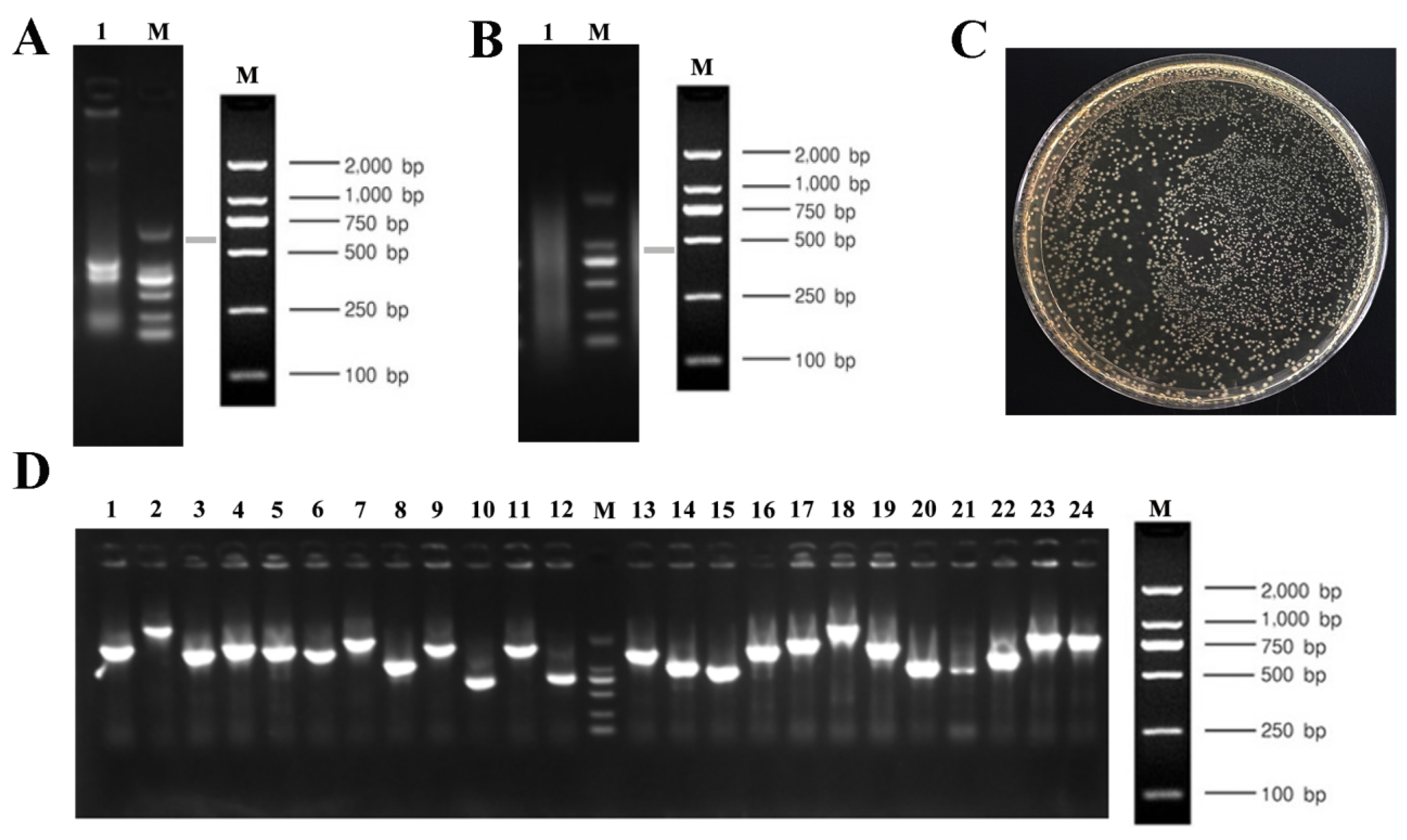
Figure 1: Construction and quality assessment of the primary yeast cDNA library. (A) Electrophoresis image of total RNA. (B) Electrophoresis image of mRNA. (C) Image showing colony growth status and library capacity assessment. (D) Image for recombination rate and insert size analysis. M, DNA marker; lanes 1–24 represent experimental samples.
3.2 Construction and Quality Assessment of the Secondary Yeast cDNA Library
To construct the secondary yeast cDNA library, the plasmid DNA from the primary library was used as the template. The cDNA inserts were transferred into the destination vector pGADT7-GW via an LR recombination reaction. The resulting constructs were subsequently transformed into E. coli DH10B competent cells, and the growth status of the transformed colonies was observed. After dilution to a 1: 1000 ratio, the library solution has a total volume of 2 mL. Apply 50 μL per plate, resulting in a monoclonal count of per 1 mL of library solution (CFU/mL) = (477 colonies/50 μL) × 103 × 103 μL = 9.5 × 10⁶ CFU/mL. The total number of clones was determined to be 1.9 × 10⁷ CFU (Fig. 2A). Analysis of the insert size by electrophoresis and assessment of the library capacity revealed that the average insert size of the library was greater than 1000 bp, with a positive clone rate of 100% (Fig. 2B). These results indicate that the constructed secondary library meets all required quality standards and is suitable for subsequent screening experiments.
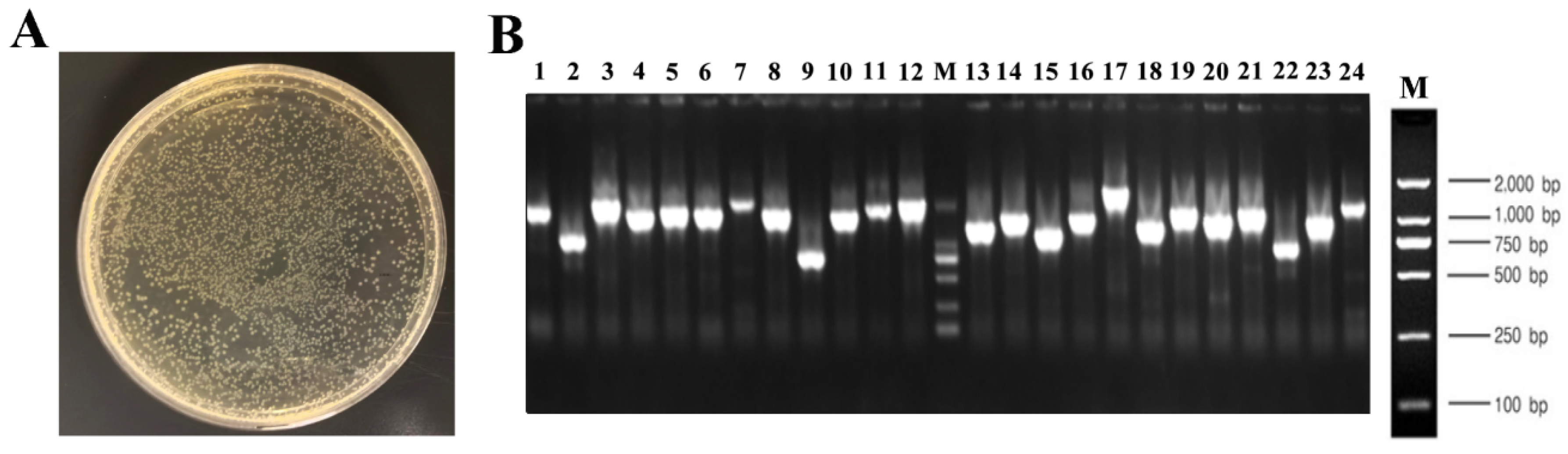
Figure 2: Yeast library construction and quality assessment. (A) Image for library capacity assessment. (B) Image for recombination rate and insert size analysis. M, DNA marker; lanes 1–24 represent experimental samples.
3.3 Analysis of the BrWRKY25 Promoter Sequence and Construction of the Bait Vector pAbAi-proBrWRKY25
To clone the promoter sequence of BrWRKY25, PCR amplification was performed using specific primers (Table S1) with genomic DNA from Chinese cabbage as the template. The results showed that the amplified BrWRKY25 promoter fragment was 1044 bp in length (Fig. 3A). In silico analysis of the BrWRKY25 promoter revealed cis-acting elements responsive to salicylic acid, abscisic acid, methyl jasmonate, and other plant hormones (Fig. 3A), suggesting that BrWRKY25 expression is likely modulated by multiple transcription factors. To identify the upstream transcription factors regulating BrWRKY25, the BrWRKY25 promoter was first inserted into the pAbAi vector using seamless cloning to construct the bait vector (Fig. 3B). The recombinant vector was subsequently verified by double digestion with BsrG I and EcoR I. The results indicated that the circular recombinant vector was approximately 4000 bp in size. After digestion, two fragments were obtained: one ranging between 1000–1500 bp and the other between 4000–5000 bp (Fig. 3C), which matched the expected fragment sizes. Therefore, these results confirm the successful construction of the bait vector pAbAi-proBrWRKY25.
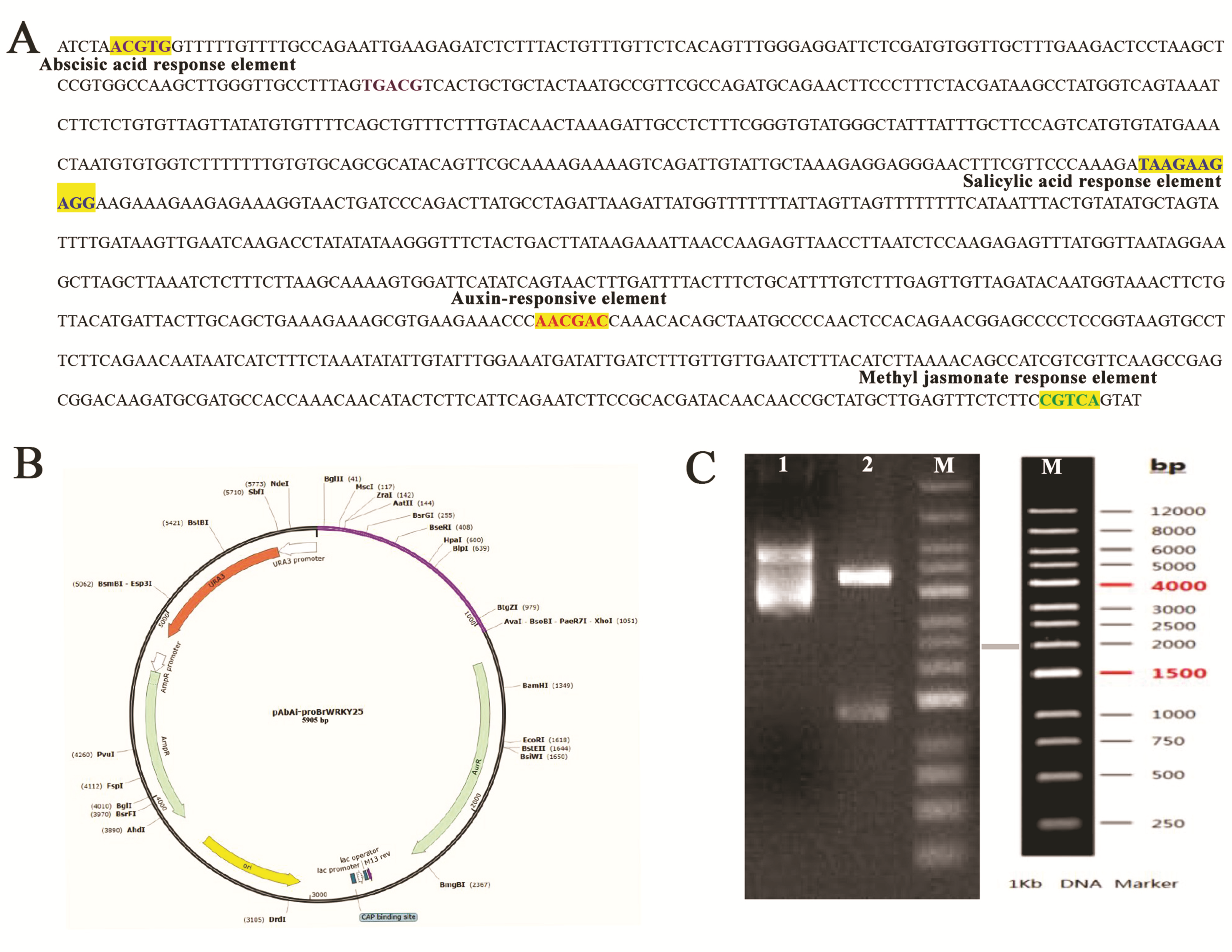
Figure 3: Analysis of the BrWRKY25 promoter sequence and construction of the bait vector. (A) Analysis of cis-acting elements in the BrWRKY25 promoter. (B) Schematic diagram of the BrWRKY25 promoter bait vector. (C) Double digestion verification of the BrWRKY25 promoter bait vector.
3.4 Detection of the Yeast Recombinant Strain Y1HGold[pAbAi-proBrWRKY25] and Determination of the Minimum Inhibitory Concentration of AbA (Aureobasidin A)
The pAbAi-proBrWRKY25 plasmid was linearized using the restriction endonuclease BstB I. The linearized plasmid was then transformed into Y1HGold competent yeast cells via a yeast transformation system, followed by PCR analysis of the yeast cultures to determine the band size. The results showed that the positive control recombinant yeast strain, Y1HGold[p53-AbAi], produced a band between 1500–2000 bp upon electrophoresis, which is close to the theoretical size of 1771 bp (Fig. 4A). Similarly, the experimental recombinant yeast strain, Y1HGold[pAbAi-proBrWRKY25], produced a band close to 2000 bp, corresponding to the theoretical size of 1961 bp (Fig. 4A). To determine the minimum inhibitory concentration (MIC) of Aureobasidin A (AbA) for Y1HGold[pAbAi-proBrWRKY25], yeast competent cells containing the pAbAi-proBrWRKY25 bait plasmid were plated on SD/-Ura medium containing different concentrations of AbA. The results indicated that the growth of the positive control strain, Y1HGold[p53-AbAi], was completely inhibited at an AbA concentration of 100 ng/mL (data not shown). For Y1HGold[pAbAi-proBrWRKY25], normal growth was observed in the absence of AbA, while colony growth was inhibited upon AbA addition. Complete inhibition of strain growth was achieved at an AbA concentration of 200 ng/mL (Fig. 4B). Therefore, 200 ng/mL was determined as the minimum inhibitory concentration of AbA and was subsequently used for yeast library screening.
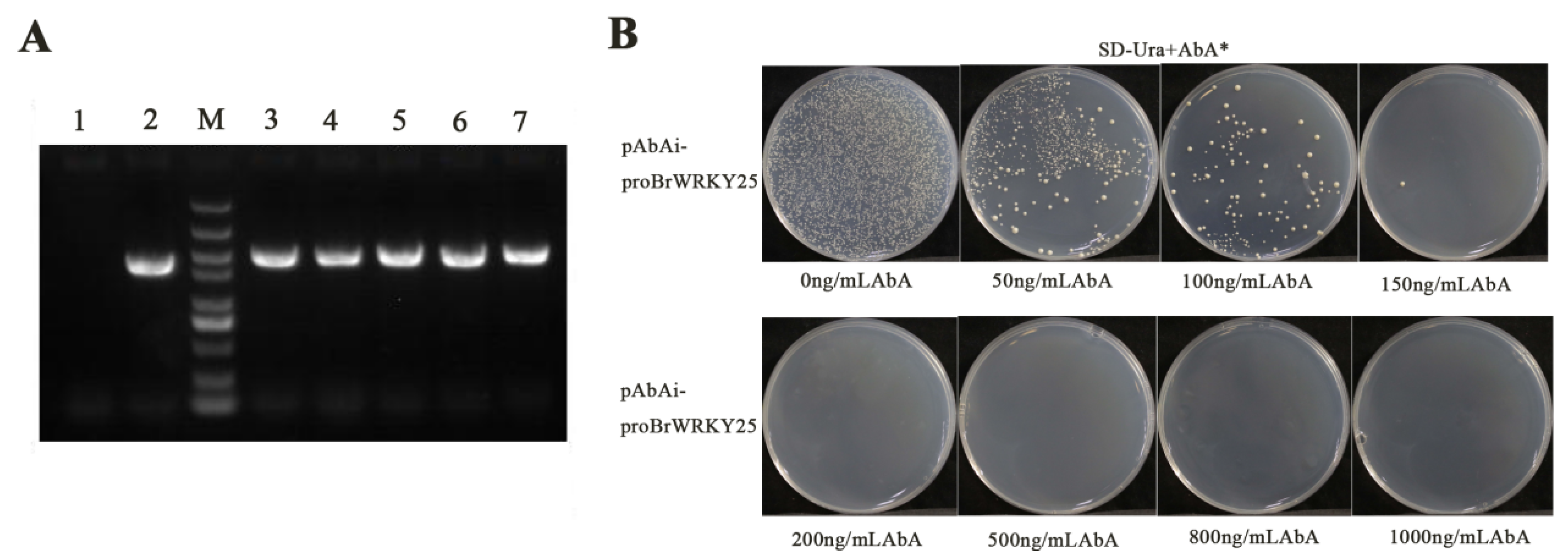
Figure 4: Positive identification of the recombinant yeast strain and determination of the minimum inhibitory concentration of AbA. (A) Positive identification of the recombinant yeast strain. M, DNA marker; from bottom to top: 100, 200, 500, 750, 1000, 1500, 2000, 3000, and 5000 bp. (B) Determination of the minimum inhibitory concentration of AbA.
3.5 Screening for Upstream Transcription Factors of the BrWRKY25 Promoter
To identify upstream transcription factors of the BrWRKY25 promoter, the library plasmids were transformed into the Y1HGold[pAbAi-proBrWRKY25] yeast strain. The transformants were cultured on SD/-Leu (SD/-L) plates, and the number of colonies was counted starting from the second day to calculate the transformation efficiency (Fig. 5A). The results showed that the total number of transformants was calculated as (980/0.9 + 143/0.09 + 6/0.01)/3 × 4800 = 5.24 × 10⁶. The transformation efficiency was 5.24 × 10⁶/25 μg = 2.10 × 10⁵/μg. A total of 5.24 × 10⁶ transformants were obtained from this transformation. On the third day of culture, the grown single colonies were inoculated into liquid culture and adjusted to an OD600 of 0.8. Subsequently, 7 μL of each culture was spotted onto SD/-L plates supplemented with 200 ng/mL AbA for further screening. A total of 105 positive clones were obtained (Fig. 5B). To confirm the identity of the prey proteins, the inserts from 105 positive clones were amplified and sequenced. Sequencing analysis revealed that Bra039750 (BrZFP4) and Bra033588 (BrZFP19) were identified with relatively high frequencies, appearing three and four times, respectively (Table S2). Thus, BrZFP4 and BrZFP19 were identified as candidate upstream regulators of BrWRKY25.
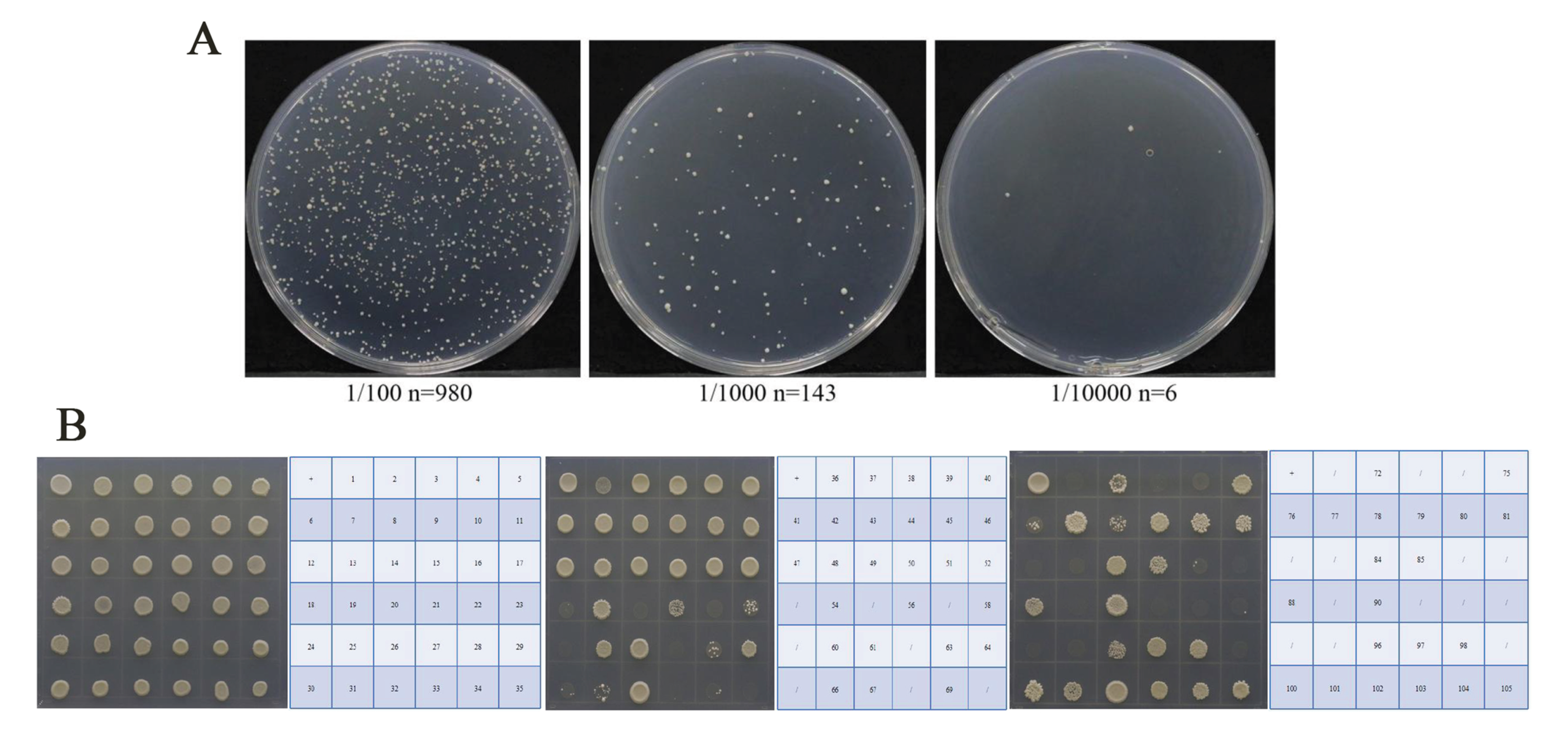
Figure 5: Screening library transformation efficiency and positive clones obtained. (A) SD/-Ura-Leu (SD/-UL) culture plates containing yeast, used for calculating the transformation efficiency of the screening library. (B) Positive single clones screened on SD/-UL plates supplemented with 200 ng/mL AbA.
3.6 Conserved Domains and Phylogenetic Analysis of BrZFP4/19
Analysis of the conserved domains of BrZFP4 revealed that it encodes 262 amino acids (aa) and contains a conserved C2H2 zinc finger domain located at positions 87–109 aa (Fig. 6A). BrZFP19 encodes 182 amino acids (aa) and contains two conserved B-box zinc finger domains located at positions 4–47 aa and 51–96 aa, respectively (Fig. 6B). To analyze the phylogenetic relationships of BrZFP4 and BrZFP19, sequence alignment was performed using the NCBI database. The results showed that the aligned sequences were all Arabidopsis thaliana AthZFPs. The phylogenetic tree indicated that BrZFP4 is most closely related to AtZFP4, with an amino acid sequence identity of 82.33%, and is more distantly related to AtZFP6, with an identity of 58.14% (Fig. 6C, Table S3). BrZFP19 is most closely related to AtZFP19, sharing 88.11% amino acid sequence identity, and is more distantly related to AtZFP20, with an identity of 39.04% (Fig. 6C, Table S3).
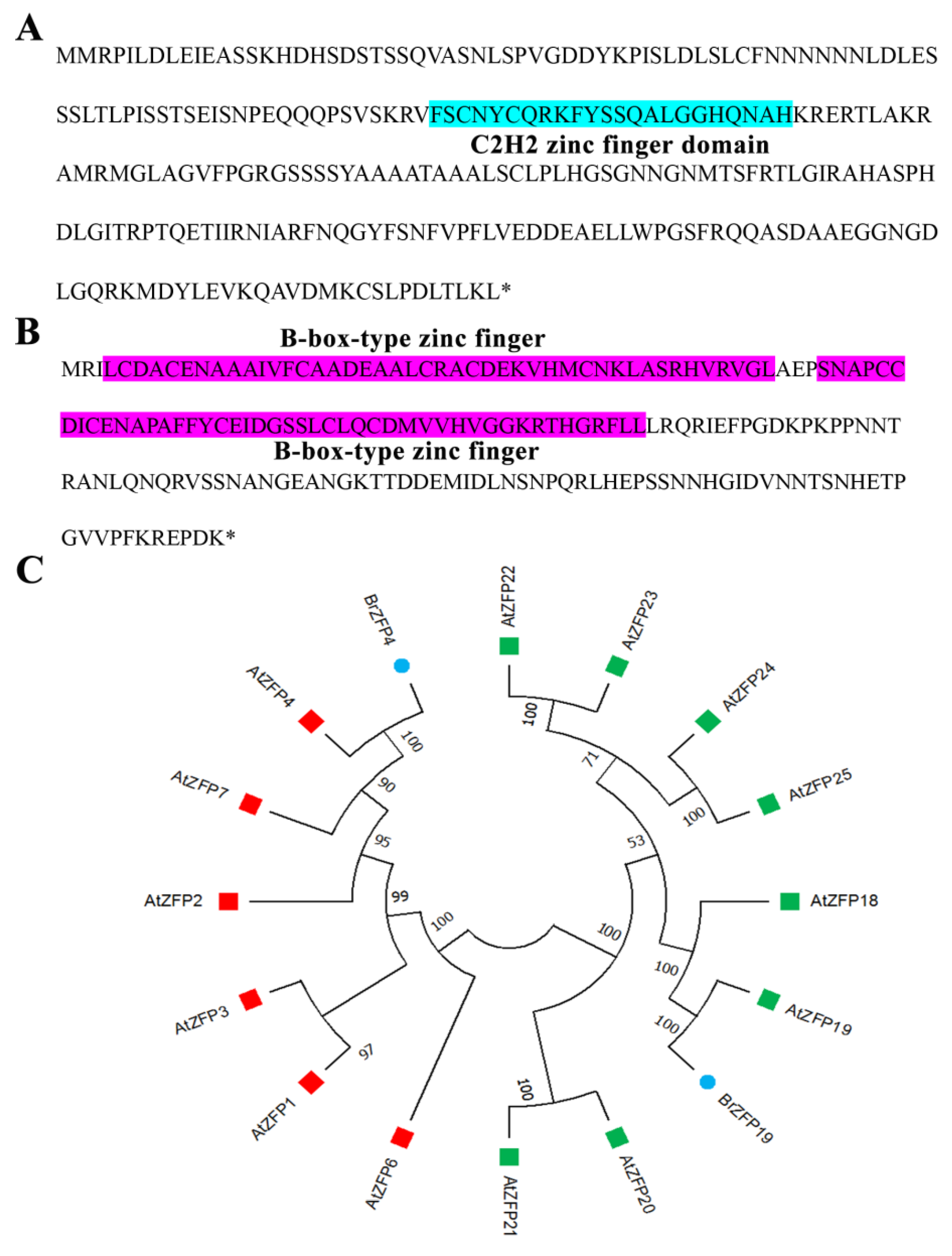
Figure 6: Conserved domains and phylogenetic relationship of BrZFP4/19. (A) Conserved domains of BrZFP4. The asterisk indicates a stop codon, and no amino acid is produced. (B) Conserved domains of BrZFP19. The asterisk indicates a stop codon, and no amino acid is produced. (C) Phylogenetic relationship of BrZFP4/19. At, Arabidopsis thaliana; Br, Brassica rapa.
3.7 Tissue-Specific Expression Patterns of BrZFP4/19
To analyze the tissue-specific expression patterns of BrZFP4 and BrZFP19, qRT-PCR was performed. The results revealed that the expression level of BrZFP4 was lowest in pods. In contrast, relatively higher expression was observed in roots, stems, and leaves, with levels being 76.34, 21.64, and 13.41 times that in pods, respectively (Fig. 7A). For BrZFP19, the highest expression was detected in flowers, followed by callus and pods, while the lowest expression was found in stems, which was only 18.18% of the level in flowers (Fig. 7B). Moreover, analysis of publicly available transcriptome data revealed that BrZFP4 expression was 5.45-fold higher in tip-burn-sensitive materials than in resistant ones, mirroring the expression pattern of BrWRKY25 (Fig. 7C,D).
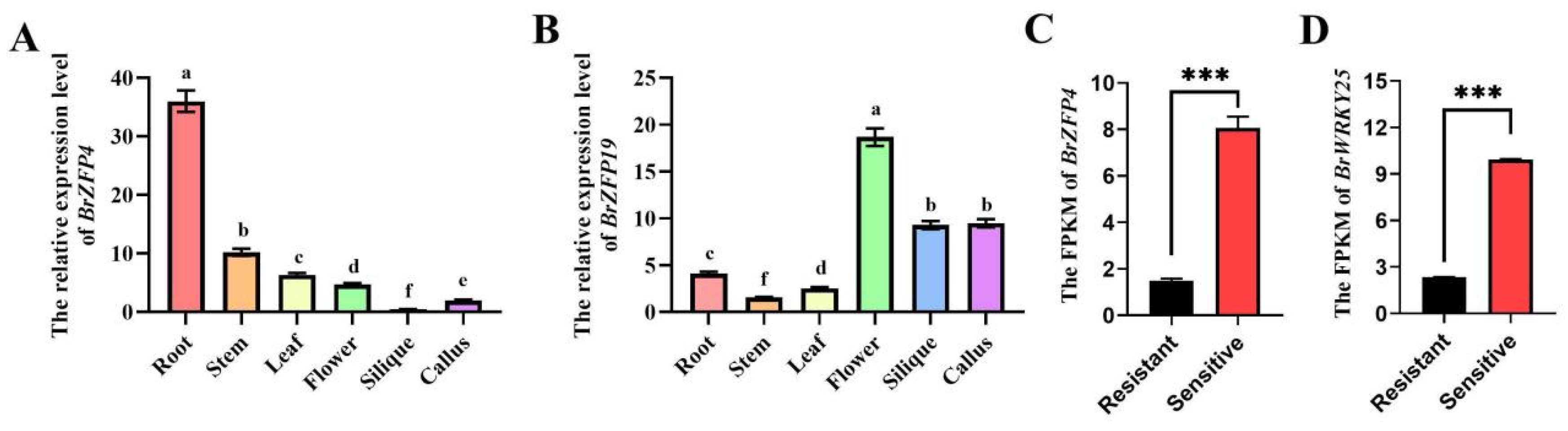
Figure 7: Tissue-specific expression patterns of BrZFP4/19. (A) Tissue-specific expression pattern of BrZFP4. (B) Tissue-specific expression pattern of BrZFP19. Different letters above the columns indicate significant differences between different tissues (p < 0.05). (C) Transcriptome data of BrZFP4 in leaves of tip-burn-resistant and tip-burn-sensitive materials. (D) Transcriptome data of BrWRKY25a in leaves of tip-burn-resistant and tip-burn-sensitive materials. The significance of the difference between resistant and sensitive plants was calculated using a Student’s t-test, ***p-value < 0.001.
3.8 Construction of Prey Vectors for the Upstream Transcription Factors BrZFP4/19 of BrWRKY25 and Verification by Double Digestion
To validate the binding of BrZFP4 and BrZFP19 to the BrWRKY25 promoter, the open reading frame (ORF) sequences of the BrZFP4 and BrZFP19 genes were individually cloned into the EcoR I and BamH I restriction sites of the pGADT7 vector. The resulting recombinant vectors were designated pGADT7-BrZFP4 and pGADT7-BrZFP19, respectively (Fig. 8A,C). To confirm the successful construction of these vectors, the recombinant plasmids were subjected to digestion with EcoR I and BamH I. The results showed that digestion of the pGADT7-BrZFP4 vector yielded two fragments: one between 750–1000 bp, consistent with the 789 bp ORF length of BrZFP4 (Fig. 8B); and another between 6000–8000 bp, close to 8000 bp, corresponding to the size of the linearized vector backbone (Fig. 8B). Similarly, digestion of the pGADT7-BrZFP19 vector produced two fragments: one approximately 500 bp, matching the 549 bp ORF length of BrZFP19 (Fig. 8D); and another approximately 8000 bp, aligning with the expected size of the linearized vector backbone (Fig. 8D).
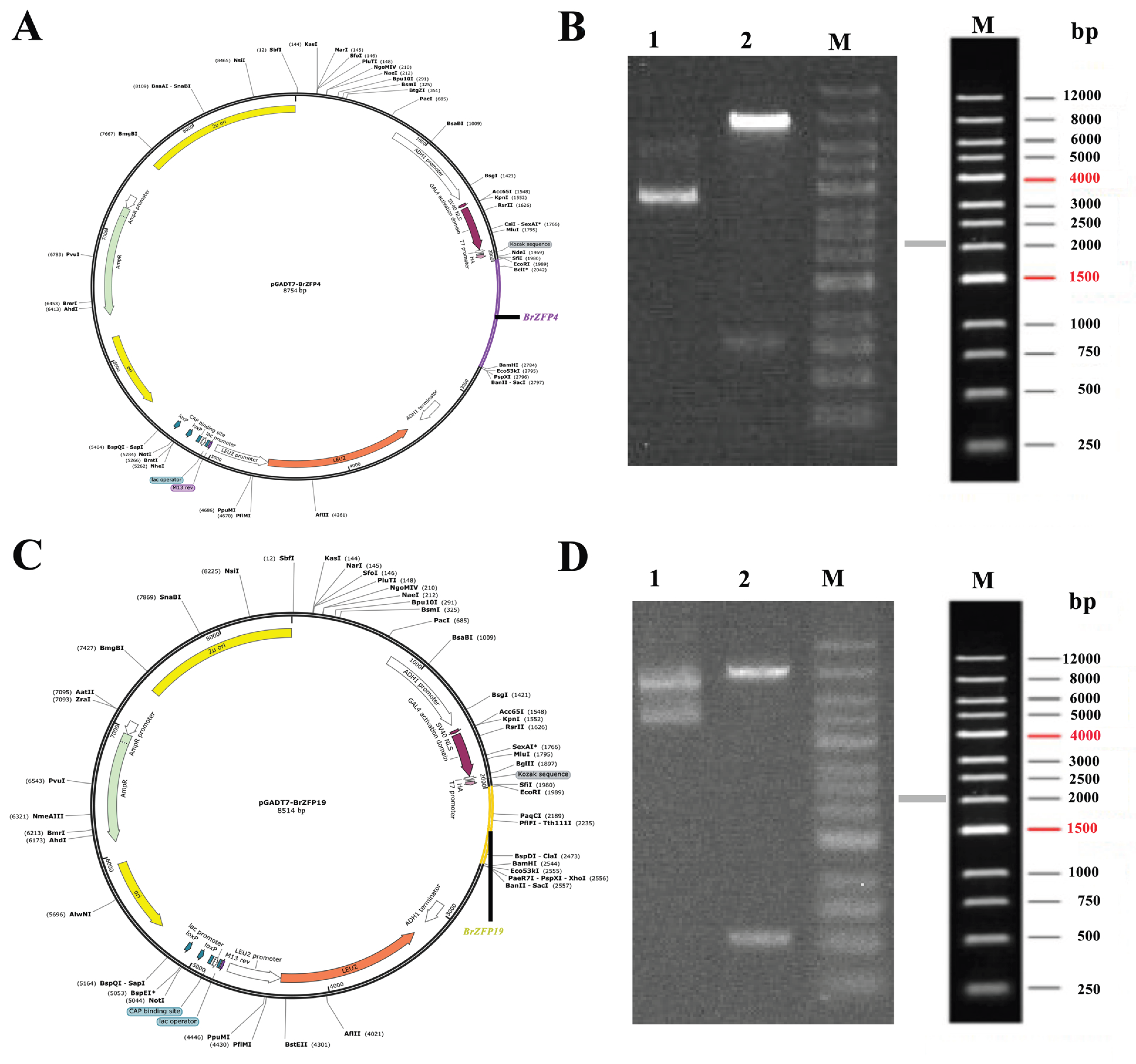
Figure 8: Construction of yeast prey vectors for BrZFP4/19 and verification by double digestion. (A) Schematic diagram of the pGADT7-BrZFP4 recombinant vector. (B) Double digestion verification of pGADT7-BrZFP4. (C) Schematic diagram of the pGADT7-BrZFP19 recombinant vector. (D) Double digestion verification of pGADT7-BrZFP19.
3.9 Validation of the Interaction Between BrZFP4/19 and the BrWRKY25 Promoter
To validate the interaction between BrZFP4/19 and the BrWRKY25 promoter, the prey vectors (pGADT7-BrZFP4 and pGADT7-BrZFP19) were individually co-transformed into the yeast strain Y1HGold harboring the bait plasmid pAbAi-proBrWRKY25. The yeast strain Y1HGold containing p53-AbAi was used as a positive control. The transformed yeast cultures were plated on both SD/-Leu medium and SD/-Leu medium supplemented with the selective concentration of AbA (200 ng/mL), followed by incubation at 30°C for 3–5 days. The results showed that both the positive control and all experimental co-transformants grew not only on the non-selective SD/-Leu medium but also normally on the selective SD/-Leu medium containing 200 ng/mL AbA (Fig. 9A), demonstrating that both BrZFP4 and BrZFP19 are capable of binding to the BrWRKY25 promoter region. To further verify this regulatory relationship within plant cells, dual-luciferase reporter assay results indicated that transient co-expression of BrZFP4 or BrZFP19 significantly enhanced the relative luciferase activity of proBrWRKY25: LUC compared to the empty vector control (Fig. 9B). In conclusion, BrZFP4 and BrZFP19 can specifically bind to the BrWRKY25 promoter and activate its transcriptional activity.
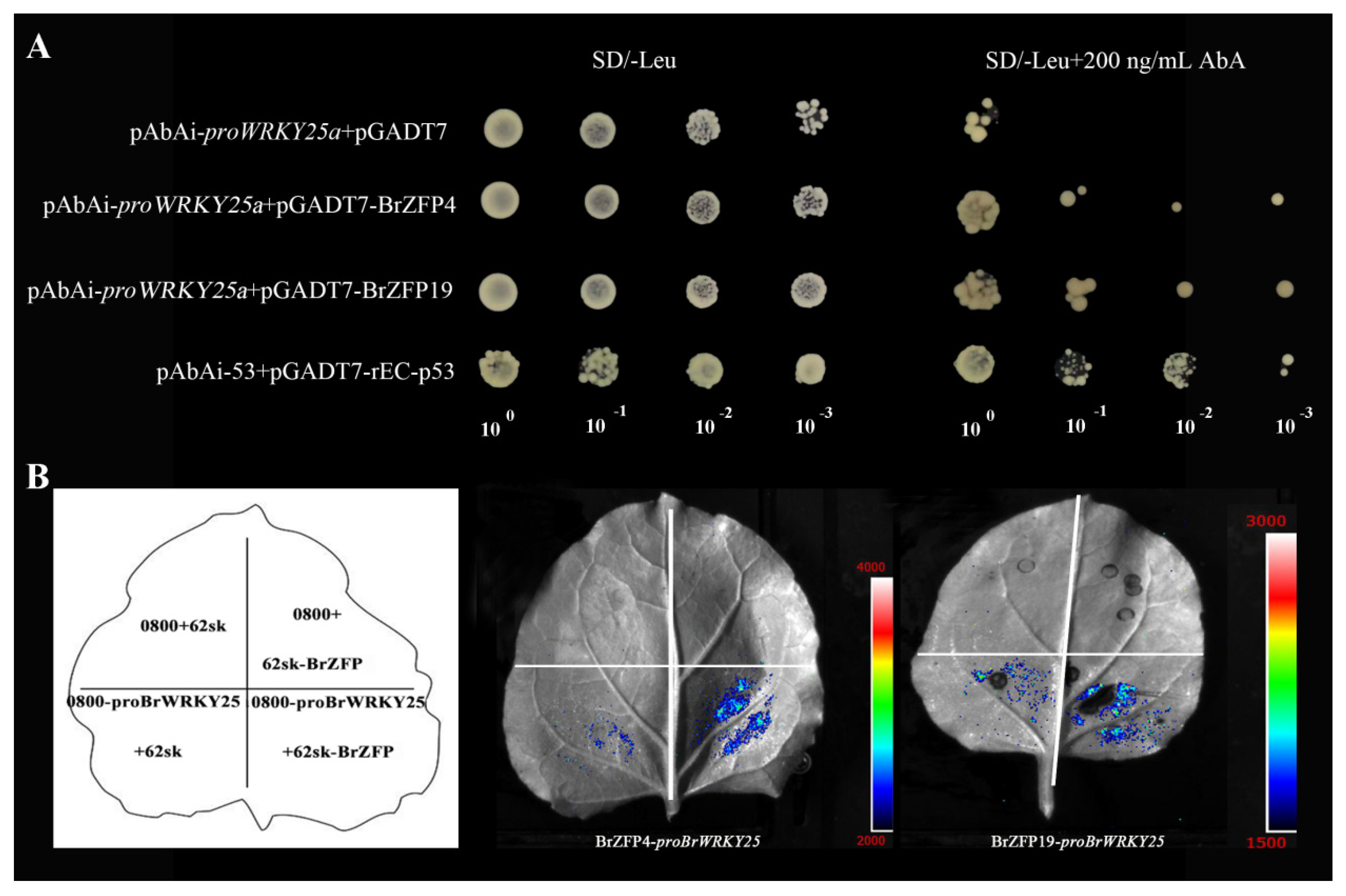
Figure 9: Validation of the interaction between BrZFP4/19 and the BrWRKY25 promoter by the yeast one-hybrid assay and the dual-luciferase reporter assay. (A) Growth status of yeast negative control, positive control, and experimental co-transformant strains on SD/-Leu medium and SD/-Leu medium supplemented with 200 ng/mL Aureobasidin A (AbA). Rows in the culture plates: row 1, negative control (pAbAi-proBrWRKY25 + pGADT7); row 2, experimental group (pAbAi-proBrWRKY25 + pGADT7-BrZFP4); row 3, experimental group (pAbAi-proBrWRKY25 + pGADT7-BrZFP19); row 4, positive control (pAbAi-p53 + pGADT7-rEC-p53). (B) Validation of the interaction between BrZFP4/19 and the BrWRKY25 promoter by dual-luciferase reporter assay.
Tip-burn in Chinese cabbage is a common physiological disorder that primarily affects the head leaves, severely compromising both quality and yield [28]. The initial symptoms manifest as necrosis of the leaf tips and margins of the inner leaves, followed by browning and wilting of the entire leaf. A typical symptom during the heading stage is normal growth of the outer leaves, while upon dissection of the head, the margins of some inner leaves appear blanched, yellowed, or desiccated, with a sharp demarcation between affected and healthy tissue [12].
A yeast cDNA library comprises a collection of cloned cDNA fragments reverse-transcribed from the total mRNA of an organism, inserted into a yeast expression vector. It is used to screen for proteins that interact with a specific nucleic acid or protein [29]. Gateway technology, utilizing BP and LR recombination, enables the construction of such libraries, allowing for the generation of either yeast nuclear or membrane libraries as required [30]. Typically, the quality of a library is primarily judged by two criteria: the representativeness of the cDNA library and the integrity of the recombinant sequences. The representativeness is reflected by the library titer. A library is generally considered suitable for screening low-abundance transcripts when its titer exceeds 1 × 10⁶ CFU·mL−1 and the total number of clones surpasses 1.7 × 10⁵ CFU [31]. In this study, using the tip-burn-susceptible Chinese cabbage line ‘HK8’, we successfully constructed a calcium-deficiency-induced yeast cDNA library. The constructed library had a titer of 9.5 × 10⁶ CFU·mL−1, a total of 1.9 × 10⁷ clones, and an average insert size greater than 1000 bp (Fig. 1), meeting the requirements for completeness and high quality necessary for subsequent yeast one-hybrid screening experiments.
Analysis of cis-acting elements revealed that the promoter of BrWRKY25 contains response elements for methyl jasmonate, abscisic acid, salicylic acid, among others (Fig. 3), suggesting that BrWRKY25 expression may be responsive to multiple hormones. BrWRKY25 is a key gene for calcium-deficient-induced tip-burn resistance, and our previous research found that exogenous salicylic acid could induce BrWRKY25 expression and alleviate tip-burn symptoms [12]; however, the effects of other hormones on BrWRKY25 require further validation. Using the yeast one-hybrid library screening technique with the BrWRKY25 promoter as bait, we obtained 105 positive clones. Sequencing and comparison of 105 of these clones, after removing duplicates, ultimately identified 89 different protein-coding genes. These included functional proteins such as zinc finger proteins, heat shock proteins, ribosomal proteins, and transport proteins, indicating that BrWRKY25 might be co-regulated by multiple transcription factors and environmental signals. Given their high screening frequency, BrZFP4 and BrZFP19 were selected for further validation. This study provides preliminary evidence that both transcription factors directly activate BrWRKY25 expression, as demonstrated by yeast one-hybrid and dual-luciferase reporter assays. Future studies should confirm these interactions in planta using techniques such as ChIP-qPCR [32]. These results not only lay a foundation for elucidating the molecular mechanism by which BrWRKY25 regulates calcium distribution but also provide potential genetic resources for breeding new Chinese cabbage varieties with enhanced tip-burn resistance through genetic engineering.
The etiology of tip-burn is extremely complex. Current scholarly consensus, both domestic and international, holds that tip-burn is primarily a physiological disorder induced by calcium deficiency within the plant itself [33,34]. Calcium deficiency manifests in two ways: firstly, an insufficient capacity for calcium absorption and transport in Chinese cabbage; secondly, various factors cause calcium in the soil to exist predominantly in mineral forms that are difficult for plants to absorb, leading to inadequate levels of bioavailable calcium, which prevents Chinese cabbage leaves from acquiring sufficient calcium via transpiration pull [35]. Correspondingly, physiological dysfunction is evident in two aspects: firstly, Ca2+ is preferentially transported to vigorously growing leaf tissues and is difficult to redistribute to young, tender parts, ultimately causing tip-burn to occur preferentially in the heart leaves of Chinese cabbage [14]; secondly, cell membranes and cell walls are damaged due to insufficient calcium [12]. In our library screen, we identified a zinc finger protein, BrZFP4. Since BrZFP4 clusters in the same phylogenetic clade as Arabidopsis thaliana ZFP1 (Fig. 6C), and studies have reported that AtZFP1 enhances salt tolerance [36], BrZFP4 may therefore be involved in salt stress response. Furthermore, we found that the expression level of BrZFP4 was significantly higher in susceptible varieties than in resistant materials—5.45 times higher—which is consistent with the transcript abundance trend of BrWRKY25. Based on these findings, we hypothesize that the BrZFP4-BrWRKY25 module may regulate tip-burn resistance in Chinese cabbage. However, the downstream regulatory pathways governed by the BrZFP4–BrWRKY25 module in tip-burn development, as well as its integration with calcium signaling networks, warrant further investigation.
In this study, a yeast cDNA library was constructed and validated under calcium-deficient conditions, leading to the successful identification of several transcription factors capable of binding to the BrWRKY25 promoter, including the zinc finger proteins BrZFP4 and BrZFP19. Among these, the expression of BrZFP4 was found to be significantly upregulated in tip-burn-susceptible materials. Furthermore, both proteins were confirmed to directly bind to the BrWRKY25 promoter. These results preliminarily suggest that the BrZFP4/19-BrWRKY25 transcriptional regulatory module may play a key role in modulating tip-burn resistance in Chinese cabbage, providing important clues for further elucidating the molecular mechanisms underlying resistance to calcium deficiency-induced tipburn.
Acknowledgement:
Funding Statement: This work was supported by the National Natural Science Foundation of China (32472730; 32402585; 32102393), the Program for Science & Technology Innovation Talents in Universities of Henan Province (26HASTIT014). Funding bodies have no role in the study design, data collection, analysis and manuscript writing.
Author Contributions: Jingping Yuan and Changwei Shen conceived and designed the experiments, Yunduan Qin, Kekang Su, Meng Zhao, Yu Xu, Yuanyuan Zhang and Chunyang Feng performed the experiments. Xinlei Guo and Chunhui Wu performed the Y1H technology. Jingping Yuan and Changwei Shen wrote the manuscript. All authors reviewed and approved the final version of the manuscript.
Availability of Data and Materials: All data are included in this article.
Ethics Approval: Not applicable.
Conflicts of Interest: The authors declare no conflicts of interest.
Supplementary Materials: The supplementary material is available online at https://www.techscience.com/doi/10.32604/phyton.2026.085158/s1. Table S1: A summary of all primers used for cloning and bacterial PCR. Table S2: Summary of functional annotation details of prey proteins screened by the yeast library. Table S3: Information on all ZFP proteins involved in the phylogenetic tree. Figure S1: RNA concentration analysis. Note: The value of 1048.6 ng/μL in the figure represents the concentration of RNA.
References
1. Yang J , Ma J , Zhang W , Gao X , Wang X , Chen W , et al. Quality response of two mini Chinese cabbage cultivars to different calcium levels. Foods. 2025; 14( 5): 872. doi:10.3390/foods14050872. [Google Scholar] [CrossRef]
2. Su T , Li P , Wang H , Wang W , Zhao X , Yu Y , et al. Natural variation in a calreticulin gene causes reduced resistance to Ca2+ deficiency-induced tipburn in Chinese cabbage (Brassica rapa ssp. pekinensis). Plant Cell Environ. 2019; 42( 11): 3044– 60. doi:10.1111/pce.13612. [Google Scholar] [CrossRef]
3. Saure MC . Causes of the tipburn disorder in leaves of vegetables. Sci Hortic. 1998; 76( 3–4): 131– 47. doi:10.1016/S0304-4238(98)00153-8. [Google Scholar] [CrossRef]
4. Barta DJ , Tibbitts TW . Calcium localization and tipburn development in lettuce leaves during early enlargement. J Am Soc Hortic Sci. 2000; 125( 3): 294– 8. doi:10.21273/JASHS.125.3.294. [Google Scholar] [CrossRef]
5. Cheng H , Su TB , Yu SC , Zhang FL , Yu YJ , Zhang DS , et al. Expression analysis of Ca2+ transport and response genes, ECA and CAS in cabbage under calcium deficiency condition. Plant Physiol J. 2015; 51( 4): 566– 72. (In Chinese). doi:10.13592/j.cnki.ppj.2014.0551. [Google Scholar] [CrossRef]
6. Cui S , Liu H , Wu Y , Zhang L , Nie S . Genome-wide identification of BrCAX genes and functional analysis of BrCAX1 involved in Ca2+ transport and Ca2+ deficiency-induced tip-burn in Chinese cabbage (Brassica rapa L. ssp. pekinensis). Genes. 2023; 14( 9): 1810. doi:10.3390/genes14091810. [Google Scholar] [CrossRef]
7. Yuan J , Shen C , Chen R , Qin Y , Li S , Sun B , et al. BrCNGC12 and BrCNGC16 mediate Ca2+ absorption and transport to enhance resistance to tipburn in Chinese cabbage. Plant Biotechnol J. 2025; 23( 7): 2871– 87. doi:10.1111/pbi.70113. [Google Scholar] [CrossRef]
8. An B , Chen Y , Li B , Qin G , Tian S . Ca2+-CaM regulating viability of Candida guilliermondii under oxidative stress by acting on detergent resistant membrane proteins. J Proteom. 2014; 109: 38– 49. doi:10.1016/j.jprot.2014.06.022. [Google Scholar] [CrossRef]
9. Liu ST , Zhang ZG , Li QY , Wang X , Wang LH , Zhao ZZ , et al. Differential analysis of genes coding for cyclic-nucleotide gated channels in two Chinese cabbage inbred lines. Shandong Agric Sci. 2017; 49( 3): 10– 5. (In Chinese). doi:10.14083/j.issn.1001-4942.2017.03.002. [Google Scholar] [CrossRef]
10. Dietrich P , Moeder W , Yoshioka K . Plant cyclic nucleotide-gated channels: New insights on their functions and regulation. Plant Physiol. 2020; 184( 1): 27– 38. doi:10.1104/pp.20.00425. [Google Scholar] [CrossRef]
11. Wang X , Song X , Miao H , Feng S , Wu G . Natural variation in CYCLIC NUCLEOTIDE-GATED ION CHANNEL 4 reveals a novel role of calcium signaling in vegetative phase change in Arabidopsis. New Phytol. 2024; 242( 3): 1043– 54. doi:10.1111/nph.19498. [Google Scholar] [CrossRef]
12. Yuan J , Shen C , Yuan R , Zhang H , Xiao Y , Wang X , et al. Identification of genes related to tipburn resistance in Chinese cabbage and preliminary exploration of its molecular mechanism. BMC Plant Biol. 2021; 21( 1): 567. doi:10.1186/s12870-021-03303-z. [Google Scholar] [CrossRef]
13. Zhang S , Gao H , Wang L , Zhang Y , Zhou D , Anwar A , et al. Comparative transcriptome and co-expression network analyses reveal the molecular mechanism of calcium-deficiency-triggered tipburn in Chinese cabbage (Brassica rapa L. ssp. Pekinensis). Plants. 2022; 11( 24): 3555. doi:10.3390/plants11243555. [Google Scholar] [CrossRef]
14. Chen RX , Yuan JP , Li X , Sun B , Li DH , Shen CW . Bioinformatics, protein interaction and functional analysis of BrCML5 genes under low calcium stress in Chinese cabbage. Plant Physiol J. 2023; 59( 9): 1760– 70. (In Chinese). doi:10.13592/j.cnki.ppj.100605. [Google Scholar] [CrossRef]
15. Muthamilarasan M , Bonthala VS , Mishra AK , Khandelwal R , Khan Y , Roy R , et al. C2H2 type of zinc finger transcription factors in foxtail millet define response to abiotic stresses. Funct Integr Genom. 2014; 14( 3): 531– 43. doi:10.1007/s10142-014-0383-2. [Google Scholar] [CrossRef]
16. Ren Y , Huo W , Wang Z , Liu S , Chen Y , Xu X , et al. C2H2-type zinc finger protein transcription factor MdZAT1 plays a negative role in anthocyanin biosynthesis in apple. Mol Hortic. 2025; 5( 1): 28. doi:10.1186/s43897-025-00150-6. [Google Scholar] [CrossRef]
17. Mitsuda N , Ikeda M , Takada S , Takiguchi Y , Kondou Y , Yoshizumi T , et al. Efficient yeast one-/two-hybrid screening using a library composed only of transcription factors in Arabidopsis thaliana. Plant Cell Physiol. 2010; 51( 12): 2145– 51. doi:10.1093/pcp/pcq161. [Google Scholar] [CrossRef]
18. Hartley JL , Temple GF , Brasch MA . DNA cloning using in vitro site-specific recombination. Genome Res. 2000; 10( 11): 1788– 95. doi:10.1101/gr.143000. [Google Scholar] [CrossRef]
19. Jung YB , Kim JH , Kwon HR , Lim HS , Yu YM , Yasunaga-Aoki C , et al. cDNA library construction in the multicolored Asian ladybird beetle, Harmonia axyridis (Coleoptera: Coccinellidae) for gene functional analysis using gateway cloning system. J Fac Agric Kyushu Univ. 2018; 63( 2): 281– 92. doi:10.5109/1955397. [Google Scholar] [CrossRef]
20. Jordon-Thaden IE , Chanderbali AS , Gitzendanner MA , Soltis DE . Modified CTAB and TRIzol protocols improve RNA extraction from chemically complex Embryophyta. Appl Plant Sci. 2015; 3( 5): 1400105. doi:10.3732/apps.1400105. [Google Scholar] [CrossRef]
21. Desjardins P , Hansen JB , Allen M . Microvolume protein concentration determination using the NanoDrop 2000c spectrophotometer. J Vis Exp. 2009;( 33): 1610. doi:10.3791/1610. [Google Scholar] [CrossRef]
22. Liang X , Peng L , Baek CH , Katzen F . Single step BP/LR combined gateway reactions. Biotechniques. 2013; 55( 5): 265– 8. doi:10.2144/000114101. [Google Scholar] [CrossRef]
23. Lescot M , Déhais P , Thijs G , Marchal K , Moreau Y , Van de Peer Y , et al. PlantCARE, a database of plant cis-acting regulatory elements and a portal to tools for in silico analysis of promoter sequences. Nucleic Acids Res. 2002; 30( 1): 325– 7. doi:10.1093/nar/30.1.325. [Google Scholar] [CrossRef]
24. Motohashi K . A simple and efficient seamless DNA cloning method using SLiCE from Escherichia coli laboratory strains and its application to SLiP site-directed mutagenesis. BMC Biotechnol. 2015; 15: 47. doi:10.1186/s12896-015-0162-8. [Google Scholar] [CrossRef]
25. Letunic I , Doerks T , Bork P . SMART 7: Recent updates to the protein domain annotation resource. Nucleic Acids Res. 2012; 40( D1): D302– 5. doi:10.1093/nar/gkr931. [Google Scholar] [CrossRef]
26. Tamura K , Peterson D , Peterson N , Stecher G , Nei M , Kumar S . MEGA5: Molecular evolutionary genetics analysis using maximum likelihood, evolutionary distance, and maximum parsimony methods. Mol Biol Evol. 2011; 28( 10): 2731– 9. doi:10.1093/molbev/msr121. [Google Scholar] [CrossRef]
27. Livak KJ , Schmittgen TD . Analysis of relative gene expression data using real-time quantitative PCR and the 2−ΔΔCT method. Methods. 2001; 25( 4): 402– 8. doi:10.1006/meth.2001.1262. [Google Scholar] [CrossRef]
28. Kimura T , Katano K , Maeda M , Ito K , Nagao A , Takanashi A , et al. Tipburn incidence in hydroponically-cultured Chinese cabbage is associated with temporal and spatial coorrdination of ROS regulatory systems. Sci Hortic. 2025; 341: 113986. doi:10.1016/j.scienta.2025.113986. [Google Scholar] [CrossRef]
29. Alaswad Z , Attallah NE , Aboalazm B , Elmeslhy ES , Mekawy AS , Afify FA , et al. Insights into the human cDNA: A descriptive study using library screening in yeast. J Genet Eng Biotechnol. 2024; 22( 4): 100427. doi:10.1016/j.jgeb.2024.100427. [Google Scholar] [CrossRef]
30. Giuraniuc CV , MacPherson M , Saka Y . Gateway vectors for efficient artificial gene assembly in vitro and expression in yeast Saccharomyces cerevisiae. PLoS One. 2013; 8( 5): e64419. doi:10.1371/journal.pone.0064419. [Google Scholar] [CrossRef]
31. Wipf D , Benjdia M , Rikirsch E , Zimmermann S , Tegeder M , Frommer WB . An expression cDNA library for suppression cloning in yeast mutants, complementation of a yeast his4 mutant, and EST analysis from the symbiotic basidiomycete Hebeloma cylindrosporum. Genome. 2003; 46( 2): 177– 81. doi:10.1139/g02-121. [Google Scholar] [CrossRef]
32. Zhang Q , Wu R , Hong T , Wang D , Li Q , Wu J , et al. Natural variation in the promoter of qRBG1/OsBZR5 underlies enhanced rice yield. Nat Commun. 2024; 15( 1): 8565. doi:10.1038/s41467-024-52928-9. [Google Scholar] [CrossRef]
33. Al Shoffe Y , Nock JF , Zhang Y , Zhu LW , Watkins CB . Comparisons of mineral and non-mineral prediction methods for bitter pit in ‘Honeycrisp’ apples. Sci Hortic. 2019; 254: 116– 23. doi:10.1016/j.scienta.2019.04.073. [Google Scholar] [CrossRef]
34. Li Y , Wu Y , Tang Z , Xiao X , Gao X , Qiao Y , et al. Exogenous brassinosteroid alleviates calcium deficiency induced tip-burn by regulating calcium transport in Brassica rapa L. ssp. pekinensis. Ecotoxicol Environ Saf. 2023; 251: 114534. doi:10.1016/j.ecoenv.2023.114534. [Google Scholar] [CrossRef]
35. Borkowski J , Dyki B , Oskiera M , Machlańska A , Felczyńska A . The prevention of tipburn on Chinese cabbage (Brassica rapa L. var. pekinensis (Lour.) Olson) with foliar fertilizers and biostimulators. J Hortic Res. 2016; 24( 1): 47– 56. doi:10.1515/johr-2016-0006. [Google Scholar] [CrossRef]
36. Han G , Wang M , Yuan F , Sui N , Song J , Wang B . The CCCH zinc finger protein gene AtZFP1 improves salt resistance in Arabidopsis thaliana. Plant Mol Biol. 2014; 86( 3): 237– 53. doi:10.1007/s11103-014-0226-5. [Google Scholar] [CrossRef]
Cite This Article
 Copyright © 2026 The Author(s). Published by Tech Science Press.
This work is licensed under a Creative Commons Attribution 4.0 International License , which permits unrestricted use, distribution, and reproduction in any medium, provided the original work is properly cited.
 Downloads
 Citation Tools
