
 Login
Login Register
 Submit a Paper
 Propose a Special lssue
 Open Access
ARTICLE
Combining Meta-Analysis to Investigate the Role of Non-Target Metabolic Pathways in Maize Detoxification of Nicosulfuron
1 Hebei Key Laboratory of Crop Stress Biology, College of Agronomy and Biotechnology, Hebei Normal University of Science and Technology, Qinhuangdao, China
2 Hebei Key Laboratory of Crop Genetics and Breeding, Institute of Cereal and Oil Crops, Hebei Academy of Agriculture and Forestry Sciences, Shijiazhuang, China
* Corresponding Authors: Yanbing Wang. Email: ; Jian Wang. Email:
Phyton-International Journal of Experimental Botany 2026, 95(9), 17 https://doi.org/10.32604/phyton.2026.086921
Received 07 June 2026; Accepted 20 July 2026; Issue published 24 September 2026
 View Full Text
 Download PDF
Abstract
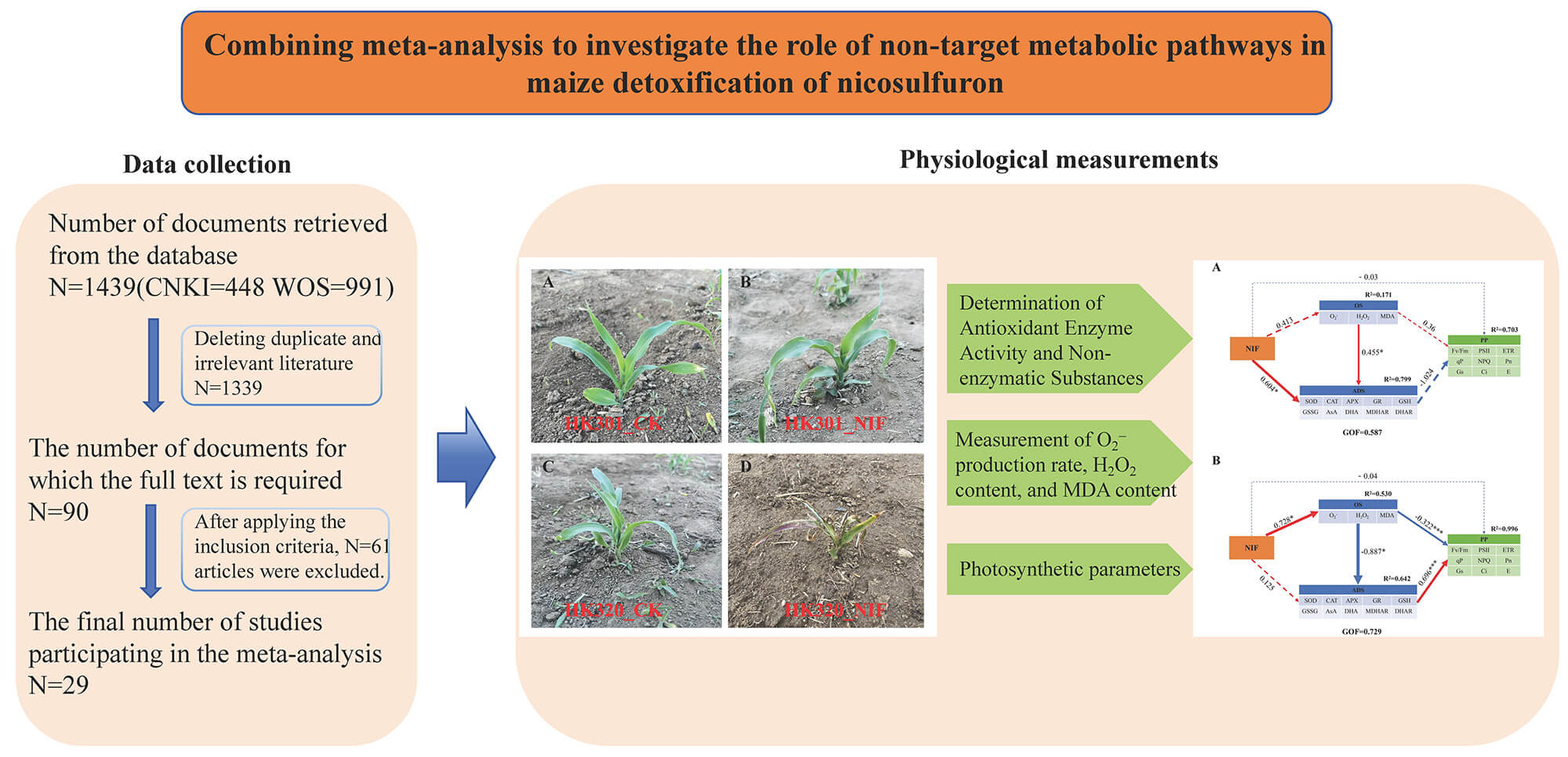
To clarify the effectiveness of nicosulfuron (NIF) in controlling weeds in cornfields and the physiological response mechanisms of corn, this study synthesized 29 relevant articles for a meta-analysis. A pair of sweet corn sister lines with different resistance to NIF (resistant HK301 and sensitive HK320) was selected as materials, and the responses of non-target metabolic pathways under NIF stress were analyzed using structural equation modeling. The results indicate that NIF is highly effective against weeds such as Eleusine indica and Amaranthus retroflexus, but less effective against weeds such as Cyperus difformis (13.20%) and Abutilon theophrasti (−4.10%). High concentrations (≥60 g hm−2) and prolonged application (more than 30 days) significantly enhance effectiveness (up to 170.60% and 155.50%, respectively). In terms of physiological mechanisms, the antioxidant capacity, photosynthetic performance and levels of non-enzymatic antioxidants in sensitive maize (Maize.G) were significantly lower than those in the resistant Maize.K, with higher accumulation of ROS and MDA. The structural equation model revealed that in HK301, NIF induced oxidative stress effectively activates the antioxidant defense system, inhibits ROS accumulation and membrane lipid peroxidation, reduces photosynthetic damage, and maintains physiological homeostasis. Conversely, in HK320, excessive oxidative stress leads to impaired antioxidant function and a decline in photosynthetic performance. This study demonstrates physiological differences in NIF responses between resistant and sensitive maize lines, providing practical guidance for the rational use of NIF in corn-fields and, theoretical insights into the non-target effects of herbicides and crop resistance mechanisms.Graphic Abstract
Keywords
Supplementary Material
Supplementary Material FileAs the most dominant cereal crop in China, maize (Zea mays L.) boasts the largest domestic cultivation area and total grain yield, and plays an irreplaceable role in safeguarding national food security and sustaining the development of China’s agricultural economy. However, with the continued expansion of cultivation, weed infestation has become increasingly severe, significantly constraining improvements in maize yield and quality. As a tall-statured crop typically grown at moderate plant densities, maize fields have relatively wide inter-row gaps, and the growth habit of the crop alone is insufficient to suppress weeds [1,2]. Mechanical practices such as plowing and land preparation provide only limited weed control, while manual weeding is prohibitively labor-intensive and costly. Consequently, chemical herbicides have become the primary method of weed management in maize production due to their cost-effectiveness and high efficacy. The development and widespread application of herbicides have not only reduced weeding costs and improved control efficiency but also supported stable and increased maize production, enabled expansion of cultivation areas, and promoted the sustainable development of the maize industry.
Nicosulfuron (NIF) is a highly effective, low-toxicity, low-dosage, and strongly selective sulfonylurea systemic herbicide. It controls annual and perennial gramineous weeds in maize fields and is characterized by low application rates, strong selectivity, stable efficacy, and compatibility with other herbicides [3,4]. Nearly all herbicide classes have induced weeds to evolve two types of resistance mechanisms: target-site resistance (TSR) and non-target-site resistance (NTSR) [5]. The selective herbicidal mechanism of NIF arises from differential metabolism between maize and weeds. Its target site is acetolactate synthase (ALS), where NIF inhibits enzyme activity in sensitive weeds, thereby disrupting the synthesis of branched-chain amino acids. This interference suppresses cell division and ultimately leads to plant death. However, maize is rapidly metabolized into inactive compounds or detoxified through conjugation with molecules such as glucose [6,7]. With the widespread use of NIF and the development of new maize varieties, cases of herbicide phytotoxicity in maize have become increasingly common. Reported symptoms after NIF treatment are largely consistent across varieties: soon after application, leaves exhibit localized chlorosis, whitening, yellowing, wilting, and accompanying purple discoloration. As growth proceeds, newly emerged leaves display horsetail-like curling, which impairs photosynthesis [8]. Chlorophyll content, net photosynthetic rate, and PSII photochemical efficiency also decline to varying degrees. Under prolonged stress, sensitive maize varieties show growth stagnation, intensified purple stem discoloration, worsened leaf yellowing, and, in severe cases, whole-plant death [9,10,11]. Therefore, investigating the physiological and biochemical responses of maize under NIF stress is essential for enhancing maize tolerance to NIF and understanding its detoxification mechanisms.
ALS, as the sole target site of NIF, exhibits significant differences in metabolic rates not only among crops but also among different varieties of the same crop. These differences are often linked to the efficiency of non-target detoxification metabolic pathways [12]. During NIF detoxification in plants, target-site and non-target detoxification metabolic pathways act synergistically, with the non-target detoxification pathway playing an equally critical role. Among these, the antioxidant defense system is a critical non-target metabolic pathway. It mitigates, oxidative stress induced by herbicide exposure and, together with the target-site detoxification, help to maintain cellular redox homeostasis within plants. Under natural and environmental stress conditions, the electron transport chains of photosynthesis or cellular respiration are the primary sites of reactive oxygen species (ROS) production. As core messengers for sensing abiotic and biotic stresses, ROS can integrate multiple environmental signals, activate genome-wide stress response networks, and ultimately trigger defense and adaptation mechanisms to enhance plant stress resistance [13]. Under normal growth conditions, a dynamic balance exists between ROS production and scavenging mechanisms [14]. NIF stress disrupts this equilibrium, accelerating physiological and biochemical damage in plants. To counter the damage, plants rely on two major antioxidant defense categories: enzymatic and non-enzymatic. The enzymatic system primarily includes superoxide dismutase (SOD), catalase (CAT), ascorbate peroxidase (APX), monodehydroascorbate reductase (MDHAR), dehydroascorbate reductase (DHAR), and glutathione reductase (GR). The non-enzymatic system depends mainly on low-molecular-weight antioxidants, such as reduced glutathione (GSH), ascorbic acid (AsA), oxidized glutathione (GSSG), and dehydroascorbic acid (DHA), which participate in electron transfer during enzymatic reactions. Collectively, these systems form an efficient ROS-scavenging network network that protects plants from oxidative injury [15,16,17]. Recent research supports the role of enhanced antioxidant defenses in mitigating stress. For example, Pishkar et al. [18] demonstrated that foliar application of nutrients can enhance antioxidant system activities, (e.g., APX, CAT, and POD), mitigating cadmium toxicity crops. Similarly, Shen et al. [19] reported that boron supple mentation alleviates oxidative stress caused by pollution on chilli peppers by enhancing the expression levels and activity of antioxidant enzyme-related genes.
Meta-analysis is a statistical method that collects and quantitatively synthesizes a substantial body of published literature on a specific topic [20]. In recent years, the application of meta-analysis in botany has expanded considerably. By integrating diverse studies, meta-analysis provides a systematic analytical framework for elucidating the mechanisms underlying plant diversity, the synergistic effects of ecological functions, and the complex interactions among climate change, plant communities, and human ecosystems. For example, Sun et al. [21] used meta-analysis to examine plant responses to drought stress and reported that excessive ROS accumulation is a central feedback mechanism under water stress. Yi et al. [22] employed meta-analysis to investigate differential gene expression during strawberry fruit maturation and suggested that the WD40 gene may be a key determinant of color variation among six strawberry varieties. These examples highlight the growing relevance of meta-analysis as a research tool in plant sciences.
At present, there are obvious discrepancies in research findings regarding the effects of NIF on maize physiology and field weed control. Considerable variations are observed in the magnitude of antioxidant responses and weed control efficacy across different trials, yet unified quantitative synthetic frameworks are still lacking. This makes it difficult to systematically clarify the core physiological regulatory pathways underlying maize tolerance to NIF. Against this backdrop, this study first performs a meta-analysis to systematically synthesize available relevant literature, quantitatively summarize and evaluate the overall patterns of weed control efficacy and multiple physiological indicators in NIF-treated maize fields, and pinpoint controversial key indicators and research gaps in current studies. Based on the integrated effect sizes derived from the meta-analysis, core detection indicators are screened and testable scientific hypotheses are formulated. Subsequently, two sister sweet corn inbred lines with contrasting NIF tolerance are selected as experimental materials. Combined with multivariate statistical models, we reveal the dominant driving factors and internal regulatory pathways shaping physiological responses of sweet corn under NIF stress. This research aims to lay a theoretical foundation for elucidating herbicide detoxification mechanisms in maize and developing sweet corn germplasm with improved NIF tolerance.
In this study, the sweet-corn sister lines HK301 (NIF-tolerant) and HK320 (NIF-sensitive), which were independently developed and provided by Hebei Normal University of Science and Technology, were selected as experimental materials.
From 2018 to 2020, an experiment was conducted to screen the optimal concentration of NIF herbicide with gradient treatments of 0, 20, 40, 80, 120, 160, 200 and 240 mg kg−1. The results revealed that HK301 grew normally whereas HK320 died under the NIF concentration of 80 mg kg−1 [23].
From 2025, field trials were carried out at the same experimental station. The region has a temperate continental monsoon climate, with an average annual temperature of 11.8°C, annual precipitation of 527.0 mm, and 2720 h of annual sunshine. The soil type is loam, with a total nitrogen content of 1.51 g kg−1, alkaline hydrolyzable nitrogen content of 109.32 mg kg−1, available phosphorus of 17.32 mg kg−1, and available potassium of 74.35 mg kg−1.
A completely randomized block design was adopted with three replicates. Each plot measured 5 m in length and covered an area of 30 m2. Hill sowing was performed with three seeds per hill, later thinned to one seedling per hill. At the four-leaf one-heart stage, NIF was sprayed at a concentration of 80 mg kg−1, with water treatment as the control (Fig. 1). Leaf samples from different treatments were collected at 0, 1, 3, 5, and 7 days after spraying, immediately frozen in liquid nitrogen, and stored at −80°C for the determination of ROS content, antioxidant enzyme activities, and non-enzymatic antioxidant substances.
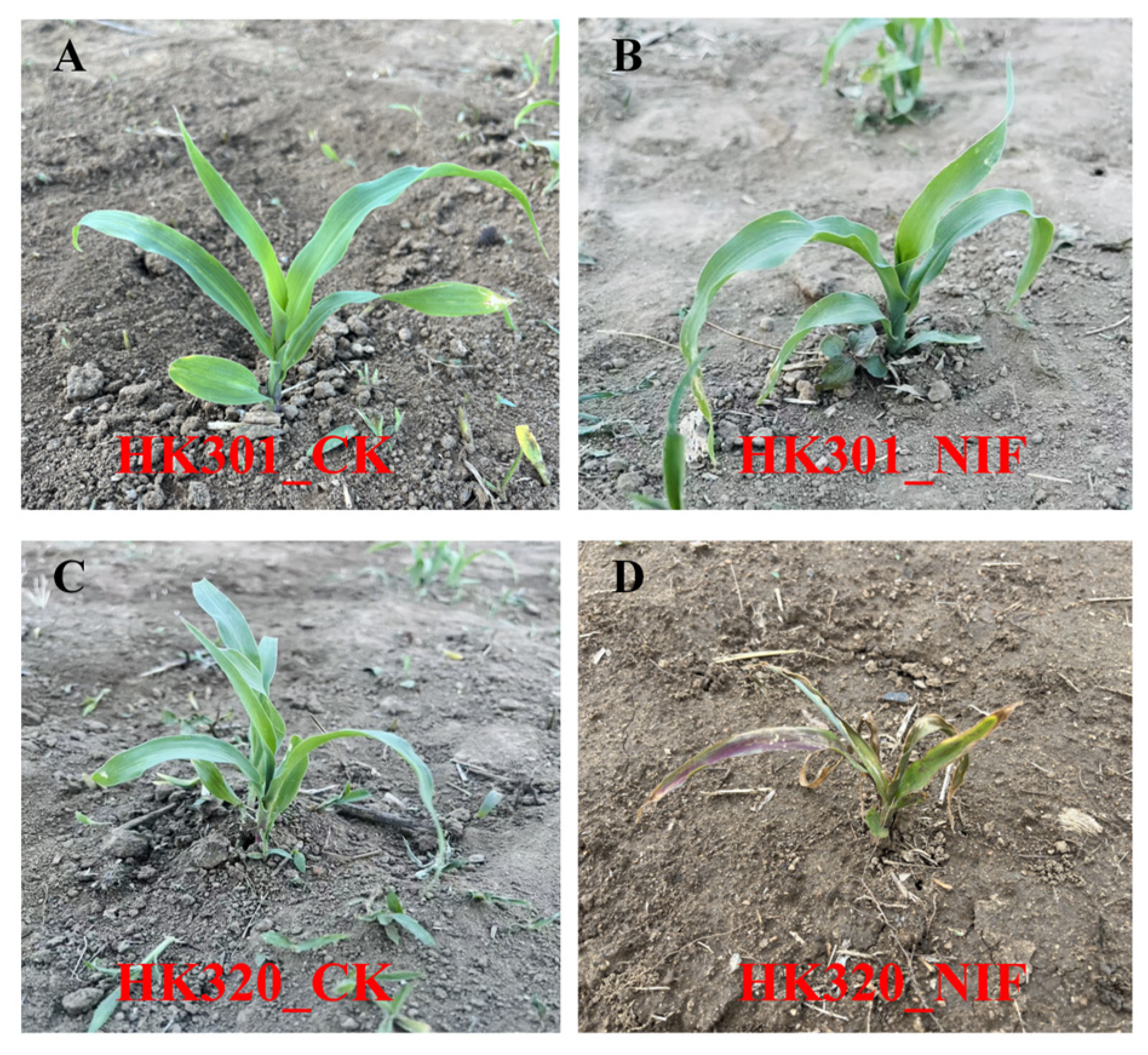
Figure 1: Phenotypes of sweet corn seedlings after foliar application of the agent. (A,B) show the resistant corn variety HK301 treated with water (CK) and NIF, respectively. (C,D) show the sensitive corn variety HK320 treated with water (CK) and NIF, respectively.
2.3 Measurement of O2− Production Rate, H2O2 Content, and MDA Content
The content of H2O2 was determined following the method outlined by Jana and Choudhuri [24]. The O2− production rate was determined following the method described by Jiang and Zhang [25]. Malondialdehyde (MDA) content was quantified using the thiobarbituric acid method [26].
2.4 Determination of Antioxidant Enzyme Activities
Superoxide (SOD) activity was determined according to the method of Yu and Zhang [27]. Catalase (CAT) was determined according to Vaculíkova et al. [28]. Monodehydroascorbate reductase (MDHAR) activity was determined using the method of Boominathan and Doran [29]. The activities of ascorbate peroxidase (APX) and dehydroascorbate reductase (DHAR) were determined according to the method of Yu et al. [30]; Glutathione reductase (GR) activity was determined following the method of Bian and Jiang [31].
2.5 Determination of Non-Enzymatic Antioxidant Contents
The contents of reduced glutathione (GSH) and oxidized glutathione (GSSG) were determined according to Queval and Noctor [32]. Ascorbic acid (ASA) and dehydroascorbic acid (DHA) contents were determined using the method of Gossett et al. [33].
2.6 Measurement of Gas Exchange Properties
Between 09:00 and 12:00 on sunny days, photosynthetic parameters of the fourth fully expanded leaf of sweet corn seedlings were measured using a Li-6800 photosynthesis analyzer (LiCOR, Lincoln, Nebraska, USA). Three plants were sampled for each treatment. The measured parameters included net photosynthetic rate (Pn), transpiration rate (E), stomatal conductance (Gs), and intercellular CO2 concentration (Ci). During measurement, the built-in 6800-02 LED red-blue light source was used, with the photosynthetic photon flux density in the leaf chamber set at 1000 μmol·m−2·s−1, chamber temperature maintained at 20°C and atmospheric CO2 supplied through a custom buffer bottle.
2.7 Determination of Chlorophyll Fluorescence Parameters
Chlorophyll fluorescence parameters were measured using a portable pulse-amplitude modulation fluorometer (PAM-2500, Heinz Walz GmbH, Effeltrich, Germany), with data collection conducted using a portable computer equipped with PAMwin3 software. For each treatment, the fourth fully expanded leaf was selected for measurement. Leaves were dark-adapted for 30 min prior to measurement. Minimum fluorescence (F0) was measured first, followed by the application of a saturating light pulse (0.5 s, 10,000 μmol·m−2·s−1) to obtain the maximum fluorescence (Fm). Leaves were then illuminated with active light (500 μmol·m−2·s−1) until steady-state fluorescence (Fs) stabilized, after which a saturating pulse of light was applied to measure the maximum fluorescence under light adaptation (
2.8 Literature Retrieval and Data Extraction for Meta-Analysis
Relevant literature published from 2000 to 2026 was retrieved from five databases: the China National Knowledge Infrastructure (CNKI), Web of Science, Scopus, PubMed, and Google Scholar, using the keywords “corn”, “maize” and “nicosulfuron”. The following criteria for screening the retrieved literature were applied: (1) studies conducted within China; (2) field trials involving maize; (3) at least one parameter reported on NIF effects in maize, either physiological indicators or weed control efficacy; (4) each treatment with at least three replicates; (5) if multiple herbicides were included, only NIF and control treatments were considered; (6) averages, standard deviations (SD), sample sizes, and related data were extracted from each study. When only standard errors (SE) were reported, SD was calculated using the formula SD = SE × n. When neither SD nor SE was reported, SD was estimated as 0.1 × mean [34]; (7) data presented in text or tables were extracted directly; graphical data were digitized using Get Data Graph Digitizer (v2.24).
In total, 29 studies met the criteria, comprising 18 on weed control effectiveness and 11 on physiological indicators. The complete list of included studies and relevant diagnostic plots are provided in the Supplementary Dataset. From these, 1100 data points were extracted (252 on weed control effectiveness and 848 on physiological indicators). The flow chart for literature screening is shown in the PRISMA flow diagram. The geographical distribution of the included studies is shown in Fig. 2.
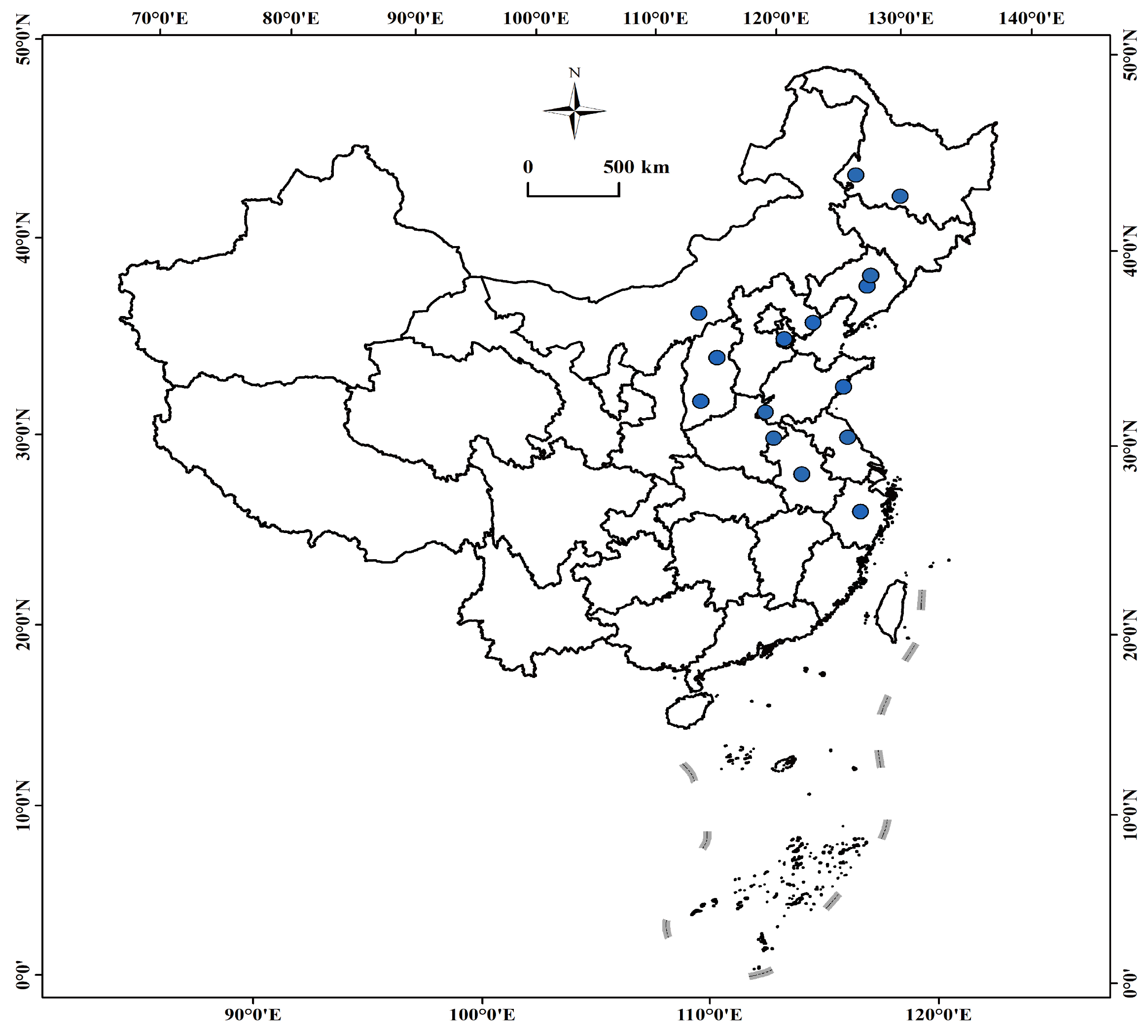
Figure 2: Distribution map of sample sites.
The information included in this study was classified into subgroups, as shown in Table 1. When herbicide concentrations reported in the literature were expressed in different units, they were standardized to g hm−2. Soil acidity, organic matter content, available phosphorus, available potassium, and total nitrogen content were classified according to the nutrient classification standards of the Second National Soil Survey. Soil texture was categorized based on the United States Department of Agriculture (USDA) soil texture triangle.
Table 1: Subgroup classification table.
| Subgroup Classification | ||||||
|---|---|---|---|---|---|---|
| Factors Affecting | Weed Control Effectiveness | Physiological Indicators | ||||
| Corn Varieties | Maize.G | Maize.K | ||||
| Herbicide concentration (g hm−2) | ≤60 | >60 | ≤60 | >60 | ||
| Soil acidity and alkalinity | ≤7.5 | >7.5 | ||||
| Day (d) | <15 | 15–30 | >30 | <4 | 4–7 | >7 |
| Soil organic matter (g kg−1) | <20 | 20–30 | >30 | ≤20 | >20 | |
| Soil texture | medium textured | coarse textured | ||||
| Fast-acting phosphorus (mg kg−1) | ≤12 | >12 | ||||
| Fast-acting potassium (mg kg−1) | ≤100 | >100 | ||||
To systematically evaluate the effects of NIF on maize physiological indicators and weed control effectiveness, the natural logarithm of the response ratio (lnRR) was used to quantify treatment effects [35,36]:
The within-study variance (v) for lnRR was calculated as follows:
The weight (Wij) of each comparison in the meta-analysis was then calculated as follows:
The standard error (SE) and 95% confidence interval (CI) of the weighted response ratio (RR++) were calculated by Formulas (5) and (6):
If the 95% confidence interval of the overall effect value was greater than zero, a significant positive effect of applying NIF on the physiological indicators of maize and the parameters for weed control was implied; if the 95% confidence interval was less than zero, a significant inhibitory effect was reported; and if the 95% confidence interval overlaps with zero, the effect was not significant.
The effect size was also expressed as a relative change percentage (Effect size %), calculated according to Formula (7):
To assess publication bias, Rosenthal’s fail-safe number was used. If the test statistic satisfied N > 5n + 10 (where n represents the number of included studies) [37], the meta-analysis was considered free of publication bias, indicating robust and reliable results.
Raw data were sorted out using Microsoft Excel 2019. Analysis of variance was performed with and SPSS 27. Literature screening for meta-analysis was conducted using End Note X9 software, and the extracted data were organized into a database in Microsoft Excel 2019. Supplementary Tables S1–S3 provide the complete procedures of data collation, extraction and calculation underlying the meta-analysis. The meta-analysis, including bias tests, was then completed using R. Data visualization was performed using Origin 2024 and RStudio.
3.1 Effect of NIF Treatment on Observed Variables
As shown in Table 2, the heterogeneity test results for weed control efficacy and physiological indicators both reached a significant level. Meanwhile, the I2 values of both groups exceeded 99% with large τ2 values, which collectively indicated extremely high heterogeneity in the response ratios of all observed outcomes and implied that other potential factors regulated the differential responses of maize to NIF.The corresponding funnel plots for publication-bias assessment are presented in Supplementary Figs. S1 and S2. Further subgroup heterogeneity analysis revealed that herbicide concentration, soil pH, types of physiological indicators, weed species, and maize varieties were the key regulatory factors driving differential tolerance responses of maize under NIF treatment (Table 3). The fail-safe N values for weed control efficacy (54,055) and physiological indicators (491) both surpassed the respective Rosenthal critical thresholds (calculated as 5n + 10: 100 and 65, respectively), confirming the robustness of our results against publication bias (Table 2). These results demonstrate that the findings of this study are robust and free from the interference of publication bias.
Table 2: Heterogeneity test statistics.
| Index | Df | Qt | I2 (%) | τ2 | p Value | Fail-Safe N |
|---|---|---|---|---|---|---|
| Weed control effectiveness | 251 | 75,223.04 | 99.67% | 1.494 | <0.0001 | 54,055 |
| Physiological indicators | 847 | 89,311.1504 | 99.63% | 0.336 | <0.0001 | 491 |
Table 3: Inter-group heterogeneity test statistic.
| Subgroup | Weed Control Effectiveness | Physiological Indicators | ||||||
|---|---|---|---|---|---|---|---|---|
| Qm | p Value | I2 (%) | τ2 | Qm | p Value | I2 (%) | τ2 | |
| Soil acidity and alkalinity | 957.69 | <0.0001 | 99.63% | 1.3501 | ||||
| Corn varieties | 65.41 | <0.0001 | 99.59% | 0.314 | ||||
| Herbicide concentration | 870.21 | <0.0001 | 99.60% | 1.07 | 71.71 | <0.0001 | 99.60% | 0.311 |
| Day | 879.41 | <0.0001 | 99.86% | 1.447 | 18.77 | 0.0003 | 99.62% | 0.332 |
| Soil organic matter | 843.36 | <0.0001 | 99.67% | 1.222 | 7.58 | 0.0226 | 99.63% | 0.580 |
| Soil texture | 1026.46 | <0.0001 | 99.61% | 1.132 | ||||
| Weed species | 1204.07 | <0.0001 | 99.56% | 1.130 | ||||
| Fast-acting phosphorus | 7.58 | 0.0226 | 99.63% | 0.580 | ||||
| Fast-acting potassium | 7.58 | 0.0226 | 99.63% | 0.580 | ||||
| Total nitrogen content | 7.58 | 0.0226 | 99.63% | 0.580 | ||||
| Physiological indicators | 299.97 | <0.0001 | 99.44% | 0.504 | ||||
3.2 Meta-Analysis of the Effects of NIF Treatment on Weed Control Efficacy
Subgroup analysis by weed species (Fig. 3A) indicated differential control effects of NIF treatment across various weed species in the maize field. The most pronounced increases were observed for Amaranthus retroflexus (222.40%), Echinochloa crus-galli (155.40%), Chenopodium album (132.20%), Euphorbia lathyris L. (caper spurge) (194.70%), and Cyperus rotundus (65.10%). Other weeds, such as Digitaria sanguinalis (58.00%), Eleusine indica (141.70%), Portulaca oleracea (63.10%), Persicaria senticosa (66.30%), Acalypha australis (75.80%), Cyperus difformis (13.20%), and Eclipta prostrata (68.20%), also showed significant control. In contrast, Abutilon theophrasti exhibited a reduction in control efficacy of 4.10%.
Environmental subgroup analyses (Fig. 3B) showed that herbicide concentration, soil pH, and soil texture significantly influenced weed suppression. At ≤60 g hm−2 and >60 g hm−2, weed prevention efficacy in maize fields improved by 114.20% and 170.60% respectively. At pH ≤ 7.5 and >7.5, weed control efficacy in maize fields increased by 108.90% and 224.80% respectively. In the soil organic matter subgroup, the increases in weed control efficacy at the three levels (<20, 20–30, and >30 g kg−1) were 124.00%, 139.30%, and 65.80%, respectively. Furthermore, medium-textured and coarse-textured soils showed significant weed control improvements of 137.80% and 73.90%, respectively.
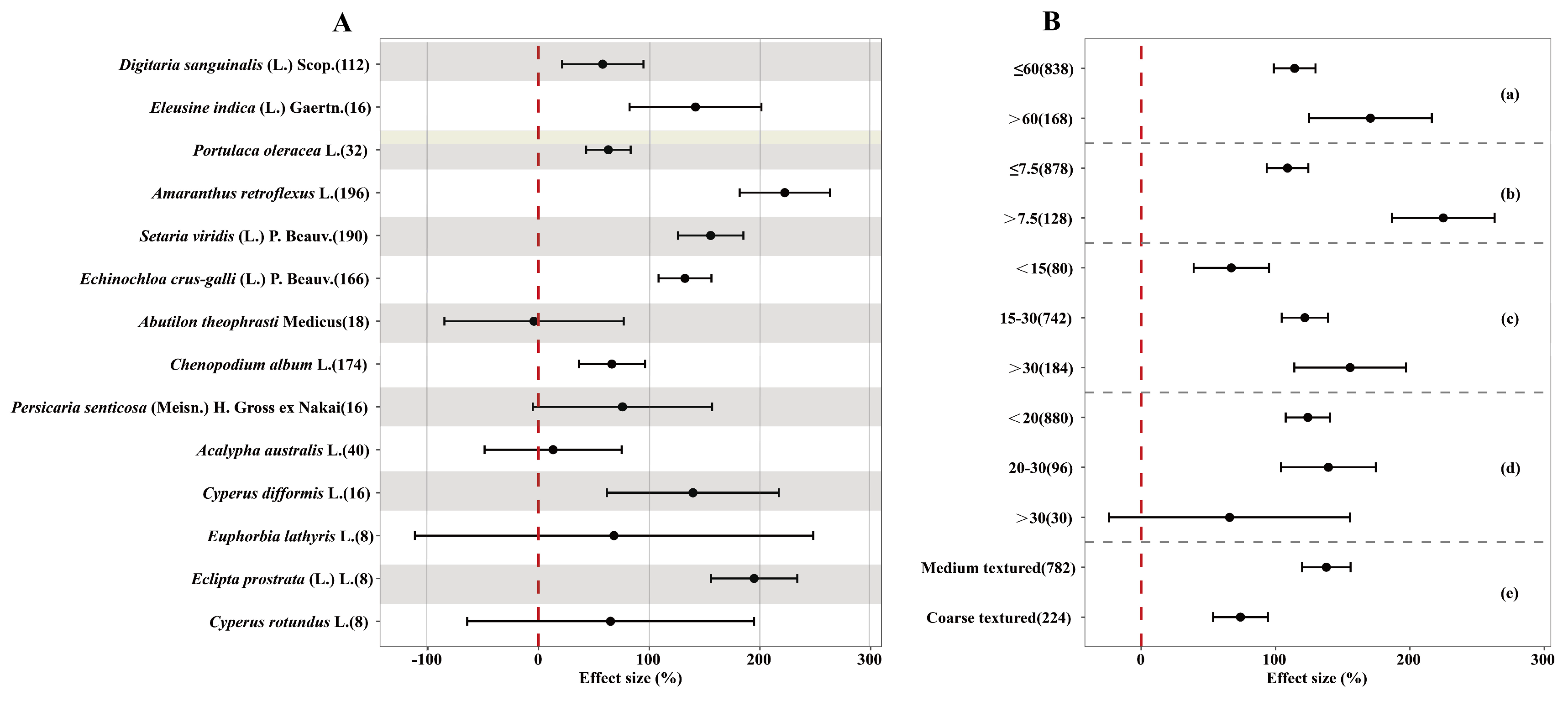
Figure 3: Effect of NIF application on weed species (A) and environmental factors (B), where the environmental factor group includes: (a) herbicide concentration; (b) soil pH; (c) days; (d) soil organic matter content; and (e) soil texture.
3.3 Meta-Analysis of the Effects of NIF Treatment on Maize Physiological Indices
To investigate the physiological response mechanisms of maize to NIF, resistant and sensitive maize varieties were compared (Fig. 4A,B). In sensitive maize varieties, NIF stress reduced photosynthetic indices, including Pn (50.30%), Gs (40.10%), E (52.17%), Chl (48.73%), Fv/Fm (14.08%), ΦPSII (5.10%), ETR (9%), and qP (25.23%). Conversely, Gs, Ci, NPQ, and Ls increased by 30.63%, 61.08%, 31.50% and 27.67%, respectively.
For antioxidant defense enzymes, sensitive maize varieties exhibited marked reductions under NIF stress: APX (86.20%), CAT (90.23%), SOD (44.40%), POD (51.50%), GPX (17.60%), GST (119.40%), DHAR (66.50%), GR (82.20%), and MDHAR (69.80%). Non-enzyme antioxidants also declined, including GSH (37.70%), GSSG (57.39%), AsA (63.03%), and DHA (31.40%). In contrast, ROS and MDA levels increased by 57.60% and 68.60%, respectively, highlighting oxidative stress and membrane lipid peroxidation in sensitive maize varieties under NIF stress.
Environmental subgroup analyses (Fig. 4C) further showed that treatment durations, herbicide concentration, and soil nutrients significantly modulated physiological responses. Notably, maize physiological indices increased by 7.14% and 9.13% at <4 days and 4–7 days of treatment, respectively, but decreased by 13.40% after >7 days. At herbicide concentrations ≤60 g hm−2, maize physiological indices increased by 9.24%, but decreased by 44.50% at >60 g hm−2. When soil organic matter, total nitrogen, available phosphorus, and available potassium were at lower levels (≤20 g kg−1, ≤1.6 g kg−1, ≤12 mg kg−1, and ≤100 mg kg−1, respectively), maize physiological indices improved by 7.28%, compared to only 2.71% at higher nutrient levels (>20 g kg−1, >1.6 g kg−1, >12 mg kg−1, and >100 mg kg−1, respectively).
A correlation heatmap (Fig. 5) illustrated interaction effects among several physiological indices in different maize varieties under different concentrations of NIF. In resistant maize (Maize.K_ ≤ 60), GPX, GST, ROS, Ls, MDA, GSSG, DHAR, DHA, NPQ, and Gi were positively correlated but negatively associated with Chl, indicating that NIF stress induced ROS accumulation, lipid peroxidation, and activation of photoprotective mechanisms to cope with stress. Conversely, in the sensitive maize variety (Maize.G_ ≤ 60), antioxidant-related parameters (POD, SOD, MDHAR, GR, CAT, AsA, APX, GSH, PSII) exhibited weaker positive correlations, while photosynthetic parameters (qP, ETR, Fv/Fm, E, Gs, Pn) showed negative correlations, but were positively correlated with Ci. These findings indicate that the resistant maize variety maintains a stronger antioxidant defense mechanism under NIF stress, while the sensitive variety experiences greater inhibition of photosynthesis, weak antioxidant responses, excessive ROS accumulation, and more severe membrane lipid peroxidation.
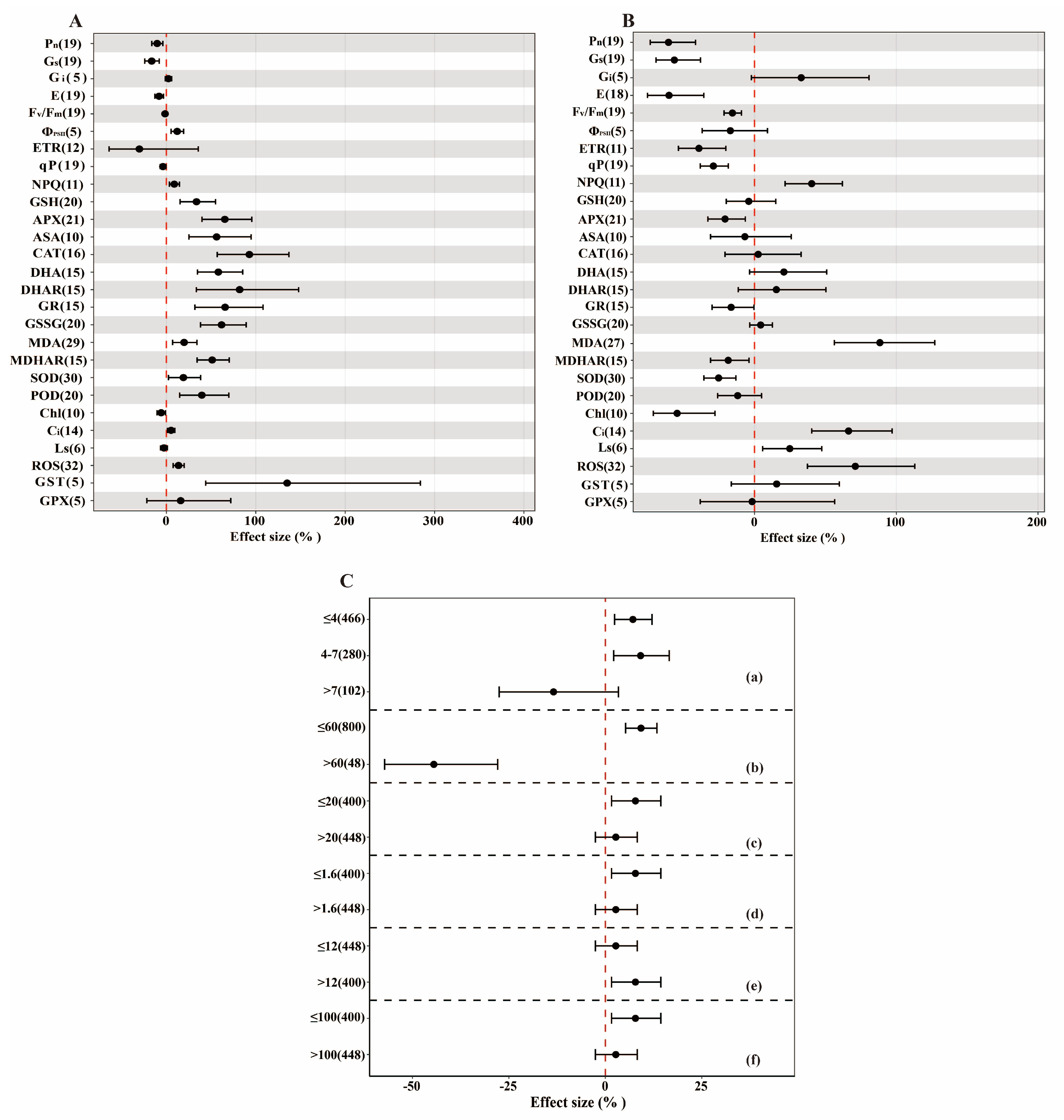
Figure 4: Effects of NIF application on maize physiological indicators and environmental factors. Among them, (A) represents the physiological indicators of Maize.K (herbicide-resistant maize variety), and (B) represents the physiological indicators of Maize.G (herbicide-sensitive maize variety); in the subgroup classification of environmental factors (C): (a) is the number of treatment days, (b) is the herbicide concentration, (c) is the soil organic matter, (d) is the total nitrogen content, (e) is the available phosphorus, and (f) is the available potassium.
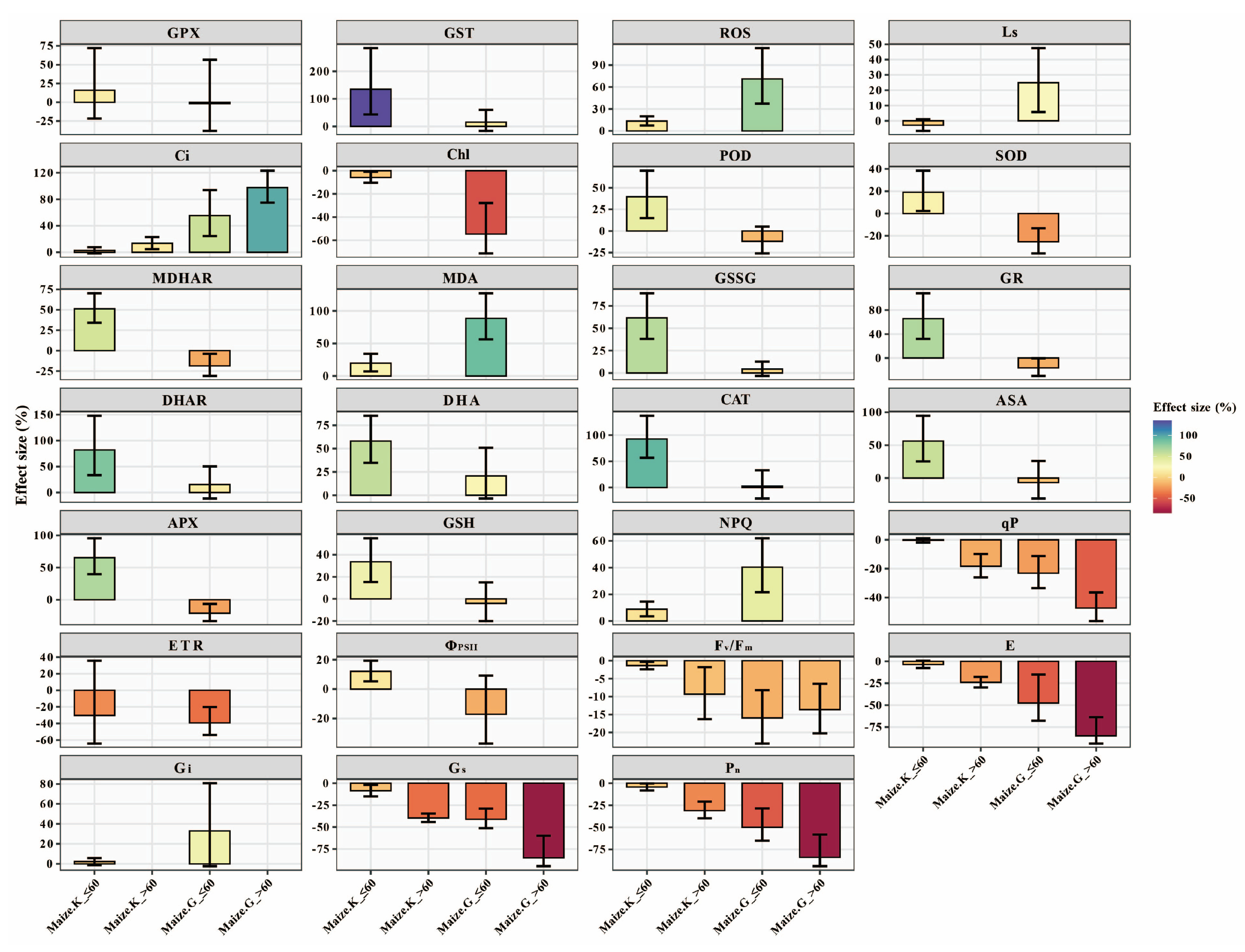
Figure 5: Interactive effects of corn varieties and herbicide concentrations on physiological indicators. The horizontal axis represents interactive treatments of corn varieties and herbicide concentrations; the vertical axis stands for relative effect values (%). Boxes reflect the distribution characteristics of meta-analysis effect values in each group: positive values indicate promoting effects, while negative values indicate inhibitory effects.
3.4 Intrinsic Response Mechanisms of Herbicide-Resistant Maize Varieties to NIF Stress
Principal component analysis (PCA) revealed significant differences in physiological responses between the two varieties under NIF stress (Fig. 6). The resistant variety HK301 clustered along the positive axis of PC1, where CAT, APX, GR, ΦPSII, ETR, and Fv/Fm showed positive loadings, indicating a strong positive correlation among these physiological indices. These findings suggest that HK301 responds effectively to NIF stress by synergizing the activation of the antioxidant defense system and maintaining photosynthetic function. Moreover, its oxidative stress indices were relatively low, reflecting limited oxidative damage and strong capacity for physiological homeostasis.
In contrast, the sensitive variety HK320 clustered along the negative axis of PC1, with oxidative damage indices such as H2O2 and MDA showing strong negative loadings. These findings indicate that HK320 experienced pronounced oxidative damage accumulation. The elevated oxidative stress further suppressed photosynthetic system performance and weakened coordination of antioxidant system responses, ultimately disrupting physiological balance.
Partial least squares path modeling (PLS-PM) further revealed the regulatory mechanisms underlying varietal differences. (Fig. 7). In the resistant variety HK301 (Fig. 7A), NIF-induced oxidative stress effectively triggered the antioxidant defense system, which eliminated excessive ROS and limited lipid peroxidation. Although oxidative stress caused partial impairment of photosynthetic performance, overall physiological functions remained relatively stable. However, in the sensitive variety HK320 (Fig. 7B), excessive oxidative stress exceeded its regulatory capacity, suppressing antioxidant defense system function and leading to a significant decline in photosynthetic performance.
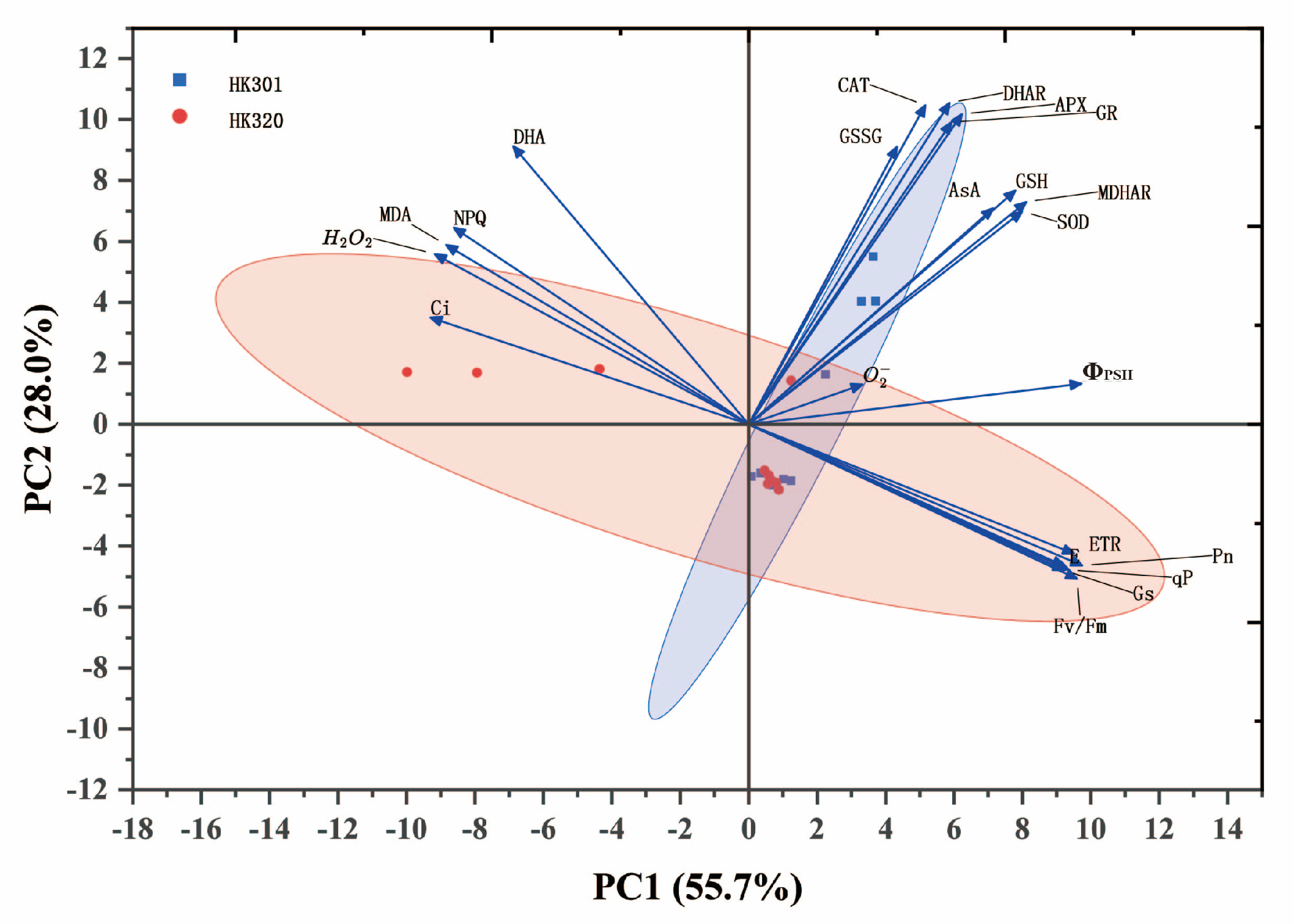
Figure 6: PCA analysis of physiological indices in different maize varieties under NIF stress.
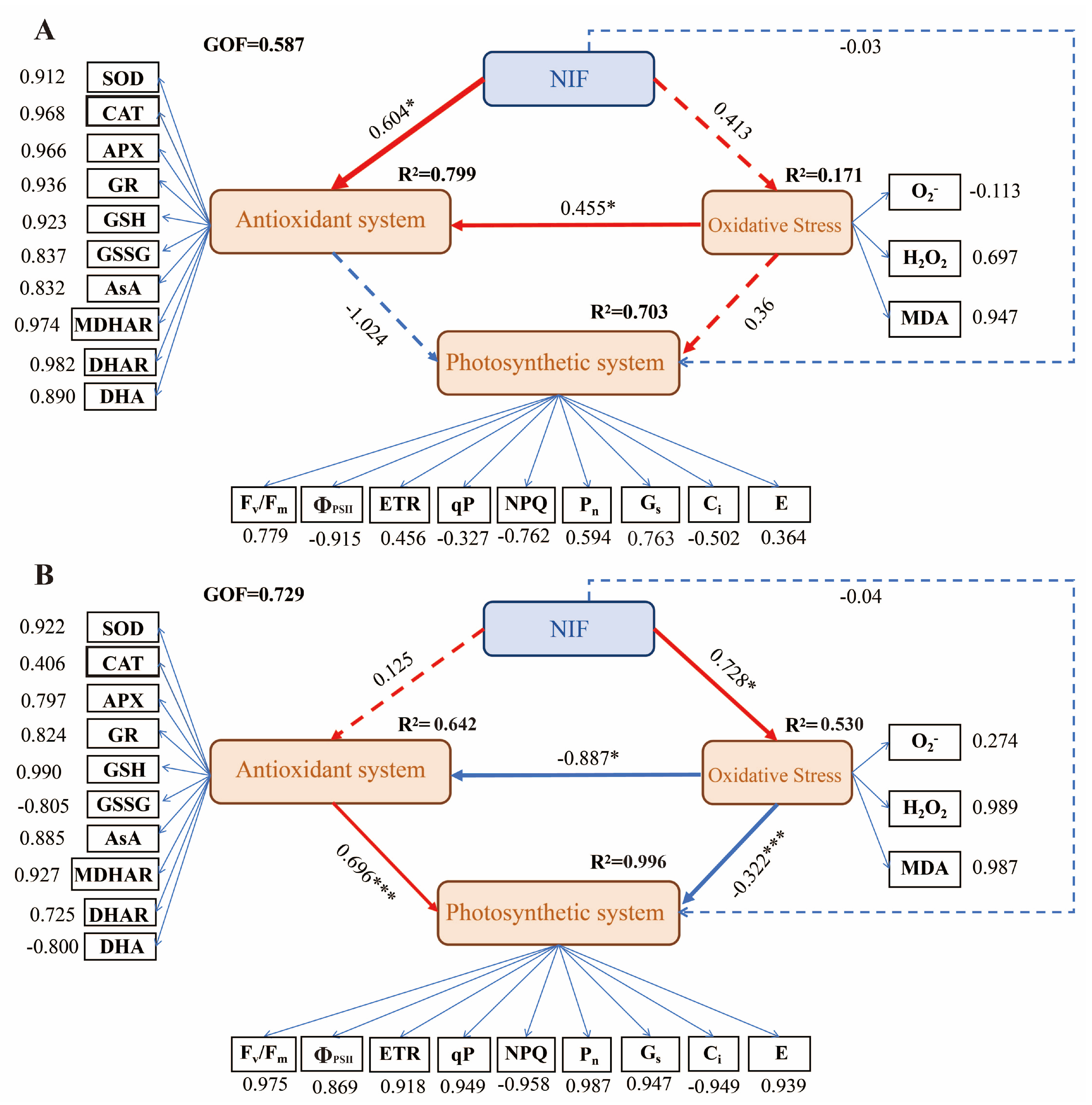
Figure 7: The partial least squares path modeling (PLS-PM) model reveals the potential mechanisms through which NIF treatment affects physiological indicators across different corn varieties. (A) represents the resistant corn variety HK301, (B) represents the sensitive corn variety HK320, the red arrows indicate significant positive correlations, the blue arrows indicate negative correlations, and the dashed lines indicate no significance; the thickness of the lines represents the strength of the path coefficients; the numbers next to the lines are standardized coefficients;the values next to observed variables reflect the contribution of each variable to its corresponding latent variable, with higher values indicating greater contribution. * indicates p < 0.05 significant, *** indicates p < 0.001 highly significant; R2 represents the variance explained by the variables. Detailed calculation results are provided in Supplementary Table S4.
Meta-analysis, as a statistical method for the quantitative integration of independent research results, has been increasingly applied in botany research in recent years. Ghahramani et al. [38] successfully identified 1553 maize salt-stress response differentially expressed genes through meta-analysis of seven open datasets, revealing key biological processes such as respiration and photosynthesis. With the aid of regulatory motif analysis, candidate genes were further narrowed to two groups of specific genes, providing important targets for subsequent functional validation and salt-tolerance breeding. Pierre et al. [39] quantified the effects of sulfur (S) and zinc (Zn), applied separately or in combination, on grain yield in maize, rice and wheat. Their results showed that S + Zn significantly increased yield, with the greatest gains observed when S + Zn was applied without nitrogen supplementation.
Non-target-site resistance (NTSR) of weeds to herbicides is mediated by alterations in one or multiple physiological processes including herbicide absorption, translocation and metabolic detoxification [40]. NIF is a representative herbicide of the ALS inhibitor class and has been widely applied in fields for many years. To date, 161 weed species worldwide have evolved resistance to ALS-inhibiting herbicides [41]. A study by Hao et al. [42] revealed that following NIF application, the herbicide achieved optimal control efficacy against Eclipta prostrata, whereas its control performance against Digitaria sanguinalis was markedly poor. This phenomenon preliminarily indicates substantial interspecific differences in the metabolic detoxification capacity to NIF among various weed species. Our meta-analysis showed that NIF exerted significant species-specific weed control effects in maize fields. Among the most effectively controlled species were Eleusine indica, Amaranthus retroflexus, Setaria viridis, Echinochloa crus-galli, Cyperus difformis and Eclipse prostrata, while Acalypha australis, Digitaria sanguinalis, and Abutilon theophrasti exhibited poor responses. Such interspecific discrepancies may stem from divergent capacities of various weed species to metabolically detoxify NIF, which directly alters the effective herbicide concentration within weed tissues and ultimately results in species-specific differences in herbicide control efficacy. In particular, metabolic detoxification, the most common non-target resistance mechanism, directly influenced the effective herbicide concentration in weeds. Weeds with strong metabolic detoxification capacity rapidly degrade or compartmentalize herbicides through a series of orderly physiological processes, thus reducing their concentration at the target site and ultimately lowering weed control efficacy [43]. Subgroup analyses further revealed the influence of environmental factors. High concentration treatments (>60 g hm−2) achieved significantly greater weed control (170.60%) compared to lower concentration treatments (114.20%), suggesting that increased dosages can enhance weed control efficacy in maize fields, but it must be balanced against crop safety. Additionally, control efficacy improved significantly with longer treatment durations (>30 days, reaching up to 155.50%), which suggests that sufficient residual activity is required for full herbicide efficacy. Wibawa et al. [44] similarly observed that grass weed control increased significantly with higher glyphosate concentrations, while Sachan et al. [45] observed that, during pre-emergence weeding, increasing the concentration of single-herbicide active ingredients enhanced early weed control effectiveness. Soil is the immediate environment for plant survival, with its physicochemical properties directly influencing plant growth and development. In this study, NIF displayed strong weed control effects under conditions of soil pH > 7.5, medium-textured soil, and organic matter content between 20–30 g kg−1. We speculate that adequate soil nutrient conditions contribute to moderate transformation of NIF, thereby enhancing its bioavailability to target weeds [46,47].
The plant non-target metabolic system is an essential regulatory network in dealing with abiotic stress, and its dynamic balance directly influences crop physiological status and growth performance under stress. This system maintains intracellular environment stability by coordinating antioxidant synthesis, photosynthetic metabolic pathways, and free radical scavenging mechanisms, serving as one of the core defense lines of crops against external stress [48,49]. Our results showed that under NIF stress, the activities of antioxidant enzymes (APX, CAT, SOD, POD, GPX, GST, DHAR, GR, MDHAR) decreased significantly, while the levels of non-enzymatic antioxidants (GSH, GSSG, AsA, DHA) also declined significantly. Photosynthetic performance indices (Pn, Gs, E, Chl, Fv/Fm, ΦPSII, ETR, qP) were reduced, while ROS and MDA accumulation were enhanced. These findings suggest that NIF-induced stress generates large quantities of free radicals, which are subsequently converted into ROS. The accumulation of ROS not only directly leads to oxidative damage but also indirectly impairs the photosynthetic system. In addition, we observed that physiological damage differed significantly among maize varieties and across treatment concentrations. The correlation heatmap further confirmed that multiple physiological indicators of HK320 were gradually impaired with increasing treatment concentration, while HK301 alleviated the stress response to NIF through its intrinsic antioxidant regulation mechanism. Ma et al. [50] showed that pyrisulfuron-methyl treatment inhibited millet growth, decreased photosynthetic pigment content, photosynthetic rate, and photosystem II activity, and weakened antioxidant enzyme activity and antioxidant content. Similarly, Wang et al. [51] showed that under NIF stress, sensitive genotype SN509-S exhibited poor herbicide degradation capacity, resulting in continuous ROS accumulation, aggravated oxidative damage, and failure to effectively activate the ascorbic acid-glutathione (AsA-GSH) pathway. In contrast, the resistant genotype SN509-R exhibited only a transient ROS increase due to rapid degradation of NIF and effectively mobilized antioxidant enzymes, thus alleviating oxidative damage and maintaining cell stability. In addition, we observed that when soil nutrient levels (organic matter, total nitrogen, available phosphorus, available potassium) were low, maize physiological indices improved more markedly under NIF stress, while the improvements were less pronounced under high nutrient conditions. This may be because moderate soil nutrient levels support balanced physiological regulation under NIF stress. Adequate nutrients provide essential support for maintaining metabolism and the antioxidant defense system while avoiding metabolic redundancy that may occur under high nutrient conditions. This enables maize to activate defense mechanisms more efficiently and mitigate oxidative damage when exposed to herbicide stress.
Abiotic stress can induce plants to produce large quantities of ROS, including free radicals (e.g., O2•−, •OH) and non-radical species (e.g., H2O2, 1O2). ROS accumulation not only causes direct oxidative damage but also indirectly impairs the photosynthetic system [52]. Meanwhile, MDA content, as a byproduct of lipid peroxidation, reflects the degree of membrane damage caused by oxidative stress [53]. Plants protect themselves from these oxidative damages by activating antioxidant enzyme systems, such as SOD, POD, and CAT, which scavenge ROS, including H2O2 and O2− [54]. By constructing PLS-PM models for maize varieties with varying resistance, we further revealed the response of non-target metabolic pathways under NIF stress. The results showed significant varietal differences in response to NIF. In HK301, oxidative stress induced by NIF effectively activated the antioxidant defense system, suppressed ROS accumulation and membrane lipid peroxidation, and thereby minimized damage to photosynthetic performance, maintaining overall physiological stability. Conversely, in HK320, severe oxidative stress exceeded the regulatory capacity, failed to effectively activate antioxidant defense system, and impaired antioxidant function. This reduction in antioxidant capacity ultimately caused a significant decline in photosynthetic performance. Wang et al. [23] studied the NIL waxy maize inbred lines SN509-R (nicosulfuron-methyl-resistant) and SN509-S (sensitive line). They observed that after nicosulfuron-methyl treatment, photosynthetic-related indices such as net photosynthetic rate and antioxidant enzyme activity were significantly lower in the sensitive type, while intercellular CO2 concentration and MDA content were significantly higher compared with the resistant line. These results indicated that the resistance mechanism was closely related to photosynthetic rate, ROS metabolism, and protective systems. Similarly, Amjad et al. [55] showed that Pioneer maize varieties maintained higher antioxidant enzyme activity under increasing Ni concentrations in the treatment system, efficiently scavenging ROS induced by Ni stress, thus significantly reducing lipid peroxidation and limiting membrane damage. In contrast, syngenta varieties exhibited more sensitive growth responses, failed to activate antioxidant defense systems effectively, and suffered severe membrane damage and nutrient imbalance. Collectively, these findings demonstrate that differences in non-target metabolic pathways are the core driving factors of varietal stability in physiological functions under exogenous stress in maize.
This study has several limitations. First, the meta-analysis in this work only synthesizes published literature focusing on physiological phenotypic indicators, and all included studies lack transcript and proteomic data of key herbicide-detoxifying genes (including CYP450s, GSTs, ABC transporters) and the target gene ALS in maize. Therefore, the conclusions drawn from the meta-analysis are limited to the physiological phenotype level. Second, the field experiment in the current study only determined population physiological indices related to antioxidant systems, photosynthesis and soil nutrients; no molecular assays were performed to characterize the expression changes of herbicide detoxification-related genes, resulting in a lack of molecular biological evidence to support the observed physiological response patterns. Collectively, both the meta-analysis outputs and field physiological test results can only reflect macroscopic phenotypic differences, and fail to clarify the intrinsic molecular regulatory pathways underlying differential tolerance to NIF among various maize cultivars. Future research could adopt molecular approaches such as transcriptome sequencing, quantitative real-time PCR (qRT-PCR), and protein functional validation to supplement expression data of detoxification genes, so as to further corroborate the physiological response patterns identified in the present meta-analysis and field trials from the perspective of molecular mechanisms.
This study adopted a meta-analysis to systematically investigate the weed control efficacy of NIF in maize fields and its effects on maize physiological indicators. Based on original experimental data, PLS-PM was employed to analyze the non-target metabolic pathways of maize varieties and identify the key regulatory pathways. The results demonstrated significant species-specific differences in the weed control efficacy of NIF, which were strongly influenced by application dose, time after application, and soil environmental factors (pH, texture, and organic matter content). In addition, using a structural equation model, we verified that the resistant variety (HK301) effectively activated non-target metabolic detoxification pathways by coordinating multiple antioxidant enzymes (APX, CAT, SOD, GR, etc.) and non-enzymatic antioxidants (GSH, AsA, etc.), thereby significantly reducing ROS accumulation and membrane lipid peroxidation. This activation helped maintain photosynthetic performance (Fv/Fm, ΦPSII, Pn, etc.) and overall cellular homeostasis. Conversely, the sensitive variety (HK320), due to its weak non-target metabolic capacity, exhibited a dysfunctional antioxidant defense system, which led to greater oxidative damage and a significant decline in photosynthetic function. Overall, this study clarified the environmental dependence of NIF on weeds and revealed that the non-target metabolic detoxification pathway is the key factor underlying resistance differences among maize varieties.
Acknowledgement:
Funding Statement: This work was supported by the Major Science and Technology Projects of Liaoning Province (Grant No. 2024JH1/11700007) and the Science Research Project of Hebei Education Department (Grant No. BJK2024044).
Author Contributions: The authors confirm contribution to the paper as follows: Conceptualization, Xi Feng and Meng Zhang; methodology, Xi Feng; software, Xi Feng; validation, Jingling Han; formal analysis, Yanbing Wang; investigation, Xi Feng; data curation, Xi Feng and Jian Wang; writing—original draft preparation, Xi Feng; writing—review and editing, Meng Zhang; visualization, Jinling Han; supervision, Jian Wang; project administration, Jian Wang and Yanbing Wang; funding acquisition, Jian Wang. All authors reviewed and approved the final version of the manuscript.
Availability of Data and Materials: The data that support the findings of this study are available from the Corresponding Author, Jian Wang, upon reasonable request.
Ethics Approval: Not applicable.
Conflicts of Interest: The authors declare no conflicts of interest.
Supplementary Materials: The supplementary material is available online at https://www.techscience.com/doi/10.32604/phyton.2026.086921/s1.
References
1. Wu ZX , Xu NW , Yang M , Li XL , Han JL , Lin XH , et al. Responses of photosynthesis, antioxidant enzymes, and related gene expression to nicosulfuron stress in sweet maize (Zea mays L.). Environ Sci Pollut Res Int. 2022; 29( 25): 37248– 65. doi:10.1007/s11356-022-18641-0. [Google Scholar] [CrossRef]
2. Smith AM , Burns EE . Impacts of drought intensity and weed competition on drought-tolerant corn performance. Weed Sci. 2022; 70( 4): 455– 62. doi:10.1017/wsc.2022.34. [Google Scholar] [CrossRef]
3. Williams BJ , Harvey RG . Effect of nicosulfuron timing on wild-proso millet (Panicum miliaceum) control in sweet corn (Zea mays). Weed Technol. 2000; 14( 2): 377– 82. doi:10.1614/0890-037X(2000)014[0377:EONTOW]2.0.CO;2. [Google Scholar] [CrossRef]
4. Zhang C , Chen L , Si H , Gao W , Liu P , Zhang J . Study on the characteristics and mechanisms of nicosulfuron biodegradation by Bacillus velezensis CF57. J Basic Microbiol. 2020; 60( 7): 649– 58. doi:10.1002/jobm.202000039. [Google Scholar] [CrossRef]
5. Gaines TA , Duke SO , Morran S , Rigon CAG , Tranel PJ , Küpper A , et al. Mechanisms of evolved herbicide resistance. J Biol Chem. 2020; 295( 30): 10307– 30. doi:10.1074/jbc.REV120.013572. [Google Scholar] [CrossRef]
6. Shah S , Lonhienne T , Murray CE , Chen Y , Dougan KE , Low YS , et al. Genome-guided analysis of seven weed species reveals conserved sequence and structural features of key gene targets for herbicide development. Front Plant Sci. 2022; 13: 909073. doi:10.3389/fpls.2022.909073. [Google Scholar] [CrossRef]
7. Warwick SI , Xu R , Sauder C , Beckie HJ . Acetolactate synthase target-site mutations and single nucleotide polymorphism genotyping in ALS-resistant Kochia (Kochia scoparia). Weed Sci. 2008; 56( 6): 797– 806. doi:10.1614/ws-08-045.1. [Google Scholar] [CrossRef]
8. Liu X , Bi B , Xu X , Li B , Tian S , Wang J , et al. Rapid identification of a candidate nicosulfuron sensitivity gene (Nss) in maize (Zea mays L.) via combining bulked segregant analysis and RNA-seq. Theor Appl Genet. 2019; 132( 5): 1351– 61. doi:10.1007/s00122-019-03282-8. [Google Scholar] [CrossRef]
9. Lu B , Meng R , Wang Y , Xiong W , Ma Y , Gao P , et al. Distinctive physiological and molecular responses of foxtail millet and maize to nicosulfuron. Front Plant Sci. 2023; 14: 1308584. doi:10.3389/fpls.2023.1308584. [Google Scholar] [CrossRef]
10. Wang J , Fan Y , Liang L , Dong Z , Li M , Wu Z , et al. GO promotes detoxification of nicosulfuron in sweet corn by enhancing photosynthesis, chlorophyll fluorescence parameters, and antioxidant enzyme activity. Sci Rep. 2024; 14: 21213. doi:10.1038/s41598-024-72203-7. [Google Scholar] [CrossRef]
11. Muller R , Schreiber U , Escher BI , Quayle P , Bengtson Nash SM , Mueller JF . Rapid exposure assessment of PSII herbicides in surface water using a novel chlorophyll a fluorescence imaging assay. Sci Total Environ. 2008; 401( 1–3): 51– 9. doi:10.1016/j.scitotenv.2008.02.062. [Google Scholar] [CrossRef]
12. Ma R , Kaundun SS , Tranel PJ , Riggins CW , McGinness DL , Hager AG , et al. Distinct detoxification mechanisms confer resistance to mesotrione and atrazine in a population of waterhemp. Plant Physiol. 2013; 163( 1): 363– 77. doi:10.1104/pp.113.223156. [Google Scholar] [CrossRef]
13. Mittler R , Zandalinas SI , Fichman Y , Van Breusegem F . Reactive oxygen species signalling in plant stress responses. Nat Rev Mol Cell Biol. 2022; 23( 10): 663– 79. doi:10.1038/s41580-022-00499-2. [Google Scholar] [CrossRef]
14. Ali MF , Muday GK . Reactive oxygen species are signaling molecules that modulate plant reproduction. Plant Cell Environ. 2024; 47( 5): 1592– 605. doi:10.1111/pce.14837. [Google Scholar] [CrossRef]
15. Singh DP , Singh V , Shukla R , Sahu P , Prabha R , Gupta A , et al. Stage-dependent concomitant microbial fortification improves soil nutrient status, plant growth, antioxidative defense system and gene expression in rice. Microbiol Res. 2020; 239: 126538. doi:10.1016/j.micres.2020.126538. [Google Scholar] [CrossRef]
16. Hendrix S , Vanbuel I , Colemont J , Bos Calderó L , Hamzaoui MA , Kunnen K , et al. Jacks of all trades: Reactive oxygen species in plant responses to stress combinations and priming-induced stress tolerance. J Exp Bot. 2025; 76( 13): 3686– 705. doi:10.1093/jxb/eraf065. [Google Scholar] [CrossRef]
17. Kaur G , Kaur S , Singh HP , Batish DR , Kohli RK , Rishi V . Biochemical adaptations in Zea mays roots to short-term Pb2+ exposure: ROS generation and metabolism. Bull Environ Contam Toxicol. 2015; 95( 2): 246– 53. doi:10.1007/s00128-015-1564-y. [Google Scholar] [CrossRef]
18. Pishkar L , Yousefi S , Iranbakhsh A . Foliar application of Zinc oxide nanoparticles alleviates cadmium toxicity in purslane by maintaining nutrients homeostasis and improving the activity of antioxidant enzymes and glyoxalase system. Ecotoxicology. 2022; 31( 4): 667– 78. doi:10.1007/s10646-022-02533-7. [Google Scholar] [CrossRef]
19. Shen C , Fu H , Huang B , Liao Q , Huang Y , Wang Y , et al. Physiological and molecular mechanisms of boron in alleviating cadmium toxicity in Capsicum annuum. Sci Total Environ. 2023; 903: 166264. doi:10.1016/j.scitotenv.2023.166264. [Google Scholar] [CrossRef]
20. del Ponte EM , Barro JP , Madden LV . Meta-analysis in plant pathology: Publication patterns, methodological trends, and potential future directions. Plant Dis. 2024; 108( 11): 3212– 21. doi:10.1094/PDIS-10-23-2180-FE. [Google Scholar] [CrossRef]
21. Sun Y , Wang C , Chen HYH , Ruan H . Response of plants to water stress: A meta-analysis. Front Plant Sci. 2020; 11: 978. doi:10.3389/fpls.2020.00978. [Google Scholar] [CrossRef]
22. Yi G , Shin H , Min K , Lee EJ . Expanded transcriptomic view of strawberry fruit ripening through meta-analysis. PLoS One. 2021; 16( 6): e0252685. doi:10.1371/journal.pone.0252685. [Google Scholar] [CrossRef]
23. Wang J , Zhong XM , Lv XL , Shi ZS , Li FH . Photosynthesis and physiology responses of paired near-isogenic lines in waxy maize (Zea mays L.) to nicosulfuron. Photosynthetica. 2018; 56( 4): 1059– 68. doi:10.1007/s11099-018-0816-6. [Google Scholar] [CrossRef]
24. Jana S , Choudhuri MA . Glycolate metabolism of three submersed aquatic angiosperms during ageing. Aquat Bot. 1982; 12: 345– 54. doi:10.1016/0304-3770(82)90026-2. [Google Scholar] [CrossRef]
25. Jiang M , Zhang J . Water stress-induced abscisic acid accumulation triggers the increased generation of reactive oxygen species and up-regulates the activities of antioxidant enzymes in maize leaves. J Exp Bot. 2002; 53( 379): 2401– 10. doi:10.1093/jxb/erf090. [Google Scholar] [CrossRef]
26. Heath RL , Packer L . Photoperoxidation in isolated chloroplasts. I. Kinetics and stoichiometry of fatty acid peroxidation. Arch Biochem Biophys. 1968; 125( 1): 189– 98. doi:10.1016/0003-9861(68)90654-1. [Google Scholar] [CrossRef]
27. Yu XZ , Zhang FZ . Effects of exogenous thiocyanate on mineral nutrients, antioxidative responses and free amino acids in rice seedlings. Ecotoxicology. 2013; 22( 4): 752– 60. doi:10.1007/s10646-013-1069-6. [Google Scholar] [CrossRef]
28. Vaculíková M , Vaculík M , Šimková L , Fialová I , Kochanová Z , Sedláková B , et al. Influence of silicon on maize roots exposed to antimony—Growth and antioxidative response. Plant Physiol Biochem. 2014; 83: 279– 84. doi:10.1016/j.plaphy.2014.08.014. [Google Scholar] [CrossRef]
29. Boominathan R , Doran PM . Ni-induced oxidative stress in roots of the Ni hyperaccumulator, Alyssum bertolonii. New Phytol. 2002; 156( 2): 205– 15. doi:10.1046/j.1469-8137.2002.00506.x. [Google Scholar] [CrossRef]
30. Yu XZ , Zhang XH , Yue DM . Alternation of antioxidative enzyme gene expression in rice seedlings exposed to methylene blue. Environ Sci Pollut Res Int. 2014; 21( 24): 14014– 22. doi:10.1007/s11356-014-3306-9. [Google Scholar] [CrossRef]
31. Bian S , Jiang Y . Reactive oxygen species, antioxidant enzyme activities and gene expression patterns in leaves and roots of Kentucky bluegrass in response to drought stress and recovery. Sci Hortic. 2009; 120( 2): 264– 70. doi:10.1016/j.scienta.2008.10.014. [Google Scholar] [CrossRef]
32. Queval G , Noctor G . A plate reader method for the measurement of NAD, NADP, glutathione, and ascorbate in tissue extracts: Application to redox profiling during Arabidopsis rosette development. Anal Biochem. 2007; 363( 1): 58– 69. doi:10.1016/j.ab.2007.01.005. [Google Scholar] [CrossRef]
33. Gossett DR , Millhollon EP , Lucas MC . Antioxidant response to NaCl stress in salt-tolerant and salt-sensitive cultivars of cotton. Crop Sci. 1994; 34( 3): 706– 14. doi:10.2135/cropsci1994.0011183x003400030020x. [Google Scholar] [CrossRef]
34. Luo Y , Hui D , Zhang D . Elevated CO2 stimulates net accumulations of carbon and nitrogen in land ecosystems: A meta-analysis. Ecology. 2006; 87( 1): 53– 63. doi:10.1890/04-1724. [Google Scholar] [CrossRef]
35. Hedges LV , Gurevitch J , Curtis PS . The meta-analysis of response ratios in experimental ecology. Ecology. 1999; 80( 4): 1150– 6. doi:10.1890/0012-9658(1999)080[1150:tmaorr]2.0.co;2. [Google Scholar] [CrossRef]
36. Muhammad I , Yang L , Ahmad S , Mosaad ISM , Al-Ghamdi AA , Abbasi AM , et al. Melatonin application alleviates stress-induced photosynthetic inhibition and oxidative damage by regulating antioxidant defense system of maize: A meta-analysis. Antioxidants. 2022; 11( 3): 512. doi:10.3390/antiox11030512. [Google Scholar] [CrossRef]
37. Xiang Y , Deng Q , Duan H , Guo Y . Effects of biochar application on root traits: A meta-analysis. GCB Bioenergy. 2017; 9( 10): 1563– 72. doi:10.1111/gcbb.12449. [Google Scholar] [CrossRef]
38. Ghahramani Ghahramanloo S , Seyed Rahmani R , Karimbeigi H , Darvishzadeh R . Meta-analysis of maize adaptation to salt stress: Key gene expressions and regulatory pathways. J Plant Growth Regul. 2025; 44( 9): 5483– 95. doi:10.1007/s00344-025-11774-9. [Google Scholar] [CrossRef]
39. Pierre JF , Ezui GK , Nagarajan L , Singh U , Pavuluri K , Gaihre Y , et al. Global-scale meta-analysis reveals enhanced cereal yields through sulfur and zinc fertilization. Nutr Cycl Agroecosyst. 2025; 131( 3): 593– 612. doi:10.1007/s10705-025-10416-6. [Google Scholar] [CrossRef]
40. Jugulam M , Shyam C . Non-target-site resistance to herbicides: Recent developments. Plants. 2019; 8( 10): 417. doi:10.3390/plants8100417. [Google Scholar] [CrossRef]
41. Heap I . The international survey of herbicide resistant weeds. 2017 [cited 2026 Jan 1]. Available from: https://www.weedscience.org. [Google Scholar]
42. Hao BQ , Ren LR , Cheng HY , Cao AC , Wang QX , Li Y , et al. Effect of 20% nicosulfuron OD on annual weeds in corn field. Chin Agric Sci Bull. 2021; 37( 7): 95– 9. (In Chinese). doi:10.11924/j.issn.1000-6850.casb2020-0043. [Google Scholar] [CrossRef]
43. Chen G , Wang L , Xu H , Wu X , Pan L , Dong L . Cross-resistance patterns to acetyl-CoA carboxylase inhibitors associated with different mutations in Japanese foxtail (Alopecurus japonicus). Weed Sci. 2017; 65( 4): 444– 51. doi:10.1017/wsc.2017.6. [Google Scholar] [CrossRef]
44. Wibawa W , Mohamad R , Juraimi AS , Omar D , Mohayidin MG , Begum M . Weed control efficacy and short term weed dynamic impact of three non-selective herbicides in immature oil palm plantation. Int J Agric Biol. 2009; 11( 2): 145– 50. [Google Scholar]
45. Sachan DS , Khan N , Sachan R , Singh S , Gangwar P , Singh B , et al. Effect of chemical herbicides on diversified weed flora and weed control efficiency in maize (Zea mays L.). Int J Plant Soil Sci. 2023; 35( 17): 54– 61. doi:10.9734/ijpss/2023/v35i173183. [Google Scholar] [CrossRef]
46. Gentili R , Ambrosini R , Montagnani C , Caronni S , Citterio S . Effect of soil pH on the growth, reproductive investment and pollen allergenicity of Ambrosia artemisiifolia L. Front Plant Sci. 2018; 9: 1335. doi:10.3389/fpls.2018.01335. [Google Scholar] [CrossRef]
47. Li Y , Chang SX , Tian L , Zhang Q . Conservation agriculture practices increase soil microbial biomass carbon and nitrogen in agricultural soils: A global meta-analysis. Soil Biol Biochem. 2018; 121: 50– 8. doi:10.1016/j.soilbio.2018.02.024. [Google Scholar] [CrossRef]
48. Ghanizadeh H , Harrington KC . Non-target site mechanisms of resistance to herbicides. Crit Rev Plant Sci. 2017; 36( 1): 24– 34. doi:10.1080/07352689.2017.1316134. [Google Scholar] [CrossRef]
49. Sammons RD , Gaines TA . Glyphosate resistance: State of knowledge. Pest Manag Sci. 2014; 70( 9): 1367– 77. doi:10.1002/ps.3743. [Google Scholar] [CrossRef]
50. Ma K , Zhang W , Zhang L , He X , Fan Y , Alam S , et al. Effect of pyrazosulfuron-methyl on the photosynthetic characteristics and antioxidant systems of foxtail millet. Front Plant Sci. 2021; 12: 696169. doi:10.3389/fpls.2021.696169. [Google Scholar] [CrossRef]
51. Wang J , Zhong X , Li F , Shi Z . Effects of nicosulfuron on growth, oxidative damage, and the ascorbate-glutathione pathway in paired nearly isogenic lines of waxy maize (Zea mays L.). Pestic Biochem Physiol. 2018; 145: 108– 17. doi:10.1016/j.pestbp.2018.01.015. [Google Scholar] [CrossRef]
52. Samuel E , Ajisope E , Olabintan O , Jarikre T , Adewale O , Oyagbemi A , et al. Tridax procumbens leaf extract mitigated vincristine-induced organ pathology and oxidative imbalances in wistar rats. Istanus J Appl Biol Sci. 2026; 2( 1): e2. doi:10.64012/istanusjabs.2026.2.1.e2. [Google Scholar] [CrossRef]
53. Fang S , Yang H , Wei G , Shen T , Wan Z , Wang M , et al. Potassium application enhances drought tolerance in sesame by mitigating oxidative damage and regulating osmotic adjustment. Front Plant Sci. 2022; 13: 1096606. doi:10.3389/fpls.2022.1096606. [Google Scholar] [CrossRef]
54. Cannea FB , Padiglia A . Antioxidant defense systems in plants: Mechanisms, regulation, and biotechnological strategies for enhanced oxidative stress tolerance. Life. 2025; 15( 8): 1293. doi:10.3390/life15081293. [Google Scholar] [CrossRef]
55. Amjad M , Raza H , Murtaza B , Abbas G , Imran M , Shahid M , et al. Nickel toxicity induced changes in nutrient dynamics and antioxidant profiling in two maize (Zea mays L.) hybrids. Plants. 2019; 9( 1): 5. doi:10.3390/plants9010005. [Google Scholar] [CrossRef]
Cite This Article
 Copyright © 2026 The Author(s). Published by Tech Science Press.
This work is licensed under a Creative Commons Attribution 4.0 International License , which permits unrestricted use, distribution, and reproduction in any medium, provided the original work is properly cited.
 Downloads
 Citation Tools
