
 Login
Login Register
 Submit a Paper
 Propose a Special lssue
 Open Access
ARTICLE
Identification and Expression Analysis of the TALE Gene Family Across the Genome of Tree Peony (Paeonia ostii)
College of Life Science, Luoyang Normal University, Luoyang, China
* Corresponding Authors: Huiyun Li. Email: ; Yanzhao Zhang. Email:
Phyton-International Journal of Experimental Botany 2026, 95(9), 15 https://doi.org/10.32604/phyton.2026.087331
Received 15 June 2026; Accepted 25 August 2026; Issue published 24 September 2026
 View Full Text
 Download PDF
Abstract
TALE transcription factors are essential for plant growth, development, and abiotic stress responses. In P. ostii, a species of high ornamental and economic value, heat and drought stress severely limit productivity, yet systematic identification of the TALE family has been lacking. Here, 30 TALE transcription factors were identified via bioinformatics, with protein lengths of 89–774 aa and molecular weights (Mws) of 10,182.91 Da–84,550.84 Da. Comprehensive analyses covered physicochemical properties, phylogenetics, chromosomal localization, promoter cis-elements, conserved motifs, synteny, and tissue-specific expression. Based on homeodomain features, genes were classified into KNOX and BELL subfamilies, with similar structural features within each subfamily. All PoTALE proteins were predicted to be nuclear-localized. Genes were unevenly distributed across five chromosomes, enriched on chromosome 1. Additionally, PoTALE-25 and PoTALE-10 were mapped to uncharacterized scaffolds 3 and 2294, respectively. Promoter analysis revealed cis-elements related to development, hormones, and abiotic stress, suggesting roles in stress adaptation and development. Intron numbers varied: 15 genes had 1–4 introns, and 15 had 5–15 introns. Collinearity analysis showed 12 homologous pairs between P. ostii and each of P. ludlowii, S. lycopersicum, and S. tuberosum, versus 6 with A. thaliana and 1 with O. sativa, consistent with higher syntenic retention among dicots. The highest retention between the two peony species reflects their closest phylogenetic relationship. Tissue-specific expression profiling revealed pronounced transcript accumulation in leaves, pink and red petals, pistils, seeds, shoots, and flower spots, with the highest levels in leaves, petals, and spots. Among these, PoTALE-3, PoTALE-14, and PoTALE-15 were prioritized as candidates for functional studies on spot formation and vegetative organ development. Collectively, these findings highlight the functional diversity of the PoTALE family and its potential involvement in stress responses and developmental regulation.Keywords
Homeobox genes constitute a large family of transcription factors (TFs) found throughout eukaryotes and are indispensable for the growth and development of animals and plants [1,2]. Homeobox genes were originally discovered in the fruit fly (Drosophila melanogaster) [3]. KNOTTED-1, the first homeobox gene, was identified by Vollbrecht et al. in 1991 [4]. The typical homeobox domain features a characteristic triple-helix region of 60 amino acids. In this region, the first and second helices form a loop, whereas the second and third create a motif of helix-turn-helix [5].
Researchers have categorized plant homeobox genes using two distinct classification methods. In the early classification of homeobox genes, seven distinct groups were identified: ZM-HOX, ATHB8, HAT1, HAT2, GL2, the BEL1-like homeodomain (commonly referred to as BELL or BLH), and the KNOTTED-like homeodomain (known as KNOX or KNAT) [6]. Subsequent studies categorized homeobox genes into 11 classes: HD-ZIP (classes I through IV), BLH/BELL, DDT, LD, KNOX/KNAT, NDX, PINTOX, PHD, SAWADEE, PLINC, and WOX [6]. On the basis of protein sequence analysis and evolutionary relationships, the KNOX and BEL1-like homeobox genes are classified within the three-amino-acid-loop-extension (TALE) superfamily. The TALE family directly functions in a wide array of plant processes, ranging from growth and development to abiotic stress resistance [7,8,9], also affecting organ morphology [9,10], hormone levels [10], signal transduction [11], and tuber formation [11]. Four domains are typically found in KNOX proteins: KNOX1, ELK, KNOX2, and a homeodomain. Based on gene structure and expression profiles, the KNOX family was originally grouped into two distinct classes. KNOX proteins that lack homeodomains have been identified in dicots, thereby falling into three distinct groups [12]. STM, KNAT1, KNAT2, and KNAT6 fall into the first category. KNAT3, KNAT4, KNAT5, and KNAT7 belong to the second category. The third category is represented solely by KNATM, a gene that is unique to dicotyledonous plants. Genes such as ATH1, BEL1, and BLH1 through BLH10 belong to the BELL family. However, they have not been systematically categorized [6]. Extensive studies have been conducted on KNOX genes within the TALE superfamily. KNOX class I genes show diverse expression patterns and functions, with predominant expression in meristematic tissues [13,14]. In Arabidopsis, for instance, KNAT2 expression in apical meristems converts nucellar tissue into carpel-like structures and interferes with normal AGAMOUS (AG) expression in the ovule center and the carpel [15]. The STM gene is necessary for normal shoot apical meristem maintenance in Arabidopsis [16], whereas the KNAT1 gene contributes to root tilt. In knat1 mutants, auxin transport is notably decreased in basal leaves, whereas auxin accumulation is elevated in the roots. In Arabidopsis, this change in auxin transport is associated with reduced levels of the auxin efflux carrier PIN2 in the root apex region. KNAT1 therefore appears to exert a negative regulatory effect on root tilt by modulating auxin transport [17]. As opposed to the KNOXI subfamily, the KNOXII subfamily is characterized by broad expression across diverse tissues. KNAT7 is the most studied among all KNOXII members. It functions as a pivotal regulator of a negative regulatory cycle that curbs the overcommitment of metabolic resources to SCW (secondary cell wall) formation, thereby preserving metabolic homeostasis. Emerging evidence has revealed that KNAT7 and KNAT3 are capable of forming heterodimers. Additionally, KNAT3 interacts with NST1 and NST2, two key transcription factors that regulate SCW formation, thereby forming a KNAT3-NST1/2 heterodimer complex. This complex is essential for regulating F5H expression and promoting syringyl lignin biosynthesis [18]. This finding suggested that KNAT3 and KNAT7 collaboratively facilitate the biosynthesis of SCW [18]. In Medicago truncatula, KNAT3/4/5-like transcription factors may restrict additional rhizobial infections and nodule development by activating the EFD/RR4 pathway, which locally suppresses cytokinin signaling. This mechanism helps regulate the border and shape of nodular organs. KNATM proteins are categorized as members of the third KNOX class, and they are found only in dicotyledonous plants. Through binding to other TALE proteins, KNATM modulates their functions and thus directs leaf polarity and development [12]. BELL-like proteins have received less research attention than KNOX-like proteins. Functional roles have been identified for several BELL family members, including BEL1, ATH1, PNY/BLH8, PNF/BLH9, SAW2/BLH4, and SAW1/BLH2 [19]. The roles of other BELL-like proteins remain unknown. ATH1, a BELL-family protein, represses flowering by regulating FLC (FLOWERING LOCUS C) expression levels [20]. Furthermore, BLH3 and BLH6 played opposing roles during floral transformation. Plants with elevated expression of BLH6 exhibited delayed flowering, whereas those with increased expression of BLH3 bloomed earlier compared to BLH6 [21]. PNY represses flowering with ATH1 but promotes it with PNF [22]. BLH4/SAW2 and BLH2/SAW1 shape leaves by repressing certain KNOX genes, thereby limiting growth within particular leaf zones [23]. As a transcriptional repressor, BLH6 enhances its repressive activity through physical interaction with KNAT7. By binding to the REV promoter, the BLH6-KNAT7 complex directly represses REV expression to regulate SCW biosynthesis in interfascicular fibers [24]. Each of the 13 Arabidopsis BELL proteins was shown by large-scale yeast two-hybrid assays to bind to at least one KNOX partner. For example, AtBLH1 and AtKNAT3 act together to regulate Arabidopsis seed germination and seedling development [25].
Extensive genomic characterization of the TALE transcription factor family has been performed across diverse plant species, including Arabidopsis [8], poplar [26], soybean [27], pomegranate [28], radish [29], and tomato [30], with members from poplar and soybean shown to be closely associated with salt and drought tolerance [26,27]. In addition, the TALE genes in A. thaliana, such as KNAT3 and BLH4, are capable of responding to abiotic stresses including drought, low temperature, high temperature, and salt stress [8]. Tree peony (P. ostii) is a woody plant species belonging to the genus Paeonia in the family Paeoniaceae, order Saxifragales. It holds substantial ornamental, medicinal, and oil-related value [31,32]. However, under global climate change, enhancing its growth and abiotic stress tolerance has become increasingly critical, as it is highly sensitive to high temperature and drought in production practice—stresses that inhibit vegetative growth, reduce the duration of flowering, and degrade flower quality, thereby severely diminishing its ornamental and commercial value [33]. Given the pivotal role of TALE transcription factors as key regulatory nodes in plant development and stress responses, they may hold considerable potential for improving stress tolerance in tree peony. Nevertheless, systematic identification and functional characterization of this family in P. ostii remain lacking [34], representing a critical bottleneck for molecular breeding. Therefore, a comprehensive investigation of the TALE gene family in P. ostii is urgently needed to bridge this knowledge gap and facilitate the development of stress-tolerant varieties.
In this study, we performed a genome-wide systematic identification of the TALE family in tree peony, identifying 30 PoTALE genes, and conducted comprehensive bioinformatics analyses covering physicochemical properties, phylogeny, chromosomal distribution, gene architecture (including conserved motifs and coding/non-coding regions), cis-regulatory elements, and tissue-specific expression profiles. This work provides a thorough structural and functional characterization of the PoTALE family and establishes a valuable foundation for future functional studies and genetic improvement of stress tolerance and developmental regulation in tree peony.
2.1 Characterization of the PoTALE Gene Family
The genome, protein (pep), coding (cds), and annotation (gff) files for tree peony were retrieved from the National Gene Bank, download the Arabidopsis TALE protein sequence file from the PlantTFDB website. Using Arabidopsis TALE protein sequences as queries, we ran BLASTP searches against the P. ostii protein sequences via TBtools-II (v2.476) with default settings (tab format, e-value < 1e−5, 500 hits and 250 alignments per query).
The TALE protein sequences of tree peony were then obtained by preliminary screening.
NCBICDD, InterPro and SMART were used to screen the primary proteins. Finally get 30 members of the tree peony TALE gene family and name them PoTALE-1, PoTALE-2, PoTALE-3, …, PoTALE-30.
The molecular weights and pI (isoelectric points) of each PoTALE family member were determined using Expasy-ProtParam, while their subcellular localizations were predicted with Cell-PLoc.
2.2 Phylogeny and Evolution of the PoTALE Gene Family
TALE protein sequences from tree peony and A. thaliana were aligned via MEGA7.0, and the phylogenetic tree of Arabidopsis and tree peony was constructed and exported after beautification on Evolview website. To comprehensively identify PoTALE proteins, a local BLAST search was performed using all AtTALE amino acid sequences as queries. A minimal evolutionary tree was constructed using MEGA7.0 software to conduct phylogenetic analysis aimed at elucidating the evolutionary relationships among TALE protein sequences.
2.3 Chromosomal Localization of the Tree Peony TALE Gene Family
Using the annotation file of tree peony, the chromosomal locations of the PoTALEs were identified. These positions, along with chromosome length data, were then submitted to the MG2C website for map visualization and saving.
2.4 Cis-Element Analysis of PoTALEs
The tree peony genome was used to extract promoter sequences using TBtools-II (v2.476). First, the Gff file was initialized in the “Gtf/Gff3 Sequences Extract” tool, followed by loading the genome file. The 2 kb (kilobases) promoter region (upstream of the initiation codon) of each gene was extracted and saved in txt format. Subsequently, the txt file was uploaded to the PlantCARE website to generate an Excel file containing cis-element annotations. After necessary formatting, the final visualization was achieved on the “Simple BioSequence Viewer” page of TBtools-II (v2.476) and Microsoft Office Professional Plus 2016. Putative cis-elements in the 1.5 kb promoter were predicted using PlantCARE.
2.5 Structural and Sequence Conservation Analysis of PoTALEs
TALE protein sequences from tree peony were aligned using MEGA7.0. Conserved motifs were identified using the MEME website based on TALE protein sequences. Information on the TALE gene family was screened from the tree peony annotation file and saved as a txt file. Gene structure maps were subsequently generated using TBtools-II (v2.476). Finally, visualization was performed and saved via the Gene Structure View (Advanced) component of TBtools-II (v2.476).
2.6 Syntenic Relationship Analysis of PoTALEs
Collinearity between tree peony and Arabidopsis was analyzed using TBtools-II (v2.476) (One Step MCScanX and Dual Synteny Plot). The CTL file was simplified to highlight the TALE gene family. The same workflow was applied to generate collinearity files for rice, tomato, potato and P. ludlowii against P. ostii.
2.7 Tissue Expression Specificity Analysis of Tree Peony TALE Gene Family
To examine the tissue-specific expression profiles of PoTALE genes in tree peony, we obtained FPKM (Fragments Per Kilobase per Million mapped reads) values from our previously published transcriptome data [35] and calculated fold-changes as the ratio of FPKM values between target and control tissues. A heatmap was constructed using log2(FPKM+1)-transformed values via TBtools-II (v2.476), facilitating the prediction of candidate PoTALE genes associated with tree peony growth and development.
3.1 Systematic Genome-Wide Characterization and Classification of PoTALEs
To investigate the conserved domains present in tree peony TALE proteins, conserved domain analysis was executed with the aid of the NCBI CDD search tool (https://www.ncbi.nlm.nih.gov/Structure/cdd/wrpsb.cgi). To verify whether the candidate TALE protein sequences from tree peony possess the conserved domain features typical of plant TALE gene families, further analysis was conducted employing the Pfam and SMART online tools. Through this comprehensive screening process, all protein sequences belonging to the TALE gene family in tree peony were successfully obtained. The tree peony pep file and the Arabidopsis TALE protein file were subjected to preliminary screening using TBtools-II (v2.476), yielding 31 candidate TALE protein members. These candidates were further verified through NCBI CDD, InterPro, and SMART. One member, Pos.gene82579.mRNA-1, showed no detectable conserved domains and was consequently excluded. Ultimately, 30 TALE protein sequences from tree peony were retained for subsequent analyses (Table 1).
PoTALE-3 possessed the maximum amino acid length (774 aa) among tree peony TALE family members; the minimum amino acid number of PoTALE-18 was 89 aa; PoTALE-3 had the highest Mw (84,550.84 Da); PoTALE-18 had the smallest molecular mass (10,182.91 Da); the maximum isoelectric point (pI) of PoTALE-8 is 8.98, and the minimum pI of PoTALE-22 is 5.01. PoTALE-8, PoTALE-20, PoTALE-23, PoTALE-28, and PoTALE-29 are basic amino acids, all having pI values > 7, whereas the remaining members are acidic amino acids. All TALE family proteins are localized in the nucleus. All TALE family proteins are found in the nucleus.
Table 1: Summary of PoTALE gene family characteristics.
| Gene ID | Gene Naming | Amino Acid Number (aa) | Relative Molecular Mass (Da) | Isoelectric Point (pI) | Subcellular Localization |
|---|---|---|---|---|---|
| Pos.gene81134 | PoTALE-1 | 741 | 81,381.49 | 6.25 | Nucleus |
| Pos.gene31078 | PoTALE-2 | 690 | 75,544.03 | 6.96 | Nucleus |
| Pos.gene82447 | PoTALE-3 | 774 | 84,550.84 | 6.54 | Nucleus |
| Pos.gene69357 | PoTALE-4 | 436 | 48,746.56 | 6.29 | Nucleus |
| Pos.gene62230 | PoTALE-5 | 692 | 77,293.82 | 6.00 | Nucleus |
| Pos.gene37760 | PoTALE-6 | 655 | 72,620.94 | 6.25 | Nucleus |
| Pos.gene8916 | PoTALE-7 | 626 | 68,984.51 | 6.41 | Nucleus |
| Pos.gene34193 | PoTALE-8 | 452 | 51,005.94 | 8.98 | Nucleus |
| Pos.gene21801 | PoTALE-9 | 567 | 63,229.65 | 5.68 | Nucleus |
| Pos.gene28130 | PoTALE-10 | 312 | 35,879.62 | 5.06 | Nucleus |
| Pos.gene56470 | PoTALE-11 | 392 | 45,036.12 | 6.41 | Nucleus |
| Pos.gene54739 | PoTALE-12 | 295 | 33,546.96 | 6.20 | Nucleus |
| Pos.gene22091 | PoTALE-13 | 342 | 38,904.66 | 5.16 | Nucleus |
| Pos.gene48263 | PoTALE-14 | 297 | 33,664.68 | 5.12 | Nucleus |
| Pos.gene48054 | PoTALE-15 | 405 | 45,487.37 | 5.84 | Nucleus |
| Pos.gene56562 | PoTALE-16 | 328 | 37,229.15 | 6.46 | Nucleus |
| Pos.gene72847 | PoTALE-17 | 449 | 50,641.03 | 6.04 | Nucleus |
| Pos.gene1192 | PoTALE-18 | 89 | 10,182.91 | 5.27 | Nucleus |
| Pos.gene53145 | PoTALE-19 | 251 | 28,437.03 | 5.98 | Nucleus |
| Pos.gene39064 | PoTALE-20 | 248 | 28,334.92 | 8.94 | Nucleus |
| Pos.gene46808 | PoTALE-21 | 426 | 48,759.53 | 6.10 | Nucleus |
| Pos.gene3973 | PoTALE-22 | 242 | 27,456.38 | 5.01 | Nucleus |
| Pos.gene74381 | PoTALE-23 | 267 | 30,625.00 | 7.76 | Nucleus |
| Pos.gene11760 | PoTALE-24 | 375 | 42,381.73 | 6.85 | Nucleus |
| Pos.gene65813 | PoTALE-25 | 182 | 20,383.23 | 5.63 | Nucleus |
| Pos.gene66068 | PoTALE-26 | 265 | 29,755.35 | 6.45 | Nucleus |
| Pos.gene58413 | PoTALE-27 | 125 | 13,878.98 | 6.43 | Nucleus |
| Pos.gene20997 | PoTALE-28 | 193 | 22,106.47 | 8.73 | Nucleus |
| Pos.gene47758 | PoTALE-29 | 247 | 28,698.70 | 8.87 | Nucleus |
| Pos.gene44272 | PoTALE-30 | 275 | 31,312.54 | 6.31 | Nucleus |
3.2 Molecular Phylogenetic Analysis of PoTALE Family Members
Using MEGA7.0 software, we constructed a neighbor-joining (NJ) phylogenetic tree for the PoTALE transcription factor family. The Bootstrap method with 1000 replicates and the pairwise deletion parameter were applied. Visualization and editing of the resulting tree were performed using FigTree. TALE proteins from tree peony and A. thaliana were aligned using ClustalX2. A phylogenetic tree was built with MEGA 7.0 using NJ, incorporating the bootstrap method and the pairwise deletion parameter. Bootstrap support was assessed with 1000 replicates to infer the evolutionary relationships among TALE members across various plant species. Their evolutionary tree was then visualized using iTOL (https://itol.embl.de) [36]. According to the classification in Arabidopsis [8], the PoTALE family members were assigned to two subfamilies (KNOX and BELL). PoTALE-10 to PoTALE-30 (21 members) belong to the KNOX subfamily, whereas PoTALE-1 to PoTALE-9 (9 members) belong to the BELL subfamily (Fig. 1).
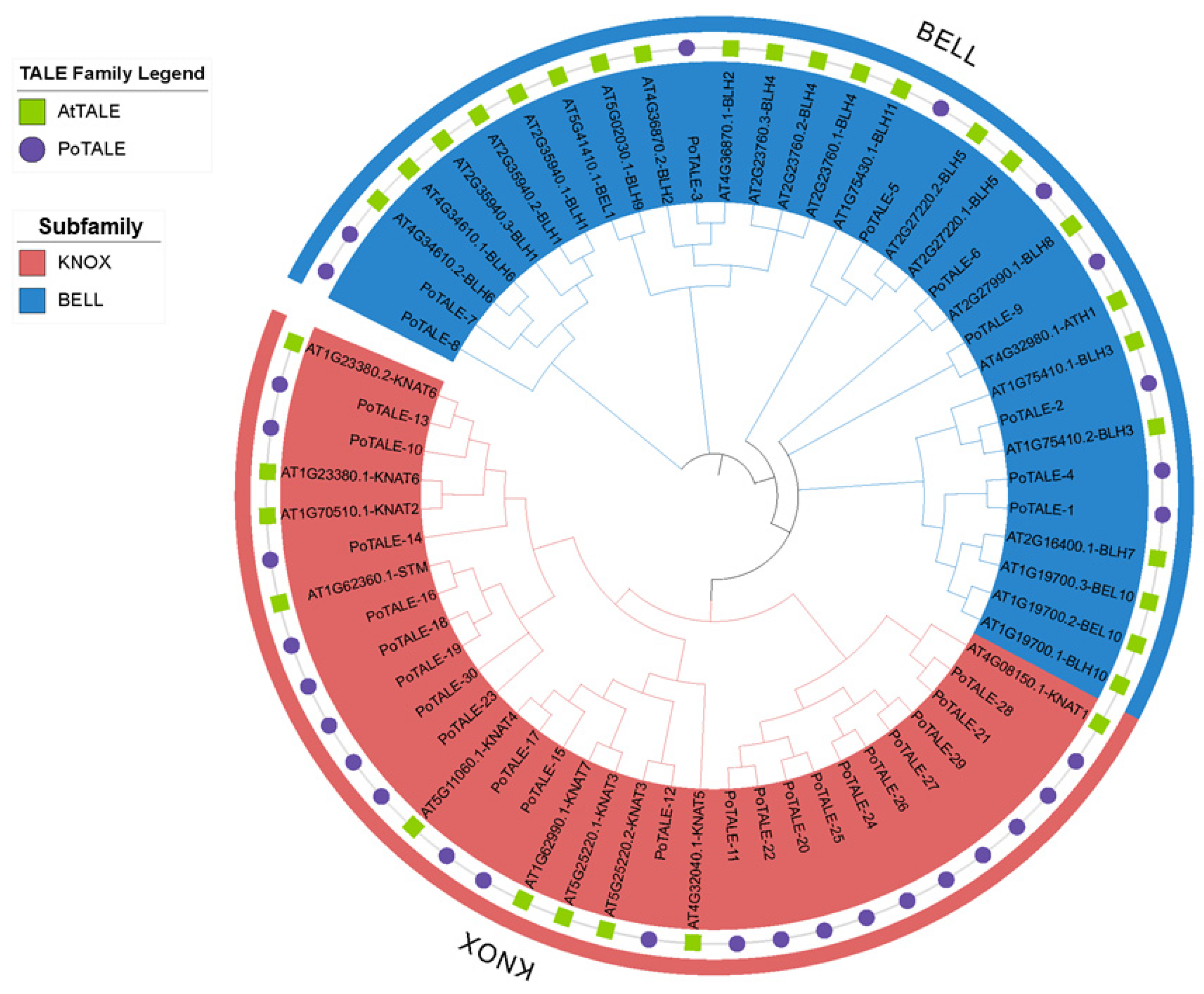
Figure 1: Evolutionary tree of TALE gene family in tree peony and Arabidopsis. Green square: A. thaliana; purple circle: P. ostii. The two subfamilies were color-coded in distinct colors.
3.3 Chromosome Analysis of Tree Peony TALE Gene Family
TALE gene family members in tree peony are distributed across multiple chromosomes. The 30 PoTALE gene family members are distributed across Chr01–Chr05 and two scaffolds. Chr01 harbors 12 members (PoTALE-5, -6, -12, -14, -16, -17, -19, -20, -21, -22, -23, -24); Chr02 harbors six (PoTALE-2, -4, -7, -11, -13, -26); Chr03 harbors three (PoTALE-1, -15, -28); Chr04 harbors four (PoTALE-3, -18, -27, -30); and Chr05 harbors three (PoTALE-8, -9, -29). PoTALE-25 and PoTALE-10 reside on unchr_scaffold_3 and unchr_scaffold_2294, respectively (Fig. 2).
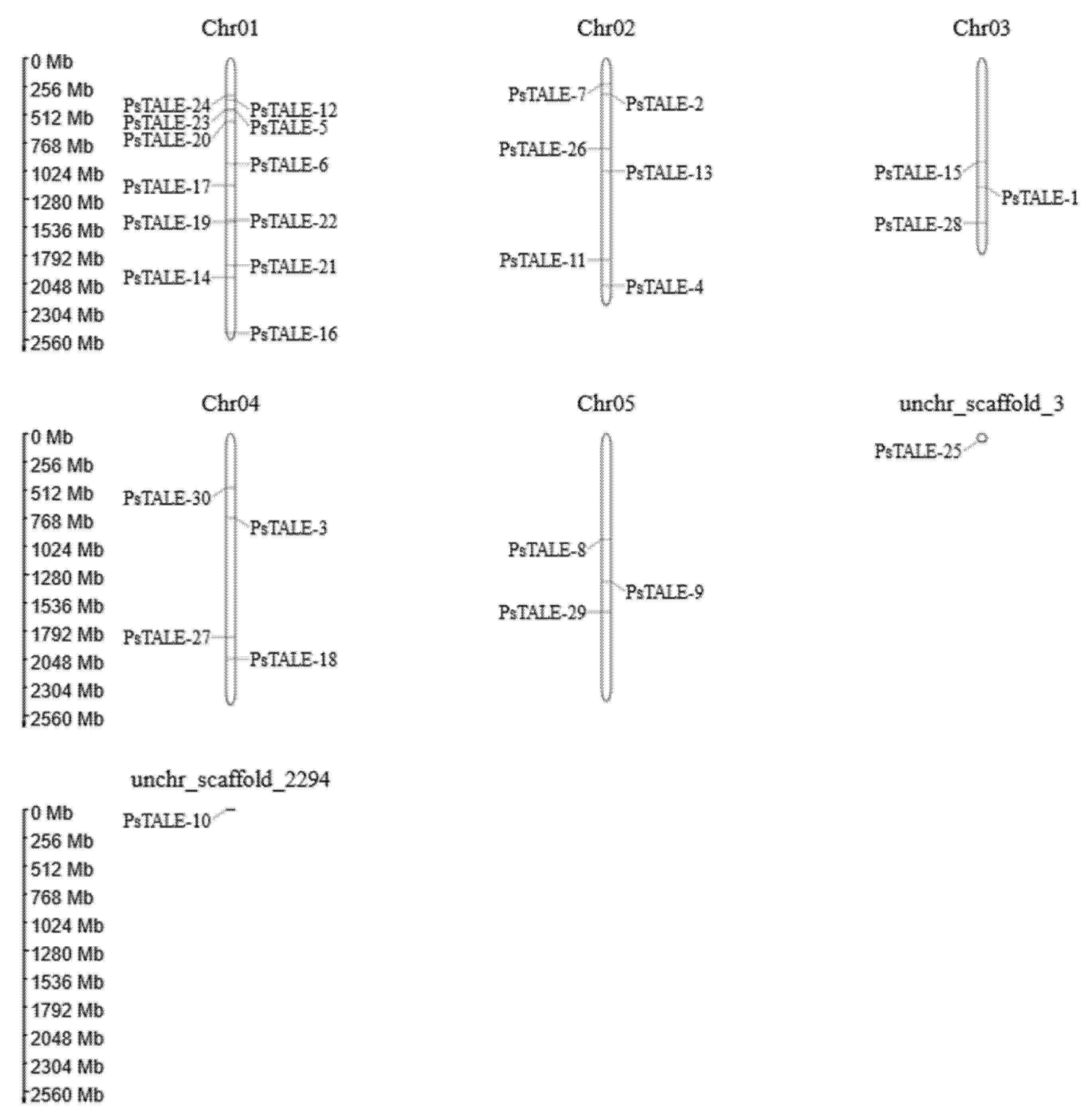
Figure 2: Chromosomal localization of TALE gene family.
3.4 Cis-Regulatory Analysis of PoTALE
Cis-elements are essential for transcriptional regulation. The TALE gene promoter contains diverse cis-elements, including those for light, hormones (e.g., gibberellin, auxin, abscisic acid), and stress (e.g., low temperature, defense) [37]. A 2000 bp sequence upstream of the PoTALE start codon was taken as the promoter. PlantCARE analysis of this promoter revealed multiple cis-elements in this region.
The promoter regions of both KNOX and BELL subfamily genes harbor diverse cis-elements, with most basic motifs (e.g., light- and hormone-responsive elements) widely distributed across almost all phylogenetic branches. KNOX subfamily promoters are enriched in stress- (MBS, ARE), light- (GT1-motif, BOX 4), hormone- (O2-site, GA-motif), and development-related (TCT-motif, CAT-box, WUN-motif) elements, while BELL subfamily promoters are similarly enriched in development- (TCT-motif, WUN-motif), light- (G-box, BOX 4), hormone- (TGACG-motif, P-box, ABRE), and stress-responsive (MBS, ARE) elements (Fig. 3A).
Quantification of these four categories revealed that among stress-responsive elements, ARE was the most frequent (75 copies), followed by MBS (41 copies), with LTR and MRE present at 20 and 16 copies, respectively. Among light-responsive elements, GT1-motif, G-box, and Box 4 exhibited comparable abundance (59, 57, and 56 copies, respectively). For hormone-responsive elements, ABRE was the most abundant (48 copies), while CGTCA-motif and TGACG-motif were equally represented (30 copies each). Regarding development-related elements, TCT-motif (24 copies), WUN-motif (21 copies), and CAT-box (18 copies) were relatively evenly distributed (Fig. 3B).
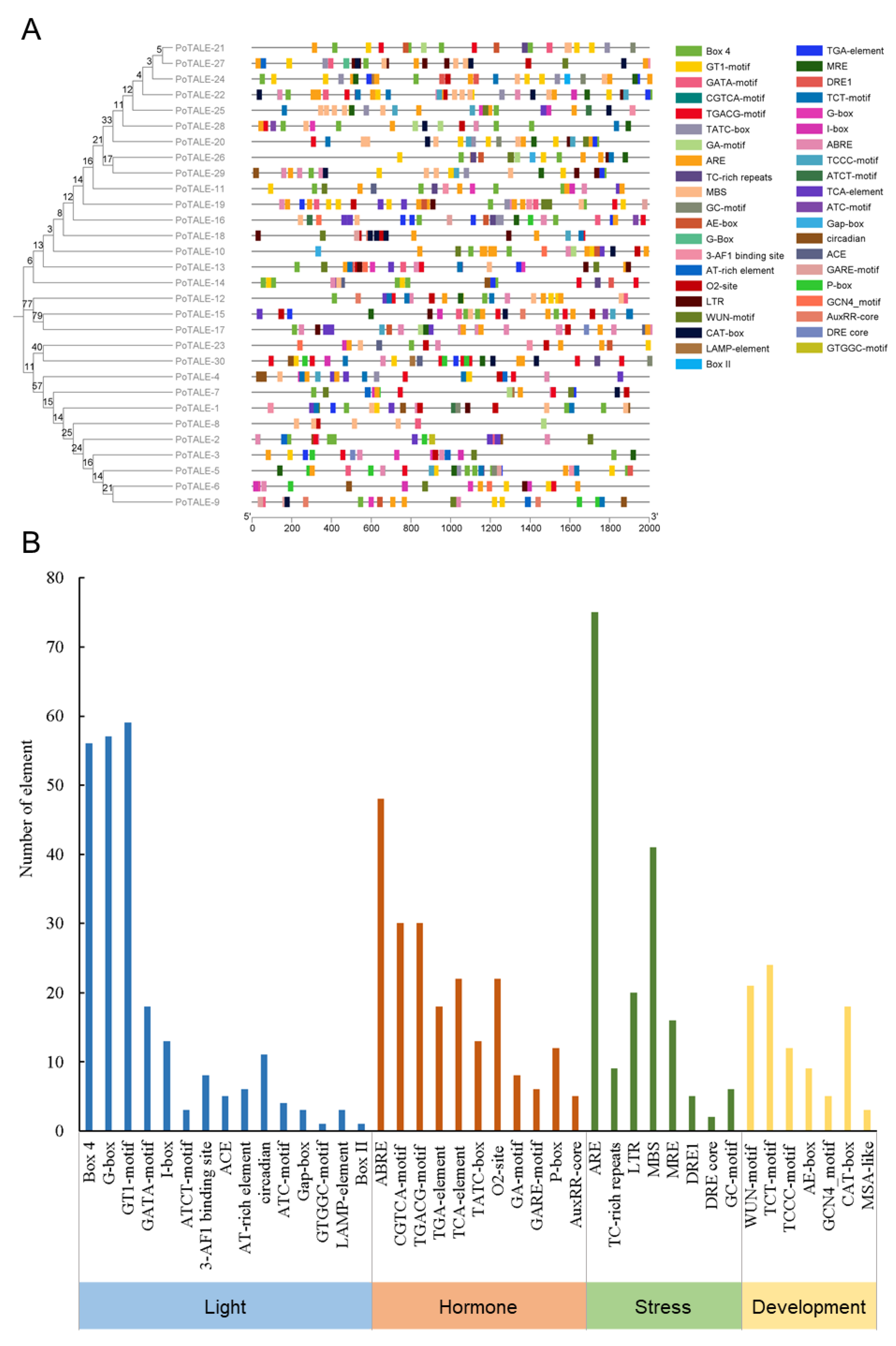
Figure 3: Cis-acting elements in PoTALE gene family promoters. (A) Distribution of cis-elements on each PoTALE gene, (B) the numbers of four categories of cis-elements (light-, hormone-, stress-, and development-related) in PoTALE gene family members.
Collectively, these findings suggest that both subfamilies likely play broad regulatory roles in plant growth and development, stress adaptation, and light/hormone signaling.
3.5 Analysis of Conserved Motifs in the PoTALE Gene Family
To clarify the evolutionary affinities among PoTALE members, we constructed a Neighbor-Joining phylogenetic tree (Fig. 4A). Analysis of the 12 conserved motifs predicted via MEME (Fig. 4B,D) showed that the BELL subfamily predominantly contained motifs 1, 4, 5, and 6. In the KNOX subfamily, motif 6 was present in all members except PoTALE-18, PoTALE-19, PoTALE-23, PoTALE-27, PoTALE-28, PoTALE-29, and PoTALE-30; notably, PoTALE-30 contained only motif 3, while PoTALE-18 contained only motif 2. PoTALE-12, PoTALE-15, and PoTALE-17 were tightly clustered in the same branch and all contained motifs 1, 4, 6, 8, and 12. Together, these findings suggest that motifs 1, 4, 5, and 6 appear to be specifically conserved in the BELL subfamily, whereas motifs 2 and 6 appear to be specifically conserved in the KNOX subfamily. In contrast, motifs 1, 2, 4, 6, and 8 may be relatively conserved in Class Ia, with the exception of PoTALE-18, PoTALE-19, and PoTALE-30.
The gene structure map (Fig. 4C) was drawn on the TBtools-II (v2.476), and it can be seen that the gene coding region and non-coding region of the tree peony TALE gene family were significantly different. PoTALE-18, and PoTALE-20 through PoTALE-30 lack non-coding regions, among which PoTALE-21 contains the highest number of coding regions. In the BELL subfamily, intron numbers range from 3 to 8, with PoTALE-2 having the most (8). In the KNOX subfamily, intron numbers range from 1 to 15, with PoTALE-18 having the fewest (1) and PoTALE-21 the most (15).
Taken together, the divergent motif compositions and gene structural patterns indicate that PoTALE family members potentially play diverse regulatory roles in the growth and development of tree peony.
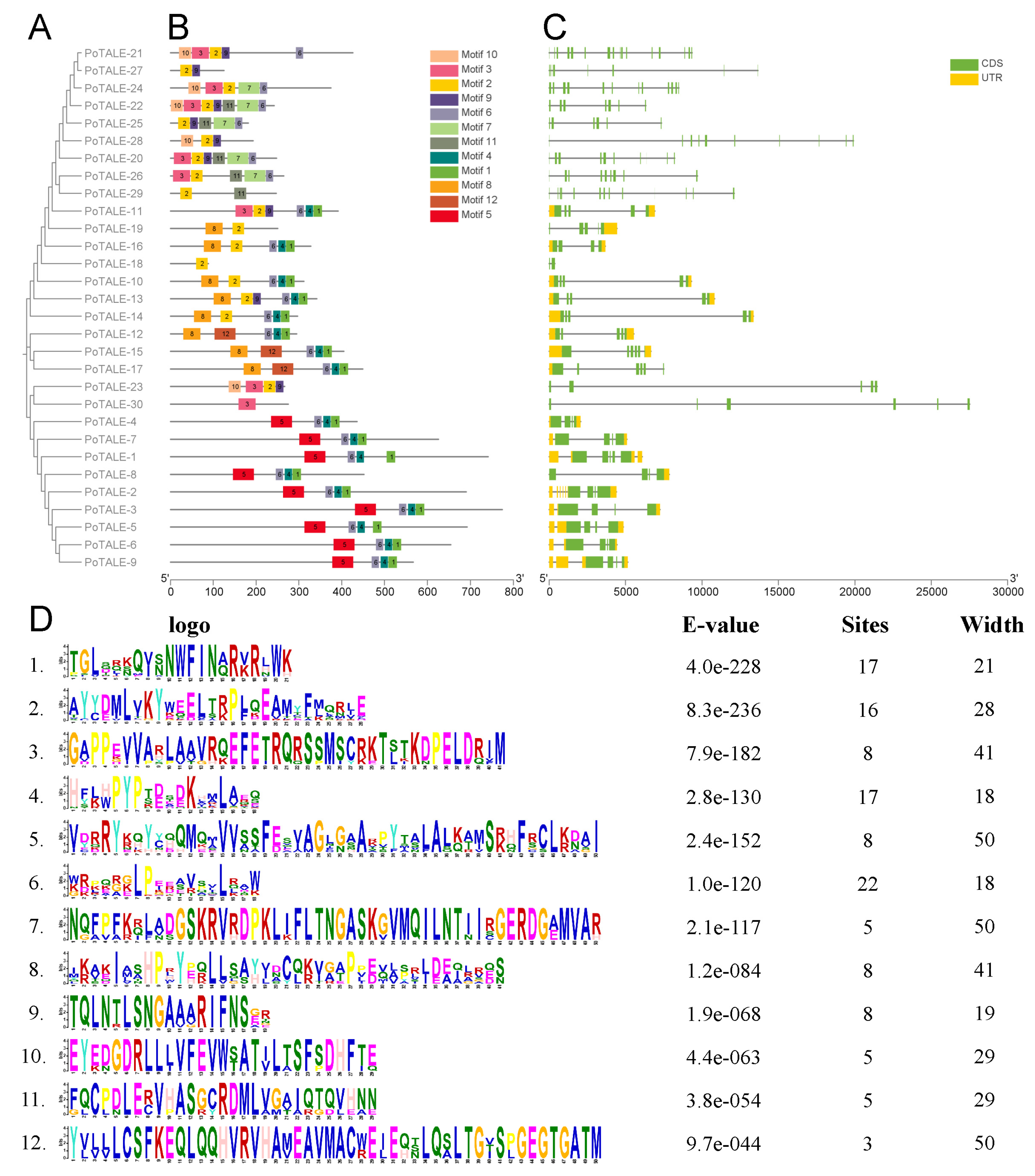
Figure 4: Phylogenetic relationships, conserved motifs, and gene structure of the PoTALE gene family in P. ostii. (A) Phylogenetic relationships of the PoTALE proteins, (B) conserved motifs of the PoTALE proteins, (C) distribution of coding (CDS) and non-coding (UTR) regions within the PoTALE genes, (D) the twelve conserved motifs in the PoTALE gene family.
3.6 Collinearity Analysis of PoTALEs
To investigate the evolutionary history of the PoTALE gene family, we performed a collinearity analysis with four representative species (Arabidopsis, rice, tomato, and potato) (Fig. 5). The results revealed a striking gradient in the number of collinear gene pairs between tree peony and these species: 10 shared orthologs were identified with both tomato and potato, whereas only four and one were found with Arabidopsis and rice, respectively.
This gradient is largely consistent with phylogenetic distances—tomato and potato are core eudicots more closely related to tree peony, whereas Arabidopsis, though also a eudicot, belongs to the Brassicaceae family with an earlier divergence time, and rice, as a monocot, is the most distantly related. Thus, the abundance of collinear gene pairs likely serves as a proxy for evolutionary distance, reflecting the degree of genomic synteny retention. Notably, the 10 genes shared between tomato and potato were identical (PoTALE-2, -3, -5, -7, -8, -9, -12, -13, -14, and -17), suggesting the existence of a conserved syntenic block within the Solanaceae lineage that has been maintained since its divergence from tree peony. Intriguingly, the four orthologs identified in Arabidopsis (PoTALE-3, -4, -12, and -15) are all included within this Solanaceae-shared set, implying that these may represent a more ancient core of collinear genes, while others (e.g., PoTALE-2 and -5) may have arisen through lineage-specific expansions or rearrangements after the eudicot radiation.
Collectively, these collinearity patterns not only provide insights into the evolutionary history of PoTALE genes but also suggest the coexistence of core conserved functions and lineage-specific differentiation within this gene family.
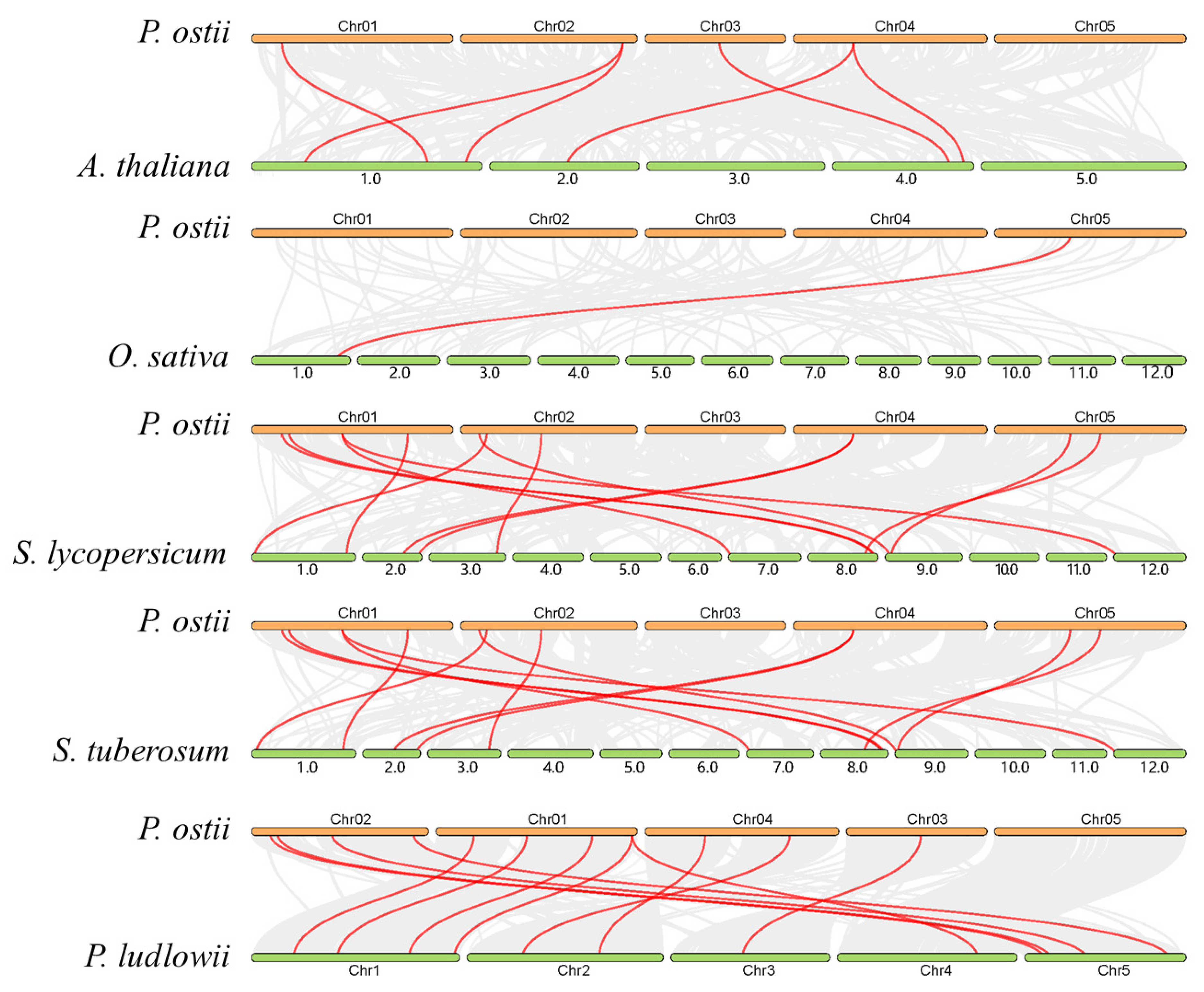
Figure 5: Synteny analysis of the TALE gene family between P. ostii and five other plant species. Note: red lines indicate collinear gene pairs between the P. ostii TALE gene family and the TALE gene families of Arabidopsis thaliana, Oryza sativa (rice), Solanum lycopersicum (tomato), Solanum tuberosum (potato), and Paeonia ludlowii.
3.7 Tissue-Specific Transcriptional Analysis of the PoTALEs
To investigate the tissue-specific expression of PoTALE genes in tree peony, we retrieved FPKM values from our transcriptome dataset reported previously [35] and generated expression heatmaps across various tissues, including leaves, pink petals, pistils, red petals, seeds, shoots, and spots (Fig. 6). Within the KNOX subfamily, PoTALE-14 exhibited highly restricted expression in spots, with transcript levels approximately 66 times those in leaves, suggesting its potential role in spot formation and development. Meanwhile, PoTALE-20, -22, -25, -26, and -29 all showed markedly elevated expression in shoots, with average transcript levels approximately 59 times those in seeds, implying their possible involvement in shoot development.
Both PoTALE-3 (BELL subfamily) and PoTALE-15 (KNOX subfamily) displayed markedly higher expression in leaves than in seeds, with transcript levels approximately 112 times and 19 times those in seeds, respectively. Similarly, another KNOX member, PoTALE-17, also exhibited specific high expression in leaves (approximately 6 times that in red petals), further supporting its potential role in leaf development. In contrast, the other members (PoTALE-2, -4, -5, -8, -10, -11, -18, -23, -24, -28) showed universally low expression across all seven tissues, suggesting that they may have undergone functional degeneration or may be expressed only under specific conditions.
Based on a comprehensive evaluation of tissue-specific expression (FPKM values from dataset [35]) (Fig. 6), phylogenetic position (representative genes from each major clade) (Fig. 1 and Fig. 4A), motif composition (canonical TALE domain features) (Fig. 4B), and promoter elements (enriched in light- and hormone-responsive cis-elements) (Fig. 3), PoTALE-3, PoTALE-14, and PoTALE-15 were prioritized as candidate genes for subsequent functional validation to further elucidate their regulatory roles in spot formation and vegetative organ development.
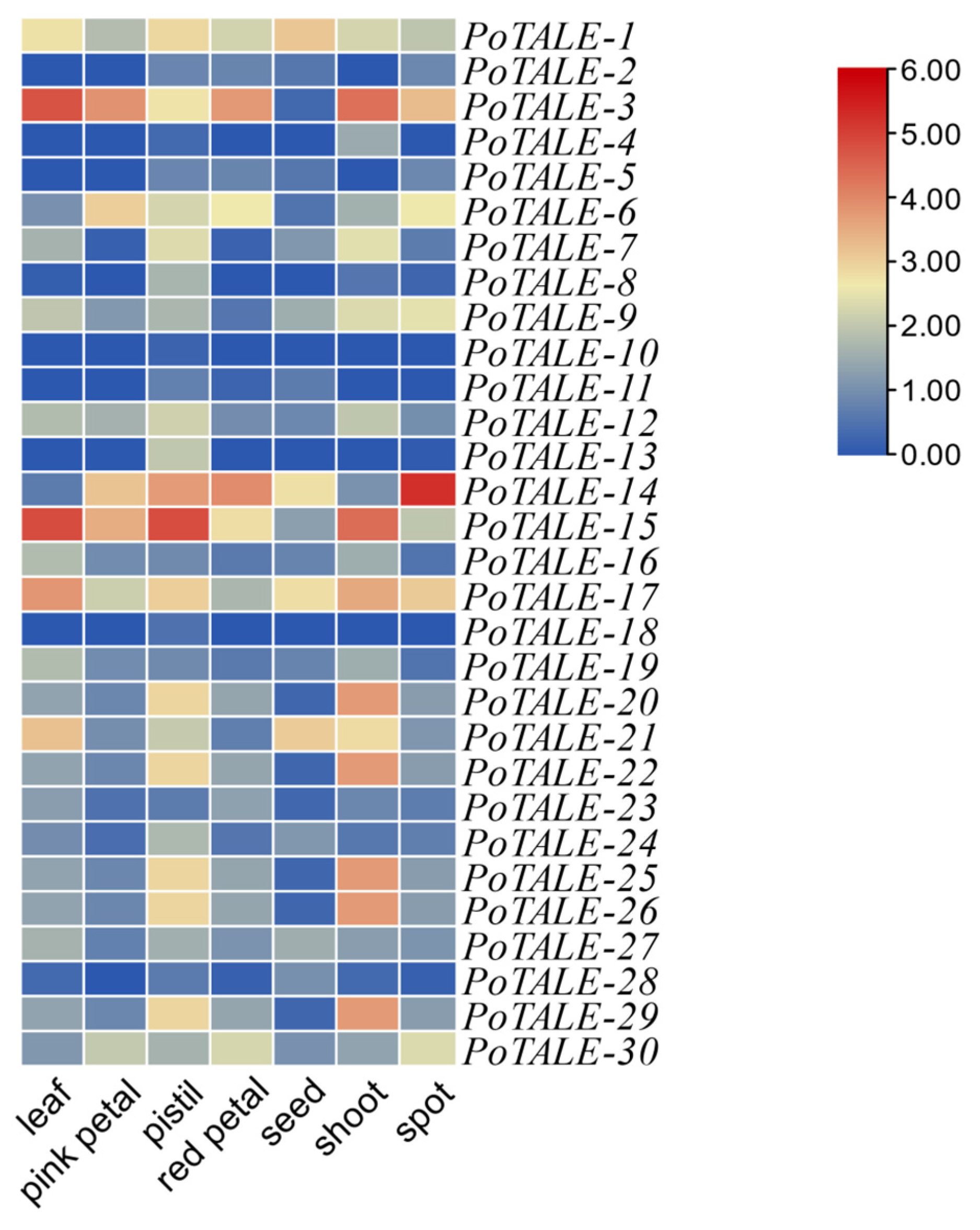
Figure 6: Tissue-specificity of PoTALEs transcripts. Note: expression levels of PoTALEs in leaf, pink petal, pistil, red petal, seed, shoot, and spot were normalized using a log2(FPKM+1) transformation.
TALE transcription factors are known to play pivotal roles in plant development and abiotic stress responses, as demonstrated by their involvement in drought, temperature, and salt tolerance in Arabidopsis [8]. Tree peony (P. ostii) holds substantial ornamental and economic value but is highly sensitive to heat and drought stress, which severely compromise its growth and flower quality [31,32,33]. However, systematic identification of the TALE family in this species remain lacking, representing a critical bottleneck for molecular breeding and stress-tolerance improvement [34].
Whole-genome analysis provides a powerful approach for uncovering gene function and evolutionary history [38]. Through bioinformatics analysis, 30 PoTALE genes were identified in P. ostii and phylogenetically classified into two subfamilies, KNOX and BELL, based on their relationships with Arabidopsis orthologs, mirroring the KNOX/BELL classification established in soybean [27]. The number of TALE genes identified in P. ostii (30) is comparable to that in radish (33) [29] and poplar (35) [26], but markedly lower than in wheat (70) [39], likely reflecting species-specific adaptations to growth environments [30]. Considerable variation was observed among PoTALE members in amino acid length, Mw, and theoretical pI, largely consistent with previous reports in poplar [26], soybean [27], and cotton [38]. Most PoTALE members exhibit acidic isoelectric points (pI < 7), a common feature of transcription factors. In addition, subcellular localization analysis revealed that all PoTALE proteins are targeted to the nucleus, consistent with previous findings in Arabidopsis [8], suggesting their potential involvement in genetic metabolic regulation.
The chromosomal distribution of PoTALE genes was highly uneven. Chr01 exhibited the highest density, harboring nearly 50% of the family members (e.g., PoTALE-24, -12, -23, -5, -20, -6, -17, -22, -19, -21, -14, and -16). However, these genes were scattered across the entire length of Chr01 rather than forming a tight tandem array, suggesting that they did not originate from recent tandem duplications. In addition, the complete absence of PoTALE genes on Chr03 implies potential chromosome-specific gene loss during species divergence. Two KNOX-subfamily members, PoTALE-25 and PoTALE-10, were localized to the unanchored scaffolds unchr_scaffold_3 and unchr_scaffold_2294, respectively.
Notably, no tandem or segmental duplication events were detected within the TALE gene family in P. ostii in this study, suggesting that these duplication modes have not been the primary driver of their expansion. This finding aligns with the genomic evolutionary history of this species, in which the massive genome size is largely attributable to recent transposable element bursts rather than lineage-specific whole-genome duplication (WGD) [40]. Accordingly, large-scale duplication can be excluded as a major contributor to the expansion of this clade. Furthermore, the extensive proliferation of transposable elements may have facilitated the dispersed chromosomal distribution and regulatory diversification of these loci through mechanisms such as transduction or ectopic recombination, potentially driving their functional divergence. Taken together, it is plausible that the current PoTALE gene family members are mainly derived from more ancient duplication events, such as the γ hexaploidization event shared by core eudicots, rather than through recent small-scale duplications [41,42,43].
Furthermore, the evolutionary dynamics of the PoTALE gene family may also be linked to the major geological events that shaped the distribution of Paeonia species. Hong [44] highlighted that the uplift of the Qinghai–Tibet Plateau and the subsequent Quaternary glaciation significantly influenced the biogeography and speciation of woody peonies, including the lineage to which P. ostii belongs. Against this paleoclimatic background, the differential retention of PoTALE genes on Chr01 and Chr03 may reflect adaptive genomic responses of P. ostii to ecological shifts. Given the established roles of the TALE gene family in plant development and stress responses [7,9,45], the retention of these genes may have provided P. ostii with a selective advantage for survival in fluctuating montane habitats.
Synteny analysis revealed 12 homologous gene pairs between P. ostii and each of P. ludlowii, S. lycopersicum, and S. tuberosum, but only 6 with A. thaliana and 1 with O. sativa. This gradient of syntenic retention reflects both phylogenetic relatedness and differential evolutionary rates among lineages, with the highest conservation observed between the two congeneric species, P. ostii and P. ludlowii. Despite the ancient evolutionary divergence between Solanaceae and Paeoniaceae [43,46], the robust 12-pair synteny retained between P. ostii and solanaceous species suggests that this gene family may reside within a highly conserved genomic block, which is inferred to have undergone minimal chromosomal rearrangement. The reduced synteny between P. ostii and A. thaliana (only six pairs) can be largely explained by the distinctive genomic evolution of the Brassicaceae lineage, where extensive restructuring of ancestral genomic blocks has occurred via chromosome fusions and other chromosomal rearrangements [47]. The single retained pair with O. sativa likely represents the most ancestral and functionally indispensable core component of this family, predating the monocot–eudicot divergence. Collectively, these findings suggest that the gene family in P. ostii has maintained an evolutionarily conservative structural framework, and that functional inference may be more reliably drawn from solanaceous than from Arabidopsis models.
Analysis of cis-elements indicated that PoTALE genes respond to diverse signaling molecules, such as: Light, plant hormones, developmental regulation, environmental stress, especially light response, abscisic acid, gibberellin elements, these findings are broadly consistent with those in pomegranate [28], indicating that PoTALEs gene may be involved in hormone signaling and stress regulation. Light-responsive cis-elements are found in all PoTALE family members, suggesting that PoTALE genes are critical for various plant developmental processes, particularly those involving light regulation and drought stress response, potentially via ABA or MeJA pathways, this is consistent with the findings in maize and tomato [7,8].
Sequence conservation analysis revealed that introns are present in all PoTALE family members. The study of introns is very important for the study of gene family evolution. Further motif analysis of the tree peony TALE gene showed that BELL and KNOX subfamilies had similar motifs, and the motifs of different subfamilies were markedly different. Motif 5 existed predominantly in the BELL subfamily, while Motif 2 existed only in KNOX subfamily, suggesting that some motifs might play subfamily-specific functions, this aligns with the findings in soybean [27].
The tissue-specific expression patterns provided key clues for functional differentiation among PoTALE genes. PoTALE-14 exhibited an expression level in spots that was approximately 66 times that in leaves, suggesting its potential involvement in spot formation and development. In KNOX subfamily, five members (PoTALE-20, -22, -25, -26, and -29) all showed coordinately high expression in shoots (approximately 59-fold that in seeds), implying potential functional redundancy or synergistic regulation in shoot development, with members of the same branch displaying parallel expression signatures and tissue distributions. These findings are consistent with previous reports in soybean, switchgrass and melon [27,48,49]. In leaves, PoTALE-3 (BELL) and PoTALE-15 (KNOX) showed expression levels approximately 112 and 19 times those in seeds, respectively, whereas two other BELL members (PoTALE-5 and PoTALE-8) exhibited universally low expression across tissues. This suggests a specific role for PoTALE-3 and PoTALE-15 in leaf development, while other members of the BELL subfamily may have undergone functional degeneration. Based on these pronounced expression divergences, PoTALE-3, PoTALE-14, and PoTALE-15 were prioritized as candidate genes for subsequent functional validation to further elucidate their regulatory mechanisms in spot formation and vegetative organ development.
In this study, we systematically characterized 30 PoTALE genes from tree peony through comprehensive bioinformatics analyses, including physicochemical properties, phylogenetic relationships, chromosomal localization, cis-acting elements, conserved motifs, and syntenic relationships. Phylogenetic analysis categorized the PoTALE family members into two subfamilies, and members within each group exhibited highly conserved gene structures and protein motifs. Gene duplication may have played a limited role in the expansion of the PoTALE family. Tissue-specific expression profiling further revealed their potential roles in growth and development, providing a solid foundation for future functional validation.
Acknowledgement:
Funding Statement: The present study was supported by the Henan Province Science and Technology Breakthrough Project (192102110035), the Natural Science Foundation of Henan Province (252300420210), and Natural Science Foundation of China (32572264).
Author Contributions: Study conception and design: Huiyun Li, Yanzhao Zhang; data collection and analysis: Huiyun Li, Caimin Kuang, Zixin Liu; visualization: Huiyun Li, Caimin Kuang, Zixin Liu, Yujian Song, Xue Guo; analysis and discussion of the findings: Huiyun Li, Yanzhao Zhang, Jinbo Li; manuscript drafting and revision: Huiyun Li, Yanzhao Zhang. All authors reviewed and approved the final version of the manuscript.
Availability of Data and Materials: The genome sequencing data for P. ostii were obtained from CNGBdb (https://db.cngb.org/data_resources/assembly/CNA0050666). Genome sequencing data of P. ludlowii were retrieved from the figshare repository (https://figshare.com/articles/dataset/Paeonia_ludlowii_genome_annotation/23537670). Protein and genome sequences of A. thaliana were obtained from Plant TFDB (https://planttfdb.gao-lab.org/family.php?sp=Ath&fam=HSF) and TAIR (www.arabidopsis.org), respectively. Genome sequences of S. lycopersicum, O. sativa, and S. tuberosum were obtained from Ensembl Plants (http://plants.ensembl.org/index.html). The expression data of TALE genes in various tissues of tree peony were obtained from the Genome Sequence Archive (BIG Data Center, Chinese Academy of Sciences) under accession number CRA001327 (http://bigd.big.ac.cn/gsa).
Ethics Approval: Not applicable.
Conflicts of Interest: The authors declare no conflicts of interest.
References
1. Dadzadi M , Ramazi S , Darvazi M , Yoosefi S , Abbasi M , Farsad S . The homeobox genes: Classification, regulation, biological functions, and diseases. MedComm. 2026; 7( 4): e70651. doi:10.1002/mco2.70651. [Google Scholar] [CrossRef]
2. Jiang Y , Lei P , Ji X , Li J , Zhao Y , Jiang M , et al. B-BOX PROTEINS (BBXs) transcription factors in plant: A comprehensive review of their growth, development, abiotic stress responses and phytohormone signals. Plant Stress. 2025; 18: 101042. doi:10.1016/j.stress.2025.101042. [Google Scholar] [CrossRef]
3. Scott MP . 40 years of the homeobox: Either it is wrong or it is quite interesting. Development. 2024; 151( 6): dev202776. doi:10.1242/dev.202776. [Google Scholar] [CrossRef]
4. Vollbrecht E , Veit B , Sinha N , Hake S . The developmental gene Knotted-1 is a member of a maize homeobox gene family. Nature. 1991; 350( 6315): 241– 3. doi:10.1038/350241a0. [Google Scholar] [CrossRef]
5. McGinnis W , Garber RL , Wirz J , Kuroiwa A , Gehring WJ . A homologous protein-coding sequence in Drosophila homeotic genes and its conservation in other metazoans. Cell. 1984; 37( 2): 403– 8. doi:10.1016/0092-8674(84)90370-2. [Google Scholar] [CrossRef]
6. Mukherjee K , Brocchieri L , Bürglin TR . A comprehensive classification and evolutionary analysis of plant homeobox genes. Mol Biol Evol. 2009; 26( 12): 2775– 94. doi:10.1093/molbev/msp201. [Google Scholar] [CrossRef]
7. Guan P , Zhao D , Wei L , Cui P , Zhang S . Genome-wide identification and expression profile analysis of TALE superfamily genes under hormone and abiotic stress in maize (Zea may L.). Front Plant Sci. 2025; 16: 1489177. doi:10.3389/fpls.2025.1489177. [Google Scholar] [CrossRef]
8. Ali H , Liu Y , Azam SM , Ahmad M , Pei M , Olsson S , et al. Genome-wide identification, expression patterns and functional analysis of TALE (Three Amino-Acid Loop Extension) transcription factors in Arabidopsis thaliana. BMC Plant Biol. 2025; 25( 1): 796. doi:10.1186/s12870-024-05861-4. [Google Scholar] [CrossRef]
9. Qiu Z , Dong J , Chen L , Zhao L , Hu L , Wang H . Genome-wide characterisation of the three amino acid loop extension gene family of watermelon in response to abiotic stresses. Front Plant Sci. 2025; 16: 1711607. doi:10.3389/fpls.2025.1711607. [Google Scholar] [CrossRef]
10. Arnaud N , Pautot V . Ring the BELL and Tie the KNOX: Roles for TALEs in gynoecium development. Front Plant Sci. 2014; 5: 93. doi:10.3389/fpls.2014.00093. [Google Scholar] [CrossRef]
11. Hannapel DJ , Banerjee AK . Multiple mobile mRNA signals regulate Tuber development in potato. Plants. 2017; 6( 1): 8. doi:10.3390/plants6010008. [Google Scholar] [CrossRef]
12. Magnani E , Hake S . KNOX lost the OX: the Arabidopsis KNATM gene defines a novel class of KNOX transcriptional regulators missing the homeodomain. Plant Cell. 2008; 20( 4): 875– 87. doi:10.1105/tpc.108.058495. [Google Scholar] [CrossRef]
13. Ma Q , Wang N , Ma L , Lu J , Wang H , Wang C , et al. The cotton BEL1-like transcription factor GhBLH7-D06 negatively regulates the defense response against Verticillium dahliae. Int J Mol Sci. 2020; 21( 19): 7126. doi:10.3390/ijms21197126. [Google Scholar] [CrossRef]
14. Tsuda K , Abraham-Juarez MJ , Maeno A , Dong Z , Aromdee D , Meeley R , et al. KNOTTED1 cofactors, BLH12 and BLH14, regulate internode patterning and vein anastomosis in maize. Plant Cell. 2017; 29( 5): 1105– 18. doi:10.1105/tpc.16.00967. [Google Scholar] [CrossRef]
15. Pautot V , Dockx J , Hamant O , Kronenberger J , Grandjean O , Jublot D , et al. KNAT2 evidence for a link between knotted-like genes and carpel development. Plant Cell. 2001; 13( 8): 1719– 34. doi:10.1105/tpc.010184. [Google Scholar] [CrossRef]
16. Lechon T , Kent NA , Murray JAH , Scofield S . Regulation of meristem and hormone function revealed through analysis of directly-regulated SHOOT MERISTEMLESS target genes. Sci Rep. 2025; 15( 1): 240. doi:10.1038/s41598-024-83985-1. [Google Scholar] [CrossRef]
17. Qi B , Zheng H . Modulation of root-skewing responses by KNAT1 in Arabidopsis thaliana. Plant J. 2013; 76( 3): 380– 92. doi:10.1111/tpj.12295. [Google Scholar] [CrossRef]
18. Zhou M , Zhou T , Xu Q , Lu R , Liu M , Hu L . Bioinformatic analysis of TALE transcription factor family in Amaranthus hypochondriacus. Acta Agrestia Sin. 2023; 31( 3): 676– 87. (In Chinese). doi:10.11733/j.issn.1007-0435.2023.03.007. [Google Scholar] [CrossRef]
19. Hake S , Smith HMS , Holtan H , Magnani E , Mele G , Ramirez J . The role of KNOX genes in plant development. Annu Rev Cell Dev Biol. 2004; 20: 125– 51. doi:10.1146/annurev.cellbio.20.031803.093824. [Google Scholar] [CrossRef]
20. Proveniers M , Rutjens B , Brand M , Smeekens S . The Arabidopsis TALE homeobox gene ATH1 controls floral competency through positive regulation of FLC. Plant J. 2007; 52( 5): 899– 913. doi:10.1111/j.1365-313X.2007.03285.x. [Google Scholar] [CrossRef]
21. Zhang L , Zhang X , Ju H , Chen J , Wang S , Wang H , et al. Ovate family protein1 interaction with BLH3 regulates transition timing from vegetative to reproductive phase in Arabidopsis. Biochem Biophys Res Commun. 2016; 470( 3): 492– 7. doi:10.1016/j.bbrc.2016.01.135. [Google Scholar] [CrossRef]
22. Khan M , Ragni L , Tabb P , Salasini BC , Chatfield S , Datla R , et al. Repression of lateral organ boundary genes by PENNYWISE and POUND-FOOLISH is essential for meristem maintenance and flowering in Arabidopsis. Plant Physiol. 2015; 169( 3): 2166– 86. doi:10.1104/pp.15.00915. [Google Scholar] [CrossRef]
23. Kumar R , Kushalappa K , Godt D , Pidkowich MS , Pastorelli S , Hepworth SR , et al. The Arabidopsis BEL1-LIKE HOMEODOMAIN proteins SAW1 and SAW2 act redundantly to regulate KNOX expression spatially in leaf margins. Plant Cell. 2007; 19( 9): 2719– 35. doi:10.1105/tpc.106.048769. [Google Scholar] [CrossRef]
24. Liu Y , You S , Taylor-Teeples M , Li WL , Schuetz M , Brady SM , et al. BEL1-LIKE HOMEODOMAIN6 and KNOTTED ARABIDOPSIS THALIANA7 interact and regulate secondary cell wall formation via repression of REVOLUTA. Plant Cell. 2014; 26( 12): 4843– 61. doi:10.1105/tpc.114.128322. [Google Scholar] [CrossRef]
25. Kim D , Cho YH , Ryu H , Kim Y , Kim TH , Hwang I . BLH1 and KNAT3 modulate ABA responses during germination and early seedling development in Arabidopsis. Plant J. 2013; 75( 5): 755– 66. doi:10.1111/tpj.12236. [Google Scholar] [CrossRef]
26. Zhao K , Zhang X , Cheng Z , Yao W , Li R , Jiang T , et al. Comprehensive analysis of the three-amino-acid-loop-extension gene family and its tissue-differential expression in response to salt stress in poplar. Plant Physiol Biochem. 2019; 136: 1– 12. doi:10.1016/j.plaphy.2019.01.003. [Google Scholar] [CrossRef]
27. Wang L , Yang X , Gao Y , Yang S . Genome-wide identification and characterization of TALE superfamily genes in soybean (Glycine max L.). Int J Mol Sci. 2021; 22( 8): 4117. doi:10.3390/ijms22084117. [Google Scholar] [CrossRef]
28. Wang Y , Zhao Y , Yan M , Zhao H , Zhang X , Yuan Z . Genome-wide identification and expression analysis of TALE gene family in pomegranate (Punica granatum L.). Agronomy. 2020; 10( 6): 829. doi:10.3390/agronomy10060829. [Google Scholar] [CrossRef]
29. Zhao W , Li X , Wang H , Jia H , Song J , Yang W , et al. Identification and analysis of the TALE transcription factor family in radish. Chin J Biotechnol. 2022; 38( 1): 343– 58. doi:10.13345/j.cjb.210321. [Google Scholar] [CrossRef]
30. Wang J , Zhao P , Cheng B , Zhang Y , Shen Y , Wang X , et al. Identification of TALE transcription factor family and expression patterns related to fruit chloroplast development in tomato (Solanum lycopersicum L.). Int J Mol Sci. 2022; 23( 9): 4507. doi:10.3390/ijms23094507. [Google Scholar] [CrossRef]
31. Shang G , Chen Y , Wang S , Xue J , Tian C , Ren X , et al. Evaluation of Peaonia ostii ‘Fengdan’ resources considering production area, plant age, harvest time, and genotype. Sci Hortic. 2025; 348: 114202. doi:10.1016/j.scienta.2025.114202. [Google Scholar] [CrossRef]
32. Zhao D , Tang W , Hao Z , Tao J . Identification of flavonoids and expression of flavonoid biosynthetic genes in two coloured tree peony flowers. Biochem Biophys Res Commun. 2015; 459( 3): 450– 6. doi:10.1016/j.bbrc.2015.02.126. [Google Scholar] [CrossRef]
33. Zhang X , Li Y , Wang X , Peng L , Liu Z , Shu Q , et al. Overexpression of a novel F-box protein PsFFL1 from tree peony (Paeonia suffruticosa) confers drought tolerance in tobacco. Plant Growth Regul. 2023; 101( 1): 131– 43. doi:10.1007/s10725-023-01007-y. [Google Scholar] [CrossRef]
34. Ogawa K , Nakamura S , Sugimoto S , Tsukioka J , Hinomaru F , Nakashima S , et al. Constituents of flowers of Paeoniaceae plants, Paeonia suffruticosa and Paeonia lactiflora. Phytochem Lett. 2015; 12: 98– 104. doi:10.1016/j.phytol.2015.03.002. [Google Scholar] [CrossRef]
35. Zhang Y , Xu S , Cheng Y , Wang J , Wang X , Liu R , et al. Functional identification of PsMYB57 involved in anthocyanin regulation of tree peony. BMC Genet. 2020; 21( 1): 124. doi:10.1186/s12863-020-00930-7. [Google Scholar] [CrossRef]
36. Letunic I , Bork P . Interactive Tree of Life (iTOL) v6: Recent updates to the phylogenetic tree display and annotation tool. Nucleic Acids Res. 2024; 52( W1): W78– 82. doi:10.1093/nar/gkae268. [Google Scholar] [CrossRef]
37. Ma Y , Wu Y , Li X , Zhong J , Rao J . Genome-wide analysis of the TALE gene family in peach (Prunus persica): Evolution, expression profiling, and functional insights into postharvest cold stress response. Sci Hortic. 2026; 359: 114759. doi:10.1016/j.scienta.2026.114759. [Google Scholar] [CrossRef]
38. Liu Z , Shen S , Cui Z , Wang T , Li P , Wei Y , et al. Genome-wide evolution and function analysis of ALOG gene family in cotton. Front Genet. 2025; 16: 1625634. doi:10.3389/fgene.2025.1625634. [Google Scholar] [CrossRef]
39. Han Y , Zhang L , Yan L , Xiong X , Wang W , Zhang XH , et al. Genome-wide analysis of TALE superfamily in Triticum aestivum reveals TaKNOX11-A is involved in abiotic stress response. BMC Genom. 2022; 23( 1): 89. doi:10.1186/s12864-022-08324-y. [Google Scholar] [CrossRef]
40. Yuan J , Jiang S , Jian J , Liu M , Yue Z , Xu J , et al. Genomic basis of the giga-chromosomes and giga-genome of tree peony Paeonia ostii. Nat Commun. 2022; 13( 1): 7328. doi:10.1038/s41467-022-35063-1. [Google Scholar] [CrossRef]
41. Jaillon O , Aury JM , Noel B , Policriti A , Clepet C , Casagrande A , et al. The grapevine genome sequence suggests ancestral hexaploidization in major angiosperm Phyla. Nature. 2007; 449( 7161): 463– 7. doi:10.1038/nature06148. [Google Scholar] [CrossRef]
42. Jiao Y , Leebens-Mack J , Ayyampalayam S , Bowers JE , McKain MR , McNeal J , et al. A genome triplication associated with early diversification of the core eudicots. Genome Biol. 2012; 13( 1): R3. doi:10.1186/gb-2012-13-1-r3. [Google Scholar] [CrossRef]
43. Liu L , Chen M , Folk RA , Wang M , Zhao T , Shang F , et al. Phylogenomic and syntenic data demonstrate complex evolutionary processes in early radiation of the rosids. Mol Ecol Resour. 2023; 23( 7): 1673– 88. doi:10.1111/1755-0998.13833. [Google Scholar] [CrossRef]
44. Hong DY . Peonies of the world: Part III phylogeny and evolution. Kew, UK: Royal Botanic Gardens, Kew; 2021. doi:10.1017/CBO9781107324954.002. [Google Scholar] [CrossRef]
45. Niu X , Jiang X , Li H , Qin R , Qin Y . TALE homeodomain proteins in plant reproductive development and environmental stress resilience. Plant Cell Environ. 2026; 49( 2): 1050– 63. doi:10.1111/pce.70272. [Google Scholar] [CrossRef]
46. Särkinen T , Bohs L , Olmstead RG , Knapp S . A phylogenetic framework for evolutionary study of the nightshades (Solanaceae): a dated 1000-tip tree. BMC Evol Biol. 2013; 13: 214. doi:10.1186/1471-2148-13-214. [Google Scholar] [CrossRef]
47. Parkin I . Unraveling crucifer genomes through comparative mapping. In: Comparative genomics. Dordrecht, The Netherlands: Springer; 2000. p. 425– 37. doi:10.1007/978-94-011-4309-7_37. [Google Scholar] [CrossRef]
48. Wuddineh WA , Mazarei M , Zhang JY , Turner GB , Sykes RW , Decker SR , et al. Identification and overexpression of a Knotted1-like transcription factor in switchgrass (Panicum virgatum L.) for lignocellulosic feedstock improvement. Front Plant Sci. 2016; 7: 520. doi:10.3389/fpls.2016.00520. [Google Scholar] [CrossRef]
49. Zheng L , Dai H , Mu Y , Li J , Cheng Y , Han J . Genome-wide identification and expression analysis of C3H gene family in melon. Front Plant Sci. 2025; 16: 1500429. doi:10.3389/fpls.2025.1500429. [Google Scholar] [CrossRef]
Cite This Article
 Copyright © 2026 The Author(s). Published by Tech Science Press.
This work is licensed under a Creative Commons Attribution 4.0 International License , which permits unrestricted use, distribution, and reproduction in any medium, provided the original work is properly cited.
 Downloads
 Citation Tools
