Guest Editor(s)
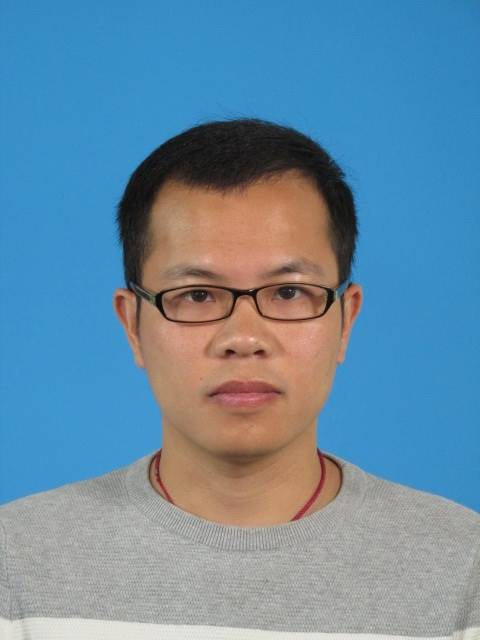
Dr. Qianqian Wang
Email: qianqianwang@usst.edu.cn
Affiliation: School of Energy and Power Engineering, University of Shanghai for Science and Technology, Shanghai, China
Homepage:
Research Interests: fuel cells, lithium-ion Batteries, electrolyzers, heat and mass transfer, thermal management, modeling and simulation, fault diagnosis

Dr. Xiang Li
Email: lixiang123065@126.com
Affiliation: Clean Energy and Intelligent Connected Automotive, Anhui University of Science and Technology, Hefei, China
Homepage:
Research Interests: fuel cells, lithium-ion batteries, electrolyzers, high-efficiency heat exchangers, heat and mass transfer, modeling and simulation, multi-objective optimization
Summary
The global shift to sustainable energy relies on advanced batteries and fuel cells. Despite progress in energy and power density, managing heat, mass transport, and degradation remains a key challenge, limiting their efficiency, durability, safety, and cost—and hindering broad use in EVs, storage, and electronics. This Special Issue tackles these issues by compiling cutting-edge research on thermal, mass, and lifetime management for next-generation energy systems.
This Special Issue seeks high-quality original research and review articles that explore innovative materials, novel designs, advanced characterization techniques, and multi-physics modeling approaches to synergistically manage heat generation/dissipation, mass transport limitations, and aging processes in advanced batteries (e.g., Li-ion, solid-state, metal-air) and fuel cells (e.g., PEMFC, SOFC). The scope encompasses fundamental studies elucidating underlying mechanisms, as well as applied research focusing on component- and system-level engineering solutions for enhanced performance and longevity.
Suggested Themes:
· Advanced thermal management systems and materials for batteries and fuel cells.
· Electrode and electrolyte engineering for optimized mass transport and ion conduction.
· In-situ/operando diagnostics for degradation analysis and state-of-health monitoring.
· Multi-scale modeling of coupled thermal, mass transport, and electrochemical phenomena.
· Degradation mechanism elucidation and mitigation strategies to extend cycle/calendar life.
· Novel system designs and control strategies for integrated thermal, water, and air management.
· Materials and interfaces for extreme condition operation (high power, low temperature, etc.).
Keywords
thermal management; mass transport; degradation mechanisms; advanced batteries; fuel cells; electrochemical energy storage; durability; commercialization
Published Papers

 Login
Login Register
 Submit a Paper
 Propose a Special lssue