Guest Editor(s)
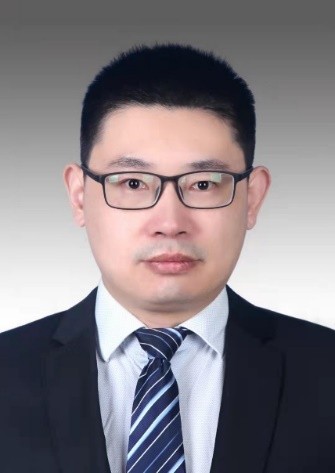
Assoc. Prof. Weiguang Su
Email: weiguang.su@qlu.edu.cn
Affiliation: School of Mechanical Engineering, Qilu University of Technology (Shandong Academy of Sciences), No.3501 Daxue Road, Jinan 250353, China
Homepage:
Research Interests: microencapsulation technologies, phase change materials, radiative cooling technologies and materials, fluid equipment, microfluidics, heat and mass transfer, fluidics, CFD
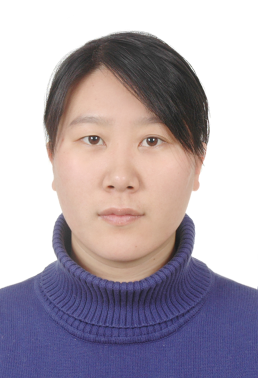
Assoc. Prof. Yuexia Lv
Email: yuexialv@foxmail.com
Affiliation: School of Mechanical Engineering, Qilu University of Technology (Shandong Academy of Sciences), No.3501 Daxue Road, Jinan 250353, China
Homepage:
Research Interests: solar energy utilization, renewable energy system, membrane gas absorption, high efficient CO2 capture technology
Summary
The enhancement of fluid heat and mass transfer is a critical research area with far-reaching implications in energy systems, thermal management, biomedical engineering, and environmental sustainability. Recent advancements in microencapsulation techniques, functional fluid equipment, computational simulations, electrospinning, and hydrogel-based systems have opened new frontiers in optimizing thermal and mass transport phenomena. To enhance interfacial mass transfer, making them ideal for applications ranging from water resource utilization to drug delivery. The integration of computational simulations with experimental studies and digital technologies has further accelerated the design and optimization of fluid systems, allowing for precise control over thermal and hydrodynamic behaviours.
This Special Issue seeks to consolidate cutting-edge research on enhanced heat and mass transfer mechanisms, with a focus on interdisciplinary approaches that bridge material science, fluid mechanics, and thermal engineering. The scope of this special issue included but not limited:
(1) Novel microencapsulation techniques
(2) Advanced fluid equipment
(3) Computational simulations
(4) Heat and mass transfer in electrospinning and hydrogel materials
(5) Digital technologies for mass transfer
Suggested themes of this special issue included but not limited:
(1) Microencapsulation of Phase Change Materials: Synthesis, characterization, and performance evaluation of MEPCMs for thermal management.
(2) Heat and Mass Transfer Simulation for Fluid Equipment: Computational modeling and simulation for microfluidics devices, multiphase flow, dust collector separation, etc.
(3) Electrospinning and Hydrogel-Based Mass Transfer Systems: Fiber-structured materials for improved interfacial heat and mass transfer. Hydrogel-integrated systems for water purification, drug delivery, and wearable thermal management.
(4) Digital Technologies for Mass Transfer: digital technology, digital intelligence or sustainable utilization of agricultural resources, or improvement of sustainable utilization of agricultural resources.
Keywords
microencapsulation; fluid equipment; simulation; electrospinning; hydrogel
Published Papers

 Login
Login Register
 Submit a Paper
 Propose a Special lssue