Guest Editor(s)
Dr. Jialing Xu
Email: xujialing@nju.edu.cn
Affiliation: School of Sustainable Energy and Resources, Nanjing University, Suzhou, China
Homepage:
Research Interests: energy and fuels, hydrogen production, gasification, supercritical water gasification, biomass, thermal energy, thermodynamic analysis

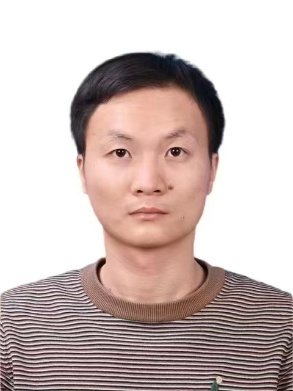
Dr. Zhiyong Peng
Email: pzyyutian@jxust.edu.cn
Affiliation: International Institute for Innovation, Jiangxi University of Science and Technology, Ganzhou, China
Homepage:
Research Interests: resource utilization of organic waste and renewable energy, multiphase flow and heat transfer in supercritical water gasification process, comprehensive management optimization and dynamic coordinated control of energy systems
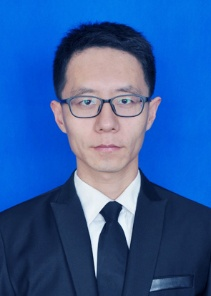
Dr. Lei Yi
Email: l-yi@jxust.edu.cn
Affiliation: International Institute for Innovation, Jiangxi University of Science and Technology, Ganzhou, China
Homepage:
Research Interests: harmless treatment and resource utilization of organic waste by supercritical water, and fundamental theories of energy and power multiphase flow thermophysics, thermochemistry and hydrogen energy science and technology
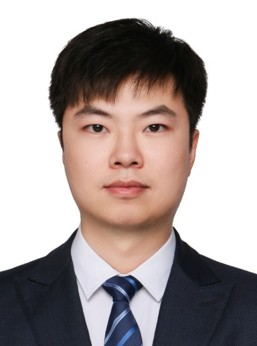
Dr. Siqi Rong
Email: 511986652@qq.com
Affiliation: Science and Technology on Plasma Dynamics Laboratory, Air Force Engineering University, Xi'an, China
Homepage:
Research Interests: supercritical water, salt deposition, plasma ignition assisted combustion, combustion diagnosis
Summary
Thermal chemical conversion (TCC) technologies—including gasification, pyrolysis, combustion, and related hybrid processes—are key to transforming biomass, solid wastes, and fossil resources into low-carbon fuels, chemicals, and power. In these reactors, heat and mass transfer fundamentally control reaction rates, product distribution (e.g., syngas composition and tar evolution), carbon conversion, temperature uniformity, and the formation of pollutants and ash/slag deposits. Yet practical TCC systems operate under strongly coupled multi-physics conditions: steep thermal gradients, multiphase flow, radiative transfer in particle-laden environments, evolving porous structures, and interacting heterogeneous/homogeneous reactions across scales. These complexities often limit predictive design, stable operation, and reliable scale-up. Progress in understanding and modeling transport phenomena in reactive environments is therefore essential for improving efficiency, flexibility to diverse feedstocks, process intensification, and emissions mitigation.
This Special Issue, "Heat and Mass Transfer in Thermal Chemical Conversion Processes," aims to provide a focused platform for advances that clarify transport mechanisms and their coupling with reaction kinetics, phase change, hydrodynamics, and microstructure evolution. The scope includes fundamental and applied studies under laboratory-to-industrial conditions, featuring advanced experiments, high-fidelity simulations, reduced-order approaches, and data-driven methods that enhance reactor performance, product selectivity, and environmental outcomes. We welcome original research articles and critical reviews that connect particle/pore-scale transport to reactor/system-scale behavior and that support robust scale-up and optimization of TCC technologies.
Suggested themes (not limited to):
- Heat/mass transfer in biomass, coal, and waste gasification and pyrolysis;
- Coupled kinetics–transport in char conversion and gas–solid reactions;
- Radiative heat transfer in high-temperature particle-laden reacting flows;
- Interphase transfer and hydrodynamics in fluidized-, entrained-, and moving-bed reactors;
- Tar formation/transport and thermal or catalytic cracking influenced by temperature and concentration fields;
- Porous-media transport: internal diffusion limits, permeability change, structure–reactivity relationships;
- Ash/slag transformation, deposition, and their impacts on heat transfer and operability;
- CFD, pore-scale simulation, reduced-order modeling, and uncertainty quantification;
- Machine learning and hybrid modeling for parameter inference, surrogates, and digital twins;
- Scale-up, process intensification, and control strategies for efficiency and emissions reduction.
Keywords
thermal chemical conversion (TCC), gasification, heat and mass transfer, multiphase reacting flow, radiative heat transfer, char conversion kinetics, tar formation and cracking, CFD and multiscale modeling

 Login
Login Register
 Submit a Paper
 Propose a Special lssue