Guest Editor(s)
Assoc. Prof. Liang Chen
Email: chenliang72@uestc.edu.cn
Affiliation: School of Mechanical and Electrical Engineering, University of Electronic Science and Technology of China, Chengdu, 611731, China
Homepage:
Research Interests: lamb wave, structural health monitoring, nondestructive evaluation, ultrasonics
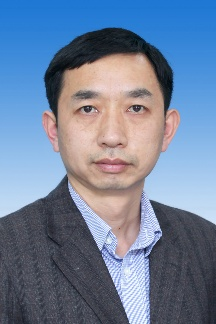
Dr. Kai Luo
Email: luokai@alu.uestc.edu.cn
Affiliation: School of Automation and Intelligent Manufacturing, Southern University of Science and Technology, Shenzhen, 518055, China
Homepage:
Research Interests: lamb wave, damage imaging, nondestructive evaluation, deep learning

Assist. Prof. Sunquan Yu
Email: yusunquan12@alumni.nudt.edu.cn
Affiliation: Defense Innovation Institute, Academy of Military Sciences, Beijing 100071, China
Homepage:
Research Interests: lamb wave, structural health monitoring

Assoc. Prof. Yehai Li
Email: liyh723@mail.sysu.edu.cn
Affiliation: School of Aeronautics and Astronautics, Sun Yat-sen University, Shenzhen, 518107, China
Homepage:
Research Interests: guided wave, structural health monitoring, nondestructive evaluation, ultrasonics, smart materials and structures

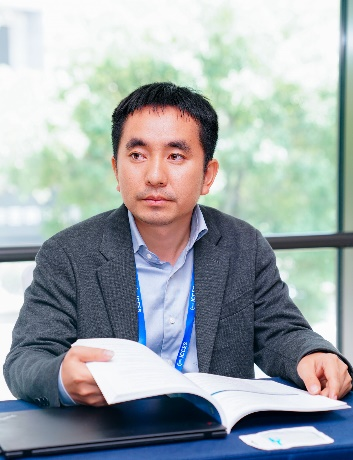
Assoc. Prof. Lei Yang
Email: yangl@dlut.edu.cn
Affiliation: Mechanics and Aerospace Engineering, Dalian University of Technology, Dalian, 116024, China
Homepage:
Research Interests: structural health monitoring
Summary
This special issue focuses on the latest advances in lamb wave–based damage localization and imaging techniques for nondestructive testing (NDT) and structural health monitoring (SHM), with balanced attention to both fundamental mechanisms and engineering applications. As a guided ultrasonic wave capable of long-range propagation and high sensitivity to cracks, delaminations, and debonding, the Lamb wave has become a key approach for in-service inspection and health evaluation of critical structures in aerospace, energy, and transportation industries. However, the dispersion, multi-mode, and environment-sensitive nature of Lamb waves poses significant challenges to accurate signal interpretation and imaging in real-world applications. Therefore, the development of efficient and robust excitation schemes and signal processing methods is essential to achieve precise damage localization, identification, and imaging, thereby enhancing detection accuracy and reliability.
This special issue welcomes comprehensive contributions that cover the entire research chain, including linear and nonlinear Lamb wave analysis, damage localization and imaging, environmental and temperature compensation, sensor network optimization, physical mechanism modeling, experimental validation, and engineering implementation. Studies that integrate theoretical modeling, numerical simulation, and experimental verification are particularly encouraged, as they deepen the understanding of wave–damage interaction mechanisms and promote the fusion of physics-based modeling with practical applications.
Meanwhile, the emergence of advanced signal processing, AI-assisted feature extraction, and baseline-free imaging techniques is transforming conventional guided-wave inspection toward intelligent and data-driven paradigms. Papers focusing on interdisciplinary approaches or robust damage detection under complex service conditions are of particular interest.
By integrating classical acoustic theory with emerging intelligent algorithms, this special issue aims to accelerate the transformation of Lamb wave–based SHM techniques from fundamental research to reliable engineering applications, supporting the safety, durability, and sustainable operation of critical structures.
Keywords
lamb waves; guided waves; structural health monitoring (SHM); nondestructive testing (NDT); signal processing; damage localization; damage imaging; nonlinear acoustics; temperature compensation; deep learning; baseline-free; composite structures
Published Papers

 Login
Login Register
 Submit a Paper
 Propose a Special lssue