Guest Editor(s)
Dr. Guopeng Fan
Email: phdfanry@sues.edu.cn
Affiliation: School of Urban Railway Transportation, Shanghai University of Engineering Science, Shanghai 201620, China
Homepage:
Research Interests: ultrasonic nondestructive testing, ultrasonic imaging, ultrasonic phased array, acoustic signal processing, guided waves, Lamb waves, damage detection, inverse scattering

Dr. Dongdong Chen
Email: chendongjt@163.com
Affiliation: School of Civil Engineering, Nanjing Forestry University, Nanjing 210037, China
Homepage:
Research Interests: piezocramic materials, ultrasonic sensing, ultrasonic imaging, acoustic signal processing, wave propagation
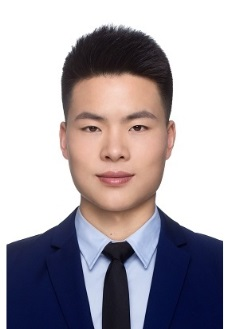
Dr. Mounir Tafkirte
Email: mounir.tafkirte@edu.uiz.ac.ma
Affiliation: Laboratory of Metrology and Information Processing, Faculty of Science, Ibn Zohr University, Kenitra 14000, Morocco
Homepage:
Research Interests: ultrasonic non-destructive testing, ultrasonic imaging, acoustic signal processing, longitudinal wave propagation, granular and stratified materials, wave–material interaction, modeling and simulation

Summary
The ultrasonic detection technique is a very promising method for non-destructive testing (NDT) and structural health monitoring (SHM). Ultrasonic imaging is a key method for characterizing damages in complex structures (such as concretes, composites, and rails). Phased array ultrasonic testing (PAUT) has significant advantages in beam control, dynamic focusing, and visualization imaging. Ultrasonic guided waves (UGW) can be used for long-distance and large-scale monitoring of structures (such as pipelines, rails, and composites). Air coupled ultrasonic testing (ACUT) does not require liquid coupling or direct contact with the test object, making it a promising technology in the detection of sensitive materials (such as aerospace composites). Shear wave imaging based on dry point contact (DPC) ultrasonic sensors is widely used for detecting defects in concrete structures. Ultrasonic wavefield imaging (UWI) utilizes full field ultrasound measurements and advanced reconstruction algorithms to provide comprehensive spatial and temporal visualizations of the interaction between waves and defects. Laser ultrasonic testing can achieve a non-contact, high spatiotemporal resolution detection of structural surface defects. This Special Issue aims to provide highlight new research on the recent advances, technologies, solutions, applications in the field of ultrasonic sensors for SHM. Specific topics of interest include, but are not limited to, the following key areas:
- High resolution ultrasonic imaging of complex structures
- Ultrasonic NDT of concrete structures
- Ultrasonic NDT of composites
- Ultrasonic NDT of railway infrastructures
- Ultrasonic phased array for defect detection
- Ultrasound image reconstruction based on deep learning
- Wave–material interaction
- Integration of artificial intelligence (AI) with acoustic-based SHM
Keywords
ultrasonic detection, ultrasonic guided waves, ultrasonic imaging, ultrasonic phased array, defect detection, acoustic-based SHM, deep learning, artificial intelligence
Published Papers

 Login
Login Register
 Submit a Paper
 Propose a Special lssue