Guest Editor(s)
Dr. Jiankun Gong
Email: jk_gong@um.edu.my
Affiliation: Department of Media and Communication Studies, University of Malaya, Kuala Lumpur, Malaysia
Homepage:
Research Interests: social media, wellbeing, anxiety, china academia

Prof. Dr. Weishan Miao
Email: miaoweishan@ruc.edu.cn
Affiliation: School of Journalism and Communication, Renmin University of China, Beijing, 100872, China
Homepage:
Research Interests: higher education; subjective wellbeing
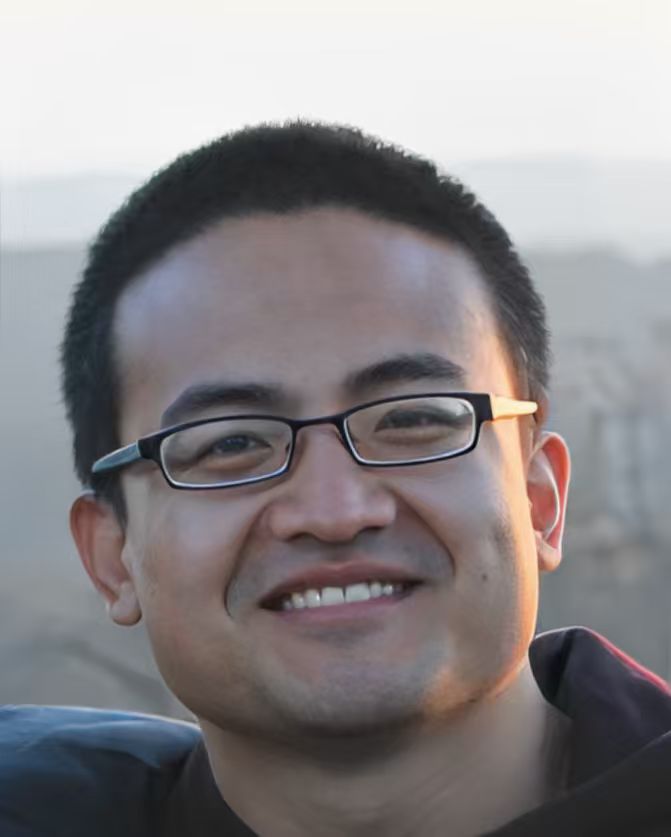
Dr. Iffat Ali Aksar
Email: iffatali.aksar@xmu.edu.my
Affiliation: School of Communication, Xiamen University Malaysia, Sepang, 43900, Malaysia
Homepage:
Research Interests: psychological wellbeing; media effect; social media

Summary
Introduction:
Early-career academics (ECRs) in many countries work within highly competitive, metric-driven systems: heavy teaching loads, grant and publication quotas, precarious contracts, and constant evaluation. In China, widely reported sudden deaths of young academics have drawn urgent attention to chronic overwork. Similar pressures appear globally, marking academia as a setting with elevated occupational-health risks—burnout, anxiety and depressive symptoms, sleep disruption, and stress-related physical problems—often coupled with stigma and barriers to help-seeking.
This Special Issue for the International Journal of Mental Health Promotion treats universities as critical sites for mental health promotion and prevention. We emphasize upstream, multi-level strategies—individual skills, peer/community supports, organizational climate and workload policy, and system-level regulation—to build psychologically safe academic environments and sustainable careers.
2. Aim and Scope of the Special Issue
Aim: To advance interdisciplinary, method-rigorous research on promoting mental health and preventing harm among early-career academics worldwide, with special attention to high-workload cultures (e.g., "publish-or-perish"/KPI regimes) and sentinel events such as reported overwork-related deaths.
Scope: We invite studies that (i) map mental-health outcomes and trajectories; (ii) identify multi-level risk and protective factors; (iii) design, implement, and evaluate promotion/prevention interventions (including policy and organizational reforms). Article types may include original research, intervention and implementation studies, practice-based evaluations, systematic/scoping reviews, qualitative inquiries, policy analyses, and case studies—adhering to high standards of transparency and reproducibility.
3. Suggested Themes (include but are not limited to)
· Global prevalence/trajectories of burnout, anxiety, depression, suicidality among ECRs; mental-health surveillance in universities
· Regional-focused analyses of reported overwork-related sudden deaths and institutional responses; lessons for prevention
· Job Demands–Resources, Psychosocial Safety Climate, work–family conflict, mentoring/collegial support, stigma and help-seeking
· Peer-support and mentoring programs; mental-health literacy and anti-stigma initiatives; resilience/skills training (e.g., CBT-informed, mindfulness) with effectiveness and equity outcomes
· Workload redesign, KPI/tenure reform, flexible appraisal, protected research time, parity in caregiving/parenting policies; impact evaluations and cost-effectiveness
· Effects of platformized research evaluation, digital surveillance, and always-on communication on mental health; tech-enabled supports
· Sleep, fatigue, cardiometabolic markers, and their integration into mental-health promotion in the workplace
Keywords
early-career academics, mental health promotion, occupational stress, burnout, psychosocial safety climate, KPI regimes, overwork-related mortality, help-seeking stigma, intervention and policy reform, higher education

 Login
Login Register
 Submit a Paper
 Propose a Special lssue