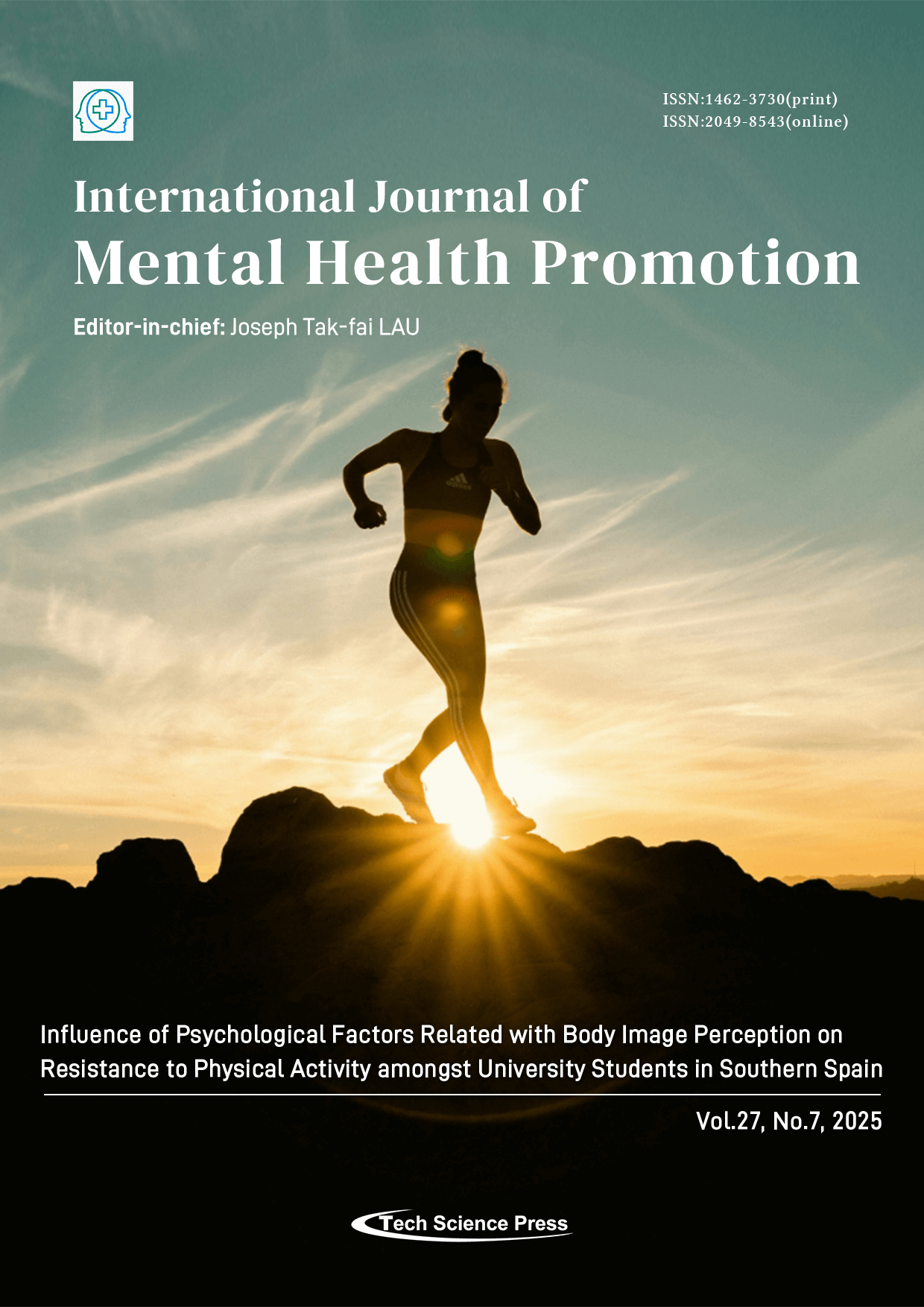
New research from southern Spain reveals how body image-related psychological factors significantly hinder physical activity (PA) engagement among university students. A structural equation modeling study of 519 students (74% female) identified social physique anxiety as a central barrier, demonstrating negative associations with PA, self-esteem, and appearance control beliefs, while correlating positively with body shame, body surveillance, and eating disorder symptoms. The study further found that body surveillance actively reduces PA participation and increases body shame, whereas appearance control beliefs emerged as a positive correlate of PA and self-esteem. Intriguingly, adherence to a Mediterranean diet and presence of eating disorders were positively associated with PA levels—a finding warranting further investigation. Critically, the model revealed significant sex-based differences in these relationships. These findings underscore the necessity for PA interventions targeting university populations to integrate mental health promotion strategies addressing body image concerns and to account for sex-specific psychological barriers.
View this paper

 Login
Login Register
 Submit a Paper
 Propose a Special lssue