Guest Editor(s)
Assoc. Prof. Mohammadreza Vafaei
Email: vafaei@utm.my
Affiliation: Faculty of Civil Engineering, Universiti Teknologi Malaysia, Johor, Malaysia
Homepage:
Research Interests: seismic design and retrofitting, vibration control, structural health monitoring

Prof. Gao Ma
Email: magao@hnu.edu.cn
Affiliation: College of Civil Engineering, Hunan University, China
Homepage:
Research Interests: seismic analysis and retrofit, non-destructive detection, seismic resilience technique
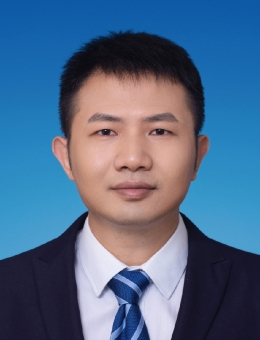
Assoc. Prof. Sophia C Alih
Email: sophiacalih@utm.my
Affiliation: Institute of Noise and Vibration, Faculty of Civil Engineering, Universiti Teknologi Malaysia, Johor, Malaysia
Homepage:
Research Interests: seismic design and retrofitting, vibration control, structural health monitoring

Summary
This special issue aims to advance knowledge and practice in the seismic performance, retrofitting, and structural health monitoring (SHM) of reinforced concrete (RC) structures. It invites high-quality experimental, computational, and field studies that link fundamental mechanics with practical design, assessment, and maintenance strategies. Key topics include nonlinear dynamic response, performance-based and resilience-centered design, innovative retrofit materials and techniques, life-cycle cost and sustainability considerations, sensor networks and data fusion, machine learning for damage detection, and digital twin applications for monitoring and decision support. Of particular interest are studies addressing pressing challenges such as quantifying the effects of aging and deterioration on seismic response, developing affordable and minimally invasive retrofit solutions suitable for irregular or heritage structures, and achieving a balance between immediate safety and long-term resilience. Additional critical issues include integrating heterogeneous sensor technologies into robust, long-term SHM systems, managing large, noisy datasets with uncertainty quantification and transfer learning, and translating validated research into design standards, policy frameworks, and community-level resilience planning. We particularly encourage multidisciplinary approaches, full-scale experimental validations, and case studies demonstrating measurable improvements in structural safety, serviceability, and sustainability, as well as research that provides clear pathways for scaling scientific insights into engineering practice and policy implementation.
Keywords
seismic response, reinforced concrete, retrofitting, structural health monitoring (SHM), non-linear analysis, damage detection, structural resilience, sustainable materials, smart structures, vibration-based monitoring, digital twin

 Login
Login Register
 Submit a Paper
 Propose a Special lssue