Guest Editor(s)
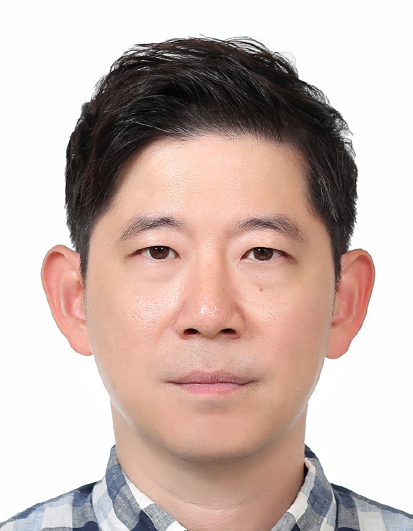
Dr. Ye Hoon Lee
Email: leeye22@o365.hufs.ac.kr
Affiliation: Division of Global Sport Industry, Hankuk University of Foreign Studies, Seoul, Republic of Korea
Homepage:
Research Interests: physical activity, mental health, emotion, psychological mechanism
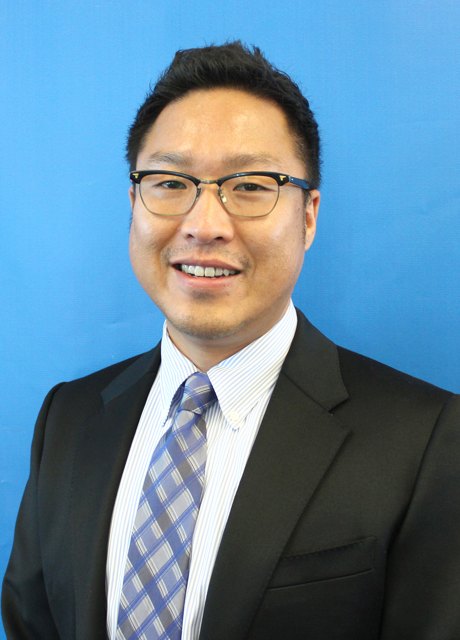
Dr. Seunghyun Hwang
Email: hwangsh@knu.ac.kr
Affiliation: Department of Kinesiology, Kyoungpook National University, Seoul, Republic of Korea
Homepage: www.knu.ac.kr
Research Interests: sport activity, psychophysiological change of stress, emotional regulation, self-efficacy, biofeedback
Summary
This Special Issue will bring together empirical and conceptual work examining how modifiable protective resources (e.g., physical activity, mindfulness, resilience, self-efficacy, psychological flexibility, social support, emotional regulation) and cognitive-affective vulnerabilities (e.g., behavioral inhibition, intolerance of uncertainty, rumination, perfectionism, threat sensitivity) jointly shape mental health outcomes across adult populations. Although these factors are often studied in isolation, an integrative approach is needed to clarify how protective resources may buffer, and vulnerabilities may amplify, psychological distress and related outcomes, and to identify intervention targets that are both theoretically grounded and practically actionable. We particularly welcome studies using mediation and moderation frameworks informed by established theories, such as Conservation of Resources theory, Reinforcement Sensitivity Theory, and the Transactional Model of Stress and Coping, as well as related models that specify pathways from resources/vulnerabilities to mental health. Priority will be given to work that advances mechanism-focused knowledge (e.g., parallel/serial mediation, moderated mediation, latent-variable SEM) and translates findings into implications for mental health promotion and prevention, including targeted intervention design. Submissions may focus on general adult populations or specific adult subgroups (e.g., working-age adults, caregivers, occupational groups, first responders, athletes), and may use cross-sectional or longitudinal designs, multi-method assessments, and intervention or implementation approaches. Overall, this Special Issue aims to strengthen the evidence base for mechanism-informed mental health promotion, clarifying which modifiable resources to build, which vulnerabilities to reduce, and under what conditions benefits are maximized.
Keywords
psychological distress, protective resources, resilience, mindfulness, self-efficacy, physical activity, stress coping, mediation, moderation, intervention

 Login
Login Register
 Submit a Paper
 Propose a Special lssue