Guest Editor(s)
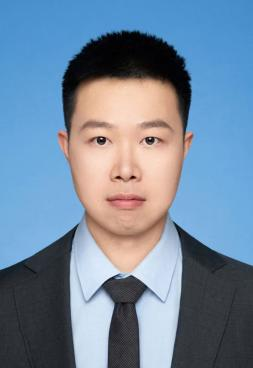
Prof. Zhenghao Ding
Email: dingzh@hnu.edu.cn
Affiliation: College of Civil Engineering, Hunan University, Changsha, China
Homepage:
Research Interests: SHM, structural damage identification, evolutionary algorithm
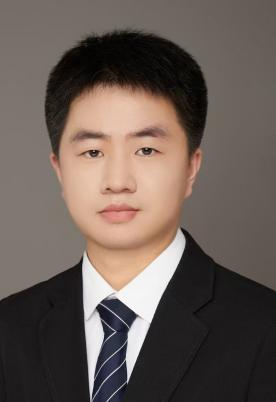
Prof. Yang Zhang
Email: yangzhangdr@126.com
Affiliation: School of Qilu Transportation and Engineering, Shandong University, Jinan, China
Homepage:
Research Interests: bayesian, SHM, AI for science, applied soft computing
Assoc. Prof. Ke Huang
Email: kehuang@csust.edu.cn
Affiliation: School of Civil and Environmental Engineering, Changsha University of Science and Technology, Changsha, China
Homepage:
Research Interests: sub-structural identification, system identification, bayesian framework

Dr. Shanchang Yi
Email: shanchang.yi@csust.edu.cn
Affiliation: School of Civil and Environmental Engineering, Changsha University of Science and Technology, Changsha, China
Homepage:
Research Interests: acoustic emission, non-destructive testing

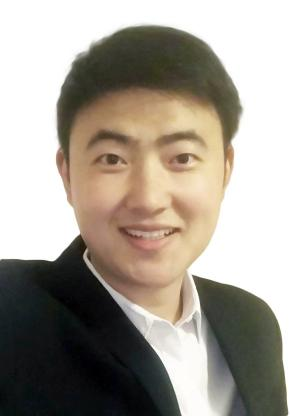
Assoc. Prof. Yu Xin
Email: 2020800133@hfut.edu.cn
Affiliation: Department of Civil Engineering, Hefei University of Technology, Hefei, China
Homepage:
Research Interests: nonlinear model updating, SHM
Summary
This special issue focuses on the cutting-edge role of multi-objective optimization and inverse modelling in advancing finite-element (FE) model updating for structural health monitoring (SHM). Faced with the compounding challenges of conflicting structural response objectives, high-dimensional parameter spaces, environmental variability, and expensive repeated FE simulations, the limitations of conventional single-objective model updating are becoming increasingly apparent. We are moving toward a new paradigm driven by Pareto-based calibration and uncertainty quantification. This special issue aims to systematically explore how evolutionary and swarm intelligence algorithms can resolve trade-offs among modal frequencies, mode shapes and structural responses, generating robust sets of candidate FE models. It also delves into leveraging cutting-edge tools including surrogate modelling, physics-data hybrid learning and generative models to reduce computational burden and enable high-dimensional parameter exploration. Ultimately, these advances empower reliable structural damage identification and condition assessment, enabling not only calibrated digital twins but also uncertainty-aware structural evaluation and support for robust engineering decision-making. This will propel the field from single-goal curve fitting toward multi-objective inverse reasoning, laying the core foundation for building trustworthy, interpretable and reproducible structural digital models. This special issue invites submissions on topics including but not limited to:
• Pareto-based multi-objective FE model updating;
• Surrogate-assisted optimization for structural inverse problems;
• Uncertainty quantification and sparsity-constrained calibration;
• Generative parameter synthesis and multi-fidelity analysis;
• Experimental benchmark validation and engineering applications.
Keywords
multi-objective FE model updating, structural health monitoring, pareto optimization, surrogate-assisted optimization, uncertainty quantification, damage identification

 Login
Login Register
 Submit a Paper
 Propose a Special lssue