Guest Editor(s)
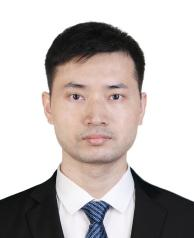
Dr. Yishu Zhang
Email: zhangyishu@zju.edu.cn
Affiliation: College of Integrated Circuits, Zhejiang University, Hangzhou, China
Homepage:
Research Interests: resistive switching, defect-mediated switching, chalcogenide memristors, neuromorphic materials
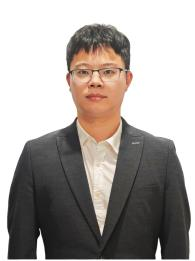
Prof. Dr. Shuai Zhong
Email: zhongshuai@gdiist.cn
Affiliation: Guangdong Institute of Intelligence Science and Technology, Zhuhai, China
Homepage:
Research Interests: resistive random-access memory, chalcogenide-based memristors, resistive switching mechanisms
Summary
Recently, chalcogenide materials have attracted increasing interest for resistive switching applications due to their tunable electrical properties, structural flexibility, and compatibility with back‑end‑of‑line integration. Their ability to support both filamentary and interfacial switching mechanisms makes them promising candidates for emerging non-volatile memory and neuromorphic computing systems.
This Special Issue focuses on the material aspects of resistive switching in chalcogenides. We invite contributions that explore the relationships between chemical composition, atomic structure, defect chemistry, and resistive switching behavior. Topics of interest include, but are not limited to:
· Switching mechanisms in chalcogenide materials: filamentary vs. interfacial, role of chalcogen vacancies, metal ion migration, and phase transitions;
· Composition–structure–property correlations: how variations in stoichiometry, doping, or amorphization affect switching performance and reliability;
· Advanced characterization of switching pathways: in-situ TEM, conductive AFM, spectroscopy, and other techniques applied to chalcogenide-based devices;
· Material‑level challenges: variability, endurance, retention, and environmental stability of chalcogenide switching layers.
While device‑level demonstrations are welcome, contributions should maintain a strong emphasis on chalcogenide materials science — including synthesis, structural characterization, defect engineering, and the fundamental mechanisms that govern resistive switching. Studies focusing solely on circuit design, system integration, or applications without a clear materials-centric perspective are discouraged.
By bringing together researchers working on sulfide, selenide, and telluride‑based switching materials, this Special Issue aims to provide a dedicated platform for advancing the fundamental understanding of resistive switching in chalcogenides and guiding the rational design of next-generation memory materials.
Keywords
chalcogenide-based memristors, non-volatile memory, neuromorphic computing, resistive switching

 Login
Login Register
 Submit a Paper
 Propose a Special lssue