Guest Editor(s)
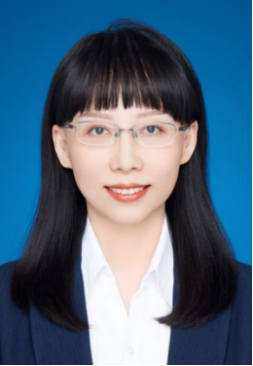
Dr. Shuhang Wang
Email: wangshuhang@cicams.ac.cn
Affiliation: Clinical Trial Center, National Cancer Center/National Clinical Research Center for Cancer/Cancer Hospital, Chinese Academy of Medical Sciences and Peking Union Medical College, Beijing, 100021, China
Homepage:
Research Interests: anti-cancer drug development, clinical trial, translation, cell therapy, immunotherapy, medical oncology
Summary
This special issue explores the transformative potential of cell-based therapies in reshaping cancer treatment paradigms. With rapid advances in CAR-T cells, TCR-T cells, NK cell therapies, and tumor-infiltrating lymphocytes (TILs), this collection aims to spotlight cutting-edge research addressing critical challenges in efficacy, safety, accessibility, and scalability. We invite contributions spanning novel engineering strategies (e.g., gene-edited CAR constructs, synthetic biology platforms), mechanistic insights into tumor microenvironment interactions, and innovative approaches to overcome T-cell exhaustion or immunosuppressive barriers.
The issue will emphasize translational breakthroughs in solid tumors – a persistent frontier for cellular therapies – while examining emerging modalities like off-the-shelf allogeneic products and dual-targeting systems. Submissions may cover preclinical optimization (e.g., CRISPR-based genome editing, in vivo CAR delivery), clinical trial data (including biomarker-driven patient stratification), or manufacturing innovations (closed automated systems, AI-driven cell design). Cross-disciplinary perspectives on immune synapse dynamics, metabolic reprogramming, and computational models for toxicity prediction are particularly encouraged.
Additionally, we welcome analyses of regulatory frameworks, cost-effectiveness studies, and ethical considerations in global healthcare contexts. By integrating molecular discovery with clinical validation, this issue seeks to accelerate the transition from bench concepts to bedside solutions, ultimately expanding curative options for treatment-refractory malignancies.
Keywords
cell therapy, tumor microenvironment remodeling, gene-edited CAR T cell, allogeneic cell therapeutics, clinical scalability challenges
Published Papers

 Login
Login Register
 Submit a Paper
 Propose a Special lssue