Home / Journals / OR / Vol.33, No.12, 2025
Special Issues
Table of Content
cover

On the Cover

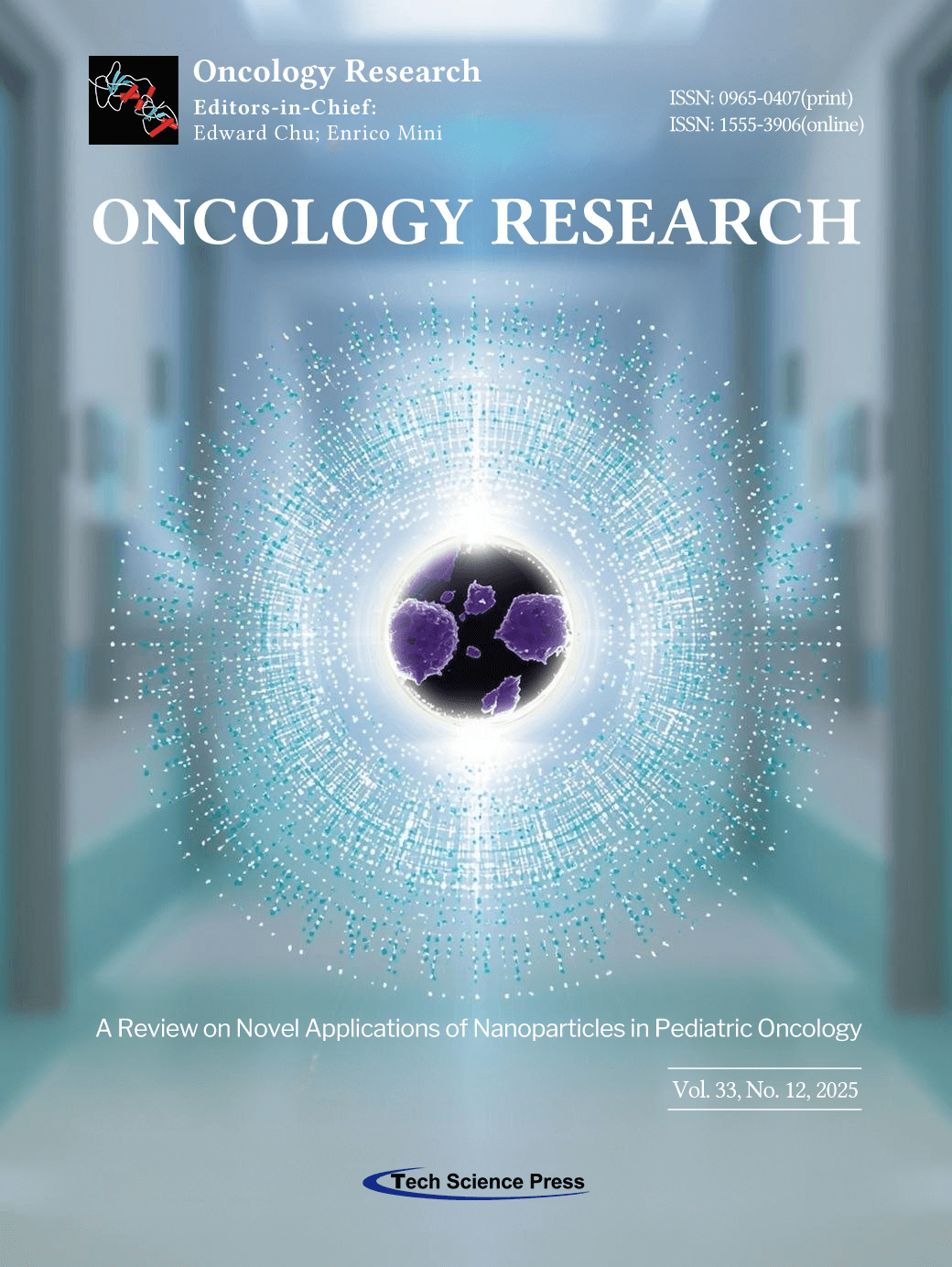
This review presents current and most recent applications of Nanoparticles in pediatric oncology, highlighting their impact on diagnosis, treatment outcomes and survivors’ quality of life. Pediatric cancer patients represent a distinct group with specific needs, for which nanomedicine could offer significant clinical benefits. Nanoparticles’ small size and unique properties allow them to serve as effective contrast agents and therapeutic tools in gene therapy, immunotherapy and radiotherapy optimization, as well as targeted sustained-release drug carriers. Further interdisciplinary research is crucial to evaluate the safety, efficacy and long-term effects of Nanoparticles-based strategies in pediatric cancer management. The cover image was created with AI-generated content via Canva, and it contains no copyrighted elements or misleading representations.
View this paper

  • Open AccessOpen Access

    REVIEW

    A Review on Novel Applications of Nanoparticles in Pediatric Oncology

    Theano Makridou1, Elena Vlastou2, Vasilios Kouloulias3, Efstathios P. Efstathopoulos4, Kalliopi Platoni4,*
    Oncology Research, Vol.33, No.12, pp. 3611-3632, 2025, DOI:10.32604/or.2025.069101 - 27 November 2025
    Abstract Nanomedicine has evolved significantly over the last decades and expanded its applications in pediatric oncology, which represents a special domain with unique patients and distinct requirements. Τhe need for early cancer diagnosis and more effective and targeted therapies aiming to increase the pediatric patients’ survival rates and minimize the treatment-related side effects to survivors is profound. Nanoparticles (NPs) come as a beacon of hope to provide sensitive cancer diagnostic tools and assist contrast agents’ transport to the malignant tumors. Besides, NPs could be designed to deliver targeted drugs and genes to tumors, minimizing the medicine-related… More >

  • Open AccessOpen Access

    REVIEW

    Organoid Technology in Precision Medicine for Head and Neck Cancer

    Boxuan Han1,2,#, Shaokun Liu3,#, Ridhima Das3, Shiqian Liu4, Yang Zhang1,2,*
    Oncology Research, Vol.33, No.12, pp. 3633-3656, 2025, DOI:10.32604/or.2025.071296 - 27 November 2025
    (This article belongs to the Special Issue: Advancing Cellular Therapeutics in Oncology: Innovations, Challenges, and Clinical Translation)
    Abstract Organoid technology, characterized by high fidelity in mimicking the in vivo microenvironment, preservation of tumor heterogeneity, and capacity for high-throughput operations, has emerged as a critical tool in head and neck cancer research. To address clinical challenges in head and neck cancer management—including marked tumor heterogeneity, therapeutic resistance, and significant prognostic variability—this review focuses on four key translational applications of organoid technology: In mechanistic studies, organoid models provide a reliable platform for investigating tumorigenesis, progression, and drug resistance mechanisms. In personalized therapy, organoid-based drug sensitivity testing enables data-driven clinical decision-making. For biomarker discovery, organoids facilitate the More >

  • Open AccessOpen Access

    REVIEW

    Mast Cells in the Solid Tumor Microenvironment: Multiple Roles and Targeted Therapeutic Potential

    Chenglu Lu1,#, Huiting Zhang2,#, Ujjal K. Bhawal3,4, Lei Wang1, Jingwu Li1, Pangzhou Chen5,*, Lewei Zhu6,*
    Oncology Research, Vol.33, No.12, pp. 3657-3678, 2025, DOI:10.32604/or.2025.069703 - 27 November 2025
    (This article belongs to the Special Issue: Novel Targets and Biomarkers in Solid Tumors)
    Abstract The tumor microenvironment (TME) is a complex network composed of non-tumor cells, extracellular matrix, blood vessels, and various molecular signals that surround and profoundly influence tumor progression. As one of the key immune effector cells within the TME, mast cells (MCs) exhibit functional complexity, and their specific roles remain widely debated. Depending on the cancer type, spatial distribution, and interactions with other TME components, MCs can demonstrate dual regulatory capabilities—either promoting or inhibiting tumor growth. This characteristic has made them an important focus in current tumor immunology research. This review aims to systematically review the More >

  • Open AccessOpen Access

    REVIEW

    Molecular Mechanisms of Gemcitabine Resistance in Cholangiocarcinoma

    Sonexai Kidoikhammouan1, Charupong Saengboonmee2,3, Sopit Wongkham2,3, Wunchana Seubwai3,4,*
    Oncology Research, Vol.33, No.12, pp. 3679-3699, 2025, DOI:10.32604/or.2025.069027 - 27 November 2025
    Abstract Cholangiocarcinoma (CCA) is an aggressive cancer originating from bile duct epithelium. Surgical resection remains the primary curative treatment for CCA. However, most CCA patients are diagnosed at an advanced stage, which limits the applicability of surgical resection. Gemcitabine is widely used as a first-line chemotherapeutic agent for unresectable CCA. Its efficacy is often compromised by the development of drug resistance, which leads to poor clinical outcomes and low survival rates of CCA patients. At present, the mechanisms underlying gemcitabine resistance in CCA remain unclear. This review aimed to comprehensively summarize the current knowledge on the More >

  • Open AccessOpen Access

    REVIEW

    Molecular Pathology of Ovarian Endometrioid Carcinoma: A Review

    Hiroshi Yoshida1,*, Mayumi Kobayashi Kato2
    Oncology Research, Vol.33, No.12, pp. 3701-3730, 2025, DOI:10.32604/or.2025.068432 - 27 November 2025
    Abstract Ovarian endometrioid carcinoma (OEC) accounts for ~10% of epithelial ovarian cancers and displays broad morphologic diversity that complicates diagnosis and grading. Recent data show that the endometrial cancer molecular taxonomy (DNA polymerase epsilon, catalytic subunit [POLE]-ultramutated, mismatch repair-deficient [MMRd], p53-abnormal, no specific molecular profile [NSMP]) also applies to OEC, and that OEC is enriched for Lynch syndrome–associated tumors, supporting routine MMR testing. We aimed to synthesize contemporary evidence spanning epidemiology, histopathology and immunophenotype, diagnostic pitfalls and differential diagnosis, and to evaluate the clinical utility of The Cancer Genome Atlas (TCGA)-surrogate molecular classification for risk stratification; More >

  • Open AccessOpen Access

    REVIEW

    Advances in Expression Regulation, Molecular Targeting Mechanisms, and Therapeutic Applications of the Let-7 MicroRNA Family in Gastric Cancer

    Xinke Chai, Shifeng Wu, Qian Shen, Qiulin Huang*
    Oncology Research, Vol.33, No.12, pp. 3731-3752, 2025, DOI:10.32604/or.2025.067546 - 27 November 2025
    (This article belongs to the Special Issue: Signaling Pathway Crosstalk in Malignant Tumors: Molecular Targets and Combinatorial Therapeutics)
    Abstract Gastric cancer (GC) is a prevalent malignant tumor globally, with high incidence and mortality rates. Advances in understanding molecular mechanisms underlying GC have highlighted the role of microRNAs (miRNAs) in its initiation, progression, and treatment. The Let-7 family, an important class of miRNAs, is closely associated with the biological behaviors of GC. Aberrant expression of various Let-7 family members in GC patients contributes to disease progression, as they target multiple molecular pathways and participate in diverse regulatory mechanisms throughout GC pathogenesis. This article systematically summarizes the expression patterns of Let-7 family members in GC, explores More >

  • Open AccessOpen Access

    REVIEW

    Research Progress of Drug Delivery Systems Consisting of Hydrogels Loaded with Extracellular Vesicles in Tumor Therapy

    Shaojian Zou1,#, Lipeng Zhang2,#, Xiang Chen3,#, Zhuomin Wang2, Xinhui Zhu2, Dandong Luo4, Shengxun Mao2,*, Zhen Zong2,*
    Oncology Research, Vol.33, No.12, pp. 3753-3788, 2025, DOI:10.32604/or.2025.067586 - 27 November 2025
    (This article belongs to the Special Issue: New Insights in Drug Resistance of Cancer Therapy: A New Wine in an Old Bottle)
    Abstract Traditional cancer therapies have limitations like poor efficacy on advanced tumors, healthy tissue damage, side effects, and drug resistance, creating an urgent need for new strategies. Hydrogels have good biocompatibility and controlled release, while extracellular vesicles (EVs) enable targeting and bioactive transport. This review systematically summarizes hydrogels and EVs, focusing on the construction of hydrogel-EV delivery system, key influencing factors, drug delivery mechanisms, and tumor therapy apps, clarifying their synergies. The system overcomes single-carrier flaws, construction methods/key factors affect performance, preclinical studies have confirmed efficacy in multiple therapies, but large-scale production and in vivo stability challenges More >

  • Open AccessOpen Access

    REVIEW

    Unraveling Immunotherapy Resistance in Solid Tumors: Decoding Mechanisms and Charting Future Therapeutic Landscapes

    Huan Wang1,#, Jindong Xie1,#, Na Li1, Qianwen Liu1, Wenqi Song1, Wenkuan Chen1, Cheng Peng2,*, Hailin Tang1,*
    Oncology Research, Vol.33, No.12, pp. 3789-3800, 2025, DOI:10.32604/or.2025.067592 - 27 November 2025
    Abstract Solid tumors comprise the majority of the global cancer burden, with their incidence and associated mortality posing considerable challenges to public health systems. With population growth and aging, the burden of these tumors is anticipated to increase further in the coming decades. The progression of solid tumors depends on dynamic interactions between malignantly transformed cells and the tumor microenvironment (TME). Immune checkpoint inhibitor therapy improves T cell-mediated antitumor activity by suppressing regulatory pathways, such as programmed cell death protein 1/programmed death-ligand 1. Nonetheless, its widespread application is constrained by drug resistance. In this comprehensive review, More >

  • Open AccessOpen Access

    REVIEW

    Immune Checkpoint Inhibitors Combined with Oncolytic Virotherapy: Synergy, Heterogeneity, and Safety in Cancer Treatment

    Yi Feng1,#, Haoxin Yang2, Guicai Liang1, Jun Chen3, Tao Li1, Yingjuan Wang4, Jilin Chang1, Yan Li3, Meng Yang1, Xilong Zhou1, Zhiqiang Wang5,*, Chunlei Ge1,*
    Oncology Research, Vol.33, No.12, pp. 3801-3836, 2025, DOI:10.32604/or.2025.067824 - 27 November 2025
    (This article belongs to the Special Issue: New Insights in Drug Resistance of Cancer Therapy: A New Wine in an Old Bottle)
    Abstract Immune checkpoint inhibitor (ICI) has limited efficacy in the treatment of immune “cold” tumors. Due to insufficient T cell infiltration and heterogeneous programmed death ligand 1 (PD-L1) expression, the ORR is only 5%–8% compared with 30%–40% of “hot” tumors. This article reviews the synergistic mechanism, clinical efficacy and optimization strategy of oncolytic virus (OVs) combined with ICIs in the treatment of refractory malignant tumors. Systematic analysis of mechanistic interactions across tumor types and clinical trial data demonstrates that OVs transform the immunosuppressive microenvironment by inducing immunogenic cell death and activating innate immunity. Concurrently, ICIs enhance… More >

  • Open AccessOpen Access

    ARTICLE

    CXCR1 and CXCR2 Antagonism with G31P Attenuates Chemotherapy-Induced Lung Inflammation and Augments the Gefitinib Therapeutic Response in Lung Cancer

    Muhammad Noman Khan1,2,3,*, Kang Tian2, John R. Gordon4, Fang Li2, Song-Ze Ding1,*
    Oncology Research, Vol.33, No.12, pp. 3837-3854, 2025, DOI:10.32604/or.2025.069408 - 27 November 2025
    (This article belongs to the Special Issue: The Evolving Landscape of Cancer Treatment: Molecular Insights and Immunotherapeutic Breakthroughs)
    Abstract Objectives: Chemotherapy-induced lung inflammation limits the efficacy of anticancer therapies such as gefitinib in non-small cell lung cancer (NSCLC). Glutamic acid-leucine-arginine positive (ELR+) CXC chemokines and their receptors, CXC chemokine receptor 1 and 2 (CXCR1 and CXCR2), mediate both inflammatory responses and tumor progression. This study evaluated the effects of CXCR1/2 antagonism by G31P, a CXC motif chemokine ligand 8 (CXCL8)-mutated peptide, alone or in combination with gefitinib, on lung cancer growth and chemotherapy-induced pulmonary inflammation. Methods: Human NSCLC cell lines (A549 and H460) were treated with gefitinib and/or G31P. Cell proliferation, apoptosis, and signaling… More >

    Graphic Abstract

    CXCR1 and CXCR2 Antagonism with G31P Attenuates Chemotherapy-Induced Lung Inflammation and Augments the Gefitinib Therapeutic Response in Lung Cancer

  • Open AccessOpen Access

    ARTICLE

    Outcomes and Toxicity of Adult Medulloblastoma Treated with Pediatric Multimodal Protocols: A Single-Institution Experience

    Antonio Ruggiero1,2,*, Dario Talloa1, Alberto Romano1, Giorgio Attinà1, Stefano Mastrangelo1,2, Palma Maurizi1,2, Tommaso Verdolotti3, Gianpiero Tamburrini4,5, Silvia Chiesa6, Rina di Bonaventura7, Pier Paolo Mattogno7, Alessandro Olivi7,8, Alessio Albanese7,8
    Oncology Research, Vol.33, No.12, pp. 3855-3867, 2025, DOI:10.32604/or.2025.067948 - 27 November 2025
    Abstract Background: Adult medulloblastoma (MB) represents less than 1% of central nervous system malignancies, lacking standardized therapeutic approaches due to its rarity. This retrospective single-center analysis aimed to assess survival outcomes and treatment-associated toxicities in adult MB patients managed with pediatric-derived protocols. Methods: Eighteen patients (≥18 years) with MB treated at Fondazione Policlinico Universitario Agostino Gemelli Istituto di Ricovero e Cura a Carattere Scientifico (IRCCS) (January 1997–January 2024) were analyzed. All received craniospinal radiotherapy with posterior fossa boost, followed by adjuvant chemotherapy utilizing pediatric regimens (PNET3, PNET4, PNET5, or high-risk protocols incorporating high-dose chemotherapy with autologous… More >

  • Open AccessOpen Access

    ARTICLE

    DADS Regulates EMT and Chemotherapy Resistance by Inhibiting RORα/β-Catenin Signaling through PKCα-Dependent Phosphorylation in Gastric Cancer

    Yizhen Zhang1,2,#, Juan Li1,3,#, Huanqing Liu1,4,#, Hong Xia1, Jian Su1,5, Fang Liu1, Bo Su6,*, Qi Su1,*
    Oncology Research, Vol.33, No.12, pp. 3869-3886, 2025, DOI:10.32604/or.2025.068689 - 27 November 2025
    (This article belongs to the Special Issue: Signaling Pathway Crosstalk in Malignant Tumors: Molecular Targets and Combinatorial Therapeutics)
    Abstract Objectives: Gastric cancer (GC) is often associated with high invasiveness, epithelial-mesenchymal transition (EMT), and resistance to 5-fluorouracil (5-FU), highlighting the need for novel therapeutic targets. This study explored whether diallyl disulfide (DADS) upregulates retinoic acid-related orphan receptor alpha (ROR) to weaken the protein kinase C alpha (PKC)/RORα-mediated RORα/β-catenin pathway, thereby inhibiting GC cell invasion, epithelial-mesenchymal transition (EMT), and enhancing 5-FU sensitivity. Methods: Human GC cell lines MGC-803 and SGC7901 were treated with DADS, RORα agonist SR1078/antagonist T0901317, and PKCα agonist TPA/antagonist GO6976. Cell proliferation (MTT), migration (scratch assay), invasion (Transwell), protein expression (Western blot), protein… More >

  • Open AccessOpen Access

    ARTICLE

    C-Phycocyanin–Cisplatin Combination Targeting Redox Balance for Enhanced Efficacy Against Glioblastoma Cells

    Rym Akrout1, Ludovic Leloup2, Khouloud Ayed1, Fabrice Parat2, Sami Zekri3,4, Wassim Y. Almawi1, Rahma Boughriba1, Hanen Attia1, Olfa Masmoudi-Kouki4, Hervé Kovacic2,*, Asma Gati1,*
    Oncology Research, Vol.33, No.12, pp. 3887-3906, 2025, DOI:10.32604/or.2025.070729 - 27 November 2025
    (This article belongs to the Special Issue: Mechanisms of Reactive Oxygen Species Modulation in Cancer Therapy)
    Abstract Objectives: Cisplatin (CDDP) therapy for glioblastoma (GBM) is linked with several limitations, which include poor penetration of the blood-brain barrier (BBB), systemic toxicity, and the development of drug resistance mechanisms implicating oxidative stress dysregulation and compromised apoptotic pathways. This study evaluates C-Phycocyanin (C-PC) as a potential adjuvant to enhance CDDP efficacy by modulating redox balance and apoptosis. Methods: GBM cells (U87 and U87-EGFRvIII) were treated with CDDP, C-PC, or their combination. Cell viability was assessed by MTT assay; apoptosis was evaluated by DAPI staining and Western blot analysis of cleaved Caspase-3 and poly (ADP-ribose) polymerase… More >

    Graphic Abstract

    C-Phycocyanin–Cisplatin Combination Targeting Redox Balance for Enhanced Efficacy Against Glioblastoma Cells

  • Open AccessOpen Access

    ARTICLE

    Clostridium butyricum MIYAIRI 588 Reduces Colorectal Adenomatous Polyp Recurrence: A Randomized Crossover Trial

    Jiunn-Wei Wang1,2,3, Wen-Hung Hsu2,3,4, Fang-Jung Yu2,3, Fu-Chen Kuo5, Chung-Jung Liu3,6, Chao-Hung Kuo1,2,3, Jaw-Yuan Wang7,8, Ming-Hong Lin9,*, Deng-Chyang Wu1,2,3,*
    Oncology Research, Vol.33, No.12, pp. 3907-3922, 2025, DOI:10.32604/or.2025.070432 - 27 November 2025
    Abstract Objectives: Colorectal adenomatous polyps frequently recur after removal and are precursors to colorectal cancer, highlighting the need for effective preventive strategies. This study evaluated the efficacy of probiotic Clostridium butyricum MIYAIRI 588 (CBM588) in preventing colorectal adenoma recurrence in high-risk patients. Methods: We conducted a randomized, single-blind, two-year crossover trial in patients with a history of adenomatous polyps. Participants received CBM588 in either the first or second year, with the alternate year as observation, and underwent annual surveillance colonoscopies. Outcomes (adenoma recurrence and polyp counts) were analyzed by intention-to-treat (ITT) and per-protocol (PP) approaches. Results: A total… More >

  • Open AccessOpen Access

    ARTICLE

    Transglutaminase 7 Silencing Inhibits Proliferation and Modulates Inflammatory and Apoptotic Markers in Testicular Germ Cell Tumors

    Rawabi S. Altuwayjiri, Ibtesam S. Almami*
    Oncology Research, Vol.33, No.12, pp. 3923-3943, 2025, DOI:10.32604/or.2025.070104 - 27 November 2025
    (This article belongs to the Special Issue: Advances in Cancer Therapeutics)
    Abstract Objective: Testicular germ cell tumors (TGCTs) represent the most common malignancy among young men aged 20–40 years. Transglutaminase 7 (TG7), encoded by TGM7, is a poorly characterized enzyme whose function in TGCT remains unknown. This study aimed to assess TG7 expression in clinical specimens and investigate its functional role in a testicular germ cell tumor cell line (NT2/D1). Methods: TG7 protein expression was evaluated in clinical testicular tissue samples via immunohistochemistry (IHC) and immunofluorescence (IF). Functional analysis was conducted in the NT2/D1 human testicular cancer cell line using Dicer-substrate small interfering RNAs (DsiRNAs) targeting TG7. Gene… More >

  • Open AccessOpen Access

    ARTICLE

    Endothelin-1 Mediates Oxaliplatin Resistance via Activation of YAP Signaling in Colorectal Cancer

    Ranran Yang1,2,3,#, Dan Yuan2,#, Chaohan Liang4,#, Siying Zhu4, Jie Huang2, Yingqi Zhang4, Weiling He5, Qinghai Li1,*, Hong Zhang2,*
    Oncology Research, Vol.33, No.12, pp. 3945-3971, 2025, DOI:10.32604/or.2025.064463 - 27 November 2025
    (This article belongs to the Special Issue: Signaling Pathway Crosstalk in Malignant Tumors: Molecular Targets and Combinatorial Therapeutics)
    Abstract Background: Colorectal cancer (CRC) is a predominant contributor to global cancer-associated mortality worldwide. Oxaliplatin (OXP), a foundational chemotherapeutic agent for CRC, often exhibits limited efficacy due to the emergence of drug resistance. Although endothelin-1 (EDN1) has been implicated in tumor drug resistance, its role in oxaliplatin resistance in CRC remains poorly defined. This work aimed to define how EDN1 contributes to oxaliplatin resistance and to explore its potential as a therapeutic target. Methods: Public genomic datasets were analyzed to confirm EDN1 upregulation in colorectal cancer (CRC) and its association with poor prognosis. EDN1 expression was… More >

  • Open AccessOpen Access

    ARTICLE

    TROP-2 Promotes Cell Proliferation via the AKT-Mediated PKCα Pathway and Is a Novel Target for Antibody-Drug Conjugates in Penile Carcinoma

    Yi Tang1,2,3,4,#, Minyi Situ1,2,3,4,#, Zhiming Wu1,2,3,4,#, Yanjun Wang1,2,3,4,#, Xinpei Deng1,2,3,4, Zhicheng Liu1,2,3,4, Shengjie Guo1,2,3,4, Qianghua Zhou1,2,3,4,*, Gangjun Yuan5,*, Xingliang Tan1,2,3,4,*, Kai Yao1,2,3,4,*
    Oncology Research, Vol.33, No.12, pp. 3973-3989, 2025, DOI:10.32604/or.2025.066184 - 27 November 2025
    Abstract Background: Current chemotherapy treatments, including the TIP (Taxol, Ifosfamide, Cisplatin) regimen, have shown limited effects but strong side effects in advanced Penile squamous cell carcinoma (PSCC) patients. Trophoblast cell-surface antigen-2 (TROP-2) is a novel target for antibody-drug conjugate (ADC) drugs and has been proven to be effective in several human cancers. This study aimed to explore the biological function and potential of the ADC target in PSCC cells. Methods: A total of 196 PSCC tumor tissue specimens and clinicopathological data were collected. TROP-2 expression was detected by IHC, and the correlation between TROP-2 expression and… More >

    Graphic Abstract

    TROP-2 Promotes Cell Proliferation via the AKT-Mediated PKC<b>α</b> Pathway and Is a Novel Target for Antibody-Drug Conjugates in Penile Carcinoma

  • Open AccessOpen Access

    ARTICLE

    Exosomal miR-17 Drives Thyroid Cancer Lung Metastasis via NF-κB Activation

    Yan Gui1,#, Wen Pan1,#, Ziyi Dong1,#, Dongzhi Hu1,#, Yaoyang Guo1, Xinyi Wen1, Haiyang Zhang2, Zhansheng Jiang1,*, Xiangqian Zheng1,*, Ming Gao2,*, Junyi Wang1,*
    Oncology Research, Vol.33, No.12, pp. 3991-4011, 2025, DOI:10.32604/or.2025.067182 - 27 November 2025
    (This article belongs to the Special Issue: Signaling Pathway Crosstalk in Malignant Tumors: Molecular Targets and Combinatorial Therapeutics)
    Abstract Objectives: Metastatic spread to the lung is one of the leading causes of fatal outcomes in thyroid cancer, but the underlying molecular mechanisms remain unclear. To investigate how exosomal microRNA-17-5p (miR-17-5p) promotes lung metastasis in thyroid cancer within the framework of the “seed and soil” hypothesis. Methods: Serum exosomes from thyroid cancer lung metastasis patients and controls were analyzed for miR-17, which was elevated in metastatic cases. miR-17 was transfected into embryonic lung fibroblasts (MRC-5), and their supernatants were co-cultured with thyroid cancer cells (Cal62). Cell proliferation and migration were evaluated using colony formation, Ki67… More >

  • Open AccessOpen Access

    ARTICLE

    Real-World Data on Stage III Non-Small Cell Lung Cancer in Vietnam

    Khanh Toan Nguyen1,*, Thi Huong Pham1,2, Van Lam Ngo1, Thi Thuy My Nguyen1, Thi Dao Nguyen1, Khanh Hung Truong1, Van Nhat Nguyen1, Van Thanh Le1, Ba Duc Ho1, Thi Phuong Thao Nguyen1, Thi Ha Phuong Nguyen1, Thi My Linh Dinh1, Thi Hong Anh Vo1, Thi Thuy Phan1, Thi Hai Yen Le1, Thi Nhung Ngo1, Khanh Ha Nguyen1
    Oncology Research, Vol.33, No.12, pp. 4013-4028, 2025, DOI:10.32604/or.2025.069281 - 27 November 2025
    (This article belongs to the Special Issue: Novel Biomarkers and Treatment Strategies in Solid Tumor Diagnosis, Progression, and Prognosis)
    Abstract Objective: Patients with stage III non-small cell lung cancer (NSCLC) present with a heterogeneous disease profile and often require multifaceted treatment strategies. This research aimed to investigate the demographic features, therapeutic patterns, and survival outcomes of such patients in Vietnam. Methods: A retrospective descriptive study was conducted on 731 patients diagnosed with stage III NSCLC American Joint Committee on Cancer (AJCC) 8th edition, at Nghe An Oncology Hospital from January 2018 to August 2024. Descriptive statistics summarized baseline and treatment characteristics. We calculated progression-free survival (PFS) and overall survival (OS) through the Kaplan–Meier approach and… More >

  • Open AccessOpen Access

    ARTICLE

    PFDN6L Gene Predicts Good Prognosis Associated with Its Inhibition of the Stem-Ness Properties in Hepatocellular Carcinoma

    Fangyuan Li1,2,#, Xiaoyuan Hu1,#, Xiaoge Gao3, Ling Liu3, Tao Li1, Dan He1, Jiaxing Cheng1, Xiaobiao Ma1, Li Li1,*, Chunlei Ge1,*, Hong Yao1,*
    Oncology Research, Vol.33, No.12, pp. 4029-4048, 2025, DOI:10.32604/or.2025.067628 - 27 November 2025
    (This article belongs to the Special Issue: New Insights in Drug Resistance of Cancer Therapy: A New Wine in an Old Bottle)
    Abstract Background: Liver cancer stem cells (LCSCs) are recognized as pivotal drivers of hepatocellular carcinoma (HCC) progression; however, the molecular mechanisms maintaining their stem-like phenotype remain largely unresolved. This work investigates the role of prefoldin subunit 6-like protein (PFDN6L) in shaping LCSC traits and promoting or restraining HCC progression. Methods: PFDN6L, a cytoskeleton-associated chaperone, was studied using multiple in vitro assays—cell growth evaluation, cell cycle profiling, and spheroid culture—alongside analyses of stemness-associated markers (SOX2, CD133, CD44). Tumorigenic capacity was assessed in xenograft mouse models, and signaling pathway interrogation was performed to define underlying mechanisms. Results: In patient samples, More >

  • Open AccessOpen Access

    ARTICLE

    Targeting HER2-Positive HCC1954 Breast Cancer Cells by Novel Thiazole-Dihydrobenzisoxazoles: In-Depth Design, Synthesis and Initial In Vitro Study

    Yuri A. Piven1, Danila V. Sorokin2, Nastassia A. Varabyeva1, Alexandra L. Mikhaylova2, Fedor B. Bogdanov2, Elena V. Shafranovskaya1, Raman M. Puzanau3, Fedor A. Lakhvich1, Alexander M. Scherbakov2,4,*
    Oncology Research, Vol.33, No.12, pp. 4049-4072, 2025, DOI:10.32604/or.2025.067832 - 27 November 2025
    Abstract Background: The most aggressive forms of breast cancer are characterized by independence from steroid hormones but a strong dependence on growth factors. In such cancer cells, oncogenic receptors, including human epidermal growth factor receptor 2 (HER2), are activated, and their targeted inhibition represents an attractive therapeutic strategy. The study aimed to develop small-molecule potential dual heat shock protein 90 (HSP90)-HER2 inhibitors and evaluate them as anticancer agents in HER2-positive cells. Methods: The research project involved obtaining a series of compounds with potential dual inhibitory activity against HSP90 and HER2 by targeted organic synthesis, which was… More >

    Graphic Abstract

    Targeting HER2-Positive HCC1954 Breast Cancer Cells by Novel Thiazole-Dihydrobenzisoxazoles: In-Depth Design, Synthesis and Initial <i>In Vitro</i> Study

  • Open AccessOpen Access

    ARTICLE

    ETS Family Transcription Factors in Gastric Cancer and the Role of ELF3 in the Core Metaplasia Transcription Factor Network

    Ioannis A. Voutsadakis1,2,3,*
    Oncology Research, Vol.33, No.12, pp. 4073-4092, 2025, DOI:10.32604/or.2025.069230 - 27 November 2025
    Abstract Background: E26 transformation-specific (ETS) family transcription factors have confirmed roles in several types of cancers. This study aimed to clarify the role of ETS family transcription factor alterations in gastric cancers. Methods: This study examines molecular alterations of ETS transcription factors in gastric adenocarcinomas based on an analysis of publicly available cohorts from the Protein Atlas and the Cancer Genome Atlas. The expression and relationships of members of the ETS transcription factor family with other important factors in the process of gastric carcinogenesis were evaluated using the same resources. Results: mRNA expression levels of ETS family… More >

  • Open AccessOpen Access

    ARTICLE

    Long Non-Coding RNA HOXA10-AS Promotes the Migration and Invasion of Glioblastoma Cells by Serving as a Competing Endogenous RNA for miR-99a-3p to Upregulate ITGB5 Expression

    Yingjie Wang1,#, Wanlin Dong1,#, Can Wang2, Zirui Li1, Yongqiang Wang1, Qi Li1, Cheng-Ya Dong1,*
    Oncology Research, Vol.33, No.12, pp. 4093-4111, 2025, DOI:10.32604/or.2025.068313 - 27 November 2025
    (This article belongs to the Special Issue: Novel Biomarkers and Treatment Strategies in Solid Tumor Diagnosis, Progression, and Prognosis)
    Abstract Objectives: Glioblastoma is a prevalent malignant brain tumor, and the actions of the long non-coding RNA HOXA10-AS in its invasion and migration remain unclear. Here, the function of HOXA10-AS in glioblastoma cell invasion and migration and associated mechanisms were investigated. Methods: HOXA10-AS was knocked down in glioblastoma cells, and Transwell and wound healing assays were conducted to elucidate its impacts on cell invasion and migration. Western blotting and quantitative reverse transcription polymerase chain reaction (qRT-PCR) assessed HOXA10-AS’s impact on the epithelial-mesenchymal transition (EMT). Microarray analysis identified differentially expressed genes, complemented by bioinformatics approaches to explore… More >

  • Open AccessOpen Access

    ARTICLE

    RFX1 Regulates Immune Microenvironment and Predicts Immunotherapy Response in Colon Cancer: A Multi-Omics and Clinical Analysis

    Zhujiang Dai1,2,#, Xiaoyong Ge1,2,#, Wenbo Tang1,2, Chen-Ying Liu1,2, Yun Liu1,2,*, Zhongchuan Wang1,2,*
    Oncology Research, Vol.33, No.12, pp. 4113-4143, 2025, DOI:10.32604/or.2025.068473 - 27 November 2025
    (This article belongs to the Special Issue: Identification of potential targets and biomarkers for cancers and the exploration of novel molecular mechanisms of tumorigenesis and metastasis)
    Abstract Objective: The plastic role of regulatory factor X1 (RFX1) in colon cancer progression and its impact on the tumor microenvironment remain poorly understood. The study aimed to clarify the molecular and clinical role of RFX1 in colon cancer. Methods: We classified colon cancers into subgroups with high and low RFX1 expression and characterized their immune profiles, mutational profiles, cancer immunotherapy and drug sensitivity. By combining RFX1 expression with persistent tumor mutational burden, we proposed a novel nomogram clinical prediction model and validated its predictive performance, and the correlation between high expression and poor prognosis. Results: Compared… More >

    Graphic Abstract

    RFX1 Regulates Immune Microenvironment and Predicts Immunotherapy Response in Colon Cancer: A Multi-Omics and Clinical Analysis

  • Open AccessOpen Access

    CASE REPORT

    A Case Report of Primary Pulmonary Lymphoepithelioma-Like Carcinoma with “Harmful” Pseudoprogression and a Pathological Complete Response (pCR) after Immunotherapy Plus Radiotherapy

    Si Qin, Shu Tang, Lijiao Xie, Jianbo Zhu, Jianguo Sun*
    Oncology Research, Vol.33, No.12, pp. 4145-4154, 2025, DOI:10.32604/or.2025.068300 - 27 November 2025
    (This article belongs to the Special Issue: Application of Multi-omics Analysis in Cancer Immunotherapy)
    Abstract Background: Primary pulmonary lymphoepithelioma-like carcinoma (PPLELC) is a rare subtype of primary non-small cell lung cancer (NSCLC), with no established treatment guidelines. We present a case of a young female with PPLELC who achieved a pathological complete response (pCR) in both primary and metastatic lesions after receiving combined immunotherapy and radiotherapy. Case description: We present a 33-year-old female patient with stage IVa (cT2bN0M1b) PPLELC. As a first-line treatment, the patient received seven cycles of nab-paclitaxel combined with toripalimab (a PD-1 inhibitor) and achieved stable disease. This was followed by toripalimab maintenance therapy for nearly 30 months.… More >

  • Open AccessOpen Access

    RETRACTION

    Retraction: MicroRNA-33b Inhibits the Proliferation and Migration of Osteosarcoma Cells via Targeting Hypoxia-Inducible Factor-1α

    Oncology Research Editorial Offfce
    Oncology Research, Vol.33, No.12, pp. 4155-4155, 2025, DOI:10.32604/or.2025.075990 - 27 November 2025
    Abstract This article has no abstract. More >

  • Open AccessOpen Access

    RETRACTION

    Retraction: MicroRNA-92a Promotes Cell Proliferation in Cervical Cancer via Inhibiting p21 Expression and Promoting Cell Cycle Progression

    Oncology Research Editorial Offfce
    Oncology Research, Vol.33, No.12, pp. 4157-4157, 2025, DOI:10.32604/or.2025.075991 - 27 November 2025
    Abstract This article has no abstract. More >

  • Open AccessOpen Access

    RETRACTION

    Retraction: MicroRNA-181b Inhibits Cellular Proliferation and Invasion of Glioma Cells via Targeting Sal-Like Protein 4

    Oncology Research Editorial Offfce
    Oncology Research, Vol.33, No.12, pp. 4159-4159, 2025, DOI:10.32604/or.2025.075992 - 27 November 2025
    Abstract This article has no abstract. More >

Per Page:

Share Link
