Guest Editor(s)
Prof. Chong-Chen Wang
Email: wangchongchen@bucea.edu.cn
Affiliation: Institute of Advance Materials, Beijing University of Civil Engineering and Architecture, Beijing, China
Research Interests: environmental functional materials

Dr. Anping Wang
Email: anping-wang@gznu.edu.cn
Affiliation: Key Laboratory of Mountain Information System and Ecological Environment Protection, Guizhou Normal University, Guiyang, China
Research Interests: advanced oxidation processes
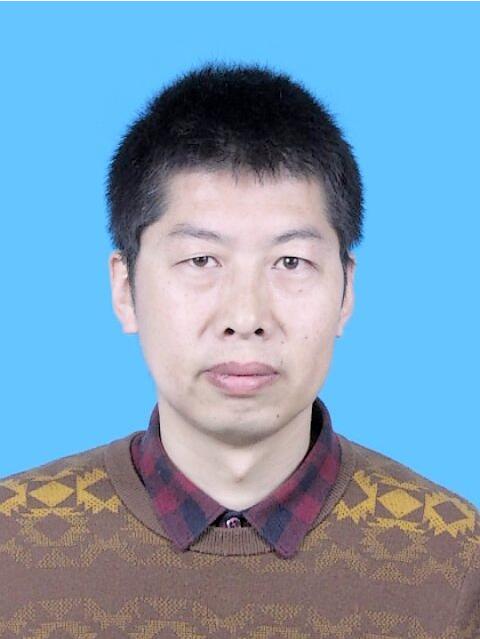
Prof. Xuedong Du
Email: duxd@ysu.edu.cn
Affiliation: School of Environmental and Chemical Engineering, Yanshan University, Qinhuangdao, China
Homepage:
Research Interests: environmental functional materials

Dr. Xun Wang
Email: wangxunlavender@126.com
Affiliation: School of Resource and Environment, Linyi University, Linyi, China
Research Interests: environmental functional materials

Dr. Xiao-Hong Yi
Email: yixiaohong@bucea.edu.cn
Affiliation: Institute of Advance Materials, Beijing University of Civil Engineering and Architecture, Beijing, China
Research Interests: environmental functional materials

Summary
As environmental challenges intensify globally, the demand for advanced functional materials capable of efficient pollution control and resource recovery has never been greater. Chalcogenide materials, with their unique physicochemical properties and structural versatility, are emerging as key enablers of sustainable environmental technologies.
This Special Issue aims to consolidate recent advances in the development and application of chalcogenide-based materials for environmental sustainability. We welcome contributions addressing material design, synthesis, characterization, and mechanistic studies related to environmental applications. The scope encompasses both fundamental research and practical implementations, with emphasis on strategies that enhance material efficiency, stability, and scalability for real-world environmental solutions.
Suggested themes for submission include, but are not limited to:
• Photocatalytic Degradation of Environmental Pollutants
• Heavy Metal Remediation and Water Purification
• Chalcogenide-Based Gas Sensing for Environmental Monitoring
• Green Synthesis Approaches for Sustainable Chalcogenides
• Adsorption Technologies for Emerging Contaminants
• Antimicrobial Applications of Chalcogenide Nanomaterials
• Life Cycle Assessment and Environmental Compatibility
Keywords
chalcogenides; photocatalysis; electrocatalysis; energy storage; solar cells; environmental remediation; two-dimensional (2D) materials; heterojunctions; sensors
Published Papers

 Login
Login Register
 Submit a Paper
 Propose a Special lssue