Guest Editor(s)
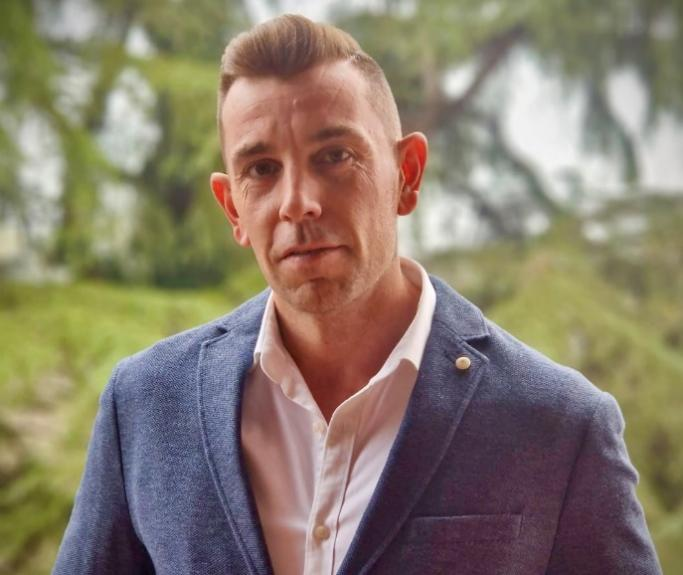
Dr. Stefano Mancin
Email: stefano.mancin@humanitas.it
Affiliation: Cancer Center, Clinical Nutrition Unit, IRCCS Humanitas Research Hospital, Rozzano, Milan, 20089, Italy
Homepage:
Research Interests: Nutrition, Cancer, Supportive Care
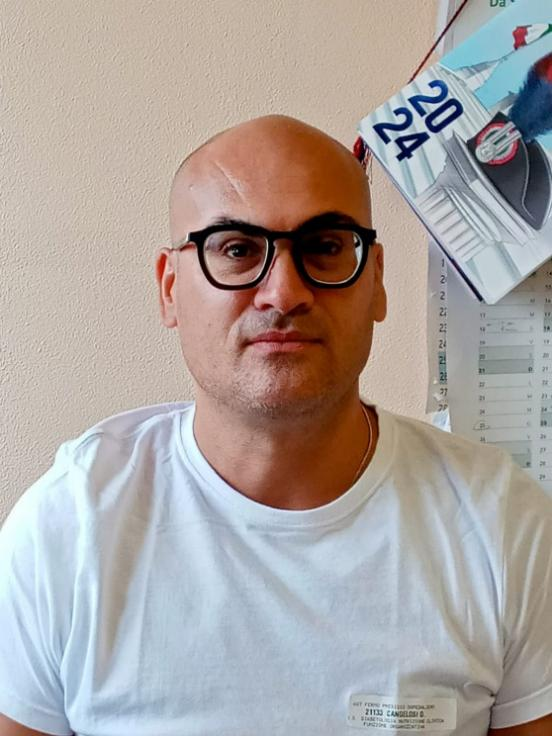
Dr. Giovanni Cangelosi
Email: giovanni01.cangelosi@unicam.it
Affiliation: School of Pharmacy, Polo Medicina Sperimentale e Sanità Pubblica, 62032 Camerino, Italy
Homepage:
Research Interests: Chronic disease, cancer
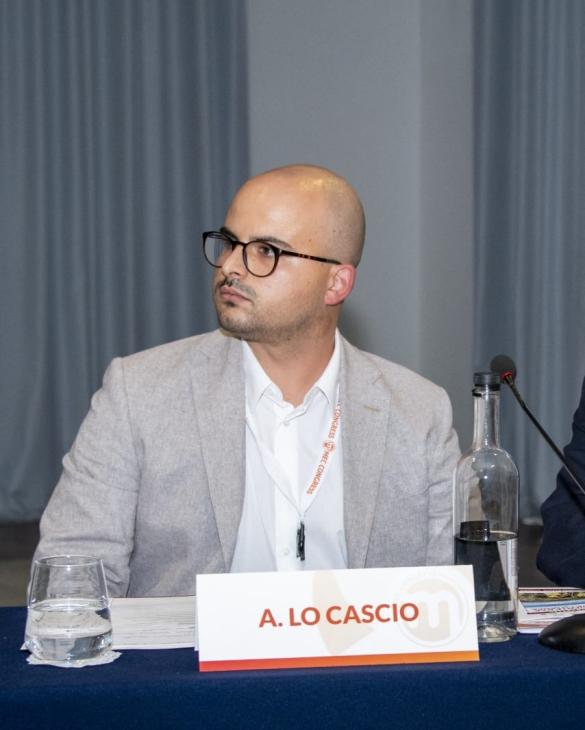
Dr. Alessio Lo Cascio
Email: locascio.alessio@lamaddalenanet.it
Affiliation: La Maddalena Cancer Center, Palermo, 90146, Italy
Homepage:
Research Interests: Supportive Care, Nursing
Dr. Marco sguanci
Email: sguancim@gmail.com
Affiliation: Società Infermieri di Area Nefrologica (SIAN) Via Capotesta 1/30, 07026 Olbia, Italy
Homepage:
Research Interests: Cancer, Nutrition
Dr. Sara Morales Palomares
Email: sara.morales@unical.it
Affiliation: Department of Pharmacy, Health and Nutritional Sciences (DFSSN), University of Calabria, Rende, 87036, Italy
Homepage:
Research Interests: Chronic disease, Supportive Care

Summary
Advances in cancer therapy increasingly highlight the importance of a comprehensive and patient-centered approach that extends beyond tumor eradication. Modern oncology integrates molecular research, immunotherapy, and precision medicine with supportive interventions aimed at improving treatment tolerance, therapeutic response, and long-term outcomes. Among these, metabolic modulation and supportive care strategies—including nutrition, exercise, and symptom management—are gaining recognition for their role in optimizing therapy efficacy and enhancing patients' quality of life.
This Special Issue invites contributions exploring how innovative therapeutic approaches, from molecular and metabolic targets to multimodal clinical interventions, can be integrated within modern cancer care. Topics of interest include the interplay between tumor metabolism and treatment response, the role of supportive therapies in mitigating toxicity, and emerging technologies—such as digital health tools and artificial intelligence—for personalized oncology.
By fostering a multidisciplinary dialogue between basic scientists and clinicians, this collection aims to redefine the concept of "integrated cancer therapy," bridging bench and bedside to improve outcomes and quality of life for cancer patients.
Keywords
Cancer therapy; tumor metabolism; supportive care; immunotherapy; metabolic modulation; personalized oncology; digital health; translational research; clinical innovation.
Published Papers

 Login
Login Register
 Submit a Paper
 Propose a Special lssue