Home / Journals / OR / Vol.34, No.5, 2026
Special Issues
Table of Content
cover

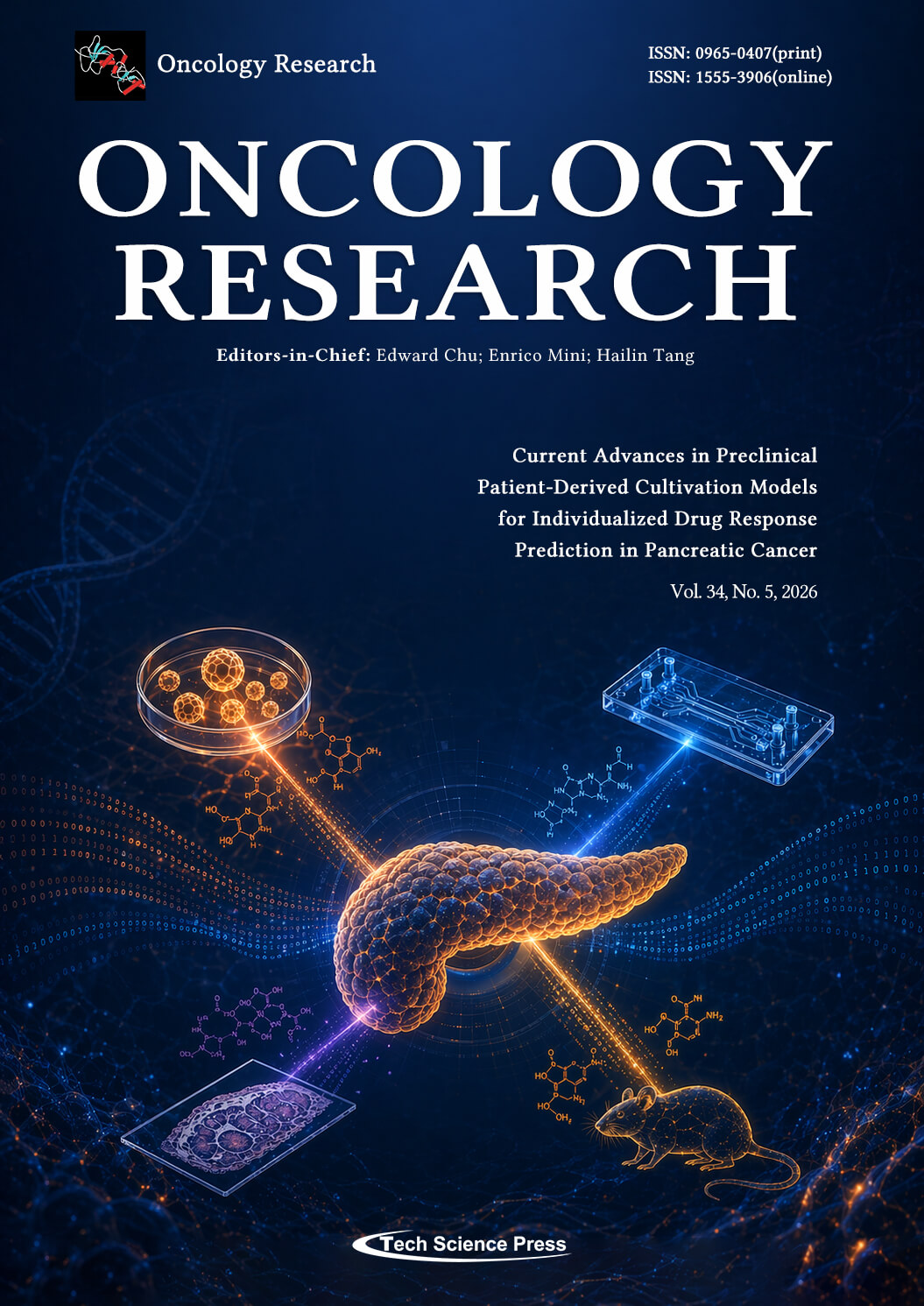
On the Cover

Navigating the complex path to precision oncology: The cover image symbolizes the diverse landscape of preclinical patient-derived cultivation models for pancreatic ductal adenocarcinoma (PDAC). As biomarkers alone often fail to sufficiently predict individual treatment responses in the clinic, our review highlights the pivotal role of advanced model systems—such as patient-derived xenografts (PDXs), organoids (PDOs), organotypic tissue slice cultures (OTSCs), and cancer-on-chip technologies. These models bridge the gap between bench and bedside by integrating key biological determinants, including the tumor microenvironment and intratumoral heterogeneity, which are major drivers of treatment resistance in PDAC. By providing a comprehensive overview of current advances and clinical translation efforts, this review underscores how individualized "avatar" systems can refine treatment stratification and potentially improve the dismal prognosis of patients with pancreatic cancer. This cover image was generated using AI-assisted tools (ChatGPT). The authors confirm that it contains no identifiable human likenesses, copyrighted elements, or misleading content.

View this paper

  • Open AccessOpen Access

    REVIEW

    Current Advances in Preclinical Patient-Derived Cultivation Models for Individualized Drug Response Prediction in Pancreatic Cancer

    Benjamin Heckelmann#, Jannis Duhn#, Rüdiger Braun*
    Oncology Research, Vol.34, No.5, 2026, DOI:10.32604/or.2026.075028 - 22 April 2026
    (This article belongs to the Special Issue: Gastroenteropancreatic Tumors: From Basic Research to Therapeutic Approach)
    Abstract Pancreatic ductal adenocarcinoma (PDAC) is currently the third leading cancer-related cause of death worldwide and is forecasted to become the second leading cause in the United States by 2030. Despite the development of multimodal treatment regimens, 5-year overall survival remained as low as 12%. Several efforts have been made to account for different aspects of heterogeneous tumor biology in PDAC, aiming to enable treatment stratification of defined subtypes. Besides targeting specific mutations, the definition of molecular (transcriptional) subtypes has gained substantial interest regarding response prediction and treatment stratification. Despite numerous advances in the field of… More >

  • Open AccessOpen Access

    REVIEW

    The Role of Immunotherapy in Resectable Non-Small Cell Lung Cancer

    Francesco Petrella1,2,*, Andrea Cara1, Enrico Mario Cassina1, Lidia Libretti1, Emanuele Pirondini1, Federico Raveglia1, Maria Chiara Sibilia1, Antonio Tuoro1
    Oncology Research, Vol.34, No.5, 2026, DOI:10.32604/or.2026.076281 - 22 April 2026
    (This article belongs to the Special Issue: Immunotherapy in Early-Stage and Locally Advanced Resectable Non-small Cell Lung Cancer)
    Abstract The advent of immune checkpoint inhibitors (ICIs) targeting PD-1, PD-L1, and CTLA-4 has transformed the therapeutic landscape of advanced non-small cell lung cancer (NSCLC), and recent clinical trials have extended their application to resectable disease. Multiple randomized phase III trials have demonstrated that neoadjuvant and adjuvant immunotherapy, particularly when combined with platinum-based chemotherapy, significantly improves pathological complete response (pCR), major pathological response (MPR), event-free survival (EFS), disease-free survival (DFS), and overall survival (OS) compared to chemotherapy alone. Several key questions remain unresolved—including whether preoperative or postoperative immunotherapy yields superior outcomes, whether adjuvant therapy provides additional More >

  • Open AccessOpen Access

    REVIEW

    Primary Debulking Surgery Versus Neoadjuvant Chemotherapy in Advanced Ovarian Cancer: A Meta-Analysis of All Randomized Clinical Trials with Subgroup Analysis by Patient Profile

    Carlo Ronsini1,*, Giuseppe Cucinella1, Maria Cristina Solazzo1, Mariano Catello Di Donna1, Cono Scaffa1, Stefano Cianci2, Manuela Ludovisi3, Sandro Pignata4, Vito Chiantera1
    Oncology Research, Vol.34, No.5, 2026, DOI:10.32604/or.2026.074934 - 22 April 2026
    (This article belongs to the Special Issue: Novel Drug Targets and Combination Strategies in Gynecologic Cancers)
    Abstract Background: The optimal sequencing of surgery and chemotherapy in advanced epithelial ovarian cancer remains debated. While primary debulking surgery (PDS) has been considered the standard approach, recent randomized trials have questioned its survival advantage over neoadjuvant chemotherapy (NACT) followed by interval debulking surgery (IDS). The study aimed to systematically evaluate phase III randomized controlled trials comparing PDS and NACT. Methods: Following PRISMA guidelines (PROSPERO ID 1169057), PubMed and Scopus were systematically searched in October 2025 for phase III randomized clinical trials evaluating cytoreductive strategies in ovarian carcinoma. Only full-text English studies reporting overall survival (OS)… More >

  • Open AccessOpen Access

    REVIEW

    AI-Guided Discovery of Oncogenic Signaling Crosstalk in Tumor Progression and Drug Resistance

    Edward Sutanto1, Rinni Sutanto2, Sara Velichkovikj3, Nikola Hadzi-Petrushev4, Mitko Mladenov4, Dimiter Avtanski5,6,7, Radoslav Stojchevski5,6,8,*
    Oncology Research, Vol.34, No.5, 2026, DOI:10.32604/or.2026.076157 - 22 April 2026
    Abstract The rapid growth and accessibility of artificial intelligence (AI) and machine learning (ML) have opened many avenues to revolutionize biomedical research, particularly in oncogenesis. Oncogenesis is a hallmark process in the development of cancer, involving the amplification of proto-oncogenes and the subsequent dysregulation of molecular signaling networks. These pathways—including the RAS/RAF/MEK/ERK, PI3K-AKT, JAK-STAT, TGF-β/Smad, Wnt/β-Catenin, and Notch cascades—have been studied extensively in isolation, with major strides achieved in understanding how they drive cancer. However, there are still many considerations regarding how these networks interact. Ongoing studies show that crosstalk among these pathways occurs through feedback… More >

  • Open AccessOpen Access

    REVIEW

    Cancer-Associated Arterial Thrombosis: Mechanisms and Risk Factors

    Kassiani Lalechou, Despoina Pantazi*
    Oncology Research, Vol.34, No.5, 2026, DOI:10.32604/or.2026.074452 - 22 April 2026
    (This article belongs to the Special Issue: Recent Advances in Cancer Pharmacology)
    Abstract Cancer-associated thrombosis (CAT) is a leading cause of morbidity and mortality among cancer patients. While venous thromboembolic events have been extensively studied due to their higher incidence, arterial thrombosis in cancer patients—referred to as cancer-associated arterial thromboembolism (CA-ATE)—is less well understood but may pose a greater danger. The pathophysiology of CA-ATE involves complex interactions between the tumor microenvironment, cancer cells, patient-related factors, and cancer therapies. Some chemotherapeutic agents, particularly platinum-based compounds (cisplatin, oxaliplatin), gemcitabine, taxanes, and targeted therapies such as tyrosine kinase inhibitors (TKIs), have been associated with an increased risk of arterial thrombosis. In… More >

    Graphic Abstract

    Cancer-Associated Arterial Thrombosis: Mechanisms and Risk Factors

  • Open AccessOpen Access

    REVIEW

    Melatonin in Integrative Oncology: Biological Mechanisms, Therapeutic Evidence and Implementation Strategies

    Jarosław Nuszkiewicz1,*, Joanna Wróblewska1, Marek Jóźwiak2, Marta Pawłowska1
    Oncology Research, Vol.34, No.5, 2026, DOI:10.32604/or.2026.077020 - 22 April 2026
    Abstract Melatonin, an endogenous indoleamine primarily synthesized in the pineal gland, has emerged as a promising adjunctive agent within integrative oncology due to its pleiotropic biological actions. Beyond its well-known chronobiological functions, melatonin exerts potent redox-regulatory, anti-inflammatory, oncostatic, and immune-modulating effects that are relevant across multiple stages of carcinogenesis and cancer therapy. Oxidative stress (OS), defined as an imbalance between reactive oxygen and nitrogen species (ROS/RNS) generation and antioxidant defenses, plays a central role in DNA damage, protein adduct formation, and lipid peroxidation, ultimately contributing to mutation accumulation, treatment resistance, and tumor progression. Melatonin modulates these… More >

  • Open AccessOpen Access

    REVIEW

    Therapeutic Targets for Overcoming BCR::ABL1 Tyrosine Kinase Inhibitor Resistance in Chronic Myeloid Leukemia

    Masanobu Tsubaki*, Taira Matsuo, Rie Komori
    Oncology Research, Vol.34, No.5, 2026, DOI:10.32604/or.2025.075217 - 22 April 2026
    (This article belongs to the Special Issue: Molecular Targeting Therapy for Anticancer Treatment)
    Abstract Chronic myeloid leukemia (CML) is a hematopoietic malignancy originating from hematopoietic stem cells. It is characterized by the Philadelphia chromosome, which arises from a reciprocal translocation between chromosomes 9 and 22. The breakpoint cluster region::Abelson murine leukemia 1 (BCR::ABL1) fusion protein produced from this chromosome is the main factor responsible for disease onset. Tyrosine kinase inhibitors (TKIs) have led to significant advances in CML treatment and contributed to improved patient survival rates. Nonetheless, a substantial number of patients develop resistance to TKIs, which remains a major challenge in CML therapy. Currently, two mechanisms are considered More >

  • Open AccessOpen Access

    REVIEW

    Extrachromosomal DNA in Solid Tumors—Landscape, Immune Effects, and Resistance to Targeted Therapy

    Omar Badran1,2,*, Siraj Attarya3
    Oncology Research, Vol.34, No.5, 2026, DOI:10.32604/or.2026.075916 - 22 April 2026
    (This article belongs to the Special Issue: Identification of potential targets and biomarkers for cancers and the exploration of novel molecular mechanisms of tumorigenesis and metastasis)
    Abstract Extrachromosomal DNA (ecDNA) constitutes a principal factor in the amplification of oncogenes and the progression of tumors in solid malignancies. This review synthesizes emerging mechanistic, genomic, and immunologic evidence across multiple tumor types, including glioblastoma, lung, breast, gastrointestinal, hepatobiliary, urothelial, prostate, gynecologic, pediatric, and head-and-neck cancers, with the goal of clarifying the role of ecDNA in immune escape and therapy resistance and outlining its translational implications for precision oncology. ecDNA comprises substantial acentromeric circular elements that serve as transcriptional hubs, modulate enhancer–promoter interactions, and undergo dynamic copy-number cycling, thereby fostering intratumoral heterogeneity and resistance to… More >

  • Open AccessOpen Access

    REVIEW

    Navigating the Labyrinth of Hepatocellular Carcinoma: Leveraging AI/ML for Precision Oncology

    Abdul Manan1,2, Sidra Ilyas2,*
    Oncology Research, Vol.34, No.5, 2026, DOI:10.32604/or.2026.074185 - 22 April 2026
    (This article belongs to the Special Issue: Molecular Targets and Combinatorial Therapeutics of Liver Cancer)
    Abstract Hepatocellular carcinoma (HCC) remains a significant global health challenge, with therapeutic efficacy in advanced stages often limited by underlying liver dysfunction and adaptive resistance. In this review, the evolving landscape of molecular targets and combinatorial strategies is critically examined, with a particular focus on the transition from preclinical discovery to clinical application. While traditional molecular heterogeneity is acknowledged, the aim is to elucidate how emerging computational paradigms are redefining target discovery and therapeutic stratification in HCC. The primary purpose is to evaluate the role of Artificial Intelligence (AI) and Machine Learning (ML) as integrative tools… More >

    Graphic Abstract

    Navigating the Labyrinth of Hepatocellular Carcinoma: Leveraging AI/ML for Precision Oncology

  • Open AccessOpen Access

    REVIEW

    In Vivo CAR-T Therapy for Cancer Treatment: Mechanisms, Technological Advances, and Clinical Translation

    Lu Hao1,#, Jiao Lu2,#, Jisu Xue2,*
    Oncology Research, Vol.34, No.5, 2026, DOI:10.32604/or.2026.076420 - 22 April 2026
    (This article belongs to the Special Issue: Advancing Cellular Therapeutics in Oncology: Innovations, Challenges, and Clinical Translation)
    Abstract In vivo Chimeric Antigen Receptor (CAR)-T cell therapy reprograms a patient’s own T cells directly inside the body, bypassing the complex and costly traditional manufacturing process. This is achieved by systemically delivering viral or non-viral vectors that genetically modify endogenous T lymphocytes to produce functional CAR-T cells de novo. By eliminating ex vivo cell processing, this strategy can simplify workflows, reduce costs, improve accessibility, and allow faster treatment. Key delivery platforms include engineered lentiviral and adeno-associated viral (AAV) vectors for lasting CAR expression and targeted lipid nanoparticles (LNPs) for transient mRNA delivery. Emerging technologies like biomaterial scaffolds and… More >

  • Open AccessOpen Access

    REVIEW

    Multidimensional Regulatory Network of YAP1 Driving Malignant Progression in Esophageal Cancer: Molecular Mechanisms and Targeted Therapy: A Review

    Jun-Hui Chen1, Si-Run Du1, Chang Liu1, Bei-Bei Liu1, Hai-Ying Xu2, Xin-Ying Ji2, Bo Feng3, Chun-Zheng Ma3, Jun-Hui Guo3,*
    Oncology Research, Vol.34, No.5, 2026, DOI:10.32604/or.2026.073484 - 22 April 2026
    (This article belongs to the Special Issue: Novel Biomarkers and Treatment Strategies in Solid Tumor Diagnosis, Progression, and Prognosis (Ⅱ))
    Abstract Esophageal cancer (EC) ranks among the most lethal gastrointestinal malignancies. Due to challenges in early diagnosis, molecular heterogeneity, and therapeutic resistance, patient prognosis remains extremely poor, necessitating the development of novel biomarkers and therapeutic targets. As a core effector of the Hippo signaling pathway, the potential significance of Yes-associated protein 1 (YAP1) has garnered increasing attention. This paper aims to systematically summarize the multi-omics research, molecular mechanisms, and preclinical/translational evidence for YAP1, covering its activation pathways, biological functions, clinical significance, and therapeutic strategies. We elucidated YAP1’s multidimensional regulatory network in EC, including Hippo-dependent and -independent mechanisms, cross-regulation… More >

  • Open AccessOpen Access

    REVIEW

    Navigating the Tumor Microenvironment in Colorectal Liver Metastasis: Barriers to Therapy and Emerging Opportunities

    Pengtao Hu1, Junjie Sun1, Jian Lu2, Chunlei Ge3, Hanzhi Sun1, Chengyu Lv1,*
    Oncology Research, Vol.34, No.5, 2026, DOI:10.32604/or.2026.076013 - 22 April 2026
    (This article belongs to the Special Issue: Advances and Innovations in Colorectal Cancer Research and Treatment)
    Abstract Liver metastases from colorectal cancer (CRC) are a primary cause of poor patient prognosis, closely linked to the liver’s unique tumor microenvironment (TME). Compared to primary tumors, research on the TME of liver metastases remains insufficient. This review systematically summarizes recent advances in TME research concerning colorectal liver metastases (CRLM), emphasizing its organ-specific characteristics, pivotal role in tumor progression, and influence on treatment response. We delve into the intricate cellular components of the TME—including tumor-associated macrophages, cancer-associated fibroblasts, and myeloid-derived suppressor cells—and non-cellular constituents such as the extracellular matrix and soluble factors. Furthermore, we explore More >

  • Open AccessOpen Access

    ARTICLE

    Bevacizumab and Paclitaxel in Advanced, Hormone Receptor-Positive Breast Cancer: Multifactor Dimensionality Reduction Methodology to Identify Best Overall Survival

    Luigi Coltelli1,2,#, Paola Orlandi3,#, Chiara Finale1,4,#, Gianna Musettini1,4,#, Luna Chiara Masini1,4, Marco Scalese5, Giulia Soria1,4, Elena Sartori1,4, Ylenia Nodari1,4, Giada Arrighi1,2, Arianna Bandini3, Marta Banchi3, Costanza Tacchi3, Donghao Tang3, Barbara Salvadori6, Lucia Tanganelli1,7, Simona Giovannelli1,8, Mirco Pistelli9, Samanta Cupini1,4, Maurizio Lucchesi1,10, Alessandro Cosimi11, Giulia Lorenzini1,7, Elisa Biasco1,4, Chiara Caparello1,4, Giulia Acconci1,4,6, Eloise Fontana1,4, Eleonora Bona1,4, Azzurra Farnesi1,4, Antonio Pellino1,4, Andrea Marini1,4, Ermelinda De Maio1,4, Irene Stasi1,4, Cecilia Barbara1,4, Enrico Sammarco1,4, Javier Rosada12,13, Giacomo Allegrini1,4,*, Guido Bocci3,*
    Oncology Research, Vol.34, No.5, 2026, DOI:10.32604/or.2026.073799 - 22 April 2026
    Abstract Background: The treatment of advanced hormone receptor-positive (HR+) breast cancer has seen relevant changes in last years. However, bevacizumab remains an option when combined with paclitaxel, but no certified pharmacogenetic profiles are now usable for the prediction of its response in breast cancer patients. This study aimed to explore the pharmacogenetic interactions among single nucleotide polymorphisms (SNPs) of genes involved in the angiogenic process and their impact on progression-free survival (PFS) and overall survival (OS) in hormone receptor-positive (HR+) metastatic breast cancer subjects administered with bevacizumab plus paclitaxel, or with paclitaxel alone (clinicaltrial.govMore >

  • Open AccessOpen Access

    ARTICLE

    Data Mining for Identification of Targets and Repurposed Drugs to Eliminate Persistent Chronic Myeloid Leukaemia Stem Cells: Targeting RAS/RAF Signalling

    I Made Bayu Anggriawan1,2,3,*, Heather G. Jørgensen4,*
    Oncology Research, Vol.34, No.5, 2026, DOI:10.32604/or.2026.074734 - 22 April 2026
    Abstract Background: Persistent leukaemic stem cells (LSCs) in chronic myeloid leukaemia (CML) are insensitive to targeted tyrosine kinase inhibitors (TKIs). Identifying alternative molecular vulnerabilities may offer new therapeutic opportunities. This study aimed to identify active RAS/RAF signalling pathway components in persistent CML-LSCs using publicly available datasets to propose a novel drug combination that could synergise with TKI therapy. Methods: EMBL-EBI Single Cell Expression Atlas and Stemformatics were used to analyse gene expression within the chosen signalling pathway using DESeq2 analysis in R Studio. Genes that showed statistically significant differences across three comparisons (CML vs. normal; post… More >

  • Open AccessOpen Access

    ARTICLE

    Comparative Analysis of Tumor Microbiota Identifies a Metastatic-Specific Bacterial Signature, Highlighting Streptococcus spp. As the Predominant Hub across Cancers

    Nevena Todorovic1,#, Sara Bertorello1,#, Giulia Nannini1, Serena Pillozzi2, Simonetta Bianchi3, Maria Raffaella Ambrosio4, Elena Niccolai1, Simone Baldi1, Amedeo Amedei1,*
    Oncology Research, Vol.34, No.5, 2026, DOI:10.32604/or.2026.076380 - 22 April 2026
    Abstract Background: Cancer remains one of the leading global health challenges, with lung cancer (LC), breast cancer (BC), and colorectal cancer (CRC) among the most prevalent and deadly malignancies. The intratumoral microbiota (IM), a distinct microbial ecosystem within tumor tissues, has recently emerged as a potential modulator of carcinogenesis, immune responses, and metastatic progression. However, comparative cross-cancer analyses remain limited. Therefore, this study aimed to compare the IM across these cancer types, with particular emphasis on distinguishing metastatic from non-metastatic malignancies, to identify tumor-specific microbial signatures with potential relevance for biomarker discovery, patient stratification, and microbiota-informed… More >

  • Open AccessOpen Access

    ARTICLE

    Glutathione Peroxidases 1 and 3 Immunoscores in Clear Cell Renal Cell Carcinoma: New Insights from a Case-Series Study

    Dimitra P. Vageli1,2,3,4,*, Panagiotis G. Doukas5, Nikolaos Papageorgiou1, Chrysanthi A. Markou1, Konstantina Zacharouli1, Maria Ioannou1,6
    Oncology Research, Vol.34, No.5, 2026, DOI:10.32604/or.2026.077195 - 22 April 2026
    Abstract Background: Renal cell carcinoma (RCC) is the most common type of kidney cancer in adults, with a poor prognosis in advanced stages. Although histological tumor grading is an established prognostic parameter, it often fails to capture the biological heterogeneity of RCC. Therefore, identifying novel biomarkers could enhance early diagnosis and improve predictive accuracy. Here, we aimed to test whether immunophenotypes of specific glutathione peroxidase (GPX) family members may have prognostic value in RCC. Methods: We investigated the relationship between GPX1 and GPX3 immunophenotypes and clinicopathological parameters in 32 surgical specimens of clear cell RCC (ccRCC)… More >

  • Open AccessOpen Access

    ARTICLE

    Elevated C-Reactive Protein as a Potential Biomarker for Neurological Adverse Events in Immune Checkpoint Inhibitor Therapy: A Prospective Cohort Study

    Laura Duzzi1,#,*, Nora Möhn1,#, Emily Narten1, Janin Thomas1, Susann Mahjoub1, Lea Grote-Levi1, Konstantin Jendretzky1, Sandra Nay1, Felix Konen1, Jonas Wiegmann2, Gernot Beutel2, Tabea Fröhlich2, Benjamin-Alexander Bollmann3, Thomas Wirth4, Imke von Wasielewski5, Florian H. Heidel2, Ralf Gutzmer5,6, Thomas Skripuletz1,§, Philipp Ivanyi2,§, the ICOG (Immune Cooperative Oncology Group)-Investigators7
    Oncology Research, Vol.34, No.5, 2026, DOI:10.32604/or.2026.074095 - 22 April 2026
    (This article belongs to the Special Issue: Advances in Cancer Immunotherapy)
    Abstract Objectives: Since 2011, immune checkpoint inhibitors (ICI) have transformed the treatment of various cancers. However, our understanding of the autoimmune adverse events, particularly those affecting the nervous system, remains limited. These adverse events can cause significant disability or even death, yet there are currently no established guidelines or biomarkers to aid diagnosis and treatment. With this study, we aim to gain a deeper understanding of neurological adverse events and investigate potential predictive biomarkers. Methods: Between 19 December 2019 and 21 August 2021, 150 out of 543 ICI-treated cancer patients were eligible for our prospective monocentric… More >

  • Open AccessOpen Access

    ARTICLE

    Integrated Global Phosphoproteomic, Bioinformatic, and Machine Learning Analysis Reveals Regulatory Networks of TOP1, TOP2A, TOP2B, and C1orf35 in Hepatocellular Carcinoma (HCC)

    Aktham Mestareehi1,2,*
    Oncology Research, Vol.34, No.5, 2026, DOI:10.32604/or.2026.073745 - 22 April 2026
    (This article belongs to the Special Issue: Advances in Liver Cancer: Novel Therapeutics and Biomarkers for HCC and CCA)
    Abstract Objective: Hepatocellular carcinoma (HCC) is a leading cause of cancer-related mortality worldwide, largely due to late diagnosis, molecular heterogeneity, and limited prognostic biomarkers. Aberrant protein phosphorylation plays a critical role in cancer progression by regulating DNA damage response, cell cycle control, and signaling pathways; however, the prognostic relevance of phosphorylation events in key DNA topology–related proteins remains incompletely understood. This study aimed to investigate the prognostic significance of phosphorylation of TOP1, TOP2A, TOP2B, and C1orf35 in HCC and to characterize their associated molecular features to identify potential diagnostic and therapeutic biomarkers. Methods: Publicly available HCC… More >

    Graphic Abstract

    Integrated Global Phosphoproteomic, Bioinformatic, and Machine Learning Analysis Reveals Regulatory Networks of TOP1, TOP2A, TOP2B, and C1orf35 in Hepatocellular Carcinoma (HCC)

  • Open AccessOpen Access

    ARTICLE

    The Real-World Endocrine Toxicity Profile of ICIs, VEGFR-TKIs, and Their Combination: Analysis of the FDA Adverse Event Reporting System (FAERS) Database

    Nicola Marrano1,#, Mariangela Caporusso2,#, Cosimo Matino1,#, Irene Caruso3,#, Carlo Ganini4, Mimma Rizzo5, Ludovico Di Gioia2, Angelo Cignarelli1, Sebastio Perrini1,6, Luigi Laviola1, Camillo Porta4, Francesco Giorgino1,*, Annalisa Natalicchio1
    Oncology Research, Vol.34, No.5, 2026, DOI:10.32604/or.2026.074672 - 22 April 2026
    Abstract Background: Immune checkpoint inhibitors (ICIs) are a cornerstone of systemic therapy for renal cell carcinoma (RCC), used both in the adjuvant and metastatic settings across various lines of treatment, often in combination with vascular endothelial growth factor receptor tyrosine kinase inhibitors (VEGFR-TKIs). These therapies are associated with endocrine immune-related adverse events (irAEs), which can be irreversible and life-threatening if not promptly managed. Using data from the Food and Drug Administration Adverse Reporting System (FAERS), this study aimed to evaluate the real-world occurrence of endocrine irAEs in all approved VEGFR-TKI + ICI combinations for RCC, and… More >

  • Open AccessOpen Access

    ARTICLE

    CDKN1A/p21 Influences the Survival and Expansion of Breast Cancer Stem Cells after Oxidative Damage

    Evangelos Manousakis1, Cristina Moreta-Moraleda1, Clàudia Martinez Miralles1, Anna Tomàs Pujolà1, Houda Baccara2, Laia Liñán Franquet1, Montserrat Montañés Albó1, Roberto Ferrari2, Roni H. G. Wright1,*
    Oncology Research, Vol.34, No.5, 2026, DOI:10.32604/or.2026.074965 - 22 April 2026
    (This article belongs to the Special Issue: Advances in Pathology, Early Diagnosis and Therapeutic Strategies for Breast Cancer)
    Abstract Objective: Breast cancer remains one of the most prevalent malignancies among women worldwide, and despite advances in therapy and treatment options, tumour relapse and metastasis remain major clinical challenges, largely driven by the breast cancer stem cells (BCSCs) niche that resists conventional treatments and regenerates tumours. In breast cancer, where approximately 30% of patients who initially respond to treatment ultimately relapse and die of metastatic disease, targeting BCSCs is critical for improving patient outcomes. Cyclin-dependent kinase inhibitor 1A/p21 (CDKN1A/p21) is a multifunctional protein that is known primarily for its role in regulating the cell cycle… More >

    Graphic Abstract

    CDKN1A/p21 Influences the Survival and Expansion of Breast Cancer Stem Cells after Oxidative Damage

  • Open AccessOpen Access

    ARTICLE

    Mebendazole Attenuates Cellular Invasion in a 3D Culture Model of Meningioma by Disrupting Rho-GTPase-Mediated Microtubule Function

    Munro Matthew James1,*, López Vásquez Clara Elena1,2, Wickremesekera Agadha3, Chan Alex Ho Chuen1, Gray Clint Lee1,4,5,*
    Oncology Research, Vol.34, No.5, 2026, DOI:10.32604/or.2026.074958 - 22 April 2026
    (This article belongs to the Special Issue: Drug Targets in Oncology: Mechanisms, Challenges, and Innovations)
    Abstract Objective: Meningioma is the most common primary brain tumour. Invasion into the brain is a diagnostic feature of grade II meningiomas and is associated with recurrence and poor prognosis. Mebendazole is a microtubule inhibitor typically prescribed as an anthelmintic. However, it has the potential to be repurposed for cancer treatment. Here, we aimed to assess the ability of mebendazole to inhibit meningioma cell invasion. Methods: Primary patient-derived meningioma cell lines were cultured as 3D spheroids and embedded in an extracellular matrix-like matrix as an in vitro model of invasion. Mebendazole-treated and untreated control spheroids were analysed… More >

  • Open AccessOpen Access

    ARTICLE

    MYO18A Expression is a Prognostic Factor for Progression-Free Survival in Grade 4 Adult gliomas. Preliminary Report

    Aleksander Strąk1, Ludmiła Grzybowska-Szatkowska1,*, Paweł Cisek1, Marta Ostrowska-Leśko2, Jarosław Dudka2, Joanna Kubik3, Jacek Osuchowski4, Paweł Szmygin4, Bożena Jarosz4, Andrzej Krajka5, Tomasz Krajka6, Kazimierz Szatkowski7, Brygida Ślaska8
    Oncology Research, Vol.34, No.5, 2026, DOI:10.32604/or.2026.074078 - 22 April 2026
    Abstract Objectives: Brain gliomas are among the tumors with the worst prognosis, and their incidence is increasing. Postoperative temozolomide-based chemoradiotherapy for grades 3 and 4 gliomas extended overall survival (OS) by approximately two months. An increasing number of clinical trials are investigating molecular-based therapy. Recent studies have demonstrated the involvement of Golgi apparatus proteins, including MYO18A (myosin-18A), in processes associated with abnormal proliferation, migration, apoptosis evasion, and angiogenesis promotion. The aim of this study was to investigate whether MYO18A has prognostic value in patients treated for brain gliomas. Methods: The research material in the work included… More >

  • Open AccessOpen Access

    ARTICLE

    Upregulation of Sox2 Following Saracatinib Treatment Contributes to a Resistant Phenotype in Colorectal Cancer Cells under Growth Factor-Supplemented Conditions

    Chanwoong Yoon1,#, Euihyeon Na2,#, Min Joo Choi1, Sang-Pil Yoon1,3,*
    Oncology Research, Vol.34, No.5, 2026, DOI:10.32604/or.2026.074140 - 22 April 2026
    Abstract Objective: Increased Src kinase activity is known to correlate with cancer progression and poor prognosis, indicating that Src plays a central role in cell migration and invasion. In this study, we investigated the effects of saracatinib, a Src kinase inhibitor, under anoikis-resistant conditions in colorectal cancer cells. Methods: Wild-type and 5-fluorouracil-resistance acquired SNU-C5 colorectal cancer cells were cultured in both monolayer and spheroid systems under fetal bovine serum (FBS) or growth factor (GF) supplemented conditions. Cell viability assay, flow cytometry, wound healing assay, spheroid formation and morphometric analysis, and Western blotting were performed using both… More >

  • Open AccessOpen Access

    ARTICLE

    Machine Learning (ML) and Molecular Dynamics–Driven Optimization of VEGFR2 Ligands against Hepatocellular Carcinoma

    Farzana Yasmeen1,#, Abdul Manan1,#,*, Wook Kim1, Sangdun Choi1,2,*
    Oncology Research, Vol.34, No.5, 2026, DOI:10.32604/or.2026.076072 - 22 April 2026
    Abstract Objectives: Vascular endothelial growth factor receptor 2 (VEGFR2) is a critical therapeutic target in hepatocellular carcinoma (HCC) due to its role in angiogenesis and tumor progression. While several inhibitors are currently used, clinical utility is often limited by resistance and adverse effects, necessitating the discovery of novel therapeutic agents. The aim of this study was to identify and characterize novel, highly effective VEGFR2 inhibitors using an integrated computational pipeline to advance the development of new HCC treatments. Methods: A comprehensive dataset from the ChEMBL database was curated and standardized for Quantitative Structure-Activity Relationship (QSAR) modeling.… More >

    Graphic Abstract

    Machine Learning (ML) and Molecular Dynamics–Driven Optimization of VEGFR2 Ligands against Hepatocellular Carcinoma

  • Open AccessOpen Access

    ARTICLE

    Targeting SRC/STAT3 Signaling Impairs Cancer Stem Cell Activity by Downregulation of Hexokinase-2 in Radioresistant Triple-Negative Breast Cancer Cells

    Yu-Hao Huang1, Yu-Ci Tu1, Peng-Ju Chien1,2, An-Jie Lee1, Chia-Liang Lin3, Shao-Ti Li4, Yueh-Chun Lee4,5,*, Wen-Wei Chang1,6,*
    Oncology Research, Vol.34, No.5, 2026, DOI:10.32604/or.2026.075190 - 22 April 2026
    (This article belongs to the Special Issue: Discovery of a Potent Antitumor Agent: Mechanistic Insights and Therapeutic Potential)
    Abstract Background: Triple-negative breast cancer (TNBC) is an aggressive subtype with poor prognosis and resistance to conventional therapies, including radiotherapy. Cancer stem cells (CSCs) drive tumor initiation, metastasis, and therapy resistance in TNBC. Identifying pathways sustaining CSCs in radioresistant TNBC is key for targeted therapies. This study examines SRC proto-oncogene (SRC) and the signal transducer and activator of transcription 3 (STAT3) activation in radioresistance and CSC maintenance. Methods: A radioresistant MDA-MB-231 TNBC cell line (231RR) was developed and compared to the parental line for CSC activity and self-renewal. Western blotting assessed molecular changes; functional assays followed… More >

  • Open AccessOpen Access

    ARTICLE

    Integrative Machine Learning and Experimental Validation Identify MYBL2 as a Prognostic Biomarker and Therapeutic Target in Hepatocellular Carcinoma

    Ya-Ling Yang1,#, Ying-Hsien Huang2,#, Hung-Yu Lin3,4,*
    Oncology Research, Vol.34, No.5, 2026, DOI:10.32604/or.2026.075284 - 22 April 2026
    (This article belongs to the Special Issue: Tumor Biomarkers for Diagnosis, Prognosis and Targeted Therapy)
    Abstract Background: Hepatocellular carcinoma (HCC) presents with poor treatment outcomes, creating an urgent need for novel biomarkers to improve diagnosis, prognosis, and precision medicine. While the MYB family of oncogenes is implicated in cancer, the role and regulatory mechanisms of its member, particularly MYB proto-oncogene like 2 (MYBL2), remain underexplored in HCC. Therefore, this study aimed to systematically validate the clinical significance of MYBL2, elucidate its functional role in tumor progression and drug sensitivity, and identify its upstream regulatory mechanisms using an integrative machine learning and experimental framework. Methods: We applied an integrative pipeline combining LASSO-based… More >

    Graphic Abstract

    Integrative Machine Learning and Experimental Validation Identify MYBL2 as a Prognostic Biomarker and Therapeutic Target in Hepatocellular Carcinoma

  • Open AccessOpen Access

    ARTICLE

    A Novel Partial EMT-Associated Transcriptomic Signature for Prognostic Stratification in Ovarian Cancer

    Chia-Chia Chao1, Cheng-Yao Lin2,3,4, Po-Chun Chen5,6,7, Wen-Tsung Huang2, Teng-Song Weng8, Sheng-Yen Hsiao2,9,*
    Oncology Research, Vol.34, No.5, 2026, DOI:10.32604/or.2026.074383 - 22 April 2026
    (This article belongs to the Special Issue: Novel Biomarkers and Treatment Strategies in Solid Tumor Diagnosis, Progression, and Prognosis (Ⅱ))
    Abstract Background: Partial epithelial–mesenchymal transition (p-EMT) is a dynamic cellular state associated with metastasis and adverse outcomes in multiple cancers, but its prognostic significance in ovarian cancer remains unclear. This study aimed to develop and validate an ovarian cancer–specific transcriptomic signature based on p-EMT–related genes, and to determine whether this signature can improve prognostic stratification and overall survival prediction across independent cohorts. Methods: A pan-cancer p-EMT gene set was curated from ten published studies. Using transcriptomic and clinical data from TCGA-OV (n = 488), a six-gene p-EMT signature was developed via LASSO regression to generate a… More >

  • Open AccessOpen Access

    ARTICLE

    Plexin A2 Knockdown Enhances Apoptosis in Chemotherapy Treated Melanoma Cells

    Nadezhda Palkina1, Aleksandra Esimbekova1, Ekaterina Lapkina1, Victoriia Kutsenko1, Ivan Zinchenko1, Egor Dereviankin1, Elena Anisimova2, Andrei Savchenko2, Tatiana Ruksha1,*
    Oncology Research, Vol.34, No.5, 2026, DOI:10.32604/or.2026.069234 - 22 April 2026
    Abstract Background: Cancer cells are characterized by the ability to exit reversibly from the cell cycle to resist an unfavorable environment. This study elucidates alterations in adhesion molecule expression in melanoma cells acquiring resistance to dacarbazine (DTIC) and entering the G0 state. Plexin A2 (PLXNA2) was identified as a focal adhesion-related molecule implicated in carcinogenesis. Methods: Applying siRNA-mediated knockdown, the effects of altered PLXNA2 expression in melanoma cells were evaluated. PLXNA2 expression was determined by real-time quantitative reverse transcription PCR, immunoblotting, and immunocytochemistry. Cell cycle phase distribution among dacarbazine-treated cells and their apoptosis levels were quantified by… More >

  • Open AccessOpen Access

    ARTICLE

    Targeting Oncogenic lncRNA KRT7-AS to Induce Ferroptosis Suppresses Ovarian Cancer Progression

    Yan Zhu1,#, Bin Guan1,#, Wencai Guan1, Jihong Zhang1, Shiyu Wang1, Jimin Shi1, Wei Fan1, Qi Lu2,3, Lingyun Zhang4,5,*, Guoxiong Xu1,2,*
    Oncology Research, Vol.34, No.5, 2026, DOI:10.32604/or.2026.075241 - 22 April 2026
    (This article belongs to the Special Issue: New Advance in Gynecologic Oncology)
    Abstract Background: Ovarian cancer poses the greatest threat to survival among gynecologic cancers in women. Long non-coding RNAs (lncRNAs) have emerged as critical regulators in oncogenesis. The current study aimed to elucidate the function and regulatory mechanism of lncRNA KRT7-AS in ovarian cancer. Methods: The clinical significance of KRT7-AS was evaluated through bioinformatics analysis of data from public repositories. KRT7-AS expression was examined by RT-qPCR and fluorescence in situ hybridization. The function analyses were conducted using assays for cell proliferation, migration, invasion, wound healing, and colony formation. Assessment of cell cycle and apoptosis was performed using flow… More >

  • Open AccessOpen Access

    ARTICLE

    Identify MTDH as a Key Gene of Radio-Resistance in Colorectal Cancer Based on Multi-Omics and Experimental Validation

    Wei Xu1,#, Yuanyuan Zhang2,#, Yizhi Ge2,*, Yesong Guo2,*
    Oncology Research, Vol.34, No.5, 2026, DOI:10.32604/or.2026.075314 - 22 April 2026
    (This article belongs to the Special Issue: Metabolic Heterogeneity in Cancer: Mechanisms, Biomarkers, and Therapeutic Implications)
    Abstract Objectives: Radio-resistance hinders the effectiveness of radiotherapy for treating colorectal cancer (CRC) patients. Metadherin (MTDH) is proposed to exert a pivotal role in resistance to radiotherapy in various malignancies. This study aims to investigate the precise impact of MTDH on CRC radio-resistance. Methods: Through a fusion of 14 machine learning algorithms and SHapley Additive exPlanations (SHAP) interpretability analysis, we pinpointed MTDH as a pivotal gene implicated in radio-resistance mechanisms. Subsequently, we investigated MTDH expression in CRC tissues using single-cell RNA sequencing data (scRNA-seq) and bulk transcriptomic data. MTDH level was also examined in tissues from… More >

  • Open AccessOpen Access

    ARTICLE

    Regulation of Histone Emulsification by HPDL via LDHA/LDHB Promotes EC Cell Proliferation

    Yan Wang1,#, Jialei Zhu2,#, Shiyang Wei3,4,#, Lijie Jin1, Zhanqiu Liu1, Jie Xu1, Nana Yang1, Xuefeng Jiang4, Caizhi Wang1,*, Lingling Wang1,*
    Oncology Research, Vol.34, No.5, 2026, DOI:10.32604/or.2026.068833 - 22 April 2026
    (This article belongs to the Special Issue: New Advance in Gynecologic Oncology)
    Abstract Background: The role of 4-hydroxyphenylpyruvate dioxygenase-like protein (HPDL) in endometrial cancer (EC) progression remains poorly understood, particularly its involvement in metabolic-epigenetic crosstalk via lactate-driven histone lactylation. This study aimed to investigate HPDL’s mechanistic contribution to EC pathogenesis. Methods: Stable HPDL-overexpressing and knockdown EC cell lines (HEC-1-B and AN3CA) were generated using lentiviral vectors. Functional assays (proliferation, migration, invasion), subcutaneous xenograft models in BALB/c nude mice, and molecular analyses were conducted. Lactate levels, Pan-lysine lactylation (pan-kla), histone H3K18 lactylation (H3K18la), and effects of sodium oxamate (lactate modulator) were assessed. Lactate Dehydrogenase A/Lactate Dehydrogenase B (LDHA/LDHB) knockdown,… More >

  • Open AccessOpen Access

    ARTICLE

    CDCA7 Promotes Proliferation and Suppresses Apoptosis in Gastric Cancer via HELLS-Mediated Chromatin Remodeling

    Jun Jiang1,#, Yi-Ran Li2,#, Xiaoting Wang3,#, Jian Li1, Fangzhou Ye1, Jiayi Wang1, Huanqing Li1,*, Li Feng1,*
    Oncology Research, Vol.34, No.5, 2026, DOI:10.32604/or.2026.076051 - 22 April 2026
    (This article belongs to the Special Issue: Identification of potential targets and biomarkers for cancers and the exploration of novel molecular mechanisms of tumorigenesis and metastasis)
    Abstract Background: In various tumor types, cell division cycle-associated 7 (CDCA7) is involved in chromatin remodeling and DNA methylation. However, its biological functions and regulatory mechanisms in gastric cancer (GC) remain unknown. This investigation intended to identify the function of CDCA7 in GC progression and elucidate its epigenetic regulatory mechanisms. Methods: Differentially expressed genes (DEGs) were detected from the GSE19826, TCGA-GC, and GSE56807 datasets. Networks of protein-protein interactions (PPI) and hub genes were discovered by the DMNC and Clustering Coefficient algorithms. Receiver operating characteristic (ROC) analysis and expression profiling were undertaken to determine diagnostic performance. In vitro assays,… More >

  • Open AccessOpen Access

    ARTICLE

    Circ72688 Drives Breast Cancer Invasion and Metastasis via the miR-654-5p/ORAI2 Axis

    Haojie Yang1,2,#, Zicong Tan1,2,#, Zihao Liu3,#, Kang Chen1,2, Ning Liufu1,2,*, Fengtao Ji1,2,*
    Oncology Research, Vol.34, No.5, 2026, DOI:10.32604/or.2026.073081 - 22 April 2026
    (This article belongs to the Special Issue: Novel Biomarkers and Treatment Strategies in Solid Tumor Diagnosis, Progression, and Prognosis (Ⅱ))
    Abstract Background: Circular RNAs (circRNAs) play a crucial role in the progression of malignant tumors such as breast cancer. Methods: A circRNA microarray was used to detect key circRNAs in breast cancer. Expression of Circ72688 was verified by quantitative reverse transcription PCR (qRT-PCR) and fluorescence in situ hybridization (FISH) assay. Transwell assay and in vivo assay were conducted to prove the function of Circ72688. Exploring the downstream mechanism, dual-luciferase reporter assay, western blotting, and tissue microarray were performed. Results: We sequenced and identified a circRNA, hsa-circ-0072688, also known as Circ72688. Our research found that Circ72688 enhanced tumor metastasis both More >

  • Open AccessOpen Access

    ARTICLE

    SLC16A1 Activates the STAT3/SLC7A11 Pathway to Mediate Ferroptosis Resistance and Tumor Progression in Head and Neck Squamous Cell Carcinoma

    Chunhui Tian1,2, Weipin Xie1,2, Wen Li2, Huaiyu Gu2, Xuebao Liu2, Busheng Tong1,*, Yehai Liu1,*, Huaiyuan Zong3,*
    Oncology Research, Vol.34, No.5, 2026, DOI:10.32604/or.2026.077171 - 22 April 2026
    (This article belongs to the Special Issue: Next-Generation Oncology: Unearthing and Validating Novel Therapeutic Targets)
    Abstract Background: In head and neck squamous cell carcinoma (HNSCC), solute carrier family 16 member 1 (SLC16A1) is associated with tumor advancement and reduced sensitivity to ferroptosis, yet the molecular basis of these effects remains unclear. This study seeks to uncover how SLC16A1 contributes to HNSCC tumorigenesis. Methods: To elucidate how SLC16A1 drives HNSCC progression via ferroptosis resistance, we performed RNA sequencing on SLC16A1-knockdown HNSCC cells and controls, followed by functional validation. We next systematically assessed the role of the candidate molecule solute carrier family 7 member 11 (SLC7A11) in HNSCC progression and resistance to ferroptosis… More >

    Graphic Abstract

    SLC16A1 Activates the STAT3/SLC7A11 Pathway to Mediate Ferroptosis Resistance and Tumor Progression in Head and Neck Squamous Cell Carcinoma

  • Open AccessOpen Access

    ARTICLE

    Elucidating the Potential Targets and Mechanisms of Bisphenol A-Induced Prostate Cancer Based on Network Toxicology and Molecular Docking Analyses

    Ashuai Du1,#, Dianbin Guo2,#, Dongbo Yuan3,#, Kai Li4, Yuanyuan Luo4, Songsong Tan3, Xuchao Dai4, Bo Yu5, Wanxiang You6, Junjie Zhao7, Bo Yan3, Kehua Jiang3,*, Xiaofei Fan2,*, Jianguo Zhu3,*,*
    Oncology Research, Vol.34, No.5, 2026, DOI:10.32604/or.2026.076716 - 22 April 2026
    Abstract Background: Bisphenol A (BPA) is a widely used industrial chemical and endocrine-disrupting compound, and accumulating evidence suggests that it may contribute to prostate cancer progression; however, the underlying molecular mechanisms remain incompletely elucidated. This study aimed to elucidate the molecular targets and signaling pathways underlying BPA-induced prostate cancer progression. Methods: In this study, an integrated strategy combining network toxicology, molecular docking, and molecular dynamics simulations was employed to identify potential BPA-related targets and signaling pathways involved in prostate cancer. Candidate targets were retrieved from public databases, followed by protein-protein interaction network analysis to screen key… More >

  • Open AccessOpen Access

    ARTICLE

    Isoliquiritigenin Impedes Breast Cancer Progression through PITX1–PFKP-Mediated Glycolysis Reprogramming

    Cong Liu1, Zhenyu Zhang1, Ronghua Feng1, Mengsi Zeng1, Hui Li1, Mei Zhu1, Lan Zhuang2,*, Zongjuan Li1,*, Tao Wu1,*
    Oncology Research, Vol.34, No.5, 2026, DOI:10.32604/or.2026.077059 - 22 April 2026
    (This article belongs to the Special Issue: Advances in Targeted and Precision Medicine in Breast Oncology)
    Abstract Background: Breast cancer is the leading cause of cancer-related deaths in women, primarily due to distant metastasis. Metabolic reprogramming plays a critical role in tumor growth and spread, but the metabolic mechanisms underlying metastasis in breast cancer remain unclear. The primary objective of this study is to identify molecular targets mediating breast cancer progression and to evaluate whether targeting the metabolic reprogramming represents a potential therapeutic strategy. Methods: To uncover key metabolic regulators involved in breast cancer progression, we analyzed high-throughput RNA sequencing data and identified Paired Like Homeodomain 1 (PITX1) as a frequently upregulated… More >

  • Open AccessOpen Access

    CASE REPORT

    Case Report: A Case of Neuroendocrine Carcinoma of the Endometrium with Deficient DNA Mismatch Repair Had Achieved Clinical Complete Response after Combination Therapy

    Xie Ding1,2,3,#, Xinfeng Liu4,#, Cheng Dai5, Xiaoxiao Wang1,2,3, Zhaopeng Zheng2,3,*
    Oncology Research, Vol.34, No.5, 2026, DOI:10.32604/or.2026.071213 - 22 April 2026
    Abstract Background: Immunotherapy has markedly reshaped the therapeutic landscape for patients with postoperative progression and metastasis. As a programmed death-1 (PD-1) inhibitor, camrelizumab has been proven to exhibit both efficacy and safety in the treatment of advanced dMMR solid tumors. Case Description: A 58-year-old female patient with neuroendocrine carcinoma of the endometrium (NECE) who was treated with camrelizumab coupled with chemotherapy, subsequent maintenance monotherapy with camrelizumab, and adjuvant pelvic local radiotherapy. Up to December 2024, the patient has survived 28 months since treatment, with 26 months free from disease progression, and the assessment indicated a status of More >

  • Open AccessOpen Access

    RETRACTION

    Retraction: MicroRNA-510 Plays Oncogenic Roles in Non-Small Cell Lung Cancer by Directly Targeting SRC Kinase Signaling Inhibitor 1

    Oncology Research Editorial Office
    Oncology Research, Vol.34, No.5, 2026, DOI:10.32604/or.2026.081621 - 22 April 2026
    Abstract This article has no abstract. More >

  • Open AccessOpen Access

    RETRACTION

    Retraction: miR-325-3p Promotes the Proliferation, Invasion, and EMT of Breast Cancer Cells by Directly Targeting S100A2

    Oncology Research Editorial Office
    Oncology Research, Vol.34, No.5, 2026, DOI:10.32604/or.2026.081623 - 22 April 2026
    Abstract This article has no abstract. More >

  • Open AccessOpen Access

    RETRACTION

    Retraction: miR-122 Inhibits Hepatocarcinoma Cell Progression by Targeting LMNB2

    Oncology Research Editorial Office
    Oncology Research, Vol.34, No.5, 2026, DOI:10.32604/or.2026.081624 - 22 April 2026
    Abstract This article has no abstract. More >

Per Page:

Share Link
