Guest Editor(s)
Prof. Ujjal K. Bhawal
Email: bhawal.ujjal.kumar@nihon-u.ac.jp
Affiliation: Research Institute of Oral Science, Nihon University School of Dentistry at Matsudo, 2-870-1 Sakae-cho Nishi, Matsudo, Japan
Homepage:
Research Interests: cancer biology, biochemistry, epigenetics, immunology, cell signaling, gene regulation, molecular pathology, bioinformatics, aging/geriatrics, microbiology

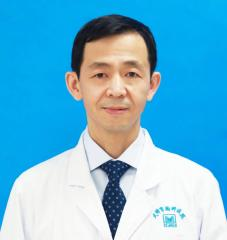
Prof. Daqiang Sun
Email: sdqmd@tju.edu.cn
Affiliation: Tianjin University Affiliated Chest Hospital, Tianjin, China
Homepage:
Research Interests: tumor microenvironment, lung adenocarcinoma, non-small cell lung cancer (NSCLC), single-cell/spatial transcriptomics, machine learning, immune profiling, prognostic modeling
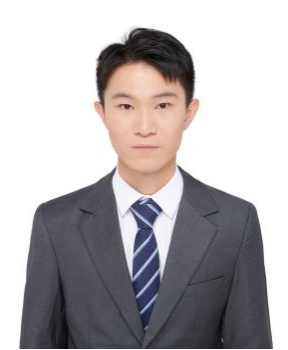
Dr. Pengpeng Zhang
Email: zpp19940120@tmu.edu.cn
Affiliation: Department of Lung Cancer Surgery, Tianjin Medical University Cancer Institute and Hospital, Tianjin, China
Homepage:
Research Interests: tumor microenvironment, lung cancer research, single-cell/spatial transcriptome sequencing, machine learning, multi-omics integration, cancer immunotherapy
Summary
The rapid advancement of artificial intelligence (AI) and multi-omics technologies has fundamentally transformed our understanding of solid tumor biology. By integrating genomics, transcriptomics, proteomics, metabolomics, and spatial omics with machine learning and deep learning frameworks, researchers can now decode tumor heterogeneity, immune microenvironment dynamics, and drug resistance mechanisms at unprecedented resolution. Despite this progress, the clinical translation of AI-driven multi-omics findings remains a critical bottleneck, requiring rigorous validation in independent cohorts, standardized analytical pipelines, and interpretable models suitable for real-world clinical deployment.
This Special Issue invites original research and comprehensive review articles addressing the development and application of AI and multi-omics strategies in solid tumors. Topics of interest include machine learning-based biomarker discovery, single-cell and spatial transcriptomic profiling, integrative multi-omics modeling for prognosis and treatment response prediction, AI-assisted digital pathology, and translational frameworks bridging computational findings with clinical outcomes. Studies that incorporate experimental validation, multi-institutional datasets, or real-world clinical evidence are particularly encouraged. By uniting computational biologists, oncologists, and translational researchers, this Special Issue aims to accelerate the journey from multi-omics discovery to actionable clinical tools in solid tumor oncology.
Keywords
artificial intelligence; multi-omics; solid tumors; machine learning; biomarker discovery; tumor microenvironment; single-cell sequencing; spatial transcriptomics; clinical translation; deep learning; immunotherapy; prognostic modeling

 Login
Login Register
 Submit a Paper
 Propose a Special lssue