Guest Editor(s)
Dr. Odin Ramírez-Fernández
Email: odinramirezfernandez@gmail.com
Affiliation: Research Department, Universidad Tecnológica de México-UNITEC México-Campus en Línea, Ciudad de Mexico, Mexico
Homepage: UNITEC |https://www.unitec.mx/home/
Research Interests: tissue engineering, biomechanics, bioethics normative and law

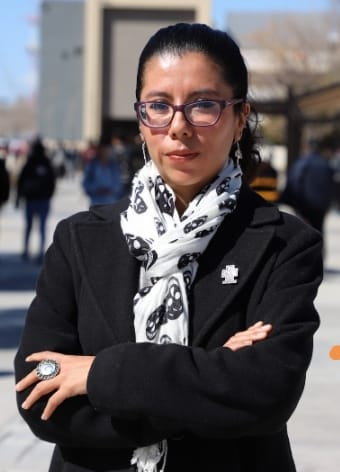
Dr. Esmeralda Sarai Zuñiga Aguilar
Email: esmeralda.zuniga@uacj.mx
Affiliation: Department of Electrical Engineering and Computer Science, Autonomous University of Ciudad Juárez, Cd. Juárez, Mexico
Homepage:
Research Interests: biomimetics, biomaterials, tissue engineering and regenerative medicine
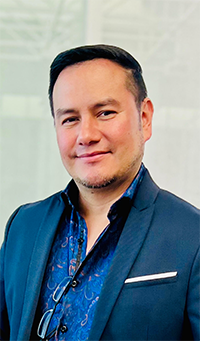
Dr. Fabián Equihua Guillén
Email: fabianequihua@gmail.com
Affiliation: Faculty of Mechanical and Electrical Engineering, North Campus, Autonomous University of Coahuila, Monclova, Mexico
Homepage:
Research Interests: materials science, engineering, and technology, biomaterials
Dr. Adeodato Israel Botello Arredondo
Email: israel.botello@tec.mx
Affiliation: Mechatronics Department, School of Engineering and Sciences, Tecnológico de Monterrey, Monterrey Campus, Monterrey, Mexico
Homepage:
Research Interests: biomechanics, biofluidmechanics, design and development of medical devices, microfluidics

Summary
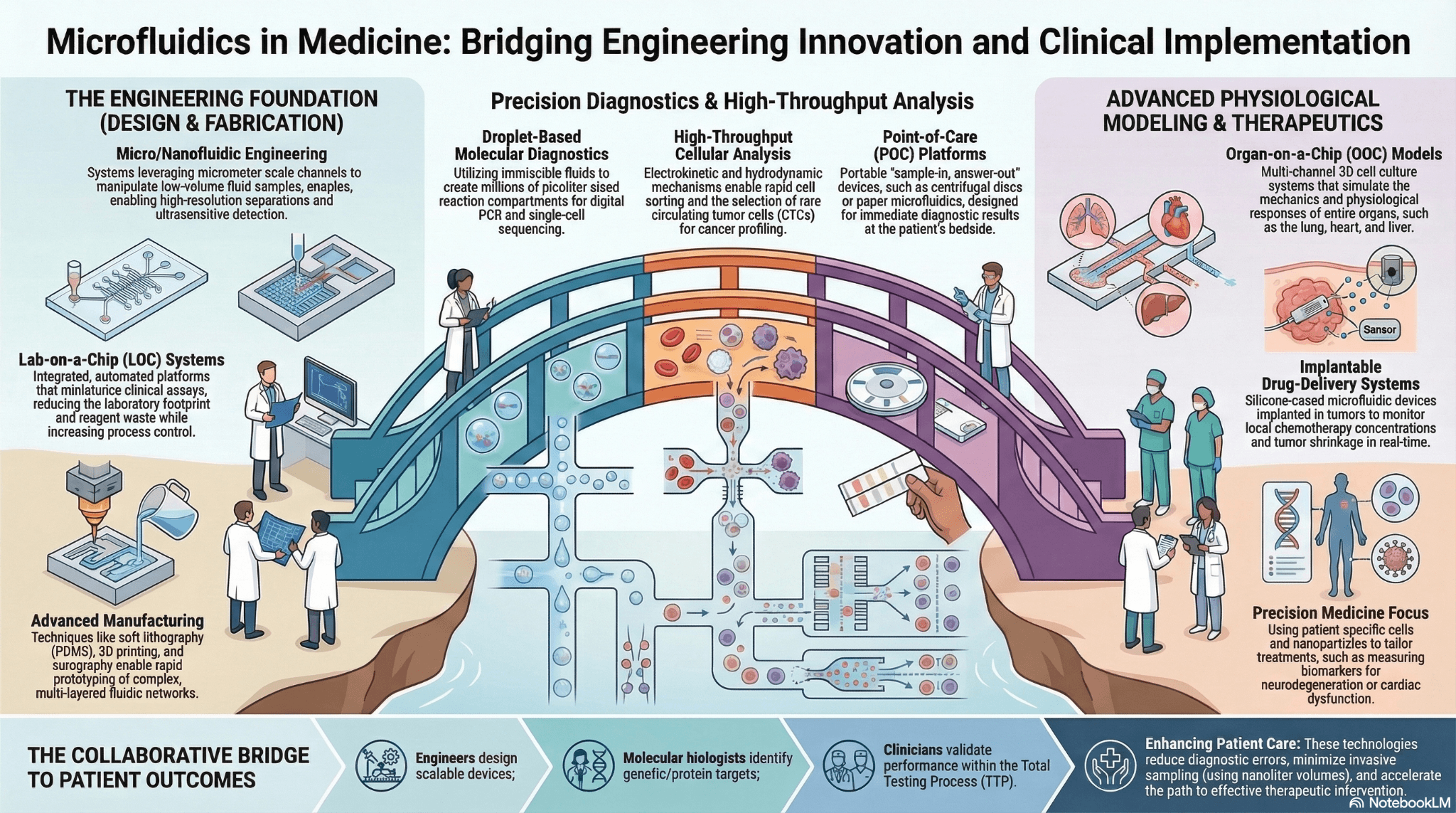
This Special Issue aims to highlight recent advances at the intersection of microfluidics, fluid dynamics, and materials science for biomedical and translational applications. The integration of microscale fluidic technologies with advanced material systems has opened new frontiers in understanding complex biological processes and in developing innovative solutions for diagnostics, therapeutics, and tissue engineering. Within the scope of FDMP, particular emphasis is placed on the fundamental and applied roles of fluid dynamics in shaping transport phenomena, multiphase flows, and fluid–structure interactions in microengineered biomedical systems.
The Special Issue will cover original research articles, comprehensive reviews, and methodological contributions addressing microfluidic platforms such as lab-on-a-chip, organ-on-a-chip, tissue-on-a-chip, and microfluidic bioreactors. Contributions focusing on the coupling between fluid flow, mass and heat transfer, and material properties are especially encouraged, as these aspects are central to the performance and reliability of such systems.
A distinctive focus will be given to biomaterial-enabled microfluidic environments, including hydrogel-based platforms, bioactive and biodegradable polymers, extracellular matrix-mimetic materials, and biofabricated constructs. These systems provide unique opportunities to investigate fluid-mediated transport, interfacial phenomena, and multiphysics interactions in biologically relevant conditions.
Topics of interest include, but are not limited to:
· Multiphase and non-Newtonian flows in microfluidic biomedical devices
· Fluid–structure interaction in soft and bioinspired materials
· Transport phenomena in cell-laden and porous biomaterials
· Microfluidic control of cell microenvironments and mechanobiology
· Microvascular flow modeling and vascularized tissue systems
· Phase change and interfacial phenomena in biomedical microsystems
· Computational and experimental modeling of microfluidic processes (CFD, multiscale methods)
· Microfluidic-assisted drug delivery and controlled transport mechanisms
· Design and optimization of microfluidic bioreactors and organ-on-chip platforms
The Special Issue particularly welcomes contributions that combine rigorous fluid-dynamic analysis with materials engineering and biological relevance, bridging fundamental science and practical applications. Studies addressing scalability, reproducibility, and integration into real-world biomedical systems are strongly encouraged.
By bringing together advances in microfluidics, materials processing, and fluid dynamics, this Special Issue seeks to provide a comprehensive perspective on emerging technologies that are shaping the future of biomedical engineering within the broader framework of fluid dynamics and materials science.
Graphic Abstract
Keywords
CFD, CAE, navier-stokes, bioreactor, CAD, microfluidic models, organ-on-chip, FSI analysis

 Login
Login Register
 Submit a Paper
 Propose a Special lssue