 Open Access
ISSN:1526-1492 (print)
ISSN:1526-1506 (online)
Publication Frequency:Monthly







The journal Computer Modeling in Engineering and Sciences (CMES) publishes original, high-quality papers that address any aspect of computer modeling across a broad range of engineering and scientific disciplines. Areas of computer modeling emphasis include, but are not limited to, computational mechanics, computational materials, computational mathematics, computational physics, computational chemistry, and computational biology. Topics related to solids, fluids, gases, biomaterials, and other continua spanning various spatial length scales (quantum, nano, micro, meso, and macro) and time scales (picoseconds to hours) are of interest. Papers that deal with multi-physics problems, as well as those which study the subjects at the interfaces of mechanics, chemistry, and biology, are particularly encouraged. CMES welcomes novel computational approaches and state-of-the-art algorithms, including modeling techniques such as data-driven surrogate modeling, high-performance computing, and computational statistical methods, as well as AI-based methods like machine learning and soft computing. Contributions that apply innovative modeling and simulation techniques to solve real-world problems, especially in frontier areas, are highly sought.
Science Citation Index (Web of Science): 2025 Impact Factor 2.9; Current Contents: Engineering, Computing & Technology; Scopus Citescore (Impact per Publication 2025): 5.3; SNIP (Source Normalized Impact per Paper 2025): 0.836; RG Journal Impact (average over last three years); Engineering Index (Compendex); Applied Mechanics Reviews; Cambridge Scientific Abstracts: Aerospace and High Technology, Materials Sciences & Engineering, and Computer & Information Systems Abstracts Database; CompuMath Citation Index; INSPEC Databases; Mathematical Reviews; MathSci Net; Mechanics; Science Alert; Science Navigator; Zentralblatt fur Mathematik; Portico, etc...
 Open Access
ARTICLE
CMES-Computer Modeling in Engineering & Sciences, Vol.148, No.2, 2026, DOI:10.32604/cmes.2026.084202 - 28 August 2026
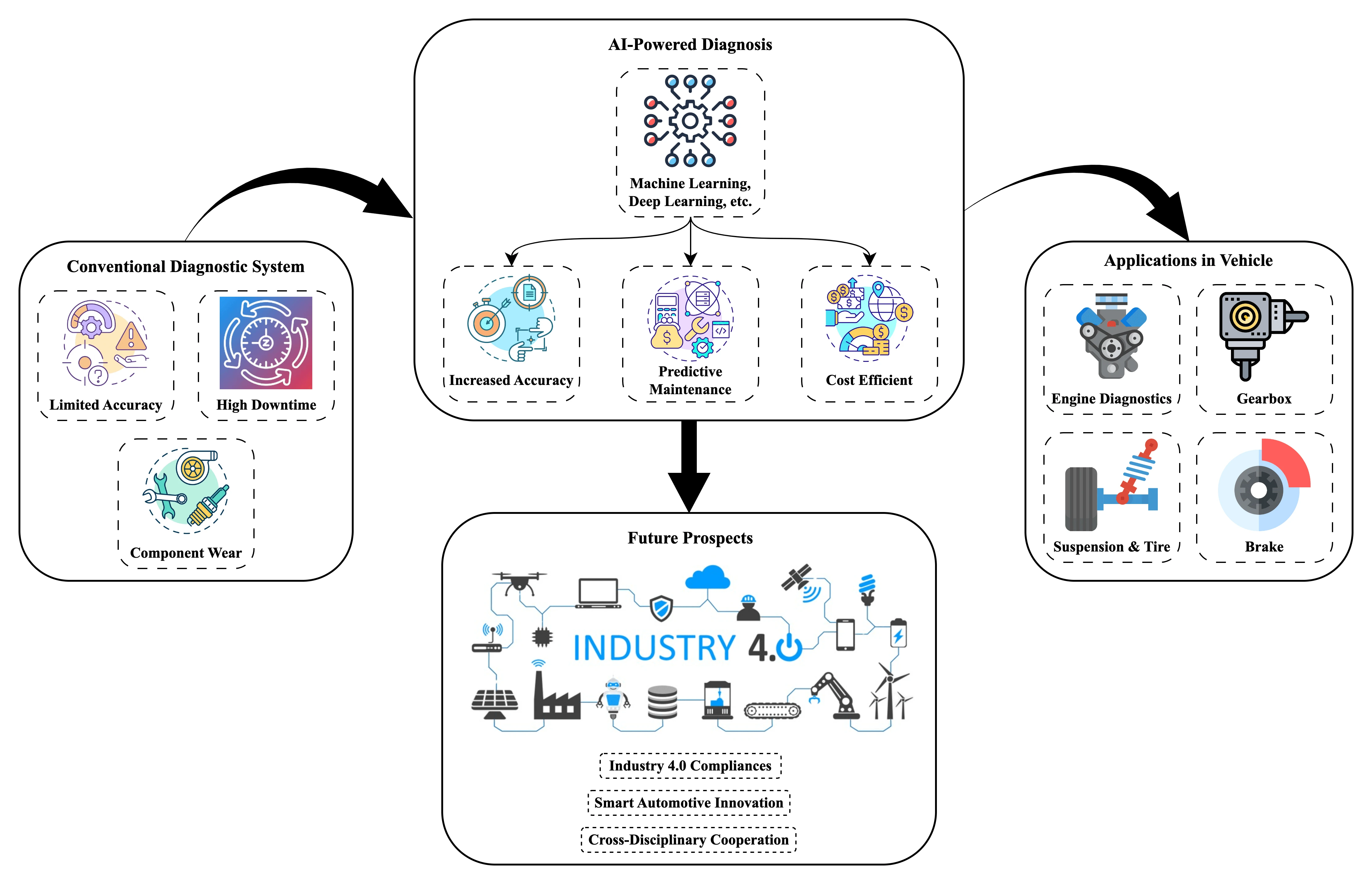
Abstract Transportation has become an essential component of modern daily life, with continuous advancements aimed at reducing travel time and improving mobility. However, this increased convenience has also contributed to a rise in road accidents, often caused by driver distraction, fatigue, and age-related cognitive decline. These concerns have driven growing interest in Artificial Intelligence (AI)-based real-time driver monitoring systems designed to enhance road safety. Despite recent progress, several challenges remain, including limitations in detection accuracy, inadequate temporal reasoning, and high computational complexity. To address these challenges, we utilize the EfficientNetV2-S model for backbone feature extraction due… More >
Open Access
REVIEW
CMES-Computer Modeling in Engineering & Sciences, Vol.148, No.2, 2026, DOI:10.32604/cmes.2026.087251 - 28 August 2026
Abstract Quantum computational fluid dynamics (QCFD) is an active but still immature research area, and quantum lattice Boltzmann methods (QLBM) provide a natural mesoscopic route because their collision–streaming structure can be decomposed into algorithmic blocks. This paper reviews QLBM and related hybrid quantum–classical fluid approaches from an engineering computational fluid dynamics (CFD) perspective, emphasizing physical scope, boundary realism, nonlinear collision treatment, measurement cost, hardware assumptions, and comparison with optimized classical baselines. The discussion is connected to computational aeroacoustics (CAA), where practical workflows already separate source generation, acoustic propagation, and design loops, creating possible insertion points for… More >
Open Access
REVIEW
CMES-Computer Modeling in Engineering & Sciences, Vol.148, No.2, 2026, DOI:10.32604/cmes.2026.086198 - 28 August 2026
(This article belongs to the Special Issue: Modeling Strategy and “Material-Structure-Function” Integrated Design for Composite Components)
Abstract The increasing environmental concerns after the United Nations’ push towards sustainable development goals (SDGs) and depletion of non-renewable resources have accelerated the global pursuit of sustainable materials. Within this framework, bio-based polymer composites have gained considerable attention for their ability to balance mechanical performance, cost-effectiveness, and environmental responsibility. Biofibres/fillers-based polymer composites reinforced with natural fibres like jute, bamboo, coconut coir, pineapple leaf fibre (PALF), and flax offer an attractive combination of mechanical performance, cost-effectiveness, and environmental sustainability. Moreover, additive manufacturing (3D printing), coupled with machine learning, digital twins, and data-driven material design, is transforming the… More >
Open Access
REVIEW
CMES-Computer Modeling in Engineering & Sciences, Vol.148, No.2, 2026, DOI:10.32604/cmes.2026.084591 - 28 August 2026
(This article belongs to the Special Issue: Machine Learning Applications in Earthquake Engineering: Advances, Challenges, and Future Directions)
Abstract Artificial intelligence (AI) is increasingly transforming earthquake engineering by supporting prediction, assessment, monitoring, and decision support. However, existing studies remain fragmented because machine learning (ML), deep learning (DL), physics-informed AI, hybrid models, large language models (LLMs), multimodal AI, digital twins, and agentic AI are often examined separately. This study presents a systematic literature review of AI applications in earthquake engineering, synthesizing 130 studies published between 2016 and 2026. The reviewed applications include seismic hazard assessment, earthquake prediction, earthquake early warning, ground-motion modeling, structural response prediction, damage detection, bridge and building assessment, structural health monitoring, geotechnical… More >
Open Access
REVIEW
CMES-Computer Modeling in Engineering & Sciences, Vol.148, No.2, 2026, DOI:10.32604/cmes.2026.084256 - 28 August 2026
(This article belongs to the Special Issue: Advanced Computational Methods and AI algorithms for Renewable Energy)
Abstract The rapid expansion of photovoltaic (PV) technologies has necessitated the enhancement of energy conversion efficiency by developing more and more sophisticated control and optimization techniques. In particular, novel MPPT methods combined with solar tracking systems and AI approaches emerge as a promising solution to surmount the barriers of the conventional PV systems. This research presents a critical assessment of the recent developments in the research area of PV systems with MPPT algorithms, solar tracking mechanisms, and AI-based techniques. Therefore, papers with publication years from 2021 to 2025 were selected using Web of Science Core Collection. More >
Open Access
REVIEW
CMES-Computer Modeling in Engineering & Sciences, Vol.148, No.2, 2026, DOI:10.32604/cmes.2026.084644 - 28 August 2026
(This article belongs to the Special Issue: The Collection of the Latest Reviews on Advances and Challenges in AI)
Abstract The fusion of GNNs and SSMs is creating a new era in the realm of dynamical learning with structures. Graph-Mamba is one of the most promising works in this fast-moving field. With its unique capability to incorporate graph topology and selective dynamics in a stable manner, Graph-Mamba has demonstrated its ability to model intricate relationships. However, the existing research on Graph-Mamba has not been compiled into a coherent form; the theoretical basis and practical implementation of the framework have not been synthesized systematically across different domains. First, we demonstrate the theoretical connection between graph propagation… More >
Open Access
REVIEW
CMES-Computer Modeling in Engineering & Sciences, Vol.148, No.2, 2026, DOI:10.32604/cmes.2026.084537 - 28 August 2026
(This article belongs to the Special Issue: The Evolution of Cybersecurity and AI: Surveys and Tutorials)
Abstract Artificial Intelligence (AI) has been widely used to detect complex attacks and abnormal behaviors in intelligent communication networks. However, existing studies are often limited to a single scenario or technical route, making it difficult to systematically explain the roles, boundaries, and collaboration mechanisms of different AI-integrated detection technologies. To address this gap, this paper reviews AI-integrated detection technologies in intelligent communication networks from both scenario and technical perspectives. From the perspective of application scenarios, the paper summarizes the requirements and characteristics of AI detection in cloud networks, edge computing, satellite and space networks, and Internet… More >
Open Access
REVIEW
CMES-Computer Modeling in Engineering & Sciences, Vol.148, No.2, 2026, DOI:10.32604/cmes.2026.085472 - 28 August 2026
Abstract The increasing complexity and heterogeneity of cyberattacks targeting Internet of Things (IoT) environments, driven by the diversity of interconnected nodes and communication channels, necessitate the development of more advanced and intelligent cyber defence techniques. However, the most effective methods are Machine Learning (ML)-based and Deep Learning (DL)-based intrusion detection systems (IDS), which perform well but still face significant limitations and challenges. To address these issues, Deep Reinforcement Learning (DRL) has been proposed in recent years to automatically resolve the issues by detecting attacks in IoT environments. Therefore, this Systematic Literature Review (SLR) presents an up-to-date… More >
Open Access
ARTICLE
CMES-Computer Modeling in Engineering & Sciences, Vol.148, No.2, 2026, DOI:10.32604/cmes.2026.083687 - 28 August 2026
(This article belongs to the Special Issue: Advanced Security and Privacy for Future Mobile Internet and Convergence Applications: A Computer Modeling Approach)
Abstract Accurate prediction of complex failure modes in anisotropic composite structures—specifically matrix cracking, fiber rupture, and delamination (stratification)—remains a central challenge in computational fracture mechanics. The primary goal of this work is to bridge the gap between high-fidelity physical modeling and computational efficiency. While the extended finite element method (XFEM) enables mesh-independent crack modeling, its computational cost limits scalability. This work proposes a deep learning–accelerated extended finite element framework (DL-XFEM) that couples physically admissible XFEM fields with a neural network surrogate to predict incremental crack growth. XFEM is employed to generate stress-intensity factors and fracture-consistent state… More >
Open Access
ARTICLE
CMES-Computer Modeling in Engineering & Sciences, Vol.148, No.2, 2026, DOI:10.32604/cmes.2026.084527 - 28 August 2026
Abstract The simulation of non-Fourier heat conduction poses significant computational challenges, particularly in periodic structures such as thermal wave crystals or thermal metamaterials. This paper employs the Local Radial Basis Function Collocation Method (LRBFCM) to evaluate the wave-like propagation characteristics inherent to the non-Fourier heat transfer process. Utilizing LRBFCM, the complex band structure of thermal wave crystals is calculated, and these findings are validated against temperature responses in the frequency domain. Finally, this study introduces a robust methodology for predicting non-Fourier heat conduction behavior in thermal metamaterials. In a word, this paper investigates the application of More >
Open Access
ARTICLE
CMES-Computer Modeling in Engineering & Sciences, Vol.148, No.2, 2026, DOI:10.32604/cmes.2026.086781 - 28 August 2026
(This article belongs to the Special Issue: Machine Learning, Data-Driven and Novel Approaches in Computational Mechanics)
Abstract Calcium sulfoaluminate (CSA) cement is considered a promising low-carbon alternative to ordinary Portland cement owing to its lower clinkerization temperature and reduced CO2 emissions. The incorporation of blast furnace slag can further enhance the sustainability of CSA-based binders by lowering clinker content, reducing cost and embodied carbon emissions, while maintaining satisfactory mechanical performance. However, optimizing CSA-slag systems remains challenging due to the complex interactions among binder composition, clinker mineralogy, and slag replacement levels. This study therefore aims to predict the compressive strength of CSA-slag binders, identify the mixture parameters governing it, and optimize mixture proportions for… More >
Open Access
ARTICLE
CMES-Computer Modeling in Engineering & Sciences, Vol.148, No.2, 2026, DOI:10.32604/cmes.2026.085729 - 28 August 2026
(This article belongs to the Special Issue: Frontiers in Computational Modeling and Simulation of Concrete)
Abstract Extrusion-based 3D-printed concrete (3DPC) imposes a dual constraint on mix design: fresh-state printability and hardened compressive strength must both be maintained within a narrow water-to-binder window, making data-driven prediction tools essential for reducing experimental iteration. This study evaluates 20 regression algorithms on 254 experimental records spanning plain printable mortars to high-fibre reinforced composites (CS: 11.1–189.0 MPa). Four physically motivated composite variables encoding cement blend potency, cumulative supplementary cementitious material (SCM) substitution, fibre volumetric stiffness, and water-to-sand ratio are constructed; Boruta-based selection retains 11 of 17 candidate features. CatBoost achieves the highest 30-run mean performance (;… More >
Open Access
ARTICLE
CMES-Computer Modeling in Engineering & Sciences, Vol.148, No.2, 2026, DOI:10.32604/cmes.2026.078932 - 28 August 2026
Abstract Lifting and maintenance of existing Glass-Fiber Reinforced Polymer (GFRP) absorption towers pose significant structural risks, as these units were often not designed for such loads. Previous research has established that lifting these sections without reinforcement results in critically low factors of safety (1.9–2.5) due to high stress concentrations on the composite flanges. This paper presents the design, analysis, and validation of a novel bolt-on steel lifting system to mitigate these structural risks. A system comprising a 32 mm thick ASME A36 steel blind flange with integrated lifting lugs and half-moon stiffeners was designed to mount… More >
Open Access
ARTICLE
CMES-Computer Modeling in Engineering & Sciences, Vol.148, No.2, 2026, DOI:10.32604/cmes.2026.084489 - 28 August 2026
(This article belongs to the Special Issue: Emerging Artificial Intelligence & Data-Driven Modeling in Civil Engineering)
Abstract Ultra-high-performance concrete (UHPC) relies on multivariable mix design and curing regimes, which makes empirical estimation of compressive strength increasingly unreliable when material systems vary. In this context, unlike previous studies that only applied standard eXtreme Gradient Boosting (XGBoost), this study introduces an advanced hybrid optimization strategy, Bayesian Optimization and Hyperband (BOHB), which combines the sample efficiency of Bayesian optimization with the resource allocation mechanism of Hyperband, and incorporates SHapley Additive exPlanations (SHAP) for influencing factor analysis, thereby proposing a BOHB-XGBoost framework integrated with SHAP analysis. The proposed model demonstrates excellent predictive accuracy and stability, achieving… More >
Open Access
ARTICLE
CMES-Computer Modeling in Engineering & Sciences, Vol.148, No.2, 2026, DOI:10.32604/cmes.2026.085279 - 28 August 2026
(This article belongs to the Special Issue: Emerging Artificial Intelligence & Data-Driven Modeling in Civil Engineering)
Abstract Accurate prediction of asphalt pavement distress is essential for proactive maintenance and life-cycle infrastructure management. However, existing data-driven methods often struggle to jointly represent multi-source inspection data, distress evolution mechanisms, and spatial propagation relationships among pavement sections. To address these limitations, this study proposes a Dual-Layer Progressive Physics-Constrained Graph Neural Network (DLPC-GNN) for asphalt pavement distress prediction and maintenance strategy classification. The proposed model represents pavement deterioration using a dual-layer graph structure. At the microscopic level, cracks, surface deterioration, and structural moisture-induced damage are modeled as physically associated distress nodes. At the macroscopic level, pavement-section… More >
Open Access
ARTICLE
CMES-Computer Modeling in Engineering & Sciences, Vol.148, No.2, 2026, DOI:10.32604/cmes.2026.083990 - 28 August 2026
Abstract With the continuous expansion of rail transport capacity and the increasing speeds of freight trains, it has become increasingly common for passenger and freight trains to share the tracks on double-track or high-speed rail sections. To reveal the evolution of pressure wave characteristics during non-uniform-speed encounters between high-speed trains and freight trains on bridges, this study establishes a full-scale computational model of a steel truss flexible arch bridge and the conditions under which a train passes over it, with the bridge model serving solely as an aerodynamic boundary condition. The numerical simulation is based on… More >
Open Access
ARTICLE
CMES-Computer Modeling in Engineering & Sciences, Vol.148, No.2, 2026, DOI:10.32604/cmes.2026.087824 - 28 August 2026
(This article belongs to the Special Issue: Modeling and Applications of Bubble and Droplet in Engineering and Sciences)
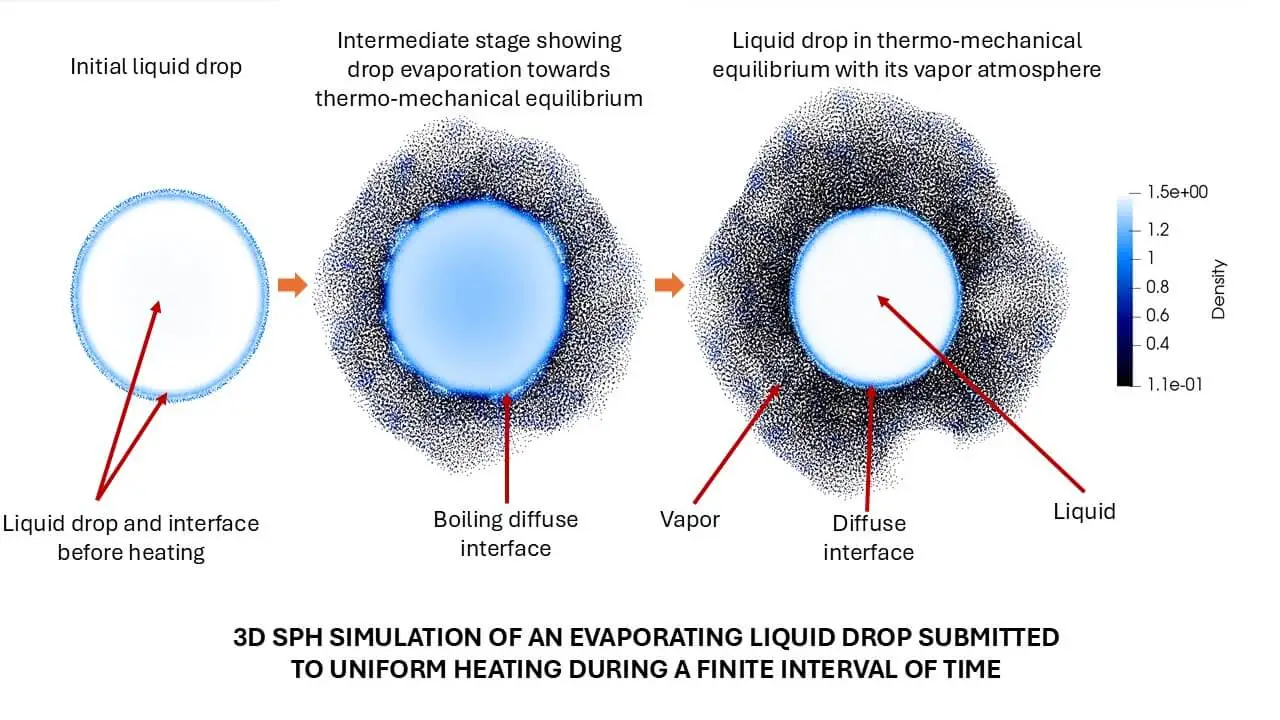
Abstract The interaction between a cavitation bubble and an air bubble inside a rigid tube is numerically investigated using a compressible volume-of-fluid (VoF) method. Two dimensionless parameters are introduced: the spacing ratio and the size ratio . The simulation results show that the spherical pressure wave generated by the expansion of the cavitation bubble propagates outward and reflects at both the tube wall and the air-liquid interface, creating a complex local pressure field. Based on the jet morphology, three typical regimes are identified, namely reverse jets, opposed jets, and co-directional jets; a phase diagram More >
Open Access
ARTICLE
CMES-Computer Modeling in Engineering & Sciences, Vol.148, No.2, 2026, DOI:10.32604/cmes.2026.086863 - 28 August 2026
(This article belongs to the Special Issue: Computational Advances in Nanofluids: Modelling, Simulations, and Applications)
Abstract The thermal and solutal transport mechanisms in non-Newtonian fluids play a substantial role in energy systems, thermal management, polymer processing, and biomedical engineering. In this study, an integrated Local Non-Similarity Physics-Informed Neural Network framework is developed to investigate the non-similar boundary layer flow, heat, and mass transport of Williamson nanofluid through a horizontal porous cylinder under the combined effects of magnetohydrodynamics and porous media. The leading nonlinear system of equations that represents the problem is transformed into a coupled ordinary differential equation using the local non-similarity method. The resulting system is solved using a Physics… More >
Open Access
ARTICLE
CMES-Computer Modeling in Engineering & Sciences, Vol.148, No.2, 2026, DOI:10.32604/cmes.2026.086426 - 28 August 2026
(This article belongs to the Special Issue: Artificial Intelligence in Bridge Engineering and Natural Hazard Mitigation)
Abstract Rapid post-earthquake recovery of high-speed railway bridges requires practical tools for evaluating repaired seismic performance across multiple indicators, rather than peak strength alone. This study develops a target-wise machine-learning framework for rapid multi-indicator prediction of the seismic performance of earthquake-damaged hollow bridge piers repaired with carbon fiber-reinforced polymer (CFRP). An OpenSeesPy-based finite-element model was first validated against test results previously reported by the authors and then used to generate a numerical database covering different loading directions, pre-repair damage states and CFRP repair configurations. Four performance indicators were extracted from the simulated cyclic responses: peak lateral… More >
Open Access
ARTICLE
CMES-Computer Modeling in Engineering & Sciences, Vol.148, No.2, 2026, DOI:10.32604/cmes.2026.085747 - 28 August 2026
Abstract Rapid advances in information and automation technologies have accelerated the development of smart manufacturing, thereby heightening the importance of reliable fault diagnosis for mechanical equipment. Although neural network-based algorithms are widely adopted in industrial applications due to their strong feature extraction and classification capabilities, their deployment in safety-critical fields such as aerospace remains limited. This limitation mainly arises from poor model interpretability and a heavy reliance on large-scale labeled training data. To address these challenges, this paper proposes an interpretable neural network framework that integrates discrete wavelet transform (DWT) with neural networks. Specifically, discrete wavelet… More >
Open Access
ARTICLE
CMES-Computer Modeling in Engineering & Sciences, Vol.148, No.2, 2026, DOI:10.32604/cmes.2026.084165 - 28 August 2026
(This article belongs to the Special Issue: Intelligent Dynamics Modeling, Predictive Operations & Maintenance, and Control Optimization for Complex Systems)
Abstract Accurate and interpretable fault diagnosis of electric vehicle (EV) powertrains is essential for ensuring operational safety, reliability, and efficient maintenance. Undetected faults in key components such as motors, inverters, and batteries can lead to performance degradation and critical system failures. While machine learning (ML)-based fault diagnosis models have demonstrated strong predictive capability using multivariate sensor data, their black-box nature limits practical trust and adoption in real-world EV applications. In particular, understanding how individual sensor variables contribute to diagnostic decisions remains a major challenge. To address this issue, this study proposes a novel interpretability method for… More >
Open Access
ARTICLE
CMES-Computer Modeling in Engineering & Sciences, Vol.148, No.2, 2026, DOI:10.32604/cmes.2026.085152 - 28 August 2026
Abstract With the complexity of the aviation equipment mission environment, aircraft are inevitably exposed to a high-intensity and stable complex electromagnetic radiation environment for a long time in some mission areas. It is difficult to effectively reduce electromagnetic risk by relying solely on compatible technologies such as electromagnetic shielding and flight path avoidance. Aiming at the problem that aircraft are vulnerable to electromagnetic interference in a harsh electromagnetic environment, this paper proposes an aircraft attitude angle optimization method based on an intelligent optimization algorithm under the framework of digital twin modeling, according to the characteristics that… More >
Open Access
ARTICLE
CMES-Computer Modeling in Engineering & Sciences, Vol.148, No.2, 2026, DOI:10.32604/cmes.2026.086135 - 28 August 2026
Abstract Large and complex structures on stepped slope sites are still commonly evaluated using simplified fixed-base assumptions, which may not adequately reflect the effects of soil-structure interaction (SSI). To address this issue, this study develops a coupled three-dimensional nonlinear finite element model in which the surrounding soil domain, foundation system, and superstructure are considered simultaneously, so as to capture soil-structure interaction effects under stepped topographic conditions. A corresponding fixed-base model is further established for comparison, and the approach is applied to the Ground Transportation Center (GTC) at Kunming Airport, a large transportation hub founded on a… More >
Open Access
ARTICLE
CMES-Computer Modeling in Engineering & Sciences, Vol.148, No.2, 2026, DOI:10.32604/cmes.2026.083624 - 28 August 2026
(This article belongs to the Special Issue: Advances in Artificial Intelligence for Geotechnical Engineering)
Abstract Unfilled goafs located beneath urban areas pose a significant threat to surface safety, and microseismic monitoring is an important tool for capturing rock-mass microfractures and supporting early warning. However, under field conditions, existing sequential models face challenges such as high computational complexity and deep feature degradation when deployed on edge devices, primarily due to the non-stationary characteristics of microseismic signals and the presence of complex ambient background noise. To address these issues, this paper proposes the Hierarchical Network with Manifold Hybrid Connection (H-NET-mHC), a lightweight manifold-aware state space model designed for edge computing. The model… More >
Open Access
ARTICLE
CMES-Computer Modeling in Engineering & Sciences, Vol.148, No.2, 2026, DOI:10.32604/cmes.2026.084187 - 28 August 2026
(This article belongs to the Special Issue: Computational Intelligent Systems for Solving Complex Engineering Problems: Principles and Applications-III)
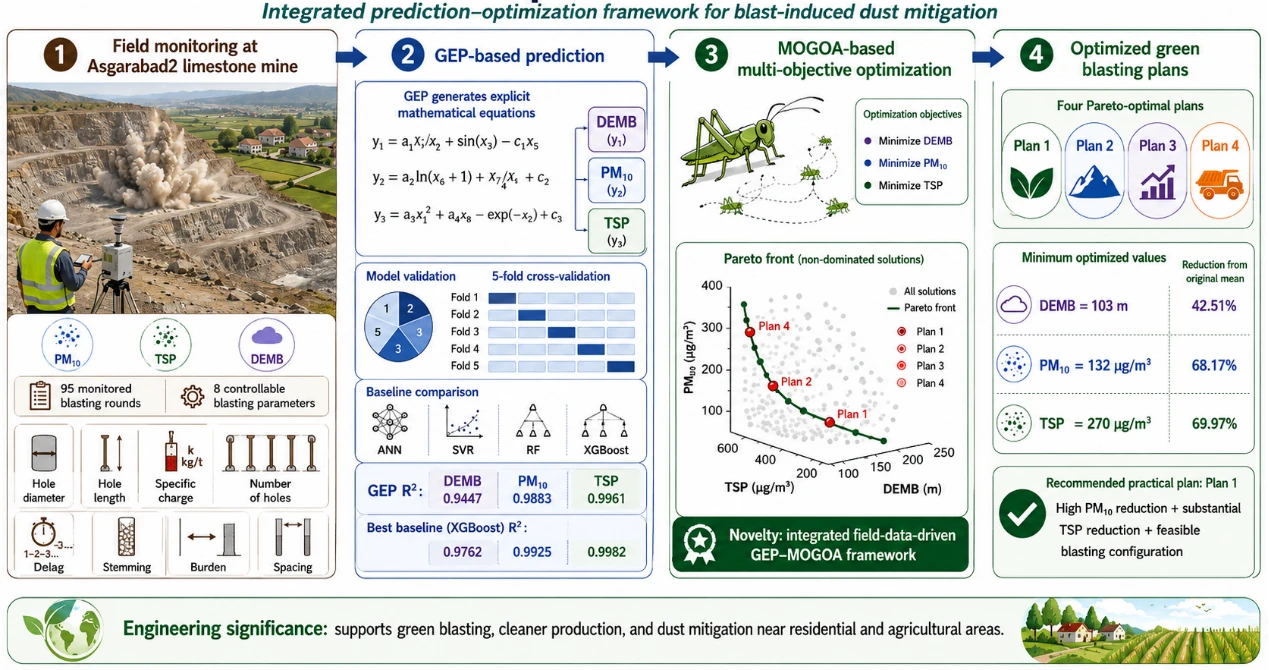
Abstract Mining activities are associated with environmental side effects, which can be successfully predicted and strategies proposed for mitigating their adverse impacts. The cleaner production policies of green blasting focus on ecological issues related to mining operations and reduction plans. As a prediction part of this policy, this research proposed a mathematical model named Gene Expression Programming (GEP) to accurately predict the factors that generated pollutions, i.e., total suspended particles (TSP), particles dust with an analogous aerodynamic diameter of less than 10 μm (PM10), and dust emission distance due to mine blasting (DEMB), simultaneously. As the reduction… More >
Graphic Abstract
Open Access
ARTICLE
CMES-Computer Modeling in Engineering & Sciences, Vol.148, No.2, 2026, DOI:10.32604/cmes.2026.082323 - 28 August 2026
Abstract During flood seasons in hydropower expansion projects, reservoir level rise may hydraulically connect the excavation pit and shaft to the reservoir. The resulting high-head boundary can impose a strong hydraulic gradient across the unexcavated blocking section, while staged bench excavation further redistributes stresses. This study proposes a three-dimensional hydro-mechanical coupled numerical framework based on Fast Lagrangian Analysis of Continua in 3 Dimensions (FLAC3D), which explicitly accounts for pore water pressure evolution, asymmetric hydraulic boundary conditions, and staged bench excavation disturbance. The framework enables systematic evaluation of rock-plug stability under different retained lengths using plastic-zone connectivity,… More >
Open Access
ARTICLE
CMES-Computer Modeling in Engineering & Sciences, Vol.148, No.2, 2026, DOI:10.32604/cmes.2026.084193 - 28 August 2026
(This article belongs to the Special Issue: Intelligent Scheduling and Optimization in Engineering and Management)
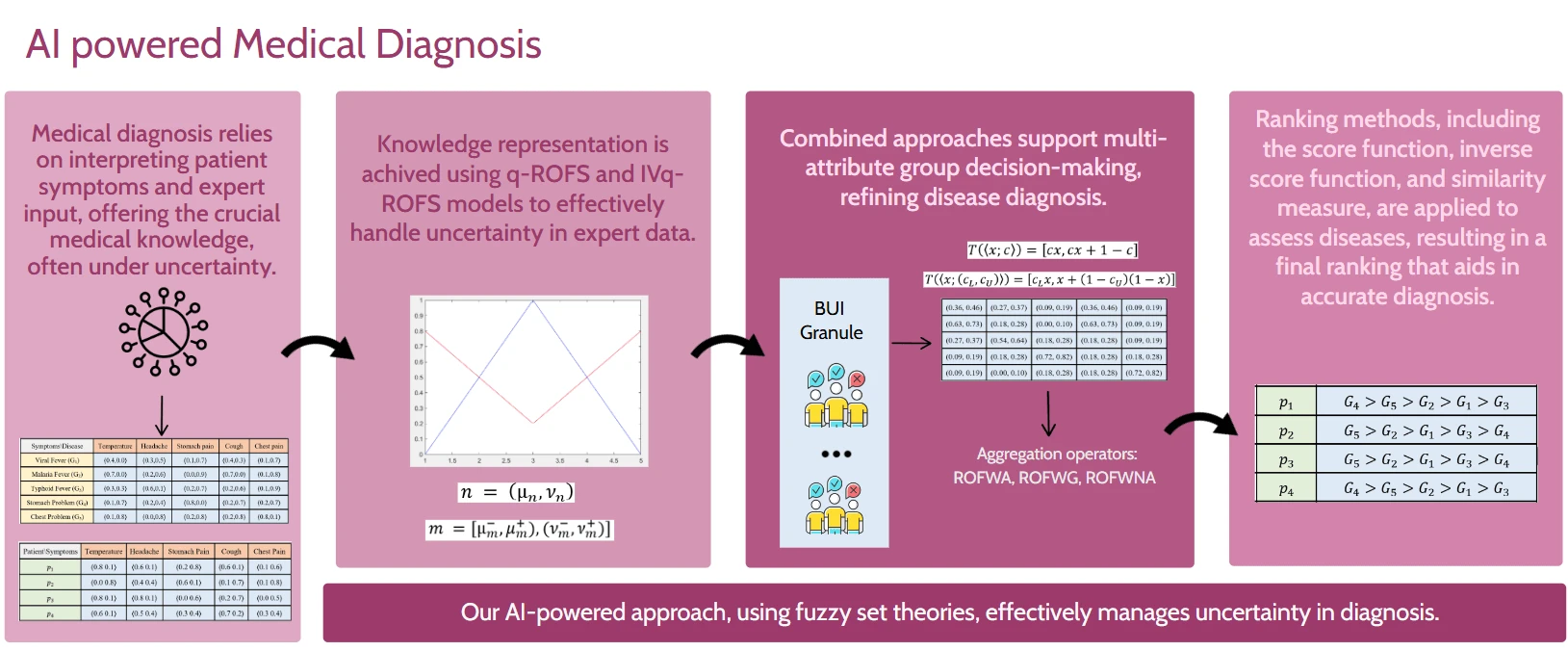
Abstract Construction strategy selection is a context-dependent decision problem in which multiple conflicting criteria must be considered under changing project conditions. Conventional multi-criteria decision-making (MCDM) methods generally produce rankings for predefined decision matrices but do not learn transferable preference structures across project scenarios. This study proposes a hybrid framework integrating T-spherical fuzzy sets, the Criteria Importance Through Intercriteria Correlation (CRITIC) method, the Combined Compromise Solution (CoCoSo) method, and RankNet-based pairwise learning. Fifty construction scenarios were designed using six contextual variables, and eight construction strategies were evaluated against eight criteria. Linguistic evaluations were transformed using a seven-level… More >
Open Access
ARTICLE
CMES-Computer Modeling in Engineering & Sciences, Vol.148, No.2, 2026, DOI:10.32604/cmes.2026.085421 - 28 August 2026
Abstract Achieving net-zero carbon emissions in the building sector requires computational tools that are simultaneously efficient, physically rigorous, and scalable to complex multi-domain design spaces. Traditional physics-based simulators such as EnergyPlus and finite-element analysis (FEM) packages deliver high fidelity but are computationally prohibitive for large-scale parametric exploration and real-time multi-objective optimization. This study introduces a hybrid Physics-Informed Graph Neural Network (PI-GNN) surrogate that directly leverages semantic Building Information Modeling (BIM) data to enable rapid, accurate, and physically consistent multi-physics prediction and optimization of prefabricated modular buildings. Building components and their physical and functional relationships are encoded… More >
Open Access
ARTICLE
CMES-Computer Modeling in Engineering & Sciences, Vol.148, No.2, 2026, DOI:10.32604/cmes.2026.084608 - 28 August 2026
Abstract Neural operator learning directly constructs the mapping relationship from the equation parameter space to the solution space, enabling efficient direct inference in practical applications without the need for repeated solution of partial differential equations (PDEs)—an advantage that is difficult to achieve with traditional numerical methods. In this work, we investigate a two-path formulation that combines affine and nonlinear computational components within such operator mappings to improve learning efficiency. This yields a novel network structure, namely the Linear–Nonlinear Fusion Neural Operator (LNF-NO), which models operator mappings via the multiplicative fusion of a linear component and a… More >
Open Access
ARTICLE
CMES-Computer Modeling in Engineering & Sciences, Vol.148, No.2, 2026, DOI:10.32604/cmes.2026.085408 - 28 August 2026
(This article belongs to the Special Issue: Advances in Natural Language Processing and Large-scale AI Models)
Abstract Due to the structural complexity of Chinese characters, the occurrence of homophones and visual similarity among glyphs directly increases the difficulties presented in Chinese spell checking (CSC). These factors also indicate the importance of the connection between CSC and context-dependency. In this study, a novel framework, the Summarization-Enhanced Chinese Spell Checking (abbreviated as SE-CSC) model, is proposed, which integrates phonetic and glyph embeddings to further enhance context awareness in error detection and correction. We utilize sentence-level summarization features to augment and generate an error-guided mask that can effectively detect errors and derive more precise corrections. More >
Open Access
ARTICLE
CMES-Computer Modeling in Engineering & Sciences, Vol.148, No.2, 2026, DOI:10.32604/cmes.2026.086762 - 28 August 2026
(This article belongs to the Special Issue: Advances in Natural Language Processing and Large-scale AI Models)
Abstract Personalized fashion recommendation requires models that can capture visual compatibility, textual semantics, structured attributes, and user-specific preferences. However, existing multimodal approaches often rely on static word embeddings and shallow text encoders, limiting their ability to represent nuanced fashion descriptions. This study proposes a multimodal recommendation framework enhanced by large language models (LLMs) that integrates visual features, contextual textual representations, and structured attribute features for personalized outfit matching. A Japanese pretrained BERT encoder is used to replace the conventional Word2Vec and convolutional neural network (CNN)-based text pipeline, while GPT-4o is employed to extract fine-grained fashion attributes… More >
Open Access
ARTICLE
CMES-Computer Modeling in Engineering & Sciences, Vol.148, No.2, 2026, DOI:10.32604/cmes.2026.085393 - 28 August 2026
Abstract Quantum kernel techniques aim to leverage quantum computational capabilities on social data. However, their application to natural language processing tasks faces formidable obstacles, such as extreme dimensionality reduction (), concentration of measure in quantum feature spaces, and the lack of theoretical understanding of when quantum advantages occur in kernel-based text classification. Filling this gap, we provide a comprehensive study of quantum kernels for text classification that addresses three major challenges in existing studies: general data compression approaches that ignore class structure, the lack of a predictive diagnostic toolkit, and overlooked approaches for handling concentration… More >
Open Access
ARTICLE
CMES-Computer Modeling in Engineering & Sciences, Vol.148, No.2, 2026, DOI:10.32604/cmes.2026.084683 - 28 August 2026
(This article belongs to the Special Issue: Advances in Computational Intelligence for Complex Systems)
Abstract Formulating efficient updating techniques is essential for the efficacy of metaheuristic algorithms. Traditional approaches, however, depend significantly on manually developed formulas and empirical intuition, which frequently constrain their adaptability and scalability across various optimization tasks. This research introduces a Genetic Programming-based Metaheuristic framework, referred to as GP-MAs, designed to autonomously develop and enhance symbolic update rules for metaheuristic algorithms. Within the suggested GP-MAs architecture, genetic programming (GP) is integrated into the learning phase of the Growth Optimizer (GO) to dynamically formulate symbolic update equations, hence enhancing the algorithm’s adaptability to diverse optimization landscapes. A hybrid… More >
Open Access
ARTICLE
CMES-Computer Modeling in Engineering & Sciences, Vol.148, No.2, 2026, DOI:10.32604/cmes.2026.086216 - 28 August 2026
Abstract As urban transportation systems grow increasingly complex, accurate and interpretable traffic congestion forecasting is critical. While existing deep learning models utilize graph neural networks (GNNs) and attention mechanisms, they often struggle with physical consistency under extreme scenarios. To address this, we propose the Physics-Informed Explainable Spatial-Temporal Graph Attention Network (PI-X-STGAT). Our framework models road segments as graph nodes, integrating traffic, weather, and cyclical temporal features. The architecture comprises a Context-Aware Graph Attention Network (GAT) enhanced with Node Adaptive Parameter Learning (NAPL) for capturing dynamic spatial dependencies, a Gated Recurrent Unit (GRU) layer for temporal evolution,… More >
Open Access
ARTICLE
CMES-Computer Modeling in Engineering & Sciences, Vol.148, No.2, 2026, DOI:10.32604/cmes.2026.085689 - 28 August 2026
Abstract Sensor-equipped Unmanned Aerial Vehicles (UAVs) are increasingly deployed for collaborative aerial sensing, yet selecting an optimal subgroup from a heterogeneous fleet remains challenging. Existing approaches rank individual UAVs by fixed, isolated metrics (e.g., sensor type, residual energy) and deploy them sequentially, failing to quantify task-specific performance under coupled operational uncertainties arising from platform heterogeneity, sensor configuration, and environmental dynamics. To address this, we propose Near-Optimal Group UAV Selection (OGU), a capability-driven modeling method. Rather than directly manipulating raw, heterogeneous hardware parameters, OGU aggregates each UAV–sensor unit into a capability entity characterized by intrinsic task-oriented attributes… More >
Open Access
ARTICLE
CMES-Computer Modeling in Engineering & Sciences, Vol.148, No.2, 2026, DOI:10.32604/cmes.2026.085102 - 28 August 2026
Abstract Automated visual inspection in industrial settings often struggles with limited defect data and poor generalization to unseen anomalies. To overcome this challenge, we propose a hybrid anomaly detection pipeline, which integrates embedding-based, reconstruction-based, and self-supervised learning approaches. The framework also proposes a new Realistic Industrial Defect Synthesis (RIDS) module that synthesizes structured and textured synthetic anomalies based on the target masks, composite maps, and blending techniques. This helps to learn from pseudo-labeled data without the need for large annotated datasets. The pipeline further includes ViLoc-Net, a Vision Transformer-based localization network that obtains global features and More >
Open Access
ARTICLE
CMES-Computer Modeling in Engineering & Sciences, Vol.148, No.2, 2026, DOI:10.32604/cmes.2026.083131 - 28 August 2026
Abstract Graph structure learning depends heavily on the integrity and reliability of graph data. However, real-world graphs often contain noise, missing information, and bias, thereby limiting the expressive capacity of existing models. Single-layer structure learning methods fail to simultaneously capture local interactions and the global structure. Furthermore, they rely excessively on high-quality labeled data, leading to label scarcity issues and high annotation costs. To address these challenges, we propose a self-supervised dual-layer structure-driven graph structure learning method, termed D2GSL. Specifically, D2GSL constructs a semantic similarity channel and a spectral feature channel to model node relationships from More >
Open Access
ARTICLE
CMES-Computer Modeling in Engineering & Sciences, Vol.148, No.2, 2026, DOI:10.32604/cmes.2026.083813 - 28 August 2026
(This article belongs to the Special Issue: Emerging Artificial Intelligence Technologies and Applications-II)
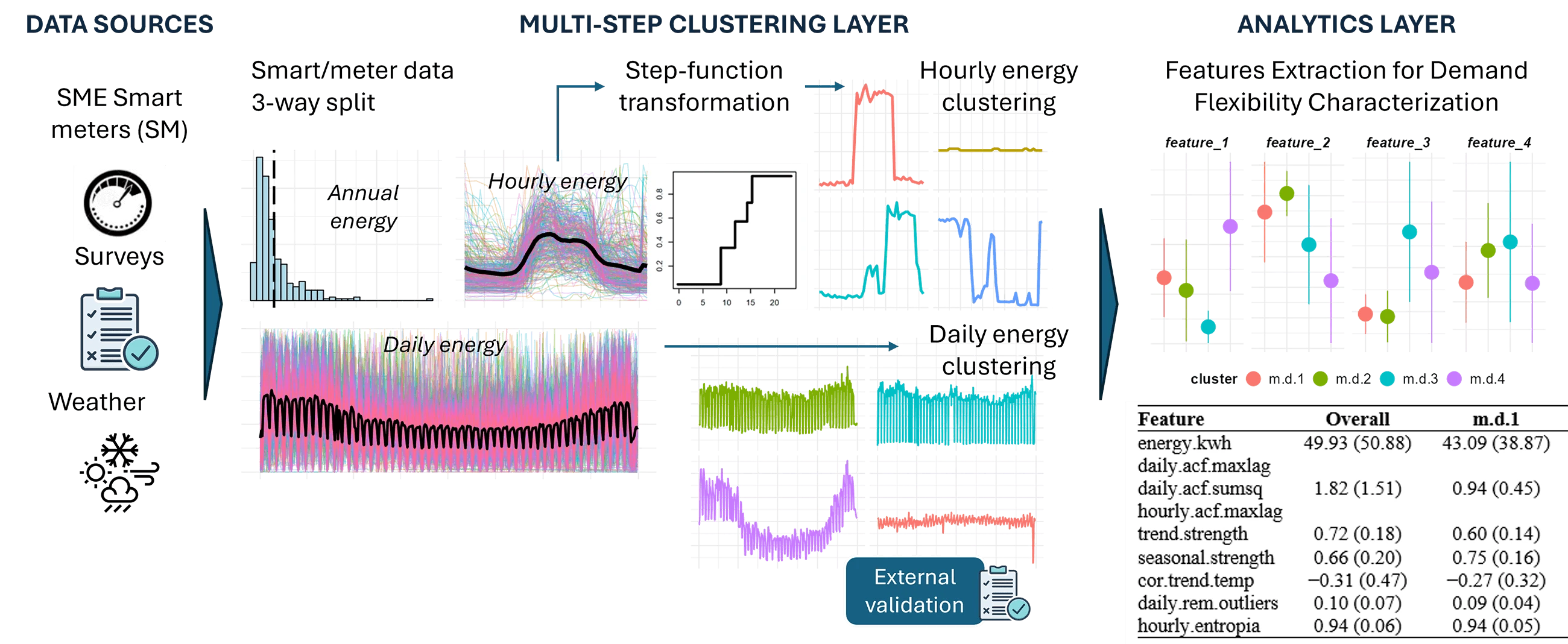
Abstract Industrial air quality forecasting remains challenging due to nonlinear pollutant formation, localized emissions, meteorological variability, and nonstationary spatiotemporal dependencies among monitoring stations. This study proposes FFTGNet, a frequency-aware spatiotemporal graph neural network for multi-pollutant forecasting in industrial air quality systems. It integrates an FFT-guided dominant-period estimation and period-folding module with a temporal-to-spatial graph backbone composed of TemporalGLU and Chebyshev graph convolution. The frequency-guided module reorganizes input sequences into intra-period and inter-period representations, TemporalGLU adaptively filters nonlinear temporal fluctuations and short-term spikes, and ChebGCN propagates information across inter-station spatial dependencies. Experiments were conducted using five years… More >
Open Access
ARTICLE
CMES-Computer Modeling in Engineering & Sciences, Vol.148, No.2, 2026, DOI:10.32604/cmes.2026.087647 - 28 August 2026
(This article belongs to the Special Issue: Emerging Artificial Intelligence Technologies and Applications-II)
Abstract Self-supervised representation learning can reduce the dependence of three-dimensional (3D) medical image segmentation on dense voxel annotations. In multimodal 3D medical imaging, intensity-reconstruction pre-training provides dense appearance supervision but does not explicitly distinguish the structural regions that determine segmentation boundaries and small targets. A second mismatch arises in scale learning: encoder-decoder networks provide multi-scale feature maps, but they do not explicitly supervise how fine anatomical structures weaken or persist across neighboring scales. To address these mismatches, this study proposes Scale Ladder Consistency (SLC), a structure-aware self-supervised representation learning framework for multimodal 3D medical image segmentation.… More >
Open Access
ARTICLE
CMES-Computer Modeling in Engineering & Sciences, Vol.148, No.2, 2026, DOI:10.32604/cmes.2026.086003 - 28 August 2026
(This article belongs to the Special Issue: Multimodal Vision with Large Language Models)
Abstract Vision-language-action models have recently gained attention in autonomous driving, as language can express high-level behavioral intent beyond geometric waypoints. However, existing planners often treat language as an external command or auxiliary explanatory signal, while the hidden states of generated control instructions are rarely aligned explicitly with the latent variables that produce executable trajectories. This paper presents MALT-Drive, a moment-aligned language-to-trajectory end-to-end planning framework for autonomous driving. Given front-camera visual input, ego-state history, route priors, and a driving-oriented VQA prompt, MALT-Drive first autoregressively generates a concise control instruction from a controlled instruction space and then decodes… More >
Open Access
ARTICLE
CMES-Computer Modeling in Engineering & Sciences, Vol.148, No.2, 2026, DOI:10.32604/cmes.2026.086256 - 28 August 2026
(This article belongs to the Special Issue: Machine Learning and Deep Learning-Based Pattern Recognition, 2nd Edition)
Abstract Emotion recognition plays a crucial role in enabling intelligent human–computer interaction, yet research in low-resource languages such as Urdu remains limited, particularly in multimodal settings. This study proposes a multimodal deep learning framework for Urdu emotion recognition by integrating speech and text modalities. The approach leverages transformer-based models, namely wav2vec 2.0 for audio representation and MuRIL for text representation, combined using a late fusion strategy for classification. Experiments were conducted on the UMED dataset, consisting of 8269 multimodal instances across five emotion classes. The proposed multimodal model achieved an accuracy of 0.701 and an F1-score More >
Open Access
ARTICLE
CMES-Computer Modeling in Engineering & Sciences, Vol.148, No.2, 2026, DOI:10.32604/cmes.2026.083479 - 28 August 2026
(This article belongs to the Special Issue: Advances in Deep Learning and Computer Vision for Intelligent Systems: Methods, Applications, and Future Directions)
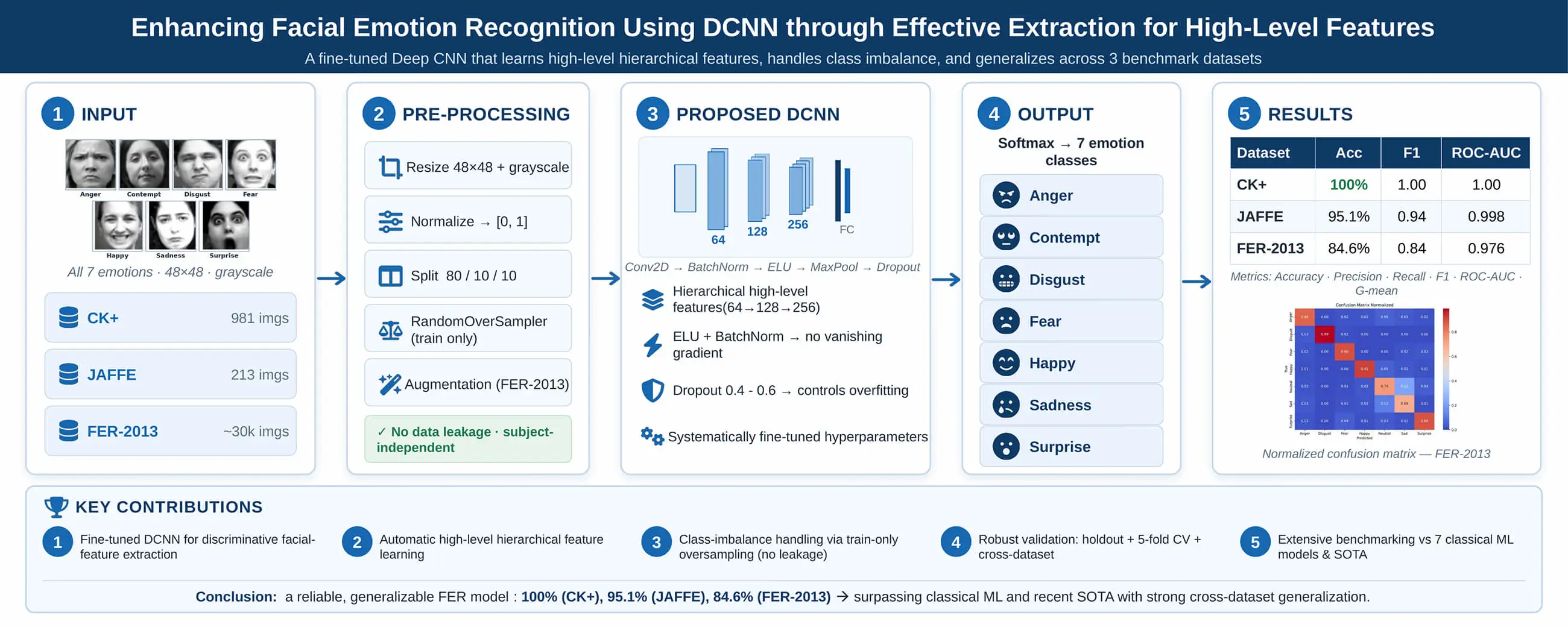
Abstract Facial emotion recognition (FER) aims to recognize and classify human emotional expressions accurately. Although there has been significant progress in developing FER models with respectable accuracy, the accuracy still has substantial room for improvement. These claims are supported by several factors, including poor parameter tuning, class imbalance, dataset bias, generalization limitations, and inefficient preprocessing. These factors make it more difficult to capture hierarchical and high-level features in training data. To address these limitations, therefore, this work develops and fine-tunes a deep convolutional neural network-based model to effectively learn discriminative facial features. First, the data are… More >
Graphic Abstract
Open Access
ARTICLE
CMES-Computer Modeling in Engineering & Sciences, Vol.148, No.2, 2026, DOI:10.32604/cmes.2026.085413 - 28 August 2026
(This article belongs to the Special Issue: Advances in Deep Learning and Computer Vision for Intelligent Systems: Methods, Applications, and Future Directions)
Abstract To tackle critical visual tracking difficulties arising in UAV tracking tasks, including frequent target occlusion and abrupt fast motion during high-altitude inspection, we propose an adaptive correlation filter tracking algorithm incorporating a motion smoothing module and adaptive residual regularization, named MACF. The tracker is constructed via multi-strategy fusion of two elaborately designed components at the algorithmic modeling level. First, we design a Motion Smoothing Module (MSM) that conducts weighted fusion of historical motion trends in the modeling pipeline. It suppresses search window jitter arising from instantaneous positioning errors and lowers target drift risk by providing More >
Open Access
ARTICLE
CMES-Computer Modeling in Engineering & Sciences, Vol.148, No.2, 2026, DOI:10.32604/cmes.2026.084395 - 28 August 2026
Abstract Accurate force regulation is essential in robotic contact tasks such as polishing, grinding, and assembly. However, conventional impedance controllers often exhibit limited force-tracking accuracy, while adaptive methods require high tuning effort and computational cost. To address these issues, this paper proposes a Constant Impedance Force Controller (CIFC) based on a Force Reference Dependent Impedance (FRDI) model, which is developed and validated through computer modeling and simulation. Robot environment interaction is computationally modeled as a mass damper spring system, and a position-based impedance framework is employed to regulate force deviations. A compensation signal derived from the FRDI… More >
Open Access
ARTICLE
CMES-Computer Modeling in Engineering & Sciences, Vol.148, No.2, 2026, DOI:10.32604/cmes.2026.085095 - 28 August 2026
(This article belongs to the Special Issue: Recent Advances in Signal Processing and Computer Vision, 2nd Edition)
Abstract Active motion compensation is essential for improving the precision and safety of robot-assisted surgery in the presence of physiological motion such as heartbeat and respiration. Conventional direct error feedback controllers often show limited performance when sensing delay and measurement noise are present. To address this issue, this study proposes an active motion compensation framework based on deep reinforcement learning enhanced with a Long Short-Term Memory (LSTM) network, where the target position is assumed to be known. The motion compensation task is formulated as a Markov decision process, and the controller is trained to generate continuous… More >
Open Access
ARTICLE
CMES-Computer Modeling in Engineering & Sciences, Vol.148, No.2, 2026, DOI:10.32604/cmes.2026.083958 - 28 August 2026
(This article belongs to the Special Issue: Advanced Security and Privacy for Future Mobile Internet and Convergence Applications: A Computer Modeling Approach)
Abstract With the quick development of 5G networks, network slicing and Open Radio Access Network (O-RAN) have become key technologies for improving network resource-allocation efficiency and flexibility. However, network slicing also faces intrusion-detection challenges, particularly for detecting DDoS attacks, which are difficult to detect due to traffic being silently transmitted across multiple sub-slices. To address this problem, this paper proposes a 5G network slicing intrusion detection mechanism, called the DDoS Defense Model on 5G Network Slices (2D5NS) which integrates machine learning and real-time traffic monitoring techniques to detect and mitigate DDoS attacks within an O-RAN. This… More >
Open Access
ARTICLE
CMES-Computer Modeling in Engineering & Sciences, Vol.148, No.2, 2026, DOI:10.32604/cmes.2026.085378 - 28 August 2026
Abstract The rapid deployment of Internet of Medical Things (IoMT) devices in current healthcare systems has made it much easier to maintain patient monitoring, make diagnoses, and provide long-distance medical treatment. The interconnection of these devices also creates significant cybersecurity problems, including distributed denial-of-service attacks, data breaches, and network intrusions. High detection accuracy and interpretability are essential for a trustworthy intrusion detection system. This study presents ExGAME, an Explainable Game-Theoretic Artificial Intelligence framework intended for intrusion detection in human-centric IoT networks. The proposed framework combines machine-learning-based anomaly detection with explainable AI and a game-theoretic defense strategy… More >
Open Access
CORRECTION
CMES-Computer Modeling in Engineering & Sciences, Vol.148, No.2, 2026, DOI:10.32604/cmes.2026.087547 - 28 August 2026
Abstract This article has no abstract. More >

 Login
Login Register
 Submit a Paper
 Propose a Special lssue