 Open Access
ISSN:2164-6325 (print)
ISSN:2164-6341 (online)
Publication Frequency:Monthly




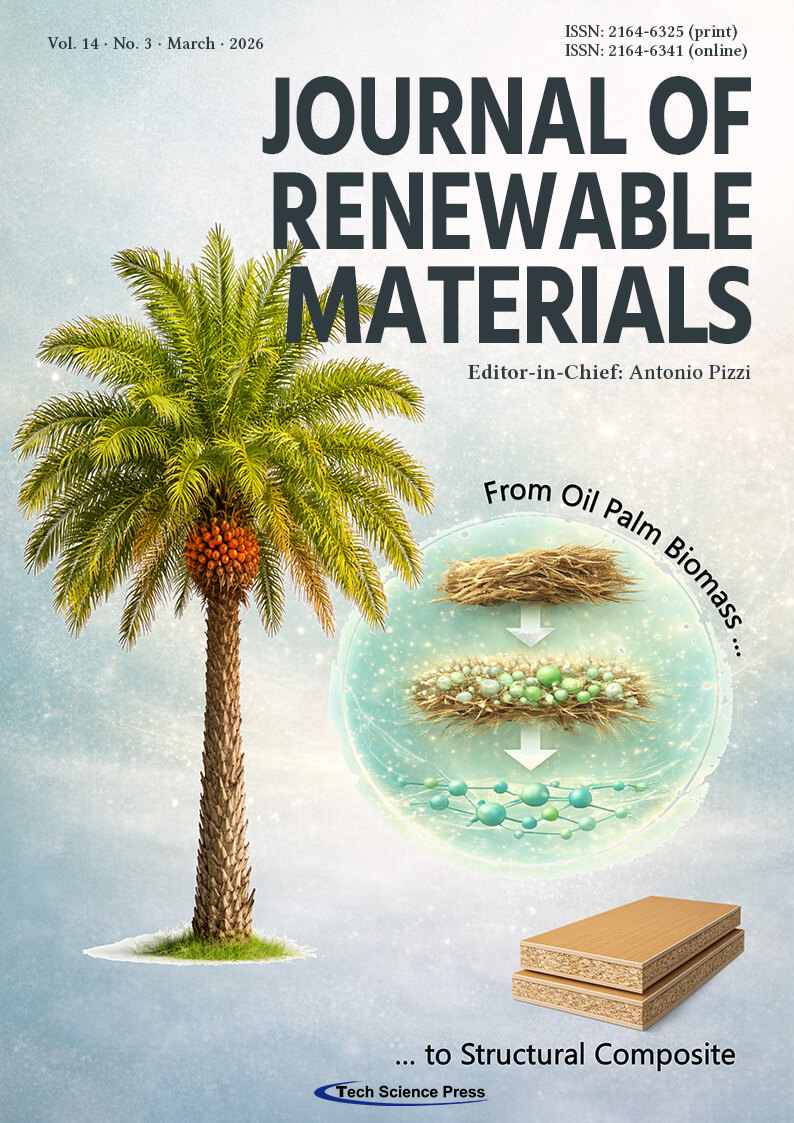
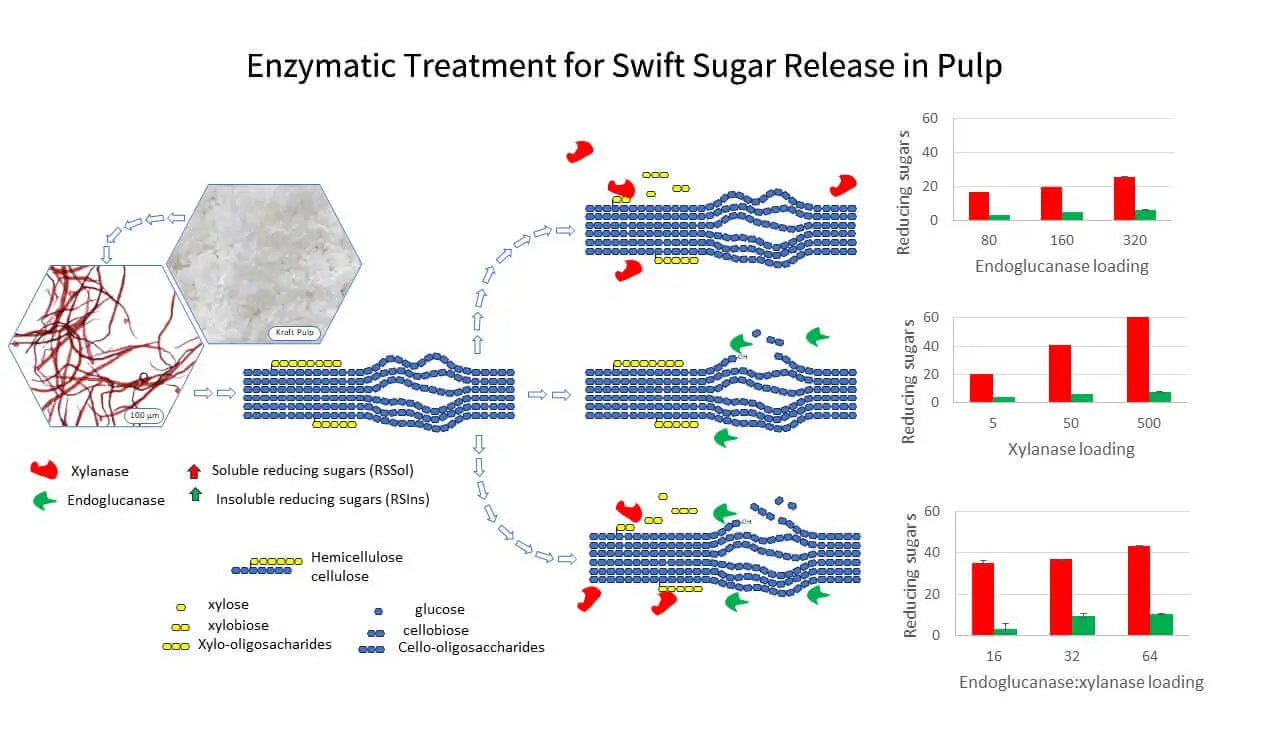
The Journal of Renewable Materials (JRM) is an interdisciplinary journal publishing original research covering all aspects of renewable materials, namely bio-based materials, sustainable materials, green chemistry and including recycling and recovery of spent materials. The scope of the journal is devoted to reports of new and original experimental and theoretical research in the areas of materials, engineering, physics, bioscience, processing, environmental science and chemistry, which are related to renewable materials and their applications.
Ei Compendex/Engineering Village (Elsevier); Scopus Citescore (Impact per Publication 2024): 4.9; SNIP (Source Normalized Impact per Paper 2024): 0.592; Google Scholar h5-index 31, ranking 5 in Wood Science &Technology; Chemical Abstracting Services; Polymer Library; Baidu Xueshu (China); Portico, etc...
Notice: Please make new submissions of JRM to the new system (ScholarOne) (https://mc03.manuscriptcentral.com/jrenewmater) from 25 September 2024. To view your previous submissions, please access TSP system (https://ijs.tspsubmission.com/homepage).
 Open Access
ARTICLE
Journal of Renewable Materials, Vol.14, No.3, 2026, DOI:10.32604/jrm.2025.02025-0166 - 25 March 2026
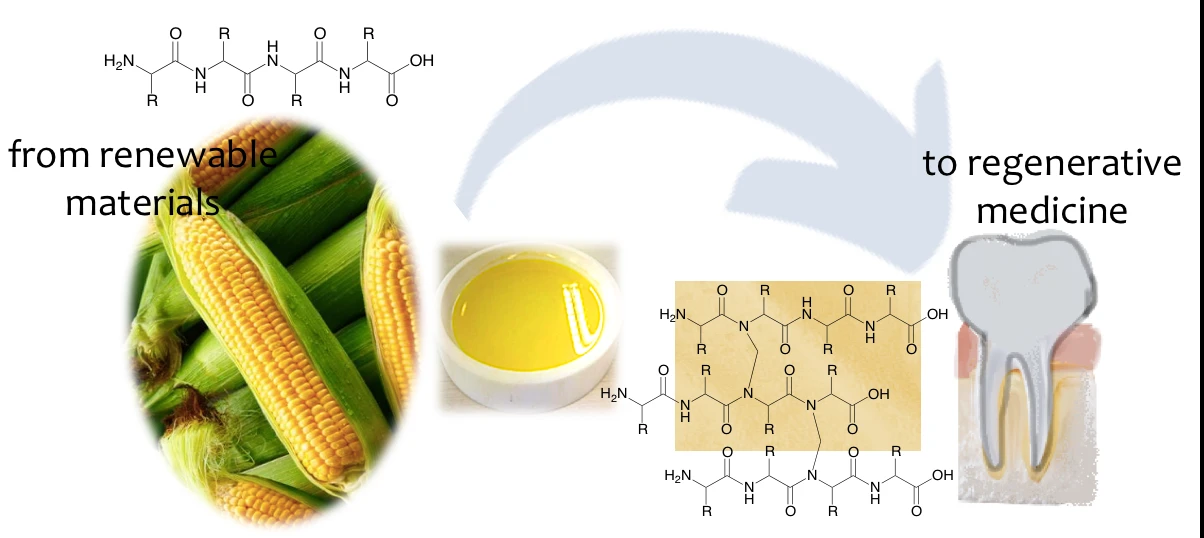
Abstract Materials from natural sources have been studied to replace the conventional synthetic or animal-derived products as a safer alternative to be used in the healthcare field. In dentistry, guided bone regeneration (GBR) relies on barrier membranes, predominantly from animals or synthetic materials, to improve osteogenesis by avoiding undesired soft tissue cells from defect sites. In this study, membranes were prepared from zein, a corn-derived protein, using a simple extraction and casting method, followed by optional formaldehyde cross-linking to evaluate their behavior for application in GBR. The membranes were characterised by FTIR, DSC, TGA, tensile strength… More >
Graphic Abstract
Open Access
REVIEW
Journal of Renewable Materials, Vol.14, No.3, 2026, DOI:10.32604/jrm.2025.02025-0141 - 25 March 2026
(This article belongs to the Special Issue: From Nature to Function: Natural Fiber Cellulose and Starch-Based Materials for a Sustainable Composites)
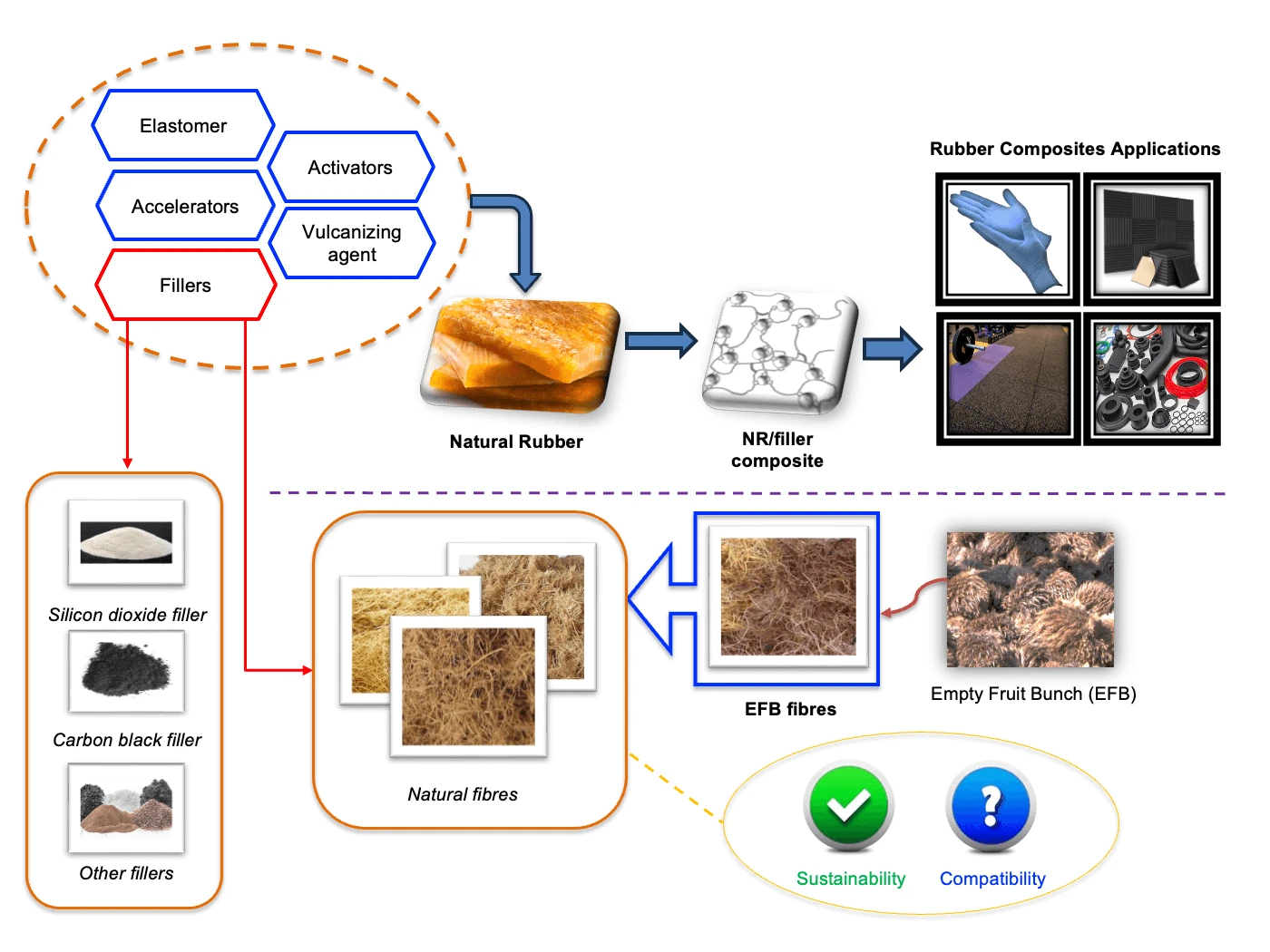
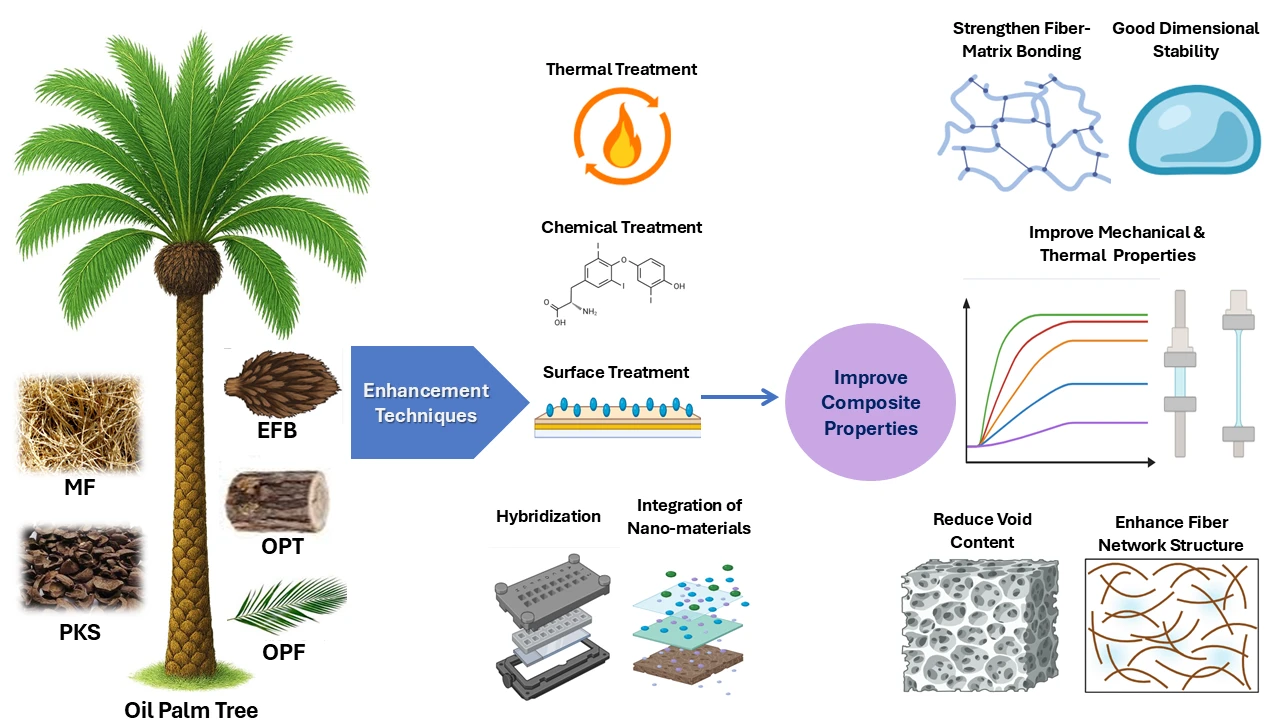
Abstract Oil palm fiber is a natural fiber derived from agricultural biomass and has gained significant attention as an alternative reinforcement material in composite materials due to its abundance, renewability, and environmental benefits. This review explores the various enhancement techniques applied to oil palm fiber to improve its properties for composite material development. Key areas of focus include chemical treatments, physical modifications, and hybridization with other fibers to improve fiber-matrix bonding, mechanical strength, and thermal stability. Integration of nanomaterials and bio-based resins to enhance the performance and sustainability of oil palm fiber composites is also discussed. More >
Graphic Abstract
Open Access
ARTICLE
Journal of Renewable Materials, Vol.14, No.3, 2026, DOI:10.32604/jrm.2025.02025-0173 - 25 March 2026
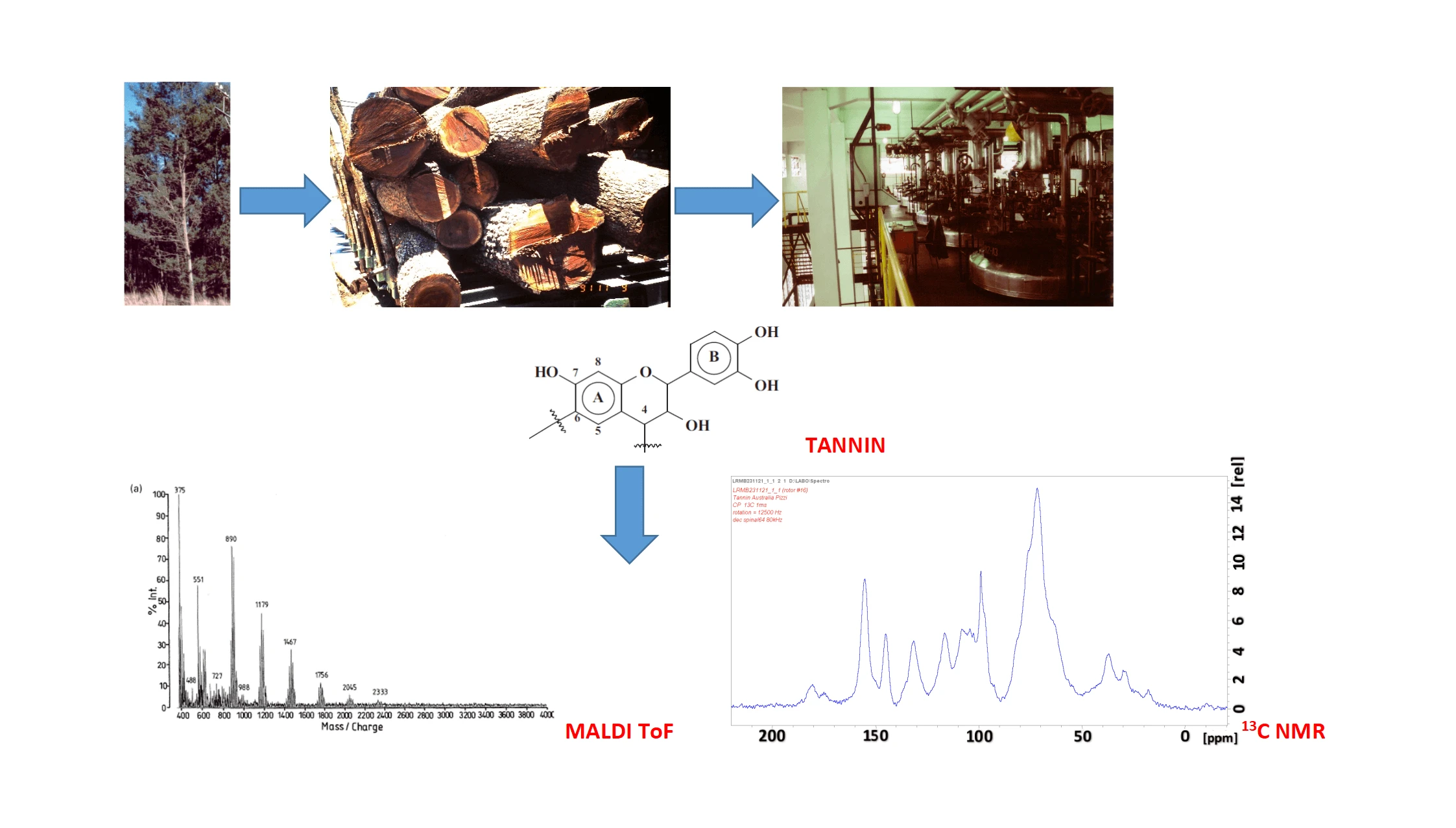
Abstract The construction sector is facing significant challenges in transitioning to a defossilised system. While wood-based products have considerable potential, reliance on adhesives derived from fossil fuels poses significant sustainability concerns. Tannin-based adhesives present a compelling bio-based alternative, offering advantageous bonding properties with the potential to reduce toxicity, minimise fossil resource use, and enhance end-of-life scenarios. Despite extensive research demonstrating the technical potential of tannin-based adhesives, industrial adoption remains limited—partly due to the paucity of studies addressing their environmental impacts. The present study investigates the use of tannin-based adhesives in the production of interior-grade plywood, employing… More >
Open Access
REVIEW
Journal of Renewable Materials, Vol.14, No.3, 2026, DOI:10.32604/jrm.2025.02025-0114 - 25 March 2026
(This article belongs to the Special Issue: Renewable and Biosourced Adhesives-2023)
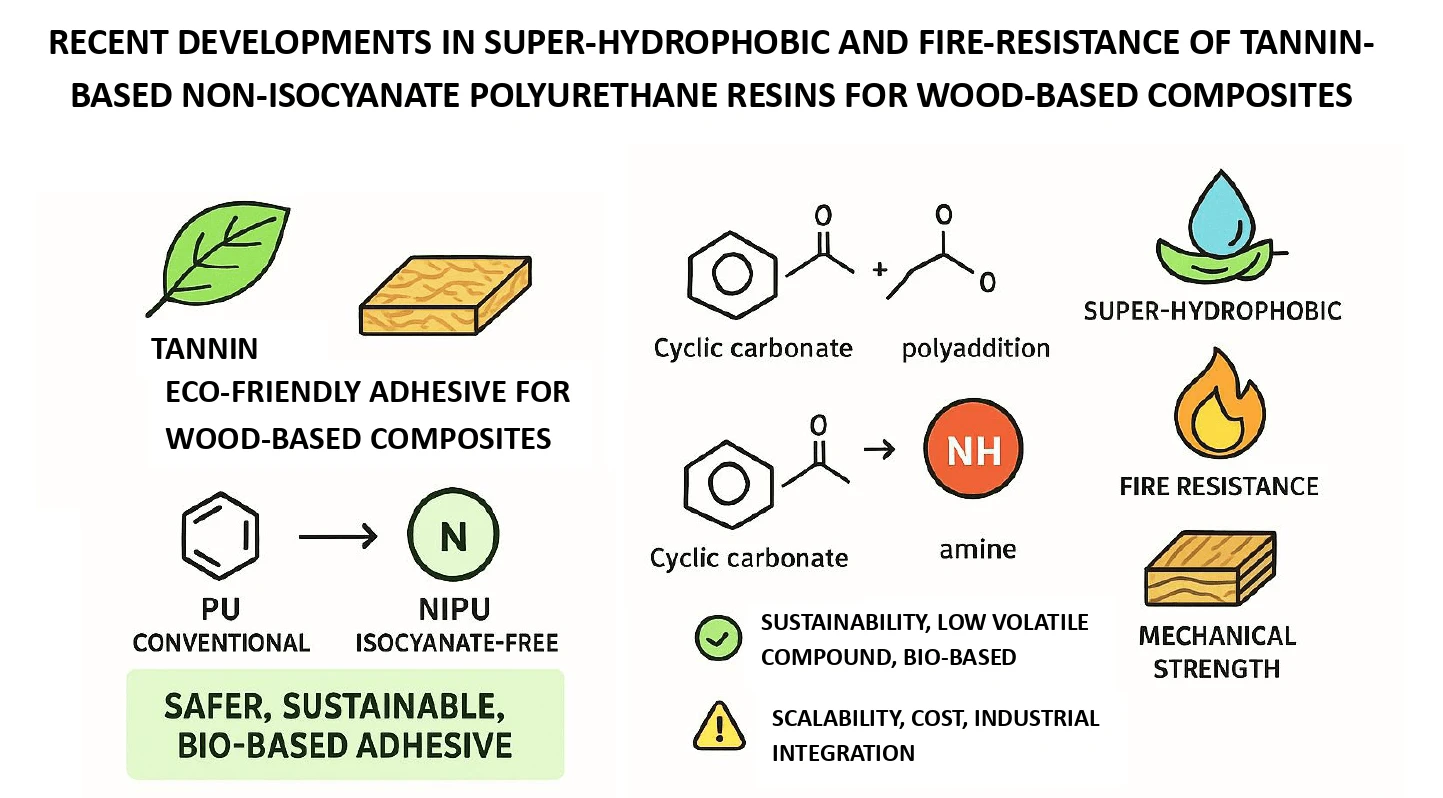
Abstract Recent advancements in developing tannin-based non-isocyanate polyurethane (NIPU) resins have unlocked new possibilities for sustainable and eco-friendly wood adhesives. Unlike conventional polyurethane, NIPUs eliminate hazardous isocyanates, offering safer alternatives for industrial applications. Tannin, a naturally occurring polyphenolic compound, plays a pivotal role in enhancing these resins’ fire-resistance and super-hydrophobic properties. This review highlights key developments in synthesizing tannin-based NIPU, focusing on various polymerization techniques such as polyaddition, polycondensation, ring-opening polymerization, and rearrangement. These strategies contribute to improved mechanical strength, thermal stability, and resistance to water absorption. Recent studies demonstrate that tannin-based NIPU adhesives meet or… More >
Graphic Abstract
Open Access
ARTICLE
Journal of Renewable Materials, Vol.14, No.3, 2026, DOI:10.32604/jrm.2026.02025-0201 - 25 March 2026
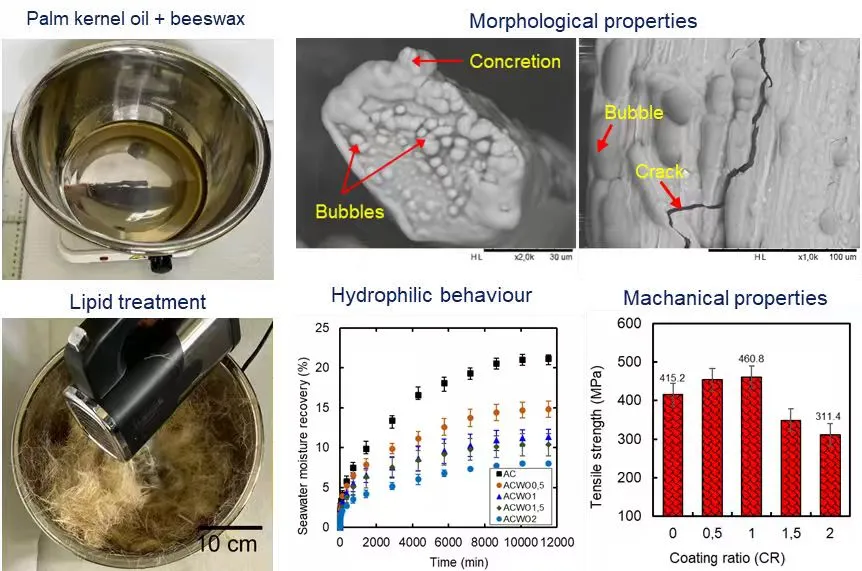
Abstract The high hydrophilicity of pineapple leaf fibres (PALF) limits their use in cement- and gypsum-based composites exposed to moisture. This study evaluates, for the first time, the combined effect of palm kernel oil and beeswax on the hygroscopic resistance and mechanical stability of PALF. The fibres were functionalised with three formulations (oil, wax, and a 1:2 oil/wax blend) applied at different mass ratios (CR = 0.5–2). Treatments increased the average bundle diameter by up to +46% (238 μm) and reduced density down to 1.06 g/cm3. Hygroscopically, water absorption decreased from 202.4% (raw fibres) to 76.3% (CR… More >
Graphic Abstract
Open Access
REVIEW
Journal of Renewable Materials, Vol.14, No.3, 2026, DOI:10.32604/jrm.2025.02025-0148 - 25 March 2026
(This article belongs to the Special Issue: Valorization of Lignocellulosic Biomass for Functional Materials)
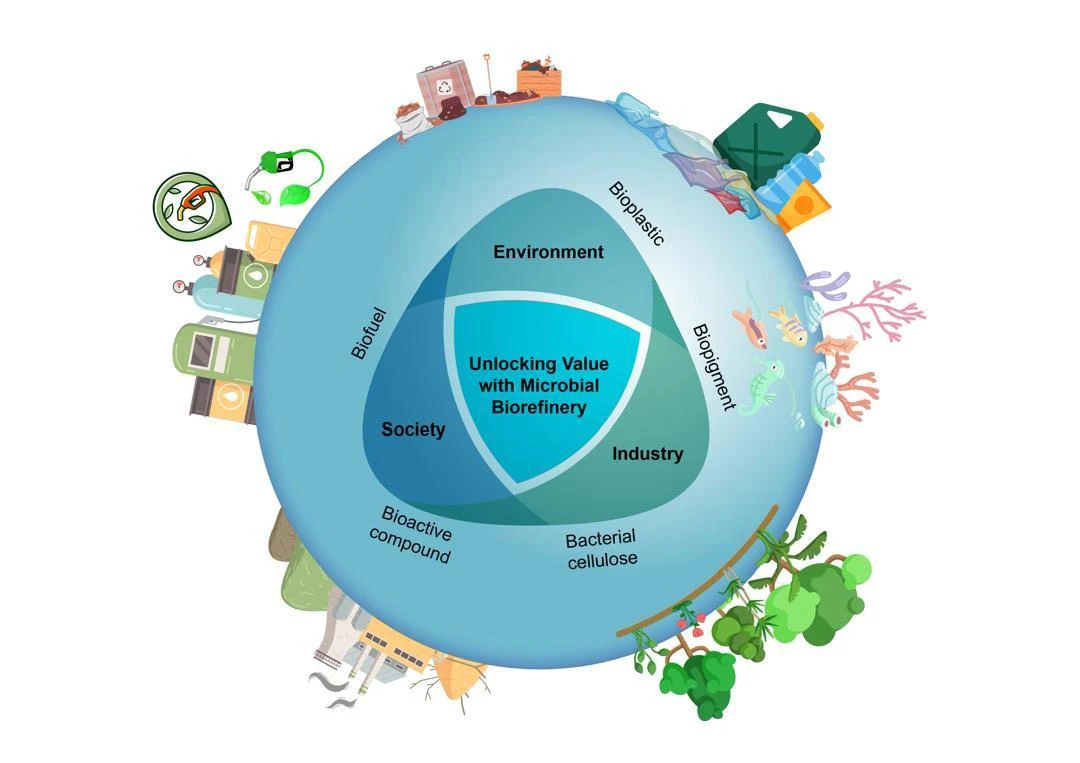
Abstract The escalating accumulation of agro-industrial waste—exceeding 350 million tons annually from post-harvest residues, food processing, and aquaculture—poses serious environmental threats, including greenhouse gas emissions, groundwater contamination, and excessive landfill usage. Although conventional treatment methods such as composting, incineration, and recycling offer partial mitigation, they often fall short of delivering scalable, circular solutions. Microbial biorefineries have emerged as a transformative approach, enabling the conversion of diverse biomass streams into high-value renewable materials. Through microbial fermentation, agricultural and municipal waste can be repurposed into functional outputs such as nanocellulose, biochar, and biocompatible compounds with applications in packaging, More >
Graphic Abstract
Open Access
ARTICLE
Journal of Renewable Materials, Vol.14, No.3, 2026, DOI:10.32604/jrm.2026.02025-0161 - 25 March 2026
(This article belongs to the Special Issue: Advances in Eco-friendly Wood-Based Composites: Design, Manufacturing, Properties and Applications – Ⅱ)
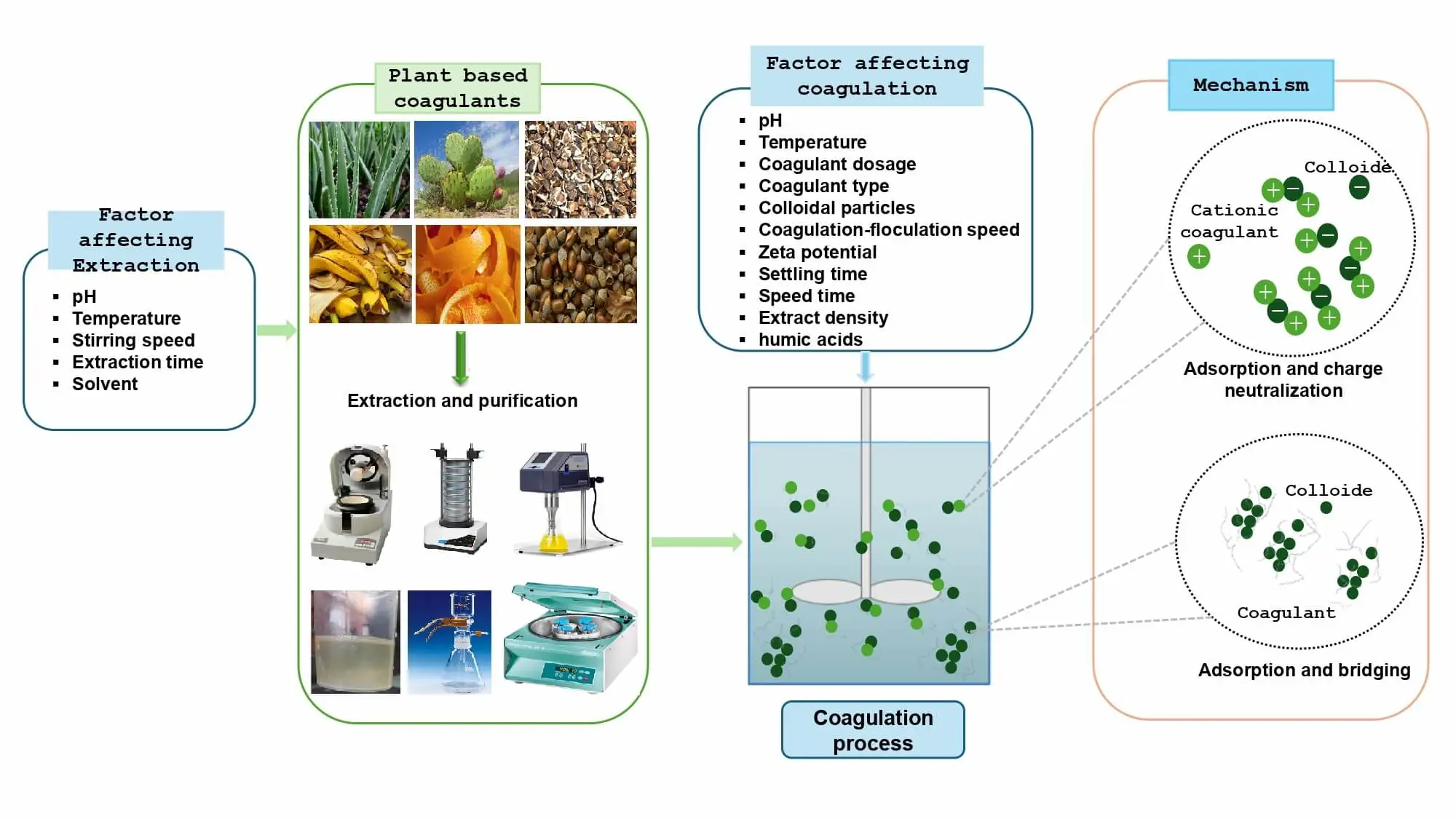
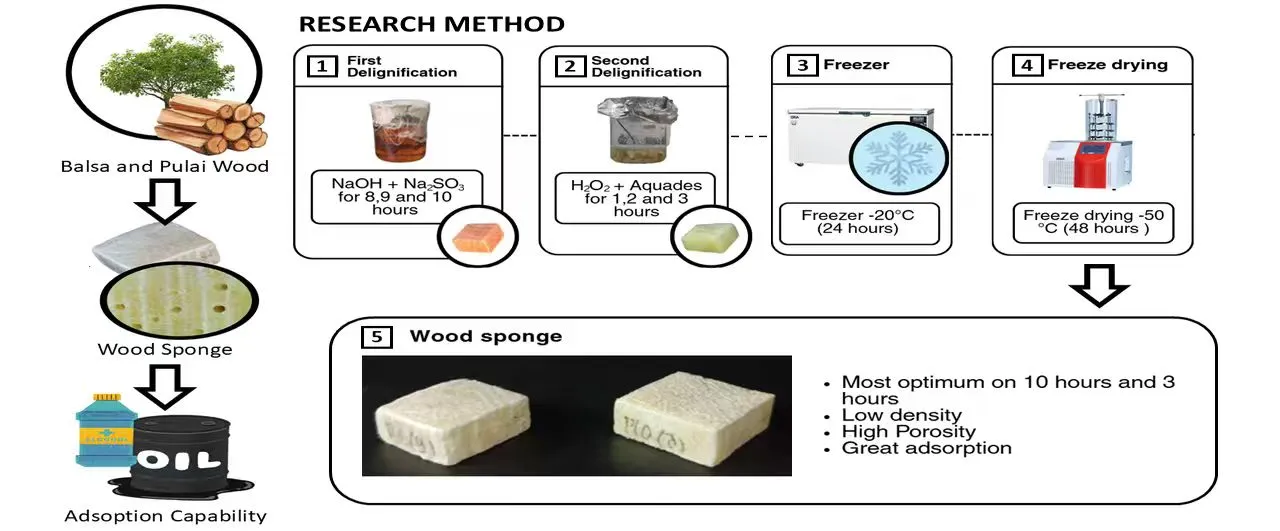
Abstract The increasing need for efficient, sustainable, and environmentally friendly adsorbent materials has driven interest in bio-based alternatives. Conventional silica-based adsorbents, while effective, are often brittle and energy-intensive to produce. In contrast, wood offers a renewable and low-energy option with natural porosity suitable for adsorption. This study investigated the fabrication of wood sponge from tropical balsa (Ochroma bicolor) and pulai (Alstonia scholaris) wood through a dual-stage delignification process as a novel bio-based adsorbent. The process involved alkaline treatment using sodium sulfite (Na2SO3) and sodium hydroxide (NaOH) at 100°C for 8, 9, and 10 h, followed by bleaching process using… More >
Graphic Abstract
Open Access
ARTICLE
Journal of Renewable Materials, Vol.14, No.3, 2026, DOI:10.32604/jrm.2026.02025-0227 - 25 March 2026
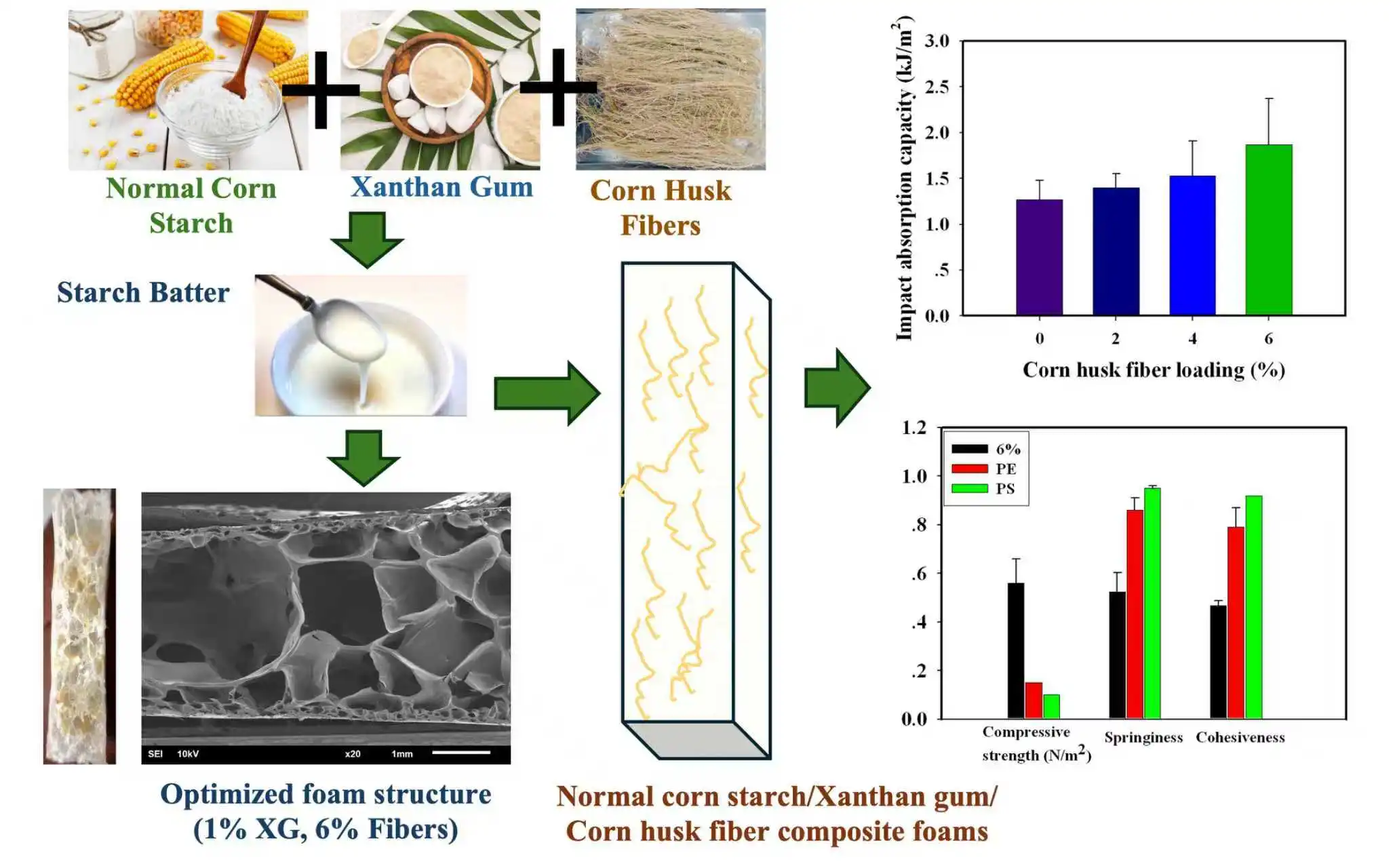
Abstract With the escalating environmental impact of petrochemical-based packaging, the development of biodegradable alternatives from agricultural waste has become imperative. This study describes the fabrication and optimization of a sustainable, bio-based cushioning material derived from a corn starch foam matrix and corn husk fibers via compression molding. The investigation of starch ratios revealed that 100% normal corn starch (NCS) provided superior expansion and structural integrity compared to waxy starch, which exhibited significant cell wall collapse under SEM analysis. To enhance formability, xanthan gum (XG) was incorporated as a stabilizer; a 1.0% (w/w) concentration was found to More >
Graphic Abstract

 Login
Login Register
 Submit a Paper
 Propose a Special lssue