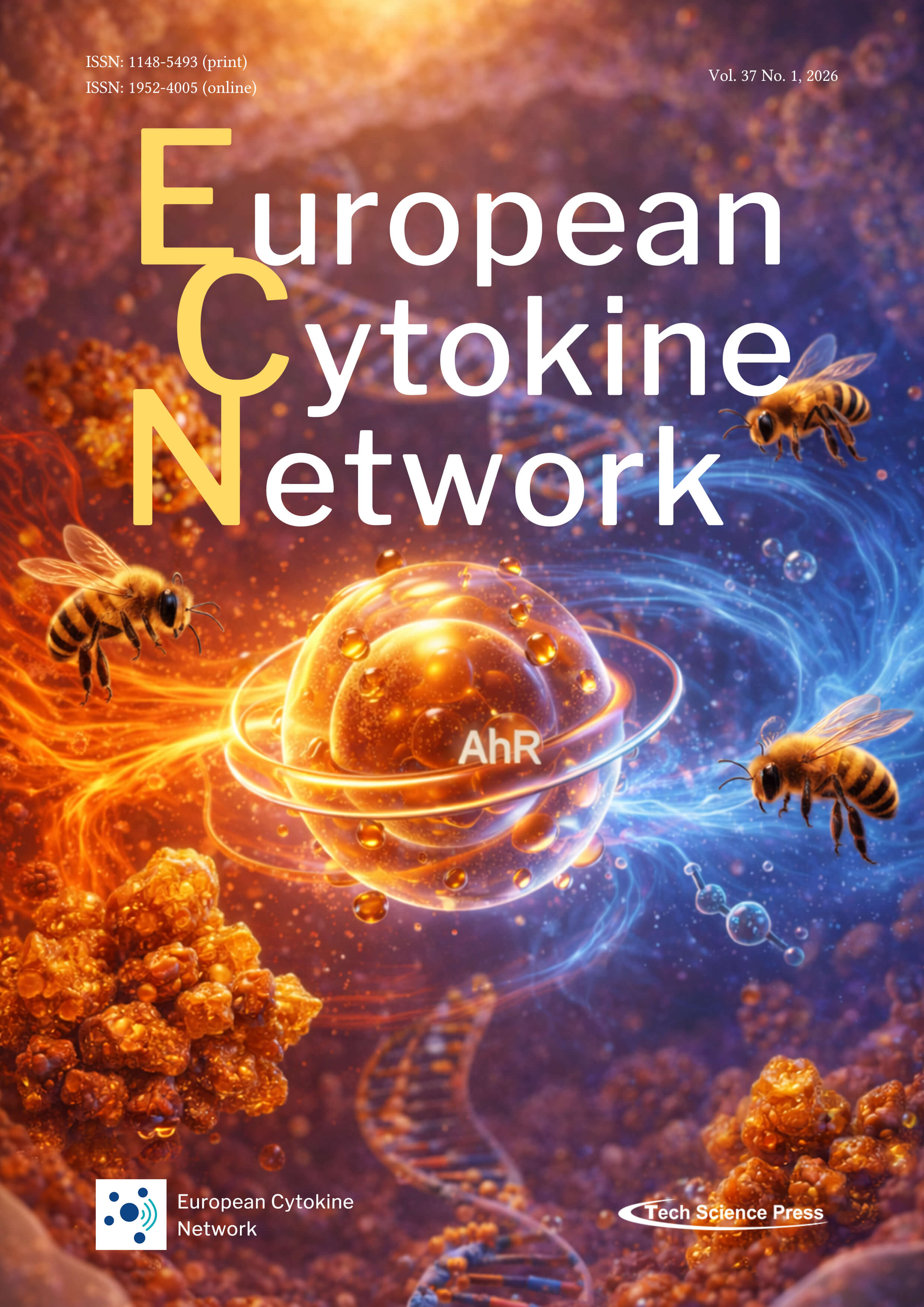
The aryl hydrocarbon receptor (AhR) is a ligand-activated transcription factor with complex, context-dependent effects on immune regulation, influenced by a wide range of endogenous and exogenous stimuli. In this review, particular attention is given to the capacity of propolis, a bee-derived resinous substance produced from plant exudates and rich in bioactive polyphenols, especially flavonoids, to interact with AhR pathways and modulate cytokine networks essential for immune homeostasis and barrier integrity. By integrating current evidence, this work highlights the antioxidant and anti-inflammatory properties of propolis, emphasizes its role in cytokine-mediated pathways, and addresses gaps in understanding its molecular mechanisms, thereby supporting its potential as a dietary strategy for modulating inflammation and immune responses. This cover image was generated using AI-assisted tools (Canva). The authors confirm that it contains no identifiable human likenesses, copyrighted elements, or misleading content.
View this paper

 Login
Login Register
 Submit a Paper
 Propose a Special lssue