Guest Editor(s)
Dr. Dengxiong Li
Email: dengxiongli@zcmu.edu.cn
Affiliation: Department of Urology, The First Affiliated Hospital of Zhejiang Chinese Medical University (Zhejiang Provincial Hospital of Chinese Medicine), Hangzhou, China
Homepage:
Research Interests: immune modulation; aging; cytokines; tumor microenvironment; artificial intelligence in oncology; cytokine signaling; tumor immune microenvironment; tumor progression; drug resistance; targeted cancer therapy
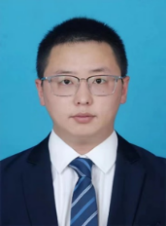
Dr. Jiahang Song
Email: jiahang.song@med.uni-muenchen.de
Affiliation: Department of Otorhinolaryngology, Head and Neck Surgery, Grosshadern Medical Center, Ludwig-Maximilians-University Munich, Munich, Germany
Homepage:
Research Interests: cytokine signaling networks; tumor microenvironment (TME); cancer progression; therapeutic resistance; metastasis; metabolic modulation of cytokines in TME; tumor heterogeneity; immune–cytokine crosstalk; cytokine-targeted therapies; translational cancer research; tumor microenvironment modulation

Summary
Cytokine networks are central architects of the tumor microenvironment (TME), governing immune infiltration, stromal remodeling, and therapeutic resistance. While the canonical roles of immunosuppressive cytokines such as TGF-β and IL-10, and effector cytokines including IL-2 and IFN-γ, have been extensively characterized, the landscape of TME cytokine biology is undergoing rapid expansion along several transformative frontiers. Cellular senescence, both spontaneous and therapy-induced, generates a senescence-associated secretory phenotype (SASP) rich in IL-6, IL-8, and TGF-β that chronically remodels the TME and may undermine therapeutic durability. Tumor-infiltrating nerves release neuro-cytokines and neurotransmitters, including CGRP, substance P, and norepinephrine, establishing a neuro-immune axis that directly modulates antitumor immunity through β-adrenergic and sensory signaling. The intratumoral and gut microbiomes represent additional underexplored sources of cytokine modulation: intratumoral bacteria engage TLR and STING pathways to trigger local IL-1β and type I interferon responses, while gut microbial metabolites such as short-chain fatty acids systemically shape the TME cytokine milieu. Moreover, oncometabolites, including lactate, succinate, and 2-hydroxyglutarate, function as paracrine regulators of cytokine transcription and inflammasome activation, and extracellular vesicles serve as intercellular carriers that deliver cytokine cargo across the TME. Clonal hematopoiesis of indeterminate potential (CHIP) introduces age-acquired hematopoietic mutations that alter the cytokine secretory profiles of tumor-infiltrating macrophages, linking aging to TME inflammation. Finally, ECM stiffness and solid stress activate mechanosensitive Piezo1 and YAP/TAZ pathways that drive TGF-β and IL-6 release, creating a feedforward mechano-cytokine loop. This Special Issue aims to provide a panoramic and forward-looking perspective on these emerging cytokine axes in TME remodeling. We welcome original research, reviews, and perspectives that explore the intersection of cytokine biology with senescence, neuro-immunology, the microbiome, metabolism, extracellular vesicles, clonal hematopoiesis, and mechanobiology in the context of the TME, with particular interest in therapeutic strategies targeting these novel dimensions.
Keywords
cytokine, SASP, neuro-cytokines, microbiome, clonal hematopoiesis of indeterminate potential, ECM, solid stress
Published Papers

 Login
Login Register
 Submit a Paper
 Propose a Special lssue