Guest Editor(s)
Prof. Dr. Ekaterina Kozuharova
Email: ina_kozuharova@yahoo.co.uk
Affiliation: Department of Pharmacognosy, Faculty of Pharmacy, Medical University of Sofia, Sofia, 1000, Bulgaria
Homepage:
Research Interests: ethnobotany, reproductive systems and pollination ecology of medicinal plants, invasive plant species, and biodiversity conservation

Summary
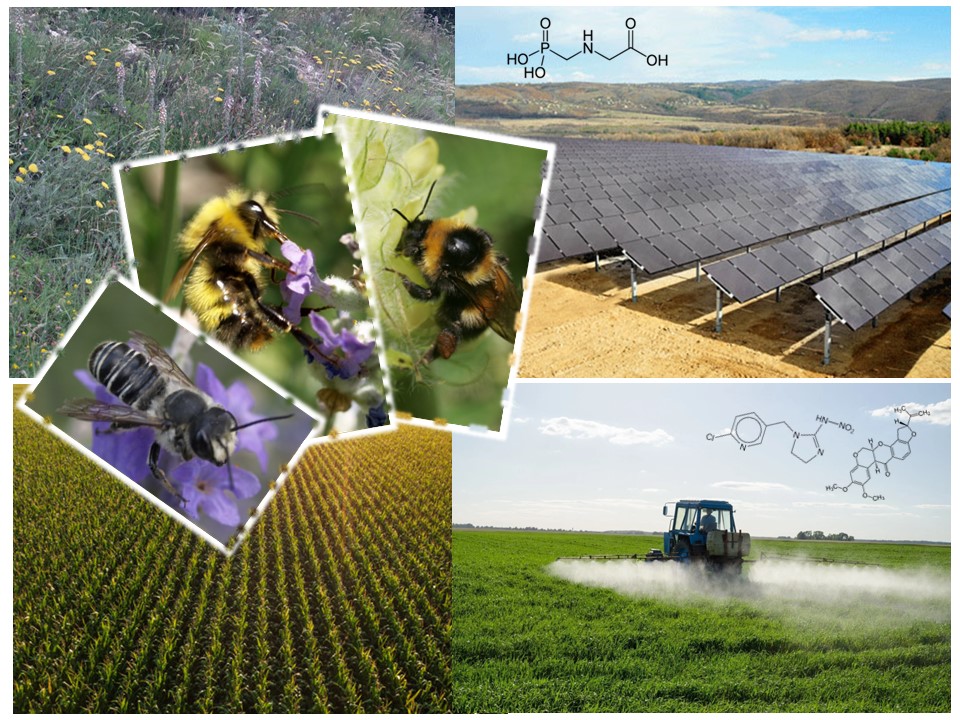
Entomophilous flowering plants, which make up the majority of terrestrial biodiversity, rely heavily on pollinators for reproduction and survival. Without these interactions, many plant species struggle to set seed, maintain genetic diversity, and sustain healthy populations. Yet, in recent years, plants have been placed at increasing risk as their pollinators decline due to habitat destruction, pesticide use, shrinking floral resources, electromagnetic radiation, and climate change.
The loss of pollinators has profound consequences for plants. Reduced pollination leads to fewer seeds and fruits, threatening not only individual species but also the stability of entire plant communities. Over time, this erosion of reproductive success can alter community composition, diminish ecosystem resilience, and even drive some plants toward extinction. Since plants form the foundation of terrestrial ecosystems, their decline reverberates far beyond their own survival—disrupting food webs, degrading habitats, and ultimately undermining biodiversity as a whole.
This Special Issue aims to bring attention to the vulnerability of plants in the face of pollinator loss. It highlights recent studies on the diversity of pollinator-dependent plants, the structure of plant–pollinator networks, and the risks posed by invasive species, mass monocultures, and declining insect populations. It also explores the consequences of generalist versus specialist pollination systems, with a focus on how plants adapt—or fail to adapt—when pollinators disappear.
Finally, the collection seeks to present strategies that can help secure plants' future, such as restoring wildflower habitats within agricultural landscapes, promoting native plantings, and encouraging pollinator-friendly pest management. By centering the perspective of plants, this Special Issue underscores how closely their survival is tied to pollinators—and why protecting pollinators is ultimately about safeguarding the world's plant life, and with it, the ecosystems and human societies that depend on them.
Graphic Abstract
Keywords
plant breeding systems, plant conservation, outcrossing, pollinators, wild bees, pesticides, habitat loss, intensive agriculture, sustainability
Published Papers

 Login
Login Register
 Submit a Paper
 Propose a Special lssue