Guest Editor(s)
Dr. Federico Greco
Email: federico.greco@unicampus.it
Affiliation: Department of Radiology, Cittadella della Salute, Azienda Sanitaria Locale di Lecce, Piazza Filippo Bottazzi, 2, 73100 Lecce, Italy.
Research Unit of Radiology, Department of Medicine and Surgery, Università Campus Bio-Medico di Roma, Via Alvaro del Portillo, 21, 00128 Roma, Italy.
Homepage:
Research Interests: artificial intelligence, body composition, radiogenomics, urologic oncology
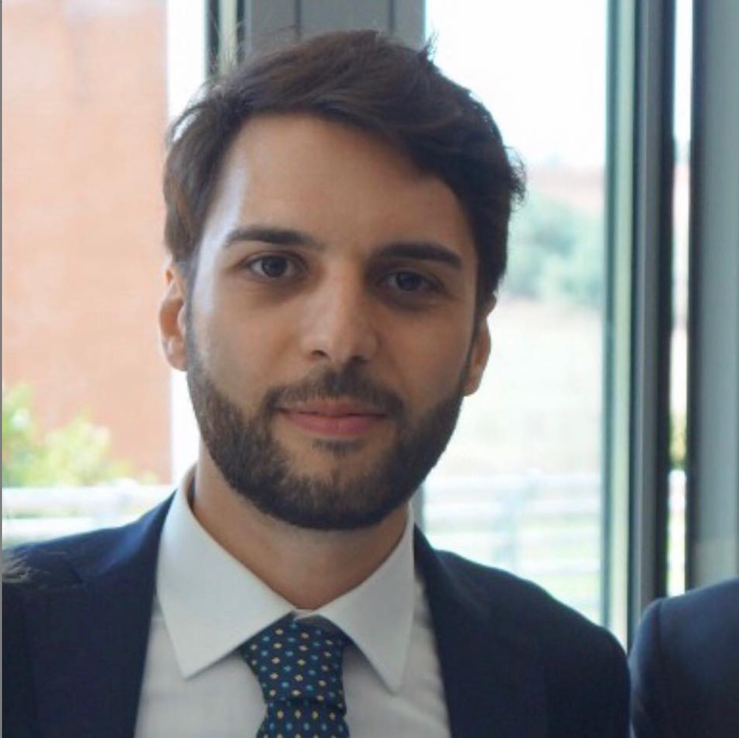
Prof. Dr. Carlo Augusto Mallio
Email: c.mallio@policlinicocampus.it
Affiliation: Fondazione Policlinico Universitario Campus Bio-Medico, Via Alvaro del Portillo, 200, 00128 Roma, Italy.
Research Unit of Radiology, Department of Medicine and Surgery, Università Campus Bio-Medico di Roma, Via Alvaro del Portillo, 21, 00128 Roma, Italy.
Homepage:
Research Interests: artificial intelligence, body composition, radiogenomics, urologic oncology

Summary
The rapid integration of artificial intelligence (AI), radiogenomics, and radiomics into clinical research is transforming the landscape of urologic oncology. These technologies enable a deeper understanding of tumor biology, non-invasive characterization of disease, and personalized treatment planning, offering unprecedented opportunities to improve patient outcomes. In particular, radiogenomics—linking imaging features with genomic profiles—has emerged as a powerful approach to bridge diagnostic imaging with molecular data.
This Special Issue aims to explore the intersection of AI, radiomics, and radiogenomics in the diagnosis, prognosis, and treatment of urologic cancers, including prostate, bladder, and kidney malignancies. The goal is to gather innovative research and expert reviews that demonstrate how these tools can enhance clinical decision-making and pave the way toward precision oncology in urology.
Suggested themes include:
1) Artificial intelligence for imaging-based risk stratification in urologic oncology
2) Radiomics applications in assessing tumor heterogeneity and treatment response
3) Radiogenomic approaches linking imaging phenotypes with molecular markers
4) Body composition analysis (e.g., adipose tissue compartments quantification) using AI and its prognostic value in urologic cancers
5) Integration of radiogenomic data into predictive models for personalized therapy
6) Advances in machine learning techniques for multi-parametric imaging interpretation
7) Challenges and opportunities in clinical translation of AI-based radiomic and radiogenomic tools
This Special Issue welcomes original research, comprehensive reviews, and translational studies that contribute to advancing the field of AI-assisted urologic oncology.
Keywords
artificial intelligence, body composition, radiogenomics, radiomics, urologic oncology
Published Papers

 Login
Login Register
 Submit a Paper
 Propose a Special lssue