Guest Editor(s)
Prof. Rong Na
Email: yungna@hku.hk
Affiliation: Division of Urology, Department of Surgery, LKS Faculty of Medicine, The University of Hong Kong, Hong Kong, China
Homepage:
Research Interests: urological oncology, prostate cancer, genetic epidemiology, functional genomics, translational research, urological diseases
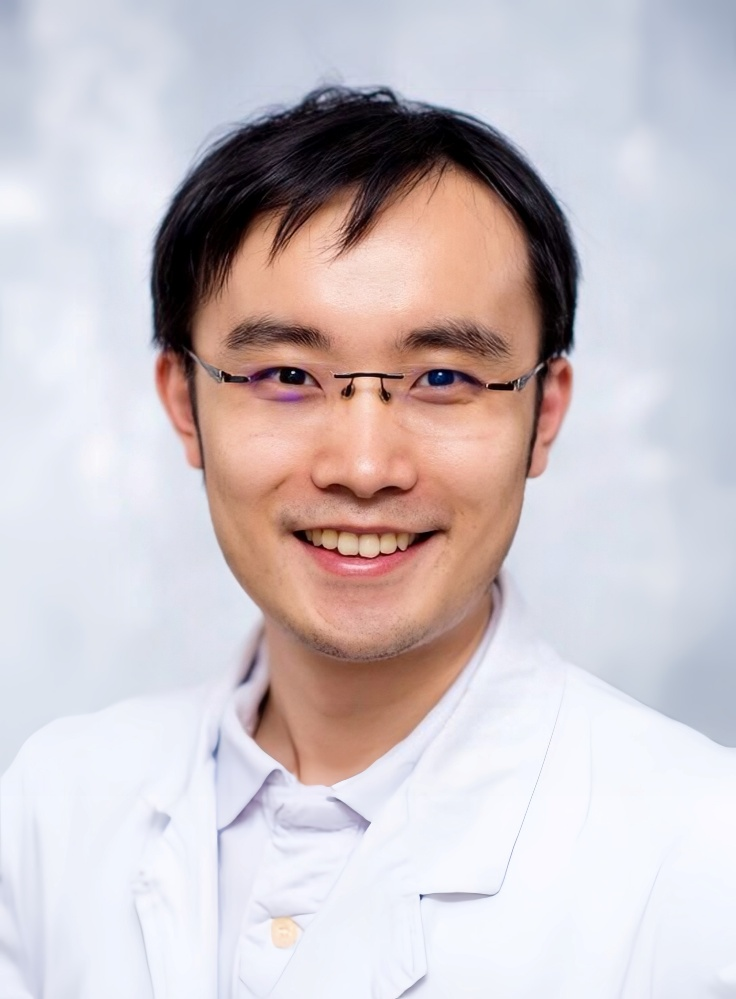
Prof. Li Cho Wing, Bryan
Email: bryanli@hku.hk
Affiliation: Centre of Cancer Medicine, Department of Medicine, and Department of Obstetrics and Gynaecology at the School of Clinical Medicine, the University of Hong Kong, Hong Kong, China
Homepage:
Research Interests: clinical trials, oncological treatment and translational research on novel cancer therapeutics for urological malignancies

Mrs. Xinliang Cai
Email: caixl@hku-szh.org
Affiliation: Division of Urology, Department of Surgery, The University of Hong Kong-Shenzhen Hospital, Shenzhen, China
Homepage:
Research Interests: perioperative nursing in urology, wound care related to urology

Summary
Urologic malignancies, including prostate, bladder, kidney, testicular, penile, and upper tract urothelial cancers, constitute a major component of urologic practice in Canada and internationally. These diseases are associated with substantial morbidity, mortality, and healthcare utilization, and their management has become increasingly complex with the expansion of minimally invasive and robotic surgery, focal therapy, molecular diagnostics, immunotherapy, targeted systemic treatment, and survivorship care. In parallel, there is growing recognition that optimal outcomes in urologic oncology require coordinated multidisciplinary care involving urologists, medical and radiation oncologists, nurses, pathologists, radiologists, and allied health professionals.
The aim of this Special Issue is to present a scholarly and clinically relevant overview of contemporary advances in the diagnosis, treatment, perioperative management, and long-term follow-up of patients with urologic cancers. Its scope will emphasize evidence-based practice, translational innovation, multidisciplinary collaboration, and issues relevant to Canadian clinical practice and health systems.
Suggested themes:
· Surgical advances in urologic oncology
· Systemic, targeted, and immune-based therapies
· Nursing care and symptom management
· Active surveillance and personalized treatment
· Survivorship, rehabilitation, and quality of life
· Health equity, access, and multidisciplinary models of care
Keywords
urologic oncology; multidisciplinary care; surgical management; systemic therapy; survivorship

 Login
Login Register
 Submit a Paper
 Propose a Special lssue