Guest Editor(s)
Prof. Dr. Brian J. Flynn
Email: brian.flynn@cuanschutz.edu
Affiliation: University of Colorado Anschutz Medical Campus, Aurora, United States
Homepage:
Research Interests: advancement of full functional lower urinary tract restoration, complex male and female urinary incontinence, voiding dysfunction, urethral stricture disease, lower urinary tract reconstruction, minimally invasive surgical techniques, the development and evaluation of robotic paradigms for complex bladder and ureteral reconstruction

Summary
Male stress urinary incontinence (SUI) remains a profoundly life-altering condition that frequently arises as a consequence of radical prostatectomy, radiation therapy, pelvic trauma, or neurological disorders. Beyond the physical burden of severe leakage, persistent SUI imposes a heavy psychological toll on patients, commonly precipitating high rates of anxiety, depression, social isolation, and professional limitations. While the artificial urinary sphincter (AUS) has historically stood as the active "gold standard" for severe post-prostatectomy incontinence, the landscape of urological reconstruction is experiencing a major clinical shift.
There is an expanding, highly dynamic market for passive sub-urethral and paraurethral devices. These options bridge a vital therapeutic gap for individuals who seek to avoid the cognitive or manual dexterity demands of active pumps, or who present with a high risk for primary sphincter complications. As surgical technology progresses, understanding how to effectively position fixed slings, postoperatively adjustable sub-urethral meshes, and customizable paraurethral balloons within the traditional clinical algorithm is crucial to optimizing long-term success, minimizing morbidity, and restoring overall emotional well-being.
This Special Issue aims to map the innovative, changing paradigms defining modern male SUI surgery. It seeks to gather cutting-edge research, clinical trial updates, and high-volume institutional perspectives that challenge traditional treatment algorithms by prioritizing minimally invasive, individualized solutions.
The scope spans both retrospective and prospective evaluations of current passive sub-urethral technologies, new regulatory adjustments in clinical settings, multi-institutional comparative tracking, and emerging investigative active or electromechanical continence tools. By emphasizing rigorous data on patient selection, complications, device survival, and post-treatment emotional quality-of-life (QOL) metrics, this collection will serve as a definitive modern reference for reconstructive urologists worldwide.
Suggested Themes include but are not limited to:
Contributions to the Special Issue are invited across the following distinct areas:
· Efficacy and Longevity of Non-Adjustable Slings: Mid- and long-term diagnostic tracking, functional outcomes, and patient satisfaction levels regarding transobturator and quadratic sub-urethral mesh options.
· In-Clinic Adjustability and Titration Protocols: Novel titrating strategies, anatomical boundaries, and volume configuration pathways for adjustable transobturator systems, mechanical varitensors, and percutaneous ports.
· Minimally Invasive Paraurethral Balloon Therapy: Comprehensive surgical guidance, positioning tests, and long-term durability evaluations of fluoroscopic- and ultrasound-guided adjustable continence balloons.
· The Psychology of Continence Recovery: Utilizing validated psychometric questionnaires to evaluate how restoring bladder control via passive or active mechanisms directly alleviates depression, reduces lifestyle restriction, and boosts emotional health.
· Navigating the Post-Radiation and Complex Urethra: Challenging case evaluations, complication profiles, and strict patient selection boundary definitions for passive implants in patients with prior pelvic radiation or failed previous incontinence surgeries.
· Emerging Paradigms and Next-Generation Tech: Preliminary safety outcomes, clinical trials, and early multi-center experiences with newly introduced hydraulic sphincters and electromechanical active compression devices.
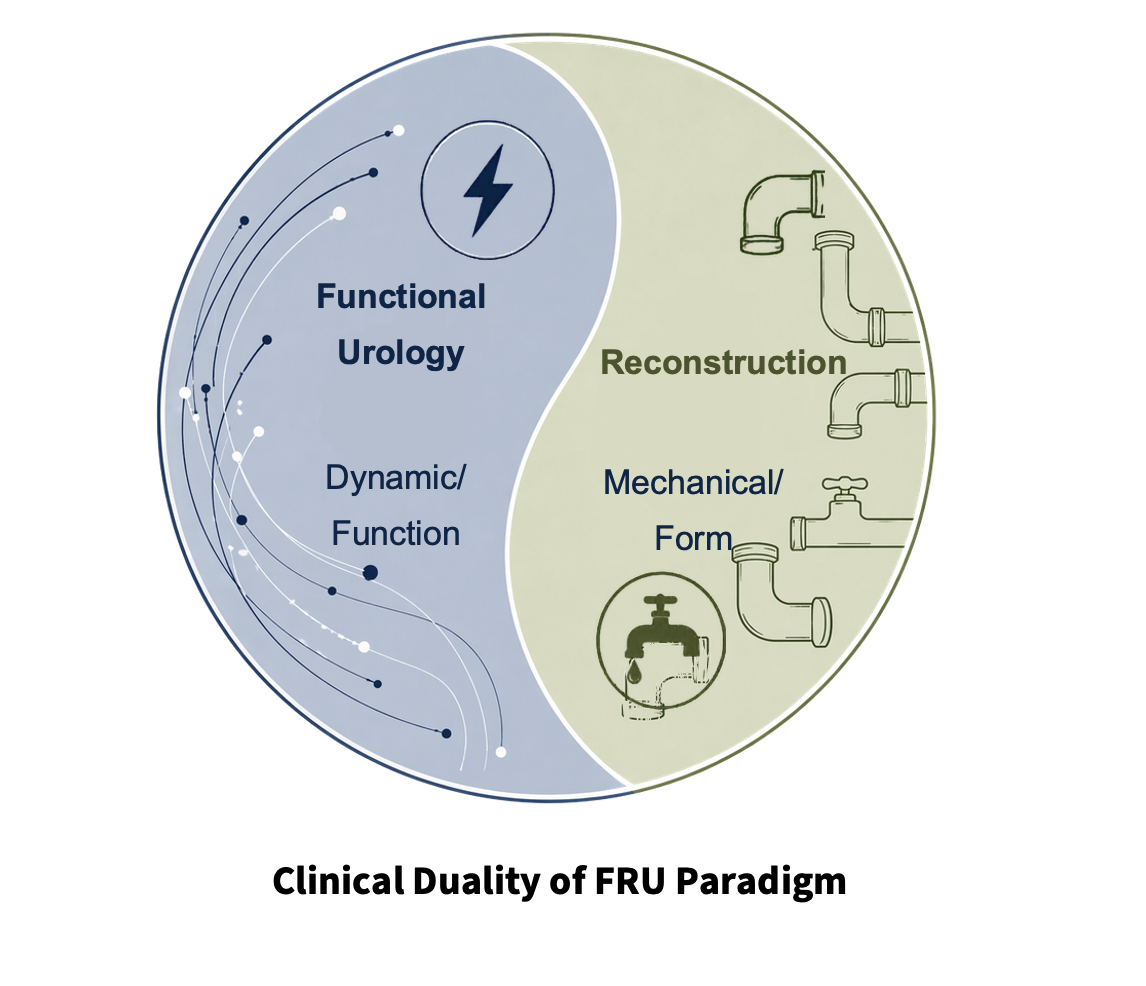
Graphic Abstract
Keywords
male stress urinary incontinence, passive sub-urethral devices. minimally invasive surgery, paraurethral adjustable balloons, innovative changing paradigms, post-prostatectomy continence recovery

 Login
Login Register
 Submit a Paper
 Propose a Special lssue