Guest Editor(s)
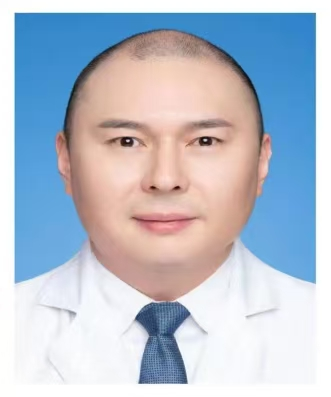
Assoc. Prof. Mantang Qiu
Email: drmantangqiu@gmail.com
Affiliation: Department of Thoracic Surgery, Thoracic Oncology Institute, Peking University People's Hospital, Beijing, 100044, China
Homepage:
Research Interests: molecular oncology, tumor microenvironment, noncoding rna and circular rna, cancer metabolism, biomarkers and therapeutic targets, rna-based therapeutics, cellular signalling and disease regulation, translational cancer research

Assist. Prof. Yunhan Ji
Email: yunhan.ji@shsmu.edu.cn
Affiliation: Department of Orthopedics, Tongren Hospital Shanghai Jiao Tong University School of Medicine, Shanghai, 200336, China
Homepage:
Research Interests: orthopaedic regeneration, bone and joint rehabilitation, inflammatory regulation in musculoskeletal disorders, bioactive materials and natural compounds, cellular signalling in tissue repair, oxidative stress and bone metabolism, translational musculoskeletal medicine, regenerative therapeutics and biomaterials
Summary
Natural bioactive compounds have become a cornerstone in modern biomedical research due to their potential to provide safer and more effective alternatives to conventional drugs. Derived from plants, marine organisms, fungi, and microorganisms, these components—including alkaloids, flavonoids, terpenoids, and polyphenols—exhibit diverse pharmacological effects such as anti-inflammatory, antioxidant, antimicrobial, and anticancer activities. Their ability to modulate cellular and subcellular signaling pathways, regulate gene and protein expression, and influence key cellular behaviors (such as proliferation, apoptosis, autophagy, and differentiation) provides mechanistic insights into their therapeutic potential.
Recent research has shed light on the molecular mechanisms by which these bioactive natural components and their synthetic derivatives regulate oxidative stress, suppress inflammatory mediators, modulate gene expression, and interfere with disease-associated signalling cascades. Particular attention is now directed toward elucidating how these compounds act at the cellular level to influence intracellular signaling networks, protein modifications, transcriptional regulation, and intercellular communication. Advances in isolation, structural characterization, and formulation have further enhanced their therapeutic efficacy, selectivity, and bioavailability. However, for meaningful biological interpretation, it is essential that these findings be supported by mechanistic studies conducted in cellular or subcellular models. This growing evidence base highlights the need for continued exploration of natural products and their active constituents through mechanistic studies that reveal the cellular basis of disease modulation.
This special issue welcomes original research articles, reviews, and short communications focused on the cellular, molecular, and biochemical aspects of bioactive natural components and their roles in modulating disease processes.
1. Scope of the Special Issue
This issue aims to highlight innovative contributions related to:
• Pharmacological activities of natural product extracts and bioactive molecules investigated through cellular and molecular experiments
• Isolation and characterization of therapeutic monomeric compounds linked to mechanistic studies at the cell level
• Cellular and molecular mechanisms of action in regulating inflammatory, oxidative, metabolic, and oncogenic pathways
• Studies using cell lines, primary cells, or organoids to elucidate the signaling pathways affected by bioactive compounds
• Mechanistic validation of in vivo findings using cell-based assays
• Preclinical and clinical studies evaluating disease-specific therapeutic efficacy when supported by cell-level mechanistic evidence
• Synergistic interactions between natural compounds and conventional drugs demonstrated through modulation of intracellular signaling cascades
• Exploration of protein–protein interactions, post-translational modifications, and gene regulatory mechanisms affected by natural products
• Advances in formulation, delivery systems, and bioavailability enhancement only when directly linked to cellular uptake, intracellular trafficking, or mechanistic effects
• Toxicological assessment, safety profiling, and regulatory perspectives supported by molecular or cellular mechanistic insights
2. Target Diseases May Include (but are not limited to):
• Cancer and tumor suppression via modulation of cellular proliferation, apoptosis, and autophagy pathways
• Neurodegenerative disorders (e.g., Alzheimer's, Parkinson's disease) through regulation of neuronal survival signaling and oxidative stress pathways
• Cardiovascular diseases with a focus on endothelial and myocardial cell mechanisms
• Metabolic syndromes (e.g., diabetes, obesity) through cellular regulation of insulin signaling and lipid metabolism
• Autoimmune and chronic inflammatory diseases by dissecting cell-type-specific inflammatory responses
• Infectious diseases and antimicrobial resistance with mechanistic insights into host–pathogen interactions at the cellular level
Keywords
bioactive natural compounds, cellular signalling pathways, disease modulation, mechanistic studies, anti-inflammatory activity, antioxidant effects, apoptosis and autophagy, drug–natural compound interactions
Published Papers

 Login
Login Register
 Submit a Paper
 Propose a Special lssue