Guest Editor(s)
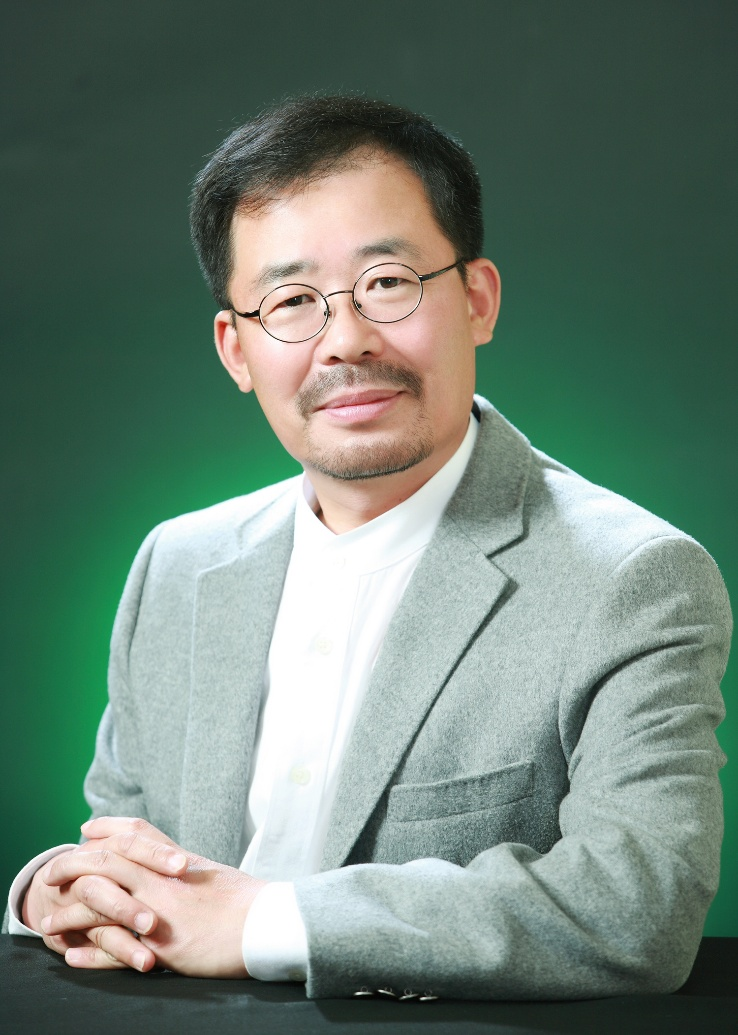
Prof. Dr. Moo-Ho Won
Email: mhwon@kangwon.ac.kr
Affiliation: Department of Emergency Medicine, Kangwon National University, School of Medicine, Kangwon National University, Chuncheon 24289, Republic of Korea.
Research Interests: ischemic stroke, neuronal death, gliosis, excitotoxicity, reactive oxygen species, oxidative stress, neuroinflammation, neurovascual unit, neuroprotection, therapeutic stratigies, neuroregeneration
Summary
Brain ischemic insults, including transient ischemic attack (TIA), ischemic stroke, ischemia-reperfusion injury, cardiac arrest/return of spontaneous circulation (ROSC), provoke a cascade of tightly regulated cellular and molecular events that determine tissue survival or irreversible damage. These events involve a dynamic interplay of neuronal, glial, and vascular elements, along with complex intracellular signaling networks that control inflammation, cell death, oxidative stress, and regeneration. Despite decades of research, the precise mechanisms governing ischemic injury and reperfusion responses at the cellular level remain incompletely understood, limiting the development of effective therapies. In this context, BIOCELL is inviting contributions to a special issue on "Cellular and Molecular Insights into Brain Ischemic Insults", aiming to highlight recent discoveries that unravel the fine-scale mechanisms underlying brain ischemic pathology and repair.
This special issue will focus on the latest advances in understanding the pathophysiological processes of brain ischemic insults through the lens of cell biology and molecular regulation. Subtopics of interest include, but are not limited to:
1. Neuronal and Glial Responses to Ischemic Insults
Studies examining how neurons and glial cells (astrocytes, microglia, oligodendrocytes) respond to ischemic insult stress, including mechanisms of apoptosis, necroptosis, ferroptosis, autophagy, and glial reaction (gliosis) or polarization in acute and chronic phases.
2. Blood-Brain Barrier Dysfunction and Neurovascular Unit Breakdown
Research focused on endothelial injury, tight junction disruption, and inflammatory infiltration during reperfusion, as well as the role of pericytes, basement membrane components, and vascular remodeling in BBB integrity and repair.
3. Oxidative Stress and Mitochondrial Signaling
Mechanistic studies on ROS generation, redox signaling, mitochondrial dysfunction, cytochrome c release, and downstream pathways that mediate energy failure, oxidative damage, or adaptive responses.
4. Inflammatory Signaling Pathways
Articles exploring the activation of innate immune receptors, inflammasomes (e.g., NLRP3), cytokine release, and transcriptional regulation (e.g., NF-κB, STAT3) during sterile inflammation following ischemic insults.
5. Non-coding RNAs and Epigenetic Regulation
Research highlighting the regulatory roles of miRNAs, lncRNAs, circRNAs, and epigenetic modifications in gene expression control, cellular stress responses, and neural tissue remodeling.
6. Experimental Models and Therapeutic Targets
Submissions using in vivo (e.g., MCAO, photothrombotic models, cardiac arrest/ROSC models) or in vitro (e.g., OGsD/R) systems to study cell-level processes, along with work targeting specific signaling molecules or pathways for neuroprotection or vascular recovery.
By bringing together diverse aspects of brain ischemic insult research at the cellular and molecular level, this special issue aims to advance our understanding of the pathogenesis and resolution of ischemic brain injury. We particularly welcome studies that provide novel mechanistic insights or propose therapeutic strategies grounded in robust cellular and molecular evidence. Contributions that bridge neurobiology, vascular biology, and translational medicine are especially encouraged.
Keywords
brain ischemic insults, ischemic stroke, reperfusion injury, neuronal death, neuroinflammation, blood-brain barrier disruption, oxidative stress, glial responses, non-coding RNAs
Published Papers

 Login
Login Register
 Submit a Paper
 Propose a Special lssue