Guest Editor(s)
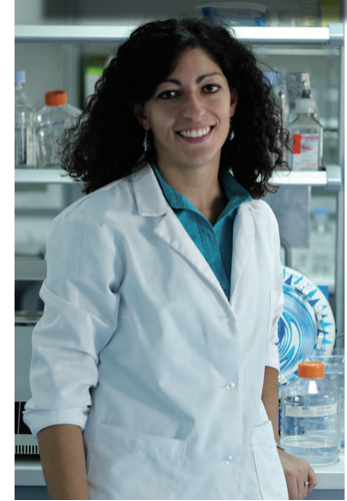
Dr. Gaetana Paolella
Email: gpaolella@unisa.it
Affiliation: Department of Chemistry and Biology, University of Salerno, via Giovanni Paolo II 132, 84084 Fisciano, SA, Italy
Homepage:
Research Interests: type 2 transglutaminase, cell biology, tumor biochemistry, apoptosis, autophagy, modulation of cell functions by environmental pollutants
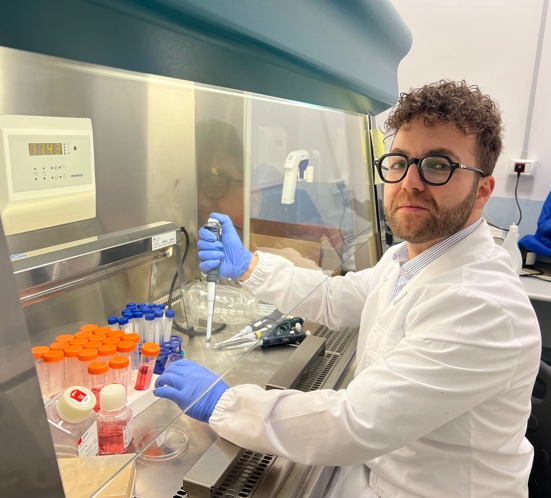
Dr. Antonio Massimiliano Romanelli
Email: aromanelli@unisannio.it
Affiliation: Optoelectronics Group, Department of Engineering, University of Sannio, Benevento, Italy
Homepage:
Research Interests: cell biology, tumor biochemistry, drug delivery, apoptosis, autophagy, bioengineering, toxicology
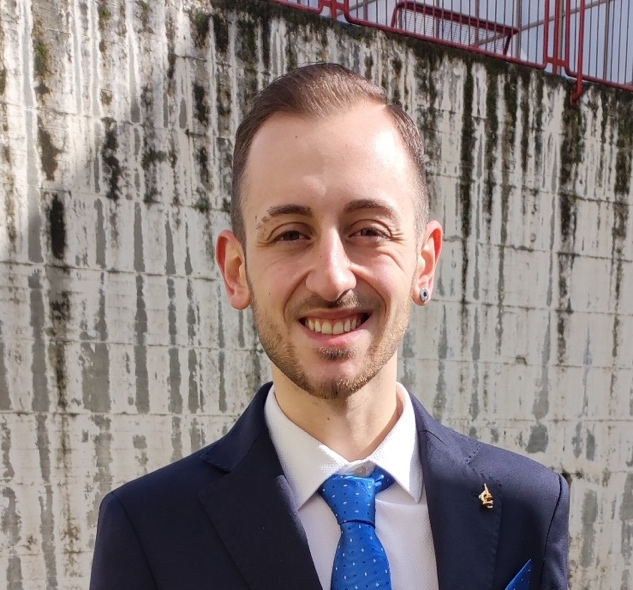
Dr. Antonio Montefusco
Email: amontefusco@unisa.it
Affiliation: Department of Chemistry and Biology, University of Salerno, 84084 Fisciano, Italy
Homepage:
Research Interests: cell biology, biochemistry, autophagy, drug delivery, celiac disease, tumor biochemistry
Summary
Cancer remains a leading cause of mortality worldwide, and despite significant advances in therapeutic strategies, clinical outcomes are still hampered by drug resistance, tumor heterogeneity, and off-target toxicity. A deeper understanding of how anticancer agents act on cancer cells at the molecular and cellular levels is crucial for optimizing treatment efficacy. This Special Issue in BIOCELL aims to highlight how pharmacologically active compounds and modern delivery systems impact cellular behavior, with a particular focus on intracellular signaling, cell death pathways, and tumor cell-environment interactions.
The objective of this Special Issue is to explore how anticancer agents—both as free molecules and within delivery systems—modulate essential cellular processes such as signaling cascades, apoptosis, autophagy, oxidative and ER stress, metabolic reprogramming, and the dynamics of the tumor microenvironment. Emphasis will be placed on mechanistic studies that uncover how these therapies influence cancer cell physiology, either directly or through engineered delivery that alters drug-cell interactions.
Key subtopics to be covered include, but are not limited to:
1. Signal Transduction and Cell Death Pathways:
Investigations into how anticancer compounds affect key pathways such as MAPK, PI3K/AKT, NF-κB, p53, and others to trigger apoptosis, necroptosis, or ferroptosis, and how these pathways influence cancer cell fate.
2. Autophagy and ER Stress Modulation:
Studies examining how therapeutic agents initiate or inhibit autophagy and ER stress responses, and the downstream effects on cell survival or death.
3. Oxidative Stress and Redox Homeostasis:
Research elucidating how drugs manipulate intracellular ROS levels, antioxidant defenses, and redox-sensitive signaling pathways to modulate treatment outcomes.
4. Metabolic Rewiring:
Analyses of drug-induced alterations in cancer cell metabolism—including glycolysis, mitochondrial respiration, and lipid biosynthesis—and how these changes contribute to sensitivity or resistance.
5. Cell–Matrix and Tumor Microenvironment Interactions:
Mechanistic studies on how anticancer treatments influence cancer cell adhesion, migration, extracellular matrix remodeling, and communication with stromal or immune cells within the microenvironment.
6. Cell-Targeted Delivery and Intracellular Dynamics of Anticancer Agents:
Contributions examining how advanced drug delivery systems—such as nanoparticles, ligand-conjugated carriers, and exosome-like vesicles—modulate cellular uptake, endocytosis, subcellular trafficking, and organelle-specific targeting. Emphasis is placed on how these systems influence intracellular signaling pathways, stress responses, or gene expression at the cellular level, thereby enhancing therapeutic precision and efficacy.
By focusing on the cell-level interactions between cancer therapies and their biological targets, this Special Issue seeks to provide mechanistic insights that can inform both basic and translational cancer research. Original research articles, reviews, and short communications that deepen our understanding of these cellular mechanisms are highly welcomed.
Keywords
cancer cell signalling, apoptosis, autophagy, drug delivery systems, oxidative stress, tumour microenvironment, intracellular trafficking, metabolic reprogramming
Published Papers

 Login
Login Register
 Submit a Paper
 Propose a Special lssue