Guest Editor(s)
Assist. Prof. Junqin Bai
Email: junqin.bai@northwestern.edu
Affiliation: Department of Otolaryngology, Northwestern University Feinberg School of Medicine, Chicago, IL 60611, United States
Homepage: profiles/az/profile.html?xid=66219
Research Interests: immune-epithelial interactions, disease pathogenesis, chronic inflammation, cellular and molecular mechanisms, single-cell transcriptomics, bulk transcriptomic analysis, multi-omics data integration

Dr. Lin Du
Email: ldu3@uic.edu
Affiliation: Department of Biomedical Engineering, University of Illinois Chicago, Chicago, United States
Homepage: sXQAAAAJ&hl=en
Research Interests: computational genomics and 3D chromatin organization, single-cell multi-omics integration, machine learning for biomarker discovery and disease modeling, AI-driven predictive frameworks for immunology and precision medicine
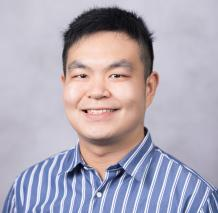
Dr. Shan He
Email: shanh@uic.edu
Affiliation: Department of Phamaceutical Science, University of Illinois Chicago, Chicago, United States
Homepage:
Research Interests: cellular and molecular mechanisms, immune modulation, cell-based therapies, biomaterial-assisted drug and gene delivery
Summary
This Special Issue focuses on advancing our understanding of the cellular and molecular mechanisms that govern immune–epithelial regulation during disease pathogenesis.
Immune–epithelial interactions are essential for maintaining tissue homeostasis and orchestrating immune responses, yet their dysregulation underlies a wide range of chronic inflammatory, autoimmune, and infectious diseases.
We aim to highlight studies that explore how immune cells and epithelial cells communicate through signaling pathways, transcriptional and epigenetic regulation, cytokine networks, and receptor–ligand interactions. Integrative analyses using single-cell and bulk transcriptomics, proteomics, metabolomics, or spatial multi-omics are especially encouraged when they provide mechanistic insight into cell-type–specific functions and molecular regulatory circuits.
We welcome contributions that:
(i)uncover cellular and subcellular processes driving immune activation, tolerance, and epithelial remodeling;
(ii)dissect signaling cascades and transcriptional programs shaping immune–epithelial cross-talk;
(iii)employ functional assays or mechanistic models to validate molecular interactions; and
(iv)develop computational frameworks that elucidate the structural and regulatory basis of immune–epithelial coordination.
By integrating molecular, cellular, and systems-level perspectives, this Special Issue seeks to provide deep mechanistic insights into immune and epithelial biology, advancing the foundational understanding of inflammation, infectious, and immune-mediated disease.
Keywords
chronic inflammation, biomarker, machine learning, omics

 Login
Login Register
 Submit a Paper
 Propose a Special lssue