Guest Editor(s)
Prof. Feng Xu
Email: xufeng@yangtzeu.edu.cn
Affiliation: College of Horticulture and Gardening, Yangtze University, Jingzhou, China
Homepage:
Research Interests: plant selenium biology and biofortification, trace element interactions and heavy metal mitigation, secondary metabolism in medicinal woody plants, phytoremediation and se-enriched cultivation technologies
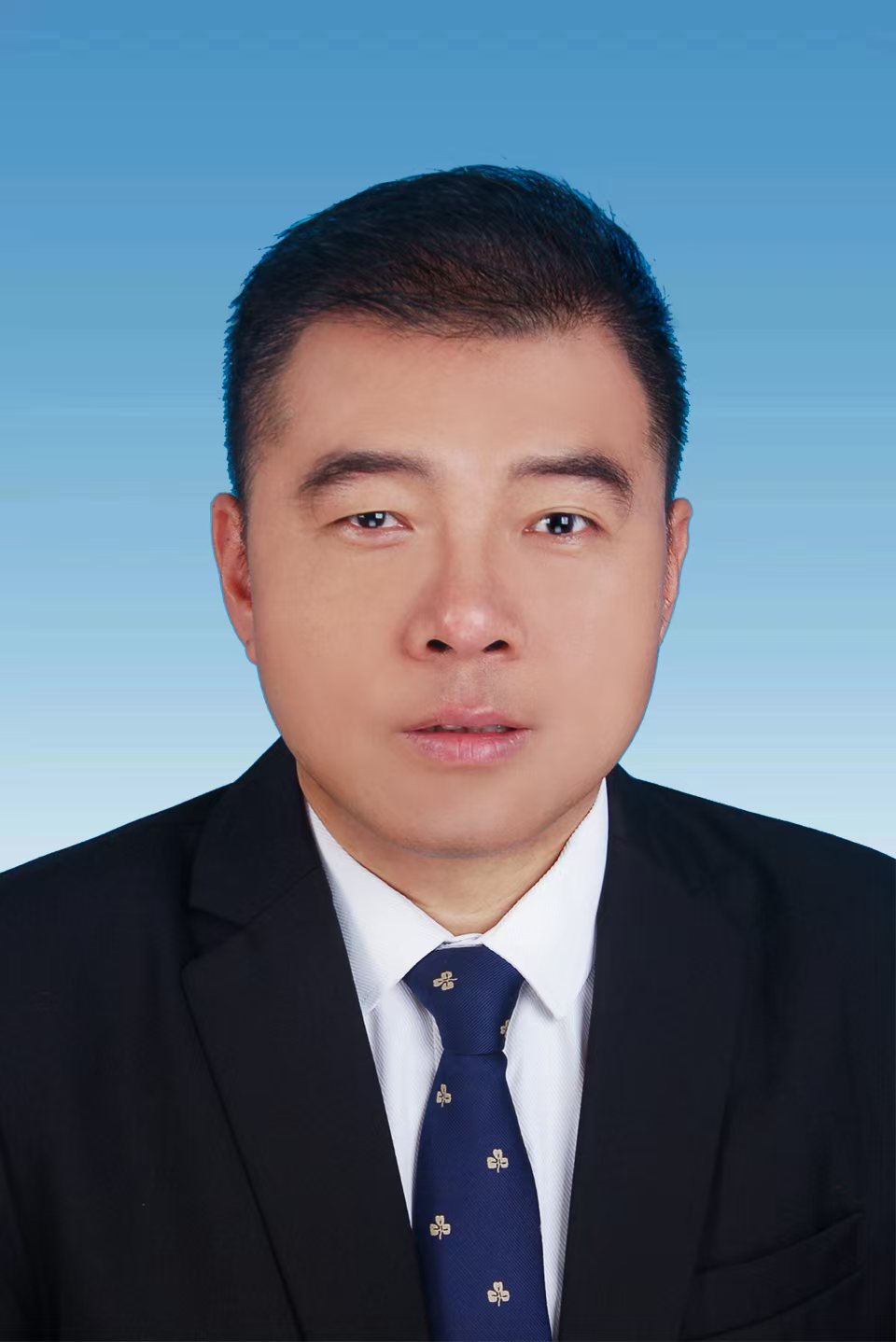
Prof. Canping Pan
Email: canpingp@cau.edu.cn
Affiliation: College of Science, China Agricultural University, Beijing, China
Homepage:
Research Interests: nano-selenium as a plant health activator, selenium biofortification and crop nutritional quality enhancement, pesticide residue mitigation and food safety, crop health management and functional agriculture
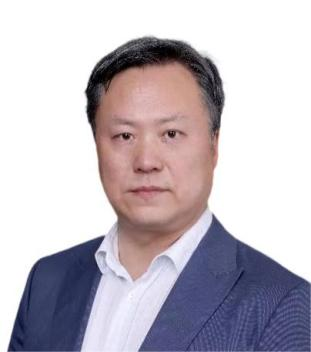
Assoc. Prof. Zhangqian Wang
Email: wzqsnu@whpu.edu.cn
Affiliation: School of Selenium Science and Engineering, Wuhan Polytechnic University, Wuhan, China
Homepage:
Research Interests: microbial selenium metabolism and transformation, selenium biofortification and functional agriculture, natural product biosynthesis, trace element contamination remediation

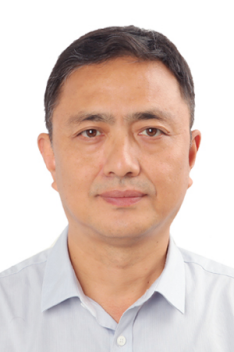
Prof. Jiqian Xiang
Email: hmxjq@163.com
Affiliation: Enshi Academy of Agricultural Sciences, Enshi, Hubei, China
Homepage:
Research Interests: selenium hyperaccumulator domestication and cultivation, plant-derived organic selenium product development, selenium-rich functional agriculture and industrialization
Prof. Xuemeng Gao
Email: gaoxuemeng2023@163.com
Affiliation: College of Horticulture and Gardening, Yangtze University, Jingzhou, China
Homepage:
Research Interests: molecular mechanisms of plant stress tolerance, key allele mining for environmental adaptation, trace element regulation of plant growth and stress responses

Summary
Trace elements play indispensable roles in plant growth, development, and stress resilience, despite being required in minute quantities. Selenium (Se), zinc (Zn), iron (Fe), and other micronutrients serve as cofactors of critical enzymes, regulators of redox homeostasis, and mediators of plant defense responses. The interplay between beneficial and toxic trace elements, particularly the antagonistic relationship between Se and cadmium (Cd), has emerged as a frontier with profound implications for food safety and environmental sustainability. As global interest in functional agriculture and biofortification intensifies, understanding the molecular mechanisms governing trace element uptake, transport, and metabolism in plants is critical for advancing both fundamental plant biology and agricultural sustainability.
This Special Issue aims to provide a comprehensive platform for cutting-edge research on trace elements in plant health, bridging fundamental molecular biology and applied agricultural innovation. The editorial team collectively spans the full spectrum of trace element research, from molecular mechanisms of selenium uptake and hyperaccumulation, through nano-selenium applications and microbial selenium transformation, to field-scale biofortification, selenium-rich product industrialization, and the genetic basis of plant stress adaptation. We welcome original research articles, reviews, and methodological papers on the following themes:
· Molecular mechanisms of trace element uptake, transport, and subcellular distribution in plants
· Selenium biology and biofortification strategies for crop quality enhancement
· Elemental crosstalk and antagonistic interactions between beneficial and toxic elements
· Heavy metal stress signaling, detoxification, and phytoremediation
· Genetic improvement and microbial-assisted technologies for trace element management
· Secondary metabolites influenced by micronutrient status in medicinal and economic plants
This Special Issue seeks to advance our understanding of trace element biology and promote the translation of research findings into sustainable agricultural practices that benefit both human health and environmental quality.
Keywords
trace elements, selenium, biofortification, heavy metal stress, elemental crosstalk, phytoremediation, plant nutrition, functional agriculture

 Login
Login Register
 Submit a Paper
 Propose a Special lssue