Guest Editor(s)
Assoc. Prof. Hongli Wu
Email: Hongli.Wu@unthsc.edu
Affiliation: Pharmaceutical Sciences, College of Pharmacy, University of North Texas Health Science Center, Fort Worth, TX 76107, USA
North Texas Eye Research Institution, Fort Worth, TX 76107, USA
Homepage:
Research Interests: cellular senescence, oxidative stress, chronic inflammation, and a premature mouse model, senotherapeutic

Dr. Ying Qin
Email: yingqin@my.unthsc.edu
Affiliation: Pharmaceutical Sciences, College of Pharmacy, University of North Texas Health Science Center, Fort Worth, TX 76107, USA
College of Biomedical and Translational Sciences, University of North Texas Health Science Center, Fort Worth, Tx 76107, USA
North Texas Eye Research Institution, Fort Worth, TX 76107, USA
Homepage:
Research Interests: cellular senescence, chronic inflammation, oxidative stress, premature mouse model, senotherapeutics, neurodegeneration
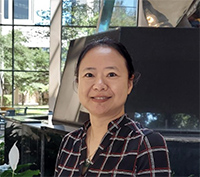
Dr. Haoxin Liu
Email: haoxin.liu@nyulangone.org
Affiliation: Department of Pharmacy, NYU Langone Hospital-Brooklyn, Brooklyn, NY 11220, USA
Homepage: www.linkedin.com/in/haoxin-liu-972107218
Research Interests: Cellular senescence, oxidative stress, nephrology in mouse model, clinical infectious diseases, chronic disease management
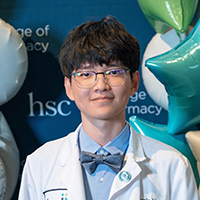
Summary
Cellular senescence, a state of stable cell cycle arrest accompanied by profound changes in cell function, has emerged as a pivotal biological process influencing both health and disease. While initially recognized as a natural tumor-suppressive mechanism, senescence now is understood to play multifaceted roles in aging, tissue homeostasis, and chronic pathological conditions. The accumulation of senescent cells contributes to tissue dysfunction and the progression of diseases such as cancer, fibrosis, metabolic syndromes, and neurodegeneration. Recent advances in molecular biology and therapeutics have paved the way for innovative strategies targeting senescent cells—termed senotherapeutics, offering promising avenues for intervention.
This special issue aims to integrate research efforts that deepen our understanding of the molecular and cellular underpinnings of cellular senescence and its dual roles in physiology and pathology. The issue will cover the following key subtopics:
1. Molecular Mechanisms of Cellular Senescence: Exploring the signaling pathways, DNA damage responses, epigenetic modifications, and metabolic shifts that initiate and maintain the senescent state. Studies elucidating the regulation of the senescence-associated secretory phenotype (SASP) will also be highlighted.
2. Senescence in Tissue Homeostasis and Aging: Investigations into how senescence contributes to normal development, wound healing, and age-related functional decline. The balance between beneficial and detrimental effects of senescent cells in various tissues will be examined.
3. Senescence in Disease Pathogenesis: Reviews and original research detailing the role of senescent cells in cancer progression and suppression, fibrotic diseases, metabolic dysfunction, and neurodegenerative disorders. This section emphasizes the interplay between senescence and the immune system in disease contexts.
4. Senotherapeutics and Therapeutic Strategies: This section emphasizes the molecular and cellular mechanisms of senolytic and senomorphic agents targeting senescent cells. Studies on how these therapies modulate key signaling pathways, SASP, and tissue microenvironments are welcome. Both preclinical mechanistic work and early clinical data elucidating therapeutic efficacy and specificity will be featured.
5. Biomarkers and Model Systems for Senescence: We invite research on molecular and cellular biomarkers that accurately identify senescence in vivo, including those from transcriptomics, proteomics, and epigenetics. Also encouraged are advanced in vitro and in vivo models that enable detailed mechanistic studies and evaluation of senescence-targeted therapies, aligned with BIOCELL's cellular and molecular focus.
In summary, this special issue will provide a comprehensive and multidisciplinary perspective on cellular senescence, bridging fundamental molecular insights with translational research and therapeutic innovation. It aligns with BIOCELL's mission to unravel life processes and disease mechanisms at the cellular and molecular levels, fostering novel approaches to improve human health.
Keywords
cellular senescence, SASP, senotherapeutics, aging, cancer, biomarkers, DNA damage response
Published Papers

 Login
Login Register
 Submit a Paper
 Propose a Special lssue