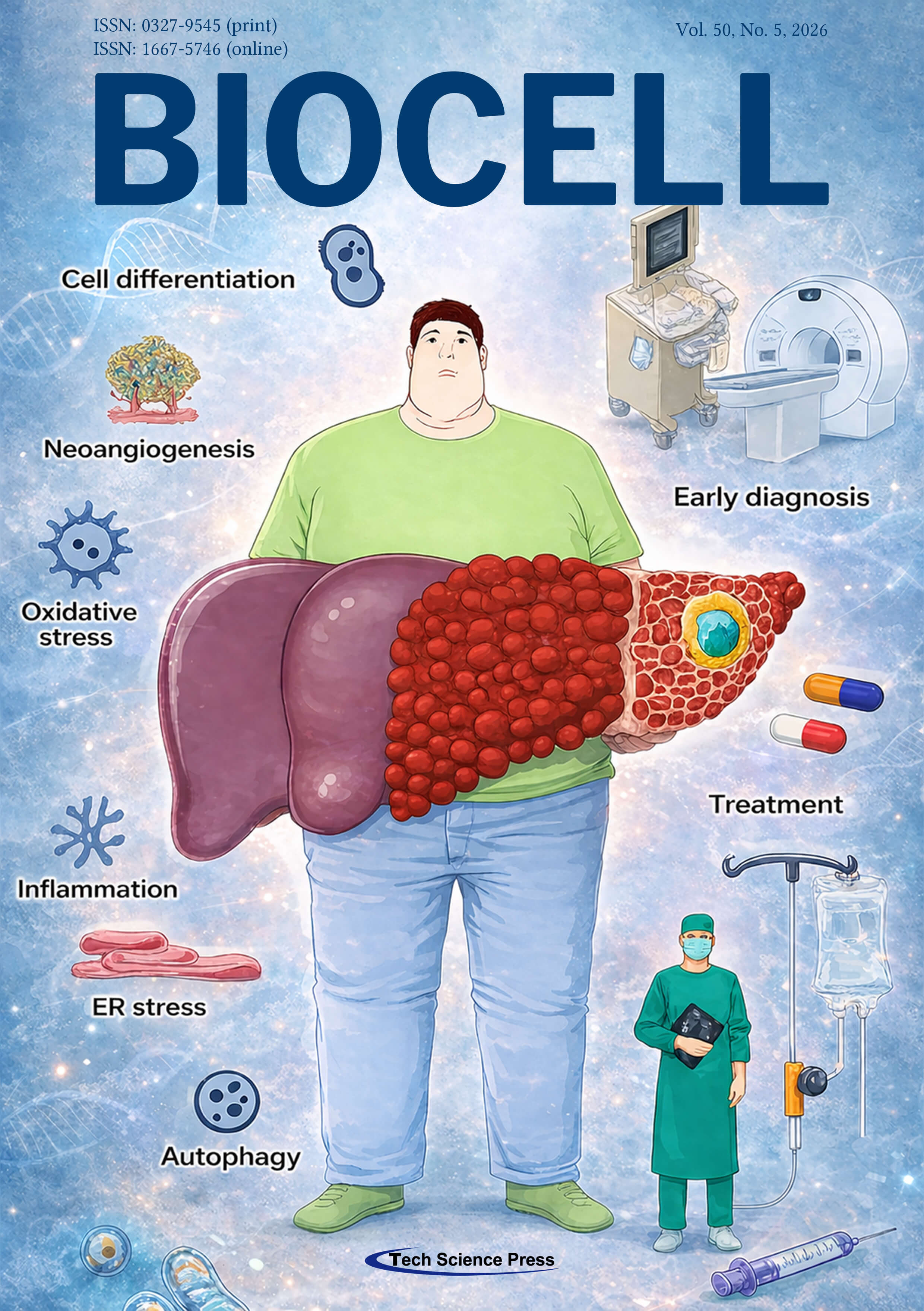
Obesity significantly influences liver health by promoting the onset and progression of metabolic dysfunction-associated steatotic liver disease (MASLD). Hepatocellular carcinoma (HCC), the most prevalent form of liver cancer, is increasingly associated with MASLD through intricate genetic and molecular mechanisms. Obesity-induced MASLD entails alterations in hepatocytes resulting from lipid accumulation, oxidative stress, inflammation, and dysregulated signaling pathways such as mTOR, AMPK, and NF-κB. These factors impact cellular processes including growth, apoptosis, autophagy, migration, immune response, angiogenesis, and differentiation. Optimal management of MASLD-HCC depends on comprehensive risk evaluation, timely diagnosis, and the implementation of advanced therapeutic approaches. The cover image was created, in part, with AI-generated content via Copilot which was further modified using copyrighted elements by Servier Medical Art (SMART), licensed under the Creative Commons Attribution 4.0 International License (CC BY 4.0).
View this paper

 Login
Login Register
 Submit a Paper
 Propose a Special lssue